My first encounter with the benzaldehyde-rich aroma of Ricciarelli occurred in a small Sienese kitchen, where the scent of bitter almonds filled the air like a fragrant scientific revelation. I realized then that these cookies are not just sweets; they are a sophisticated study in almond oil concentration and protein stability. The way the scent molecules interact with our olfactory receptors creates a sensory experience that is both ancient and chemically fascinating.

These traditional Sienese almond cookies are celebrated for their distinctive cracked surface and soft, marzipan-like interior. By understanding the relationship between moisture activity and sugar crystallization, we can master the specific ‘crackle’ that defines this Italian masterpiece. This recipe focuses on the precise layering of almond lipids and egg white proteins to achieve the perfect textural contrast.
The Flavor Science of Almond Emulsions
What makes this recipe truly remarkable is the interplay of ingredients that create a unique structural matrix. Unlike standard cookies that rely on gluten for strength, Ricciarelli use a combination of almond flour and whipped egg white proteins to build their foundation. The high concentration of almond oils (lipids) provides a rich, moist mouthfeel that remains stable even after the drying process. This is a scientific triumph of fat and air working in harmony.
The inclusion of orange zest and almond extract creates a complex aroma profile. The limonene from the citrus zest acts as a bright top note that cuts through the dense, nutty base of the almond flour. From a taste perspective, the addition of a small amount of salt suppresses any inherent bitterness in the almonds, which actually boosts our perception of sweetness. This balance is why you’ll find these cookies nearly impossible to stop eating; they satisfy multiple taste receptors simultaneously.
Furthermore, the drying period before baking is a crucial phase of moisture management. This step allows for the formation of a ‘pellicle’ or a thin skin on the surface of the dough ball. When the cookie enters the oven and the internal gases expand, this skin fractures, creating the beautiful, rustic cracks we associate with authentic Siena baking. It is a perfect example of physical forces creating aesthetic beauty in the kitchen.
Print
Ricciarelli
- Total Time: 1 hour 40 mins
- Yield: 24 cookies
- Diet: Gluten-Free
Description
These traditional Sienese almond cookies are a masterpiece of Italian baking, known for their signature crackled surface and tender, marzipan-like interior. Infused with bright orange zest and intense almond flavor, they offer a sophisticated and naturally gluten-free treat that melts in the mouth.
Ingredients
- 2 1/4 cups finely ground blanched almond flour
- 1 3/4 cups powdered sugar, plus extra for coating
- 2 large egg whites
- 1 tablespoon almond extract
- 1 teaspoon vanilla extract
- 1 teaspoon fresh orange zest
- 1/2 teaspoon lemon juice
- 1/4 teaspoon salt
- 1/2 teaspoon baking powder
Instructions
- In a medium bowl, whisk together the almond flour, powdered sugar, salt, and baking powder until the mixture is uniform and free of clumps.
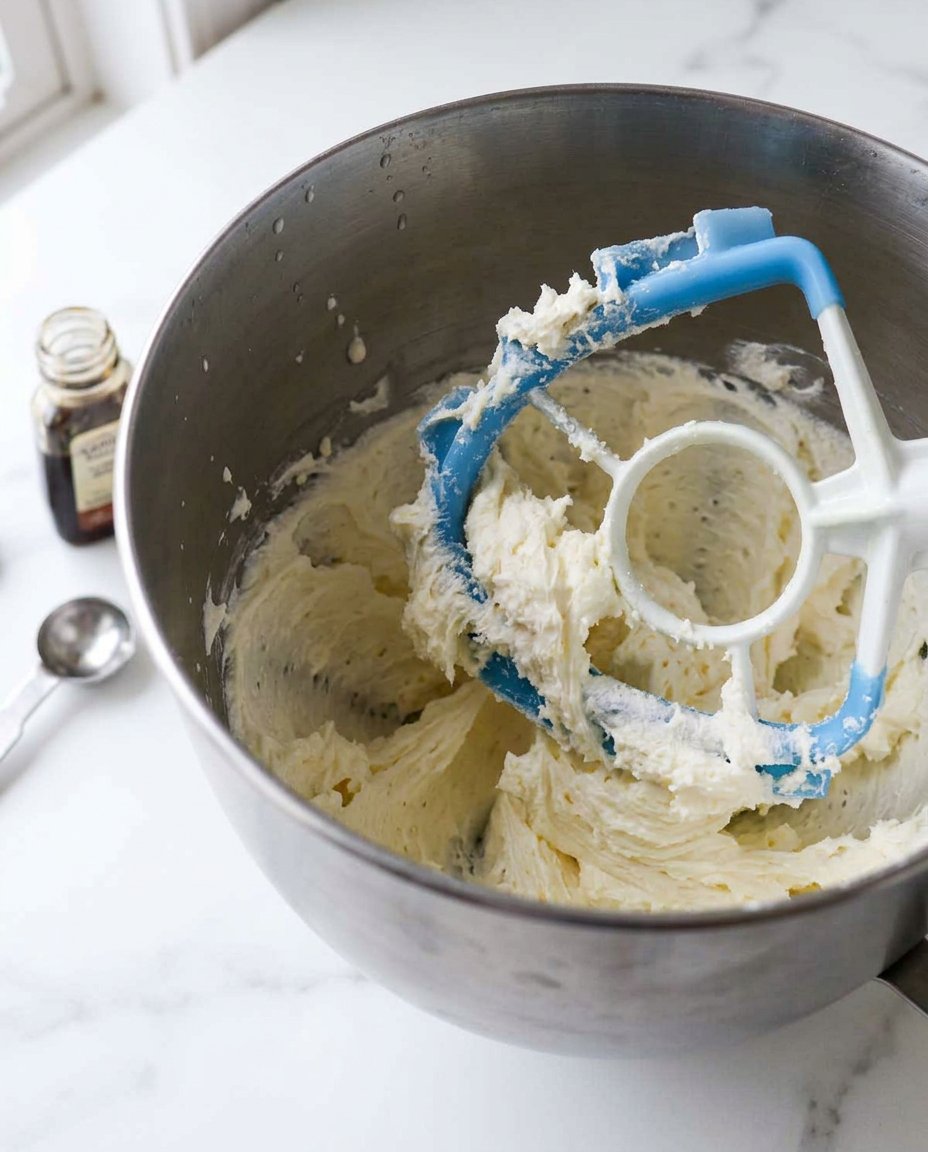
- In a stand mixer, beat the egg whites and lemon juice starting on medium-low speed and increasing to medium-high until they reach stiff peaks.
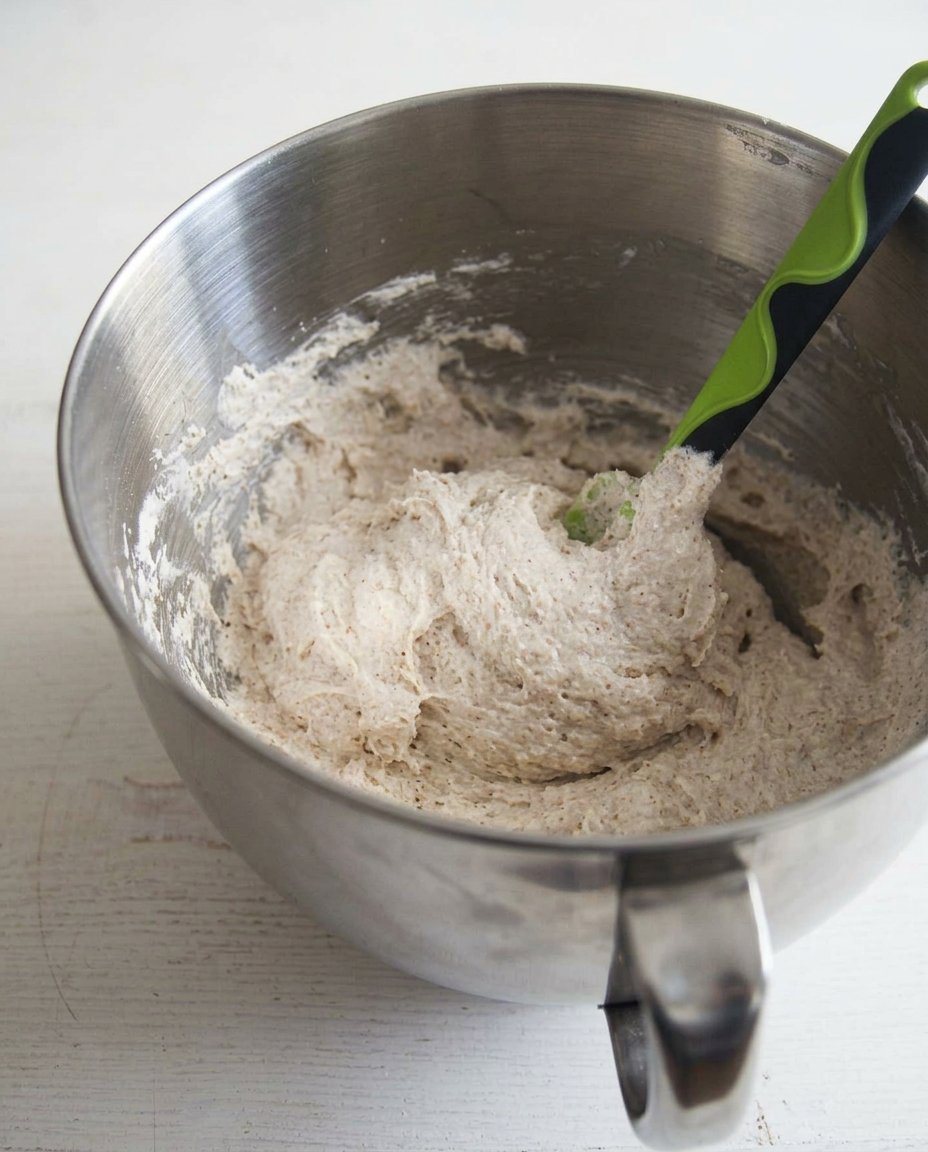
- Using a spatula, gently fold the almond extract, vanilla extract, and orange zest into the stiff egg whites, taking care not to deflate the foam.
- Sift the almond flour mixture into the egg whites in three separate additions, folding gently after each until a cohesive, sticky dough forms.
- Roll the dough into balls approximately 1 to 1.5 inches in diameter, then roll them generously in powdered sugar and shape into traditional ovals.
- Place the cookies on a baking sheet lined with parchment paper and let them rest at room temperature for 60 minutes to allow a semi-rigid skin to form on the surface.
- Preheat your oven to 300°F (150°C); lightly squeeze the corners of each cookie to encourage the surface to crack, then bake for 20 minutes until set but still pale in color.
Notes
The resting period is the most important step for achieving the iconic cracked look; ensure the surface of the dough is matte and dry to the touch before baking. For the most vibrant flavor, use a microplane to zest the orange directly over the mixing bowl to capture all the essential oils.
- Prep Time: 20 mins
- Cook Time: 20 mins
- Category: Dessert
- Method: Baking
- Cuisine: Italian
Building Blocks of Flavor and Texture
To achieve the specific sensory profile of authentic Ricciarelli, we must look at the quality and function of each component. Each ingredient is selected for its specific chemical contribution to the final cookie.
- Almond Flour (2 1/4 cups): This provides the bulk and the primary lipid source. We use finely ground blanched almonds to ensure a smooth texture. The high fat content is what keeps the interior soft and chewy.
- Powdered Sugar (1 3/4 cups + coating): This functions as a sweetener and a structural stabilizer. Its fine particle size allows it to dissolve quickly into the egg whites, creating a syrup that coats the almond particles.
- Egg Whites (2): These are the protein workhorses. When beaten, the albumin proteins denature and trap air, providing the only lift this cookie receives.
- Almond Extract (1 tablespoon): This provides a concentrated dose of benzaldehyde, which intensifies the ‘nutty’ aroma that defines the cookie’s identity.
- Orange Zest (1 teaspoon): Contains essential oils like limonene, which add aromatic complexity and a bright counterpoint to the heavy almond base.
- Lemon Juice (1/2 teaspoon): This acidic component lowers the pH of the egg whites, helping the protein network become more flexible and stable during whipping.
- Salt and Baking Powder: The salt functions as a flavor enhancer, while the baking powder provides a tiny secondary boost of leavening to encourage the surface to crack.
The Flavor Method and Layering Process
Step 1: Prepare the Dry Phase
In a medium bowl, combine your almond flour, powdered sugar, salt, and baking powder. Use a whisk to ensure the dry ingredients are fully integrated, breaking up any clumps of almond flour. This ensures a consistent distribution of the leavening agent and salt, which is vital for uniform flavor across every bite.
Step 2: Aerate the Proteins
Add the egg whites and lemon juice to the bowl of a stand mixer. Start at a medium-low speed to begin the denaturation of the proteins, then increase to medium-high. You are looking for stiff peaks that hold their shape. The lemon juice makes certain that the foam remains stable as you transition to the next stage of flavor incorporation.
Step 3: Incorporate Aromatics
Gently add the almond extract, vanilla extract, and orange zest to the stiff egg whites. Fold these in with a spatula, being careful not to deflate the air you’ve worked so hard to trap. This is where we layer the liquid aromatics into the protein scaffold, ensuring the scents are locked into the structure.
Step 4: Sift and Fold the Structure
Using a fine mesh sieve, sift the almond flour mixture into the egg whites in three separate batches. Fold each batch gently. The goal here is to create a cohesive, sticky dough. While you want to maintain some air, the mixture will naturally become dense as the almond lipids interact with the moisture of the egg whites.
Step 5: Shape and Coat
Roll the dough into balls approximately 1 to 1.5 inches in diameter. Roll each ball thoroughly in powdered sugar. The sugar serves a dual purpose: it prevents sticking and provides the material for the surface ‘crust.’ Shape the balls into ovals, which is the traditional form for this Sienese treat.
Step 6: The Pellicle Formation (Drying)
Place the cookies on a parchment-lined sheet and let them sit at room temperature for 60 minutes. This is a critical scientific step where the surface moisture evaporates, forming a semi-rigid skin. If you skip this, the cookies will not crack correctly in the oven.
Step 7: The Final Crack and Bake
Preheat your oven to 300℉ (150℃). Just before baking, lightly squeeze the corners of each cookie to pre-crack the dried shell. Bake for 20 minutes. The cookies should remain pale; we are looking for protein setting and moisture reduction rather than significant Maillard browning.
Jasmine’s Flavor Notes and Pairing Secrets
To maximize the aromatic potential of these cookies, I recommend using a high-quality almond extract that contains natural oil of bitter almond. This chemical compound, benzaldehyde, is what gives Ricciarelli their signature ‘cherry-like’ almond scent. Additionally, make certain your almond flour is fresh; the oils in nuts can oxidize over time, leading to a rancid taste that will ruin the delicate balance of the cookie. If you want to understand more about how different flours affect cookie structure, you can see our guide on Foundation Cookie Recipes.
Another secret is the moisture control during the resting phase. If you live in a high-humidity environment, the drying process may take longer. You can tell the cookies are ready when the surface is no longer tacky to the touch. This physical change is essential for the crackle effect. When you lightly press the cookies before baking, you are creating ‘stress points’ in the sugar shell, directing where the cracks will form for a more beautiful result.
Scientific Flavor Swaps and Pairing Options
While the traditional almond and orange profile is classic, you can experiment with other terpene-rich additions. For instance, swapping the orange zest for lemon zest and adding a teaspoon of minced fresh rosemary creates a savory-sweet profile that is incredibly sophisticated. The piney notes of rosemary share chemical compounds with citrus, making them a natural fit for this dough. For more ideas on how to adjust recipes for different seasons, check out our Holiday Cookie Science section.
Another interesting variation is the ‘Pistachio Ricciarelli.’ Replace half of the almond flour with finely ground pistachio flour. Pistachios have a different fat profile and contain chlorophyll, which will give the cookies a stunning green interior. This modification changes the density slightly because of the higher fat content in pistachios, so you may need to increase the drying time by 15 minutes to ensure the pellicle forms correctly.
How to Serve and Flavor Pairings
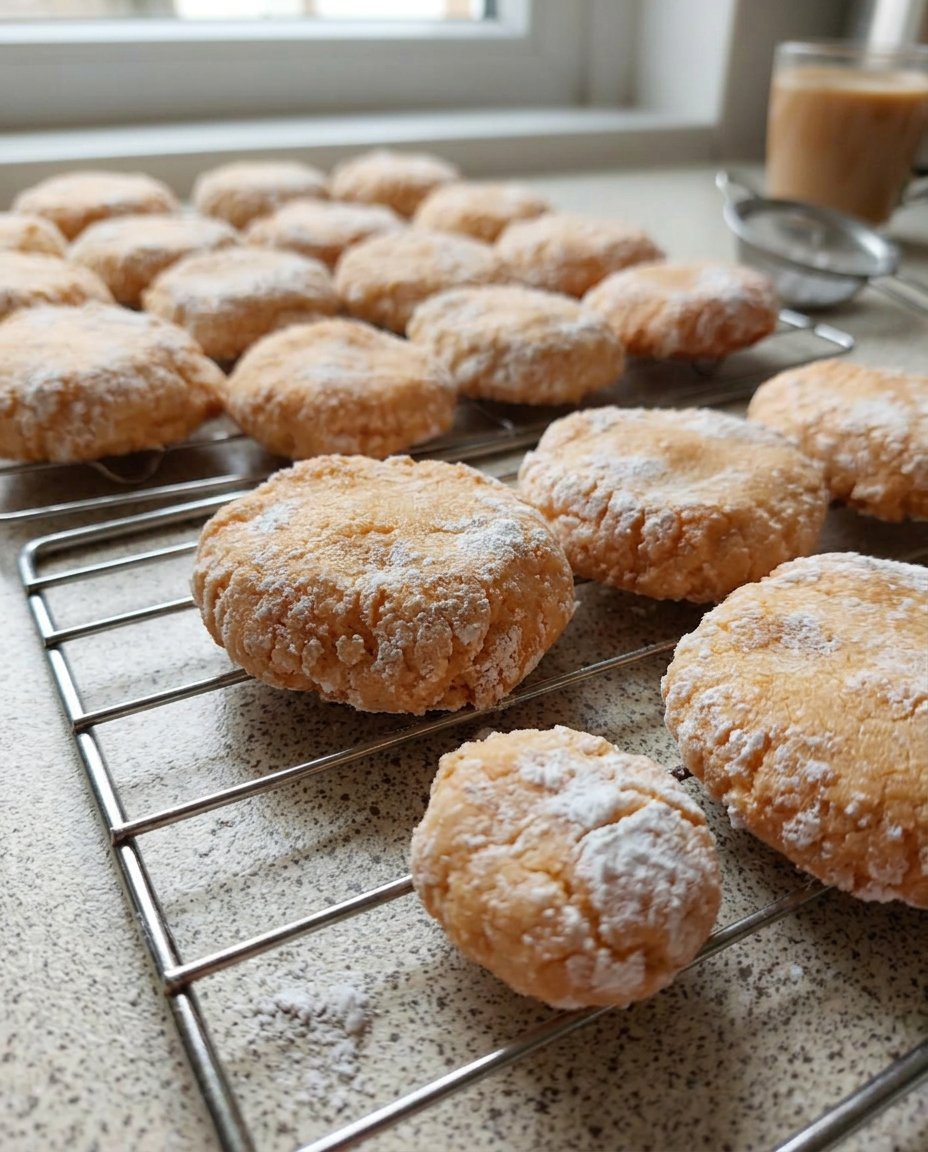
To truly appreciate the flavor complexity of Ricciarelli, serve them at room temperature with a glass of Vin Santo. The oxidative notes of the dessert wine complement the nuttiness of the almonds perfectly. Alternatively, a strong espresso provides a bitter contrast that makes the sweetness of the powdered sugar coating pop. For those looking to integrate these into a larger spread, our Efficient Cookie Methods page offers great tips on preparing bakes in advance.
Because these cookies are so rich in lipids, they pair beautifully with acidic accompaniments. A side of fresh raspberries or a tart lemon curd can provide a sharp contrast to the dense almond base. This play between rich fats and bright acids is a fundamental principle of flavor science that ensures the palate never becomes overwhelmed.
The Flavor Truth and Taste Discovery
Mastering Ricciarelli is about more than just following a recipe; it is about understanding how air, protein, and fat interact to create a specific textural experience. Once you understand the science of the sugar pellicle and the stability of egg white foams, you can apply these principles to many other technical bakes. If you’re interested in refining your aesthetic skills further, our Precision Cookie Decorating guide is a great next step. For more scientific baking tips, follow us on Pinterest, Instagram, and Facebook. Happy baking!