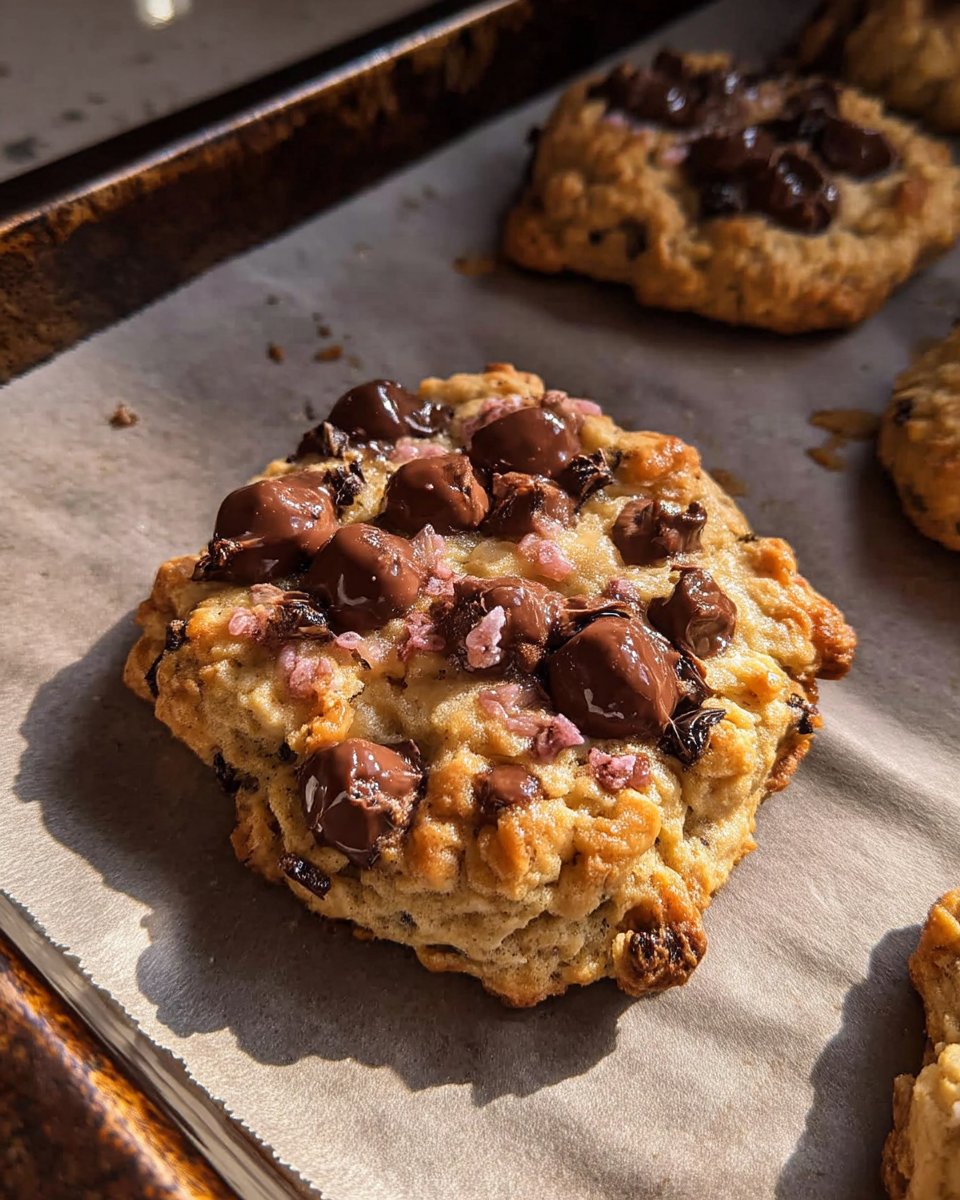
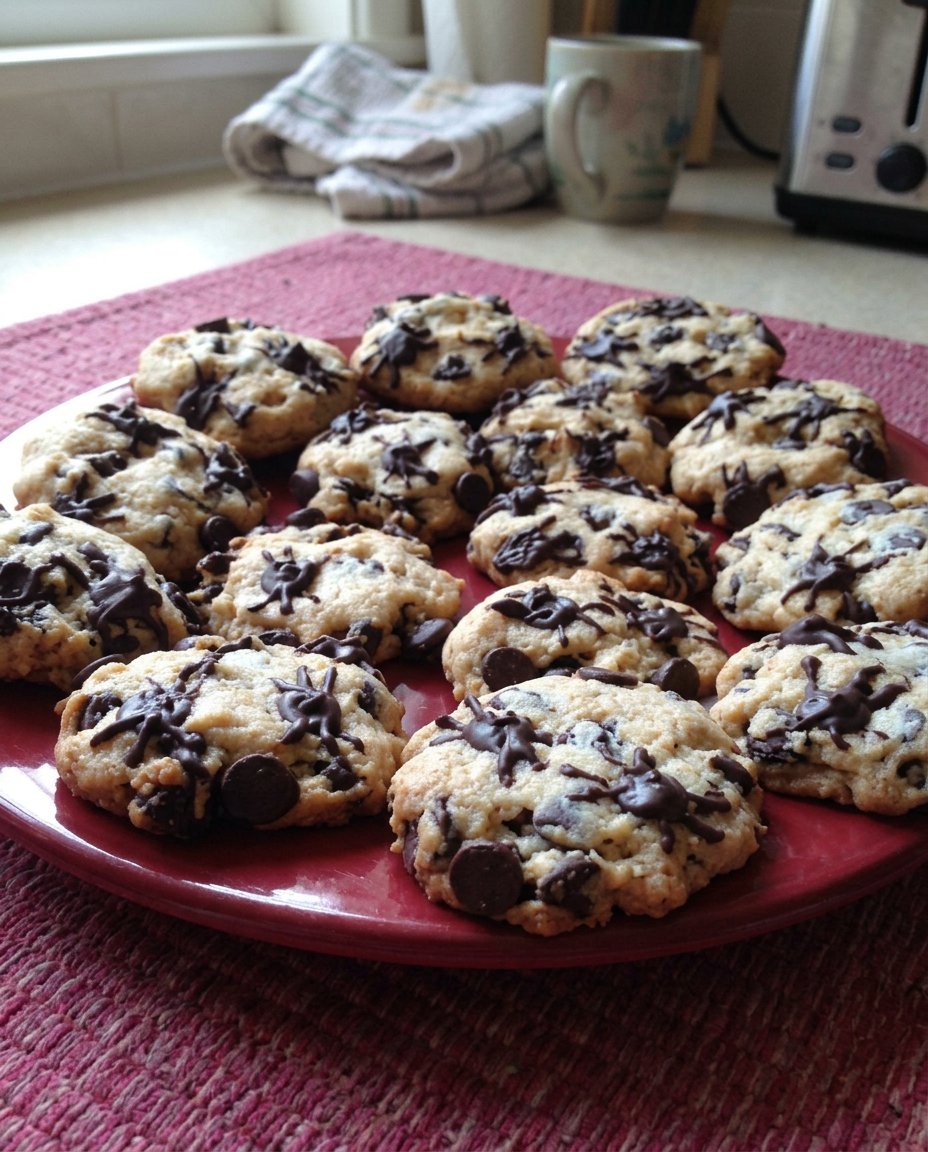
The first time I observed the Maillard reaction in my kitchen, I realized that baking isn’t just a chore; it is an exercise in aromatic chemistry. This Bakery Style Chocolate Chip Cookies 3 recipe relies on the interaction between amino acids and reducing sugars to create that signature golden-brown crust and deep caramel flavor profile. By understanding how vanillin compounds from high-quality extract bridge the gap between cocoa solids and buttery fats, we can create a cookie that resonates on multiple sensory levels.

We are moving beyond the standard cookie recipe to look at how specific flour proteins influence the final architecture of our bake. This version of Bakery Style Chocolate Chip Cookies 3 uses a precise ratio of all-purpose and cake flours to achieve a structural integrity that remains tender. The result is a substantial, bakery-sized treat that balances a crisp perimeter with a dense, fudge-like center, proving that scientific precision leads to superior results.
The Flavor Science Behind the Perfect Bite
You will find this Bakery Style Chocolate Chip Cookies 3 recipe fascinating because it respects the laws of fat and emulsions. When we melt butter rather than creaming it, we change the way the fat interacts with the flour’s starch granules, resulting in a chewier texture. This method also allows the sugars to dissolve more thoroughly into the fat, which speeds up the caramelization process once the dough enters the oven. The addition of an extra egg yolk introduces more lecithin, a natural emulsifier that binds the water and fat together for a remarkably smooth mouthfeel.
Furthermore, the combination of two types of chocolate—regular and mini chips—provides a complex textural experience. The smaller chips melt faster and distribute cocoa flavor more evenly throughout the dough, while the larger chips provide concentrated bursts of semi-sweet intensity. This layered approach to flavor and texture is what separates a professional bake from a standard one. It is not just about sweetness; it is about the balance of bitterness from the cocoa, the acidity of the brown sugar, and the sharpening effect of the sodium chloride.
Print
Bakery Style Chocolate Chip Cookies 3
- Total Time: 3 hours 35 mins
- Yield: 12 cookies
- Diet: Vegetarian
Description
Experience the science of superior baking with these thick, bakery-style cookies that balance a crisp outer edge with a dense, fudge-like center. By utilizing a specific blend of flours and a long chilled hydration period, this recipe produces a professional-grade treat with deep caramel notes and complex chocolate distribution.
Ingredients
- 250 grams all-purpose flour
- 150 grams cake flour
- 1 teaspoon baking soda
- 1/2 teaspoon salt
- 1 cup unsalted butter, melted and cooled to 65-70°F
- 1 cup light brown sugar
- 1/2 cup granulated sugar
- 2 large eggs, room temperature
- 1 large egg yolk, room temperature
- 1 tablespoon vanilla extract
- 12 ounces semi-sweet chocolate chips (mixture of regular and mini chips)
- Flaky sea salt for topping
Instructions
- Line a large baking sheet with parchment paper or a silicone mat to ensure even heat distribution.
- In a large mixing bowl, whisk together the all-purpose flour, cake flour, baking soda, and salt to aerate the dry ingredients and distribute the leavening agent evenly.
- In a separate bowl, stir the melted and cooled butter with the light brown and granulated sugars until the fats and sugars are well combined.
- Add the eggs, extra egg yolk, and vanilla extract to the butter mixture, stirring gently until the preparation appears glossy and fully emulsified.
- Slowly fold the dry flour mixture into the wet ingredients using a spatula, stopping immediately once no white streaks remain to avoid overworking the gluten.
- Gently fold in the 12 ounces of chocolate chips until they are evenly distributed throughout the dough.
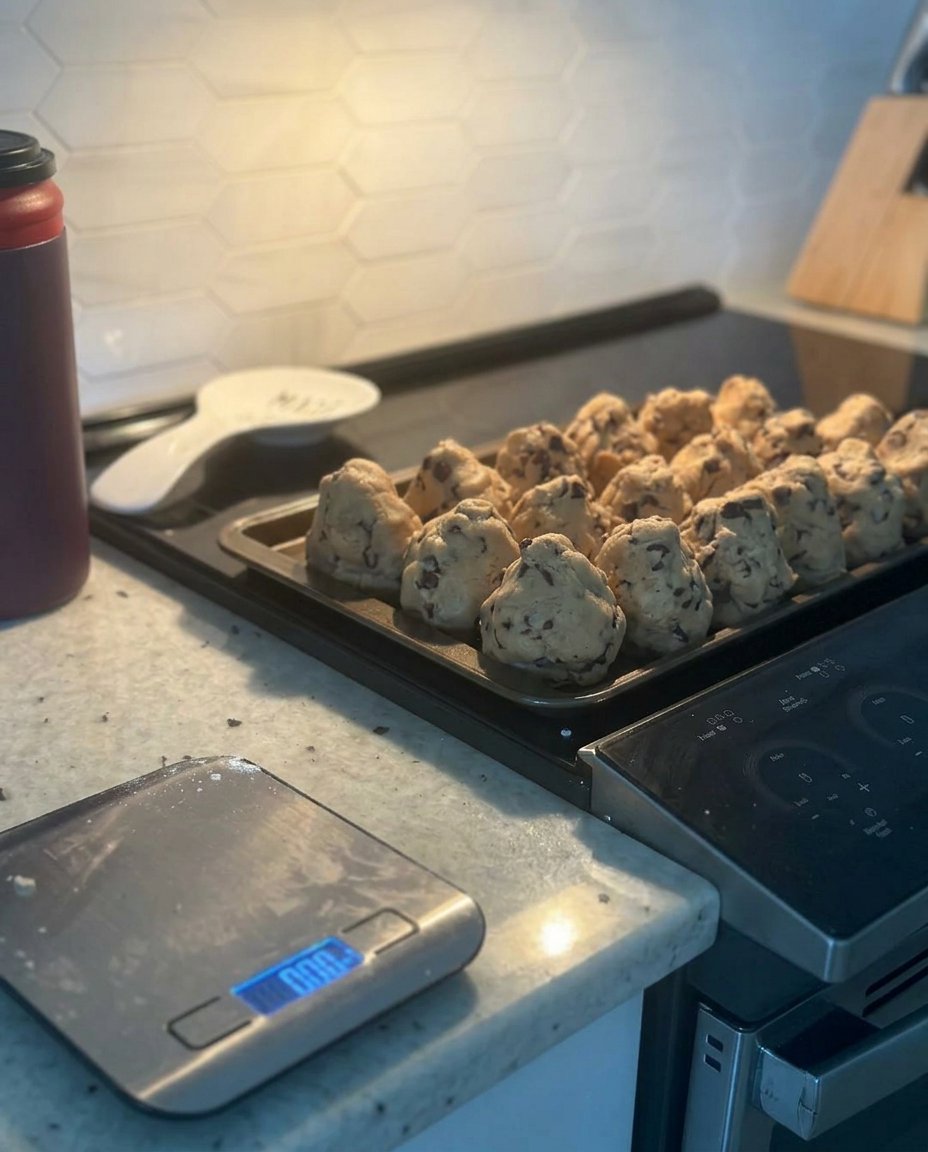
- Scoop the dough into large 3-ounce balls (approximately 85 to 90 grams each) to ensure uniform baking.
- Cover the dough balls and refrigerate for at least 3 hours to allow the starch to hydrate and the flavor profile to deepen.
- Preheat your oven to 350°F (180°C) and bake the chilled cookies for 14 to 17 minutes until the edges are golden and the tops are set.
Notes
To ensure the most consistent results, always use a digital kitchen scale to measure your flour and sugars in grams. Chilling the dough is a non-negotiable step for this recipe; it prevents the cookies from spreading too thin and allows the complex sugars to fully develop their signature toasted flavor during the thermal transformation in the oven.
- Prep Time: 20 mins
- Cook Time: 15 mins
- Category: Dessert
- Method: Baking
- Cuisine: American
Building the Flavor Foundation
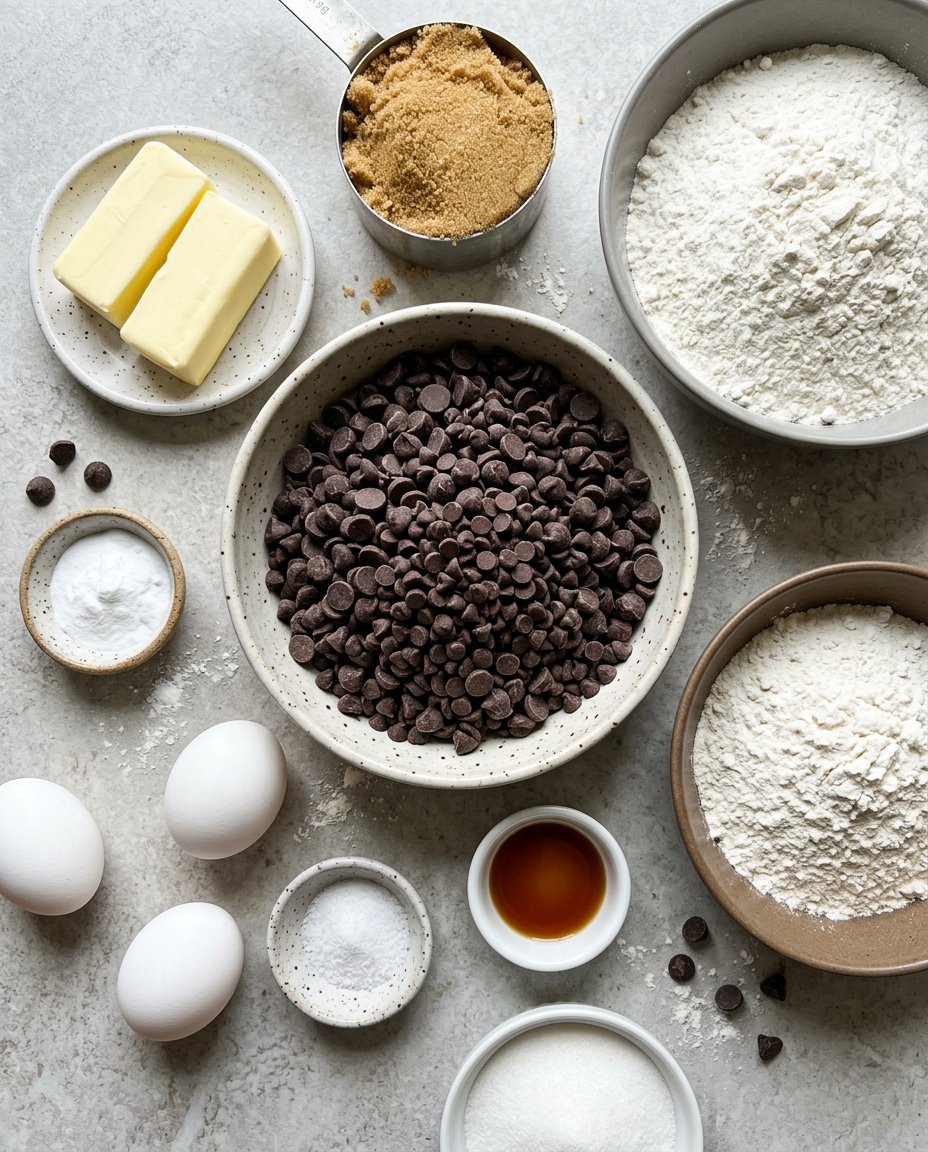
Success in this Bakery Style Chocolate Chip Cookies 3 recipe starts with understanding your building blocks and how they interact on a molecular level.
- All-Purpose and Cake Flour: We use a blend to control protein levels. All-purpose flour provides the glutenin and gliadin necessary for structure, while cake flour, which is chlorinated and lower in protein, keeps the crumb tender and prevents the cookie from becoming tough.
- Unsalted Butter: Melting the butter breaks the emulsion, allowing the water content to evaporate and the milk solids to toast slightly during the bake. This provides a nuttier, more complex base than softened butter.
- Light Brown and Granulated Sugar: Brown sugar is hygroscopic, meaning it pulls moisture from the air, which keeps the cookies soft. The granulated sugar provides the necessary dry crystals for edge crisping and browning.
- Egg and Egg Yolk: The whole egg provides structure through protein coagulation, while the extra yolk adds fat and emulsifiers for a richer, more decadent finish.
- Baking Soda: Also known as sodium bicarbonate, this leavening agent reacts with the acidic molasses in the brown sugar to create carbon dioxide, giving the cookies a slight lift and aiding in the browning process by raising the pH level.
- Vanilla Extract: We add this for its vanillin content, which is a key aromatic compound that intensifies our perception of sweetness and chocolate depth.
- Semi-Sweet Chocolate Chips: I recommend a mix of sizes to create a diverse landscape of chocolate within each bite. The semi-sweet profile provides enough cocoa butter and solids to balance the sugar levels in the dough.
The Scientific Layering Process
Step 1: Prepare the Structural Framework
Begin by lining a large baking sheet with parchment paper or a silicone mat. This step is vital for heat distribution; silicone mats provide more insulation, which can result in a softer bottom, whereas parchment allows for slightly more browning.
Step 2: Combine the Dry Compounds
In a large mixing bowl, whisk together the 250 grams of all-purpose flour, 150 grams of cake flour, baking soda, and salt. Whisking serves two purposes: it aerates the flour and guarantees that the leavening agent is distributed evenly so you don’t end up with uneven pockets of carbon dioxide during the bake.
Step 3: Emulsify the Sugars and Fats
In a separate bowl, stir the melted and cooled butter with both sugars. You want the butter to be between 65°F and 70°F—cool enough that it won’t cook the eggs, but still liquid enough to incorporate the sugar crystals. This creates a stable base for the emulsion.
Step 4: Integrate the Proteins and Aromatics
Add the two large eggs, the extra egg yolk, and the tablespoon of vanilla extract to the butter mixture. Stir gently until the mixture looks glossy. This glossiness is a sign that the lecithin in the egg yolks has successfully emulsified the fats and liquids into a cohesive unit.
Step 5: Merge the Wet and Dry Phases
Slowly fold the dry flour mixture into the wet ingredients. Use a spatula and stop the moment you no longer see white streaks. Over-mixing at this stage will overwork the gluten proteins, leading to a bready, tough cookie rather than a tender one.
Step 6: Fold in the Cocoa Solids
Gently incorporate the 12 ounces of chocolate chips. By using a mix of regular and mini chips, you are creating a more complex distribution of chocolate flavor across the entire surface area of the dough ball.
Step 7: Measure for Uniform Heat Capacity
Scoop the dough into 3-ounce balls (roughly 85 to 90 grams). Uniformity is key here; cookies of the same mass will bake at the same rate, preventing a situation where smaller cookies burn while larger ones remain raw.
Step 8: Hydrate and Chill
Cover the dough balls and refrigerate for at least 3 hours. This is the most critical step for flavor. During this time, the flour fully hydrates, and enzymes begin to break down the starches into simpler sugars, which results in better browning and a deeper, more sophisticated flavor profile.
Step 9: The Final Thermal Transformation
Preheat your oven to 350°F (180°C). Space the chilled dough balls 5 to 6 to a sheet to allow for proper airflow. Bake for 14 to 17 minutes. You are looking for ‘set’ tops—this means the proteins have coagulated and the sugars have caramelized on the edges, while the center remains slightly under-baked for that soft texture.
Jasmine’s Flavor Secrets
To achieve the ultimate flavor complexity in your Bakery Style Chocolate Chip Cookies 3, pay attention to your salt placement. I suggest adding half of the salt to the dry ingredients for foundational seasoning and then sprinkling a tiny amount of flaky sea salt on top immediately after baking. This layering technique works because salt suppresses bitterness and intensifies our perception of the chocolate’s floral notes. For more on the basics of creating a solid baking foundation, look at our Foundation Cookie Recipes. Also, always use room temperature eggs; cold eggs can cause the melted butter to seize, breaking the emulsion you worked so hard to create. If the emulsion breaks, the fat will leak out during baking, leading to greasy cookies that spread too thin.
Scientific Flavor Swaps
You can modify the aromatic profile of these cookies by playing with the terpene compounds found in different add-ins. For example, replacing a portion of the vanilla with orange zest introduces limonene, which shares a molecular affinity with the polyphenols in dark chocolate, creating a bright and sophisticated pairing. If you want to dive deeper into how seasonal flavors interact with dough chemistry, check out our guide on Holiday Cookie Science. You might also consider swapping the semi-sweet chips for bittersweet chocolate with at least 70% cocoa solids. This increase in cocoa mass provides more antioxidants and a deeper, more savory-leaning profile that contrasts beautifully with the sweet dough base.
Maximizing the Sensory Experience
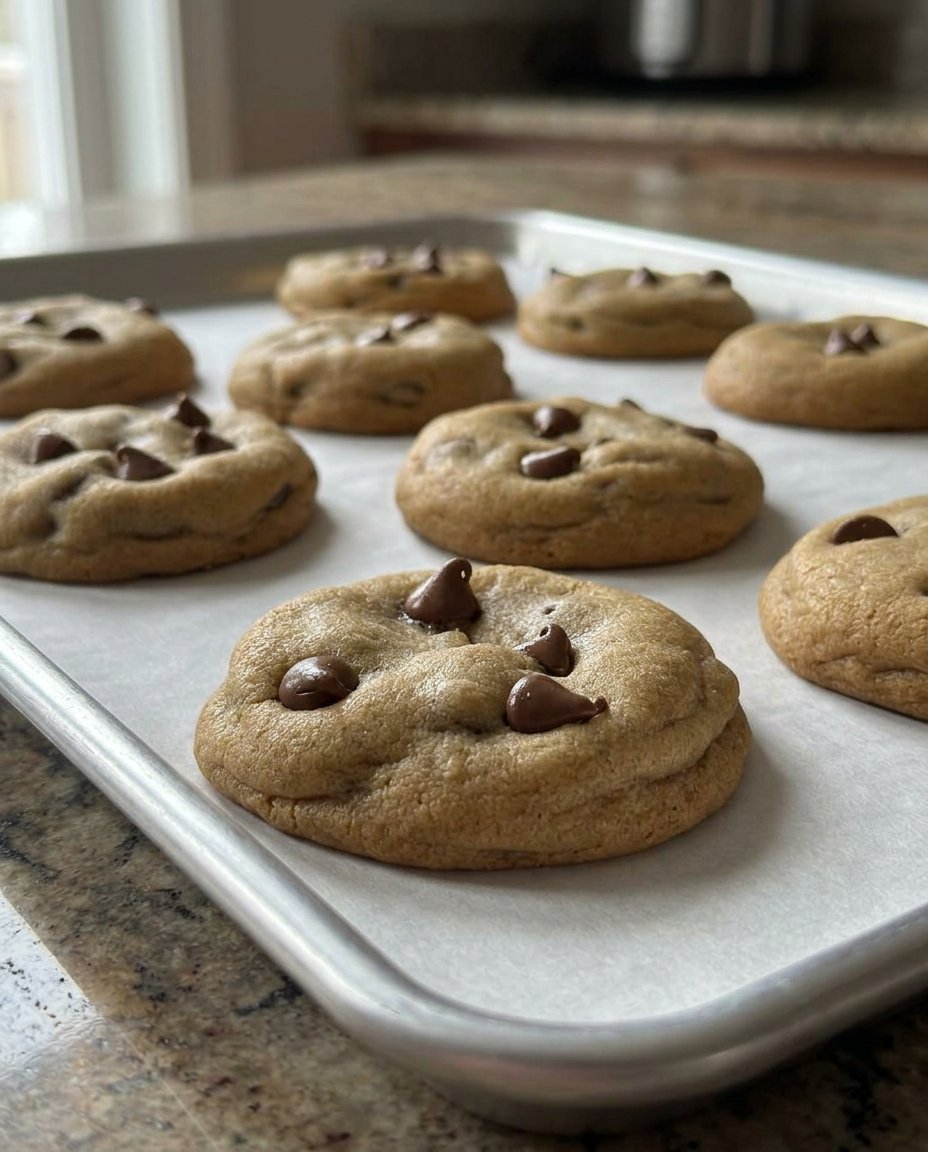
When serving your Bakery Style Chocolate Chip Cookies 3, consider the temperature of the cookie. Tasting a cookie while it is slightly warm (around 100°F) allows the fats to remain in a liquid state, which coats the tongue and carries flavor compounds more effectively to your taste buds. Pairing these with a dark roast coffee is a brilliant move, as the roasted pyrazines in the coffee beans mirror the toasted notes in the caramelized cookie edges. For tips on presenting these at a professional level, see our Precision Cookie Decorating resources. A cold glass of whole milk is also a classic pairing because the milk proteins (casein) help cleanse the palate of the heavy cocoa butter, making every bite taste as fresh as the first.
The Flavor Truth
Baking the perfect Bakery Style Chocolate Chip Cookies 3 is a rewarding study in how simple ingredients can undergo a total molecular transformation with the right technique. By focusing on the emulsion of fats, the hydration of starches, and the layering of aromatic compounds, you have created something much more than a simple snack—it is a masterpiece of kitchen chemistry. If you enjoyed this deep dive into cookie structure, you might find our Viral Cookie Analysis quite helpful for understanding other trending bakes. For more inspiration, please follow me on Pinterest, Instagram, and Facebook. You can also find more wonderful baking insights at Live Well Bake Often. Keep experimenting with your flavor pairings and enjoy the discovery!