I first began studying the molecular profile of the Cranberry Pistachio Biscotti 2 while investigating how organic acids in fruit interact with the roasted pyrazines found in nuts. The sharp, vibrant acidity of fresh cranberries provides a necessary contrast to the fatty, earthbound notes of the toasted pistachios. By understanding these aroma compounds, we can create a cookie that hits multiple taste receptors simultaneously, resulting in a more complex sensory experience.

This specific Cranberry Pistachio Biscotti 2 formula relies on the traditional Italian method of double-baking to remove moisture and stabilize the structure. The result is a crisp, snap-prone texture that serves as a perfect vehicle for the tart fruit and crunchy nuts. We use a precise ratio of flour to fats to produce a crumb that is firm enough for slicing but delicate enough to dissolve pleasantly on the palate.
The Flavor Science of Tart and Toasted Profiles
You will find this recipe remarkable because it balances the five basic tastes with scientific precision. The addition of salt suppresses the inherent bitterness of the nuts, making the sweetness of the sugar feel more intense without increasing the glycemic load. This interaction is known as cross-modal flavor perception, where one ingredient changes how we perceive another.
Furthermore, the Cranberry Pistachio Biscotti 2 benefits from the contrast between the soft, moisture-rich cranberries and the dry, brittle pistachio kernels. As the biscotti undergoes its second bake, the cranberries undergo a slight concentration of their natural sugars, while the pistachios release aromatic oils. This layered complexity is what differentiates a standard cookie from a scientifically balanced bake.
Finally, the structural integrity of this cookie is a fascinating study in gluten development. By keeping the hydration levels controlled, we produce a dough that maintains its shape through two separate thermal applications. This ensures the final product has the characteristic ‘crunch’ that defines the biscotti category without becoming overly dense or impenetrable.
Print
Cranberry Pistachio Biscotti
- Total Time: 1 hour 15 mins
- Yield: 15 biscotti
- Diet: Vegetarian
Description
Discover the perfect balance of tart fresh cranberries and toasted pistachios in this scientifically balanced biscotti. These double-baked Italian treats offer a crisp, satisfying snap and complex flavor profile that pairs beautifully with your favorite warm beverage.
Ingredients
- 100g fresh cranberries
- 60g roasted pistachios
- 55g unsalted butter
- 130g granulated sugar
- 2 large eggs
- Pure vanilla extract
- 250g all-purpose flour
- Baking soda
- Salt
- White chocolate (optional)
Instructions
- Preheat your oven to 350°F (175°C) and line a baking sheet with parchment paper.
- Pulse the cranberries in a food processor until they reach a fine crumb consistency and coarsely chop the pistachios.
- In a mixing bowl, beat the butter and sugar for two minutes until fluffy, then add the eggs and vanilla, mixing for another two minutes.
- Gradually add the flour, baking soda, and salt, mixing only until combined, then fold in the processed cranberries and pistachios.
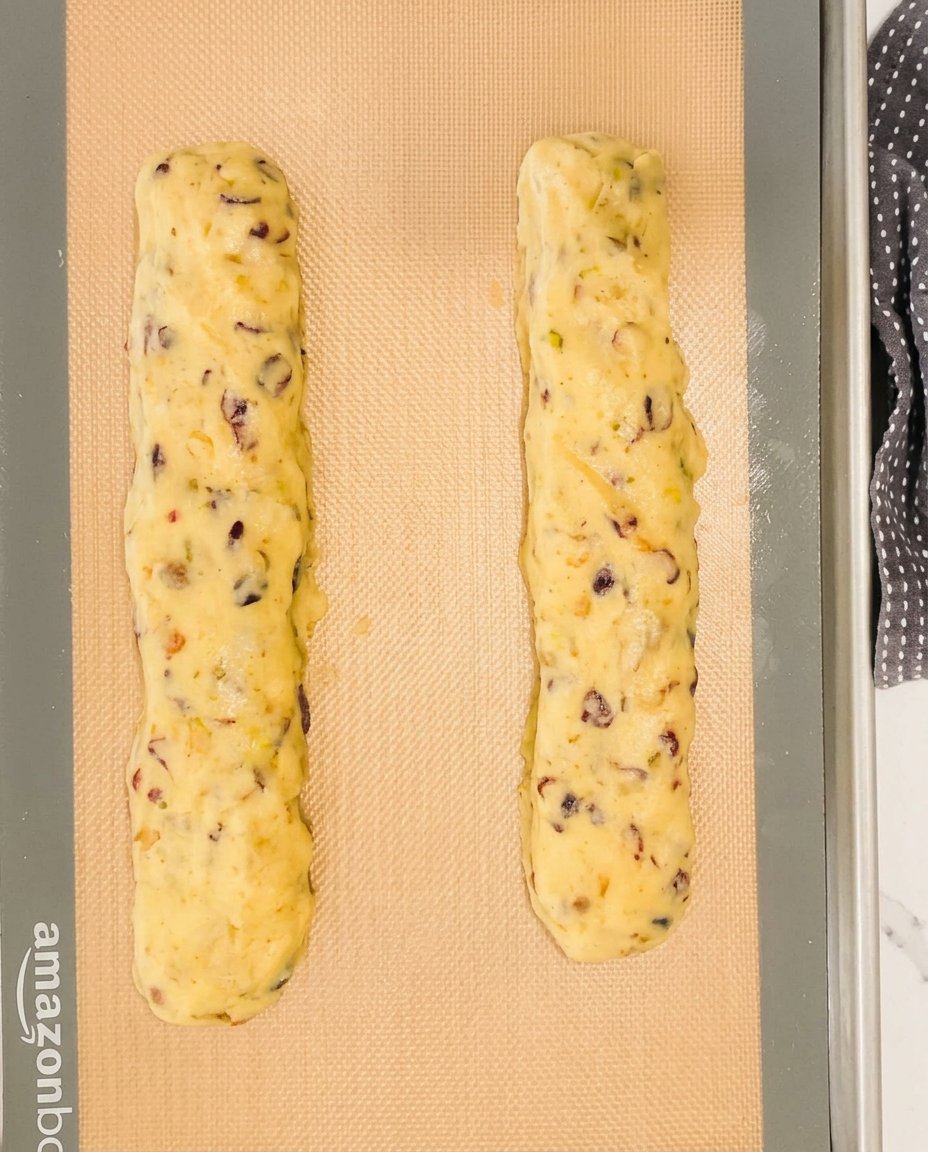
- Shape the dough into an 11×3.5 inch log on the baking sheet and bake for 30-35 minutes until the structure is set.
- Cool slightly, then use a serrated knife to cut 3/4-inch wide strips and place them back on the sheet.
- Bake the strips for 10 minutes, flip them over, and bake for a final 10 minutes to dehydrate.
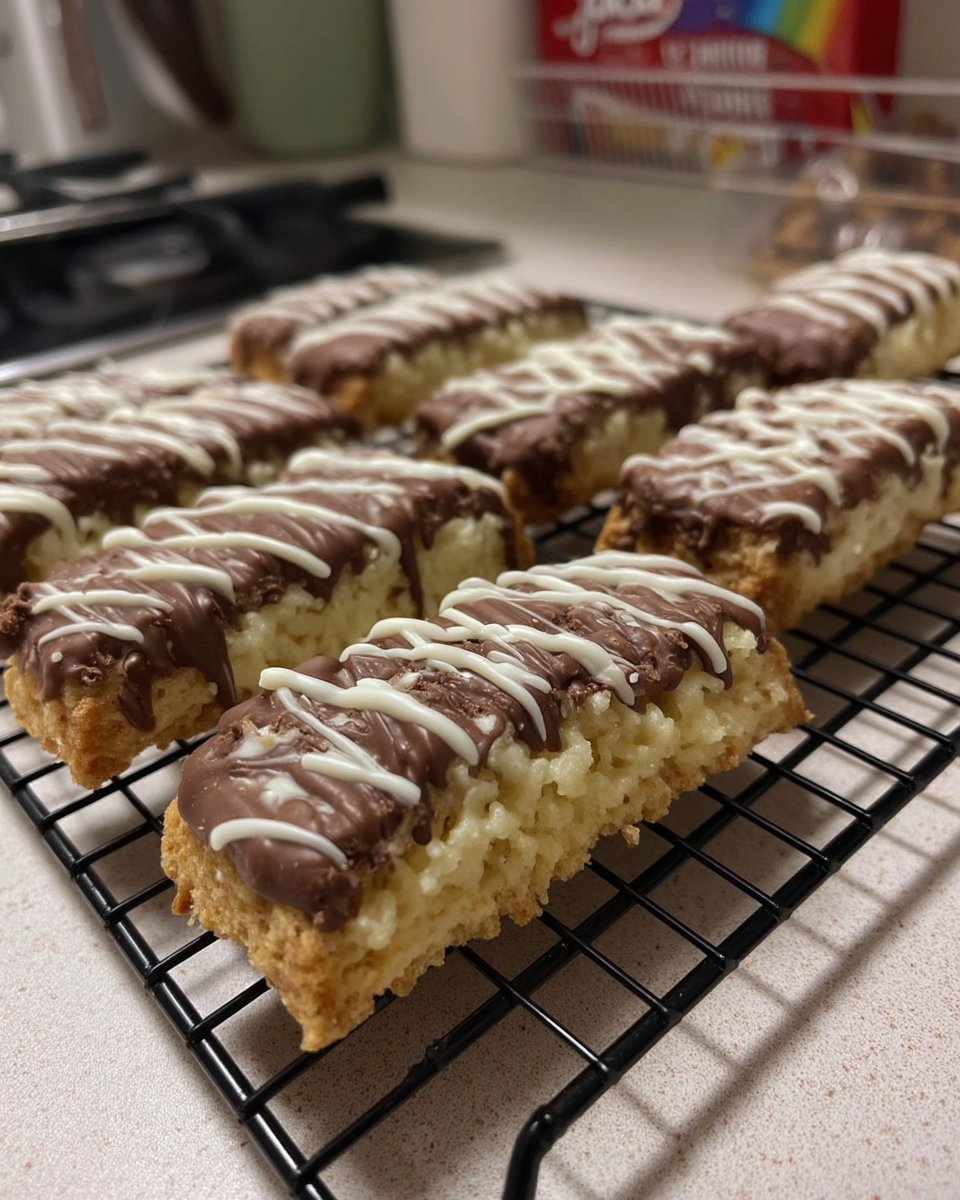
- If using white chocolate, melt it in a double boiler and drizzle over the cooled biscotti for a creamy finish.
Notes
For the cleanest slices, ensure you use a sharp serrated knife and cut while the log is still warm to prevent the crust from shattering. If you prefer a softer bite, you can slightly shorten the second bake time to retain just a touch of moisture in the center of the cookie.
- Prep Time: 20 mins
- Cook Time: 55 mins
- Category: Dessert
- Method: Baking
- Cuisine: Italian
Analytical Breakdown of Flavor Components
To achieve the perfect Cranberry Pistachio Biscotti 2, each component must be selected for its chemical contribution to the final matrix. We are not just mixing ingredients; we are building a stable emulsion and a structural lattice.
- Fresh Cranberries (100g): These provide the primary acid source. Unlike dried fruit, fresh berries release steam during the first bake, creating tiny voids in the crumb that lighten the overall texture.
- Roasted Pistachios (60g): These are rich in lipids and pyrazines. Toasting them beforehand is vital as it initiates the Maillard reaction, developing a savory-sweet aroma that pairs naturally with the fruit.
- Unsalted Butter (55g): This acts as our primary fat source. In this recipe, the butter coats the flour proteins, limiting gluten formation to keep the biscotti from becoming tough.
- Granulated Sugar (130g): Beyond sweetness, sugar is a humectant. It helps control the migration of water during the baking process, ensuring the edges crisp up while the center retains a slight snap.
- Large Eggs (2): These provide the proteins necessary for structure. The lecithin in the yolks also acts as an emulsifier, binding the water-based and fat-based ingredients into a smooth dough.
- Pure Vanilla Extract: We include this for the vanillin compounds, which serve as a bridge between the fruity acids and the nutty base notes.
- All-Purpose Flour (250g): The protein content here (usually 10-12%) provides the ‘scaffolding’ for our cookie.
- Baking Soda & Salt: The soda provides chemical leavening through CO2 release, while the salt balances the flavor ions.
- White Chocolate (Optional): This adds a layer of creamy fats (cocoa butter) that can soften the sharp edges of the cranberry acids.
The Precision Layering Process
Step 1: Thermal Preparation and Fruit Processing
Preheat your oven to 350°F (175°C) to ensure immediate expansion of leavening gases upon entry. Prepare a baking sheet with parchment. Using a food processor, pulse the cranberries until they reach a fine crumb consistency; this increases the surface area for flavor distribution. Coarsely chop the pistachios to maintain textural variety.
Step 2: Emulsifying the Fat and Sugars
In a mixing bowl, combine the butter and sugar. Use a paddle attachment to beat the mixture for approximately two minutes. You are looking for a fluffy texture, which indicates that air has been mechanically trapped within the fat, providing a secondary form of leavening. Add the eggs and vanilla, mixing for another two minutes to stabilize the emulsion.
Step 3: Incorporating Dry Reactants
Slowly add the flour, baking soda, and salt. Mix only until the white streaks of flour disappear. Over-mixing at this stage will over-develop the gluten, leading to a rubbery texture. The dough will be noticeably sticky; this is due to the high moisture content of the eggs relative to the fat. Fold in the processed cranberries and pistachios using a spatula to ensure even distribution of the flavor compounds.
Step 4: Primary Baking and Structural Setting
Lightly flour your hands and the baking sheet. Shape the dough into a log approximately 11×3.5 inches. Bake for 30-35 minutes. At this stage, the proteins are denaturing and the starches are gelatinizing, setting the initial shape of the Cranberry Pistachio Biscotti 2. Remove from the oven and allow it to cool slightly so the internal moisture redistributes.
Step 5: Secondary Baking for Moisture Removal
While the log is still warm (to prevent shattering), use a serrated knife to cut 3/4-inch wide strips. Place these strips back on the sheet. Bake for another 10 minutes, flip them over, and bake for a final 10 minutes. This second application of heat is a dehydration step, removing residual water to create the signature dry, crisp texture.
Step 6: Final Decoration and Lipid Layering
If you choose to use white chocolate, melt it carefully in a double boiler. The goal is to reach a temperature where the fats flow but do not separate. Drizzle the chocolate over the cooled biscotti. The creamy mouthfeel of the white chocolate creates a final layer of sensory complexity against the crunch of the cookie.
Jasmine’s Flavor Secrets for Superior Snap
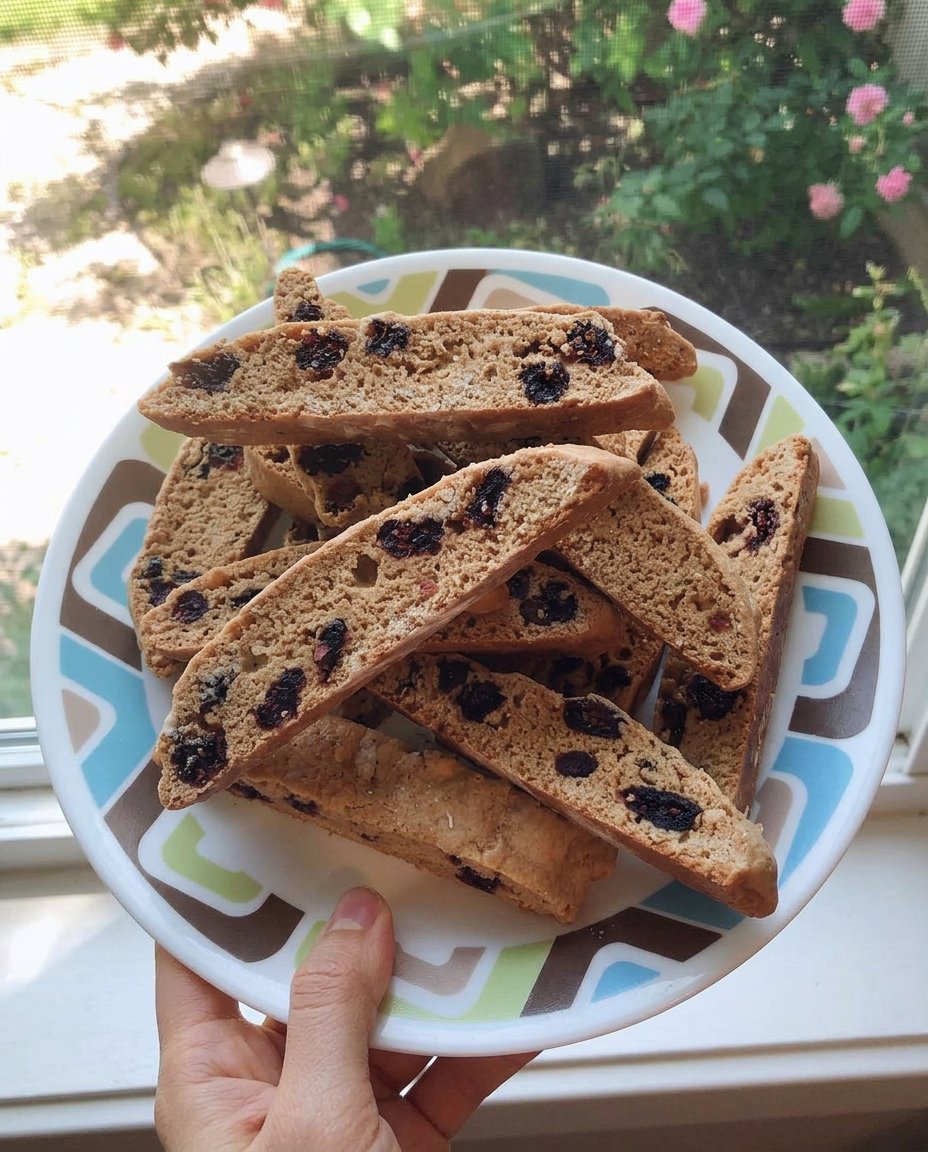
One of the most interesting aspects of the Cranberry Pistachio Biscotti 2 is the role of residual heat. To achieve the most consistent crunch, I recommend leaving the biscotti in the oven with the door slightly ajar after the final bake is finished. This allows for a very slow, controlled evaporation of any remaining moisture molecules without over-browning the delicate pistachios. For more details on managing your oven’s environment, consult our guide on Holiday Cookie Science.
Another scientific tip involves the salt placement. If you sprinkle a tiny amount of flaky sea salt over the white chocolate drizzle before it sets, you create a ‘flavor pop.’ The salt crystals hit the tongue first, clearing the palate and making the subsequent tartness of the cranberry feel much more vivid. This is a classic example of flavor layering where the sequence of ingredient contact changes the overall perception.
Scientific Flavor Swaps and Pairing Options
If you wish to modify the Cranberry Pistachio Biscotti 2, consider the terpene profiles of your additions. For instance, replacing the vanilla with orange zest is a brilliant move because both cranberries and citrus fruits contain limonene. This shared compound creates a bridge between the ingredients, making the flavor profile feel more unified. You can see how this works in our other Foundation Cookie Recipes.
You might also consider replacing the pistachios with almonds. Almonds contain benzaldehyde, which provides a ‘maraschino’ note that complements the tartness of the cranberries. If you prefer a more savory leaning, try using salted roasted pistachios but reduce the added salt in the dough by half. This ensures the salt is concentrated on the nuts rather than being dispersed throughout the crumb.
How to Serve for Maximum Flavor Release
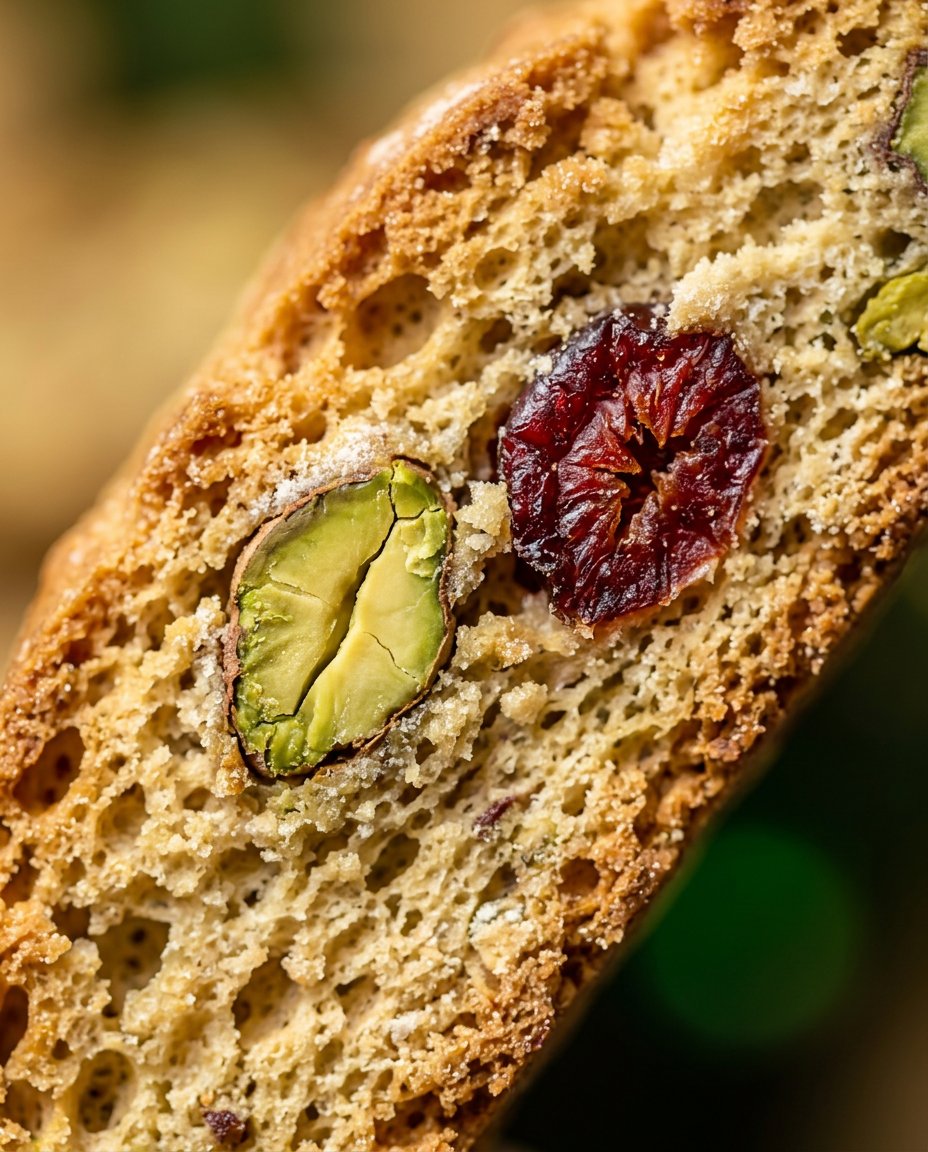
To fully experience the Cranberry Pistachio Biscotti 2, I suggest serving them alongside a warm beverage. Coffee is an excellent choice because the roasted notes in the beans mirror the pyrazines in the pistachios. When the warm liquid hits the cookie, it slightly softens the starch lattice, releasing a burst of vanillin and fruit aroma. For more on serving logic, check out our Efficient Cookie Methods.
For a more formal presentation, serve these at a slightly chilled room temperature. Cold temperatures can sometimes dull flavor, but for this specific biscotti, a cool temperature keeps the white chocolate crisp, providing a more distinct textural contrast against the crumb. You can also pair these with a tart dessert wine; the acidity in the wine will resonate with the cranberry profile.
The Final Word on Flavor Discovery
Mastering the Cranberry Pistachio Biscotti 2 is a rewarding exercise in understanding how acidity and fats can be balanced through precise baking techniques. By focusing on the moisture content and the chemical reactions triggered by the double-bake process, you create a treat that is as stable as it is delicious. If you are interested in refining your finishing touches, our Precision Cookie Decorating guide offers more technical insights. Be sure to share your scientific baking results with us on Instagram, Pinterest, or Facebook. Happy pairing!