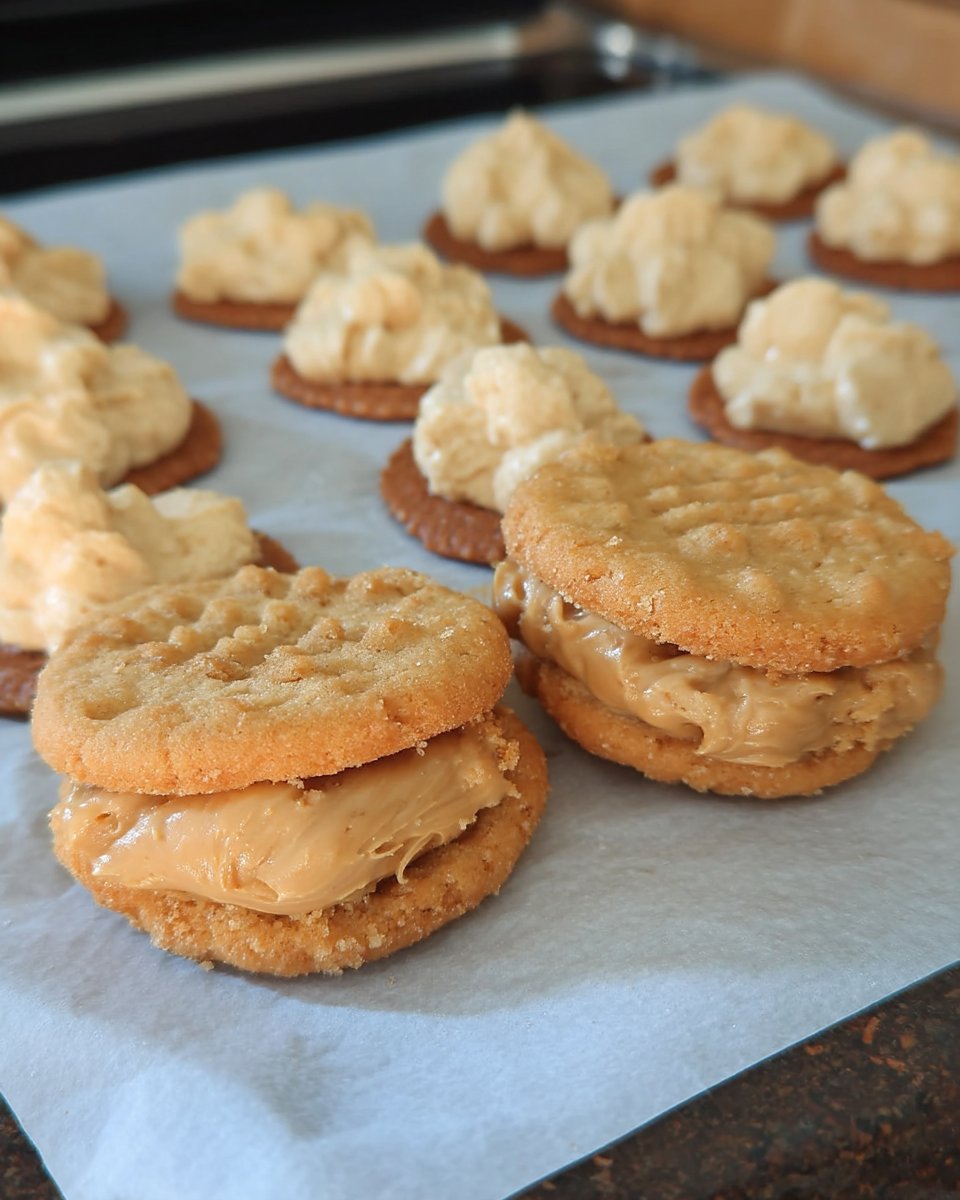
My fascination with the Soft Sugar Cookies 2 recipe began when I started analyzing the relationship between sucrose concentration and crumb moisture. I realized that the way sugar interacts with butter isn’t just about sweetness; it is about creating a structural matrix that traps air while maintaining a high level of hydration. This recipe represents the perfect intersection of 1940s traditional baking wisdom and modern food chemistry.

These specific Soft Sugar Cookies 2 are designed for a mouthfeel that balances a delicate outer crust with a dense, tender center. By adjusting the ratio of whole eggs to extra yolks, we manipulate the lecithin levels to stabilize the emulsion, resulting in a cookie that resists drying out. This method provides a reliable formula for bakers who appreciate the science behind a perfectly soft and chewy finish.
The Flavor Science of Softness
The secret to why these Soft Sugar Cookies 2 work so well lies in the hygroscopic nature of granulated sugar. Sugar is not merely a sweetener; it is a humectant that attracts and holds onto water molecules during the baking process. This prevents the flour’s proteins from forming a tough gluten network, which is why the texture remains remarkably tender even days after baking. We also lean into the science of fat-coating, where the butter surrounds the starch granules to further inhibit gluten development, creating a melt-in-your-mouth sensation that is analytically superior to standard recipes.
Furthermore, the inclusion of an extra egg yolk introduces a higher concentration of fats and emulsifiers. This additional yolk creates a richer flavor profile and a more cohesive dough structure. When we roll the dough in extra sugar before baking, we are creating a concentrated surface layer that undergoes rapid moisture loss. This results in a slight crunch that gives way to a pillowy interior, providing a textural contrast that satisfies multiple sensory receptors simultaneously. It is a calculated balance of hydration and aeration that makes this recipe a staple in any scientific baker’s kitchen.
Print
Soft Sugar Cookies 2
- Total Time: 27 mins
- Yield: 24 cookies
- Diet: Vegetarian
Description
These scientifically-optimized sugar cookies utilize an extra egg yolk and a precise creaming method to achieve a remarkably soft, pillowy texture. By balancing hydration and aeration, this recipe creates a cookie that stays tender for days with a delicate sugar-coated finish.
Ingredients
- 318 grams All-Purpose Flour
- 226 grams Unsalted Butter (cool room temperature, approx. 65°F)
- 250 grams Granulated Sugar (for the dough)
- 50 grams Granulated Sugar (for rolling)
- 2 teaspoons Baking Powder
- 3/4 teaspoon Fine Sea Salt
- 1 Large Egg
- 1 Large Egg Yolk
- 1 teaspoon Vanilla Extract
Instructions
- Preheat your oven to 350°F (177°C) and line baking sheets with parchment paper.
- In a medium bowl, whisk together the all-purpose flour, baking powder, and fine sea salt until fully homogenized.
- In a large bowl, use an electric mixer with a paddle attachment to beat the butter and 250g of granulated sugar on medium-high speed for 2 to 3 minutes until light and fluffy.
- Add the whole egg, the extra egg yolk, and vanilla extract to the butter mixture, beating until the emulsion is smooth and fully combined.
- Slowly incorporate the dry flour mixture into the wet ingredients on low speed, mixing only until the white streaks of flour disappear.
- Place the remaining 50g of sugar in a shallow dish, use a 3-tablespoon scoop to form dough balls, and roll each ball in the sugar to coat thoroughly.
- Place dough balls 2 inches apart on the prepared sheets, flatten slightly, and bake for 10 to 12 minutes until edges are set but centers remain pale.
- Allow the cookies to cool on the baking sheet for 5 minutes before transferring them to a wire rack to finish cooling.
Notes
To ensure the perfect crumb, measure your flour by weight rather than volume to prevent adding too much starch, which can lead to a dry cookie. Always use cool room temperature butter; if the fat is too soft or melted, the cookies will spread too thin and lose their characteristic softness.
- Prep Time: 15 mins
- Cook Time: 12 mins
- Category: Dessert
- Method: Baking
- Cuisine: American
Molecular Components of the Perfect Sugar Cookie
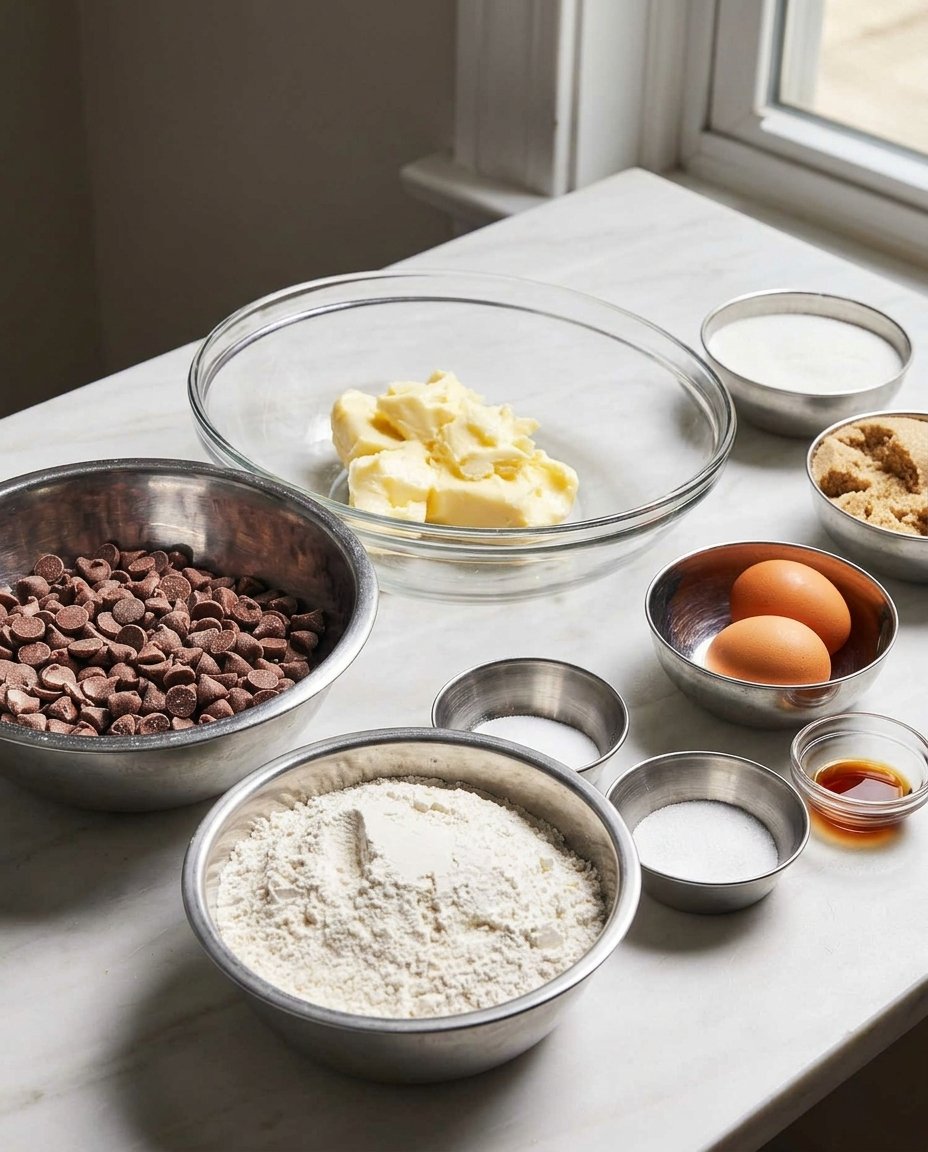
To achieve the specific texture of Soft Sugar Cookies 2, we must look at each ingredient as a functional building block. Every component serves a chemical purpose beyond just flavor.
- All-Purpose Flour (318 grams): We use a moderate protein flour to provide enough structure to hold the cookie’s shape without making it tough. The starch content is vital for the gelatinization process that occurs around 150°F.
- Unsalted Butter (226 grams): Butter provides the lipid base. Keeping it at a cool room temperature (about 65°F) is critical for mechanical aeration during the creaming stage. The water content in butter also contributes to the steam that helps the cookies rise.
- Granulated Sugar (250 grams + 50 grams for rolling): Beyond sweetness, sugar interferes with egg protein coagulation and starch gelatinization, which keeps the cookies soft. The rolling sugar creates a specialized surface texture.
- Baking Powder (2 teaspoons): This leavening agent releases carbon dioxide gas twice—once when mixed with liquid and again when heated. This creates the internal air pockets that define a soft cookie.
- Fine Sea Salt (3/4 teaspoon): Sodium chloride ions suppress bitterness and amplify the perception of sweetness. It also strengthens the gluten strands slightly to give the cookie its chewy characteristic.
- Large Egg + 1 Egg Yolk: The whole egg provides structure through protein, while the extra yolk adds fat and lecithin. Lecithin is a powerful emulsifier that binds the water-based and fat-based ingredients into a smooth, stable dough.
- Vanilla Extract (1 teaspoon): We add vanillin compounds to create a complex aroma profile. Vanilla actually helps our brains perceive the cookie as sweeter and creamier than it actually is.
The Precision Baking Method
Step 1: Thermal Calibration
Preheat your oven to 350°F (177°C). Line your baking sheets with parchment paper to create a non-stick surface that also acts as a thermal buffer, preventing the bottoms of the cookies from browning too quickly before the center is set.
Step 2: Dry Ingredient Homogenization
In a medium bowl, whisk together the all-purpose flour, baking powder, and fine sea salt. This mechanical mixing guarantees that the leavening agent and salt are evenly dispersed throughout the flour, preventing any localized pockets of bitterness or uneven rising during the chemical reaction in the oven.
Step 3: Mechanical Aeration and Lipid Integration
In a large bowl, use an electric mixer with the paddle attachment. Beat the butter and the 1¼ cups of granulated sugar on medium-high speed for 2 to 3 minutes. You are looking for a light and fluffy texture, which indicates that you have successfully beaten micro-bubbles of air into the fat. This process is essential for the final lift of the Soft Sugar Cookies 2.
Step 4: Emulsion Stabilization
Add the whole egg, the additional egg yolk, and the vanilla extract. Beat until the mixture is fully combined. The lecithin in the yolks will work to bond the fats from the butter with the moisture from the egg whites. Scrape the bowl to make certain every molecule of fat is properly emulsified before moving to the next stage.
Step 5: Low-Shear Flour Incorporation
Slowly add the dry flour mixture to the wet ingredients. Mix on low speed just until the white streaks of flour disappear. We want to minimize mechanical agitation at this stage to prevent over-developing the gluten proteins, which would result in a tough, bread-like cookie rather than a soft one.
Step 6: Surface Area Coating and Shaping
Place the remaining ¼ cup of sugar in a shallow dish. Use a 3-tablespoon scoop to create uniform dough spheres. Rolling these balls in the sugar creates a barrier that slows down the evaporation of moisture from the surface during the initial minutes of baking. Place them 2 inches apart and flatten slightly to encourage even heat distribution.
Step 7: The Maillard and Gelatinization Phase
Bake for 10 to 12 minutes. You are looking for the edges to be set while the centers remain slightly pale. This indicates that the starches have gelatinized but the sugars have not yet fully carmelized, preserving the soft texture. Cool on the pan for 5 minutes to let the residual heat finish the internal setting process, then move to a wire rack.
Jasmine’s Flavor Science Notes
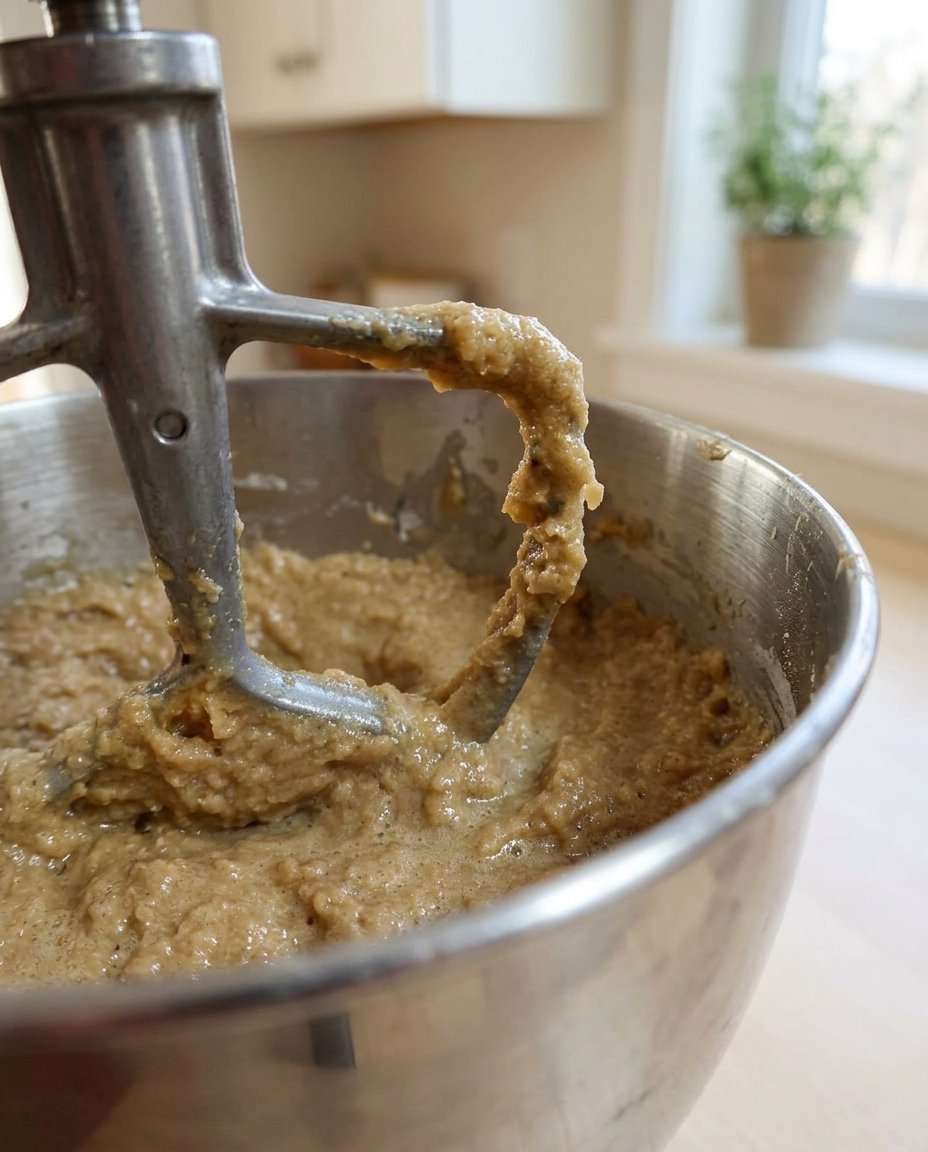
To achieve the highest quality result, temperature control is your most important tool. When we talk about “cool room temperature” butter, we specifically mean around 65°F. If the butter is too warm, the air bubbles you beat into it will collapse, leading to a greasy, flat cookie. If you find your kitchen is particularly warm, I recommend chilling the dough balls for 15 minutes before the sugar-rolling step. This helps manage the expansion rate in the oven. For more foundational techniques on managing dough temperatures, visit our Foundation Cookie Recipes section where we break down the thermodynamics of baking.
Another scientific secret is the placement of your salt. Using fine sea salt inside the dough ensures even ion distribution, but if you want to intensify the chocolate or vanilla notes, you can add a tiny pinch of flaky salt to the surface immediately after baking. This creates a localized taste contrast that triggers the tongue’s sweetness receptors more efficiently.
Scientific Flavor Swaps
While the Soft Sugar Cookies 2 are perfect in their simplicity, you can experiment with molecular pairing to create new profiles. For instance, adding half a teaspoon of almond extract introduces benzaldehyde, which shares aromatic pathways with vanilla and strengthens the overall perception of “sweetness.” You could also replace a tablespoon of the granulated sugar with honey; because honey is an invert sugar (fructose and glucose), it is even more hygroscopic than sucrose, leading to an even softer, almost damp crumb. For seasonal variations that explore these molecular bonds, check out our guide on Holiday Cookie Science.
If you want to create a more savory-toasted profile, you can brown the butter before starting the recipe. This process creates pyrazines—flavor compounds that result from the Maillard reaction between the milk solids and the heat. Just make certain to chill the browned butter back to a solid state before creaming, or the aeration process will fail.
Ideal Flavor Pairings
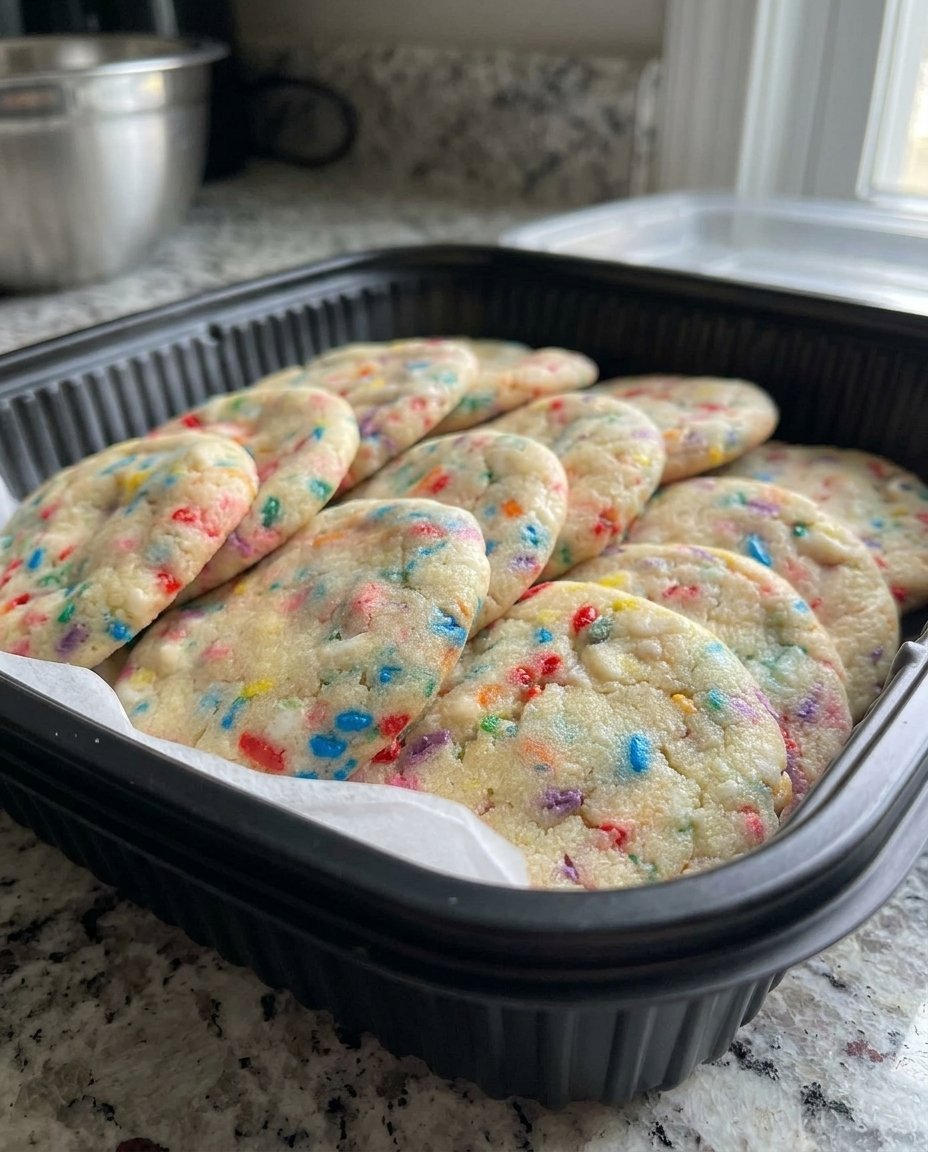
When serving Soft Sugar Cookies 2, consider the beverage pairing as part of the flavor experience. A medium-roast coffee is an excellent choice because the roasted bean compounds (furans and pyrazines) provide a bitter contrast to the high sucrose levels of the cookie. If you prefer tea, an Earl Grey with its bergamot oil (limonene) provides a citrusy lift that cuts through the richness of the butter. For a deeper analysis of how certain cookies become global favorites through these taste pairings, see our Viral Cookie Analysis.
Serving temperature also matters. While these are delicious at room temperature, warming them for 5-8 seconds in a microwave can slightly melt the fats, mimicking the texture of a cookie fresh from the oven and intensifying the aroma release from the vanillin molecules.
The Final Flavor Truth
Mastering the Soft Sugar Cookies 2 recipe is more than just following a list of instructions; it is about respecting the chemical interactions between fat, sugar, and heat. By understanding how the extra egg yolk stabilizes the emulsion and how the creaming process builds the structural foundation, you can produce a cookie that is consistently perfect. For those looking to refine their kitchen efficiency and master these foundational bakes, I recommend our resources on Efficient Cookie Methods. Baking is a science that yields delicious results when approached with curiosity and precision. Don’t forget to share your scientific baking results with our community on Instagram, Pinterest, or Facebook. Happy baking!