The aromatic profile of Struffoli starts with the zest of a fresh orange, where we capture volatile oils like limonene before they dissipate into the air. These compounds dissolve into the lipids of the extra virgin olive oil and egg yolks, creating a reliable delivery system for flavor that survives the intense heat of the frying process. This traditional Italian treat relies on the science of lipid-based aroma retention to make sure every bite remains fragrant and bright.

These tiny, golden orbs of dough represent a fascinating study in texture and moisture migration. By frying the dough quickly to create a crisp exterior and then saturating it in a warm honey glaze, we create a confection that transitions from crunchy to chewy as the honey interacts with the starch molecules. It is a layering of textures that makes this holiday classic a staple in Italian households during the winter season.
The Science of Sweet Saturation
You will find these honey balls remarkable because they demonstrate the perfect balance between the Maillard reaction and hygroscopic moisture. When the dough hits the hot oil, the proteins and sugars react to create a deeply browned, savory-sweet crust that provides the structural integrity needed to hold the heavy glaze. The honey then acts as a humectant, drawing just enough moisture into the dough to soften the interior without sacrificing the initial crunch. This interplay of crispy fried dough and viscous syrup creates a complex mouthfeel that is far more interesting than a standard cookie. Furthermore, the use of orange zest provides a high-frequency citrus note that cuts through the heavy glucose of the honey, preventing the treat from feeling cloying on the palate.
Print
Struffoli
- Total Time: 1 hour 40 mins
- Yield: 8 servings
- Diet: Vegetarian
Description
These festive Italian honey balls feature a crisp, golden exterior and a chewy, citrus-scented interior, all coated in a glossy, warm honey glaze. Perfect for holiday gatherings, they offer a delightful crunch followed by a sweet, aromatic finish that captures the essence of traditional winter celebrations.
Ingredients
- 3 Large Eggs
- 1/2 cup Granulated sugar
- 1/4 cup Extra Virgin Olive Oil
- 1 pinch Salt
- 1 fresh Orange (for zest)
- 3 cups All-purpose flour
- Light olive oil (for frying)
- 1 cup Honey
- Nonpareil sprinkles
Instructions
- Whisk the eggs, granulated sugar, extra virgin olive oil, and a pinch of salt in a large bowl, then grate the orange zest directly into the mixture to capture the oils.
- Gradually incorporate the all-purpose flour into the wet ingredients and knead on a floured surface for approximately ten minutes until the dough is firm and smooth.
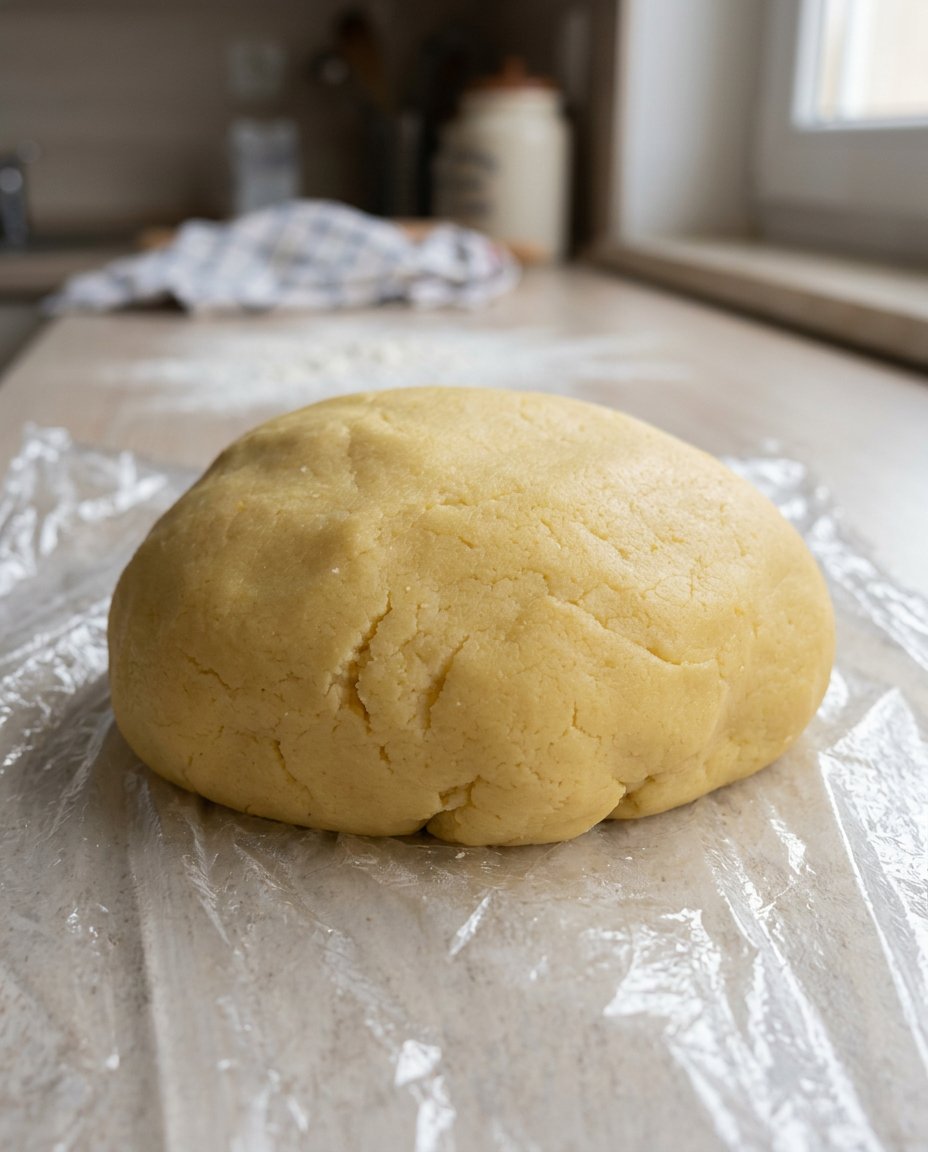
- Wrap the dough tightly in plastic and allow it to rest at room temperature for at least one hour to hydrate the starches and relax the gluten.
- Divide the dough into eight portions, roll into long ropes (18 inches), and cut into half-inch segments using a bench scraper.
- Heat light olive oil in a deep skillet to 375°F (190°C) and fry the dough balls in small batches until deep golden brown, then drain on paper towels.
- In a wide skillet, combine the honey and remaining sugar, heating until the crystals dissolve and the syrup begins to simmer gently.
- Toss the fried dough balls into the simmering honey syrup over low heat for five minutes until saturated, then plate and top with sprinkles.
Notes
To ensure the best texture, always use a thermometer to maintain the oil at 375°F; oil that is too cool will result in greasy, heavy dough. If the honey glaze feels too thin, allow it to cool for a few extra minutes before piling the balls, as the viscosity increases significantly as it reaches room temperature.
- Prep Time: 1 hour 15 mins
- Cook Time: 25 mins
- Category: Dessert
- Method: Frying
- Cuisine: Italian
Taste Building Blocks and Aroma Compounds
To achieve the perfect Struffoli, we must select ingredients that contribute to both the structural matrix and the final flavor layering. Each component plays a specific role in the chemistry of the dough:
- Large Eggs: These provide the lecithin for emulsification and the protein structure that allows the balls to puff and hold air during frying.
- Extra Virgin Olive Oil: Unlike neutral oils, high-quality olive oil contributes polyphenols and a slight peppery finish that balances the honey.
- Orange Zest: The primary source of limonene and myrcene, these oils are essential for a bright aroma that persists through the cooking process.
- All-Purpose Flour: With a moderate protein content (around 10-11%), this flour creates enough gluten for a firm dough that doesn’t become tough.
- Honey: As a natural invert sugar, honey provides a glossy finish and a floral depth that granulated sugar cannot replicate.
- Sprinkles (Nonpareils): Beyond aesthetics, these add a final crystalline crunch that contrasts with the sticky glaze.
The Flavor Method and Layering Process
Step 1: Extracting Volatile Citrus Oils
Begin by whisking the eggs, granulated sugar, extra virgin olive oil, and a pinch of salt in a large bowl. Grate the orange zest directly over the mixture; this ensures that the pressurized oil sacs in the peel release their fragrant compounds directly into the fats. Whisking these together first allows the oils to be evenly distributed throughout the dough matrix for a consistent flavor profile.
Step 2: Developing the Gluten Matrix
Gradually incorporate the all-purpose flour into the wet ingredients. Once a shaggy mass forms, move the dough to a floured surface and knead for approximately ten minutes. This mechanical action aligns the glutenin and gliadin proteins, creating the elasticity required for the dough to expand rapidly when hitting the hot oil. The dough should feel firm and smooth, indicating the hydration is complete.
Step 3: The Resting Phase
Wrap the dough tightly in plastic and allow it to rest at room temperature for at least one hour. This step is non-negotiable in flavor science; it allows the gluten to relax and the starch granules to fully hydrate. A rested dough is significantly easier to roll and will not shrink back, resulting in more uniform shapes and even cooking.
Step 4: Shaping for Maximum Surface Area
Divide the dough into eight equal portions. Roll each piece into a long rope, roughly 18 inches in length. Use a bench scraper to cut the rope into half-inch segments. Keeping the balls small is vital because the air trapped in the gluten network will expand during frying, nearly doubling their size. Smaller pieces mean more surface area for the honey glaze to adhere to later.
Step 5: Precision Frying and Expansion
Heat your light olive oil in a deep skillet to exactly 375°F (190°C). Fry the dough balls in small batches to prevent the oil temperature from dropping, which would lead to excess oil absorption. Stir them constantly to encourage the ‘puff’ effect as steam builds inside the dough. Once they reach a deep golden brown, remove them with a slotted spoon and drain on paper towels to remove surface lipids.
Step 6: Creating the Glossy Honey Glaze
In a wide skillet, combine the honey and the remaining quarter-cup of sugar. Heat the mixture until the sugar crystals dissolve and the syrup begins to simmer gently. This process increases the viscosity of the honey. Avoid overheating to the caramelization stage, as we want to preserve the delicate floral notes of the honey.
Step 7: Saturation and Final Assembly
Add the fried dough balls to the simmering honey syrup. Toss them continuously over low heat for five minutes to allow the syrup to penetrate the outer crust of the balls. Remove from the heat and let the mixture sit for a few minutes; as the temperature drops, the honey’s viscosity increases, creating a thick, sticky coating. Pile the balls onto a serving plate and finish with a generous dusting of colored sprinkles.
Jasmine’s Flavor Notes and Pairing Secrets
To maximize the flavor complexity of your Struffoli, I recommend using a high-viscosity honey like clover or orange blossom, which complements the citrus in the dough. Temperature control is the most important variable; if your oil is too cool, the dough will act like a sponge for the grease, ruining the delicate balance of fats. For those interested in the scientific nuances of holiday baking, our guide on Holiday Cookie Science covers the importance of thermal stability in detail. You can also look into the Bakers Odyssey challenge to see how different regional techniques affect the final crunch of the dough.
Scientific Swaps and Flavor Options
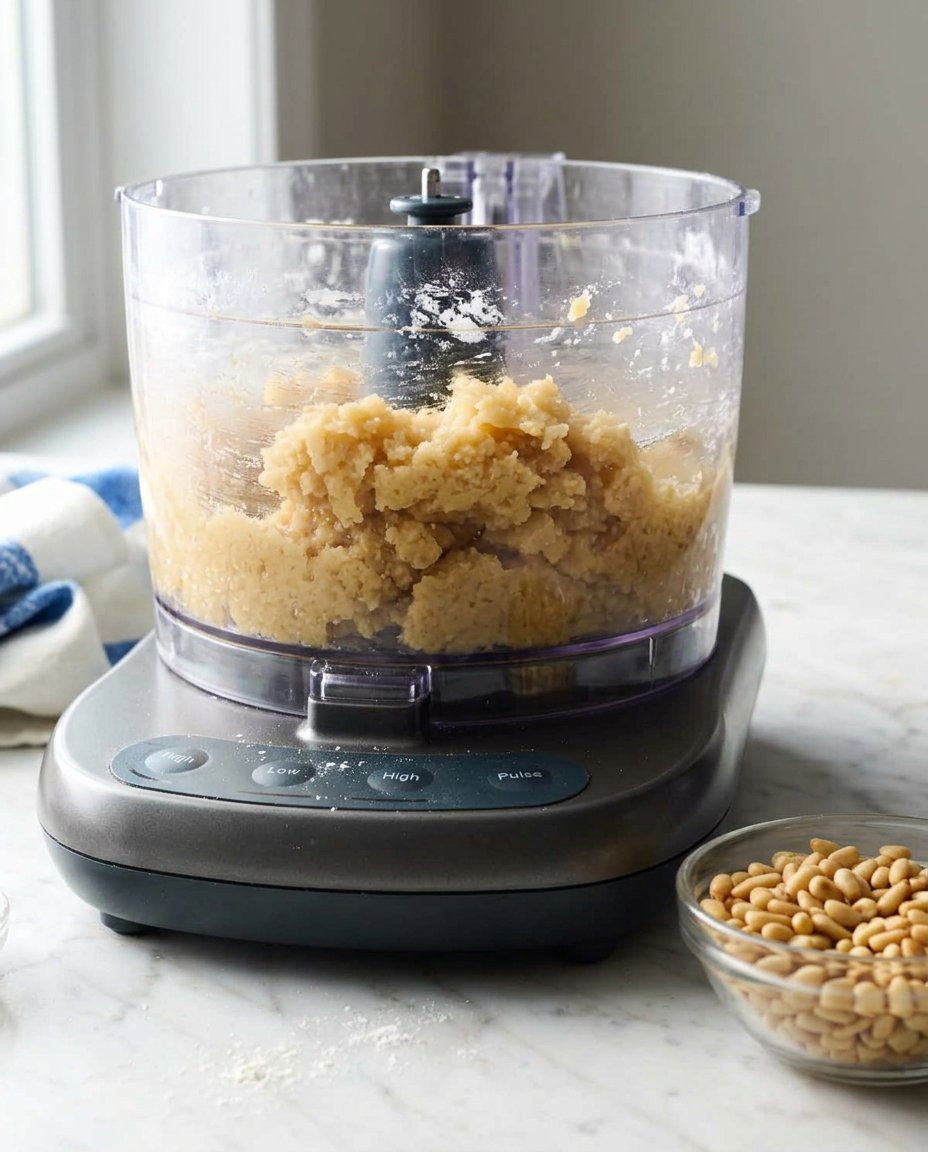
If you want to experiment with the terpene profile, try replacing the orange zest with lemon or even grapefruit zest to shift the citrus notes from sweet to sharp. Another excellent modification is adding toasted pine nuts or slivered almonds to the final honey coating; toasting these nuts creates pyrazines, which offer a savory, roasted counterpoint to the sweetness. For those who want to master the underlying dough mechanics before trying these swaps, our Foundation Cookie Recipes provide a great starting point for understanding ratios and texture.
How to Serve and Flavor Pairings
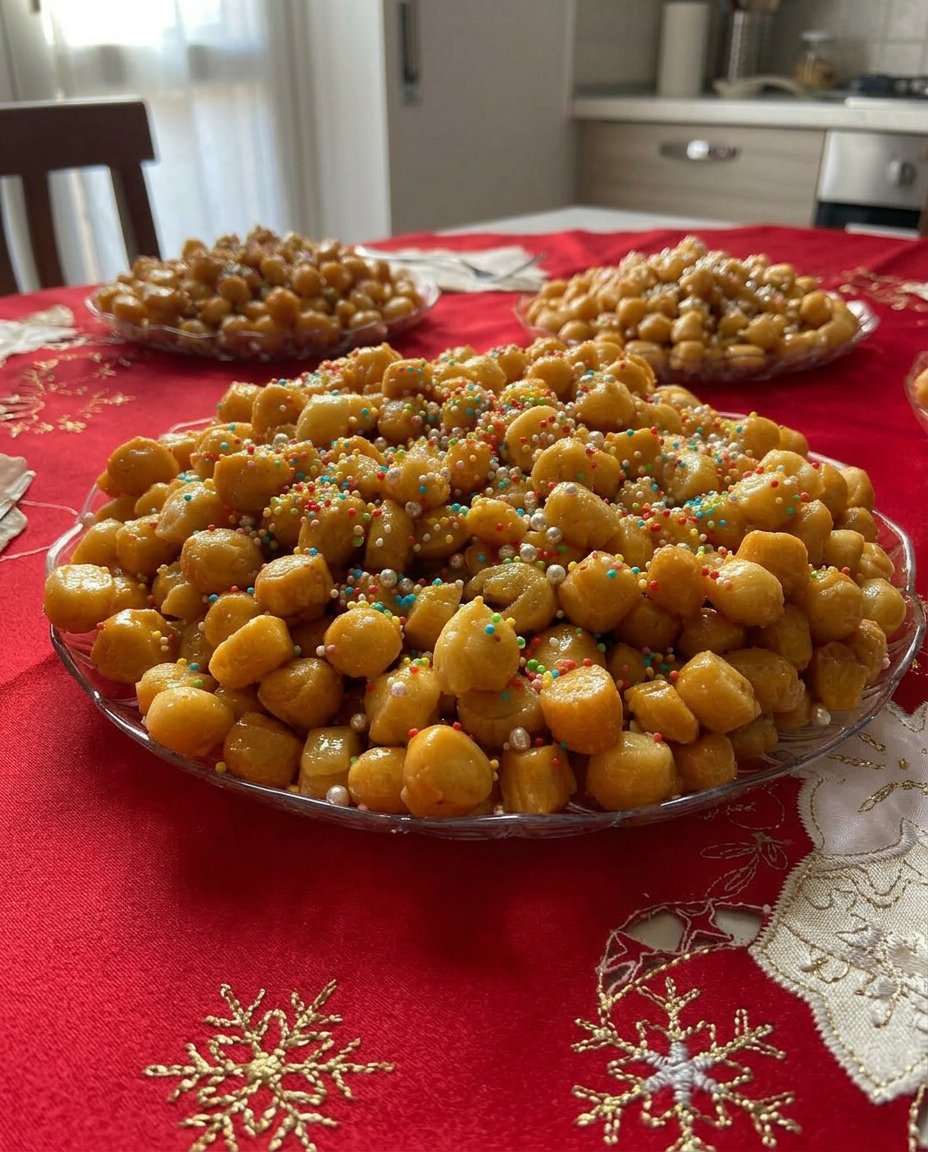
These honey balls are best served at room temperature once the glaze has had a few hours to set and the flavors have fully integrated. I highly suggest serving them alongside a potent, dark-roasted espresso; the bitter alkaloids in the coffee beans provide a necessary astringency that resets the palate after the high-glucose honey. For a more detailed look at how we analyze flavor trends and pairings in modern baking, check out our Viral Cookie Analysis. If serving as part of a larger dessert spread, arrange them in a wreath shape to maximize the visual impact of the colorful sprinkles.
The Flavor Truth and Taste Discovery
Mastering Struffoli is an exercise in understanding how heat, lipids, and sugars interact to create a lasting holiday memory. By focusing on the quality of your orange zest and the temperature of your frying oil, you can produce a batch that is technically perfect and flavor-dense. For more help with the finishing touches on your holiday bakes, see our Precision Cookie Decorating tips. We would love to see your scientific baking results; please share your photos and tag us on Pinterest, Instagram, Facebook, and YouTube.