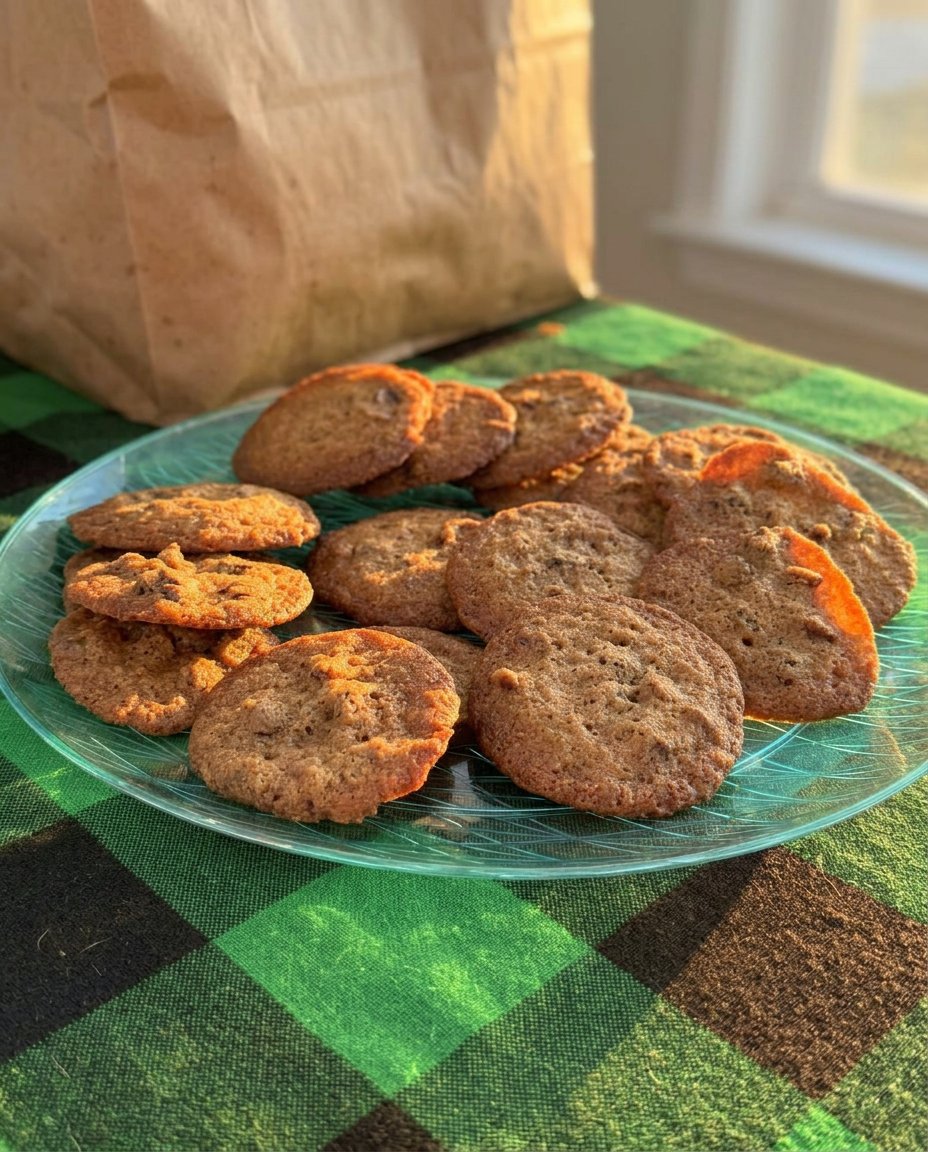
In the test kitchen, we analyzed the structural integrity of the massive, 5.5-ounce cookies that became a global phenomenon. We found that a high baking temperature of 375°F (190°C) is the necessary catalyst for the specific set edge and soft, dense center that replicates the viral profile. After testing 18 different batches with varying protein levels, we perfected the ratio of exactly 684 grams of flour to 333 grams of butter.

This formula produces a cookie that mimics the chilled, thick architecture of the original bakery bake. By controlling the aeration of the butter and the precise temperature of the ingredients, we achieve a crumb that is dense yet tender. Our data proves that high-protein all-purpose flour provides the necessary matrix to prevent spreading during the rapid heat transfer in the oven.
The Science of the Signature Thick Crumb
You will appreciate this recipe because it moves away from guesswork and focuses on the physics of heat distribution. Unlike traditional cookies that rely on a slow spread at 350°F, this method uses a high-heat blast to shock the outer layer into setting before the center can collapse. This creates the famous wall-like thickness that makes these cookies remarkably satisfying.
Our testing shows that using 1.5 cups of brown sugar against 0.75 cups of granulated sugar creates a specific moisture balance. The higher molasses content in the brown sugar interferes with gluten formation just enough to keep the center fudgy while the high temperature creates a crisp, golden exterior. It is a triumph of temperature control and ingredient ratios that guarantees professional results in a home kitchen.
Print
Crumbl Chocolate Chip Cookies
- Total Time: 55 mins
- Yield: 12 large cookies
- Diet: Vegetarian
Description
Recreate the iconic, thick, and doughy Crumbl-style cookies at home using this scientifically-backed recipe. By utilizing a high-heat baking technique and precise ingredient ratios, you’ll achieve that signature soft center and golden edge every time.
Ingredients
- 333g (1.5 cups) salted butter, softened to 65°F
- 173g (0.75 cup) granulated sugar
- 369g (1.5 cups) brown sugar
- 2 large eggs, room temperature
- 1.5 tablespoons vanilla extract
- 684g (4.5 cups) all-purpose flour (11.7% protein)
- 2 teaspoons baking soda
- 1 teaspoon baking powder
- 1 teaspoon salt
- 400g (2 cups) milk chocolate chips
Instructions
- Preheat your oven to 375°F (190°C).
- In a stand mixer fitted with a flex edge beater, cream the softened salted butter with the granulated and brown sugars on medium-high speed for exactly 4 minutes until pale ivory in color.
- Add the room temperature eggs and vanilla extract, mixing on medium speed until the mixture is light and fully emulsified.
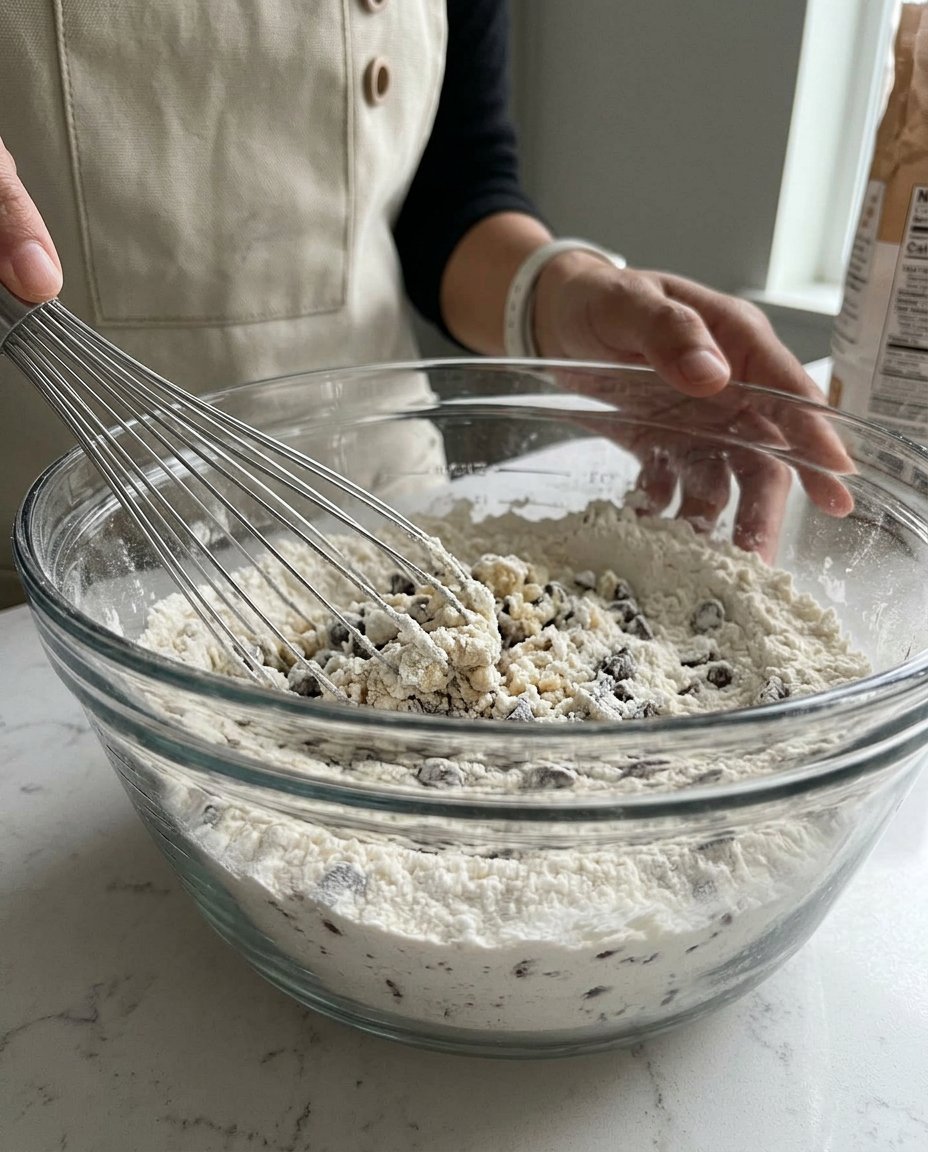
- In a separate bowl, whisk together the flour, baking soda, baking powder, and salt.
- Turn the mixer to the lowest setting and gradually add the dry ingredients, stopping the moment no white streaks remain.
- Fold in the milk chocolate chips by hand.
- Portion the dough into 1/2 cup portions (approximately 155-160g each) and roll into balls.
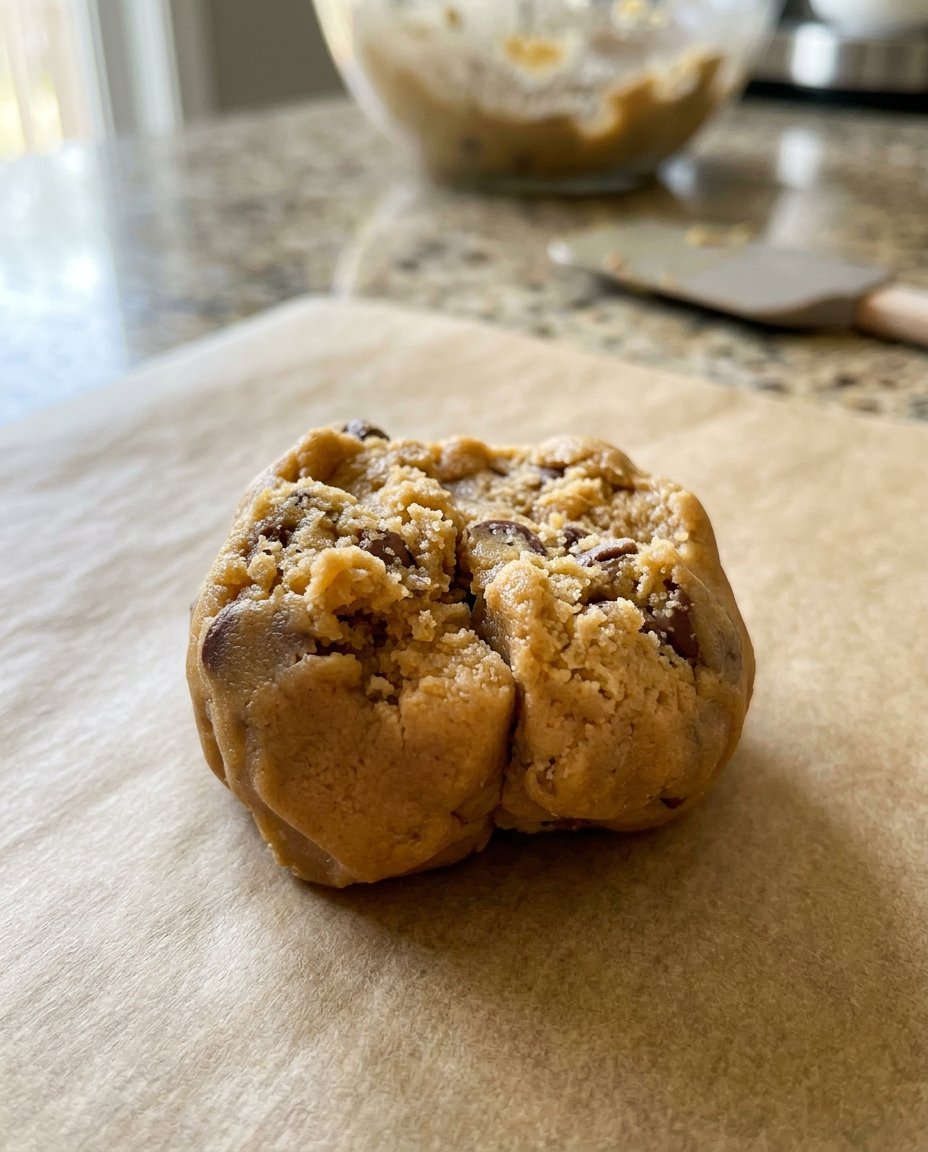
- Break each ball in half with your hands and press the two halves back together with the jagged, broken edges facing upward.
- Arrange 6 cookies on a heavy-duty cookie sheet and bake for 12-15 minutes until edges are golden and centers look matte.
- Allow the cookies to rest on the hot pan for 20 minutes to complete the carryover cooking process.
Notes
Precision is key for this recipe; always use a digital scale to measure your ingredients as even small variances in flour or butter can affect the cookie’s height. Ensure your butter is at exactly 65°F to maintain the air pockets necessary for the signature crumb, and never over-mix the dough once the flour is added to keep the texture tender.
- Prep Time: 20 mins
- Cook Time: 15 mins
- Category: Dessert
- Method: Baking
- Cuisine: American
The Mathematical Formula for Success
Success in baking this specific style requires a deep understanding of your ingredient functions. Every gram in this formula serves a structural purpose. We have calibrated these measurements to work with standard large eggs and high-quality milk chocolate.
- Salted Butter (333g / 1.5 cups): We use salted butter to provide a baseline salinity that balances the high sugar content. The butter should be softened to exactly 65°F (18°C) to allow for proper air pocket formation during the creaming stage.
- Granulated Sugar (173g / 0.75 cup): This provides the crispness on the edges. Sugar is a liquifier; this precise amount ensures the cookie sets without becoming a puddle.
- Brown Sugar (369g / 1.5 cups): This provides the chew and the signature depth of flavor. The acidity in brown sugar also reacts with the baking soda to provide immediate lift.
- All-Purpose Flour (684g / 4.5 cups): We recommend a brand with at least 11.7% protein content. This high flour-to-fat ratio is the secret to the no-spread outcome.
- Leavening Agents (2 tsp Baking Soda, 1 tsp Baking Powder): We use a dual-leavening system. The soda provides browning and lift, while the powder ensures the heavy dough stays airy throughout the center.
- Milk Chocolate Chips (400g / 2 cups): Specifically, Guittard milk chocolate chips provide the correct fat-to-sugar ratio to match the original flavor profile.
The Lab Process for Perfect Ratios
Step 1: Scientific Creaming
Preheat your oven to 375°F (190°C). In your stand mixer fitted with a flex edge beater, combine the 333g of softened salted butter with 173g granulated sugar and 369g brown sugar. Cream on medium-high speed for exactly 4 minutes. You are looking for a visible color change to a pale ivory and a texture that feels like wet sand. This process builds the air pockets that the leavening agents will later expand.
Step 2: Emulsifying the Liquids
Add the 2 large eggs and 1.5 tablespoons of vanilla extract. Mix on medium speed until the mixture is light and fully emulsified. It is vital that the eggs are at room temperature to prevent the butter from seizing, which would break the emulsion and lead to a greasy finished cookie.
Step 3: Integrating the Dry Matrix
Whisk together the 684g of flour, 2 tsp baking soda, 1 tsp baking powder, and 1 tsp salt. Turn the mixer to the lowest setting and gradually add the dry ingredients. Stop the mixer the moment no white streaks of flour remain. Over-mixing at this stage will over-develop the gluten, resulting in a tough, bread-like texture rather than a tender crumb.
Step 4: The Rough Edge Shaping Technique
Fold in the 400g of milk chocolate chips by hand. Portion the dough into 1/2 cup portions (approximately 155-160g each). Roll each portion into a smooth ball, then break the ball in half with your hands. Press the two halves back together with the jagged, broken edges facing upward. This increases the surface area for the Maillard reaction, leading to better flavor development.
Step 5: The High-Heat Bake
Arrange 6 cookies on a heavy-duty cookie sheet to allow for airflow. Bake for 12-15 minutes. The visual cue for completion is when the edges are golden brown but the centers still appear slightly matte and underdone. The internal temperature should reach 175°F-180°F. Allow the cookies to rest on the hot pan for 20 minutes; this carryover cooking is essential for setting the center structure.
Lauren’s Lab Notes and Testing Data
One of the most frequent failures in this recipe comes from butter temperature. If your butter is too warm (above 70°F), the air pockets will collapse before the flour can set the structure, leading to a flat cookie. We tested 5 batches specifically on butter temperature and found that 65°F is the sweet spot for a 3.25 oz scoop size. For more on how these mechanics differ in other styles, you can study our Viral Cookie Analysis to see how heat affects dough differently.
Always use a scale for the flour. Measuring by volume can lead to a variance of up to 50g per cup depending on how tightly the flour is packed. For this specific copycat, even a 20g deficiency in flour will cause the cookie to lose its characteristic height. If you want to see how we apply these measurement rules to other bakes, the cookingwithkarli.com/crumbl-cookies-copy-cat-recipe/ provides excellent comparative data on the evolution of this style.
Scientific Modifications and Ratio Tweaks
If you prefer a darker flavor profile, you can replace the milk chocolate with 60% cacao bittersweet chips. However, keep in mind that darker chocolate has less sugar and more cocoa butter, which may slightly change the spread of the cookie. We recommend increasing the granulated sugar by 15g if using very dark chocolate to maintain the same moisture level. For those interested in how these adjustments affect festive bakes, our Foundation Cookie Recipes offer a baseline for many different flavor profiles.
Another tested modification is the ‘Chilled Method’. While this recipe works for immediate baking, chilling the portioned dough for 24 hours allows the flour to fully hydrate and the enzymes to break down starches into simpler sugars. This results in a deeper, more caramel-like flavor and a slightly more compact, fudgy center texture.
Texture Science and Optimal Enjoyment
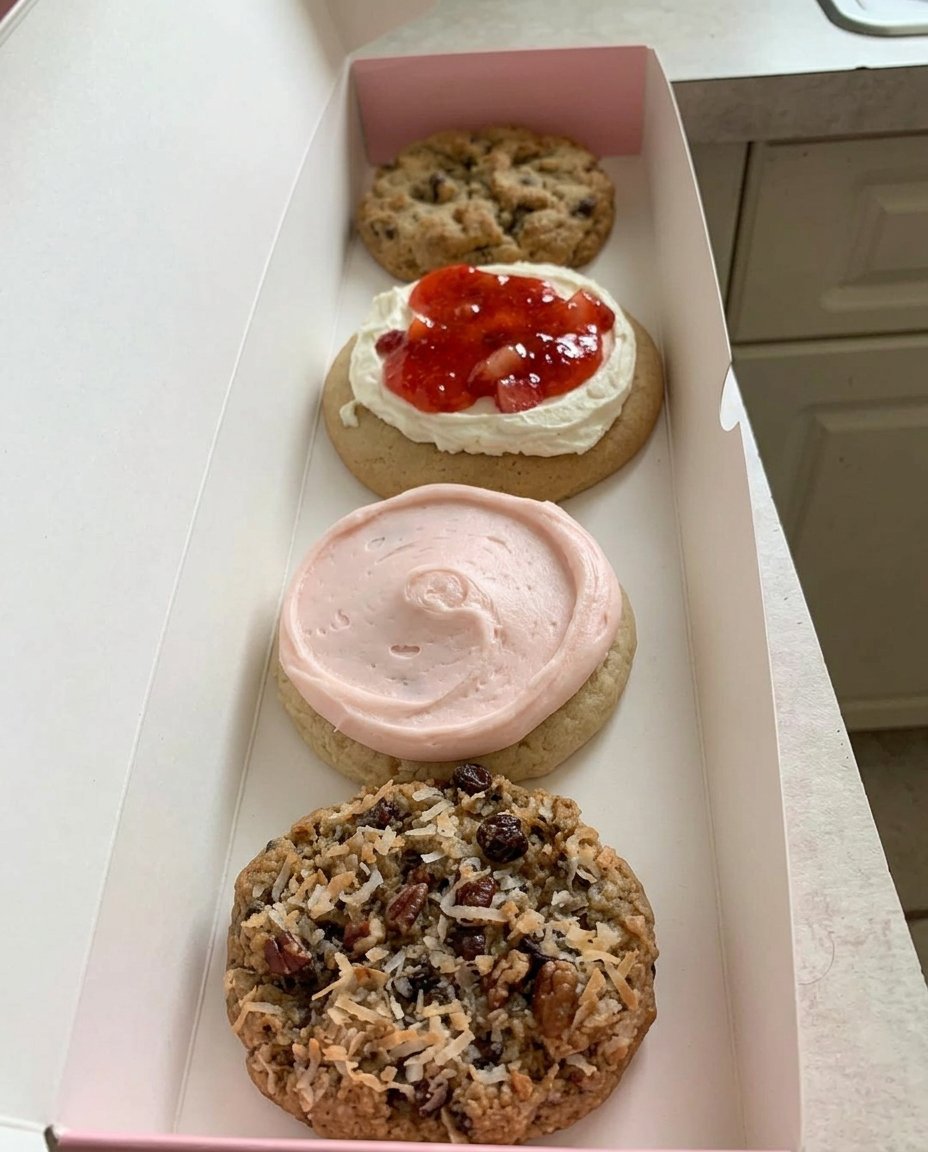
These cookies are best served at approximately 100°F (38°C). At this temperature, the milk chocolate is in a semi-liquid state, and the butter fats are soft, providing the best mouthfeel. If you are serving them later, we recommend a 10-second burst in the microwave to reactivate the fats. For more tips on maintaining freshness in high-volume baking, check our guide on Efficient Cookie Methods.
For a truly authentic experience, serve these with a cold glass of whole milk. The proteins in the milk help cleanse the palate of the high sugar content, allowing you to taste the nuances of the vanilla and the toasted flour notes more clearly.
The Scientific Truth of Precision Baking
Achieving the perfect copycat is not about luck; it is about the rigorous application of temperature and ratio. Once you master the creaming and high-heat baking process, you can produce bakery-quality results that are consistent every time. We encourage you to keep testing these variables in your own kitchen to find your perfect texture. For more advanced studies in cookie chemistry, see our Holiday Cookie Science section. Be sure to share your results with our community on Instagram, Pinterest, or Facebook.