The Oatmeal Raisin Cranberry 2 formulation is a rigorous study in moisture migration and aromatic layering within a high-fiber matrix. When we combine the tart acidity of cranberries with the deep humectant properties of raisins, we create a complex sugar profile that interacts beautifully with the nutty pyrazines found in baked oats. Understanding how these dried fruits retain water helps us manage the final chew of the cookie through controlled hydration.

This specific batch relies on the science of fat emulsification to hold the heavy inclusions of fruit and grain in a stable, flavorful structure. By balancing dark brown sugar’s acidity with precise leavening, we achieve a texture that is both sturdy and tender. It is a reliable formula for those who appreciate the interplay of spice and fruit, proving that traditional snacks can be analyzed with scientific precision.
The Flavor Science of Oatmeal Raisin Cranberry 2
This recipe works because it respects the chemical relationship between tannins and sugars found in dried fruits and grains. The cranberries provide a necessary acidic bright note that cuts through the fatty mouthfeel of the butter emulsion, creating a balanced palate. Meanwhile, the cinnamon contains cinnamaldehyde, which triggers warm sensory receptors that complement the earthy notes of the rolled oats. We use dark brown sugar specifically for its higher molasses content, which contributes both depth of flavor and hygroscopic moisture retention, ensuring the cookies do not dry out during the baking process.
The inclusion of two types of dried fruit isn’t just for variety; it’s a deliberate layering of sweetness levels. Raisins offer a deep, caramel-like sugar concentration, while cranberries bring a sharp, vibrating tartness. This contrast prevents the palate from becoming fatigued by simple sweetness, making each bite a new discovery in taste balance. The result is a cookie that feels intentional and scientifically sound, offering a complex sensory experience that bridges the gap between classic comfort and modern flavor theory. By using rolled oats instead of instant, we preserve the structural integrity of the grain, allowing for a more significant release of nutty aromas during the thermal transition in the oven.
Print
Oatmeal Raisin Cranberry 2
- Total Time: 28 mins
- Yield: 24 cookies
- Diet: Vegetarian
Description
Experience a sophisticated twist on a classic favorite with these chewy oatmeal cookies, featuring a balanced blend of tart cranberries and sweet raisins. This scientifically-backed recipe ensures a perfect moisture level and a robust, nutty flavor profile in every bite.
Ingredients
- 1 cup softened butter
- 1 cup dark brown sugar
- 1/2 cup granulated sugar
- 2 large eggs
- 1 teaspoon vanilla extract
- 1 teaspoon baking powder
- 1 teaspoon baking soda
- 1/2 teaspoon salt
- 1 teaspoon high-quality cinnamon
- 1 1/2 cups all-purpose flour
- 3 cups rolled oats
- 1 cup raisins
- 1 cup dried cranberries
Instructions
- Preheat your oven to 350°F and prepare your baking sheets.
- In a large mixing bowl, cream together the softened butter, dark brown sugar, and granulated sugar until well combined.
- Mix in the eggs, cinnamon, vanilla extract, baking powder, baking soda, and salt until the mixture is fully emulsified.
- Gently fold in the flour, rolled oats, raisins, and dried cranberries using a large spoon until just combined.
- Roll the dough into balls (approximately 2 tablespoons each), place them on the baking sheet, and flatten them slightly with your fingers.
- Bake for 12 to 13 minutes or until the edges are golden brown, then let them cool on the pan for a few minutes.
Notes
To achieve the best texture, avoid over-mixing once the flour and oats are added, as this can lead to a tougher cookie. If your dough feels too soft, chilling it for 30 minutes before baking can help control the spread and intensify the flavors.
- Prep Time: 15 mins
- Cook Time: 13 mins
- Category: Dessert
- Method: Baking
- Cuisine: American
The Chemical Building Blocks of Taste
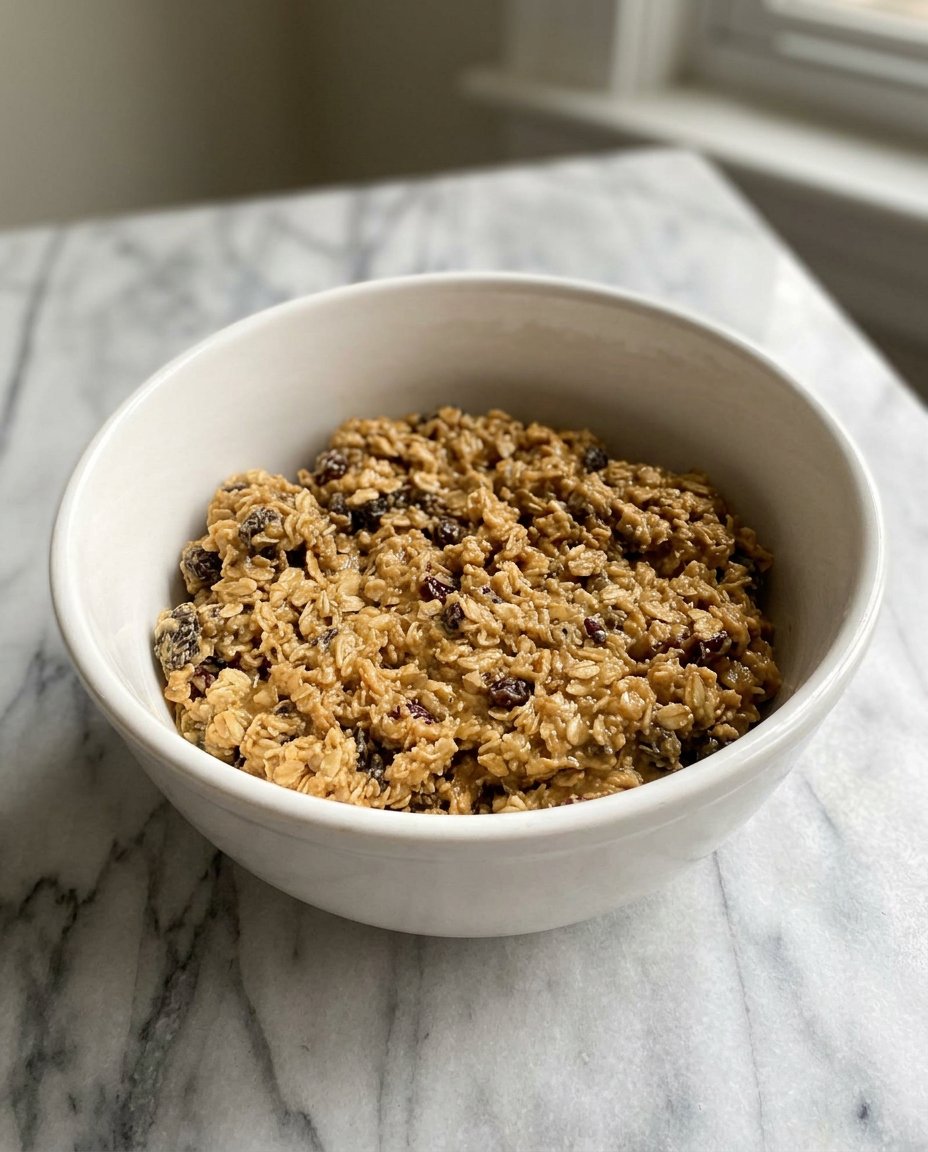
To achieve the perfect balance in our Oatmeal Raisin Cranberry 2, we must look at the function of each component. Each ingredient is selected for its specific chemical contribution to the final structure and flavor profile, ensuring that the final product is more than just the sum of its parts.
- Rolled Oats: These provide the structural framework. The beta-glucans in the oats absorb moisture, creating that characteristic chew while offering a toasted grain aroma that acts as the baseline for other flavors.
- Dark Brown Sugar: This is our primary source of moisture and acidity. It reacts with the baking soda to create carbon dioxide, aiding in the cookie’s rise and creating a complex Maillard reaction that deepens the color and flavor.
- Softened Butter: This fat acts as the carrier for flavor compounds. It coats the flour proteins to limit gluten development, resulting in a more tender crumb while providing a rich mouthfeel.
- High-Quality Cinnamon: We use this for its volatile oils. Cinnamaldehyde provides the signature warmth that bridges the gap between the oats and the fruit, intensifying the perception of sweetness without adding extra sugar.
- Raisins and Dried Cranberries: These are our flavor inclusions. Their varying sugar-to-acid ratios create a multi-dimensional taste experience, with the raisins providing sweetness and the cranberries providing acidity.
The Layering Process
Step 1: Emulsifying the Fats and Sugars
Start by preheating your oven to 350°F. In a large mixing bowl, combine the softened butter, dark brown sugar, and granulated sugar. This step is about more than just mixing; it’s about beginning the air incorporation process and ensuring the sugar crystals are coated in fat to control the final spread and texture of the cookie.
Step 2: Integrating the Aromatics and Leavening
Add the eggs, cinnamon, vanilla extract, baking powder, baking soda, and salt. The eggs act as an emulsifier, binding the water-based ingredients with the fats. The salt is crucial here as it suppresses bitter notes and amplifies the sweetness of the sugars and the vanillin compounds in the extract, creating a more vivid flavor profile.
Step 3: Incorporating Solids and Inclusions
Add the flour, oats, raisins, and dried cranberries to the bowl. Use a large spoon to combine these elements into the wet base. It is important not to overwork the dough at this stage to prevent excessive gluten formation. You want a cohesive mixture where the fruit and oats are evenly distributed throughout the dough matrix.
Step 4: Shaping the Cookie Matrix
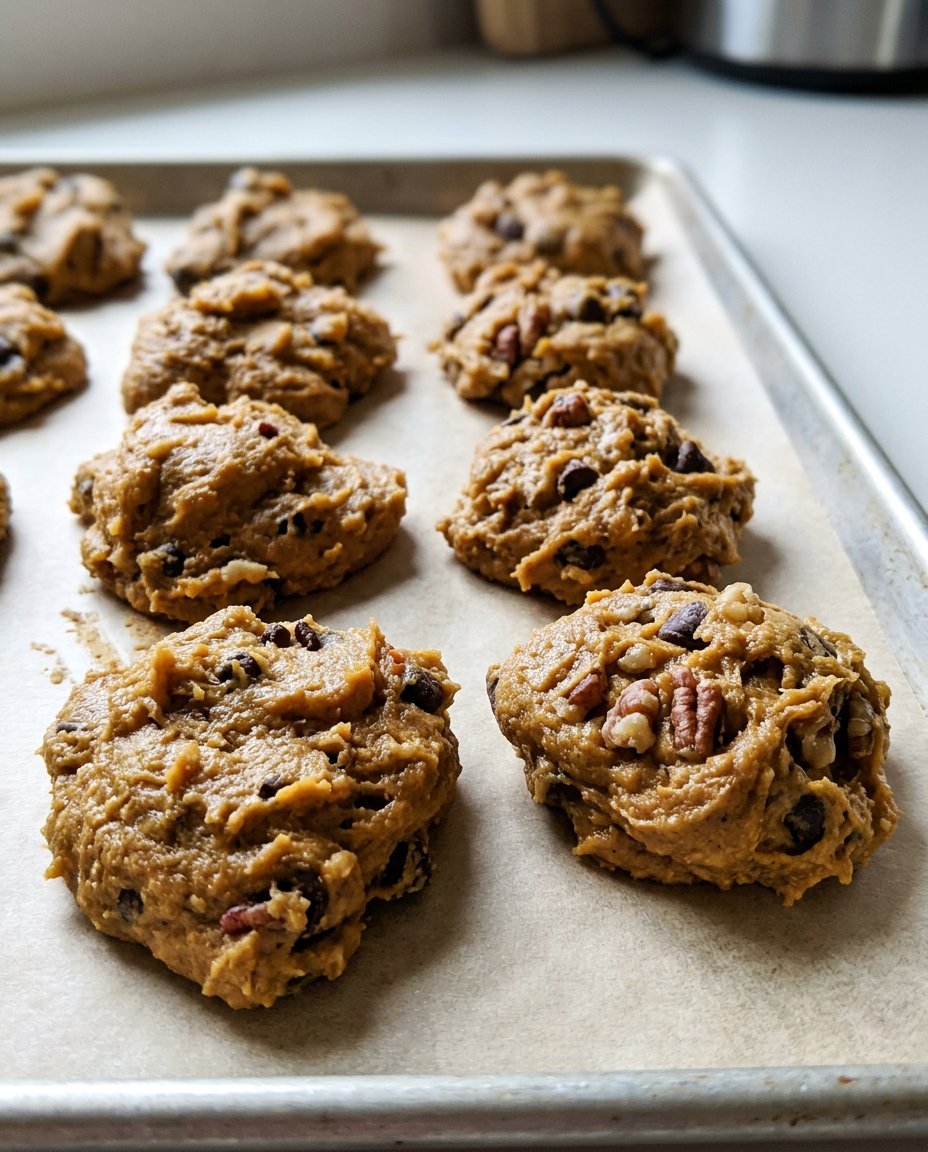
Roll large spoonfuls of dough, about 2 tablespoons each, into balls. Place them on a baking sheet, allowing space for the physical expansion that occurs as the leavening agents react to the heat. Flatten the balls slightly with the back of a spoon or your fingers to help promote an even bake and a chewier, flatter finished product.
Step 5: Thermal Transformation
Bake for 12-13 minutes. During this time, the sugars will caramelize and the proteins will set. The cookies are ready when the edges are golden, indicating the completion of the Maillard reaction, while the centers remain slightly soft. This ensures that the residual heat will finish the cooking process without losing essential moisture.
Precision Baking Secrets
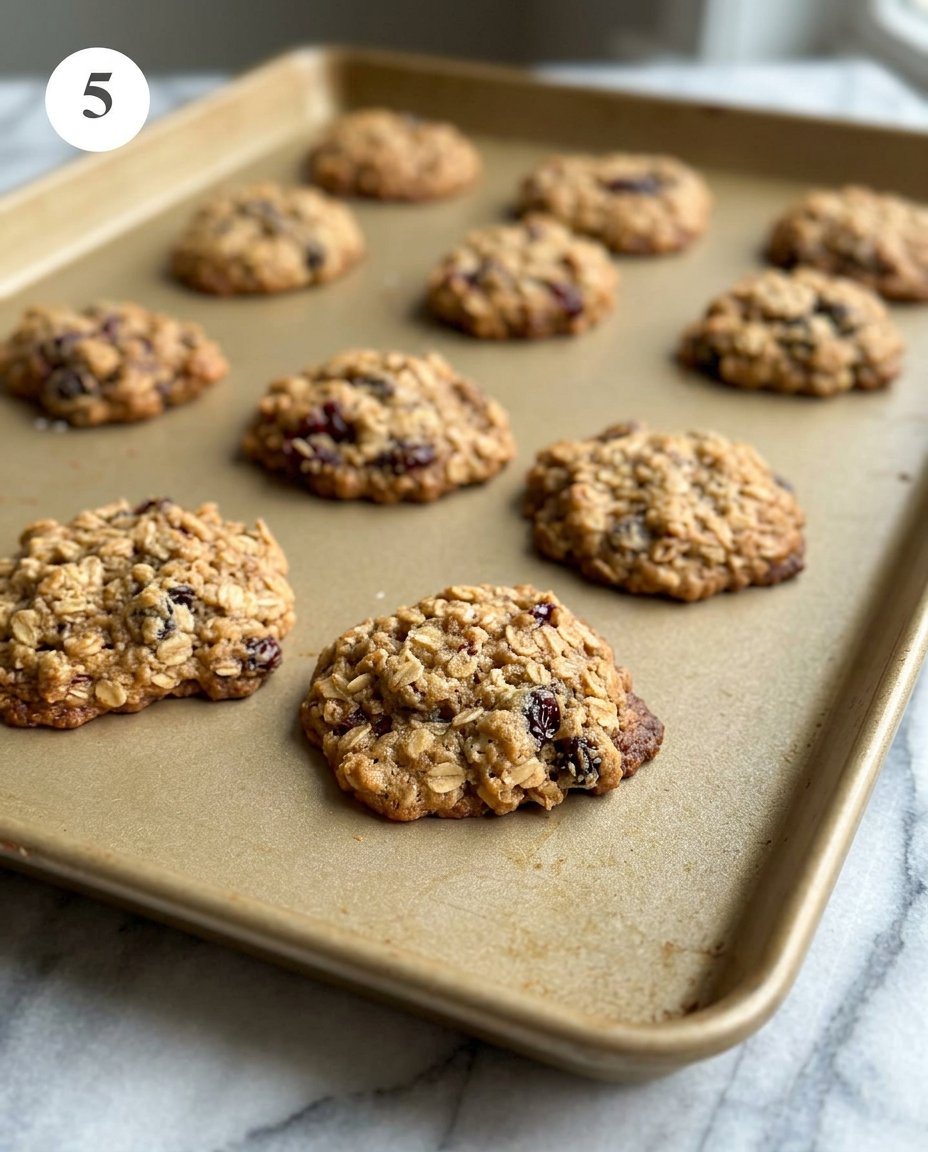
To maximize the aromatic potential of your cookies, consider toasting your oats in a dry pan for five minutes before adding them to the dough. This process creates pyrazines, which are the same flavor compounds found in roasted coffee, and it significantly improves the earthy depth of the cookie. When you handle the butter, make sure it is truly softened but not melted; a broken emulsion will lead to greasy cookies that spread too thin and lose their structural integrity. For more insights on managing your kitchen workflow with precision, check out our guide on Efficient Cookie Methods.
You can also find a similar approach to fruit inclusion in the Oatmeal Raisin Cranberry recipe at Elle and Pear. Always measure your flour by weight if possible, as volume measurements can vary by up to 20%, significantly affecting the hydration levels of your dough and the final chewiness of the Oatmeal Raisin Cranberry 2 formulation.
Scientific Flavor Swaps
If you want to experiment with the flavor chemistry of this Oatmeal Raisin Cranberry 2 recipe, try adding a teaspoon of orange zest. The limonene in the orange peel shares a molecular profile with the fruit, creating a bright citrus bridge that amplifies the cranberries. You can also replace the raisins with chopped dates for a higher sugar density and a stickier, more fudge-like texture. For those interested in the fundamentals of how these swaps affect the bake, our Foundation Cookie Recipes section offers a deep dive into ingredient functions.
Substituting half of the all-purpose flour with whole wheat flour can also introduce more nutty notes and increase the fiber content, which changes the way the dough hydrates. Remember that any change in inclusion will affect the final water activity of the cookie, so monitor the bake time closely when experimenting with new fruit combinations or grain types.
Optimizing the Sensory Experience
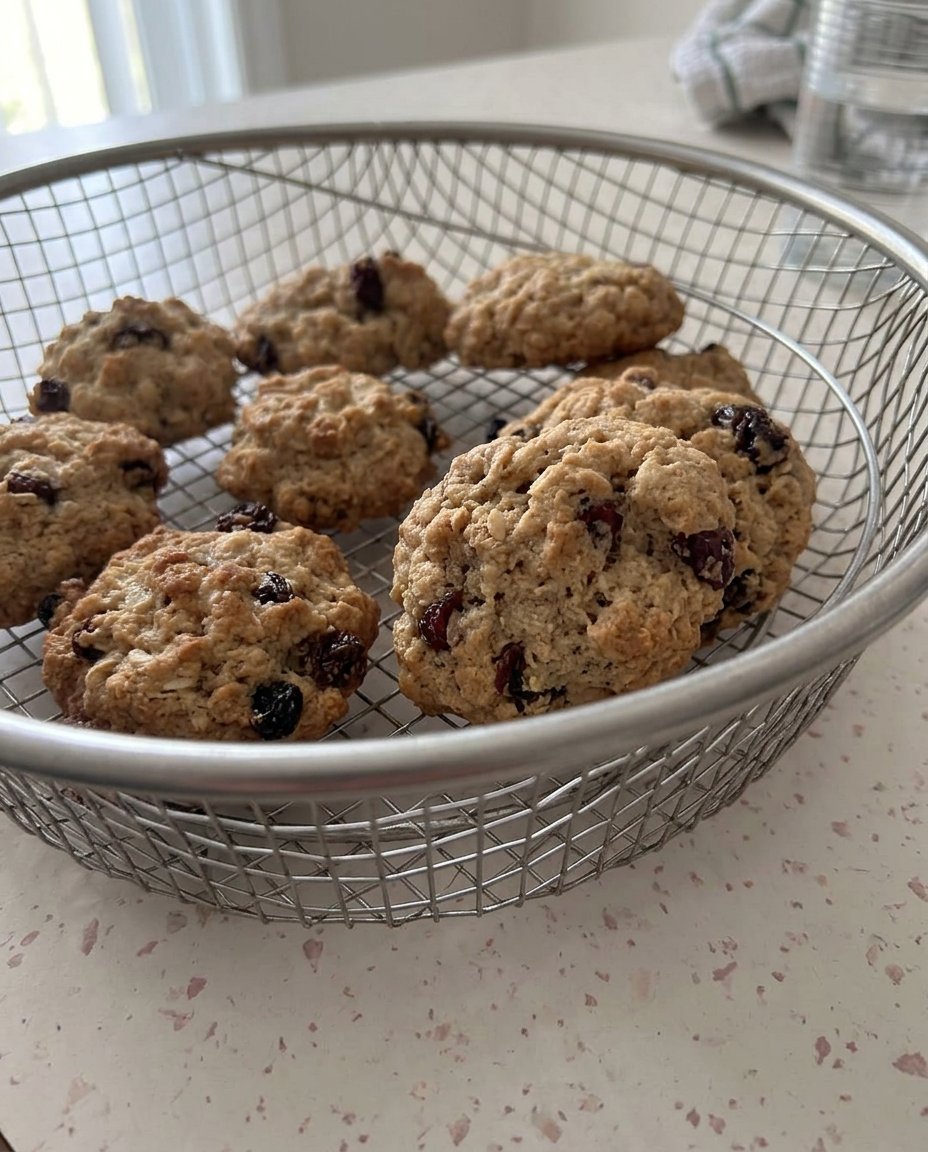
To appreciate the full complexity of the Oatmeal Raisin Cranberry 2, serve the cookies at room temperature or slightly warmed. Warmth increases the volatility of the aromatic compounds in the cinnamon and vanilla, making the scent more pronounced and inviting. Pairing these cookies with a medium-roast coffee can further improve the experience, as the roasted notes of the coffee beans mirror the pyrazines in the baked oats. To learn more about seasonal pairings, visit our Holiday Cookie Science archives.
A glass of cold milk is also a scientific winner here; the fats in the milk help dissolve the fat-soluble flavor compounds in the cookie, coating the tongue and lengthening the finish of the taste. The contrast between the cold liquid and a warm cookie also provides an interesting thermal sensory experience that highlights the textures of the fruit and oats.
The Final Scientific Analysis
Mastering the Oatmeal Raisin Cranberry 2 requires an appreciation for the balance between moisture, acidity, and structure. By understanding how the ingredients interact at a molecular level, you can create a cookie that is consistently delicious and texturally perfect. We hope this deep dive into the chemistry of dried fruit and oats inspires your next baking session to be one of discovery and precision. For more analytical looks at popular bakes, see our Viral Cookie Analysis. If you enjoyed this recipe, please share your results with us on Pinterest, Instagram, Facebook, and X.