Victorian bakers often utilized pre-blended spice mixtures from London grocers to ensure consistency in their seasonal bakes. This historical approach to efficiency is the direct ancestor of the modern spice cake mix, which provides a scientifically balanced ratio of flour, leavening, and aromatics. By examining the roots of these streamlined methods, we find that the goal has always been a reliable crumb and a repeatable flavor profile.

This two-ingredient formula represents a fascinating study in hydration and starch gelatinization. When the moisture-rich pumpkin purée meets the structurally sound cake mix, it creates a dough that defies traditional cookie physics. It is a methodical approach to baking that yields a remarkably consistent result for the modern home kitchen.
The Tradition of Culinary Efficiency
The appeal of these cookies lies in their structural integrity and the historical precision of the spice ratios. In the late 19th century, the concept of a ‘quick biscuit’ emerged as middle-class households sought recipes that required less manual labor without sacrificing the quality of the tea-time service. This recipe honors that tradition by focusing on the chemical synergy between two primary components.
You will appreciate the way the pumpkin purée acts as both a hydrating agent and a fat substitute. Traditionally, cookies rely on the creaming of butter and sugar to create aeration. Here, the humectant properties of the pumpkin maintain moisture levels that prevent the cookie from becoming brittle or dry. It is a triumph of modern food science validated by the preferences of generations past.
Technically, the spice cake mix contains a specific blend of cinnamon, nutmeg, and cloves that mimics the ‘pudding spices’ of the Victorian era. When these spices are integrated into the flour at a manufacturing level, they are distributed more evenly than a hand-mixed batch often achieves. This leads to a uniform flavor in every bite, a precision that any methodical baker can respect. The resulting texture is soft, slightly pillowy, and remarkably resilient, making it a reliable staple for any seasonal gathering.
Furthermore, the absence of added eggs or oil makes this a fascinating bake for those interested in fat and emulsions. The natural pectins in the pumpkin help to bind the structure together, creating a unique mouthfeel that is distinct from a standard butter-based cookie. It is a remarkable example of how fewer ingredients can often lead to a more focused and successful culinary outcome.
Print
Cake Mix Pumpkin Cookies
- Total Time: 30 mins
- Yield: 24 cookies
- Diet: Vegetarian
Description
These remarkably soft and pillowy cookies utilize the scientific synergy of just two main components for a reliable seasonal treat. By combining a pre-blended spice cake mix with pure pumpkin purée, you achieve a perfectly hydrated crumb and a sophisticated flavor profile with minimal effort.
Ingredients
- 1 (15.25-ounce) package spice cake mix
- 1 (15-ounce) can solid pack pumpkin purée
Instructions
- Preheat your oven to 350 degrees F (175 degrees C) and lightly grease cookie sheets or line them with parchment paper for a clean release.
- In a large bowl, combine the spice cake mix and the solid pack pumpkin, stirring with a sturdy spoon or spatula until a thick, homogenous batter forms without dry pockets.
- Drop rounded tablespoonfuls of the dough onto the prepared sheets, maintaining a distance of at least 2 inches between each cookie.
- Bake in the center of the oven for 18 to 20 minutes until the centers are set and the edges feel firm to a light touch.
- Allow the cookies to rest on the baking sheets for 5 minutes before transferring them to a wire rack to cool completely.
Notes
To ensure a professional appearance, use a damp fingertip to lightly smooth the tops of the dough rounds before they enter the oven, as these cookies do not spread during the baking process. For the best structural integrity, always use pure pumpkin purée rather than pumpkin pie filling, and ensure both ingredients are at room temperature before mixing to maintain consistent baking times.
- Prep Time: 10 mins
- Cook Time: 20 mins
- Category: Dessert
- Method: Baking
- Cuisine: American
Historical Components and Modern Ratios
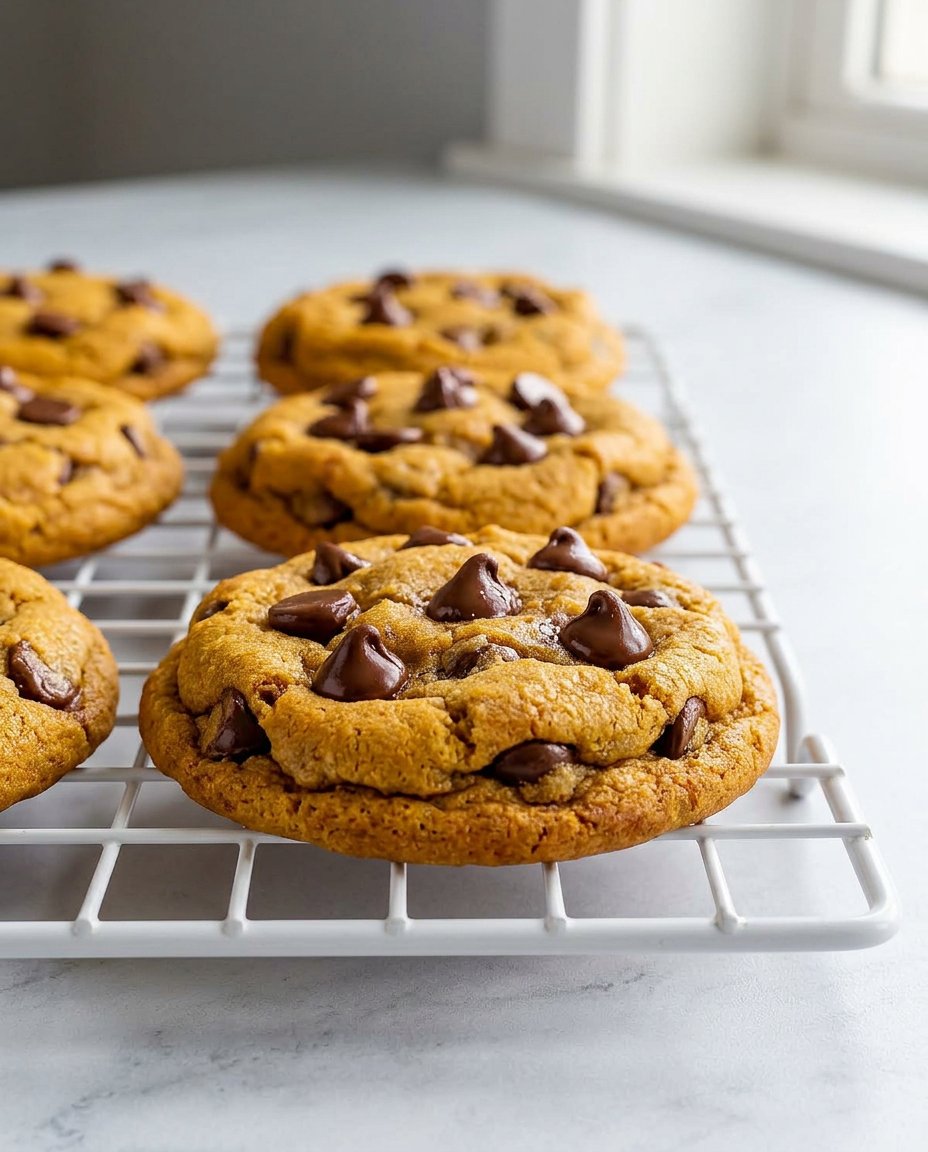
To achieve the perfect bake, one must understand the functional roles of the two primary ingredients. Each plays a specific part in the chemical reaction that occurs within the oven’s heat.
- Spice Cake Mix (15.25-ounce): This is the foundation of our structure. Modern cake mixes are formulated with bleached flour and specific starches that have been treated to absorb moisture rapidly. The leavening agents—typically a combination of baking soda and monocalcium phosphate—are calibrated to activate the moment they contact the acidity of the pumpkin. This ensures a consistent rise even without the mechanical aeration of traditional creaming.
- Solid Pack Pumpkin (15-ounce): It is critical to use pure pumpkin purée rather than pumpkin pie filling. Pure pumpkin provides a high concentration of Vitamin A and dietary fiber without the interference of additional sugars or dairy. The fiber in the pumpkin provides the ‘body’ of the cookie, acting as a scaffold for the starches in the cake mix to cling to during the baking process.
The ratio here is nearly one-to-one by weight, which is a significant departure from standard cookie formulas. This high hydration level is what gives the cookie its characteristic cake-like texture. In historical terms, this resembles the ‘spoon breads’ or ‘drop cakes’ that were popular before the widespread use of standardized measuring cups. The simplicity of the ratio ensures that the margin for error is minimized, providing a confident result for bakers of all skill levels.
The Proper Method for Technical Success
Step 1: Prep Your Instruments
Begin by preheating your oven to 350 degrees F (175 degrees C). In the tradition of British precision, ensure your oven thermometer is accurate, as the Maillard reaction—the browning of sugars—requires a steady and reliable heat source. Grease your cookie sheets lightly with a neutral fat or use parchment paper to prevent sticking and ensure a clean release.
Step 2: Combine the Components
In a large glass or ceramic bowl, combine the spice cake mix and the solid pack pumpkin. Use a sturdy wooden spoon or a silicone spatula to stir the mixture. Methodical stirring is required here to ensure no pockets of dry flour remain. The goal is a homogenous, thick batter. Avoid over-mixing, which can lead to excessive gluten development and a rubbery texture; stir only until the two components are fully integrated.
Step 3: Deposit the Dough
Using a calibrated tablespoon or a small spring-loaded scoop, drop rounded tablespoonfuls of the dough onto the prepared sheets. Maintain a distance of at least 2 inches between each deposit. Because this dough has high hydration and lower fat than traditional cookies, it will not spread significantly. The shape you deposit is largely the shape that will emerge from the oven.
Step 4: The Controlled Bake
Place the sheets in the center of the preheated oven. Bake for 18 to 20 minutes. You are looking for the centers to be set and the edges to feel firm to a light touch. The historical indicator of a successful bake is a slight dullness on the surface, suggesting the starches have fully set. Do not look for significant browning, as the pumpkin’s natural pigments will mask traditional color changes.
Step 5: The Cooling Period
Allow the cookies to rest on the baking sheets for 5 minutes after removal from the oven. This ‘carry-over’ cooking allows the internal structure to firm up before the cookies are moved. Carefully transfer them to a wire rack to cool completely. This prevents the bottom of the cookies from becoming soggy due to trapped steam, a common pitfall in high-moisture bakes.
Jordan’s Technique Notes for Precision
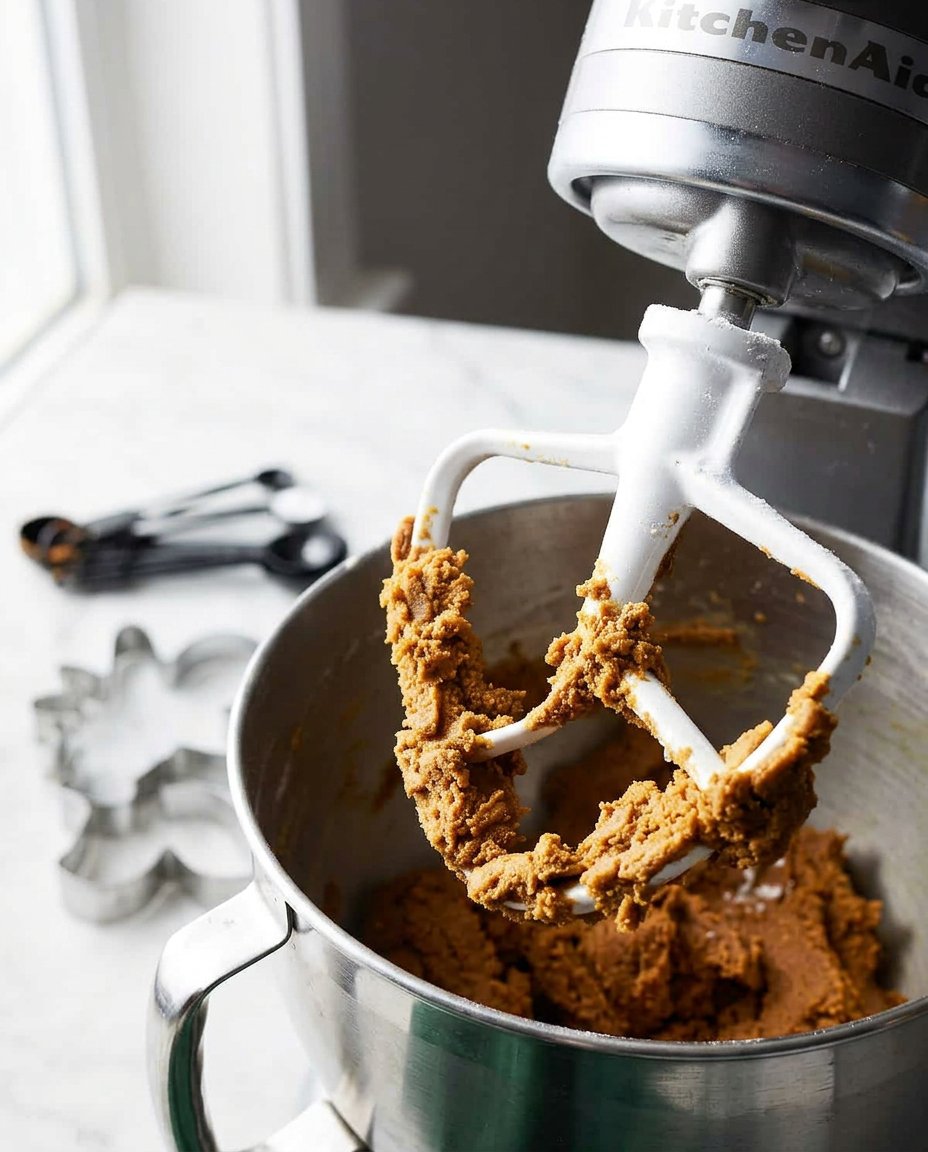
Temperature control is the most overlooked aspect of this simple bake. If your pumpkin purée is chilled from the larder, it will lower the initial temperature of the dough, potentially requiring an extra minute or two in the oven. For the most consistent results, ensure both the dry mix and the pumpkin are at room temperature before you begin the integration process.
Another technical consideration is the moisture content of the pumpkin. If you notice a layer of liquid on top of your purée when you open the tin, stir it back in thoroughly. This liquid contains valuable soluble fibers and minerals that contribute to the cookie’s nutritional profile and structural integrity. For more on how seasonal ingredients behave under different conditions, consult our guide on Holiday Cookie Science.
Finally, for a cleaner release and a more professional appearance, use a damp finger to lightly smooth the tops of the dough rounds before baking. Since these cookies do not spread, this minor adjustment ensures a perfectly rounded, aesthetic finish that honors the visual standards of a proper British tea biscuit.
Regional Differences and Tested Adaptations
While the two-ingredient base is technically sound, historical variations often included local additions to reflect regional tastes. In the Scottish tradition, a handful of toasted oats can be added to provide a more robust texture and a nutty flavor profile. This increases the fiber content and creates a more substantial ‘biscuit’ feel that stands up well to a strong cup of tea.
For a more decadent version that aligns with modern American preferences, incorporate half a cup of semi-sweet chocolate chips or chopped walnuts. The bitterness of the chocolate provides a necessary foil to the sweetness of the spice cake mix. You might also consider the addition of a small amount of ginger or black pepper to increase the ‘warmth’ of the spice profile, much like the traditional gingerbreads of northern England. These adjustments fall under our Foundation Cookie Recipes for those looking to build upon a basic formula. For a similar flavor profile using different techniques, you may find interest in this pumpkin spice cookie methodology.
Traditional Service and Classic Enjoyment
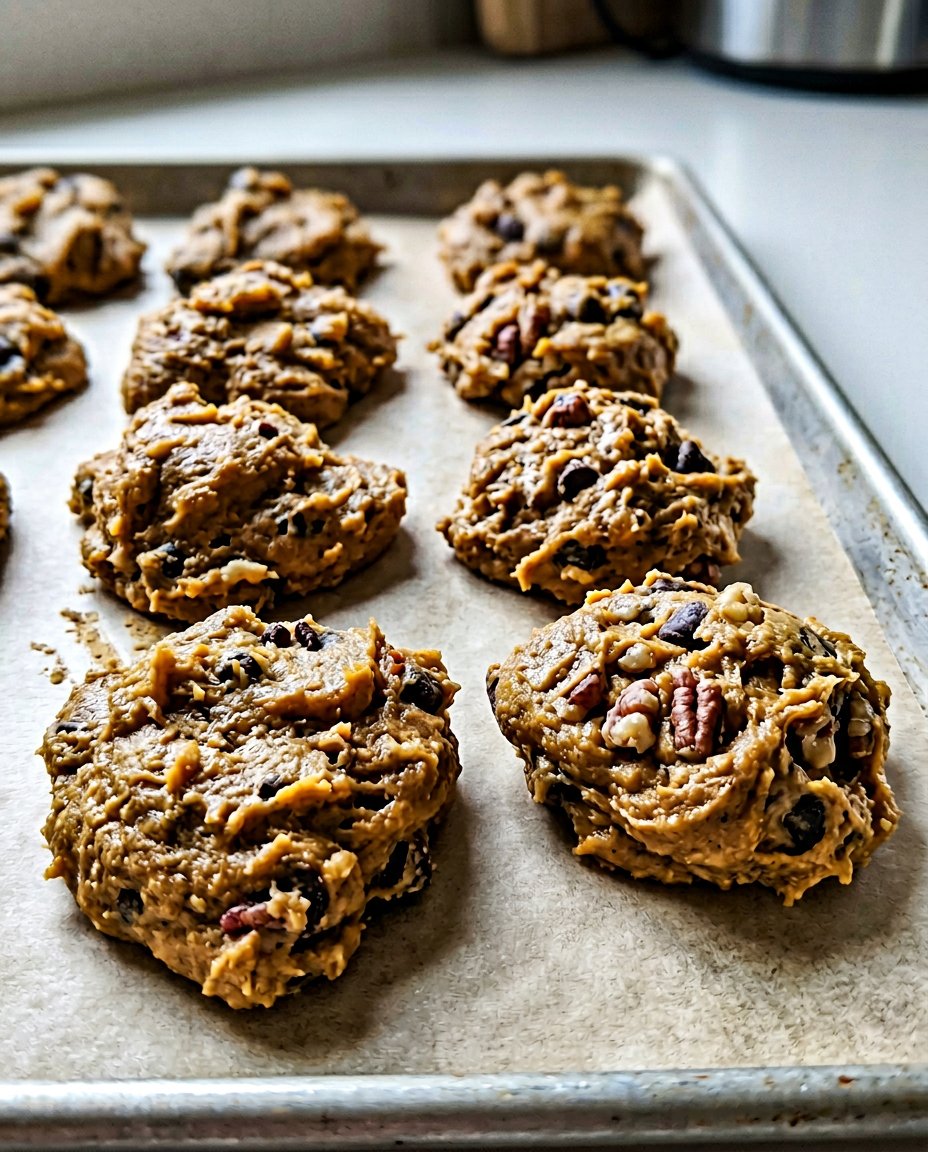
In a proper British setting, these cookies should be served alongside a pot of Earl Grey or a robust Assam tea. The tannins in the tea help to cleanse the palate between bites of the spiced, moist cookie. If you are serving these at a formal gathering, consider a light dusting of powdered sugar applied through a fine-mesh sieve once the cookies have cooled completely. This provides a refined finish that highlights the natural geometry of the bake.
For a more contemporary presentation, you can create a simple glaze using powdered sugar and a splash of maple syrup. This adds a layer of complexity to the flavor profile and a professional sheen to the surface. If you are interested in the aesthetics of the final product, our resources on Precision Cookie Decorating offer advanced techniques for finishing your bakes with historical accuracy and modern flair. Store these in an airtight tin to maintain their moisture, as the high water content of the pumpkin makes them prone to drying out if left exposed to the air.
The Technical Truth of the Two-Ingredient Bake
Mastering the cake mix pumpkin cookie requires an appreciation for the science of simplified baking. By understanding how the starch and moisture interact, we can produce a reliable and flavorful result that honors the long history of the ‘economical cake.’ This method proves that technical precision does not always require a long list of ingredients; rather, it requires an understanding of how those ingredients function together in the heat of the oven. For more examples of how to achieve high-quality results with streamlined processes, explore our work on Efficient Cookie Methods.
If you have found success with this methodical approach, I encourage you to share your results with our community of dedicated bakers. You can find more historical insights and technical tests on our social platforms. Join the conversation on Facebook, Instagram, and Pinterest. We remain proud to carry these traditions forward into the modern kitchen.