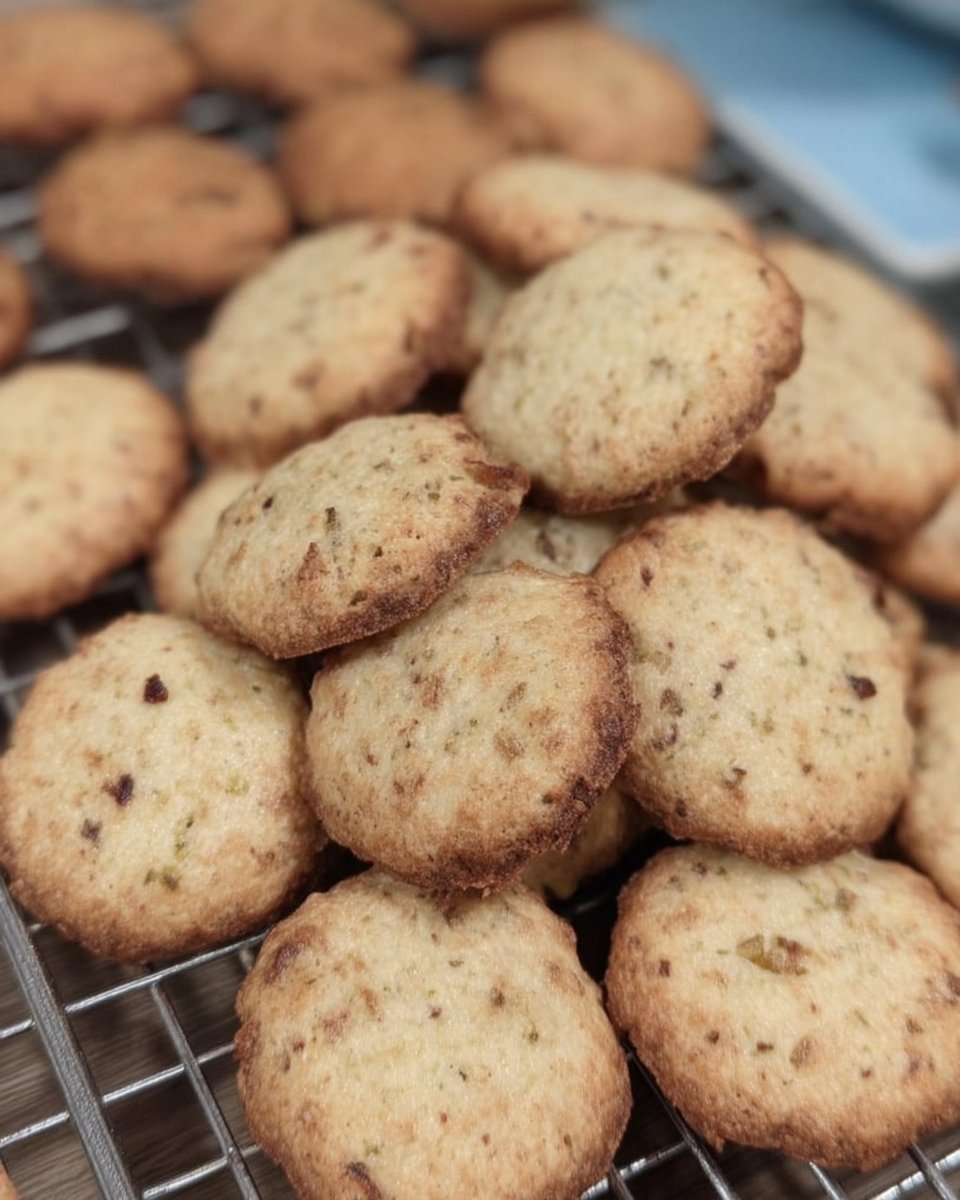
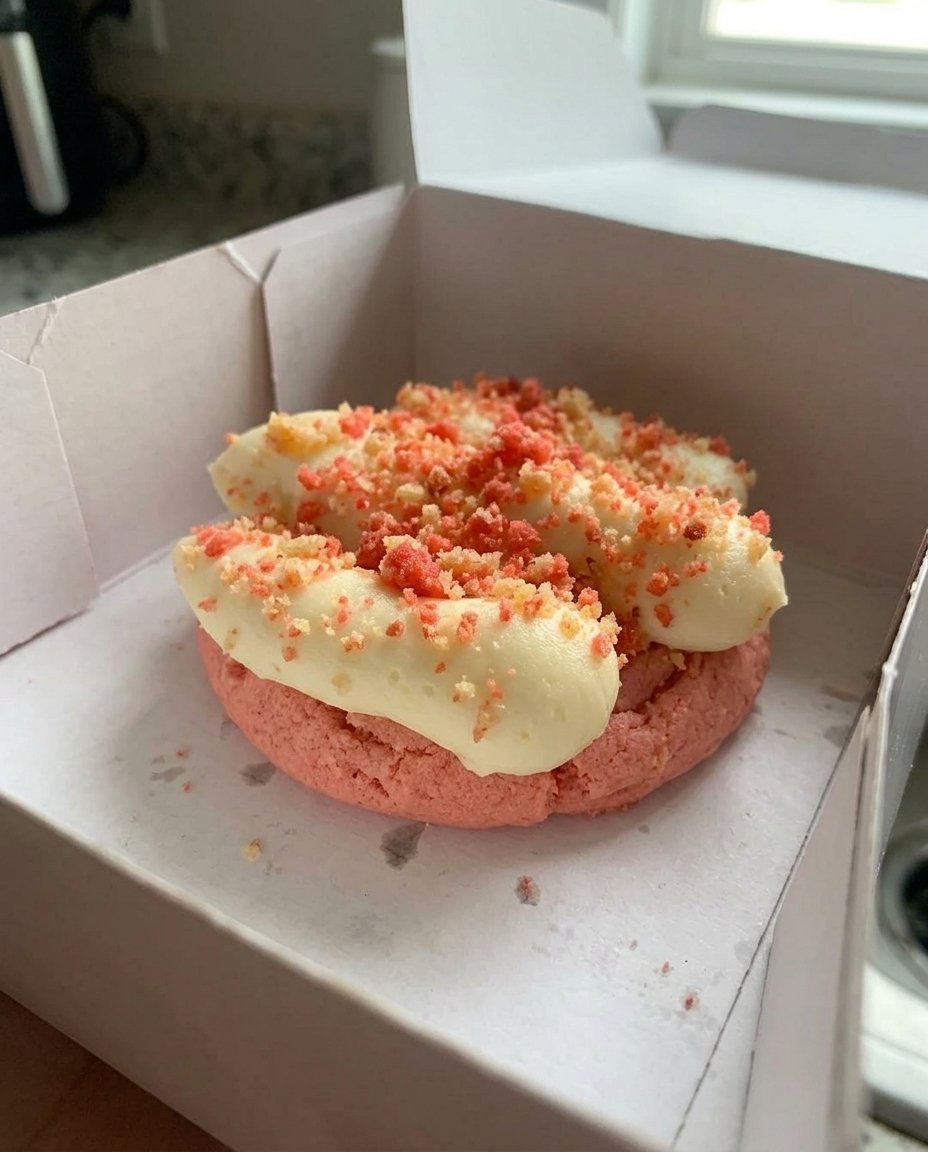
British bakers have long understood the technical importance of citrus oils, dating back to the late 19th century when lemon biscuits became a staple of the high tea tradition. Victorian confectioners realized that zesting fruit directly into sugar would capture volatile aromatic compounds that provide a depth of flavor modern extracts simply cannot replicate.

This methodical approach to lemon glazed cookies yields a biscuit with a remarkably tender crumb and a bright, acidic finish. By focusing on proper emulsification and the specific temperature of the fats, we achieve a superior structure without the historical necessity of long chilling periods.
The Tradition of Citrus Precision
These biscuits represent a fascinating intersection of historical wisdom and modern cookie science. While many contemporary recipes rely on chemical leaveners alone for lift, this method honors the Victorian reliance on mechanical aeration through the creaming process. You will find that the texture is neither a soft cake nor a hard snap, but rather a sophisticated, buttery short-bite that carries the lemon profile with exceptional clarity.
Bakers often struggle with citrus recipes that become overly dense or lose their punch in the oven. This formula preserves the integrity of the lemon by utilizing both the zest in the dough and a concentrated juice glaze on the surface. It is a reliable standard for anyone who values the heritage of the British biscuit tin. The absence of a chilling step is not a shortcut of laziness, but a testament to the stability of the ratio between the 227 grams of butter and the precise volume of all-purpose flour.
Furthermore, the historical context of these cookies is rooted in the availability of Mediterranean lemons in 19th-century Britain. Before global shipping became what it is today, these treats were a sign of refined taste and seasonal celebration. Today, we use those same principles of high-quality fat and fresh fruit to produce a result that is objectively superior to store-bought alternatives. The science confirms that the acid in the lemon juice interacts with the proteins in the flour to maintain a tender structure, preventing the development of tough gluten strands.
Print
Lemon Glazed Cookies
- Total Time: 34 mins
- Yield: 24 cookies
- Diet: Vegetarian
Description
These bright and buttery biscuits combine historical British baking techniques with a refreshing citrus punch. A methodical creaming process ensures a tender crumb, while a concentrated lemon glaze provides a sophisticated, zesty finish perfect for high tea.
Ingredients
- 227g Unsalted Butter, cool room temperature
- 150g Granulated Sugar
- 2 tablespoons Fresh Lemon Zest
- 1 Large Egg, room temperature
- 286g All-Purpose Flour
- 1 teaspoon Baking Powder
- 1/2 teaspoon Fine Sea Salt
- 189g Powdered Sugar, sifted
- 2–3 tablespoons Fresh Lemon Juice
Instructions
- Preheat your oven to 350°F (175°C) and line two heavy-gauge baking sheets with parchment paper.
- In a stand mixer fitted with the paddle attachment, cream the butter, granulated sugar, and lemon zest on medium-high speed for 3 to 4 minutes until pale and aerated.
- Add the egg and beat for one minute to fully emulsify, scraping down the sides of the bowl with a silicone spatula.
- In a separate bowl, whisk together the flour, baking powder, and salt, then gradually add to the mixer on low speed until just combined.
- Scoop 1.5 tablespoon portions of dough, roll into spheres, and press to 1/3 inch thickness on the prepared sheets.
- Bake for 12 to 14 minutes until the edges are faintly golden, then let rest on the hot sheet for 5 minutes before moving to a cooling rack.
- Whisk the sifted powdered sugar with lemon juice until it reaches a heavy cream consistency, then spoon over the cooled cookies and allow to set for 30 minutes.
Notes
To ensure the glaze has a professional finish, always sift your powdered sugar before mixing to prevent unsightly lumps. Using room-temperature eggs and butter is the technical key to achieving the proper emulsion for a consistent, tender cookie structure.
- Prep Time: 20 mins
- Cook Time: 14 mins
- Category: Dessert
- Method: Baking
- Cuisine: British
Proper Components for the Perfect Crumb
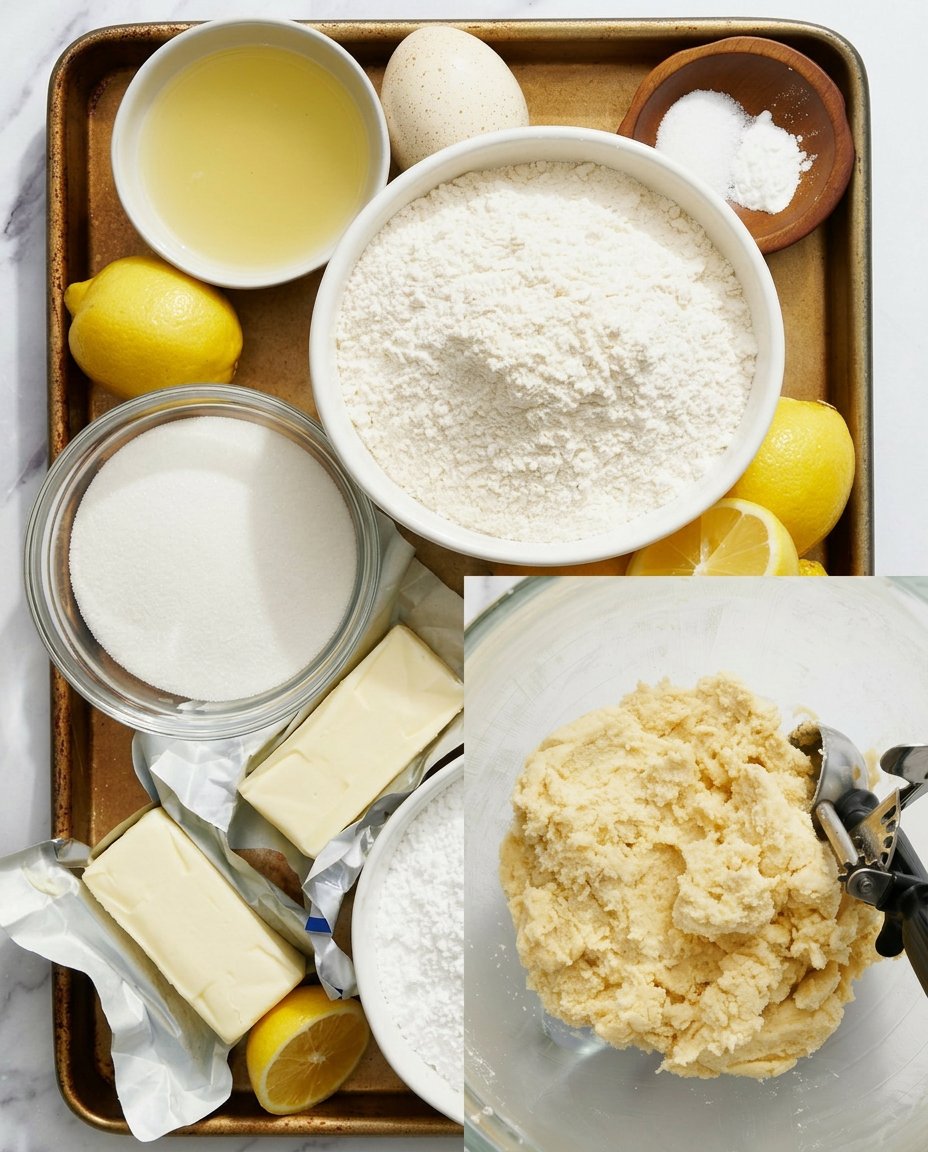
To achieve the specific heritage texture of these lemon glazed cookies, one must be precise with the selection and preparation of each ingredient. The ratio of fat to flour is the most critical factor in determining the final spread and bite of the biscuit.
- Unsalted Butter (227g): It is vital that the butter is at a cool room temperature (approximately 65°F or 18°C). If the butter is too warm, it will not hold the air pockets required for a proper lift; if too cold, it will not emulsify with the sugar.
- Granulated Sugar (150g): Beyond sweetness, the sugar crystals act as physical abrasive agents during the creaming step, carving tiny air channels into the butter.
- All-Purpose Flour (286g): A standard protein content of 10-11% is ideal. This provides enough structure to hold the cookie’s shape while remaining delicate enough for a soft finish.
- Fresh Lemon Zest (2 tablespoons): This must be taken from the yellow flavedo only. The white pith is bitter and will ruin the technical balance of the dough.
- Fine Sea Salt: Salt is a flavor regulator. It suppresses the perception of bitterness and sharpens the bright citrus notes.
- Powdered Sugar (189g): For the glaze, sifting is mandatory. Victorian standards for smooth icing require a total absence of clumps to ensure a professional, glass-like finish.
- Large Egg: Ensure the egg is also at a cool room temperature to prevent the butter from seizing when incorporated.
The Proper Method
Step 1: Preliminary Preparation and Thermal Control
Begin by preheating your oven to 350°F (175°C). The accuracy of your oven temperature is paramount for the Maillard reaction—the chemical process that creates the golden edges. Line two heavy-gauge baking sheets with parchment paper to ensure even heat distribution across the bottom of the biscuits.
Step 2: Mechanical Aeration of Fats and Sugars
In the bowl of a stand mixer fitted with the paddle attachment, combine the cool butter, granulated sugar, and lemon zest. Beat on medium-high speed for 3 to 4 minutes. This length of time is necessary to create a stable foam of air and fat. You should observe the mixture turning from a pale yellow to a near-white color, which indicates successful aeration.
Step 3: Emulsification of the Binding Agent
Add the egg to the creamed mixture. Continue beating for exactly one minute. This step builds the emulsion, ensuring the fat and water content of the egg are fully integrated. Use a silicone spatula to scrape down the sides and bottom of the bowl to confirm no pockets of unmixed butter remain, as these cause uneven spreading during baking.
Step 4: Dry Ingredient Integration
Whisk the flour, baking powder, and salt in a separate vessel. With the mixer on its lowest speed, gradually add the dry components. Stop the mixer the moment the last trace of white flour disappears. Over-mixing at this stage will develop gluten, leading to a tough, bready cookie rather than a tender biscuit.
Step 5: Precision Shaping and Geometry
Using a spring-loaded scoop, measure out 1.5 tablespoons of dough per cookie. Roll each portion between your palms to form a smooth sphere, then gently press with the flat of your hand to a thickness of 1/3 inch. This uniform thickness allows the heat to penetrate the center of each cookie at the same rate, ensuring consistency across the entire batch.
Step 6: The Baking Phase
Position the sheets in the center of the oven. Bake for 12 to 14 minutes. You are looking for a setting of the structure and a very faint golden hue at the perimeter. The centers should appear matte and firm to a light touch. Transfer to a cooling rack only after the cookies have rested on the hot sheet for 5 minutes to allow the starches to finalize their set.
Step 7: Application of the Citrus Glaze
Once the cookies are entirely cold, whisk the sifted powdered sugar with the lemon juice. Start with 2 tablespoons of juice and adjust until the viscosity resembles heavy cream. Spoon the glaze over each center, allowing it to move toward the edges naturally. The glaze must set for at least 30 minutes to form a proper crust.
Jordan’s Technique Notes
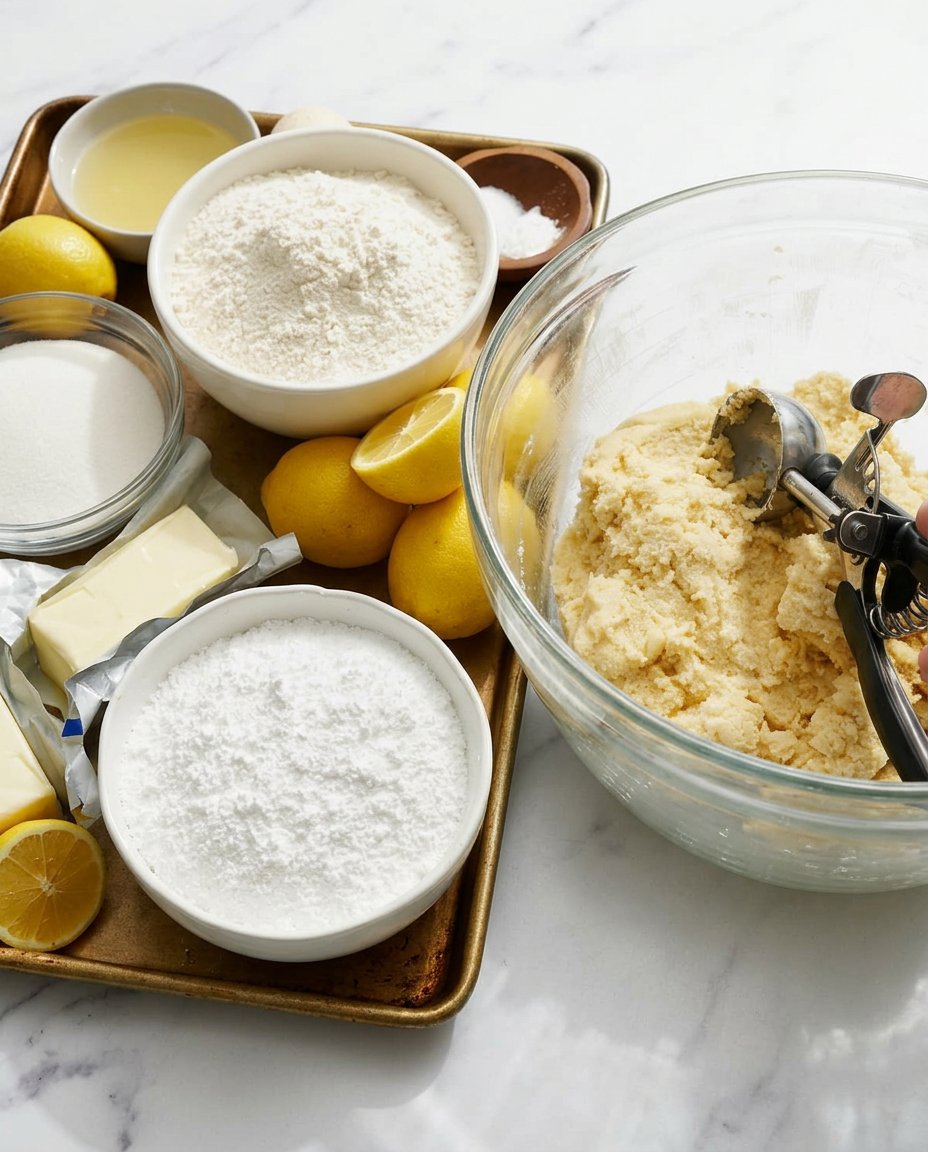
For the most scientifically sound results, I recommend weighing your ingredients in grams. Volume measurements for flour are notoriously inconsistent, and even a 10% variance can lead to a dry, crumbly cookie. Additionally, pay close attention to the zest; rubbing the lemon zest into the granulated sugar with your fingertips before creaming will release more oils, a method often found in historical French pâtisserie. To better understand the basics of these dough structures, you should review our Foundation Cookie Recipes for further guidance. Modern testing from experts at https://handletheheat.com/glazed-lemon-cookies/ also confirms that using a light-colored baking sheet prevents the bottoms from over-browning before the middle is fully cooked.
Regional Differences and Tested Adaptations
While the lemon is traditional, the citrus profile can be successfully modified. Replacing the lemon with lime and a hint of ginger creates a biscuit reminiscent of the West Indian influence on British baking. For those preferring a more robust texture, the dough can be pressed into a pan to create lemon bars, a technique that dates back to mid-century American bake sales. If you are interested in a more efficient workflow for large batches, our guide on Efficient Cookie Methods provides excellent technical alternatives for high-volume production. Meyer lemons offer a sweeter, less acidic profile that pairs beautifully with a pinch of cardamom in the dough.
Traditional Service and Classic Enjoyment
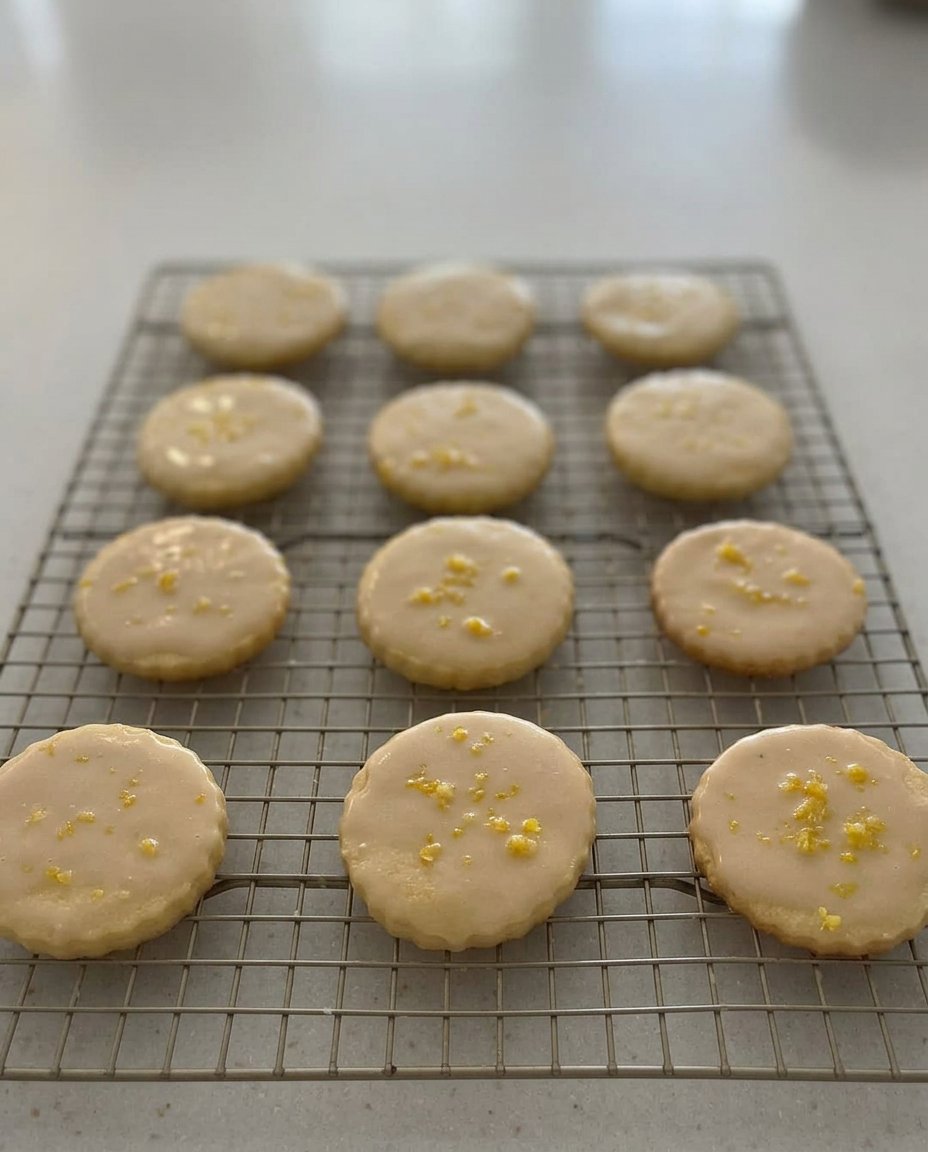
These lemon biscuits are best served alongside a high-quality Darjeeling or Earl Grey tea, where the bergamot notes complement the fresh lemon zest. For a formal presentation, serve them on a pre-warmed bone china plate to maintain the crispness of the glaze. If you are preparing these for a themed event, our insights on Precision Cookie Decorating can help you add sophisticated aesthetic touches like candied lemon peel or edible gold leaf. Historically, these were often served in the late afternoon as a light refresher before the evening meal.
The Technical Truth
Producing a perfect lemon glazed cookie is a rewarding exercise in balancing fat, sugar, and acidity. By adhering to the methodical creaming process and respecting the temperatures of your ingredients, you honor a baking tradition that spans centuries. To expand your knowledge of the chemical reactions during the baking process, examine our Holiday Cookie Science for a deeper look at ingredient interactions. We invite you to share your technical results with our community on Pinterest, Instagram, and Facebook. Mastering these classic biscuits is a clear sign of a baker who values both history and precision.