The scientific beauty of the Ultimate Chewy Chocolate Chip Cookies lies in the aromatic synergy between vanillin and the Maillard reaction. We often perceive sweetness through aroma, where vanilla compounds trick the brain into sensing higher sugar levels without increasing the caloric load on the palate. When we combine these with the right lipid structure, we create a sensory experience that is both chemically balanced and deeply satisfying.

This specific formula focuses on the ratio of glucose to fructose in brown sugar to achieve a high hygroscopic pull, keeping the center moist. By manipulating the moisture content through melted butter, we guarantee a dense, fudgy crumb that resists staling for days. These cookies represent the perfect intersection of traditional comfort and precise flavor chemistry.
The Science of Ultimate Chewy Chocolate Chip Cookies
You will find these cookies remarkable because they prioritize the thermodynamic behavior of fats. By using melted butter instead of creamed butter, we skip the aeration process that typically creates cakey textures. This results in a tighter gluten network that is still tender, providing that iconic pull-apart chewiness that home bakers crave. The molasses in the brown sugar acts as a natural humectant, pulling moisture from the air to keep the starch molecules from crystallizing and becoming hard.
Furthermore, the balance of salt in this recipe is not just for seasoning; it is a biochemical tool. Salt suppresses our perception of bitterness in the dark chocolate while simultaneously sharpening our ability to taste the subtle caramel notes produced during the baking process. This layering of taste creates a complex profile that stays interesting from the first bite to the last. It is a study in flavor stability and textural integrity.
Print
Ultimate Chewy Chocolate Chip Cookies
- Total Time: 46 mins
- Yield: 12 cookies
- Diet: Vegetarian
Description
Discover the chemistry behind the perfect cookie with this recipe for ultimate chewy chocolate chip cookies. By utilizing melted butter and a strategic chilling phase, you will achieve a dense, fudgy texture complemented by rich dark chocolate and a touch of flaky salt.
Ingredients
- Unsalted Melted Butter
- Brown Sugar (Packed)
- Granulated Sugar
- Large Egg
- Vanilla Extract
- All-Purpose Flour
- Baking Soda
- Dark Chocolate Chunks
- Flaky Sea Salt
Instructions
- In a large glass bowl, whisk the melted butter with both the brown and granulated sugars until the mixture resembles wet sand.
- Add the egg and vanilla extract, whisking vigorously until the batter becomes smooth and glossy.
- Sift in the flour, baking soda, and a pinch of fine salt, then fold the dry ingredients into the wet ones with a spatula until just combined.
- Gently fold in the dark chocolate chunks until evenly distributed throughout the dough.
- Scoop the dough into 1.5 tablespoon balls and refrigerate for at least 20 minutes to hydrate the starch and solidify the fats.
- Preheat the oven to 350ºF (175ºC) and bake the chilled dough balls on a parchment-lined sheet for 10 to 11 minutes.
- Immediately sprinkle the warm cookies with flaky sea salt and let them rest on the baking sheet for 5 minutes before moving to a wire rack.
Notes
To ensure the best results, use high-quality chocolate bars and chop them by hand for varied melting points. Always allow the cookies to rest on the hot baking sheet for a few minutes after removal from the oven to complete the carry-over cooking process without over-browning.
- Prep Time: 15 mins
- Cook Time: 11 mins
- Category: Dessert
- Method: Baking
- Cuisine: American
The Molecular Building Blocks
To build the perfect cookie, we must understand the functional role of every component in our lab. Each ingredient contributes to the final chemical structure and aroma profile.
- Unsalted Melted Butter: This provides the lipid base. Melting the butter breaks the emulsion early, allowing the water content to interact with the flour’s proteins immediately for a denser, chewier result.
- Brown Sugar (Packed): Rich in fructose and glucose, this sugar is highly hygroscopic. It provides the acidic environment necessary for the leavening agent to react and creates deep caramel flavors through the Maillard reaction.
- Granulated Sugar: This provides the structural skeleton and helps the edges crisp up through dehydration during the final minutes of baking.
- Large Egg: The lecithin in the yolk acts as a powerful emulsifier, binding the fats and liquids together into a smooth, stable dough.
- Vanilla Extract: We use this for its vanillin content, which amplifies the perceived sweetness and adds a complex aromatic layer that rounds out the sharp cocoa notes.
- All-Purpose Flour: The protein content here (around 10-12%) is just enough to create a flexible gluten web without making the cookie tough.
- Baking Soda: This alkaline leavener reacts with the acidic brown sugar to produce carbon dioxide, while also raising the pH of the dough to speed up browning.
- Dark Chocolate Chunks: Chopped chocolate provides varying surface areas for melting, creating irregular pockets of intense cocoa flavor that interact differently with the dough.
- Flaky Sea Salt: Used as a topical finish to trigger the salt-sensitive receptors on the tongue, immediately followed by the sweet sugar rush.
The Sequential Layering of Flavor
Step 1: Emulsifying the Base
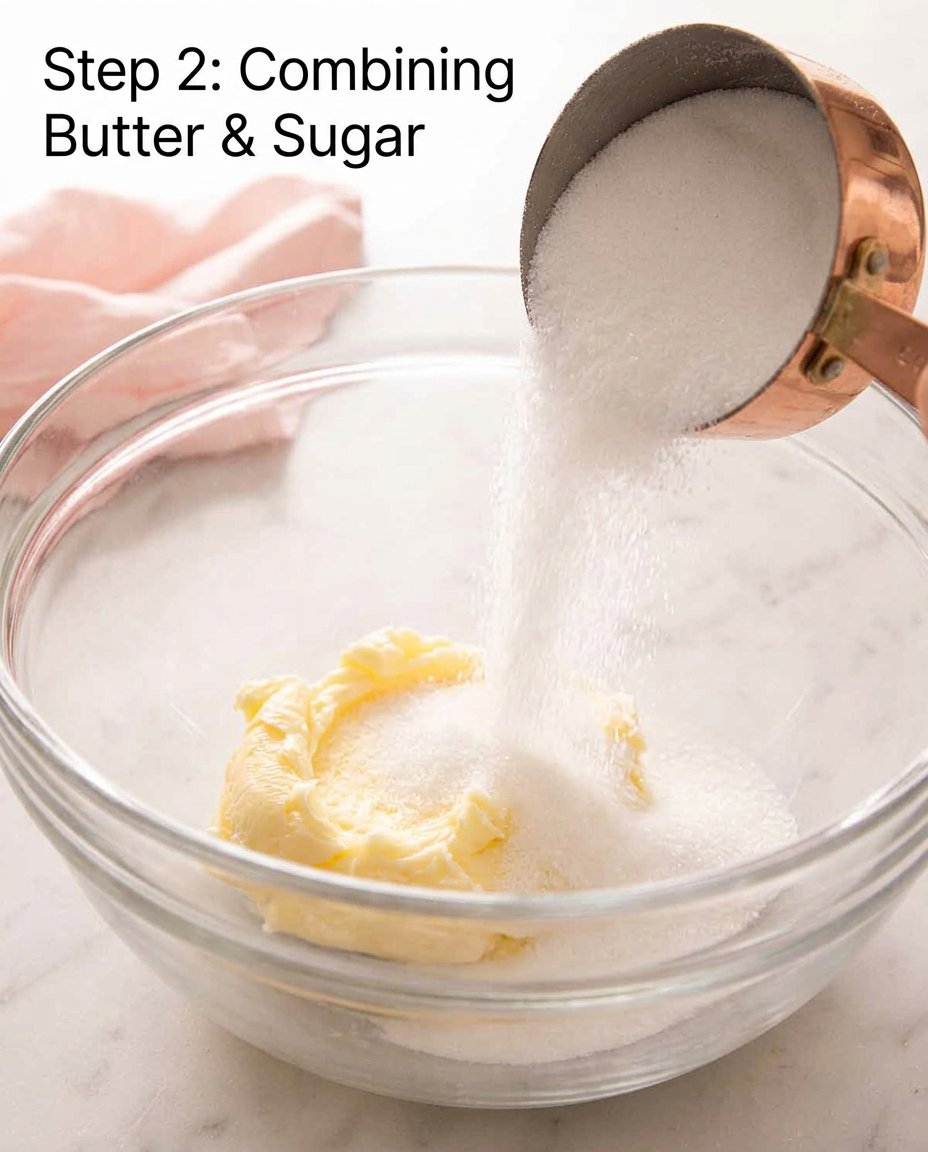
In a large glass bowl, combine your melted butter with both the brown and granulated sugars. Use a whisk to integrate them until the mixture looks like wet sand. This step allows the sugars to begin dissolving in the small amount of water present in the butter, initiating the flavor integration early in the process.
Step 2: Incorporating the Emulsifier and Aromatics
Add the egg and the vanilla extract to the butter-sugar mixture. Whisk vigorously until the batter becomes smooth and slightly glossy. This indicates that the lecithin from the egg has successfully stabilized the emulsion, which is vital for a consistent texture across the entire batch.
Step 3: Integrating the Dry Matrix
Sift in the all-purpose flour, baking soda, and the pinch of fine salt. Use a spatula to fold the dry ingredients into the wet ones until only a few streaks of flour remain. Be careful not to overwork the dough at this stage; excessive agitation will lead to over-developed gluten, which will turn your chewy cookie into a tough one.
Step 4: Folding in the Cocoa Compounds
Add the chopped dark chocolate chunks to the dough. Fold them in gently so they are evenly distributed. The irregular shapes of hand-chopped chocolate are superior to standard chips because the small shards melt into the dough, while the larger pieces remain as melty focal points.
Step 5: The Crucial Chilling Phase
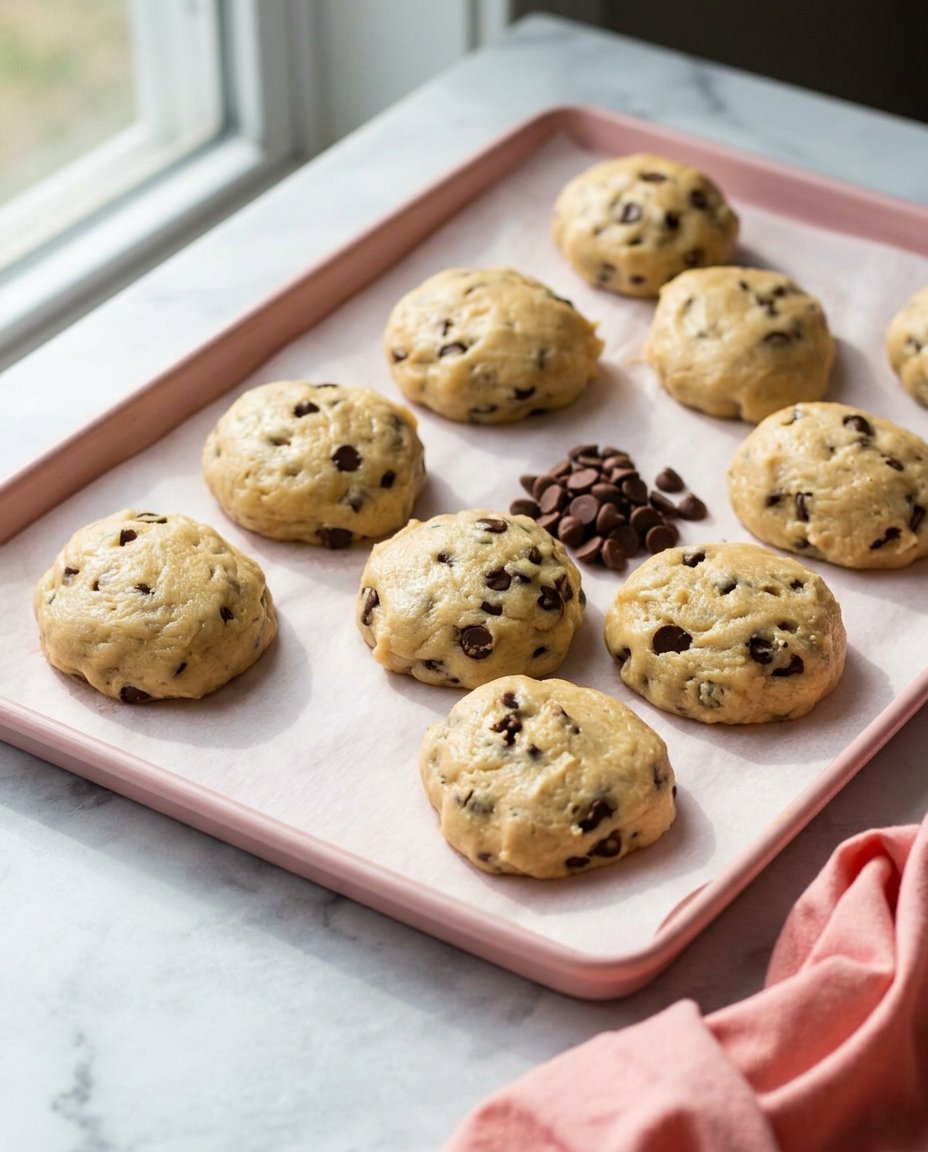
Scoop the dough into balls of approximately 1.5 tablespoons. Place them on a tray and refrigerate for at least 20 minutes. This rest period allows the starch in the flour to fully hydrate and the fats to solidify. Cold fat takes longer to melt in the oven, which prevents the cookies from spreading too thin and maintains that thick, chewy center.
Step 6: Thermal Transformation
Preheat your oven to 350ºF (175ºC) and line your baking sheet with parchment paper. Space the chilled dough balls at least 2 inches apart. Bake for 10 to 11 minutes. You are looking for the edges to turn a light golden brown while the centers still look slightly soft and underbaked. This is the secret to moisture retention.
Step 7: Final Seasoning and Cooling
Remove the sheet from the oven and immediately sprinkle each cookie with a small amount of flaky sea salt. The residual heat will settle the salt into the surface. Let the cookies rest on the hot baking sheet for 5 minutes to finish the carry-over cooking before transferring them to a wire rack.
Jasmine’s Flavor Notes
To achieve the most complex flavor profile, I recommend letting your dough age in the refrigerator for 24 to 72 hours. This process, known as enzymatic browning, allows the large starch and protein molecules to break down into smaller sugars and amino acids, resulting in a much deeper, toffee-like taste. For more foundational knowledge on how these ratios affect your bake, you can check our guide on Foundation Cookie Recipes.
Another trick for the perfect texture is to use a high-quality chocolate bar rather than pre-packaged chips. Chocolate chips often contain stabilizers like soy lecithin that prevent them from melting fully. A chopped bar provides a better mouthfeel as the cocoa butter flows through the warm cookie dough. You can see similar techniques applied in this chocolate chip cookies recipe which highlights the importance of chocolate quality. Always place your salt at the very end to keep the crystals intact for a sharp taste contrast.
Scientific Flavor Swaps
If you want to experiment with the aromatic profile, consider adding a teaspoon of espresso powder. Coffee and chocolate share many of the same pyrazine compounds, which means they amplify each other naturally. For those looking to dive into seasonal profiles, visit our section on Holiday Cookie Science to see how spices interact with these fats.
You can also replace the dark chocolate with white chocolate and macadamia nuts. White chocolate lacks cocoa solids but is high in cocoa butter, which provides a creamy, fatty mouthfeel that pairs beautifully with the roasted, nutty notes of the macadamias. If you prefer a nuttier base, try browning the butter before melting it; this creates toasted milk solids that provide a savory counterpoint to the high sugar content.
Optimal Flavor Release
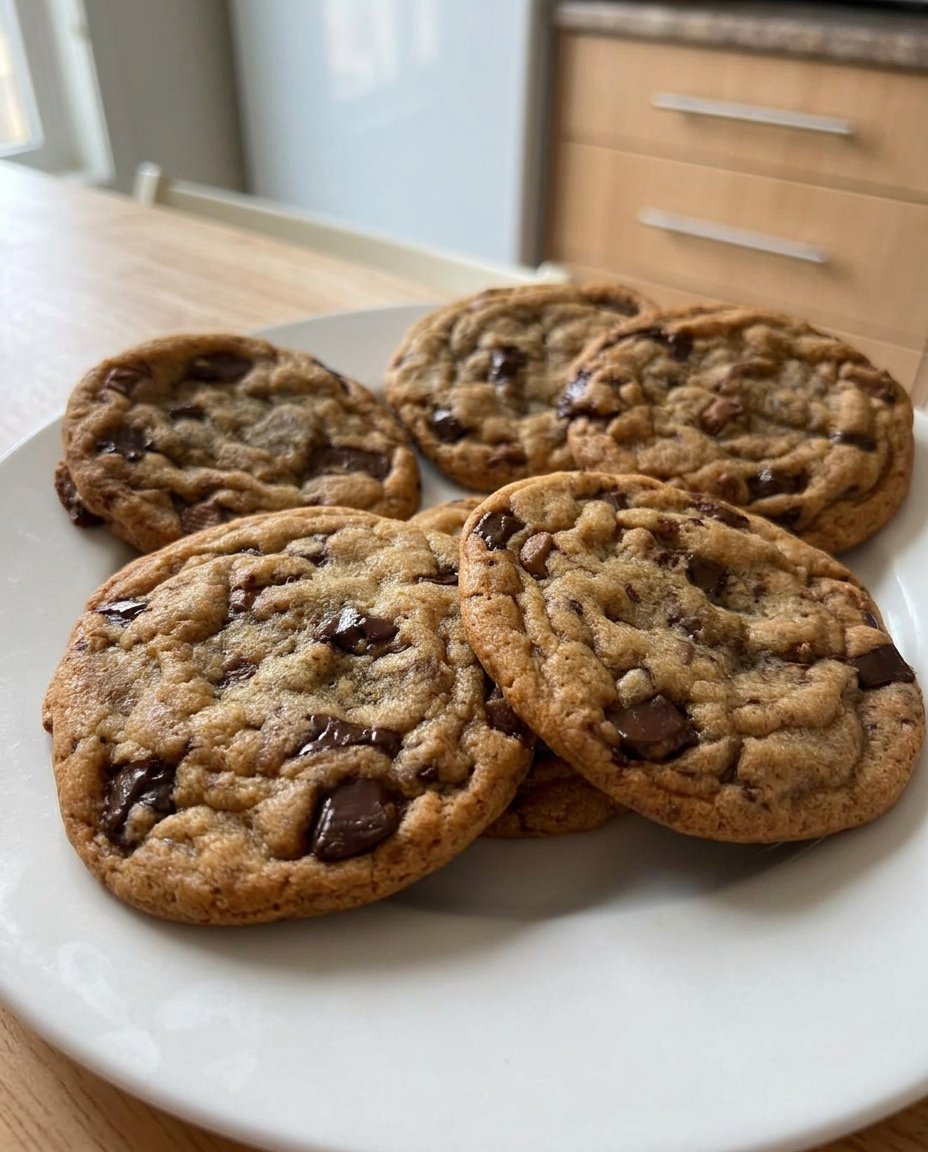
For the best sensory experience, serve these cookies while they are still slightly warm, around 100°F (38°C). At this temperature, the cocoa butter in the chocolate chunks is in a liquid state, allowing the volatile flavor compounds to release more easily into the retronasal passage. This temperature also keeps the butter fats soft, emphasizing the chewy texture.
Pairing these with a glass of cold whole milk is a classic choice for a reason. The milk proteins help cleanse the palate of the heavy fats, making every bite feel as impactful as the first. If you enjoy analyzing how these trends evolve, read our Viral Cookie Analysis for more on modern serving styles. A dark roast coffee is also an excellent companion, as the bitter notes of the coffee balance the sweet caramelization of the cookie dough.
The Flavor Truth
Understanding the chemistry of your ingredients transforms baking from a guessing game into a precise art form. These cookies are a testament to how simple changes—like melting the butter or choosing dark chocolate chunks—can fundamentally shift the taste and texture of a classic treat. I hope you find as much joy in the science of these bakes as I do. For more ways to improve your kitchen workflow, check out our Efficient Cookie Methods. Don’t forget to share your results with our community on Instagram and Pinterest. Happy baking, and keep questioning the flavor!