In the nineteenth century, Sicilian bakers refined a technique that had been passed down through generations, blending the island’s Arab heritage with European pastry traditions. These biscuits, often referred to as the Queen’s Biscuits, rely on a specific shortcrust method known as pasta frolla. Historical records suggest that the intense crunch of the sesame coating served a dual purpose: it preserved the moisture within the biscuit while providing a distinct toasted flavor that modern science now attributes to the Maillard reaction.

Achieving the correct structural integrity for Biscotti Regia requires a methodical approach to fat distribution. By using chilled butter and a precise resting period, we manage gluten development to produce a crumb that is tender yet firm enough to withstand a dunk in strong coffee. This recipe honors those traditional Sicilian methods while applying the technical scrutiny required for a reliable result in any modern kitchen.
The Architectural Elegance of the Sicilian Crumb
There is a technical triumph in a biscuit that manages to be both incredibly crunchy on the exterior and remarkably tender at its core. The Biscotti Regia achieves this through the use of sesame seeds, which act as a heat-distributing layer during the baking process. This protective coating allows the interior dough to bake evenly without drying out, a method that Victorian bakers understood instinctively.
Historically, these biscuits were a staple of the royal courts, prized for their ability to remain fresh for weeks. The combination of lemon zest and toasted sesame creates a complex flavor profile that appeals to those who appreciate heritage baking. When you master this technique, you are not just making a snack; you are recreating a piece of Mediterranean history that has survived because its scientific foundation is sound.
Beyond the flavor, the process of hand-rolling the logs and coating them in seeds is a tactile exercise in precision. Each step, from the temperature of the butter to the duration of the dough’s rest, contributes to a final product that is structurally superior to modern, mass-produced alternatives. It is a recipe for those who find satisfaction in the methodical application of heat and chemistry.
Print
Biscotti Regia
- Total Time: 1 hour 10 mins
- Yield: 24 cookies
Description
Experience the authentic taste of Sicily with these Regina biscuits, featuring a delicate pasta frolla interior encased in a crisp, toasted sesame shell. These heritage cookies are prized for their unique architectural crunch and aromatic citrus notes, making them the perfect companion for a traditional coffee ritual.
Ingredients
- 85 grams unsalted butter (chilled and cubed)
- 2 medium eggs (separated)
- 1/2 cup granulated sugar
- Grated zest of 1 lemon
- 1 cup raw sesame seeds
- 2 cups all-purpose flour
- 2 tablespoons milk
- 1 teaspoon vanilla extract
- 1 teaspoon baking powder
- 1/2 teaspoon salt
- 2 tablespoons water (for egg wash)
Instructions
- Whisk together the egg yolks, milk, vanilla extract, and lemon zest in a medium bowl; set aside to infuse.
- Combine the flour, sugar, baking powder, and salt in a food processor or bowl, then pulse or cut in the chilled butter until the mixture resembles coarse sand.
- Stir the liquid mixture into the dry ingredients until a dough forms, then briefly knead on a floured surface into a smooth disc.
- Wrap the dough in plastic and refrigerate for at least 30 minutes to allow the fats to solidify and the starch to hydrate.
- Preheat your oven to 200°C (375°F) and line a baking tray with parchment paper.
- Divide the dough into six portions and roll each into a log 1 inch thick, then cut into 2.5-inch segments.
- Prepare an egg wash by whisking the reserved egg whites with two tablespoons of water in a shallow dish.
- Dip each segment into the egg wash, roll it thoroughly in the sesame seeds, and place on the baking tray.
- Bake for 25 minutes or until the seeds are deep golden brown, then transfer to a wire rack to cool completely.
Notes
To achieve the signature ‘short’ texture of an authentic Regina cookie, ensure your butter remains cold throughout the mixing process; if the dough feels soft while rolling, chill it for 10 minutes before proceeding. Use raw sesame seeds rather than pre-toasted ones, as the high heat and 25-minute bake time provide the perfect level of toasting without burning the seeds.
- Prep Time: 45 mins
- Cook Time: 25 mins
- Category: Dessert
- Method: Baking
- Cuisine: Sicilian
Sourcing the Components of a Queen’s Biscuit
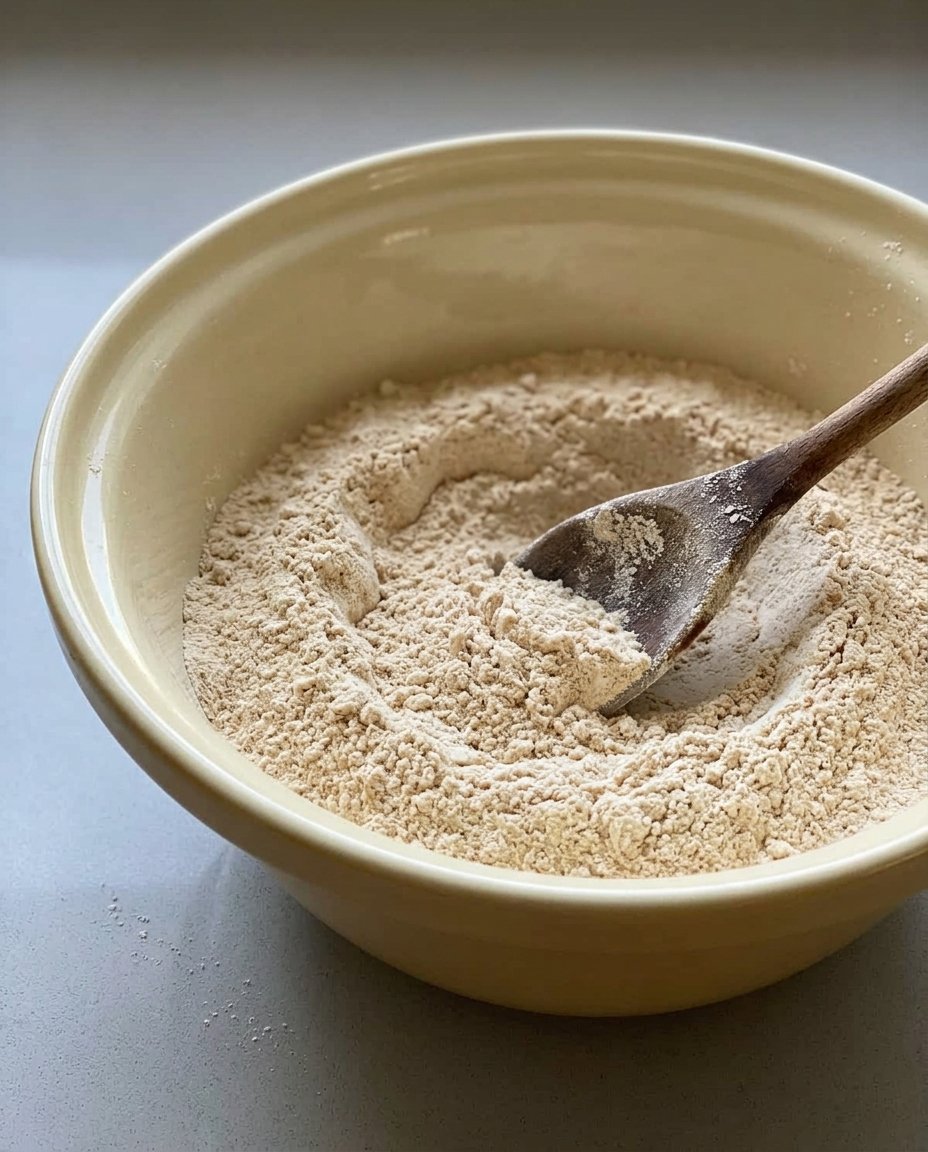
To produce authentic Biscotti Regia, one must pay close attention to the quality and state of the ingredients. The ratio of fat to flour is critical in creating the crumbly texture characteristic of authentic Italian frolla dough. Each component serves a specific structural or chemical role:
- Unsalted Butter (85 grams): It is vital that this is chilled and cubed. Cold fat creates tiny pockets in the dough, which translate to a short, delicate crumb rather than a tough, bread-like one.
- Medium Eggs: Separated with precision. The yolks provide the richness and emulsification for the dough, while the whites serve as a technical adhesive for the sesame seeds.
- Granulated Sugar (1/2 cup): This provides sweetness but also helps with the browning and crispness of the biscuit edges.
- Lemon Zest: The oils in the zest provide the primary aromatic note, cutting through the richness of the butter and the earthiness of the sesame.
- Sesame Seeds (1 cup): These are the defining feature. They should be raw before baking, as the oven’s heat will toast them to a golden hue while they are attached to the dough.
- All-Purpose Flour (2 cups): This provides the necessary protein content for structure without making the biscuit heavy.
Understanding these ingredients allows the baker to control the outcome. For instance, using warm butter would lead to a greasy dough that loses its shape, failing the historical standard of a proper Regina cookie.
The Methodical Process of Traditional Construction
Step 1: Emulsifying the Liquid Components
Begin by combining the egg yolks, milk, vanilla extract, and freshly grated lemon zest in a medium mixing bowl. This step is essential for distributing the aromatics evenly throughout the fat phase of the dough. Set this mixture aside to allow the lemon oils to begin infusing the liquids.
Step 2: The Rubbing-In Method
In a food processor or a large bowl, combine the flour, sugar, baking powder, and salt. Add the chilled, cubed butter. Pulse or use a pastry cutter until the mixture resembles coarse sand. This technique, a cornerstone of British and European biscuit making, coats the flour particles in fat to prevent over-development of gluten.
Step 3: Forming the Pasta Frolla
Add the yolk and milk mixture to the dry ingredients. Process or stir until the dough just begins to clump together. Transfer the mass to a lightly floured surface and knead briefly—only enough to form a smooth disc. Over-working at this stage will toughen the final biscuit, destroying the delicate balance we seek.
Step 4: The Technical Rest
Wrap the dough tightly in plastic and refrigerate for at least 30 minutes. This rest period is non-negotiable; it allows the starch granules in the flour to hydrate fully and the fats to re-solidify. Modern testing confirms that this leads to a more consistent bake and a superior flavor profile.
Step 5: Precision Shaping
Preheat your oven to 200°C (375°F). Divide the chilled dough into six equal portions. On a clean surface, roll each portion into a log approximately 1 inch in diameter and 10 inches in length. Use a dough cutter to divide each log into 2.5-inch segments. This uniformity guarantees that every biscuit will reach the same level of doneness simultaneously.
Step 6: The Adhesive and Seed Coating
Prepare an egg wash by whisking the reserved egg whites with two tablespoons of water. Dip each dough segment into the wash, then immediately roll it in the sesame seeds. The egg white acts as a protein-based glue, ensuring the seeds remain attached during the expansion of the bake.
Step 7: The Final Bake
Arrange the coated biscuits on a baking tray lined with parchment paper, leaving space for heat circulation. Bake for 25 minutes or until the sesame seeds have turned a deep golden brown. Transfer to a wire cooling rack immediately to prevent the bottoms from over-baking on the hot tray.
Precision Techniques for the Perfect Crunch
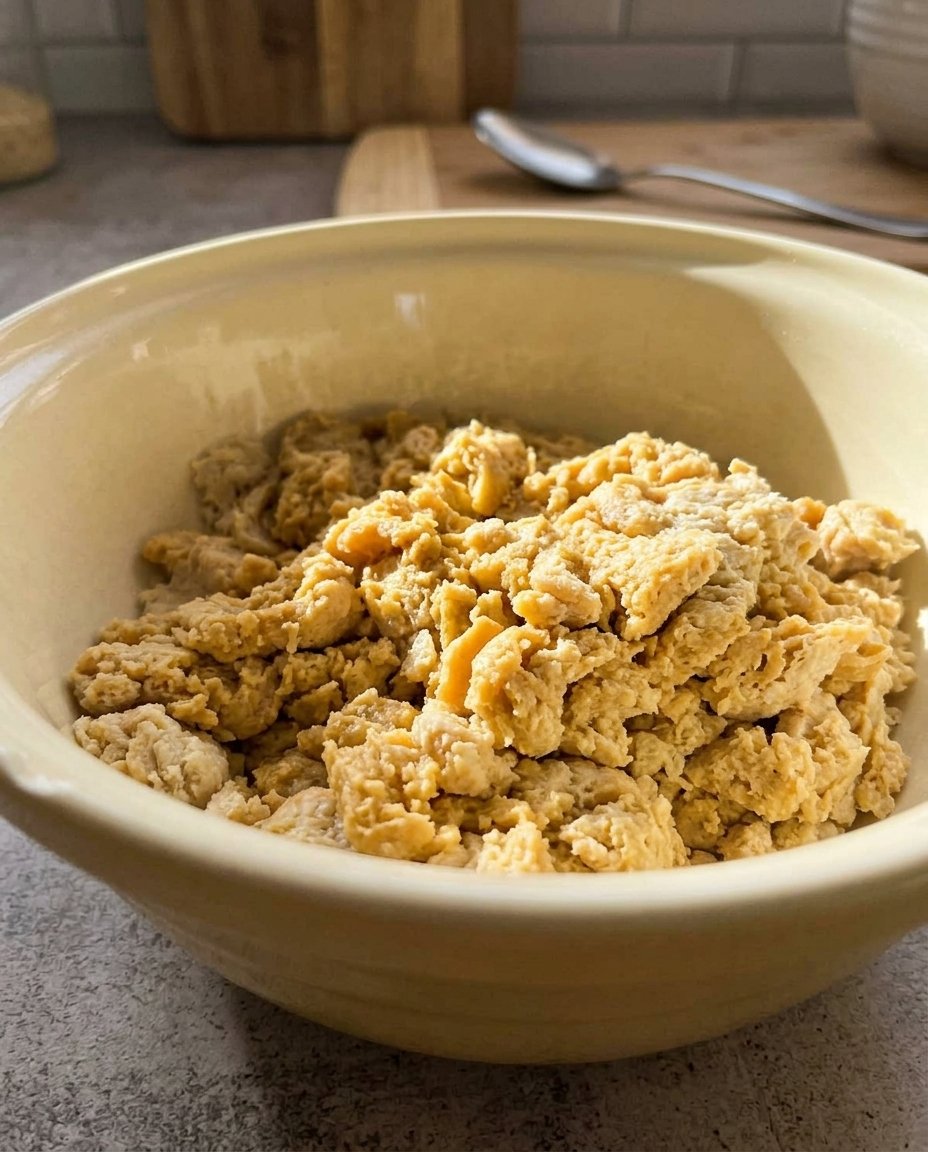
One of the most important aspects of baking Biscotti Regia is temperature control. If your kitchen is particularly warm, the butter in the dough may begin to melt during the shaping process. If you notice the dough becoming tacky or difficult to handle, return it to the refrigerator for ten minutes. This maintains the integrity of the fat pockets that create the short texture. For more on these fundamental concepts, see our guide on Foundation Cookie Recipes.
When applying the sesame seeds, ensure you are using a shallow dish. This allows for even pressure and better coverage. Historical Sicilian recipes sometimes suggest lightly toasting the seeds beforehand, but modern ovens are efficient enough that raw seeds will toast perfectly during the 25-minute bake time. You should also ensure your baking powder is fresh, as the slight lift it provides prevents the biscuits from becoming overly dense stones.
Regional Deviations and Tested Adaptations
While the sesame-coated version is the standard for Biscotti Regia, regional variations exist across Sicily. Some families in the eastern provinces incorporate a small amount of cocoa powder into the dough, creating a darker, more robust flavor profile. Others might substitute the lemon zest with orange zest or even a drop of anise oil to reflect local citrus groves.
For those looking to adapt this recipe for specific occasions, you might find inspiration in our Holiday Cookie Science section. Another common variation involves dipping one end of the finished, cooled biscuit into dark chocolate. This adds a layer of modern indulgence to the historical crumb. For more insights on Italian biscuit traditions, you can also refer to this guide on Sicilian sesame seed cookies.
The Ritual of the Sicilian Coffee Hour
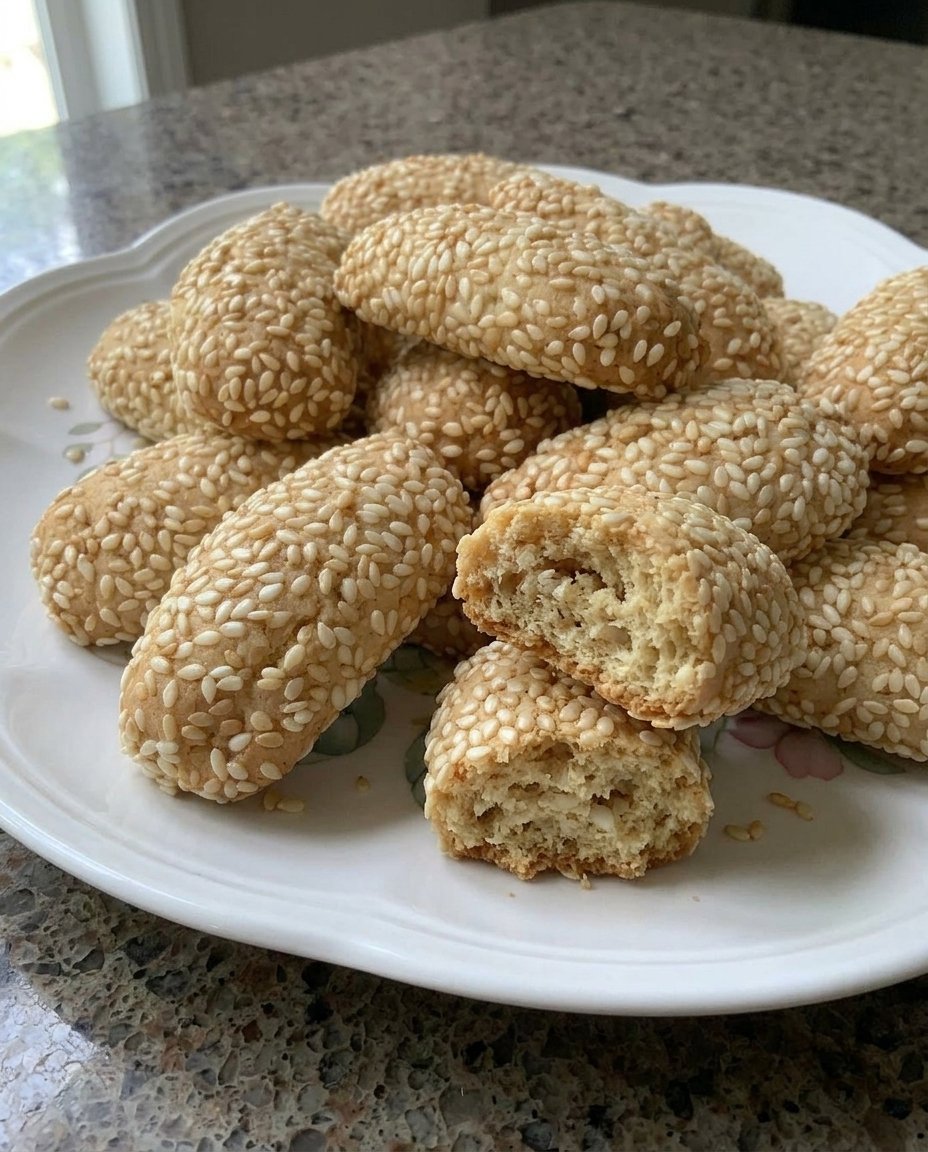
Traditionally, Biscotti Regia are served alongside a strong espresso or a glass of sweet Marsala wine. The structural integrity of the biscuit makes it ideal for dunking, as it absorbs liquid without disintegrating immediately. In a formal setting, these should be presented on a ceramic platter, highlighting the golden color of the toasted seeds.
For a modern presentation, serve them as part of a larger dessert spread. They pair excellently with creamy elements like panna cotta or a simple bowl of ricotta sweetened with honey. Using Efficient Cookie Methods allows you to prepare large batches that can be stored in airtight tins for several weeks, making them a reliable option for unexpected guests.
The Technical Legacy of the Pasta Frolla
Mastering the Biscotti Regia is an exercise in respecting the chemical reactions that occur when traditional methods meet precision heat. By adhering to the cold-fat technique and allowing for a proper rest, you create a biscuit that is a testament to Sicilian culinary history. Whether you enjoy them for their historical significance or their unique toasted flavor, these cookies represent a bridge between the ancient and the modern kitchen. For those interested in furthering their knowledge of complex dough structures, explore our Technical Bakes category.
Follow us for more historical baking science: Pinterest, Instagram, Facebook, and X.