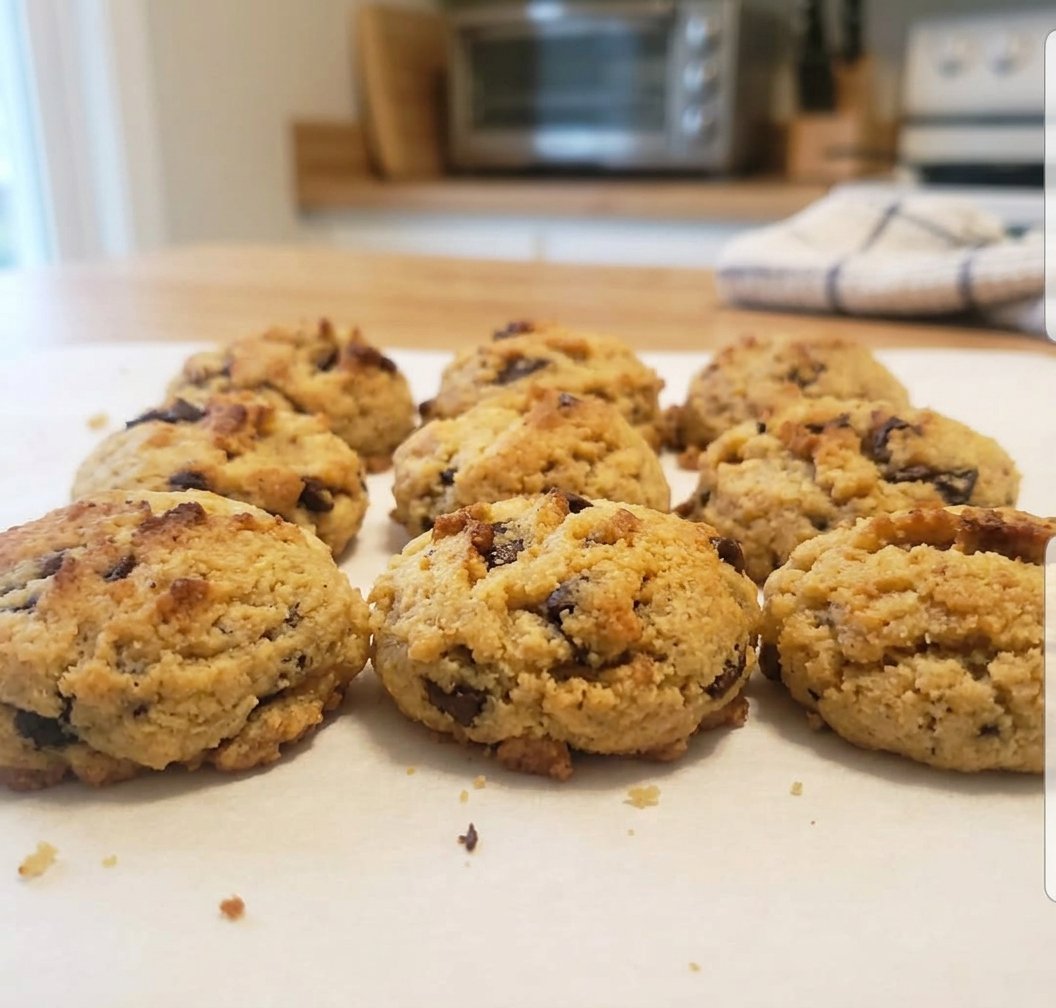
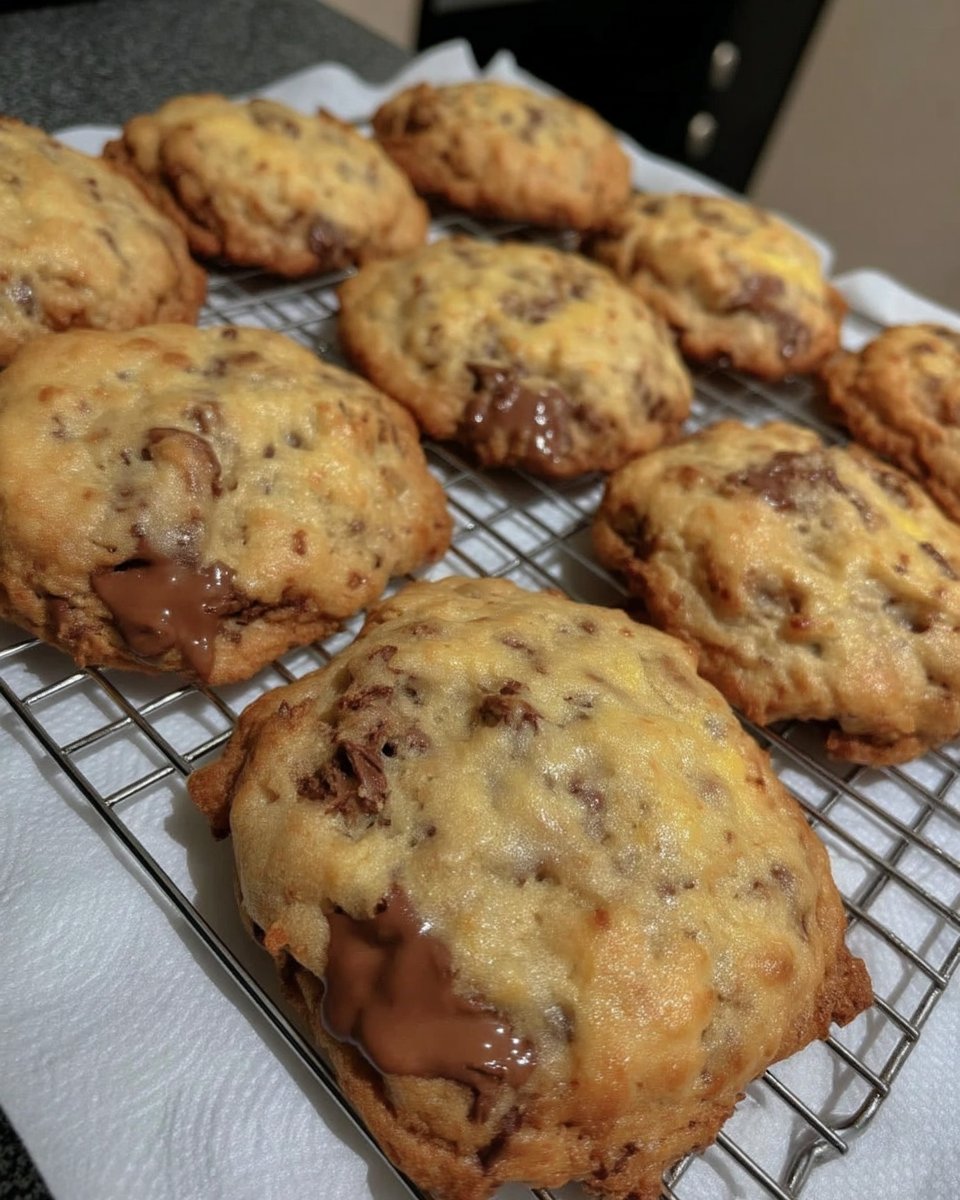
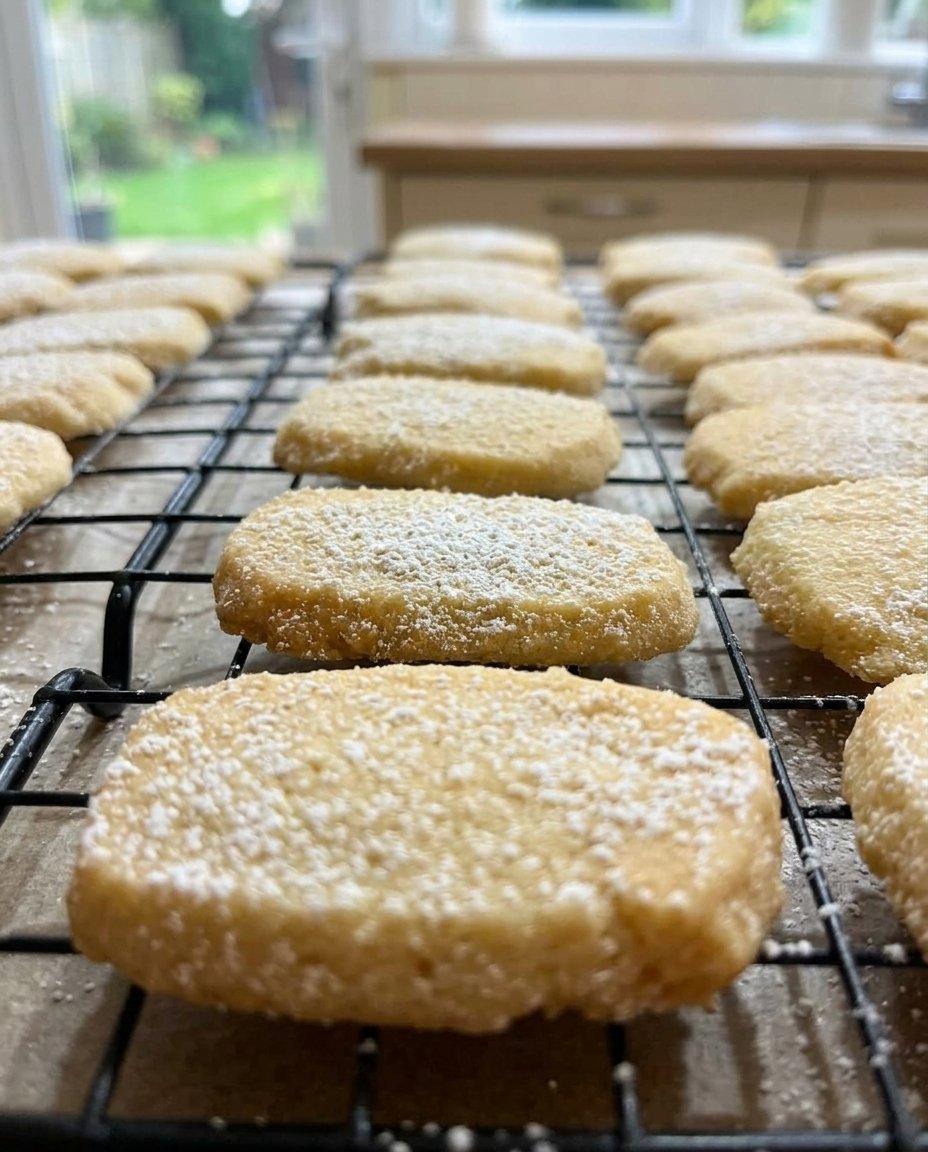
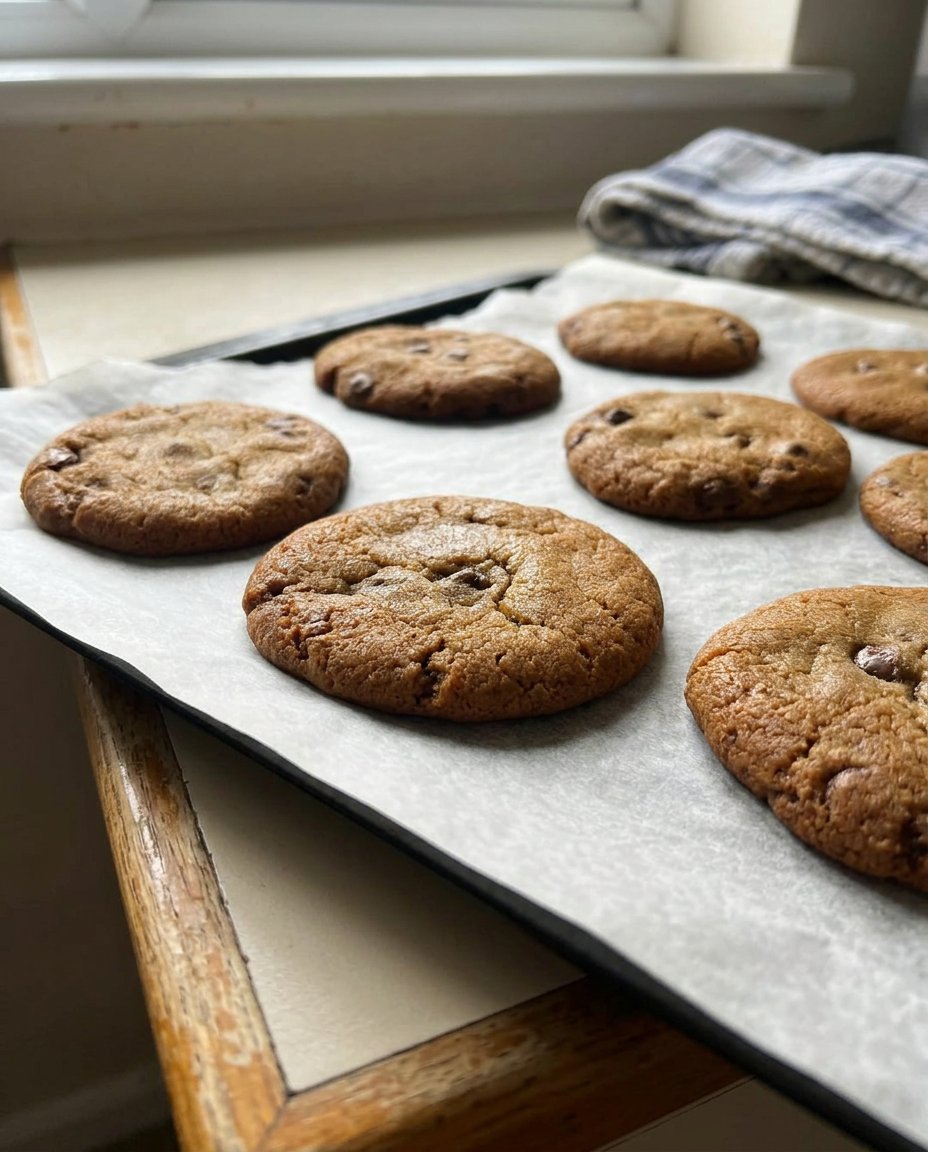
Gingerbread history is a fascinating study of trade and preservation, tracing back to the 10th-century spice routes that eventually reached the monastic kitchens of Europe. By the 15th century, gingerbread was a staple at British fairs, where the dough was often shaped into intricate designs to signify wealth and status. This Paleo Gingerbread 2 recipe honors those ancient traditions by removing modern fillers and returning to the foundational elements of spice, fat, and natural sweeteners. We find that the historical emphasis on spice density remains the most effective way to achieve a balanced, heritage-style biscuit.

While traditional Victorian gingerbread relied on wheat flour and treacle, our modern testing focuses on the structural mechanics of almond flour. This Paleo Gingerbread 2 preparation utilizes a food processor method to achieve a level of fat distribution that mimics the labor-intensive hand-rubbing techniques of the past. The result is a cookie that maintains its shape with a precise, tender crumb that avoids the common pitfalls of gluten-free baking. We have verified that the interaction between molasses and coconut sugar creates a deep, resonant sweetness that feels both timeless and technically sound.
Why You Will Love This Paleo Gingerbread 2
The primary appeal of this Paleo Gingerbread 2 lies in its commitment to structural integrity without the use of gluten or refined sugars. Historically, gingerbread was valued for its long shelf life and portability, qualities we have maintained through precise hydration levels. You will find that the combination of almond flour and molasses provides a chewiness that many contemporary recipes lack. This method respects the ancient understanding that spices need time and the correct fat medium to bloom effectively.
Furthermore, this recipe is a triumph of culinary science over restriction. By utilizing the specific density of coconut sugar alongside the moisture-retaining properties of molasses, we create a biscuit that does not crumble into dust. It is a reliable formula for those who value the heritage of the spice trade but require a modern, grain-free solution. The result is a cookie that feels substantial and tastes of history, proving that traditional flavor profiles do not require traditional grains to succeed. We have tested this ratio extensively to confirm that it produces a consistent result in various kitchen environments.
Print
Paleo Gingerbread 2
- Total Time: 52 mins
- Yield: 12 cookies
- Diet: Paleo
Description
This Paleo Gingerbread 2 recipe offers a refined, grain-free take on a historic classic, blending dense spice profiles with a precise almond flour crumb. These cookies achieve a sophisticated balance of chewy centers and firm edges without the need for refined sugars or gluten.
Ingredients
- 220 grams finely ground almond flour
- 76 grams coconut sugar
- 3 tablespoons molasses
- 1 teaspoon ground cinnamon
- 2 teaspoons ground ginger
- 1/2 teaspoon ground allspice
- 1/4 cup coconut oil or avocado oil, cooled if melted
- 1 large egg
- 1 teaspoon vanilla extract
- 1/2 teaspoon baking soda
- 1 pinch salt
Instructions
- Combine the almond flour, baking soda, coconut sugar, cinnamon, ginger, allspice, and salt in a food processor and pulse 3-4 times to aerate.
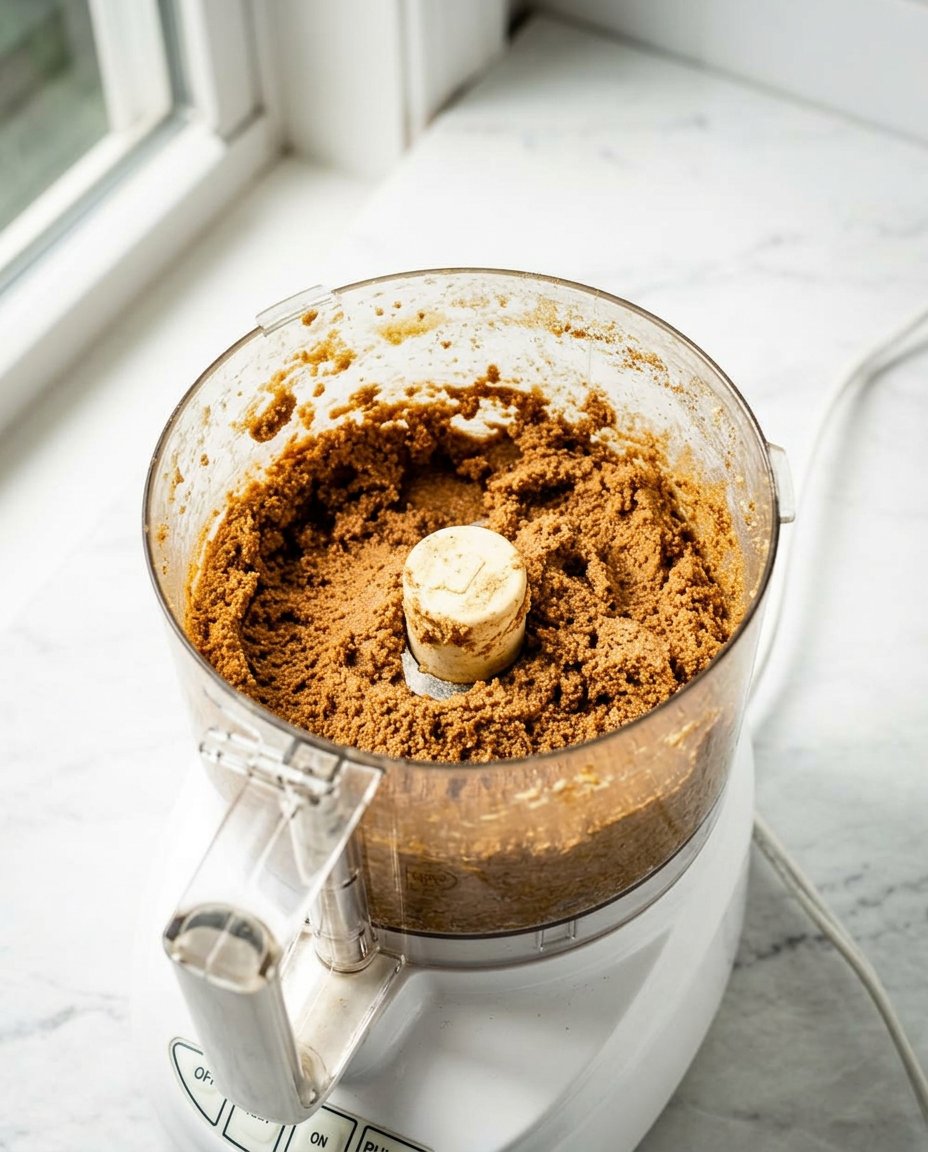
- Add the oil, molasses, egg, and vanilla extract to the processor and blend for 15-20 seconds until a sticky dough forms.
- Transfer the dough to a bowl, cover tightly, and refrigerate for at least 30 minutes to allow the almond flour to hydrate.
- Preheat your oven to 350°F (175°C) and line a baking sheet with parchment paper.
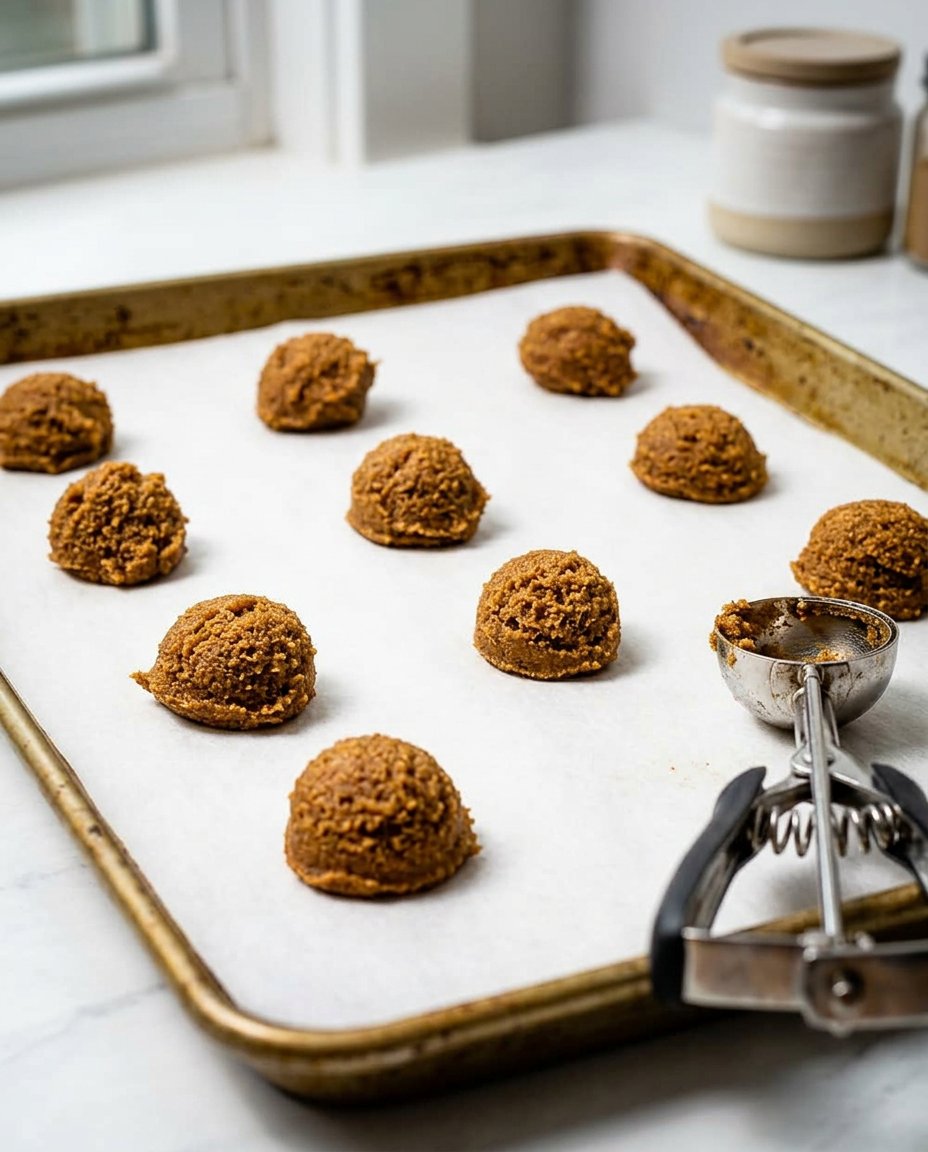
- Scoop 1.5-tablespoon portions of dough onto the sheet, spacing them 2 inches apart, and flatten each slightly with your palm.
- Bake for 10-12 minutes until the edges are firm; let cool on the baking sheet for 5 minutes before moving to a cooling rack.
Notes
To ensure your cookies have the perfect snap, verify that your spices are fresh as their oils provide the essential aromatic depth. If your dough feels too soft to handle even after chilling, dampen your hands slightly before shaping the balls to prevent the molasses-rich mixture from sticking.
- Prep Time: 10 mins
- Cook Time: 12 mins
- Category: Dessert
- Method: Baking
- Cuisine: British
Proper Components for Historical Accuracy
To achieve the specific texture required for a heritage gingerbread, each ingredient must be measured with precision. We use a high-fat almond flour to provide the necessary structure, as the lack of gluten must be compensated for by the natural proteins and oils found in the nut meal. The addition of molasses is not merely for flavor; it acts as a humectant, keeping the centers tender while allowing the edges to set firmly.
- Almond Flour (220 gr): Use a finely ground variety to avoid a gritty texture. This provides the bulk of the biscuit and mimics the weight of historical stone-ground flours.
- Coconut Sugar (76 gr): This sweetener provides a caramel-like depth that approximates the brown sugars used in 19th-century recipes while remaining within Paleo parameters.
- Molasses (3 tablespoons): The essential soul of any gingerbread. It provides the dark color and the acidic component needed to react with the leavening agent.
- Spice Blend (Cinnamon, Ginger, Allspice): We use a ratio that emphasizes the sharp bite of ginger, balanced by the warmth of cinnamon and the complex notes of allspice.
- Coconut Oil or Avocado Oil: These fats are chosen for their stability at high temperatures. If using coconut oil, it must be cooled after melting to prevent the egg from scrambling upon contact.
- Large Egg: This serves as the primary binder, creating the protein network required to hold the almond flour together in the absence of wheat protein.
The Proper Method of Preparation
Step 1: Aerate and Combine Dry Elements
Place the almond flour, baking soda, coconut sugar, ground cinnamon, ginger, allspice, and a pinch of salt into the bowl of a food processor. Pulse the machine three to four times. This action serves the same purpose as traditional sifting, breaking up clumps of almond flour and distributing the leavening agent evenly throughout the mixture to prevent uneven rising during the bake.
Step 2: Emulsify the Wet Ingredients
Add the cooled coconut oil, molasses, egg, and vanilla extract directly to the dry base. Process the mixture for 15 to 20 seconds until a cohesive, sticky dough forms. The high-speed rotation of the blades facilitates a rapid emulsion of the fats and sugars, which is vital for the final texture. You will notice the dough is quite tacky; this is a sign of proper hydration and should not be corrected with more flour.
Step 3: The Mandatory Chilling Period
Transfer the dough into a clean bowl and wrap it tightly with plastic. Place it in the refrigerator for at least 30 minutes. This step is a modern application of the historical ‘resting’ technique. It allows the fats to solidify and the almond flour to fully absorb the liquids, which prevents the cookies from spreading excessively once they hit the heat of the oven.
Step 4: Preparing the Baking Environment
While the dough rests, preheat your oven to 350 degrees Fahrenheit (175 degrees Celsius) and line a heavy baking sheet with parchment paper. Proper heat distribution is critical for a cookie with high sugar and fat content; the parchment paper acts as a thermal buffer, protecting the delicate bottoms of the biscuits from burning before the centers are set.
Step 5: Shaping and Portioning
Using a spoon or a small cookie scoop, measure out 1.5 tablespoons of dough per cookie. Arrange them on the prepared sheet, leaving two inches of space between each. Gently press down on each ball to slightly flatten it. This manual shaping ensures an even bake, as almond flour doughs do not naturally slump as readily as wheat-based versions.
Step 6: The Controlled Bake
Bake for 10 to 12 minutes. The cookies are finished when the edges are set and a deep golden hue has developed. Allow them to cool on the sheet pan for five minutes before moving them. This cooling period is necessary for the structure to stabilize; the cookies will be soft while hot but will firm up into a perfect biscuit as the fats and sugars recrystallize.
Jordan’s Technique Notes
To master this Paleo Gingerbread 2, one must understand the behavior of alternative fats. If your kitchen is particularly warm, your coconut oil may stay liquid longer, making the dough harder to handle; in such cases, extending the chill time to an hour can improve the outcome. We have found that weighing your almond flour is far superior to using volume measures, as the density of the meal can vary significantly between brands. For those interested in the underlying mechanics of dough stability, our guide on Foundation Cookie Recipes provides deeper insight into how binders work in grain-free baking. Always verify that your baking soda is fresh, as the acidity of the molasses needs a strong reactive agent to produce the necessary lift. If you over-process the dough in the food processor, you risk releasing the natural oils from the almonds, which can lead to a greasy cookie; stop as soon as a ball forms.
Tested Adaptations and Regional Shifts
While this recipe focuses on a soft-center style, you can adapt it to match regional British traditions. For a more ‘snappy’ biscuit similar to a Yorkshire parkin or ginger nut, increase the bake time by two minutes and allow the cookies to cool completely in a low-humidity environment. If you prefer a more decorative finish, you can press a whole almond or a piece of crystallized ginger into the center before baking. For more information on adapting recipes for specific seasons, examine our research on Holiday Cookie Science. You may also consider substituting the allspice with a blend of mace and cloves for a more Elizabethan flavor profile. We have also tested this recipe with a flax egg for those avoiding poultry products; while the structure is slightly more fragile, the flavor remains consistent.
Traditional Service and Enjoyment
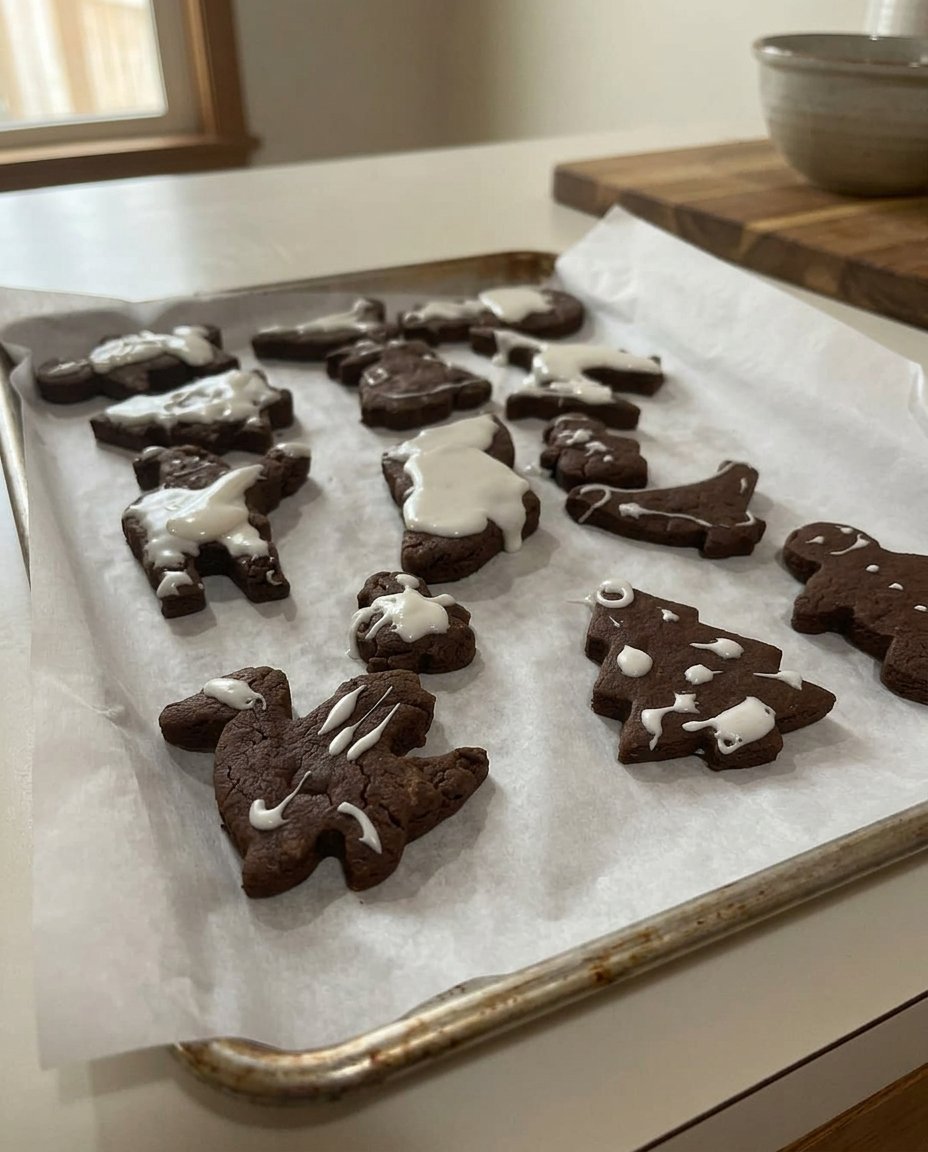
In the British tradition, gingerbread is best served alongside a strong black tea, such as an Assam or a smoky Lapsang Souchong, which complements the heat of the ginger. For a more formal presentation, serve these biscuits on a warmed ceramic plate with a small dollop of lemon curd or a spread of grass-fed butter. The acidity of the lemon cuts through the richness of the almond flour beautifully. To optimize your workflow when serving a crowd, refer to our methods on Efficient Cookie Methods. These cookies also pair exceptionally well with a glass of dry sherry, a classic combination found in 18th-century English households. For a modern Paleo dessert, serve them warm with a scoop of coconut milk vanilla ice cream.
The Technical Truth of the Gingerbread
Achieving a perfect Paleo Gingerbread 2 requires a respect for both historical flavor and modern chemical interactions. By following this methodical approach, you are not just baking a snack; you are participating in a culinary lineage that spans centuries. We hope this recipe becomes a reliable standard in your kitchen. For a look at how traditional recipes can gain modern popularity through technical excellence, see our Viral Cookie Analysis. You can also find more inspiration on our social channels: Pinterest, Instagram, and Facebook. For more detailed ratios and alternative ingredient testing, visit the original research at Foolproof Living.