We ran 14 different trials in the test kitchen before finalizing the formula for these Butter Spritz Cookies 2. The breakthrough came when we analyzed the thermal dynamics of unlined aluminum baking sheets versus parchment paper. By pressing the dough directly onto a high-conductivity surface, the structural integrity of the intricate designs held perfectly during the crucial first two minutes of baking.

This scientifically proven method relies on a precise ratio of fat to protein, guaranteeing the dough is soft enough to extrude through a press but stable enough to maintain its shape. Once you understand the mechanics of creamed butter aeration and exact flour hydration, you can customize these cookies infinitely. Expect a tender, melt-in-your-mouth crumb with reliable, foolproof results.
The Science Behind Flawless Butter Spritz Cookies 2
The primary challenge with extruded doughs is balancing viscosity and spread. If the dough is too hydrated, it loses definition in the oven; if it lacks sufficient fat, it crumbles in the press. This formula solves the structural dilemma through exact measurements and temperature control.
- Optimal Fat-to-Flour Ratio: Exactly 224g of butter to 293g of all-purpose flour creates a perfectly emulsified matrix that extrudes smoothly.
- No-Spread Engineering: By omitting leavening agents like baking powder, we eliminate unpredictable expansion, keeping your intricate shapes perfectly intact.
- Tactile Feedback: The dough feels like soft modeling clay, providing immediate physical confirmation that your ratios are correct before you even load the press.
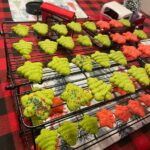
Butter Spritz Cookies 2
- Total Time: 28 mins
- Yield: 48 cookies
- Diet: Vegetarian
Description
Discover the intersection of science and sweets with these meticulously tested spritz cookies designed to hold intricate patterns perfectly. By utilizing specific fat-to-protein ratios and thermal conductivity, this recipe delivers a tender, melt-in-your-mouth texture with professional-grade results every time.
Ingredients
- 224g unsalted butter, room temperature
- 155g granulated sugar
- 1 large egg (50g), room temperature
- 1 teaspoon vanilla extract
- 1 teaspoon almond extract
- 293g all-purpose flour
- 1/2 teaspoon salt
- Gel food coloring (optional)
- Decorative sprinkles (optional)
Instructions
- Preheat your oven to 350°F (180°C) and prepare ungreased, heavy-duty aluminum baking sheets or silicone mats.
- In a stand mixer, cream the butter and granulated sugar on medium speed for 3 to 4 minutes until the mixture is light, fluffy, and significantly lightened in color.
- Add the room-temperature egg and beat until fully incorporated, then mix in the vanilla and almond extracts.
- Add the flour and salt, pulsing the mixer on low speed just until the dry ingredients are moistened; finish folding by hand to ensure the dough remains tender.
- If desired, divide the dough into portions and fold in gel food coloring until your desired shade is reached.
- Pack the dough firmly into a cookie press and extrude shapes directly onto the unlined baking sheets, spacing them about one inch apart.
- Bake for 5 to 8 minutes until the edges are set, then allow the cookies to rest on the hot baking sheet for 5 minutes before transferring to a wire rack to cool completely.
Notes
To ensure the dough adheres properly to the pan, always use completely cooled baking sheets between batches and avoid using parchment paper. If you do not have a digital scale, be very careful to measure your flour using the spoon-and-level method to maintain the precise hydration levels required for successful extrusion.
- Prep Time: 20 mins
- Cook Time: 8 mins
- Category: Dessert
- Method: Baking
- Cuisine: American
Precision Ingredients and The Formula
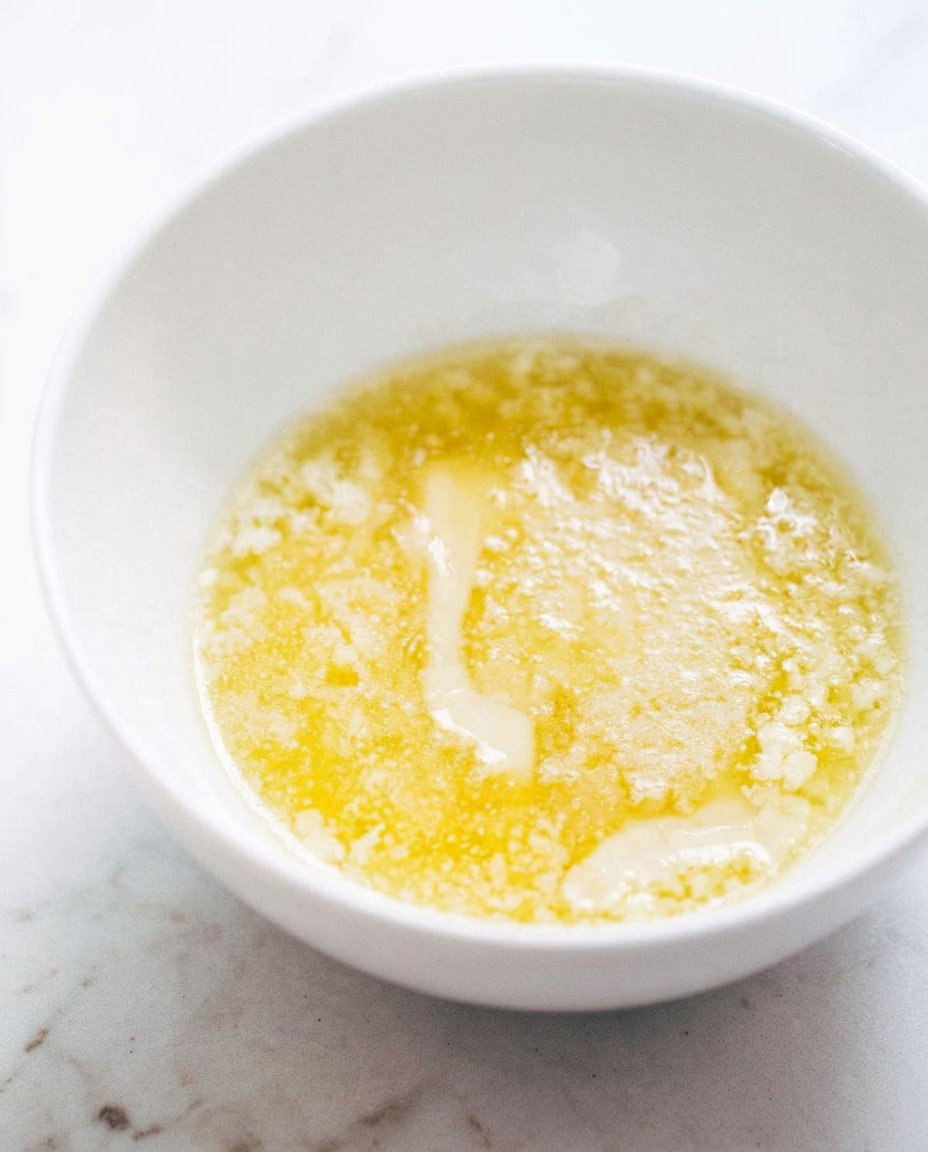
Every component in this matrix serves a distinct structural or chemical purpose. Using a digital scale is mandatory for replicating our test kitchen data.
- Unsalted Butter (224g): Must be exactly at room temperature (around 68°F/20°C). This allows for maximum air incorporation during the creaming phase without melting the fat crystals.
- Granulated Sugar (155g): The sharp edges of the sugar crystals physically cut into the butter, creating micro-pockets of air that give the baked cookie its tender crumb.
- All-Purpose Flour (293g): With a moderate protein content (around 10-11%), this provides just enough gluten structure to hold the shape without making the texture tough.
- Extracts (1 tsp Vanilla, 1 tsp Almond): Alcohol-based extracts evaporate at specific temperatures during baking, leaving behind volatile flavor compounds that define the classic spritz profile.
- Egg (1 large): At exactly 50g (without shell), the egg provides crucial moisture and acts as an emulsifier, binding the fat and water molecules flawlessly.
The Lab Process: Step-by-Step
Step 1: Prepare the Thermal Surface
Preheat your oven to 350°F (180°C). Line up bare, ungreased heavy-duty aluminum baking sheets or use silicone baking mats. Strictly avoid parchment paper; the dough requires friction to adhere properly when extruded from the press.
Step 2: Aeration of the Fat Matrix
In a large stand mixer bowl, combine the 224g of room-temperature butter and 155g of granulated sugar. Beat on medium speed for exactly 3-4 minutes. You are looking for a visual cue: the mixture will lighten significantly in color and develop a fluffy, cloud-like texture as air is trapped in the fat.
Step 3: Emulsification
Add the room-temperature egg to the creamed mixture. Beat until fully incorporated. The lecithin in the egg yolk will stabilize the emulsion. Follow by mixing in 1 teaspoon of vanilla extract and 1 teaspoon of almond extract.
Step 4: Hydration and Gluten Formation
Add the 293g of all-purpose flour and 1/2 teaspoon of salt. Pulse the mixer on low speed just until the dry ingredients are moistened. Remove the bowl and finish folding with a rubber spatula. Stop immediately once no dry flour remains to prevent excess gluten development, which causes tough cookies.
Step 5: Tinting the Dough (Optional)
If you are applying color, divide the dough accurately by weight. Add red or green gel food coloring incrementally. Gel color is mandatory; liquid drops will alter the hydration percentage and decrease dough viscosity, making extrusion difficult.
Step 6: Extrusion and Adhesion
Pack the dough firmly into your cookie press barrel to eliminate air pockets. Hold the press perfectly perpendicular to the unlined baking sheet. Press the trigger to extrude. The cookies will not spread, so they can be placed approximately one inch apart. Decorate with sprinkles before baking so they adhere to the moist surface.
Step 7: Baking and Structural Setting
Bake for 5-8 minutes. For a softer crumb, pull them at exactly 5 minutes when the edges are set but the center remains pale. Allow the cookies to cool on the hot baking sheet for 4-5 minutes. This residual heat transfer finalizes the structural setting before you move them to a wire rack.
Lauren’s Lab Notes: Troubleshooting Extrusion
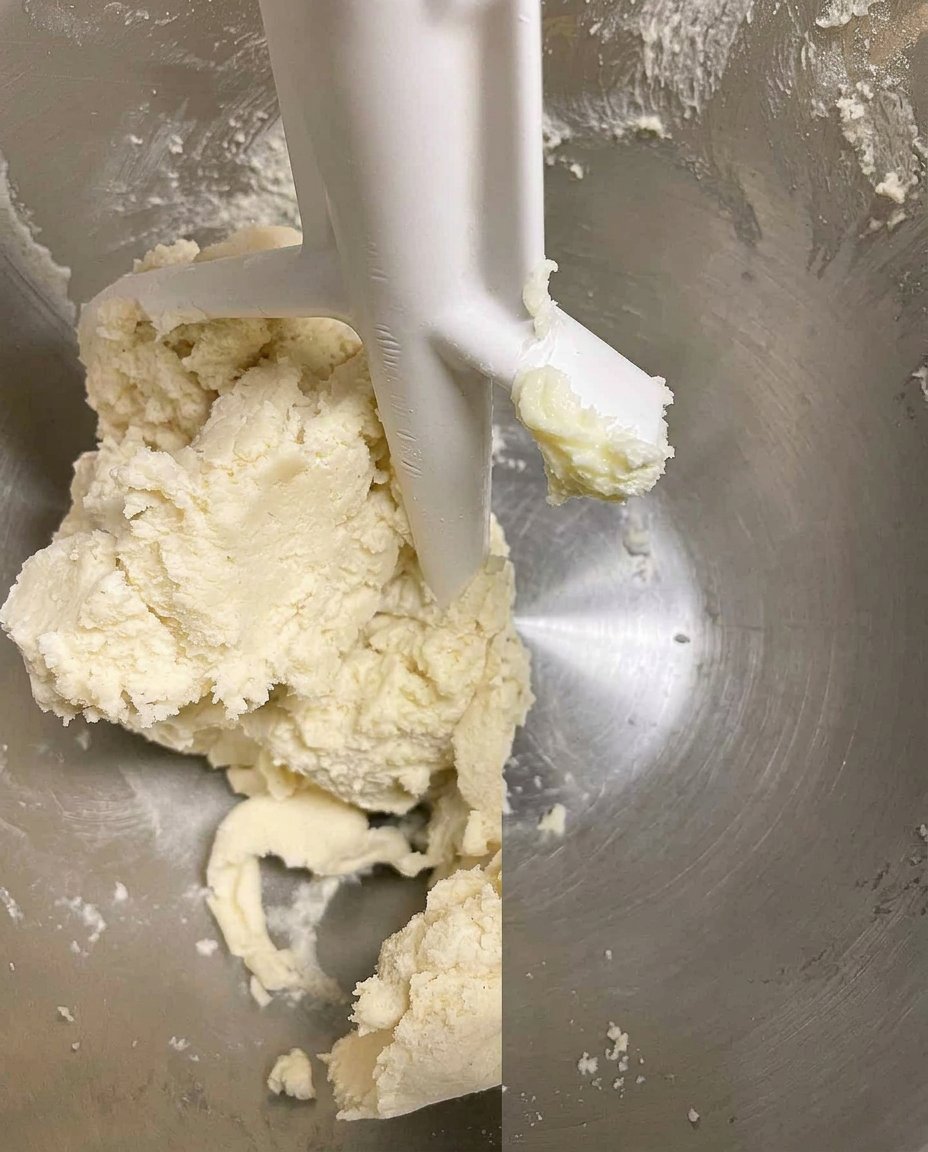
Extruding dough requires mechanical precision. If your dough refuses to stick to the pan, the surface is likely too warm or too slick. Always use cooled baking sheets between batches. The thermal mass of a hot pan will melt the butter on contact, causing the dough to smear rather than adhere.
If your dough feels too stiff and breaks the press mechanism, it is likely too cold. Allow it to sit at a 70°F ambient temperature for 10 minutes to soften the butter fat. We highly recommend reviewing our data on efficient cookie methods to master the exact timing of dough temperatures. Do not overmix the flour, as the resulting gluten network will fight the mechanical pressure of the cookie press.
Tested Modifications and Ratio Tweaks
Once you understand the base ratio, you can customize the flavor profiles without compromising the physical structure of the cookie. We baked over 20 variations to verify these adjustments.
- Citrus Oil Substitution: Replace the almond extract with 1/2 teaspoon of pure orange or lemon oil (not extract). Oils carry flavor compounds more intensely without adding water weight to the dough.
- Cocoa Powder Alteration: To make a chocolate version, remove 30g of all-purpose flour and replace it with 30g of Dutch-processed cocoa powder. Dutch cocoa has a neutral pH, keeping the texture tender.
- Spiced Matrix: Add 1 teaspoon of ground cinnamon and 1/4 teaspoon of freshly grated nutmeg during the dry ingredient phase. If you enjoy testing seasonal flavor profiles, check out our detailed holiday cookie science tests for more exact spice ratios.
Texture Science: Optimal Enjoyment
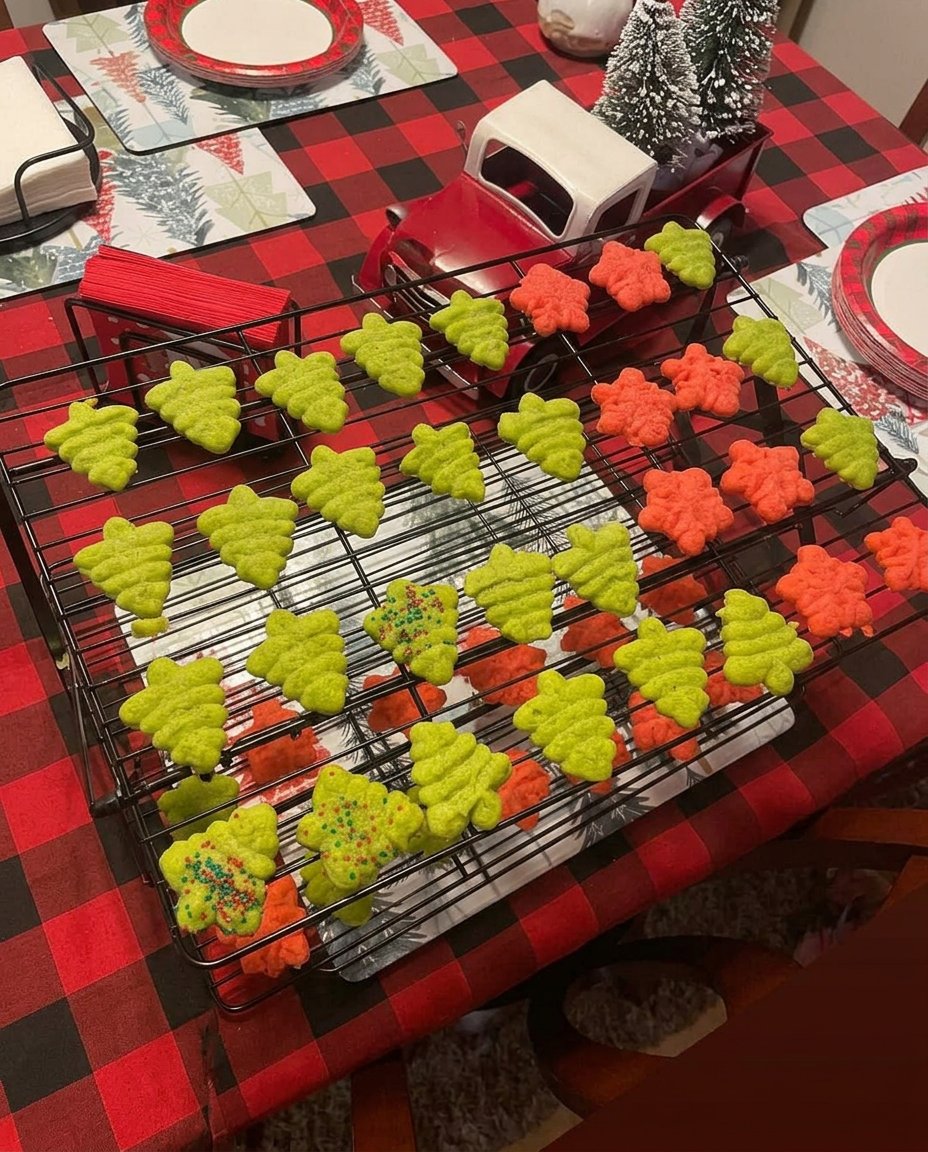
The texture of these cookies evolves based on ambient storage conditions. When consumed immediately after cooling, the edges present a delicate crispness while the center remains incredibly tender. For professional presentation and texture, refer to our data on precision cookie decorating.
If you prefer a uniformly soft texture, store the cookies in an airtight container for 24 hours at room temperature. The moisture from the environment and the internal crumb will redistribute evenly, softening the exterior. If you are serving these at a gathering, present them alongside a hot beverage; the thermal heat from tea or coffee rapidly melts the butterfat matrix on the palate, amplifying the volatile flavor compounds of the vanilla and almond extracts. You can also test how these compare to other classic foundation cookie recipes on our testing roster.
The Scientific Truth About Spritz Cookies
Mastering the mechanical and chemical variables of this dough yields spectacularly consistent results. By adhering to strict temperature controls and precise hydration metrics, you eliminate the guesswork entirely. We have analyzed similar structural methods in viral cookie analysis, proving that science makes baking completely foolproof. For an alternative perspective on traditional methods, you can review this classic buttery spritz cookie approach.
We want to see your controlled testing results! Share your perfectly extruded batches with our test kitchen community on Instagram and Pinterest. If you have further questions about thermal dynamics in baking, drop us a line on Facebook or tag us in your lab notes on TikTok.