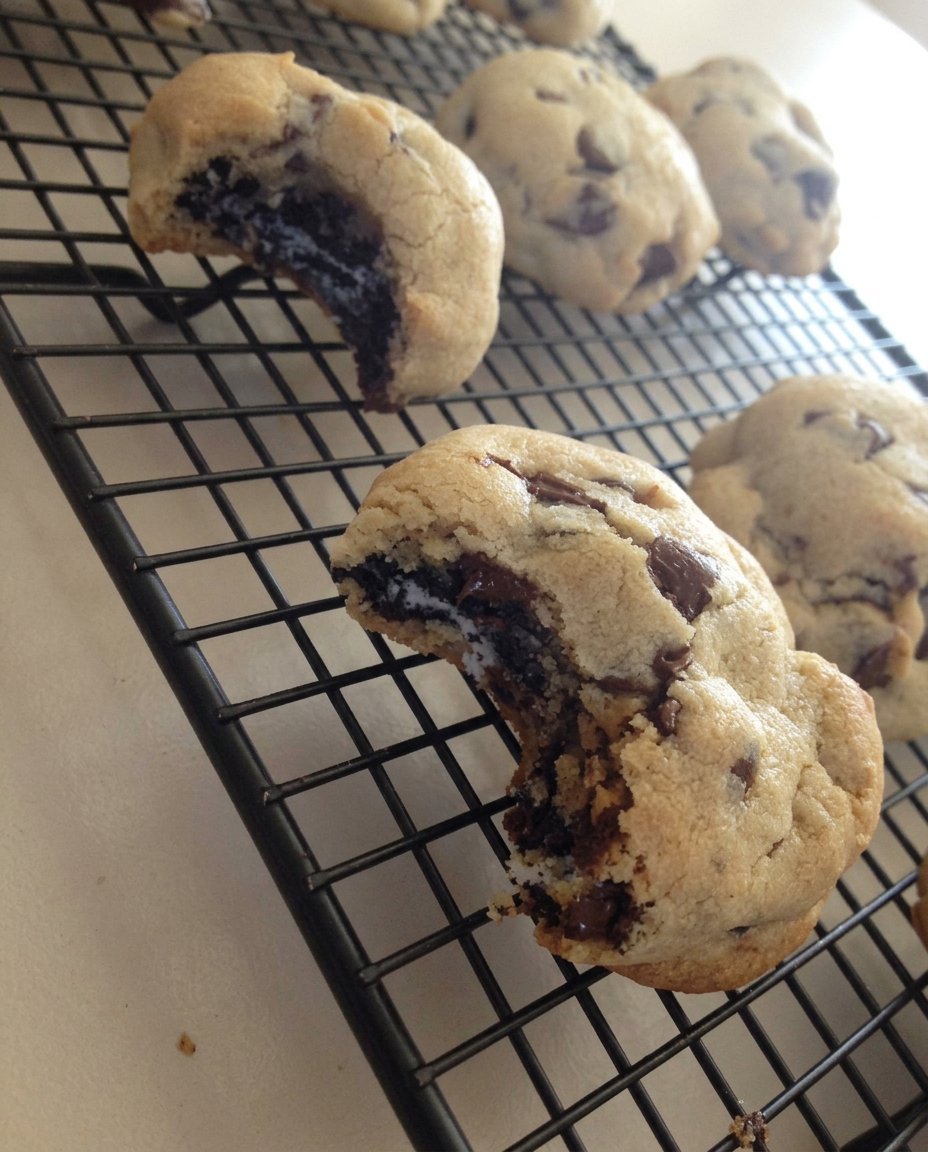
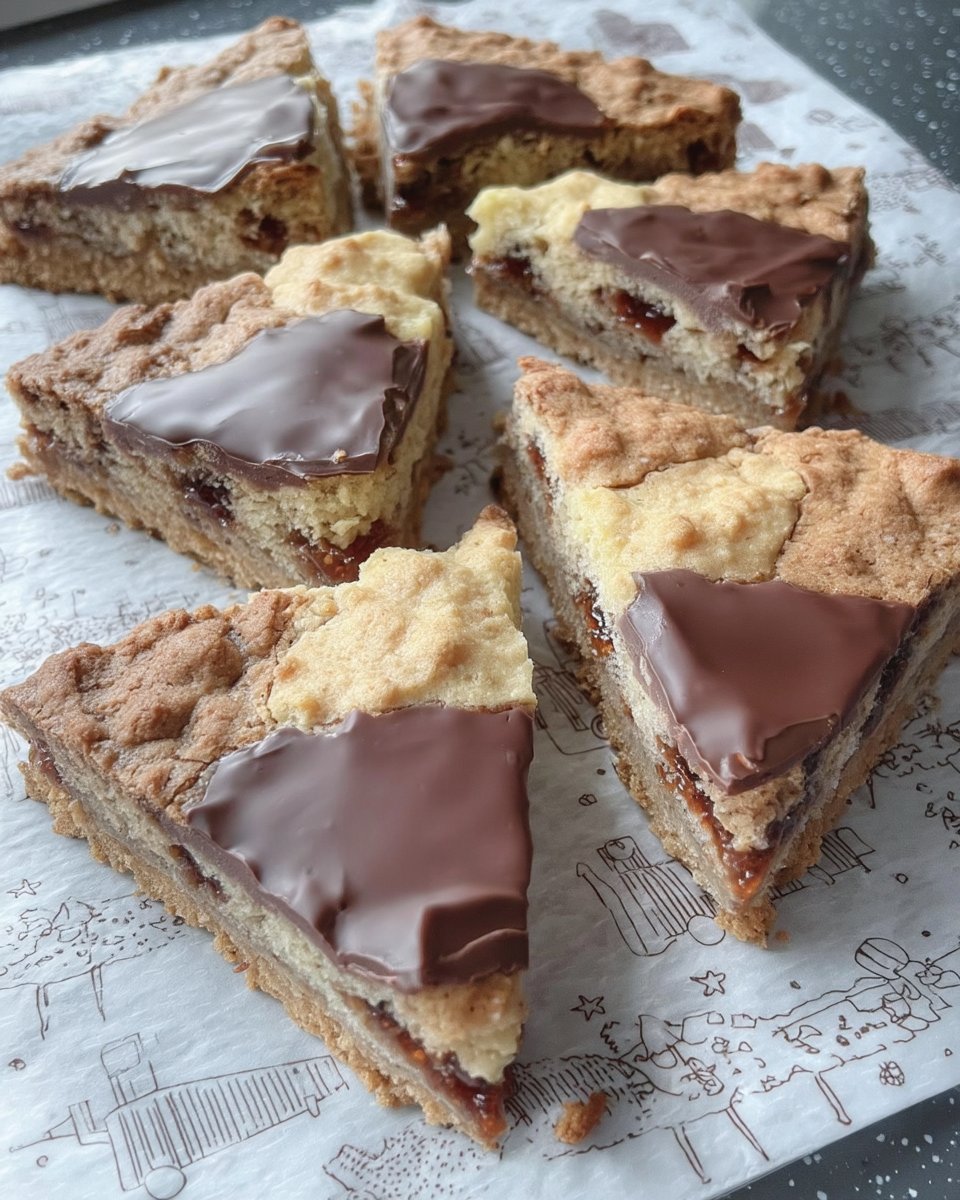
The snickerdoodle owes its unique character to cream of tartar, a byproduct of winemaking that Victorian bakers used to provide leavening before the advent of modern baking powder. This acidic salt does more than help the dough rise; it interacts with the sucrose to create that signature tang and the specific cracked surface we prize in traditional biscuits. By merging this 19th-century chemistry with the distinct humectancy of North American maple, we create a cookie that is both a historical artifact and a triumph of modern moisture management.

These Maple Snickerdoodles rely on a precise ratio of fats to sugars to achieve a texture that is soft yet structurally sound. We have tested this formula to ensure the addition of liquid maple syrup does not compromise the gluten network, resulting in a cookie that stays doughy in the center for days. It is a methodical approach to a classic treat, honoring the heritage of the spice trade while utilizing scientific testing to perfect the final crumb.
A Study in Texture and Tradition
This recipe is more than a simple sweet; it is a demonstration of how specific ingredients dictate the physical properties of a bake. The inclusion of cream of tartar is essential for the chemical reaction that prevents sugar from crystallizing completely, which is why these cookies remain so remarkably tender. You will appreciate the scientific balance here, where the warm notes of cinnamon are held in place by a sturdy, well-developed dough.
Bakers who value precision will find the overnight chill period fascinating, as it allows for full hydration of the flour particles. This process, often overlooked in modern quick-bakes, is a nod to older methods where dough was given time to rest and develop flavor depth. The result is a cookie with a complex profile, where the woodsy maple notes are amplified by the cinnamon-sugar crust, creating a sensory experience that is both nostalgic and technically superior.
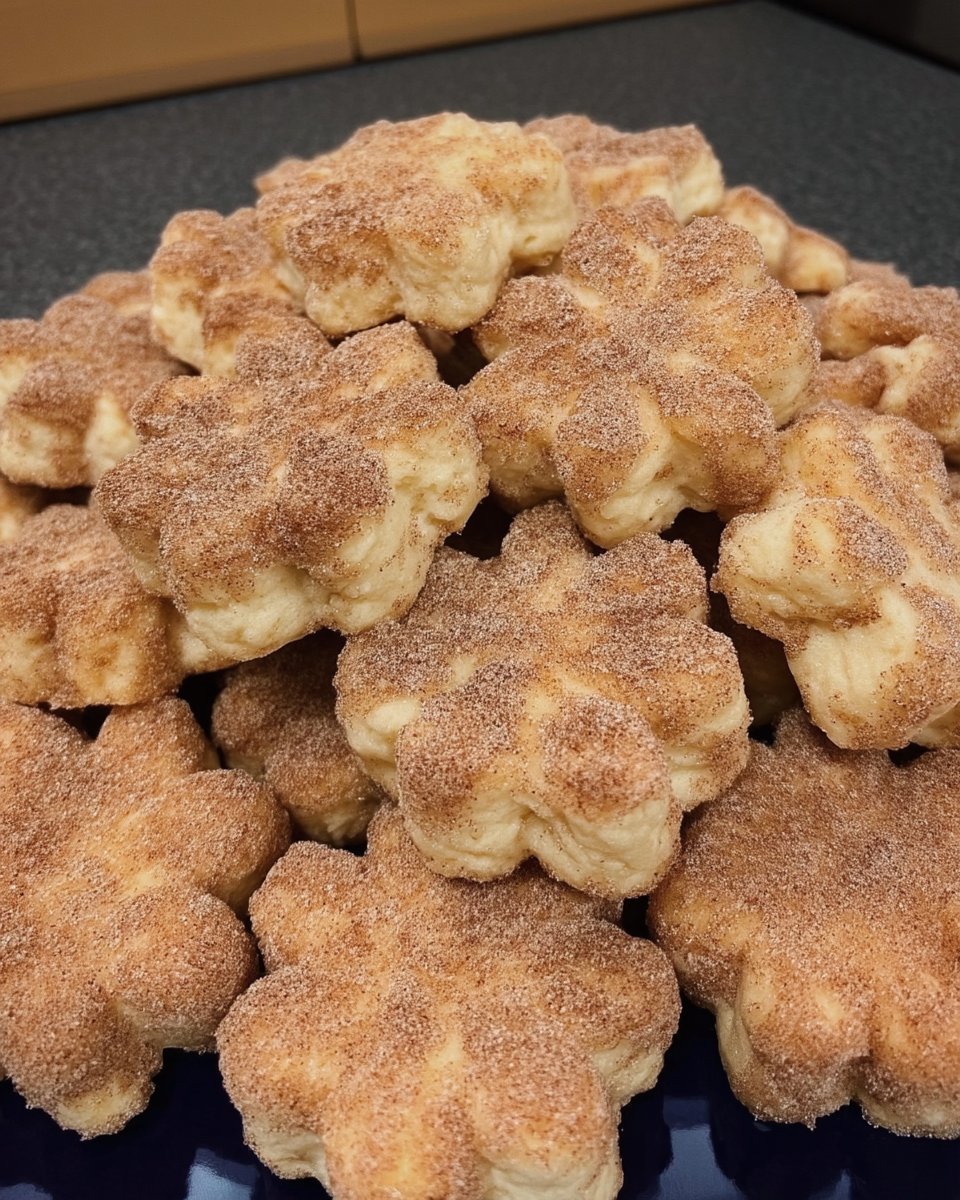
Furthermore, the physical structure of these cookies follows the Victorian principle of the ‘domed bake.’ By maintaining a high, rounded shape before entering the oven, the exterior sets while the interior remains protected from the direct heat. This creates the textural contrast that defines a superior snickerdoodle—a crisp, spiced shell protecting a center that feels almost like velvet on the palette.
Print
Maple Snickerdoodles
- Total Time: 4 hours 35 mins
- Yield: 20 cookies
- Diet: Vegetarian
Description
These Maple Snickerdoodles combine the vintage tang of cream of tartar with the rich, humectant qualities of pure Grade A maple syrup. The result is a scientifically balanced cookie that boasts a soft, pillowy center protected by a signature spiced cinnamon-sugar crust.
Ingredients
- Unsalted butter, room temperature
- Light brown sugar
- Granulated sugar
- Pure Grade A maple syrup
- Cream of tartar
- All-purpose flour
- Baking soda
- Ground cinnamon
- Kosher salt
- Vanilla extract
- Large eggs
- Additional sugar and cinnamon for coating
Instructions
- Sift together the all-purpose flour, baking soda, ground cinnamon, cream of tartar, and kosher salt in a medium bowl to ensure even distribution.
- In a stand mixer with a paddle attachment, cream the butter with the light brown and granulated sugars for approximately two minutes until light and fluffy.
- Slowly beat in the maple syrup, vanilla extract, and eggs one at a time, making sure each is fully emulsified before adding the next.
- Add the sifted dry ingredients to the wet mixture in two separate batches, mixing only until the flour streaks disappear to avoid over-developing gluten.
- Portion the dough using a 2 oz scoop and place the dough spheres on a parchment-lined tray; refrigerate for at least four hours or overnight for optimal hydration.
- Preheat the oven to 350°F (175°C), roll each chilled ball in a cinnamon-sugar mixture, and bake for 14 to 16 minutes until the edges are just set and the centers remain puffed.
Notes
For the best flavor development, allow the dough to rest in the refrigerator for the full 24 hours to let the flour fully hydrate. Always use fresh cream of tartar to ensure the cookies achieve their characteristic rise and tang, as older leaveners can lose their potency and result in a flatter bake.
- Prep Time: 20 mins
- Cook Time: 15 mins
- Category: Dessert
- Method: Baking
- Cuisine: American
The Components of a Technical Bake
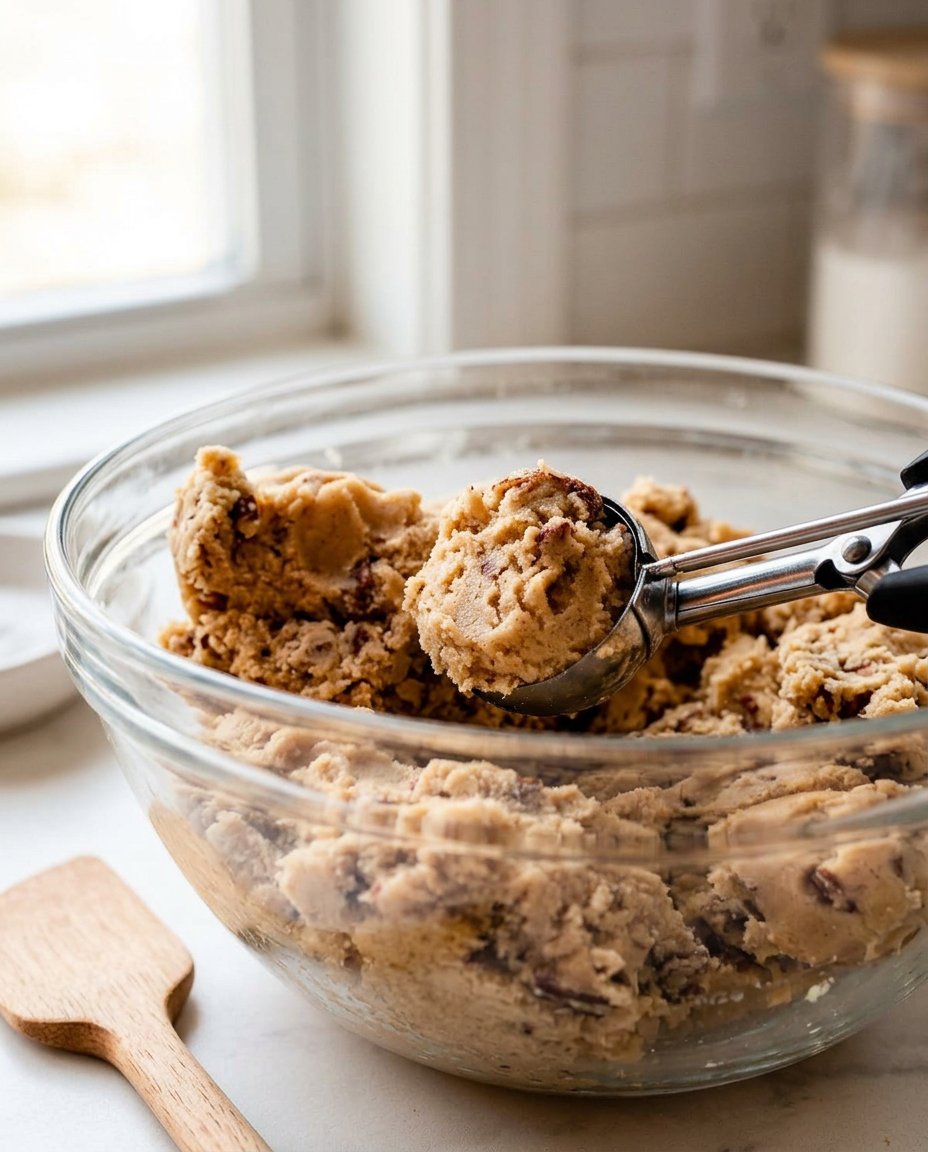
Achieving the perfect Maple Snickerdoodle requires an understanding of how each component behaves under thermal stress. We have selected these specific items to ensure the structural integrity of the cookie remains intact while maximizing the flavor profile.
- Unsalted Butter (Room Temperature): We use unsalted butter to maintain complete control over the sodium levels. In British baking traditions, the quality of the fat is paramount; ensuring it is at a true room temperature (around 65°F to 68°F) allows for optimal aeration during the creaming stage.
- Light Brown and Granulated Sugars: The combination of these two sugars is a deliberate choice. The brown sugar provides molasses for moisture and chew, while the granulated sugar assists in creating the necessary friction during creaming to build a stable air-cell structure.
- Pure Maple Syrup (Grade A): This is the primary flavoring agent and a significant humectant. It introduces invert sugars that help keep the cookie soft, though it requires careful balancing against the dry ingredients to prevent spreading.
- Cream of Tartar: This is the non-negotiable chemical leavener that provides the classic snickerdoodle ‘tang.’ Historically, this acidic component was used to stabilize egg foams and leaven heavy doughs, and here it ensures the specific pH balance required for the cinnamon to shine.
- All-Purpose Flour: We look for a protein content of around 10% to 11.5%. This provides enough gluten for the cookie to hold its shape without becoming tough or bread-like.
- Ground Cinnamon and Kosher Salt: The cinnamon must be fresh to provide the aromatic punch needed to cut through the richness of the maple, while the salt acts as a flavor magnifier, sharpening the sweetness of the sugars.
The Proper Method for Technical Precision
Step 1: Dry Ingredient Integration
In a medium-sized bowl, sift together the all-purpose flour, baking soda, ground cinnamon, cream of tartar, and kosher salt. Sifting is a technique often ignored in modern kitchens, but it is vital for ensuring the cream of tartar is evenly distributed throughout the flour. This prevents ‘pockets’ of acidity and ensures a uniform rise and consistent flavor profile across the entire batch.
Step 2: Aeration and Creaming
Using a stand mixer fitted with the paddle attachment, begin creaming the room-temperature butter with the light brown and granulated sugars. This process should take approximately two minutes at medium speed. You are looking for a light, fluffy texture where the sugar crystals have partially dissolved into the fat, creating tiny air pockets that will expand in the oven. This method dates back to Victorian kitchens, where manual creaming was a test of a baker’s dedication and skill.
Step 3: Emulsifying the Liquids
Once the butter and sugar are properly aerated, slowly incorporate the maple syrup, vanilla extract, and large eggs. It is important to add the eggs one at a time, ensuring each is fully emulsified before adding the next. This prevents the fat from separating from the liquid components. The maple syrup adds a layer of complexity to the emulsion, requiring a steady hand to maintain the dough’s stability.
Step 4: The Two-Stage Incorporation
Add the dry ingredients to the wet mixture in two distinct batches. This staged approach prevents the flour from being thrown from the bowl and, more importantly, prevents the over-development of gluten. Mix only until the last streaks of flour disappear. A gentle hand at this stage ensures the cookies remain tender rather than developing a tough, crystalline structure.
Step 5: Portions and Cold Hydration
Line a small tray with parchment paper and use a 2 oz scoop to portion out the dough. In historical baking, this rest period was often used to let flavors marry; scientifically, we know this allows the starch in the flour to fully hydrate and the fats to re-solidify. Place the dough spheres side-by-side and refrigerate for at least four hours, though an overnight rest is preferred for the best structural results.
Step 6: Thermal Application
Preheat your oven to 350°F (175°C) and prepare a large baking sheet with fresh parchment. In a small bowl, combine the additional sugar and cinnamon. Roll each chilled dough ball in the mixture, ensuring a thick, even coating. Maintain the dome shape of the scoop to ensure the center remains thick. Bake 4-5 cookies at a time for 14 to 16 minutes. You are looking for a pale, puffed center and edges that have just begun to set. The cookies will finish ‘cooking’ on the hot tray after removal from the oven.
Historical Wisdom and Precision Methods
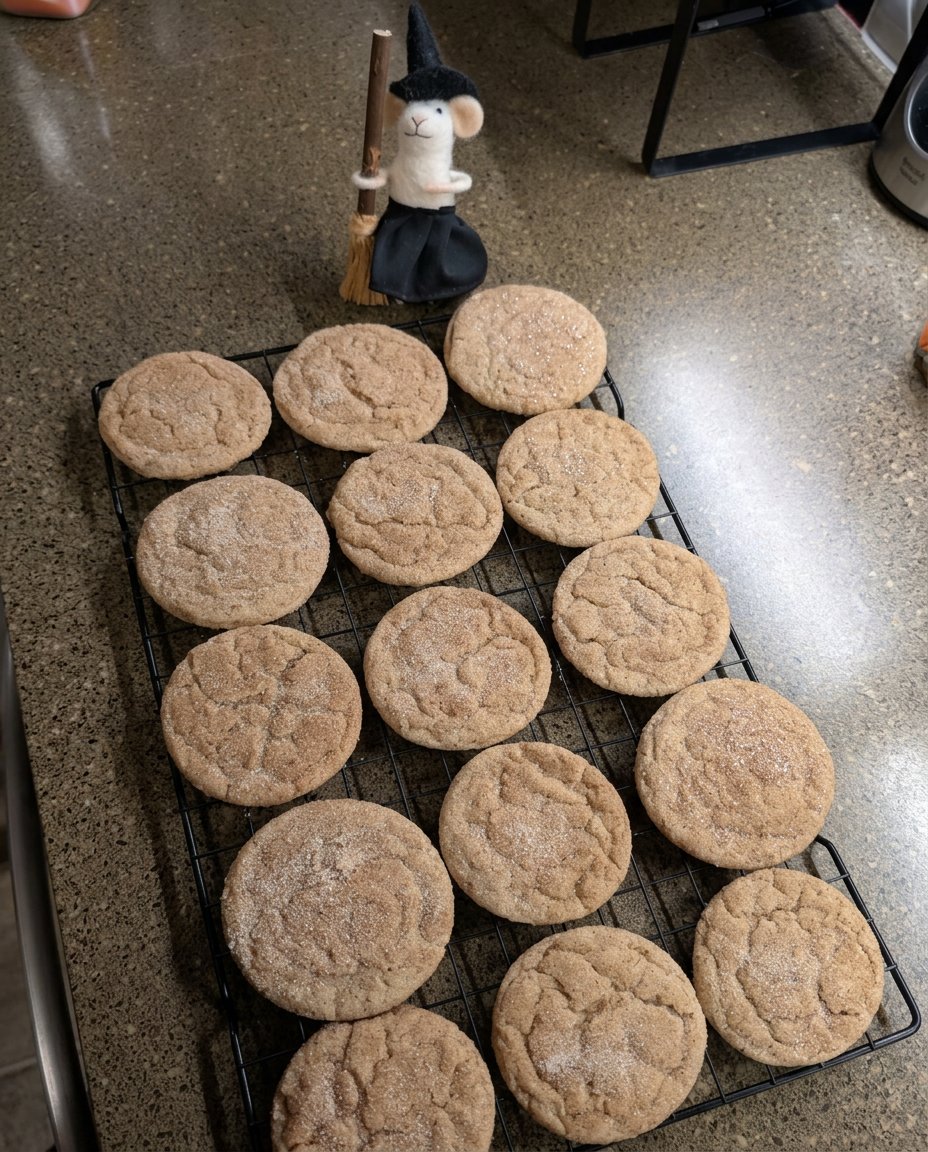
One of the most critical elements in this bake is the temperature of your ingredients. If your eggs are too cold, they can cause the creamed butter to seize, resulting in a broken emulsion and a greasy cookie. To quickly bring eggs to the correct temperature, place them in a bowl of warm water for five minutes. This small step ensures the fat and water molecules bond correctly, creating a superior crumb. For those interested in the science of dough stability, our guide on Efficient Cookie Methods provides deeper insight into managing fat temperatures during the creaming process.
Another technical detail involves the placement of your oven rack. For the most even heat distribution, bake your cookies one tray at a time on the middle rack. Traditional ovens often have ‘hot spots,’ and baking in the center mitigates the risk of the bottoms burning before the tops have properly puffed. If you find your cookies are spreading too much, verify that your cream of tartar hasn’t expired, as its acidity is what helps the dough set quickly upon entering the heat.
Classic Variations and Regional Adaptations
While the maple and cinnamon combination is a stalwart of the tradition, there are several ways to adapt this formula without losing its technical integrity. In some regional British variations of the ‘snickerdoodle-style’ biscuit, a hint of ground ginger is added to the cinnamon coating to provide a sharper, more medicinal heat. This harkens back to the 18th-century spice trade where ginger was often used alongside cinnamon to aid digestion and add aromatic complexity.
For a more modern adaptation, you might consider incorporating finely chopped pecans into the dough. This adds a Victorian ‘nut-cake’ element that pairs exceptionally well with the maple. If you prefer a cookie with even more depth, substituting the light brown sugar with dark muscovado sugar will introduce a smoky, caramel-like quality that mimics the flavor of aged maple barrels. You can find more about how different sugars affect the bake in our section on Holiday Cookie Science, where we analyze the chemical properties of various sweeteners.
Traditional Service and Classic Enjoyment
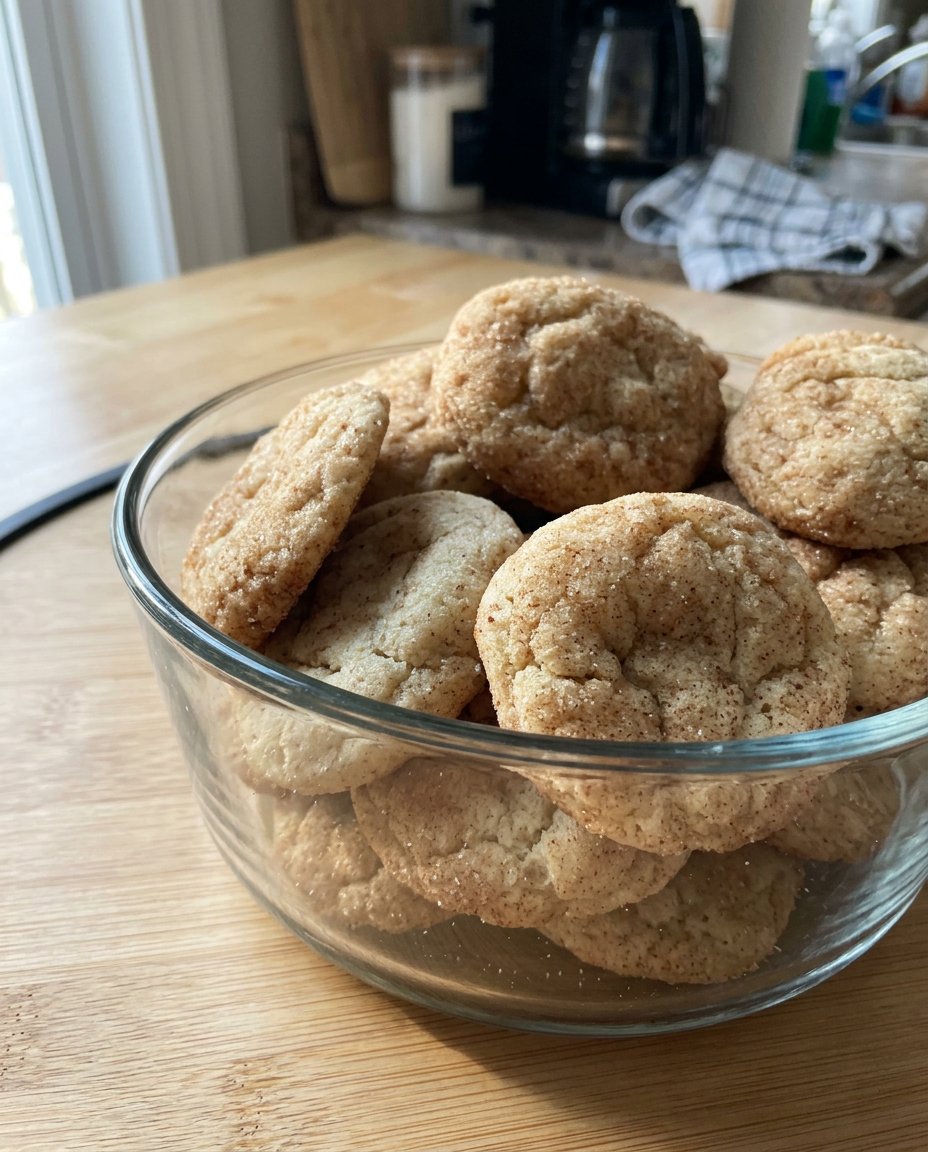
To honor the British influence on these biscuits, serve them alongside a strong black tea, such as an Earl Grey or a robust Assam. The tannins in the tea provide a sophisticated counterpoint to the sweet maple and the warm spice of the cinnamon. For a truly traditional experience, serve the cookies on a pre-warmed porcelain plate, which helps maintain the slight warmth of the cookie’s center during the first few bites.
If you are serving these as part of a larger dessert course, they pair beautifully with a sharp cheddar cheese—a combination often found in historical New England and British rural traditions. The savory notes of the cheese amplify the woodsy qualities of the maple. For those looking to master the art of presentation, our resources on Precision Cookie Decorating offer techniques for ensuring every cookie looks as uniform and professional as it tastes.
The Technical Truth of the Maple Snickerdoodle
Mastering the Maple Snickerdoodle is a lesson in the delicate balance between historical technique and chemical precision. By respecting the role of the cream of tartar and allowing for the necessary hydration time, you produce a cookie that is far superior to any quick-mix alternative. This recipe proves that when we understand the ‘why’ behind our methods, the results are consistently remarkable. To continue your journey into the science of baking, we invite you to explore our Foundation Cookie Recipes, where we break down the core mechanics of every successful bake.
We would be delighted to see your results and hear your thoughts on this technical approach. Please share your baking triumphs with us on Instagram, Facebook, or Pinterest. Your feedback helps us continue to refine these historical methods for the modern home kitchen.