Victorian bakers in the late 1800s began experimenting with tea cakes that bridged the gap between a light sponge and a traditional shortbread. This specific texture was later industrialized, but its roots remain firmly planted in the domestic science of the 19th-century kitchen. By understanding how historical techniques influenced modern favorites, we can replicate the exact crumb that makes this Lofthouse Copycat so distinctive.

Achieving the signature melt-away texture requires more than just a list of ingredients; it demands a technical understanding of hydration and starch interference. We use a precise ratio of sour cream and cornstarch to inhibit gluten development, ensuring every bite remains remarkably tender. This method honors the Victorian pursuit of the perfect tea biscuit while utilizing modern testing to ensure a consistent result every time.
The Tradition of the Soft Biscuit
This recipe is a masterclass in texture management, providing a window into the evolution of American baking from British roots. The Lofthouse Copycat is prized for its pale, cake-like structure which differs significantly from the crisp snap of a traditional ginger nut or the dense chew of a modern chocolate chip cookie. Historically, these soft cookies were a sign of a baker’s skill in controlling oven heat and ingredient quality, as avoiding the Maillard reaction—the browning of the dough—requires precise timing.
Bakers cherish this recipe because it achieves a level of softness that seems to defy the standard laws of cookie chemistry. By incorporating sour cream, we introduce both fat and acidity, which work together to weaken gluten strands and produce a delicate bite. It is a reliable formula that produces consistent results, making it a staple for those who value the intersection of historical wisdom and technical precision. The result is a cookie that feels like a nostalgic treasure, yet performs with the reliability of a modern professional bake.
Furthermore, the addition of almond extract provides a complex flavor profile that hints at the traditional use of bitter almond oil in 19th-century confections. This subtle aromatic quality separates the homemade version from the mass-produced store-bought alternatives, offering a depth of flavor that is both sophisticated and comforting. Whether you are baking for a heritage tea service or a modern gathering, this cookie stands as a testament to the enduring appeal of well-executed classic techniques.
Print
Lofthouse Copycat
- Total Time: 1 hour 30 mins
- Yield: 24 cookies
- Diet: Vegetarian
Description
Experience the ultimate melt-away texture with these soft, cake-like sugar cookies that perfectly replicate the iconic store-bought favorites. Topped with a rich, whipped buttercream and a hint of almond, they offer a sophisticated yet nostalgic treat for any occasion.
Ingredients
- 270g all-purpose flour
- 1 tbsp cornstarch
- 1/2 tsp baking powder
- 1/2 tsp baking soda
- 1/2 tsp salt
- 113g unsalted butter, softened
- 200g granulated sugar
- 1 large egg, room temperature
- 1 tsp vanilla extract
- 1/4 tsp almond extract
- 60g sour cream
- 1/2 cup unsalted butter, softened (for frosting)
- 3 cups powdered sugar
- 2 tbsp whole milk
- 1 tsp vanilla extract (for frosting)
- Food coloring and sprinkles
Instructions
- In a medium bowl, whisk together the flour, salt, baking powder, baking soda, and cornstarch to aerate the dry ingredients.
- Cream the 113g of butter and granulated sugar on medium-high speed for 3-5 minutes until pale and fluffy.
- Beat in the egg, vanilla, and almond extract, then gently fold in the sour cream until a smooth emulsion is formed.
- Add the dry ingredients to the wet mixture on the lowest speed, mixing only until just combined to avoid over-working the gluten.
- Wrap the dough in plastic and chill for at least one hour to hydrate the flour and firm up the fats.
- Preheat oven to 375°F (190°C) and roll the dough on a floured surface to 1/4-inch thickness.
- Cut into rounds and bake on a parchment-lined sheet for 8-9 minutes; the cookies should remain pale without browning.
- Whisk the frosting butter, powdered sugar, milk, and vanilla until smooth and airy, then spread onto cooled cookies and add sprinkles.
Notes
To maintain the signature ‘pale’ look and soft crumb, do not wait for the cookies to brown in the oven; they are finished when the edges are just set. Using a digital scale to measure exactly 270 grams of flour is the most effective way to prevent the cookies from becoming dry or heavy.
- Prep Time: 1 hour 20 mins
- Cook Time: 10 mins
- Category: Dessert
- Method: Baking
- Cuisine: American
Technical Components for a Perfect Crumb
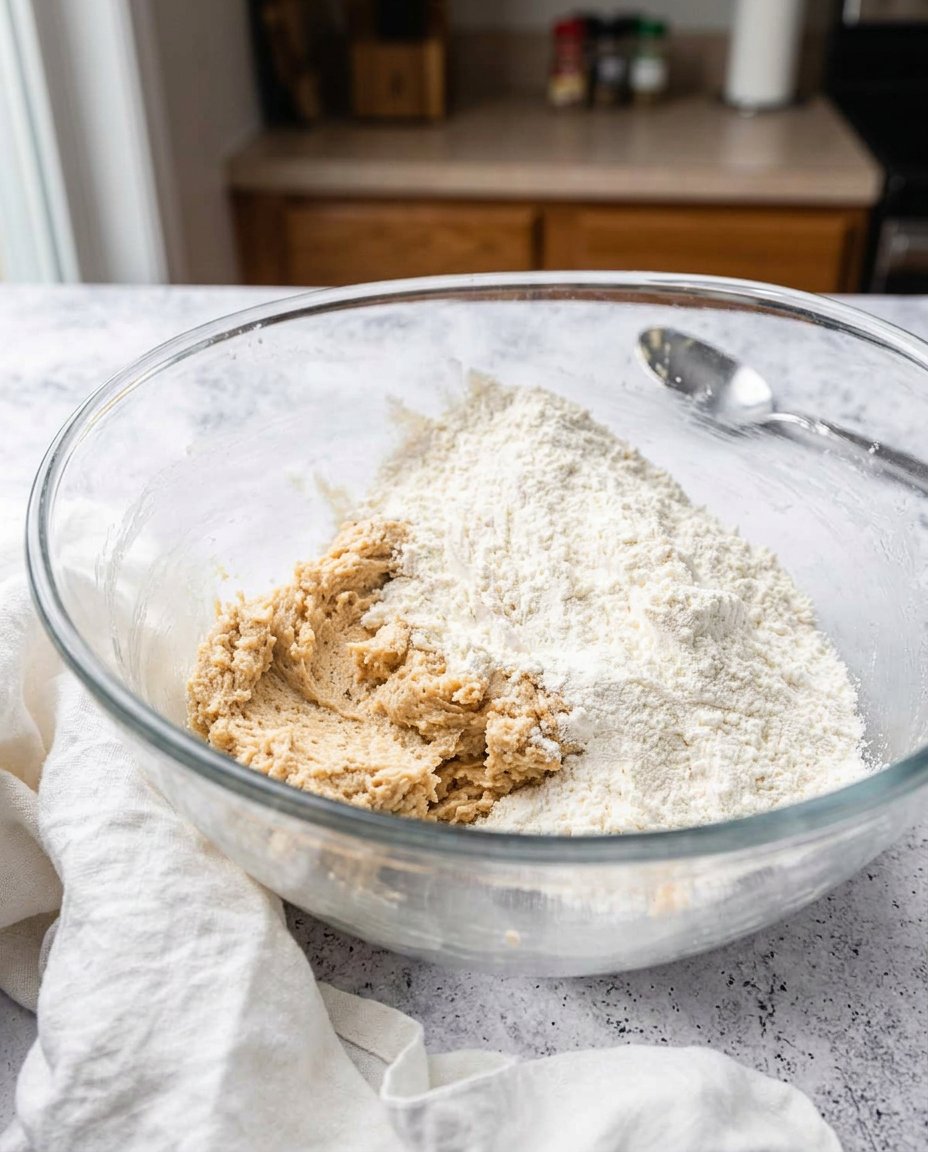
Selecting high-quality components is essential for maintaining the structural integrity of this delicate bake. Each ingredient serves a specific scientific purpose, from the protein content of the flour to the pH level of the dairy. To achieve the proper results, follow these technical specifications:
- All-Purpose Flour (270g): Using a standard 10-11% protein flour provides enough structure to hold the cookie’s shape without making it tough. In British kitchens, this is equivalent to a high-quality plain flour.
- Cornstarch (1 tbsp): This is a critical historical tenderizer. By replacing a small portion of the flour’s protein with pure starch, we physically interfere with gluten formation, resulting in a softer crumb.
- Unsalted Butter (113g): Ensure your butter is at 65-68°F (18-20°C). This temperature allows for optimal aeration during the creaming process, creating tiny air pockets that the leavening agents will later expand.
- Sour Cream (60g): The acidity in the sour cream reacts with the baking soda, while its high fat content adds moisture that does not evaporate as quickly as water, keeping the cookies soft for days.
- Almond Extract: While optional, this replicates the synthetic flavor found in commercial versions but with the authentic floral notes characteristic of Victorian-era almond-flavored biscuits.
- Baking Powder and Soda: This dual-leavening approach ensures both a quick lift in the high heat of the oven and a sustained rise that keeps the cookie airy rather than dense.
Historically, the use of chemical leaveners was a revolutionary shift in the 1840s and 50s. Before this, bakers relied on laborious egg-beating or yeast. The combination of soda and powder in this recipe represents the height of 19th-century domestic science, allowing for a light, pillowy texture that was previously impossible to achieve in a flat cookie format.
The Proper Method for a Consistent Bake
Step 1: Aeration and Dry Sift
Begin by whisking together the flour, salt, baking powder, baking soda, and cornstarch. This step is not merely for mixing; it aerates the dry ingredients and ensures the leavening agents are perfectly distributed. Historically, Victorian bakers would sift their flour multiple times to remove impurities and ensure a fine texture, a practice we replicate here with a vigorous whisking to avoid any dense clumps in the final crumb.
Step 2: The Creaming Technique
In a large bowl, cream the room-temperature butter and granulated sugar until the mixture is visibly lighter in color and fluffy. This process takes approximately 3-5 minutes on medium-high speed. We are essentially mechanicaly creating a matrix of air bubbles held together by fat. Do not rush this; the structural integrity of your Lofthouse Copycat depends on this initial aeration.
Step 3: Emulsion and Hydration
Add the egg, vanilla, and almond extract to the butter mixture, beating until fully incorporated. Once smooth, fold in the sour cream. It is vital that these ingredients are at room temperature to prevent the butter from curdling. An emulsion is a delicate balance of water and fat; keeping the temperatures consistent ensures the fats stay suspended, leading to a more uniform bake.
Step 4: Gentle Integration
Add the dry mixture to the wet ingredients and mix on the lowest speed until just combined. Over-mixing at this stage is the primary cause of tough cookies, as it develops the gluten proteins. Use a flexible spatula to scrape down the sides of the bowl, ensuring every gram of flour is incorporated without over-working the dough. The dough will be soft and slightly tacky, which is a sign of proper hydration.
Step 5: The Cold Rest
Shape the dough into a disk, wrap it tightly in plastic, and chill for at least one hour. This is a traditional technique known as resting the dough. Science tells us that during this time, the flour fully hydrates and the fats solidify. This makes the dough easier to roll and prevents the cookies from spreading too much in the oven, preserving their thick, cake-like profile.
Step 6: Rolling and Cutting
Preheat your oven to 375°F (190°C). On a lightly floured surface, roll the dough to a consistent 1/4-inch thickness. Use a 2.5 to 3-inch circular cutter to stamp out the shapes. Rolling the dough too thin will result in a crispier biscuit, which deviates from the traditional Lofthouse style. Transfer the rounds to a parchment-lined sheet, leaving space for a small amount of expansion.
Step 7: The Low-Color Bake
Bake for 8-9 minutes. The technical goal here is to set the structure without allowing the sugars to caramelize on the surface. These cookies should remain pale on top, with only a very faint hint of color on the bottom edges. If they begin to brown, they have been over-baked and will lose their signature softness. Allow them to cool completely on the tray to let the internal structure finish setting.
Step 8: Buttercream Emulsion
While the cookies cool, prepare the frosting by creaming the butter and slowly adding the powdered sugar. Drizzle in the milk and vanilla, then beat on high speed to incorporate air. The resulting buttercream should be smooth and easily spreadable. Apply a generous layer to each cooled cookie and finish with a scattering of sprinkles for the classic aesthetic.
Historical Wisdom for Modern Success
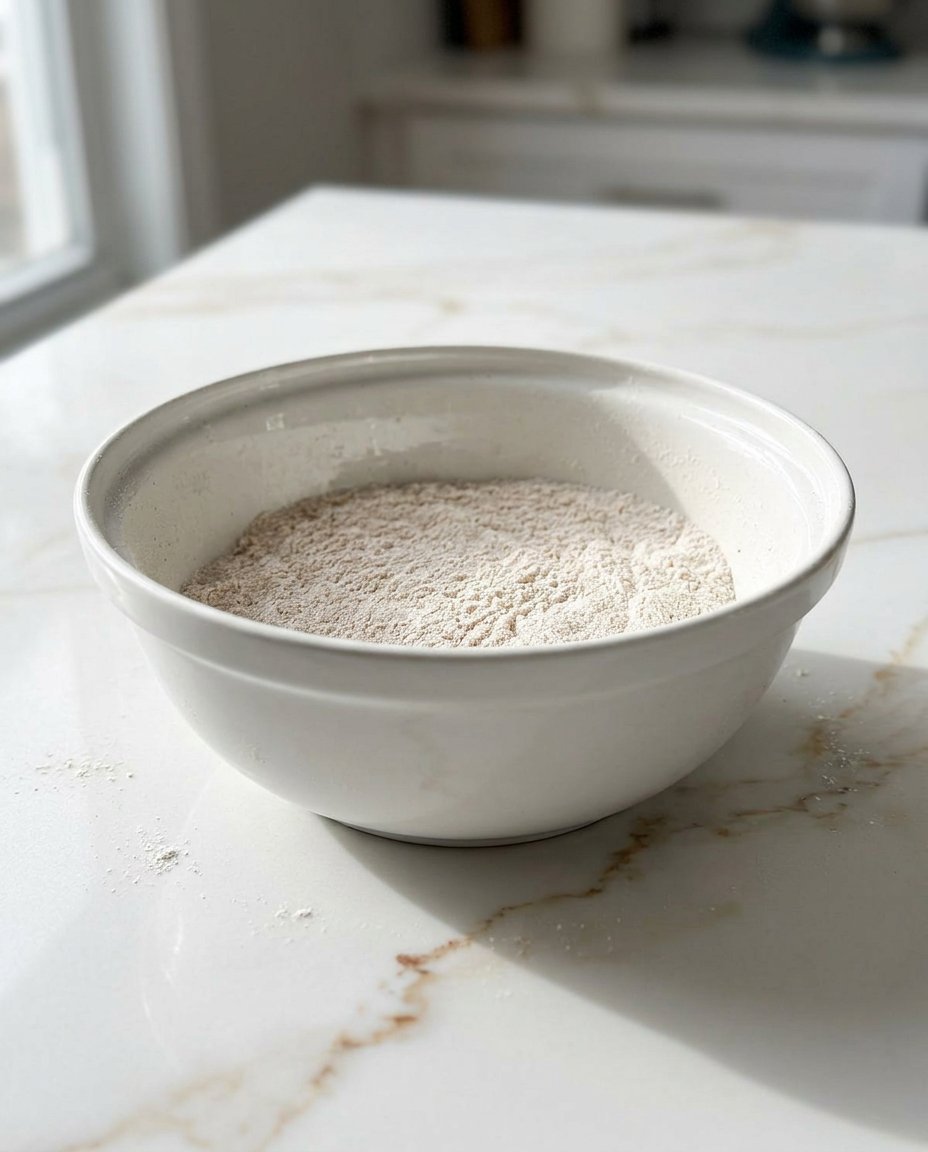
To ensure a professional result, one must respect the temperature of the environment. If your kitchen is too warm, the dough will become difficult to handle even after chilling. Victorian kitchens were often cooler than modern homes, which aided in the handling of high-fat doughs. If you find the dough sticking, return it to the refrigerator for ten minutes before continuing. This level of temperature control is a hallmark of our Foundation Cookie Recipes and is vital for this specific bake.
Another technical secret lies in the measurement of the flour. Always use a digital scale to measure 270 grams. Measuring by volume can lead to an excess of flour, which dries out the crumb and ruins the melt-in-the-mouth sensation. Furthermore, ensure your baking powder is fresh; its ability to release carbon dioxide is what creates the lift needed for a cake-like structure. Old powder will result in a heavy, leaden cookie that lacks the historical elegance of a true soft biscuit.
Tested Adaptations for the Modern Kitchen
While the pink-frosted vanilla version is the standard, historical variations often included different citrus zests or spices. You might consider adding the zest of one lemon to the dough to mimic the Shrewsbury biscuit tradition, which provides a bright contrast to the sweet buttercream. For those interested in more modern trends, our Viral Cookie Analysis suggests that a cocoa-based version of this dough also performs remarkably well if you replace 30g of the flour with high-quality Dutch-processed cocoa powder.
Another regional adaptation involves substituting the sour cream with full-fat Greek yogurt. While this changes the acidity profile slightly, it maintains the necessary hydration and fat levels. If you prefer a more traditional British finish, you can skip the buttercream and apply a thin lemon glaze, which was a common treatment for soft tea cakes in the Edwardian era. These variations allow you to explore the versatility of the base formula while maintaining the technical precision of the original method.
Traditional Service and Presentation
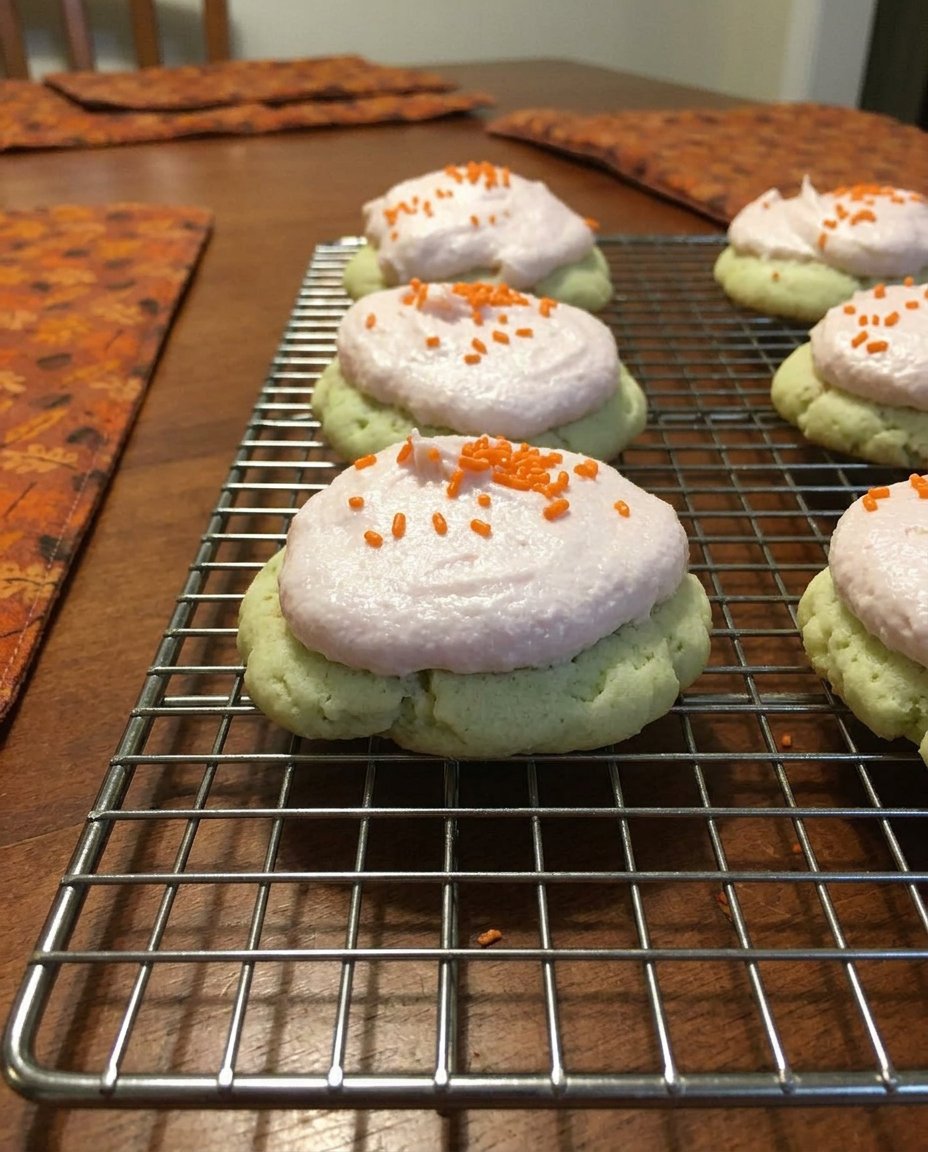
For an authentic experience, serve these cookies alongside a pot of Earl Grey or Darjeeling tea. The floral notes of the tea complement the almond extract in the dough perfectly. In the British tradition, these would be presented on a tiered cake stand, often as the middle tier between savory sandwiches and smaller petit fours. Using tools and methods described in our guide to Precision Cookie Decorating can help you achieve a perfectly smooth frosting finish that looks as professional as any commercial offering.
If serving at a modern event, consider varying the colors of the frosting to match the season. While pastel pink is the iconic choice, a deep sage green or a soft lavender can provide a more sophisticated look for adult gatherings. Always serve the cookies at room temperature to ensure the buttercream has a soft, creamy texture. Cold buttercream can feel waxy and mask the delicate flavors of the vanilla and almond.
The Technical Truth about Heritage Baking
Mastering the Lofthouse Copycat is a rewarding journey into the science of the soft crumb. By respecting the historical techniques of creaming and resting, and combining them with modern ingredient knowledge, you can produce a cookie that is far superior to any store-bought version. This recipe proves that the precision of the past and the testing of the present are the two most important ingredients in any kitchen. To continue your education in the chemistry of baking, explore our Holiday Cookie Science for more technical bakes that celebrate our shared culinary heritage.
For more updates and to share your baking results, follow us on Pinterest, Instagram, and Facebook. We look forward to seeing your technical triumphs.