When we combine the bright acidity of raspberries with a spice-laden shortbread, we create a complex taste profile that triggers multiple sensory receptors simultaneously. The raspberry’s ketones provide a sharp, floral aroma that cuts through the dense lipid structure of the butter-rich dough. This balance between fat and acid is a fundamental principle of flavor chemistry that makes these cookies scientifically satisfying.

Raspberry Linzer Cookies are more than just a holiday tradition; they are a study in textural contrast and flavor layering. By incorporating orange zest and a trio of warm spices, we build a foundation that supports the tart jam center, resulting in a perfectly calibrated treat. This recipe focuses on maintaining the stability of the butter emulsion to produce a melt-in-your-mouth crumb that persists even after the jam is added.
The Flavor Science
These cookies succeed because they satisfy the five basic tastes while emphasizing aromatic complexity. The inclusion of cinnamon, nutmeg, and cloves introduces phenolic compounds that provide warmth and depth, contrasting the cool, sharp sweetness of the raspberry jam. This interaction creates a resonant flavor that lingers on the palate longer than a standard sugar cookie.
From a structural standpoint, the high fat content from the unsalted butter creates a tender crumb through a process called shortening. The fat coats the flour proteins, preventing excessive gluten development. This results in a delicate, crisp texture that shatters pleasantly before dissolving, allowing the fruit flavors to take center stage.
We also use salt as a flavor modifier to suppress bitterness and highlight the subtle floral notes of the orange zest. By balancing the sugar with fine sea salt, we increase the perception of sweetness without adding more sucrose. This scientific approach to seasoning makes the raspberry profile feel more vibrant and authentic.
Print
Raspberry Linzer Cookies
- Total Time: 1 hour
- Yield: 15 cookies
- Diet: Vegetarian
Description
These elegant sandwich cookies combine a buttery, citrus-scented shortbread with a vibrant raspberry jam center. Infused with warm spices like cinnamon and cloves, they offer a sophisticated flavor profile and a delicate, melt-in-your-mouth texture perfect for any celebration.
Ingredients
- 2 cups all-purpose flour
- 1/2 tsp baking powder
- 1 tsp ground cinnamon
- 1/4 tsp ground nutmeg
- 1/8 tsp ground cloves
- 1/2 tsp fine sea salt
- 1 cup unsalted butter, softened
- 1/2 cup caster sugar
- 1 tbsp orange zest
- 1 large egg, room temperature
- 1 tsp vanilla extract
- 1/2 cup raspberry jam
- Powdered sugar for dusting
Instructions
- In a large mixing bowl, whisk together the flour, baking powder, cinnamon, nutmeg, cloves, and salt until the spices are evenly distributed.
- In a separate bowl, cream the softened butter, caster sugar, and orange zest with an electric mixer on medium speed for 3 minutes until light and fluffy.
- Add the room-temperature egg and vanilla extract to the butter mixture and mix until thoroughly combined and emulsified.
- Gradually fold the dry ingredients into the wet mixture using a spatula, mixing just until a cohesive dough forms without overworking it.
- Split the dough in two, roll each half between sheets of baking paper to a 7mm (1/4-inch) thickness, and refrigerate for 30 minutes.
- Preheat the oven to 180C (355F) and use a 6cm round cutter to create bases, then use a smaller cutter to remove the centers from half of the circles.
- Bake the cookies for 10 minutes or until the edges are a very pale golden, rotating the tray halfway through the baking time.
- Once completely cool, dust the cutout tops with powdered sugar, spread a layer of raspberry jam on the solid bases, and press the pieces together to form sandwiches.
Notes
For the best visual results, ensure the cookies are completely cool before dusting with powdered sugar so the sugar doesn’t melt. If the dough becomes too sticky to handle while cutting your shapes, simply return it to the freezer for five minutes to firm up the butter content.
- Prep Time: 50 mins
- Cook Time: 10 mins
- Category: Dessert
- Method: Baking
- Cuisine: Austrian
Flavor Components
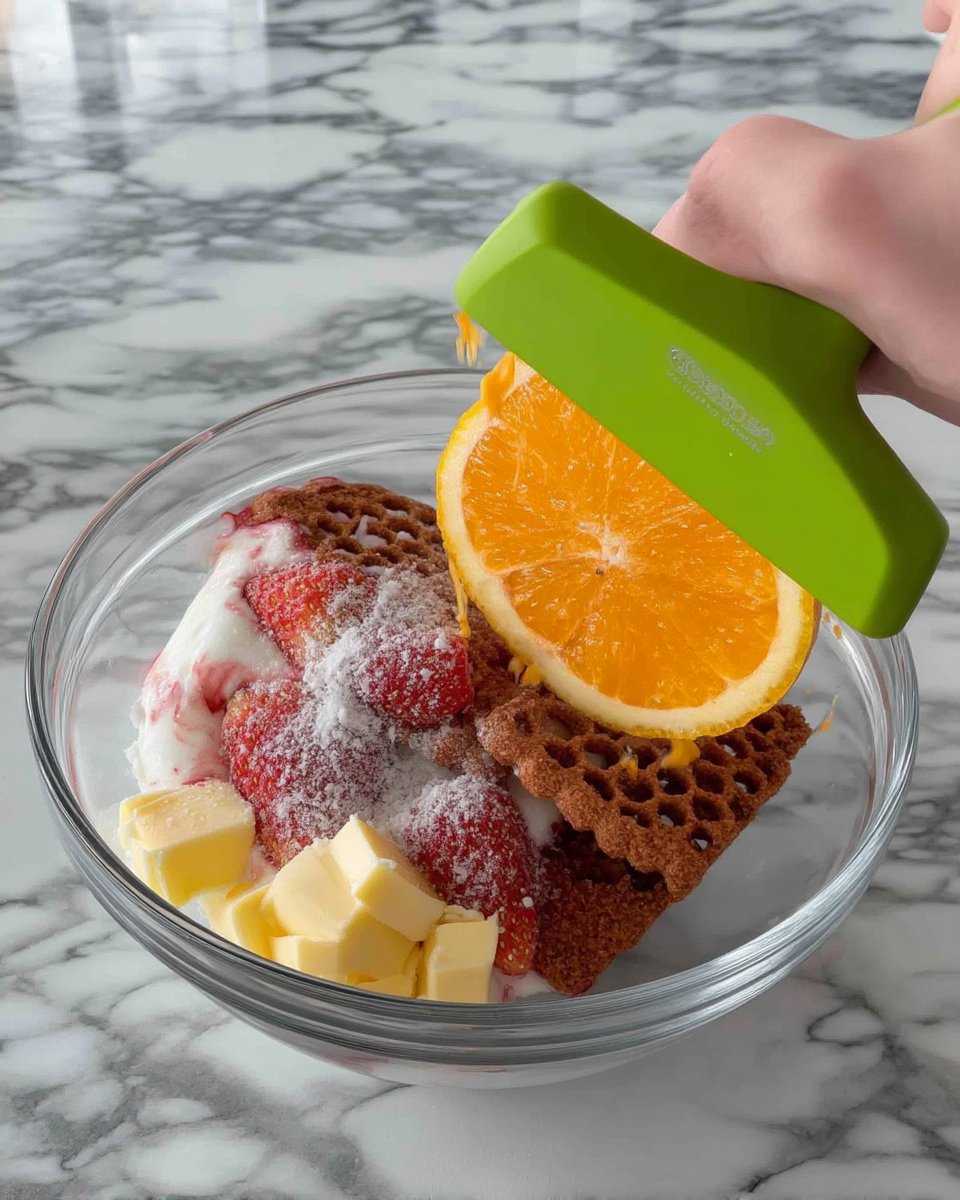
Building the perfect Linzer dough requires selecting ingredients that contribute specific chemical properties to the final bake. Each component is chosen for its ability to interact with others to create a stable, flavorful matrix.
- All-Purpose Flour: This provides the necessary protein structure. We keep the protein content moderate to guarantee a tender result while maintaining enough strength to hold the intricate cut-out shapes.
- Unsalted Butter: The primary source of lipids. High-quality butter contains less water, which prevents the dough from becoming tough and helps maintain a stable emulsion during the creaming process.
- Caster Sugar: Also known as superfine sugar, its small crystal size allows it to dissolve quickly into the butter. This creates tiny air pockets that expand during baking, contributing to a fine, delicate crumb.
- Orange Zest: Contains limonene and other essential oils. These terpenes offer a bright, citrusy aroma that acts as a bridge between the earthy spices and the acidic raspberry jam.
- Warm Spices (Cinnamon, Nutmeg, Cloves): These provide aromatic depth. Cloves, in particular, contain eugenol, which shares chemical similarities with the aroma compounds in raspberries, creating a natural pairing.
- Raspberry Jam: The acidic core of the cookie. The pectin in the jam provides a tacky texture that binds the two cookie layers together while providing a punch of concentrated fruit flavor.
- Egg: Acts as an emulsifier. The lecithin in the yolk helps bind the fat and water-based ingredients together, creating a cohesive dough that won’t separate or become greasy.
The Flavor Method
Step 1: Initialize the Dry Matrix
To a large mixing bowl, add the flour, baking powder, cinnamon, nutmeg, cloves, and salt. Use a whisk to distribute the spices and leavening agents evenly throughout the flour. This mechanical dispersion makes sure that every bite has a consistent spice profile and even rise.
Step 2: Establish the Fat Emulsion
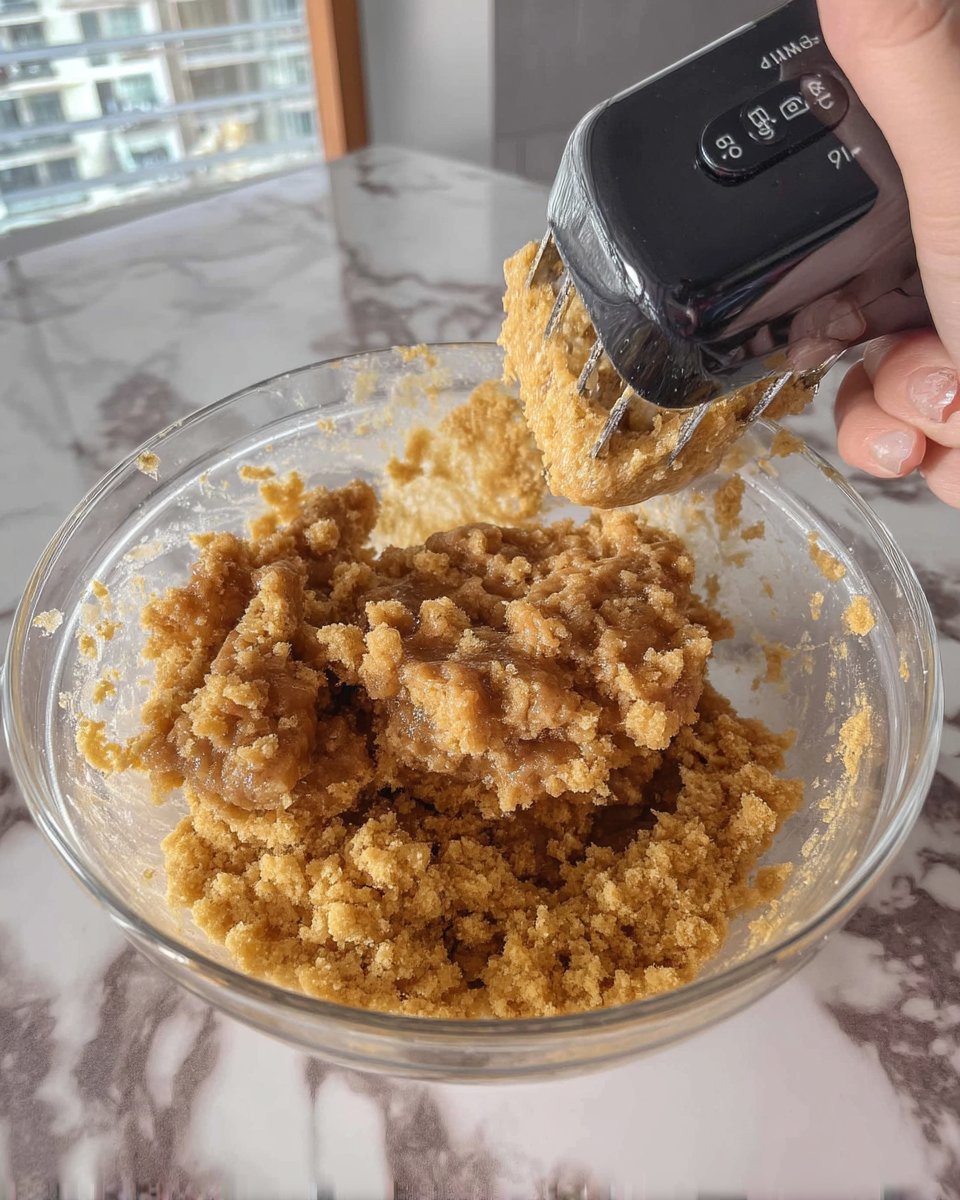
Add the softened butter, caster sugar, and orange zest to a separate large mixing bowl. Use an electric hand mixer to whip on medium speed for about 3 minutes until the mixture is light and fluffy. This step incorporates air and allows the orange oils to dissolve into the fats, maximizing the aromatic reach of the citrus.
Step 3: Incorporate Liquid Binding Agents
Add the room-temperature egg and vanilla extract to the creamed butter. Mix until well combined. The room-temperature egg is vital here; a cold egg could cause the butter to seize, breaking the emulsion and resulting in an uneven texture.
Step 4: Integrate the Flour to Form Dough
Add half the flour mixture and mix gently using a spatula. Add the remaining flour and continue mixing until a cohesive dough forms. We avoid overworking the dough at this stage to prevent gluten development, which would make the cookies tough instead of tender.
Step 5: Thermal Stabilization through Chilling
Split the dough into two and shape them into balls. Place half the dough on baking paper, flatten it slightly, and cover with another sheet. Roll it out to a thickness of 7mm (1/4-inch). Transfer the sheet to the fridge for 30 minutes. Chilling solidifies the fats, which prevents the cookies from spreading too much in the oven.
Step 6: Precision Cutting and Shaping
Preheat your oven to 180C (355F) with the fan on. Use a 6cm (2 1/4-inch) round cutter to create your bases. For half of these circles, use a smaller cutter to remove the center. Working with cold dough is essential for maintaining the clean edges necessary for the classic Linzer aesthetic.
Step 7: The Maillard Reaction and Baking
Bake the cookies on the middle rack for 10 minutes or until the edges are just beginning to turn a pale golden color. Rotate the tray halfway through to account for uneven heat distribution. This light browning indicates the beginning of the Maillard reaction, which adds a toasted flavor without overpowering the spices.
Step 8: Final Assembly and Layering
Once completely cool, dust the cut-out tops with powdered sugar. Spread a layer of raspberry jam onto the flat side of the whole base cookies. Gently press the sugar-dusted tops onto the jam. The moisture from the jam will eventually soften the cookie slightly, creating a unified, sandwich-like texture.
Jasmine’s Flavor Notes
Temperature control is the most critical factor in this recipe. If your butter is too warm, the emulsion will fail, and the cookies will lose their sharp edges. If you find the dough becoming sticky while cutting, return it to the freezer for five minutes to stabilize the lipids. For more foundational techniques on managing dough, refer to our Foundation Cookie Recipes to master your kitchen workflow.
Another secret to deep flavor is the placement of your salt. Adding the salt to the dry ingredients allows it to be evenly distributed, but if you want a more dynamic experience, a tiny pinch of salt mixed directly into the jam can amplify the fruit’s natural acidity. This creates a more intense contrast against the sweet, spiced shortbread.
Scientific Swaps
While raspberry is the traditional choice, you can substitute other fruit preserves based on their chemical profiles. Apricot jam contains stone fruit esters that pair beautifully with the nutmeg in the dough. If you want to experiment with different flavor combinations, our guide on Holiday Cookie Science provides a deep look at how to match spices with various fruit bases.
For a nuttier profile, you can replace 50g of the all-purpose flour with finely ground almond meal. Almonds contain benzaldehyde, which is a compound also found in small amounts in raspberries. This shared chemical note creates a synergistic effect, making the overall flavor of the cookie feel more rounded and complex.
Taste Enjoyment
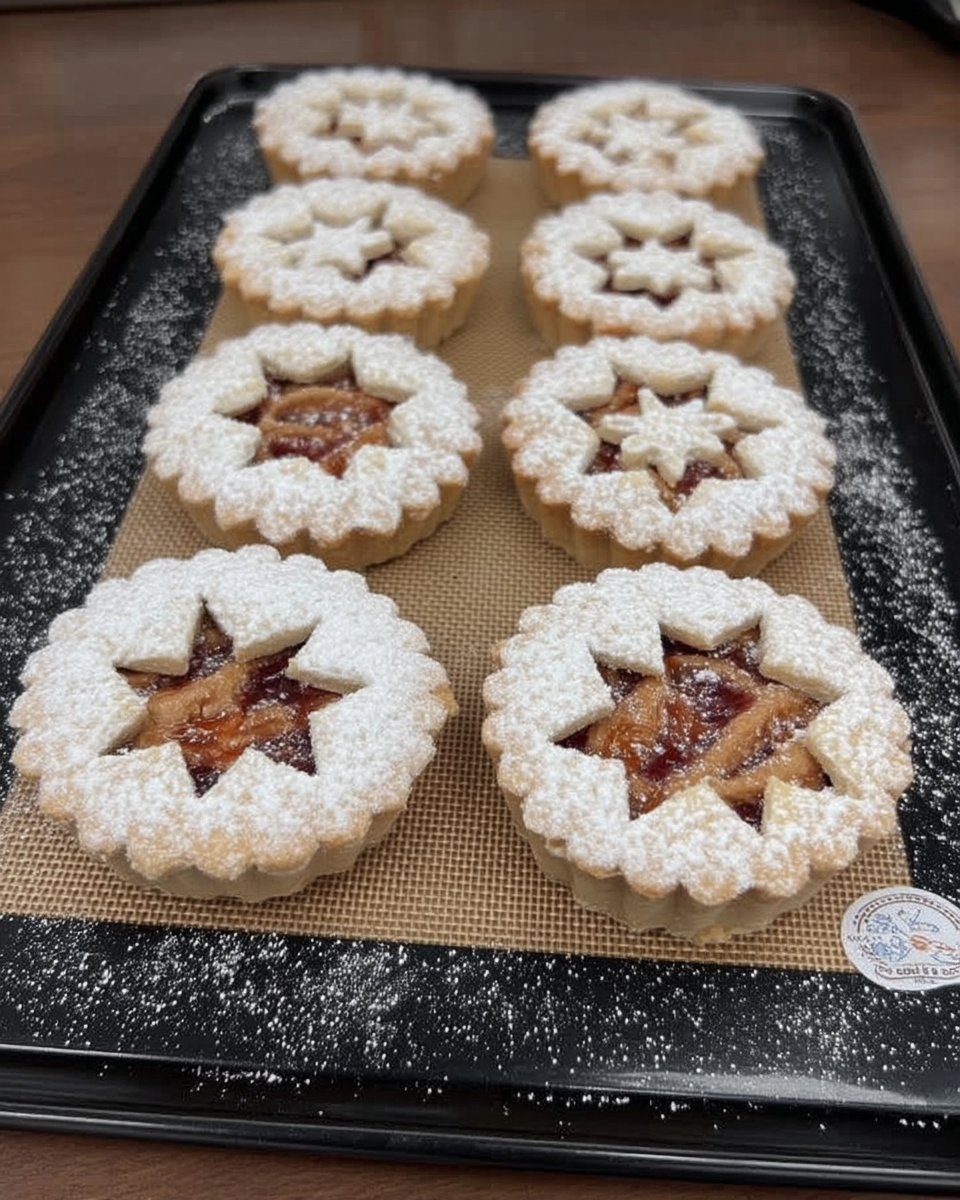
To appreciate the full spectrum of flavors, serve these cookies at room temperature. Cold temperatures mute the volatile aroma compounds in the spices and the jam. Pairing these with a light-roast coffee can be fascinating, as the bright acidity of the coffee mirrors the raspberry notes. For those interested in the visual aspect of the experience, our tips on Precision Cookie Decorating can help you achieve the perfect powdered sugar finish.
Tea is also an excellent companion. A black tea like Earl Grey contains bergamot, which shares citrusy notes with the orange zest in the dough. This creates a recursive flavor loop that makes both the tea and the cookie taste more vibrant. Always serve the cookies on a plate that allows the powdered sugar to remain undisturbed until the first bite.
The Flavor Truth
Mastering the Raspberry Linzer Cookie is a rewarding exercise in balance and precision. By understanding how the lipids in the butter interact with the acidity of the fruit and the aromatics of the spices, you create a treat that is greater than the sum of its parts. For a detailed look at how these types of recipes perform in modern kitchens, you might like our Viral Cookie Analysis. You can find more inspiration and share your results on Pinterest, Instagram, and Facebook. For another take on this classic, visit The Scran Line to see their beautiful assembly techniques.