I recently investigated the molecular synergy between toasted pecans and dark brown sugar, finding that their shared aromatic compounds create a deep, caramel-like complexity. This cute cookie aesthetic 3 relies on the Maillard reaction to transform simple starches into a sophisticated flavor profile. By understanding how the pyrazines in nuts interact with the vanillin in extract, we can build a cookie that is scientifically balanced and delicious.

These thumbprint cookies are more than just a visual treat; they are a study in textural contrast and flavor layering. We use a shortbread base to provide a clean, buttery canvas for the rich, gooey pecan filling that mimics the traditional pie experience. This specific cute cookie aesthetic 3 approach makes certain that every bite delivers a precise balance of salt, fat, and sugar.
The Flavor Science of Pecan Pairing
The appeal of these cookies lies in the intentional layering of flavor compounds. We start with the shortbread base, which is high in lipid content. Fats are excellent carriers for flavor; they coat the tongue and allow the volatile aromas of vanilla and butter to linger longer on the palate. When we add the pecan filling, we are introducing complex sugars that have undergone caramelization. This process creates new molecules like diacetyl, which reinforces the buttery notes of the base.
Furthermore, the inclusion of light brown sugar introduces molasses, which contains small amounts of minerals that heighten our perception of sweetness while adding a slightly acidic tang to balance the rich cream. The cute cookie aesthetic 3 isn’t just about appearance; it’s about the geometric distribution of the filling. By placing the dense, nutty caramel in the center of a crisp shortbread ring, we create a sensory experience that transitions from a clean, crumbly snap to a chewy, decadent finish. This structural design mimics the physics of a classic pie but in a concentrated, handheld format.
Print
Pecan Pie Thumbprint Cookies
- Total Time: 45 mins
- Yield: 24 cookies
- Diet: Vegetarian
Description
These sophisticated thumbprint cookies feature a delicate, buttery shortbread base filled with a rich, caramelized pecan center. Designed to mimic the classic holiday pie in a portable format, they offer a perfect balance of salty, sweet, and nutty notes.
Ingredients
- 1 cup unsalted butter, softened
- 1/2 cup light brown sugar
- 1/2 cup granulated sugar
- 2 1/4 cups all-purpose flour
- 1/2 teaspoon kosher salt
- 2 tablespoons milk
- 2 teaspoons pure vanilla extract, divided
- 1 cup raw pecans, finely chopped
- 1/2 cup light brown sugar (for filling)
- 1/4 cup dark corn syrup
- 2 tablespoons unsalted butter (for filling)
- 1/4 cup heavy cream
Instructions
- Preheat your oven to 350°F and line two baking sheets with parchment paper.
- In a large mixing bowl, beat 1 cup of softened butter with 1/2 cup brown sugar and 1/2 cup granulated sugar on medium-high speed for 2 to 3 minutes until pale and fluffy.
- Reduce speed to low and add the all-purpose flour and kosher salt, beating until the dough becomes crumbly.
- Add the milk and 1 teaspoon of vanilla extract, continuing to mix just until the dough gathers into a cohesive ball.
- Using a medium cookie scoop, portion the dough into 2-tablespoon balls and roll them smooth between your palms.
- Place the balls on the prepared baking sheets 2 inches apart and use your thumb to press a deep indention into the center of each.
- Bake for 12 to 15 minutes, rotating the pans halfway through, until the edges are just barely golden.
- Remove from the oven and immediately use a measuring spoon to gently press down and redefine the center indentions while the cookies are soft.
- In a medium pot over medium heat, combine the chopped pecans, 1/2 cup brown sugar, dark corn syrup, and 2 tablespoons of butter.
- Stir the filling mixture frequently for 5 minutes until the sugar dissolves and it begins to bubble consistently.
- Slowly pour in the heavy cream while stirring constantly, then simmer for another 2 minutes before removing from heat and stirring in the remaining vanilla.
- Spoon the warm pecan filling into the centers of the cooled cookies and let them set for 15 minutes to firm up.
Notes
For the best results, ensure your butter is properly softened at room temperature to achieve the correct emulsion during the creaming stage. If you prefer a more intense nutty flavor, lightly toast the chopped pecans in a dry skillet for 3 minutes before adding them to the caramel filling mixture.
- Prep Time: 20 mins
- Cook Time: 25 mins
- Category: Dessert
- Method: Baking
- Cuisine: American
Taste Building Blocks and Aroma Components
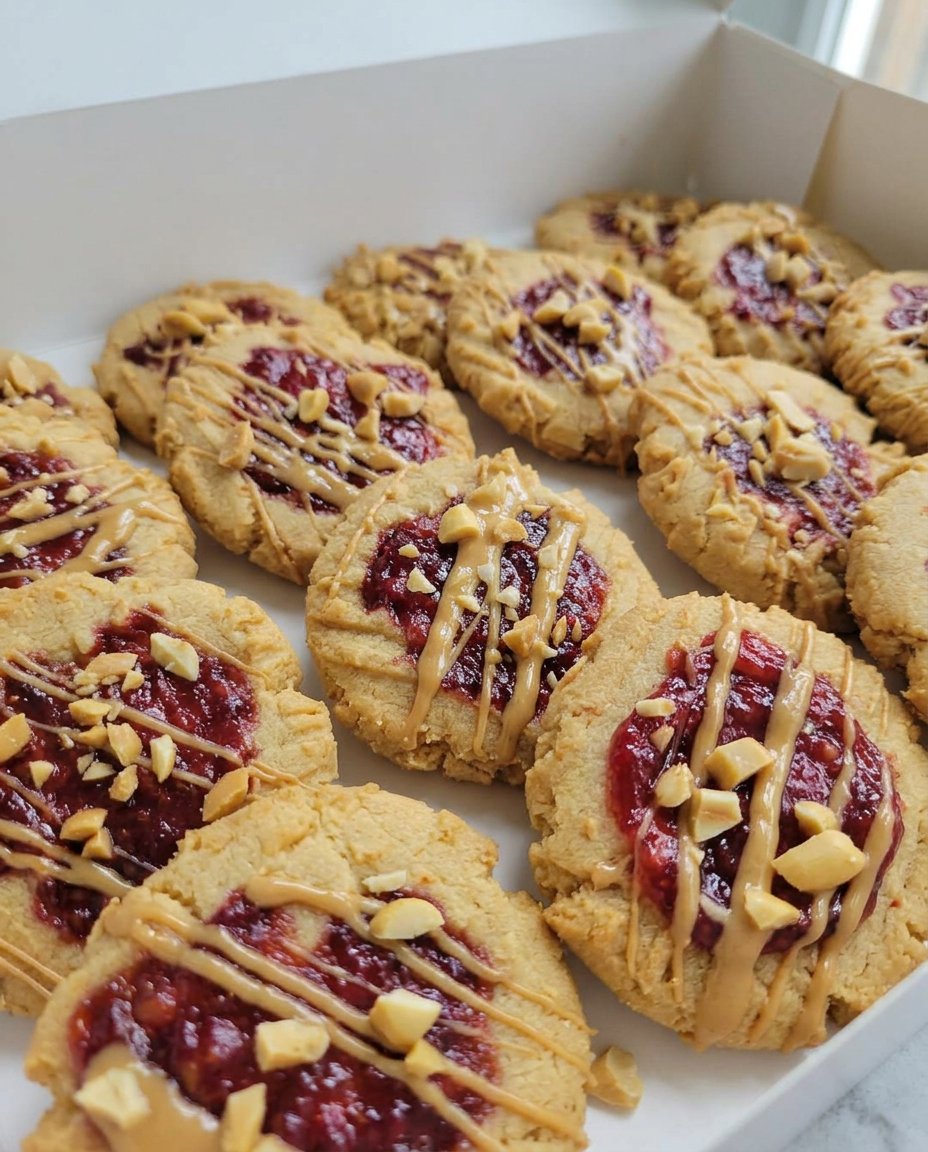
Each ingredient in this cute cookie aesthetic 3 recipe is selected for its specific chemical contribution to the final taste profile. Understanding these components allows us to predict how they will interact during the baking process.
- Unsalted Butter: This provides the essential lipids for a tender crumb. By using unsalted butter, we maintain total control over the sodium concentration, which is vital because salt suppresses bitterness and makes the sweetness more pronounced.
- Light Brown Sugar: Unlike granulated sugar, brown sugar is hygroscopic, meaning it attracts water. This helps the cookie remain tender while providing the glucose necessary for the Maillard reaction.
- All-Purpose Flour: This provides the protein structure. We aim for a specific protein percentage to achieve a sturdy yet delicate shortbread that won’t crumble prematurely.
- Raw Pecans: These are the primary source of roasted, savory notes. As they cook in the filling, they release oils containing alkylpyrazines, which provide the signature nutty aroma.
- Dark Corn Syrup: This acts as an interfering agent in our caramel filling. It prevents the sucrose from recrystallizing, making certain the texture remains smooth and gooey rather than grainy.
- Heavy Cream: The milk fats in the cream provide an emulsion that binds the caramel and pecans, creating a luscious mouthfeel that balances the crunch of the cookie edges.
- Pure Vanilla Extract: We include this for the vanillin compounds, which amplify our perception of sweetness and add a floral top note to the heavy, toasted flavors.
The Flavor Method and Layering Process
Step 1: Establishing the Lipid Emulsion
Arrange your oven racks in the upper and lower thirds and preheat to 350°F. In a large bowl, use a handheld mixer on medium-high speed to beat the softened butter with both the brown and granulated sugars. This step is critical for mechanical leavening. You are creating tiny air pockets within the fat, which will expand in the oven. Continue for 2 to 3 minutes until the mixture is pale and creamy, indicating a stable emulsion has formed.
Step 2: Incorporating the Structural Components
Add the flour and kosher salt to the creamed mixture. Beat at a lower speed until the dough starts to fragment into small clumps. This is the point where the flour is being coated by the fat, which inhibits excessive gluten development. Add the milk and vanilla extract, continuing to beat just until the dough gathers into a cohesive mass. The milk provides the necessary hydration to bind the starches without making the dough tough.
Step 3: Engineering the Thumbprint Vessel
Using a medium cookie scoop (roughly 2 tablespoons), portion the dough and roll it into smooth spheres between your palms. Arrange these on parchment-lined baking sheets, leaving 2 inches of space to accommodate thermal expansion. Use your thumb to press a deep indention into the center of each ball. This creates a specific surface area ratio that allows the edges to crisp while the center stays protected and soft.
Step 4: The Initial Bake and Re-Indenting
Bake the cookies for 12 to 15 minutes, rotating the sheets halfway through to compensate for any oven hot spots. You are looking for the edges to turn a light golden hue, signaling that the sugars have begun to caramelize. Once you remove them from the oven, immediately use a tablespoon to deepen the center indention again. The dough is still plastic at this temperature, allowing you to refine the cute cookie aesthetic 3 shape before it sets.
Step 5: Synthesizing the Pecan Filling
While the cookies cool slightly, prepare the filling in a medium pot over medium heat. Combine the chopped pecans, brown sugar, corn syrup, and butter. Stir frequently as the butter melts and the sugar dissolves. This process creates a simple syrup that will eventually thicken into a caramel. Cook for about 5 minutes until it reaches a consistent, bubbling state.
Step 6: Finalizing the Filling Emulsion
Slowly pour in the heavy cream while stirring constantly. The addition of the cold cream to the hot sugar mixture requires careful stirring to prevent the fat from separating. Continue to cook until the mixture reaches a light simmer, which usually takes about 2 minutes. Remove from the heat and stir in the vanilla. The aroma profile at this stage is dominated by toasted nuts and cooked cream.
Step 7: Assembly and Setting
Spoon the warm pecan mixture into the indentions of each cookie. The residual heat from the cookies and the filling will help them bond together as they cool. Let the cookies sit for at least 15 minutes. During this time, the fats will recrystallize and the sugars will set, resulting in a stable, portable version of the cute cookie aesthetic 3.
Jasmine’s Flavor Notes and Pairing Secrets
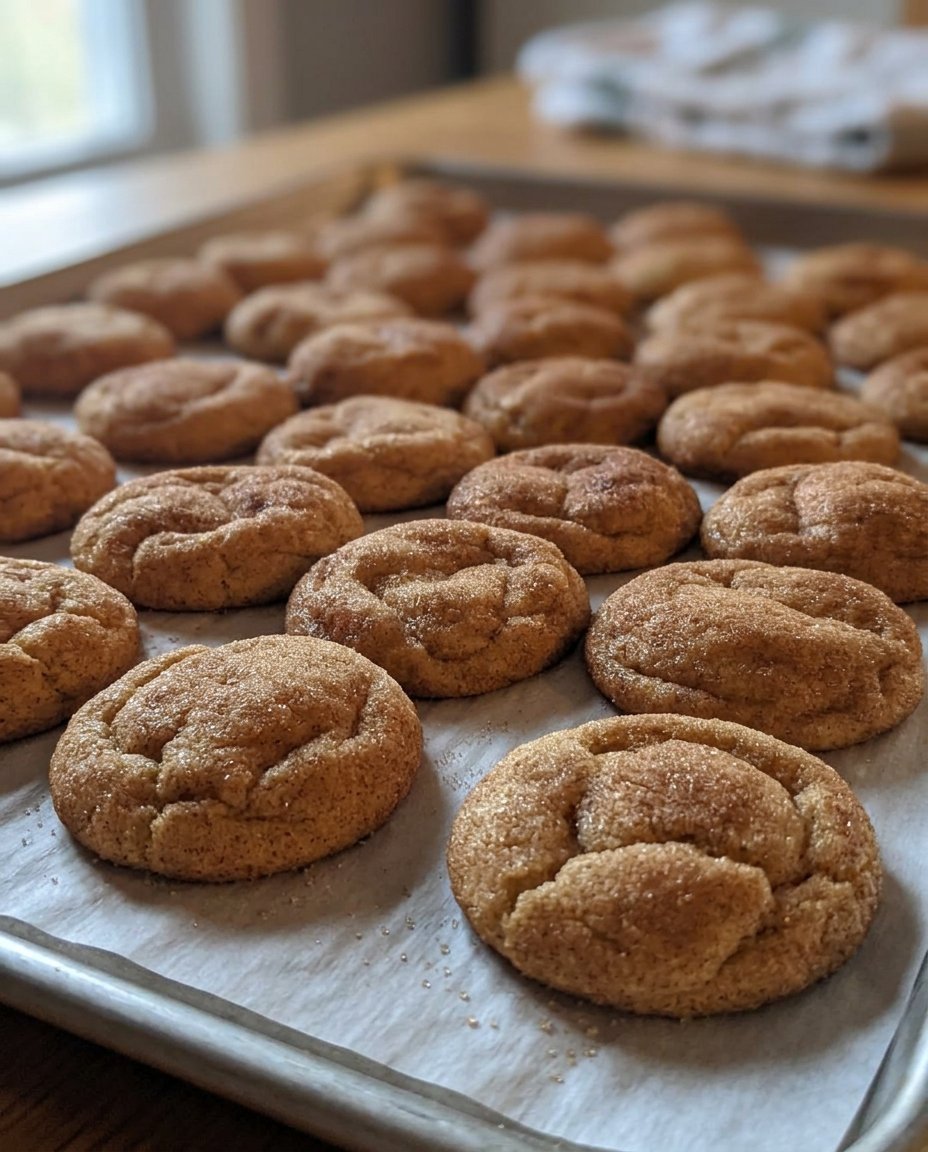
To achieve the most intense aroma, I recommend toasting your raw pecans in a dry pan for 3 minutes before chopping them. This initial heat application begins the breakdown of cellular walls, releasing the natural oils and making the nutty notes more volatile. When you add these pre-toasted nuts to the filling, you are layering two different stages of roasted flavor for a more complex result. For those interested in the foundational science of butter-based doughs, check our Efficient Cookie Methods guide. Also, consider the placement of your salt; a tiny pinch of flaky sea salt on top of the finished pecan filling can amplify the chocolatey notes inherent in dark-roasted pecans by suppressing any lingering bitterness from the tannins in the nut skins.
Scientific Flavor Swaps and Pairing Options
If you want to modify the flavor profile, you can substitute the pecans with walnuts. Walnuts contain different polyphenols that provide a slightly more astringent taste, which pairs beautifully with a darker molasses-based sugar. Another option is to add a half-teaspoon of orange zest to the shortbread dough. Orange zest contains limonene, a terpene that shares aromatic similarities with vanilla, creating a bright, citrusy lift to the heavy caramel. For more ideas on seasonal adjustments, look at our Holiday Cookie Science section. For an even richer filling, you can follow the techniques found at Delish to see how different sugar ratios impact the final set of the caramel.
How to Serve and Flavor Pairings
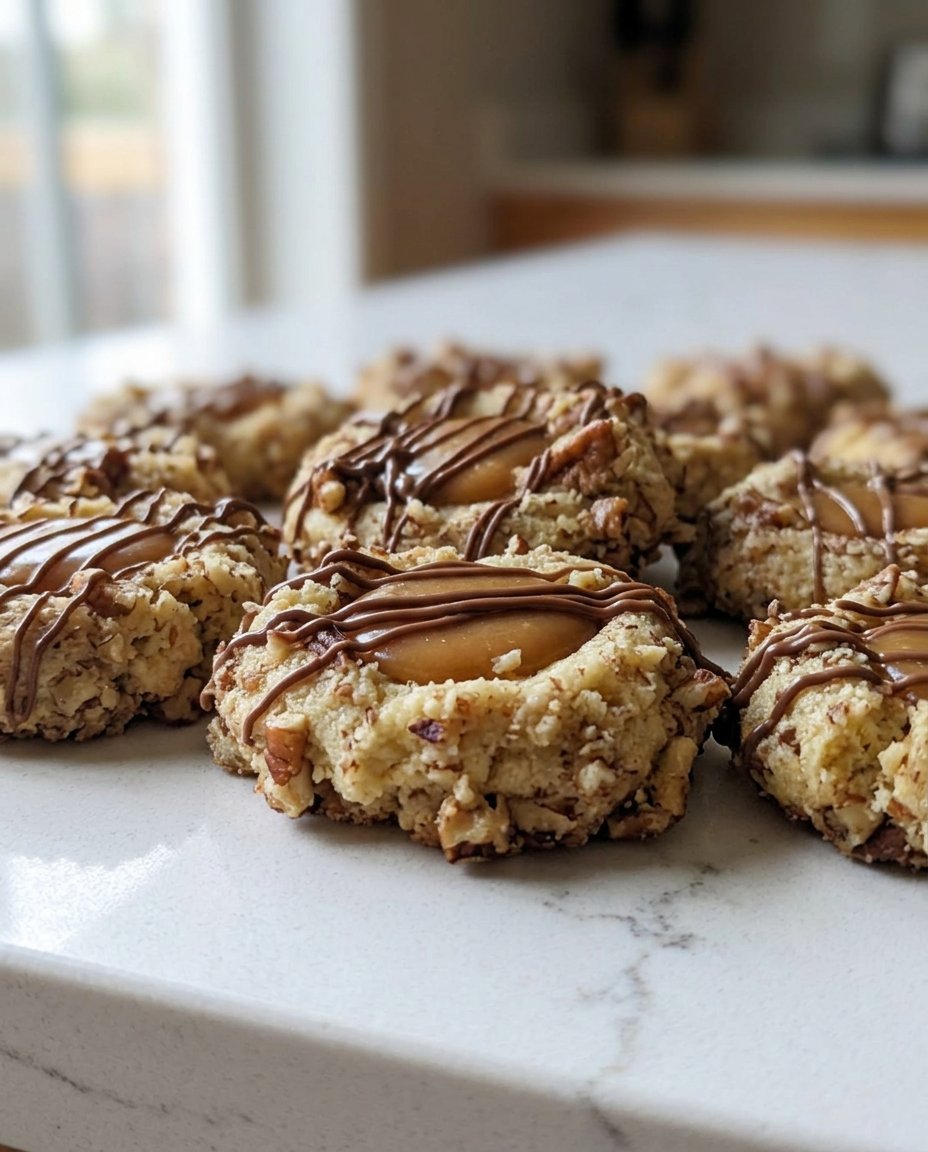
To maximize the release of flavor molecules, serve these cookies at room temperature. Cold temperatures mute the perception of butter and vanilla, as the fats are too solid to melt quickly on the tongue. I highly suggest pairing these with a medium-roast coffee. The coffee’s natural acidity cuts through the richness of the pecan filling, while the roasted notes of the bean mirror the pyrazines in the nuts. For more on how to pair cookies with beverages based on chemical profiles, see our Foundation Cookie Recipes section. If you are serving these as part of a dessert spread, place them next to tart fruits like apples or pears; the malic acid in the fruit provides a refreshing counterpoint to the dense, sweet caramel.
The Flavor Truth and Taste Discovery
Understanding the science behind the cute cookie aesthetic 3 transforms baking from a chore into a fascinating experiment in chemistry. By carefully managing our emulsions and choosing ingredients based on their molecular contributions, we create a cookie that is far more than the sum of its parts. I hope this recipe encourages you to look closely at how flavors interact in your own kitchen. For more advanced techniques on making your bakes look as good as they taste, visit our Precision Cookie Decorating page. If you enjoyed this scientific approach to baking, please share your results and follow us for more updates on Instagram, Pinterest, and Facebook.