My initial encounter with the molecular synergy of a true masala chai blend was a revelation in aromatic complexity, far removed from the simple spice packets found in most pantries. Understanding that cardamom contains high concentrations of eucalyptol allowed me to see why it creates such a refreshing, cooling contrast against the heavy warmth of cinnamon and cloves. These Chai Snickerdoodles are the final result of analyzing that specific spice synergy and applying it to a classic sugar cookie matrix.

This recipe transitions the traditional snickerdoodle from a simple cinnamon treat into a multi-layered sensory experience that stimulates every taste receptor on the tongue. We maintain the characteristic tangy chew of the original while introducing a scientific blend of spices designed to mimic the exact flavor profile of a long-simmered tea. It is a precise balance of heat, floral notes, and acidic brightness that honors the legacy of the classic snickerdoodle while expanding its flavor boundaries.
The Flavor Science of Spiced Synergy
You will find that these cookies are a masterclass in flavor layering and chemical reactions. The most distinctive feature of a snickerdoodle is its specific texture and slight tang, which is the direct result of the reaction between potassium bitartrate (cream of tartar) and sodium bicarbonate (baking soda). This combination doesn’t just provide leavening; it lowers the pH of the dough, which inhibits the browning of the Maillard reaction just enough to keep the cookies pale and soft, while providing that iconic sharp flavor profile.
By introducing a masala chai spice blend, we are creating a fascinating interaction between aromatic compounds. The piperine in the black pepper acts as a flavor catalyst, increasing the bioavailability of other spices and sharpening the perception of the heat from the ginger. This isn’t just a sweet treat; it is a complex array of terpenes and phenols that work together to create a warming sensation that lingers. The fats in the butter carry these fat-soluble flavor compounds across the palate, ensuring that the taste of cardamom and clove stays vibrant from the first bite to the finish.
Print
Chai Snickerdoodles
- Total Time: 30 mins
- Yield: 24 cookies
- Diet: Vegetarian
Description
These Chai Snickerdoodles elevate the classic sugar cookie with a scientifically crafted masala chai spice blend, featuring aromatic cardamom, ginger, and cloves. The result is a perfectly chewy treat with a sophisticated flavor profile that balances warming spices with a signature tangy finish.
Ingredients
- 2 3/4 cups all-purpose flour
- 2 teaspoons cream of tartar
- 1 teaspoon baking soda
- 1/2 teaspoon salt
- 1 cup unsalted butter, room temperature
- 1 1/2 cups granulated sugar
- 2 large eggs
- 1 teaspoon vanilla extract
- 1/4 cup granulated sugar
- 2 teaspoons ground cinnamon
- 1 teaspoon ground cardamom
- 1/2 teaspoon ground ginger
- 1/4 teaspoon ground cloves
- 1/4 teaspoon ground black pepper
Instructions
- Preheat your oven to 375 degrees F and line three sheet pans with parchment paper for even heat distribution.
- In a medium bowl, whisk together the flour, baking soda, salt, and cream of tartar to ensure even leavening.
- Cream the butter and sugar in a large bowl for at least 3 minutes until the mixture is light and aerated.
- Incorporate the eggs one at a time, then add the vanilla extract to stabilize the emulsion.
- Slowly fold the dry components into the wet mixture on low speed until the flour is just absorbed.
- In a separate small bowl, whisk together the coating sugar with cinnamon, cardamom, cloves, ginger, and black pepper.
- Roll 1.5 tablespoon portions of dough into smooth spheres and coat them thoroughly in the spice sugar mixture.
- Arrange the balls 2 inches apart on the pans and bake for 10 minutes until the edges set and surfaces crack.
- Allow the cookies to cool completely on the pan to finish the internal cooking process and set the structure.
Notes
To achieve the best results, ensure your oven is fully preheated before baking to trigger the rapid leavening required for the signature cracks. If you prefer a more pungent spice profile, use freshly ground black pepper and cardamom seeds for maximum aromatic impact. These cookies pair exceptionally well with a creamy latte or a cup of hot Earl Grey tea.
- Prep Time: 20 mins
- Cook Time: 10 mins
- Category: Dessert
- Method: Baking
- Cuisine: American
The Molecular Building Blocks of Taste
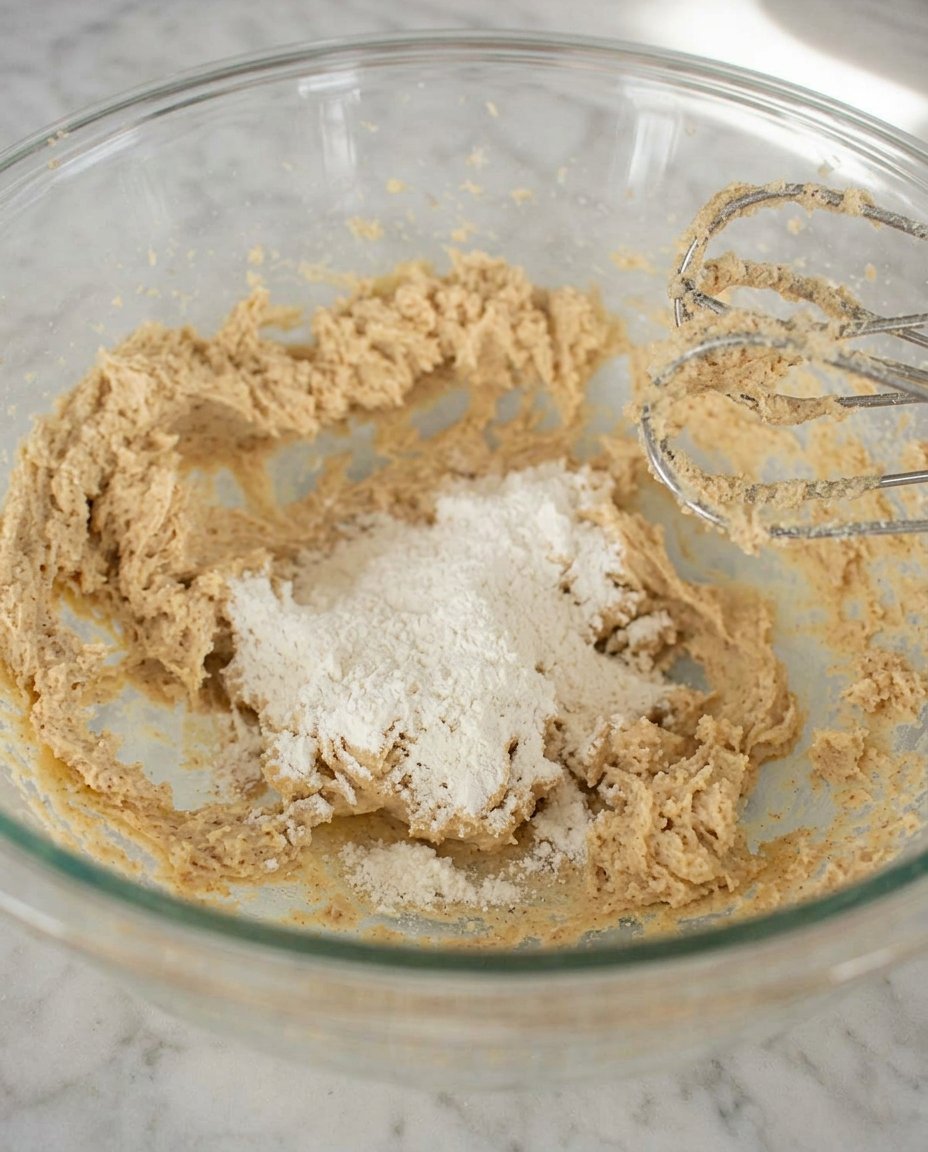
To achieve the perfect balance in this recipe, each ingredient must be selected for its specific chemical contribution to the final structure and flavor profile.
- Unsalted Butter (Room Temperature): This is our primary fat source and the base of our emulsion. Using unsalted butter allows us to control the exact sodium content, which is vital because salt suppresses bitterness and enhances our perception of sweetness.
- Granulated Sugar: Beyond sweetness, sugar is a humectant that retains moisture and a structural component that interferes with gluten development, ensuring a tender crumb.
- Cream of Tartar: This acidic byproduct of winemaking is what gives the snickerdoodle its signature chew. It prevents the sugar from recrystallizing, leading to a much softer, more flexible cookie.
- Chai Spice Matrix: This blend is where the science of aroma takes center stage.
- Cinnamon (Cinnamaldehyde): Provides the base warmth.
- Cardamom (Terpinyl Acetate): Adds a floral, citrus-like top note.
- Ginger (Gingerol): Supplies a sharp, pungent heat.
- Cloves (Eugenol): Offers an intense, slightly numbing depth.
- Black Pepper (Piperine): Adds a subtle earthiness that bridges the gap between the spices.
- Large Eggs: These provide the lecithin needed to stabilize the emulsion between the water-based ingredients and the fats in the butter.
The Layering Process
Step 1: Initialize the Thermal Environment
Preheat your oven to 375 ℉ (190 ℃). This specific temperature is high enough to trigger rapid leavening before the structure sets, which creates the beautiful cracks on the surface of the cookie. Line three sheet pans with parchment paper to ensure even heat distribution and prevent the bottoms from over-browning through direct contact with metal.
Step 2: Sift the Structural Components
In a medium bowl, whisk together the flour, baking soda, salt, and cream of tartar. It is vital to distribute the leavening agents evenly throughout the flour to avoid large pockets of carbon dioxide, which would result in an inconsistent crumb. This dry mixture represents the framework of our cookie.
Step 3: Aerate the Fat and Sugar
In a large bowl, use an electric mixer to cream the butter and sugar together for at least 3 minutes. This process is not merely about mixing; it is about mechanical aeration. The sugar crystals carve tiny air pockets into the butter. These pockets will later expand with gas from the baking soda, creating the light, chewy texture we desire.
Step 4: Stabilize the Emulsion
Add the eggs one at a time. This allows the lecithin in the yolks to gradually surround the water droplets in the whites and the fats in the butter, creating a stable emulsion. Add the vanilla extract at this stage; the alcohol in the extract acts as a solvent, carrying the vanillin molecules throughout the fat phase of the dough.
Step 5: Incorporate the Dry Phase
Slowly add the flour mixture to the wet ingredients while mixing on low speed. It is critical not to overmix at this stage. Excessive agitation will lead to the development of long gluten chains, which would turn our soft snickerdoodles into tough, bread-like disks. Mix only until the flour is just absorbed.
Step 6: Formulate the Chai Coating
In a separate small bowl, combine the coating sugar with the cinnamon, cardamom, cloves, ginger, and black pepper. Whisk thoroughly to ensure a homogenous distribution of spices. This exterior layer is what first hits the taste buds, so the spice-to-sugar ratio must be precise to trigger the proper sensory response.
Step 7: Scaling and Coating
Scoop approximately 1.5 tablespoons of dough and roll into a sphere. The warmth of your hands will slightly soften the surface fats, allowing the chai sugar to adhere effectively. Roll the balls in the spice mixture until they are completely encapsulated in the aromatic coating.
Step 8: The Baking Cycle
Place the dough balls on the prepared pans, leaving two inches of space for expansion. Bake for 10 minutes. At this temperature, the edges will set and caramelize slightly while the centers remains soft. The sudden heat causes the leavening to gas off quickly, pushing the surface upward until it cracks, creating the traditional snickerdoodle appearance.
Step 9: The Cooling and Curing Phase
Allow the cookies to cool completely on the pan. This is a critical step where the residual heat finishes cooking the center without drying out the edges. As the cookies cool, the sugar structure sets, and the moisture redistributes, resulting in the perfect chewy-to-crisp ratio.
Jasmine’s Flavor Secrets
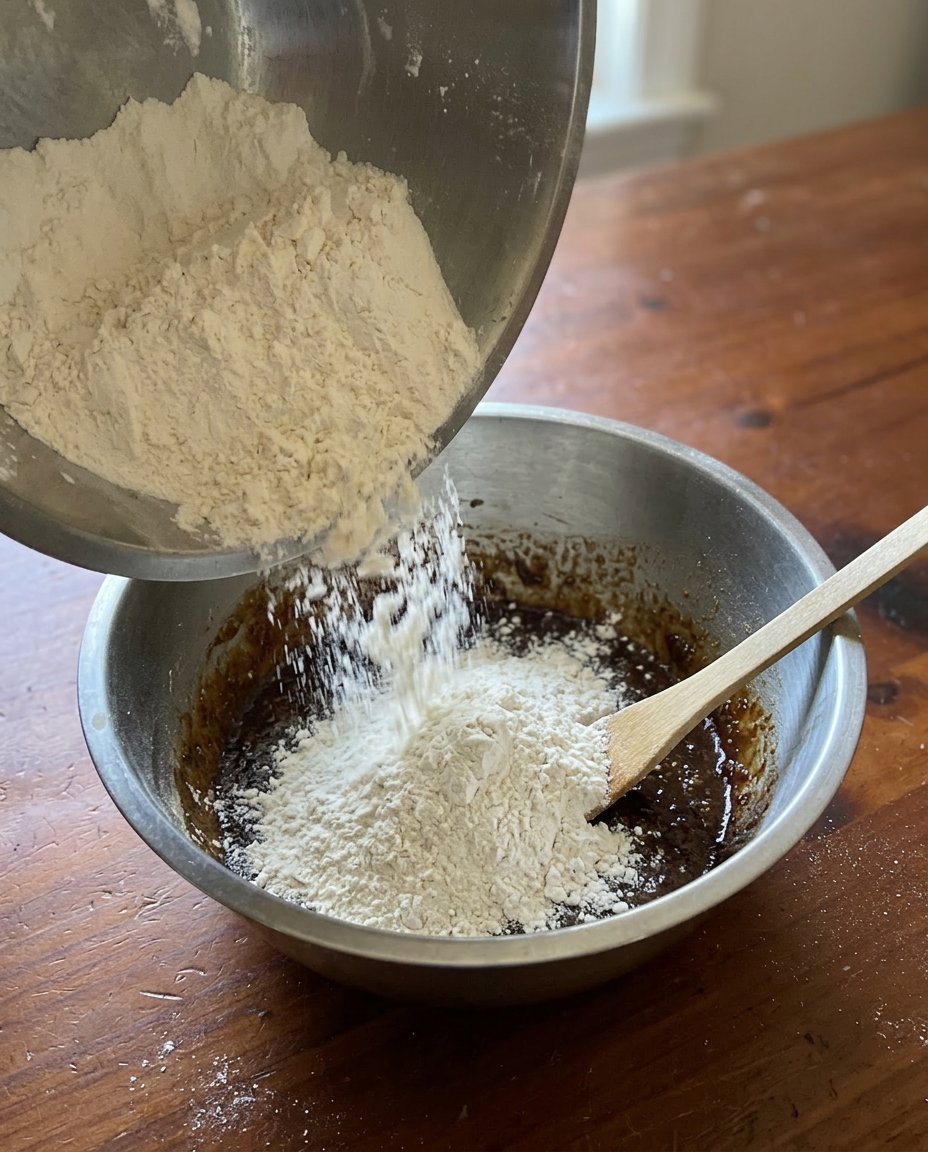
To maximize the aromatic potential of your cookies, I recommend lightly toasting your spices in a dry pan for 30 seconds before mixing them with the sugar. This heat application triggers the release of essential oils, making the spices significantly more potent. Additionally, pay close attention to the temperature of your butter; it should be exactly 65°F for the most efficient aeration during the creaming step. If you are looking to master the basics of cookie chemistry before attempting these complex spices, I highly recommend examining our Foundation Cookie Recipes for a deeper understanding of dough behavior. Another secret is the placement of salt; I prefer a fine sea salt because its smaller crystal size allows it to dissolve more quickly into the moisture of the eggs, ensuring an even flavor profile throughout the entire batch.
Scientific Flavor Swaps
If you want to adjust the sensory profile, there are several scientific variations you can apply. To introduce a bright citrus note, add one teaspoon of fresh orange zest to the dough; orange contains limonene, which shares a molecular bridge with the terpene compounds in cardamom. For those who prefer a more intense heat, you can double the ginger and black pepper, which will increase the trigeminal stimulation of the cookie. If you are baking for a festive event, you might find inspiration in our guide to Holiday Cookie Science. For an even deeper flavor, try using browned butter; the Maillard reaction that occurs during the browning process creates pyrazines, which add a nutty, toasted complexity that complements the chai spices beautifully.
Taste Enjoyment and Pairings
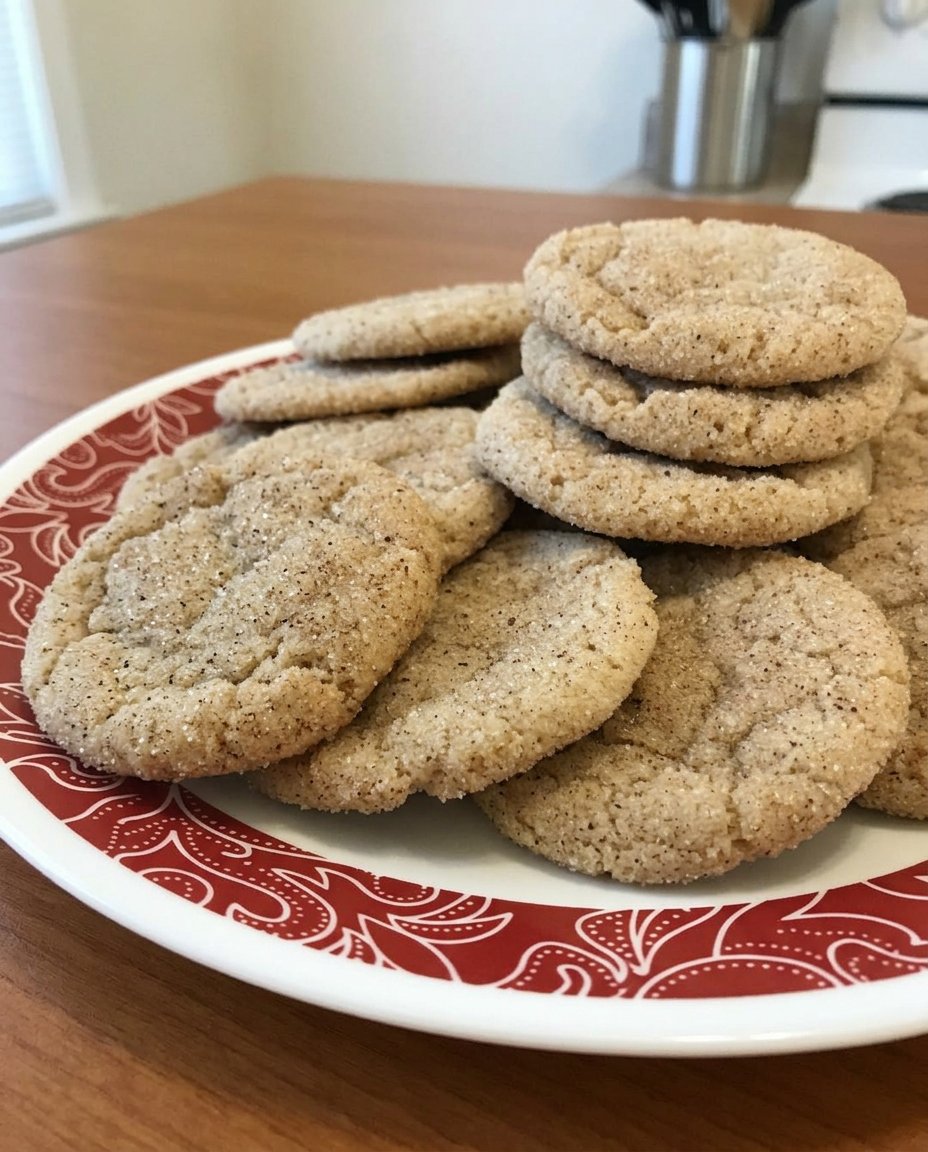
Serving these Chai Snickerdoodles at the correct temperature is essential for flavor release; at room temperature, the volatile aromatic compounds are most accessible to the olfactory system. I suggest pairing these with a hot beverage that shares similar flavor molecules, such as a London Fog or a high-quality Earl Grey tea. The bergamot in the tea creates a beautiful citrus harmony with the cardamom in the cookie. For those who enjoy visual presentation as much as flavor, our tips on Precision Cookie Decorating can help you create a stunning tea tray. The tannins in the tea will also help cleanse the palate between bites, allowing you to experience the full complexity of the spice blend repeatedly.
The Flavor Truth
Baking these Chai Snickerdoodles is an exercise in intentional flavor design. By understanding the chemistry of the ingredients and the physics of the baking process, you can create a cookie that is far more than the sum of its parts. Each spice is chosen to fulfill a specific role in the aromatic profile, resulting in a treat that is both nostalgic and scientifically sophisticated. For more insights into how spices interact with different dough types, you can see our Viral Cookie Analysis. If you enjoyed this specific take on the classic, check out more chai-inspired treats at Coley Cooks. Don’t forget to share your results with our community of flavor enthusiasts on Instagram, Pinterest, and Facebook. Happy baking, and keep questioning the science behind every bite!