My recent investigation into shelf-stable flavor chemistry led me to the fascinating world of dry-layering. When we assemble a mini cookies gift box, we are essentially creating a flavor capsule where the aromatic compounds remain dormant until hydration occurs. This process relies on the principle of moisture migration—or rather, the intentional lack of it—to keep the dry ingredients stable and potent until they meet the wet fats in the mixing bowl.

This specific formula balances sucrose and glucose from the molasses in the sugar with a precise starch-to-protein ratio. It makes certain that even a novice baker can achieve a professional-grade Maillard reaction in their own kitchen. By pre-measuring the dry components, we remove the variables of measurement error, focusing the recipient’s success on the final emulsion of butter and eggs.
The Science of Deconstructed Baking
There is a profound beauty in the physics of a layered cookie mix. By separating the light brown sugar from the flour, we prevent the sugar’s natural hygroscopy from clumping the starch before the baking process begins. This keeps the flour particles separate, which is vital for even hydration once the butter is added. We aren’t just giving a gift; we are providing a scientifically balanced foundation for a perfect cookie.
Furthermore, this method uses a high ratio of brown sugar to provide a higher concentration of glucose. During the bake, this glucose undergoes rapid caramelization, resulting in a deeper flavor profile and a chewy texture that simple white sugar cannot replicate. The addition of cornflour acts as a protein buffer, interfering with gluten development to produce a tender, melt-in-the-mouth crumb that stays fresh longer than standard recipes.
Print
Mini Cookies Gift Box
- Total Time: 22 mins
- Yield: 30 cookies
- Diet: Vegetarian
Description
Create a beautiful and scientifically balanced DIY cookie mix in a jar that makes the perfect edible gift. This recipe features perfectly layered ingredients that produce tender, professional-quality mini cookies with a rich caramel flavor and colorful chocolate inclusions.
Ingredients
- 175g Light Brown Soft Sugar
- 275g Plain Flour
- 1/2 tsp Baking Powder
- 1 tbsp Cornflour
- 1/2 tsp Sea Salt
- 150g Chocolate Chips
- 150g M&Ms
Instructions
- Press the light brown soft sugar into the bottom of a 750ml jar using a flat tool to compress it firmly.
- Whisk the plain flour, baking powder, cornflour, and sea salt together in a separate bowl, then gently spoon the mixture over the sugar layer.
- Add a layer of chocolate chips followed by a final layer of M&Ms to fill the jar.
- Seal with an airtight lid and attach a label instructing the recipient to cream 125g butter with 1 egg, mix in the jar contents, and bake at 180ºC for 11-13 minutes.
Notes
To ensure the best visual appeal, use a funnel when adding the flour layer to keep the sides of the jar clean. If gifting in a humid environment, consider adding a small food-grade silica packet to the very top to maintain the dryness of the ingredients until they are ready to be baked.
- Prep Time: 10 mins
- Cook Time: 12 mins
- Category: Dessert
- Method: Baking
- Cuisine: American
Analyzing the Flavor Components
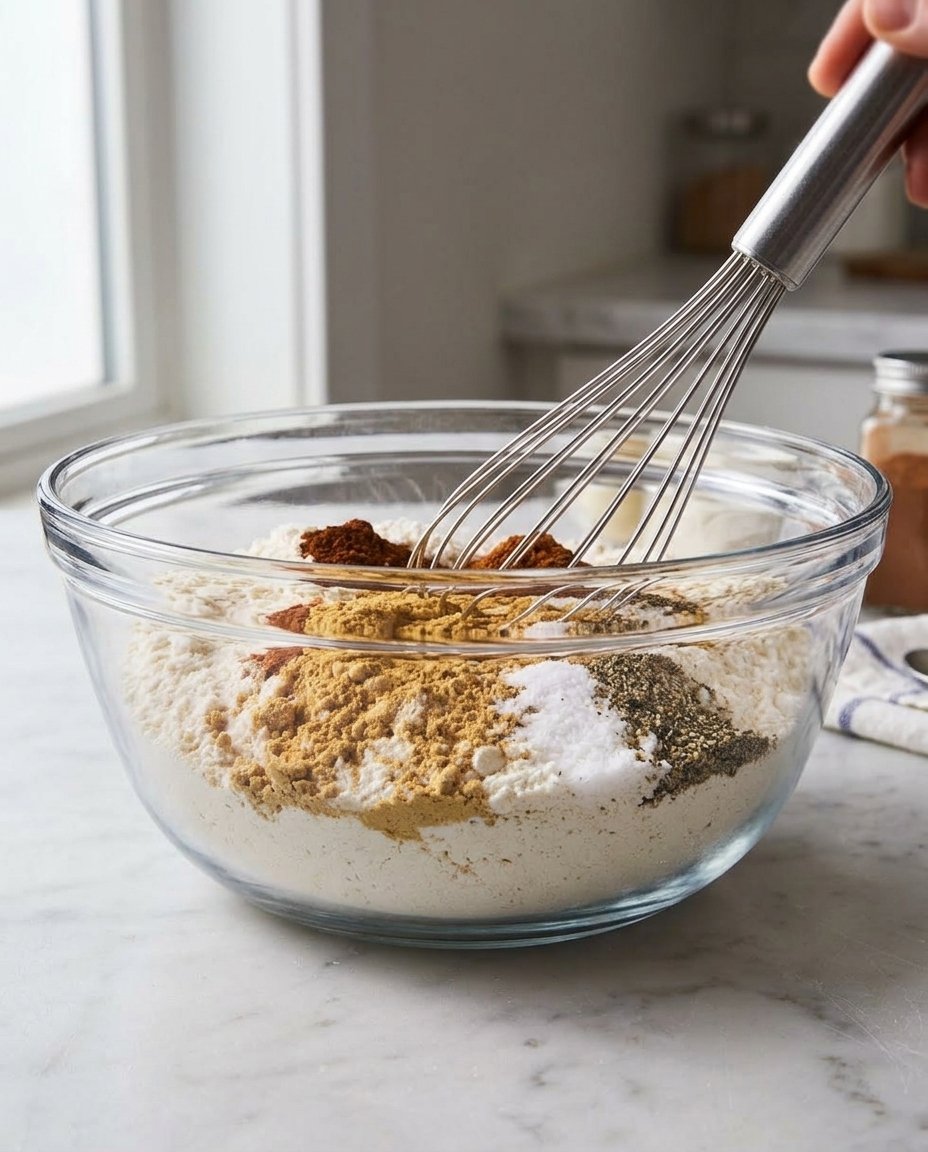
Building a flavor profile begins with understanding each molecular contributor in the jar. Each layer serves a functional purpose beyond aesthetics.
- Light Brown Soft Sugar (175g): This is our primary source of vanillin-like compounds and moisture. The molasses content provides acidity, which reacts with the leavening agents to produce carbon dioxide.
- Plain Flour (275g): We use a flour with a protein content of roughly 10-12%. This provides enough structure to hold the chocolate chips without becoming tough.
- Baking Powder (1/2 tsp): Our chemical leavener. It creates the lift and aeration necessary for a light texture.
- Cornflour (1 tbsp): A starch interloper that weakens the gluten network. This is the secret to a professional “short” texture in mini cookies.
- Sea Salt (1/2 tsp): Sodium ions are vital for taste balance. They suppress bitterness and amplify our perception of the chocolate’s sweetness.
- Chocolate Chips & M&Ms (150g each): These provide textural contrast and fatty mouthfeel, which carries the aromatic compounds across the palate.
The Layering Protocol
Step 1: The Sugar Foundation
Begin by pressing the light brown soft sugar into the bottom of your 750ml jar. Use a flat-bottomed tool to compress it firmly. This creates a solid base and prevents the finer flour particles from sifting down through the sugar granules, maintaining the clean visual lines of your gift.
Step 2: The Starch Barrier
In a separate bowl, whisk together the plain flour, baking powder, cornflour, and sea salt. This pre-distribution of the chemical leaveners and salt is critical for an even rise. Slowly spoon this mixture over the sugar layer, leveling it gently without mixing the two layers.
Step 3: The Inclusion Matrix
Add the chocolate chips as the next layer. Their irregular shapes provide a textural buffer before the final layer. Finally, pour in the M&Ms. The bright colors of the candy shells provide a visual pop, while the different sizes of the inclusions fill the remaining headspace in the jar to prevent shifting during transport.
Step 4: Sealing and Labeling
Seal the jar with an airtight lid to prevent atmospheric moisture from entering. Attach a label with the final instructions: ‘Beat 125g room temperature butter and 1 egg together, then stir in the jar contents. Bake at 180ºC fan for 11-13 minutes.’
Jasmine’s Laboratory Notes
When preparing this jar, consider the temperature of your ingredients. If the sugar is too warm, it may release moisture into the flour layer. For an even deeper flavor, you can briefly toast the flour in a pan until it smells slightly nutty; this creates pyrazines that improve the overall aroma of the finished cookie.
Always mention to the recipient that using room temperature butter is essential for creating a stable emulsion. For more insights on how these ratios affect the final bake, examine our Viral Cookie Analysis where we break down ingredient interactions in popular recipes. Make certain the jar is completely dry before you begin, as even a microscopic amount of water can trigger the baking powder early.
Molecular Substitution Strategies
If you wish to adjust the flavor profile, you can replace 50g of the plain flour with 35g of high-quality cocoa powder. Cocoa contains various polyphenols that add a sophisticated bitterness to the profile. Another interesting scientific swap is replacing the M&Ms with chopped toasted pecans. Pecans contain oils that share terpene compounds with chocolate, creating a natural flavor synergy.
For those interested in how seasonal variations affect baking chemistry, our guide on Holiday Cookie Science offers several technical adjustments for different environments. You might also consider adding a teaspoon of espresso powder to the flour layer; the caffeine and bitter compounds boost the perception of chocolate without adding a distinct coffee taste.
Optimal Consumption Conditions
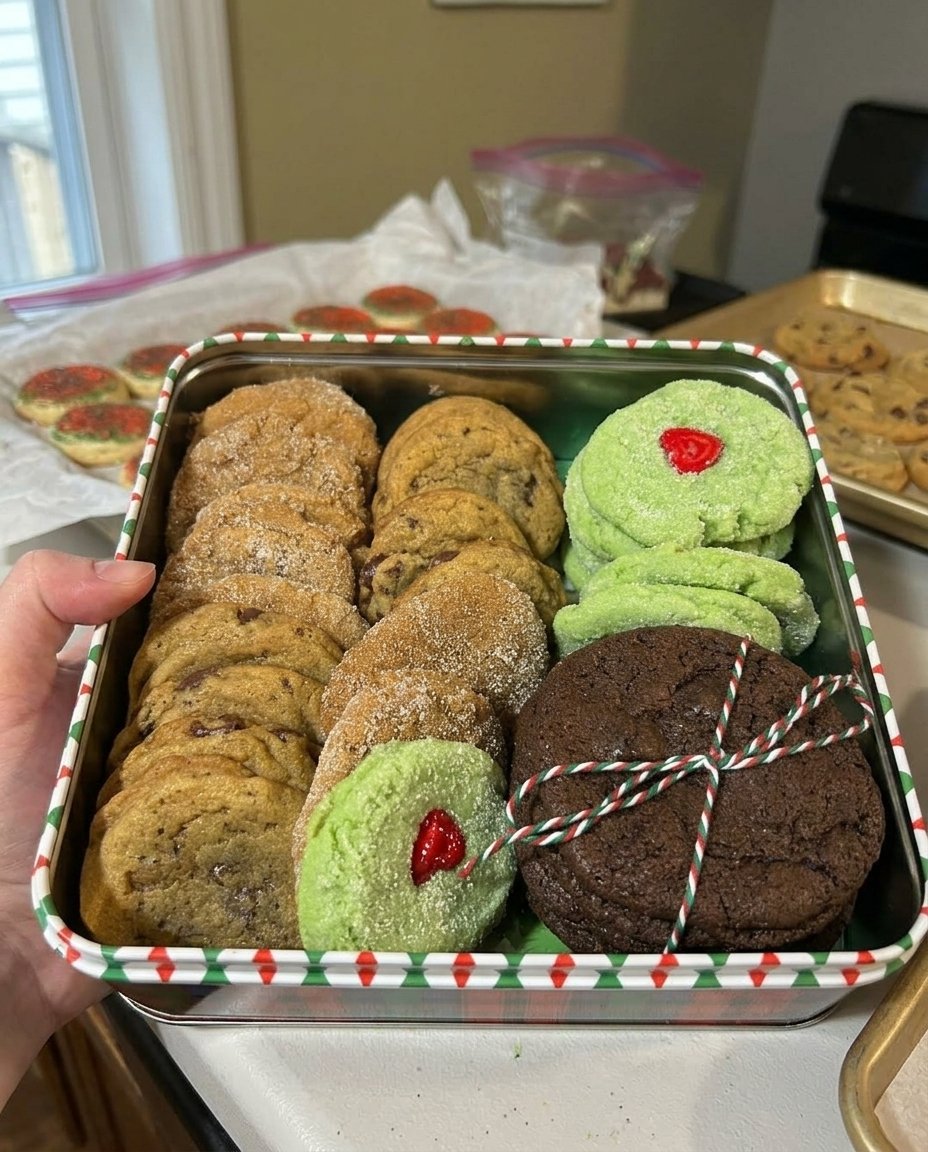
These cookies are best served slightly warm, about ten minutes after they come out of the oven. At this temperature, the fats in the chocolate are still in a semi-liquid state, allowing them to coat the palate more effectively. Pair these treats with a dark roast coffee; the roasted bean compounds share similar molecular structures with the caramelized sugar in the cookies, creating a harmonious taste experience.
If you want to focus on the aesthetic presentation, refer to our techniques for Precision Cookie Decorating to make your gift look as professional as it tastes. Serving these with a cold glass of whole milk also provides a casein-wash that cleanses the palate between bites, allowing each cookie’s complex flavor to be fully appreciated.
The Final Flavor Synthesis
Gifting a mini cookies gift box is more than just a kind gesture; it is an invitation to witness the science of baking. By providing the perfect ratios of starch, sugar, and inclusions, you allow your friends and family to create professional-quality treats with ease. For more fundamental formulas to add to your repertoire, visit our Foundation Cookie Recipes collection. You can also find more inspiration in this guide on cookies in a jar. Happy baking and keep exploring the chemistry of taste!
Follow us for more flavor science on Pinterest and Instagram.