During our recent test kitchen trials for Lavender Shortbread Cookies 3, we encountered a fascinating structural challenge regarding dough stability. We baked 15 batches to pinpoint the exact ratio of granulated to powdered sugar that yields a perfectly crisp snap without spreading across the pan. The breakthrough came when we realized that controlling the ambient temperature and the hydration level of the butter directly controls the final baked texture.

This baseline formula relies on a precise 196g of unsalted butter to 250g of all-purpose flour. The dual-sugar approach provides both structural integrity and a delicate, melt-in-your-mouth crumb. By carefully grinding the culinary lavender and employing a strict chilling protocol, we lock in the volatile floral compounds for maximum flavor perception.
Texture Control and Structural Chemistry
The success of this recipe lies in its reliable, scientific approach to dough structure. We rely on a precise combination of powdered and granulated sugars to control the spread and snap of the final baked good. Powdered sugar contains a calculated percentage of cornstarch, which binds free moisture from the butter and significantly limits gluten development.
This chemical mechanism guarantees a tender bite, while the granulated sugar aerates the butter during the creaming phase to create necessary mechanical lift. Furthermore, the low 300°F baking temperature allows the cookies to dehydrate gently without browning too quickly. This slow thermal management guarantees a flawless, even bake from edge to center, preserving the delicate botanical compounds.
Print
Lavender Shortbread Cookies
- Total Time: 2 hours 30 mins
- Yield: 28 cookies
- Diet: Vegetarian
Description
Master the art of scientific baking with these precise lavender shortbread cookies, featuring a delicate crumb and sophisticated floral notes. This recipe utilizes a dual-sugar method and strict temperature control to ensure a perfect snap and minimal spread.
Ingredients
- 196g unsalted butter, room temperature
- 50g granulated sugar
- 30g powdered sugar
- ½ tsp culinary dried lavender
- 250g all-purpose flour
- ¼ tsp vanilla extract
- ¼ tsp salt
- White chocolate for dipping (optional)
Instructions
- Cream the room-temperature butter with granulated and powdered sugars in a large bowl until the mixture is pale and aerated.
- Finely grind the dried lavender using a mortar and pestle to release its essential oils, then fold the powder into the creamed butter.
- Incorporate the vanilla, weighed flour, and salt on low speed until just combined into a soft dough.
- Shape the dough into a 7x2x1.5-inch rectangular block, wrap tightly in plastic, and refrigerate for 1.5 to 2 hours until solid.
- Preheat the oven to 300°F (150°C) and slice the chilled dough log into precise ¼-inch thick pieces.
- Place slices on a parchment-lined baking sheet, dock the centers with a fork, and bake for 12–17 minutes until the edges are just barely set.
Notes
To ensure the most accurate results, always measure your ingredients by weight using a digital scale rather than volumetric cups. Store these cookies in an airtight container at room temperature for up to five days to maintain their ideal snap and aromatic profile.
- Prep Time: 15 mins
- Cook Time: 15 mins
- Category: Cookies
- Method: Baking
- Cuisine: Modern American
The Formula: Precision Ingredients
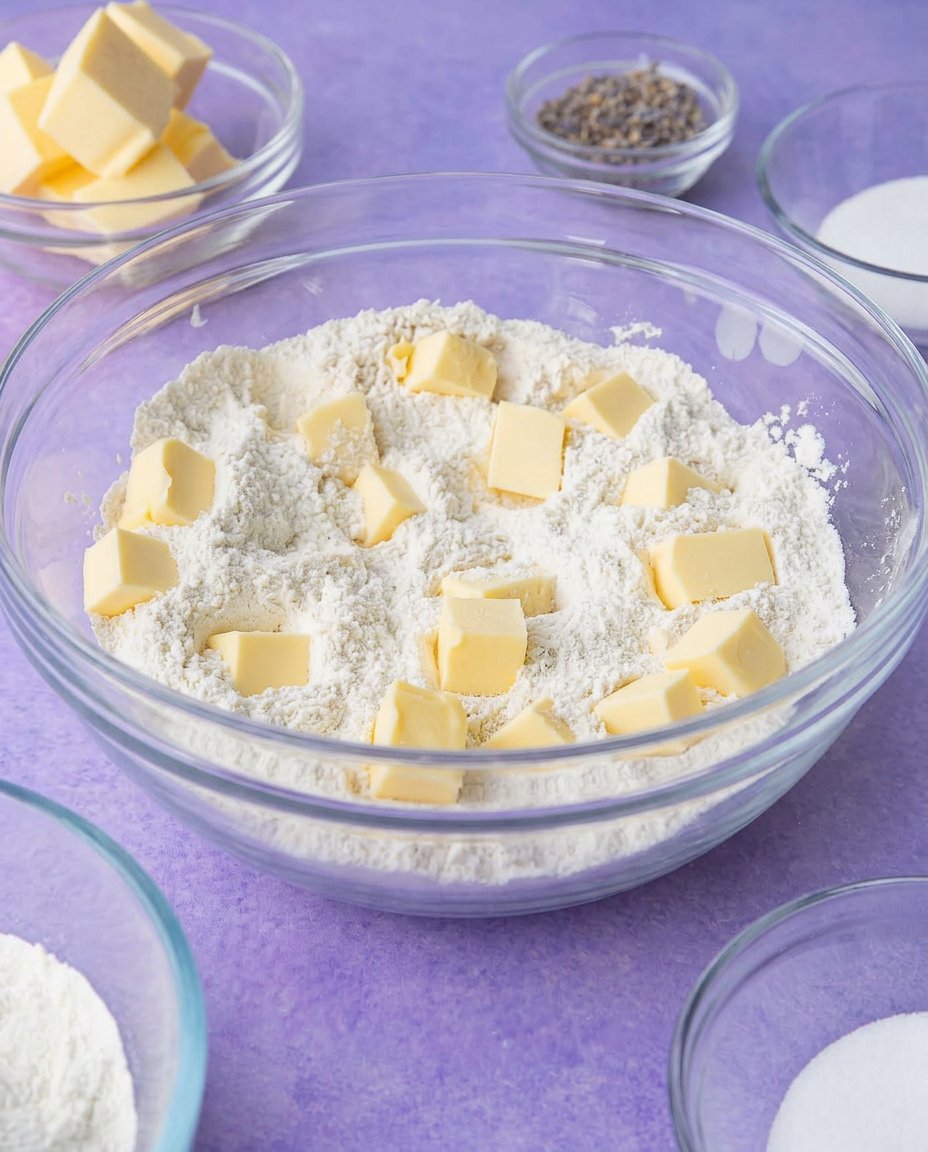
Achieving the optimal texture requires exact measurements, as baking is fundamentally applied chemistry. We highly recommend using a digital scale to weigh your ingredients, as volumetric cups introduce unacceptable margins of error.
- Unsalted Butter (196g): The fat content provides tenderness and structure. Room temperature butter (around 68°F) emulsions best with sugars, trapping air cells that expand in the oven.
- Granulated Sugar (50g) & Powdered Sugar (30g): The specific ratio dictates the spread and snap. The cornstarch in the powdered sugar acts as a stabilizing agent against excess moisture.
- Culinary Dried Lavender (½ tsp): Ground precisely to release maximum volatile essential oils without adding a gritty, unpleasant texture to the crumb.
- All-Purpose Flour (250g): Provides the structural backbone. Exactly 250g guarantees the fat-to-flour ratio remains balanced, preventing the dough from melting rapidly.
- Vanilla Extract (¼ tsp) & Salt (¼ tsp): Flavor additions that provide background notes to balance the sharp floral compounds.
- White Chocolate (Optional): For dipping, adding a layer of crystallized fat and sugar that complements the aromatic profile of the shortbread.
The Lab Process: Methodical Baking
Step 1: Cream the Fat and Sugars
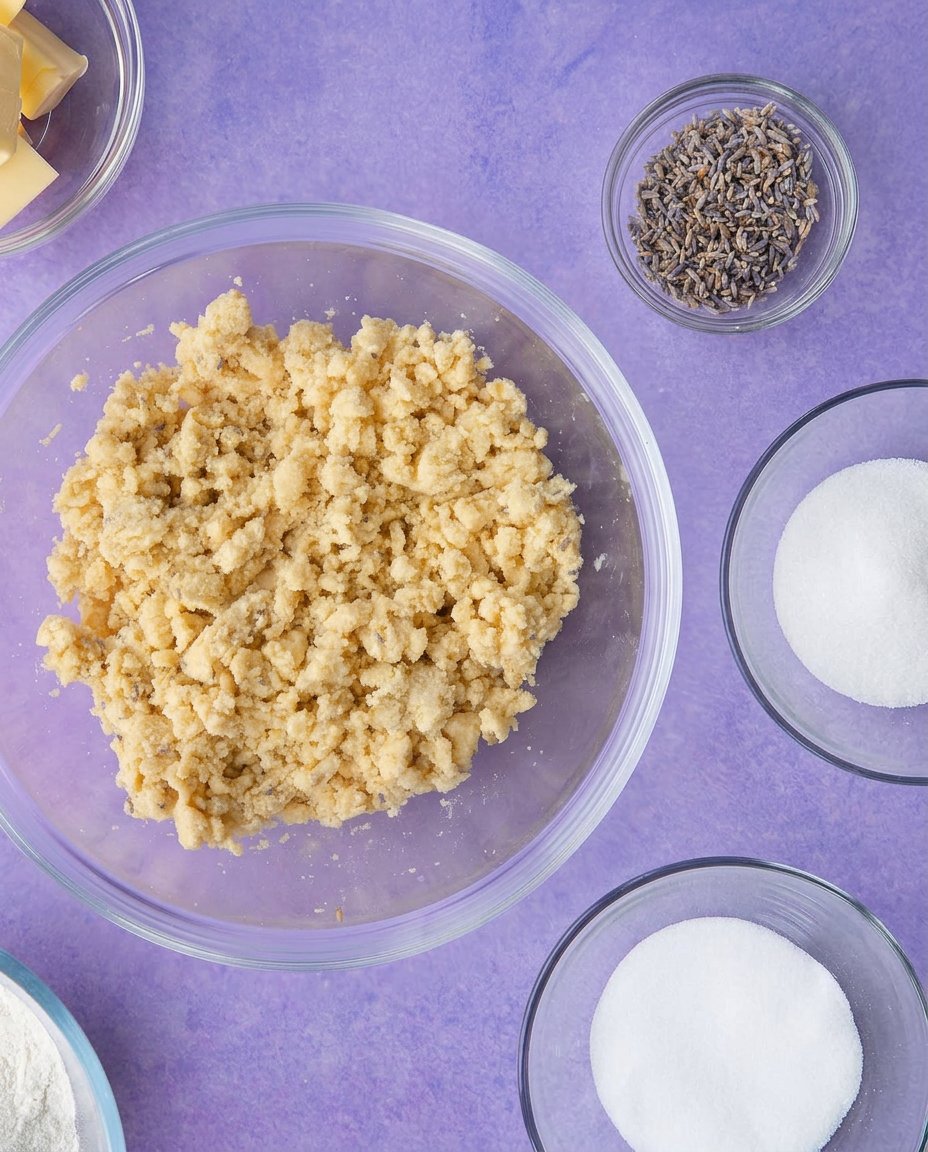
In a large mixing bowl, combine the 196g of room-temperature butter, 50g granulated sugar, and 30g powdered sugar. Mix until the emulsion holds air and turns pale yellow, creating a stable aerated base for the dough matrix.
Step 2: Extract the Volatile Oils
Using a mortar and pestle, process the ½ teaspoon of dried lavender until it resembles a fine powder. This physical manipulation ruptures the plant cells, releasing powerful essential oils into the mixture. Fold this aromatic powder into the creamed butter.
Step 3: Hydrate the Dry Ingredients
Add the ¼ teaspoon vanilla, 250g precision-weighed flour, and ¼ teaspoon salt. Mix gently on low speed until just combined. The dough should feel tactilely like soft Play-Doh; aggressive mixing will develop excess gluten networks and cause tough, dense cookies.
Step 4: Shape and Solidify the Lipids
Transfer the soft dough to a sheet of plastic wrap and press it into a 7x2x1.5-inch rectangular block. Wrap tightly and refrigerate for 1.5 to 2 hours. This chilling phase solidifies the butterfat, which is structurally critical for maintaining a sharp rectangular shape in the heat of the oven.
Step 5: Precision Slicing
Preheat your oven to 300°F (150°C). Once the dough log is thoroughly chilled to an internal temperature of approximately 40°F, cut it into precise ¼-inch slices. Place them on a parchment-lined baking sheet, leaving adequate space for ambient heat circulation.
Step 6: Docking and Thermal Processing
Gently dock the center of each cookie 3-4 times with a fork to allow structural steam to escape during baking. Bake for 12-17 minutes until the edges are just barely tan, indicating the starches have set. Cool completely to allow the crumb to stabilize before optionally dipping in tempered white chocolate.
Lauren’s Lab Notes and Testing Data
To guarantee structural success, always monitor your ambient kitchen temperature and butter state. Butter that is too warm will cause the emulsion to break prematurely, leading to greasy cookies that spread rapidly across the pan. For those interested in mastering these foundational techniques, our guide to Foundation Cookie Recipes provides excellent baseline data on fat behavior.
Additionally, if you want to understand how different botanical additions affect dough hydration, read this thorough lavender shortbread analysis for further scientific insight. Remember to weigh your flour meticulously; even a 10g deviation will noticeably alter the hydration ratio, resulting in a crumbly rather than cohesive dough matrix.
Scientific Options and Ratio Tweaks
Once you master the basic shortbread ratio, you can customize the formula infinitely. For a crispier texture profile, replace 10g of the powdered sugar with granulated sugar to encourage more spread and a pronounced snap. If you prefer a richer flavor profile, browning the butter first will introduce complex Maillard reaction compounds to the matrix.
Keep in mind that browning butter evaporates approximately 15% of its water content, so you must replace that lost moisture (usually with an exact weight of water or milk) to maintain the structural integrity. You can find more data on modifying hydration parameters in our Efficient Cookie Methods database. Replacing the lavender with finely ground Earl Grey tea leaves is another scientifically sound substitution that behaves identically in the dough.
Texture Science and Optimal Serving
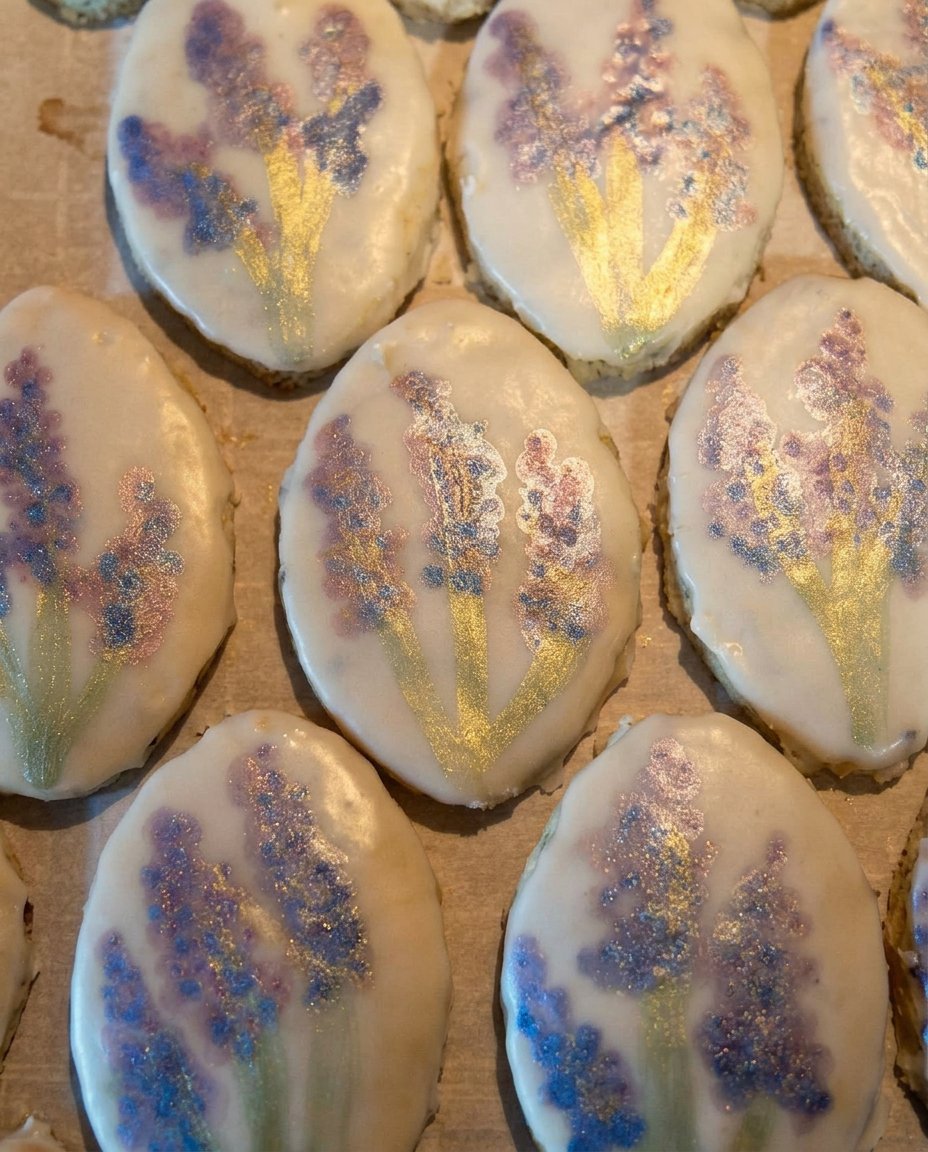
For maximum flavor perception, allow the baked shortbread to rest at room temperature for at least 2 hours post-baking. As the cookies cool down, the liquid butterfat recrystallizes, locking in the volatile lavender oils and setting the final texture. Serving them alongside a warm beverage helps melt those fats rapidly on the palate, releasing the aromatic compounds more intensely.
If you have chosen to dip them in white chocolate, verify the cocoa butter has properly crystallized before stacking or storing them in an airtight container. Review our Precision Cookie Decorating parameters for more details on achieving a perfect, snappy chocolate temper without structural blooming.
The Scientific Truth on Precision Baking
Mastering shortbread is fundamentally an exercise in fat and sugar mechanics. By carefully controlling your butter temperature and adhering strictly to the 196g fat to 250g flour ratio, you eliminate the variables that cause spreading and structural failure. We encourage you to keep testing, tweaking the botanical inclusions, and recording your own kitchen data.
For more deep dives into the chemistry of baking and advanced flavor extraction techniques, review our Holiday Cookie Science articles. Share your precise results and textural triumphs with our community on Instagram and Pinterest, or document your daily lab notes with us on TikTok.