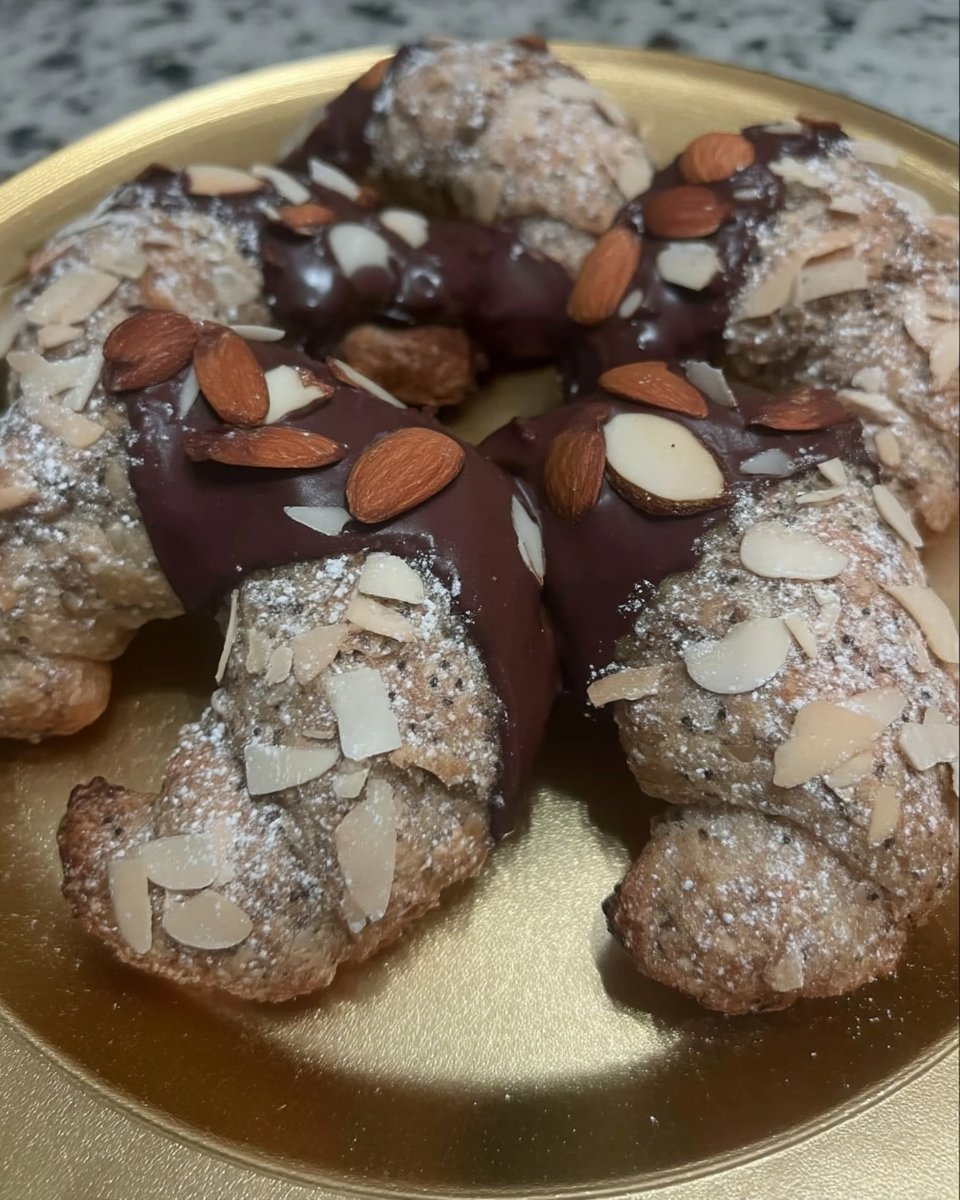
My study of citrus volatile oils reveals that the most potent aromatic compounds are stored in the tiny oil glands of the zest, rather than the juice itself. By focusing on these terpene-rich oils, we can achieve a punchy, vibrant profile that standard recipes often miss. These Cake Mix Lemon Cookies represent a perfect intersection of convenience and flavor science, using a pre-stabilized starch base to carry intense aromatic compounds.

The efficiency of this method allows us to focus on the chemistry of the crinkle, where sucrose crystals interact with the heat to create beautiful surface tension breaks. These cookies are not just a quick treat but a demonstration of how lipids and acids work together to produce a pillowy crumb with a bright, refreshing finish.
The Flavor Science of Citrus Balance
When we look at the profile of a lemon, we are dealing with two primary components: citric acid and limonene. The acidity provides a sharp bite that triggers our salivary glands, while the limonene provides the floral, bright aroma that our brains associate with freshness. In these Cake Mix Lemon Cookies, the pre-mixed base provides a stable sugar-to-flour ratio that acts as a canvas for these additions.
The vegetable oil used here is a pure lipid, which lacks the water content found in butter. This means the starch in the cake mix does not develop as much gluten, resulting in a cookie that is remarkably soft and tender. By adding fresh zest and juice, we are introducing a complex layering of tastes. The sugar in the mix works to suppress the perceived harshness of the acid, while the salt in the mix makes the citrus notes appear more vivid to our taste buds.
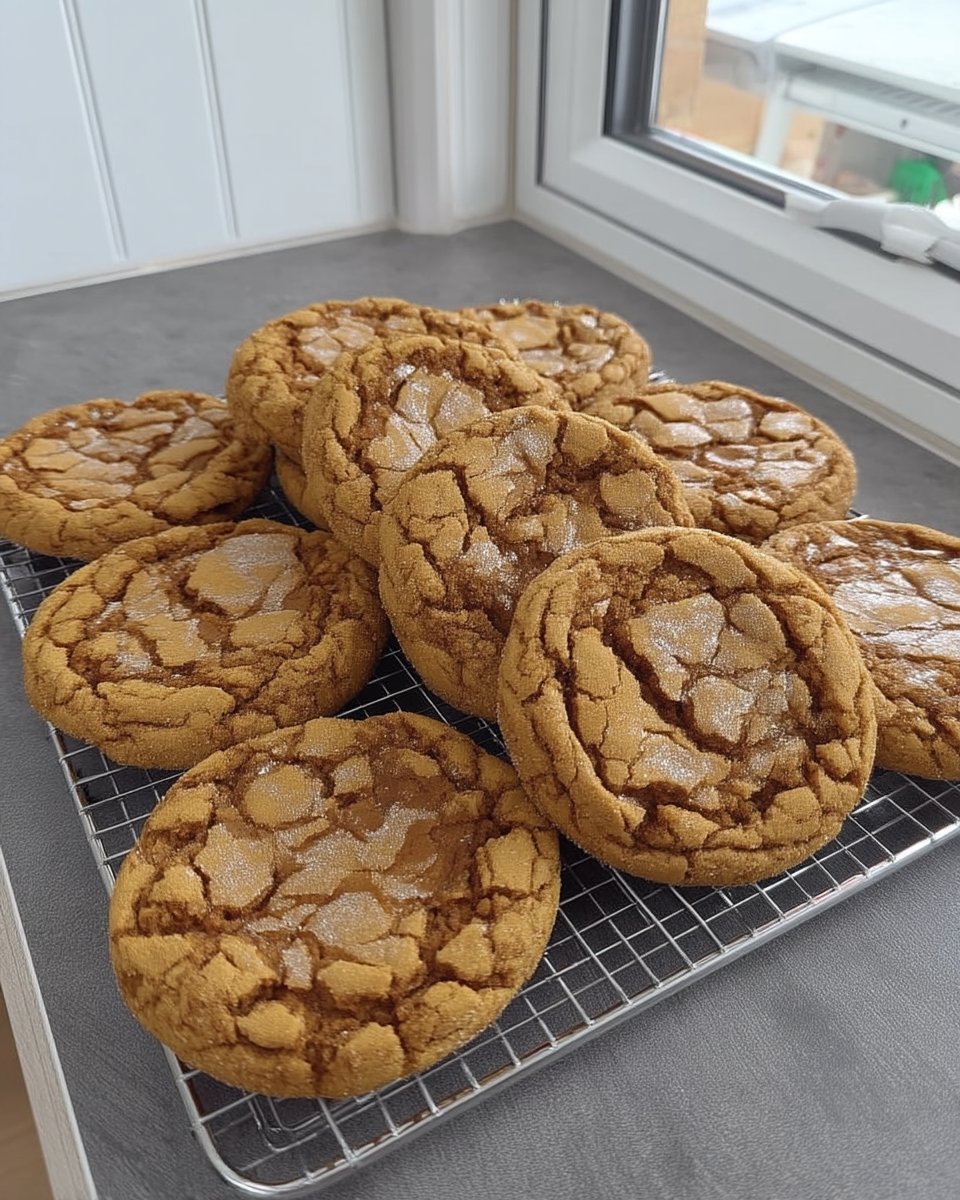
Furthermore, the powdered sugar coating serves a scientific purpose beyond aesthetics. As the cookie expands in the heat of the oven, the sugar layer dries out and cracks, creating the classic crinkle appearance. This textural contrast between the slightly crisp exterior and the soft, moist interior is a hallmark of successful flavor pairing and textural engineering.
Print
Cake Mix Lemon Cookies
- Total Time: 40 mins
- Yield: 24 cookies
- Diet: Vegetarian
Description
These vibrant lemon crinkle cookies combine the convenience of a cake mix with the bright, aromatic punch of fresh zest and juice. The result is a pillowy, soft-textured treat with a beautiful sugar-dusted exterior that cracks perfectly in the oven.
Ingredients
- 1 (15.25 oz) box lemon cake mix
- 1/2 cup vegetable oil
- 2 large eggs
- 1 tablespoon fresh lemon zest
- 1 tablespoon fresh lemon juice
- 1/4 cup powdered sugar
Instructions
- Preheat your oven to 350°F (175°C) and line a heavy-duty baking sheet with parchment paper.
- In a large glass bowl, combine the lemon cake mix, vegetable oil, and eggs, stirring until a thick, tacky dough forms.
- Add the fresh lemon zest and lemon juice to the mixture and stir gently until fully incorporated.
- Place the dough in the refrigerator for 15 to 20 minutes to hydrate the starches and make the dough easier to handle.
- Scoop 1.5 tablespoons of dough, roll into a ball, and roll heavily in powdered sugar until fully coated.
- Place the balls 2 inches apart on the baking sheet and bake for 9 to 11 minutes until the cookies are set and crinkled.
- Allow the cookies to rest on the baking sheet for 2 to 3 minutes before transferring them to a wire cooling rack.
Notes
For the most dramatic crinkle effect, ensure the dough is thoroughly chilled before rolling it in the powdered sugar, as this prevents the sugar from dissolving into the dough before it hits the oven heat. Using a heavy-duty baking sheet is recommended to provide a thermal buffer that prevents the bottoms of these delicate cookies from over-browning.
- Prep Time: 10 mins
- Cook Time: 10 mins
- Category: Dessert
- Method: Baking
- Cuisine: American
Taste Building Blocks and Aroma Compounds
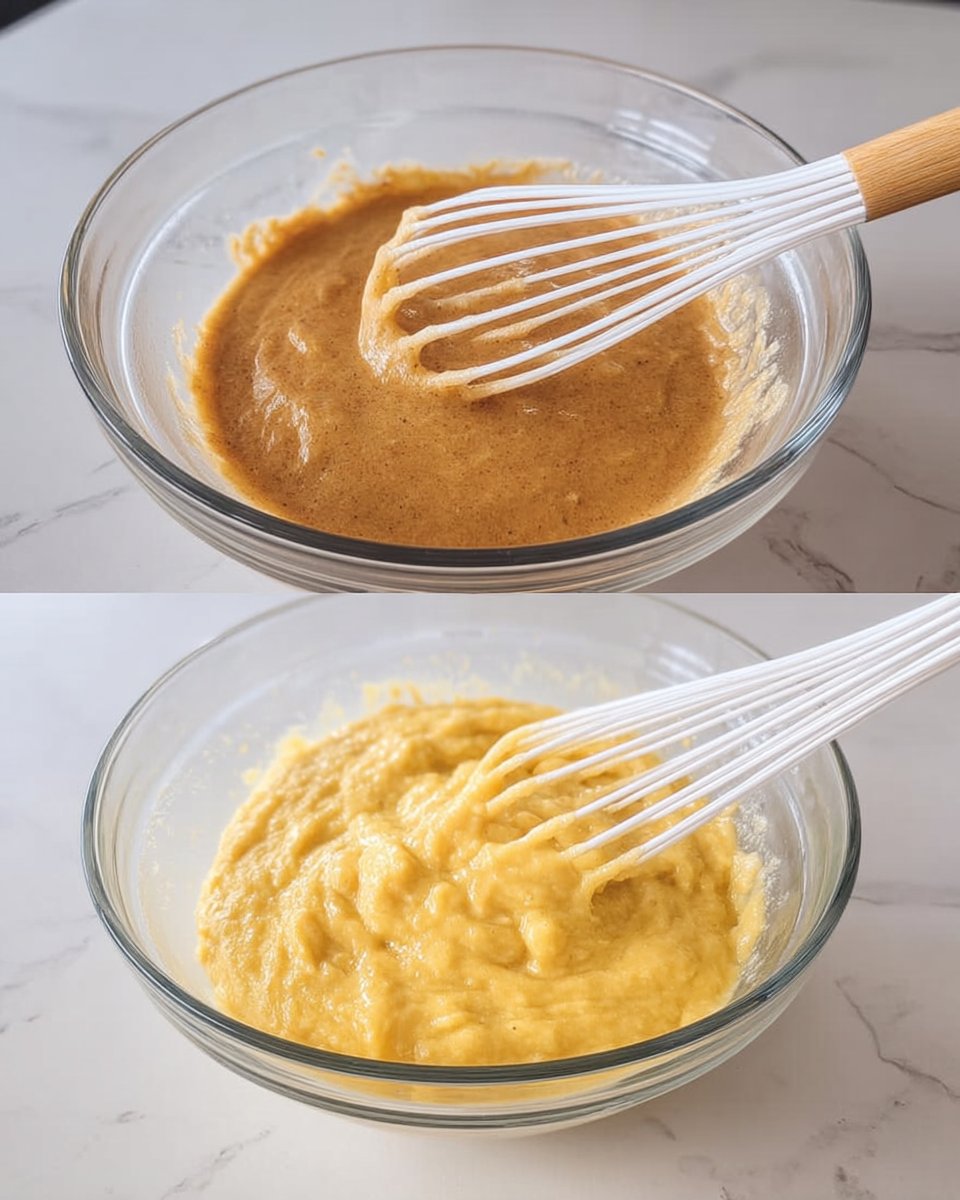
To achieve the perfect balance in these Cake Mix Lemon Cookies, we must look at the function of each specific component through a scientific lens.
- Lemon Cake Mix (15.25 oz): This serves as our primary structural base, containing flour, leavening agents, and a baseline of lemon flavoring. The starch here is finely milled, which contributes to the uniform, pillowy crumb.
- Vegetable Oil (1/2 cup): As a liquid fat, oil coats the flour proteins more effectively than solid butter. This prevents tough gluten networks from forming, making the final result incredibly soft. I suggest measuring just under the line to keep the fat-to-sugar ratio in check.
- Large Eggs (2): These are our primary emulsifiers. The lecithin in the yolks helps the oil and the water-based lemon juice bind together into a stable dough.
- Fresh Lemon (1): This is the most critical flavor component. We use both the zest for its aromatic oils (citral and limonene) and the juice for its citric acid to brighten the entire profile.
- Powdered Sugar (1/4 cup): Also known as confectioners’ sugar, this creates the protective sucrose barrier that leads to the distinctive crinkle texture during the thermal expansion in the oven.
By combining these ingredients, we are creating a high-hydration dough that relies on the starch in the cake mix to absorb moisture, leading to a stable and delicious result.
The Flavor Method and Layering Process
Step 1: Thermal Preparation
Begin by preheating your oven to 350°F (175°C). This specific temperature is high enough to trigger the expansion of leavening gases before the cookie structure sets, but low enough to prevent excessive browning. Line a heavy-duty baking sheet with parchment paper to provide a non-stick surface that also acts as a thermal buffer, preventing the bottoms from scorching.
Step 2: Molecular Integration
In a large glass bowl, combine the lemon cake mix, vegetable oil, and eggs. Use a sturdy spatula to fold the ingredients together. At this stage, the oil is beginning to coat the flour particles, and the egg proteins are starting to create a mesh that will hold the cookie together. You will notice the dough is quite thick and slightly tacky.
Step 3: Aromatic Infusion
Zest the entire lemon directly over the bowl to catch every drop of the volatile oils that spray out during the process. Add exactly one tablespoon of this zest and one tablespoon of the freshly squeezed juice. Stir these in gently. The acidity from the juice will immediately begin reacting with the chemical leaveners in the mix, creating tiny bubbles of carbon dioxide.
Step 4: Starch Hydration
If your environment is warm, place the dough in the refrigerator for 15 to 20 minutes. This rest period allows the starches in the flour to fully hydrate and the fats to slightly firm up. This makes the dough much easier to handle and prevents the cookies from spreading too thin during the baking process.
Step 5: Sucrose Encapsulation
Using a medium cookie scoop (about 1.5 tablespoons), portion out the dough. Roll each portion between your palms to form a smooth sphere, then immediately drop it into a bowl of powdered sugar. Roll it around until it is heavily coated. This layer of sugar is essential for creating the surface tension that results in the crinkle effect.
Step 6: The Thermal Reaction
Place the balls on the prepared baking sheet, leaving at least two inches of space between them. Bake for 9 to 11 minutes. Watch closely; you want the cookies to look set and the cracks to be well-defined, but they should not show any signs of browning. Over-baking will destroy the delicate volatile oils we worked so hard to preserve.
Step 7: Structure Stabilization
Allow the cookies to remain on the hot baking sheet for 2 to 3 minutes. During this time, the carryover heat will finish setting the center of the cookie without drying out the edges. Transfer them to a wire cooling rack to allow air circulation, which prevents the bottoms from becoming soggy as the steam escapes.
Jasmine’s Flavor Notes and Science Secrets
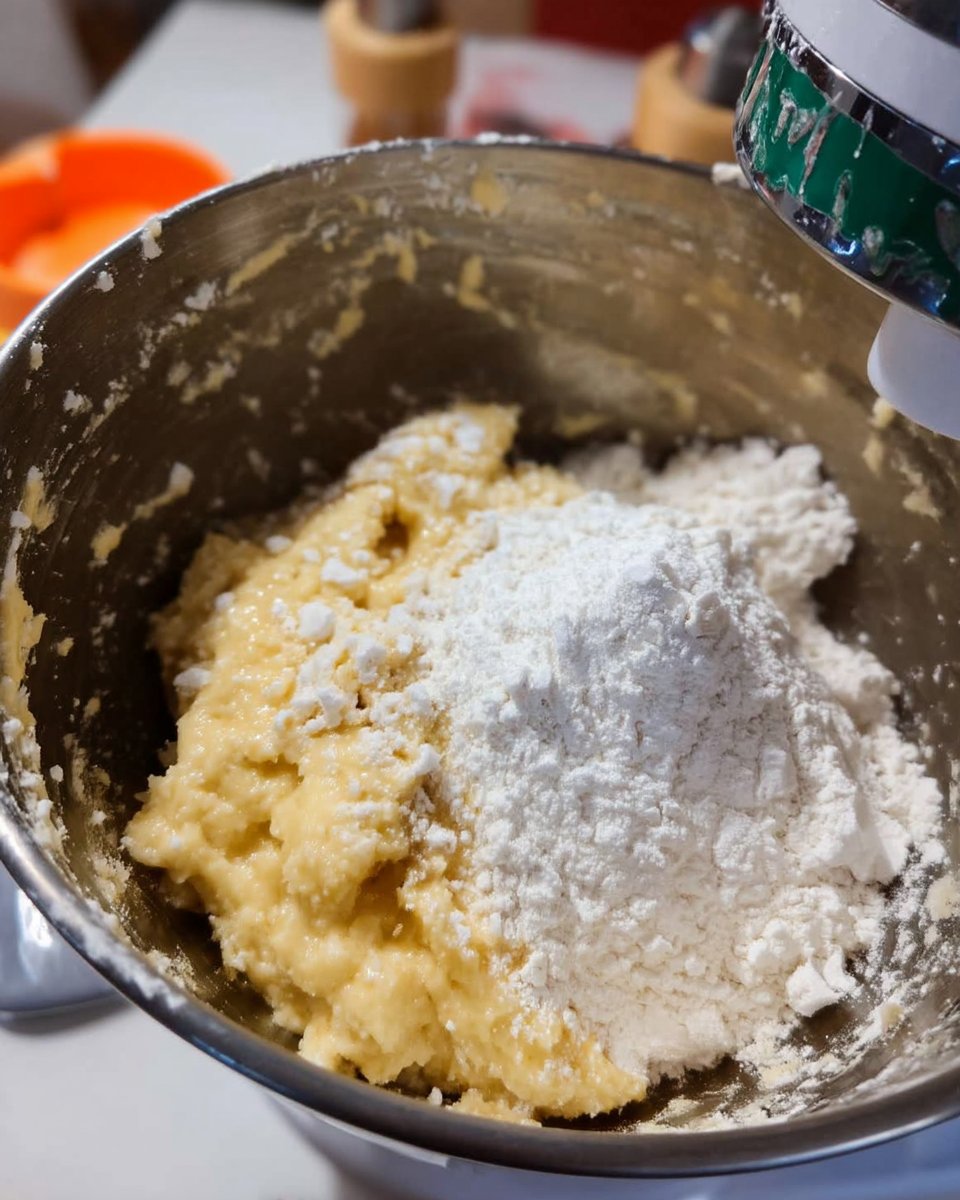
To make your Cake Mix Lemon Cookies truly stand out, pay attention to the placement of your salt. Even though the cake mix contains some sodium, adding a tiny pinch of fine sea salt to the powdered sugar coating can heighten the perception of the lemon flavor by suppressing any metallic notes from the leavening agents. This is a basic principle of taste chemistry where salt modifies our perception of other flavors.
Always use fresh lemons rather than bottled juice. Bottled juice is often pasteurized, which breaks down the complex flavor molecules and leaves you with a flat, one-dimensional acidity. If you want to understand more about the role of moisture in these types of recipes, check out our guide on Efficient Cookie Methods to see how different liquids affect the final crumb. Also, make sure your eggs are at room temperature; this allows the lecithin to emulsify the oil more efficiently, creating a smoother dough.
Scientific Flavor Swaps and Pairing Options
If you want to experiment with flavor pairing theory, try adding a half-teaspoon of dried culinary lavender to the dough. Lavender contains linalool, a terpene that is also found in citrus fruits, making them natural aromatic partners. This creates a sophisticated, floral version of the classic cookie. For those who enjoy a bit of warmth, adding finely minced crystallized ginger can provide a sharp, spicy contrast to the cool acidity of the lemon.
You can also swap the vegetable oil for melted coconut oil if you prefer a slight tropical note, though this will slightly change the melting point of the fats in the dough. For more ideas on how to adjust base recipes like this, look into our Foundation Cookie Recipes for inspiration on structural substitutions. Another excellent variation is to use a lime cake mix and lime zest for a different citrus profile, as the chemical structure of lime oil offers a more bitter-floral complexity compared to lemon.
Precision Pairings for the Palate
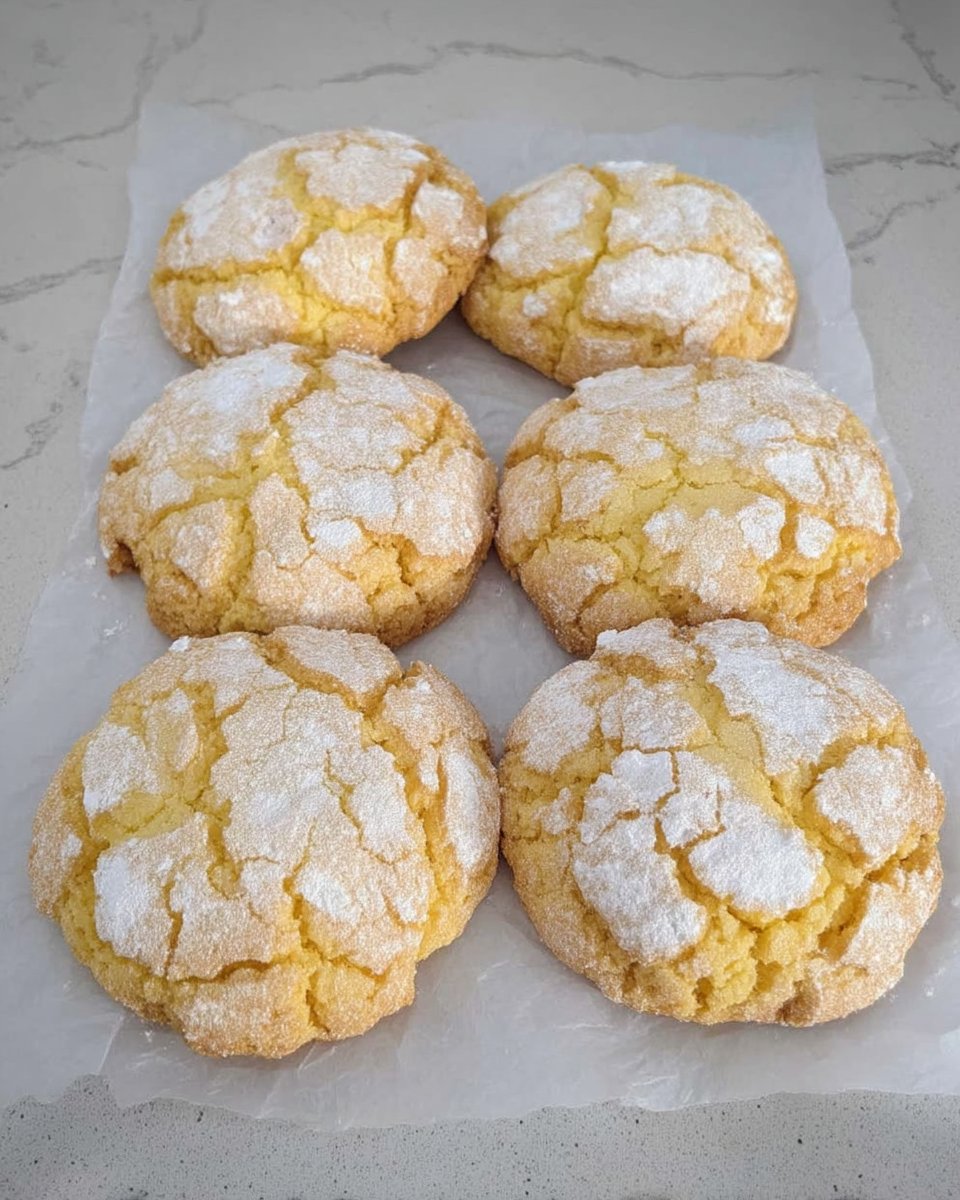
These cookies pair exceptionally well with a hot cup of Earl Grey tea. The bergamot in the tea is a citrus fruit itself, and its essential oils share many of the same aromatic compounds as the lemon in the cookies. This creates a synergistic effect that amplifies the brightness of both. If you prefer a cold pairing, a glass of sparkling water with a sprig of mint can cleanse the palate between bites, allowing you to experience the full complexity of the lemon with every taste.
For a more decadent presentation, serve these alongside a dollop of mascarpone cheese lightly sweetened with honey. The high fat content of the cheese provides a luxurious mouthfeel that balances the sharp acidity of the lemon. To learn more about how seasonal flavors interact, you might find our research on Holiday Cookie Science quite fascinating, as it covers the ways we perceive spice and citrus in different temperatures.
The Flavor Truth
Understanding the science behind Cake Mix Lemon Cookies transforms a simple baking project into a fascinating experiment in flavor chemistry. By respecting the volatile oils in the zest and managing the lipid-to-starch ratios, we create a treat that is far more than the sum of its parts. I hope this recipe encourages you to think about the molecular interactions happening in your oven every time you bake. For a deeper look at why certain cookie recipes go viral based on their texture, visit our Viral Cookie Analysis.
If you enjoyed this scientific approach to baking, please share your results with our community! You can find us on Pinterest, Instagram, and Facebook. Happy baking, and keep questioning the chemistry of your kitchen!