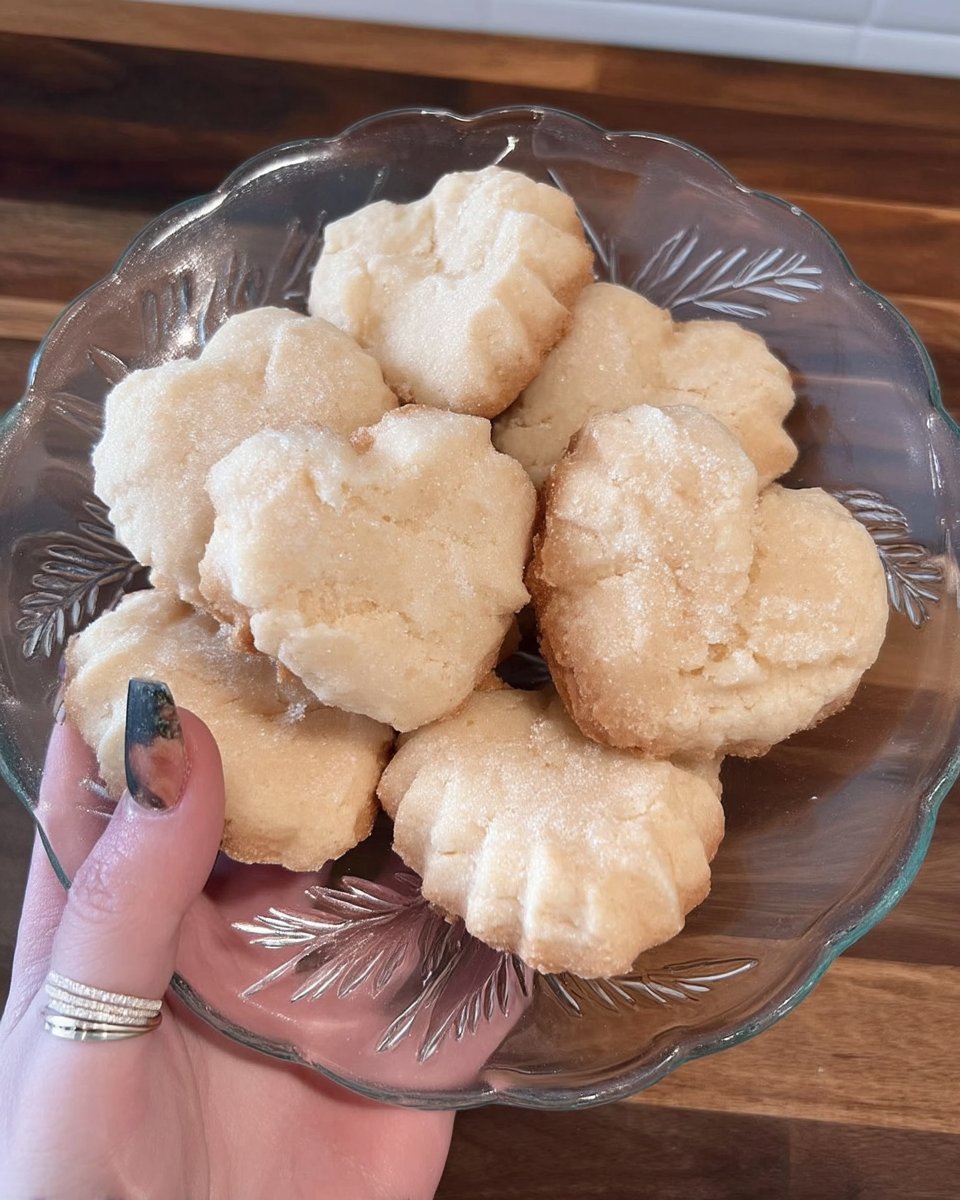
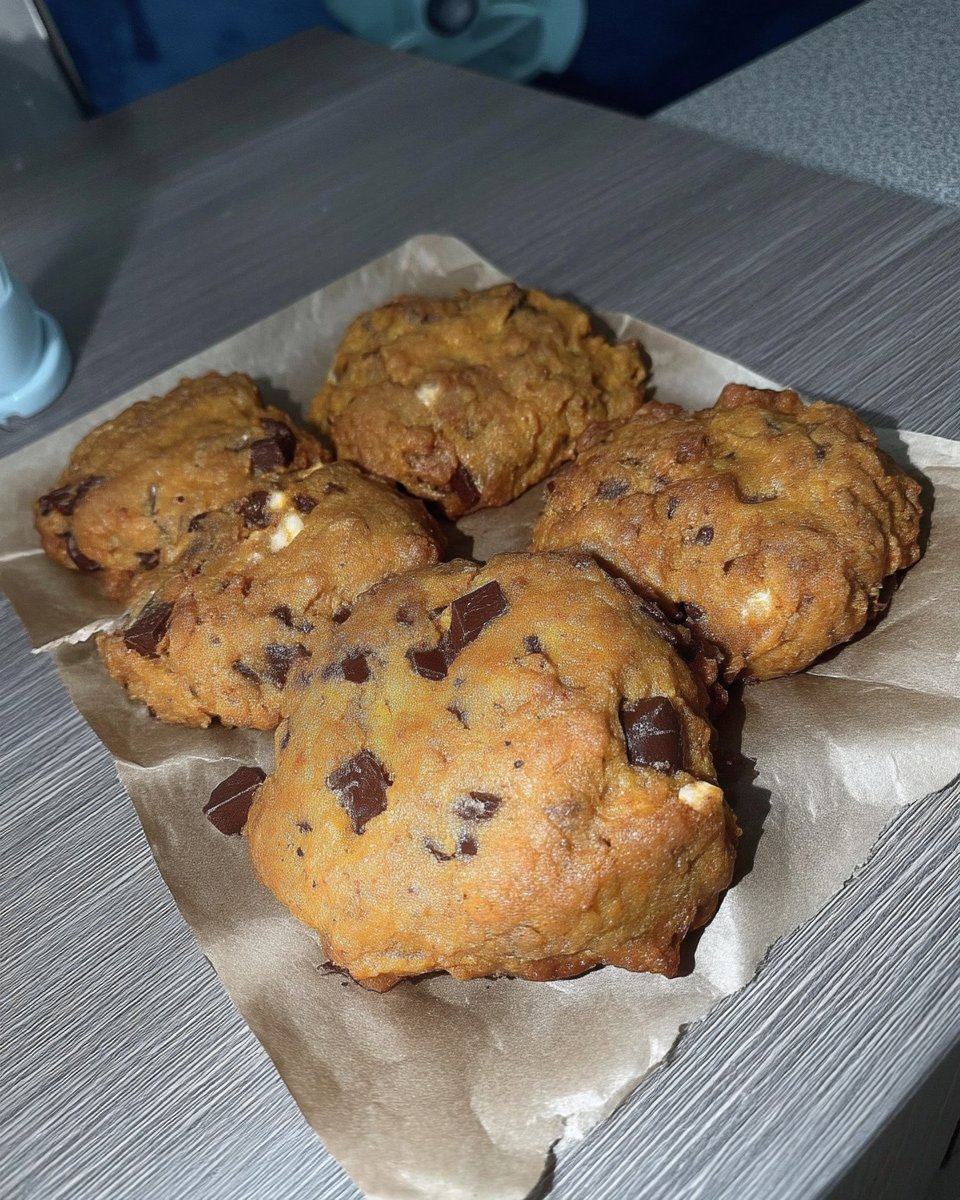
I recently analyzed the aromatic synergy between cinnamaldehyde in ground cinnamon and the toasted pyrazines produced during the butter browning process. These Gluten Free Snickerdoodles represent a breakthrough in flavor pairing science, proving that molecular compatibility dictates the success of a cookie. By understanding the interaction between lipids and alternative starches, we can create a profile that surpasses the traditional version.

These cookies rely on a precise ratio of fats to make certain the crumb remains tender without the grittiness common in alternative flours. By balancing tartaric acid with a specific blend of starches, we achieve that iconic pillowy texture and signature acidic tang. This method focuses on scientific precision to guarantee a perfect result every time you bake.
The Flavor Science of Gluten Free Snickerdoodles
The secret to these cookies lies in the chemical relationship between the leavening agents and the fat structure. Traditional snickerdoodles rely on the reaction between cream of tartar and baking soda to create carbon dioxide, but in a gluten-free environment, this reaction must be timed perfectly to prevent the starch structure from collapsing. The acidity of the cream of tartar also acts as a flavor modifier, suppressing bitterness and making the sweetness of the sugar feel more rounded and complex.
We use a combination of browned butter and shortening to manage the melting point of the dough. Butter provides the essential diacetyl compounds for that rich flavor, while shortening has a higher melting point, which gives the cookies loft and prevents excessive spreading. This dual-fat system creates a lipid matrix that traps air bubbles effectively, resulting in a soft, airy interior. The addition of almond flour introduces structural lipids and proteins that mimic the mouthfeel of traditional wheat flour, providing a satisfying chew that lasts for days.
Furthermore, the browning of the butter initiates the Maillard reaction before the dough even enters the oven. This process transforms amino acids and reducing sugars into hundreds of new flavor compounds, including nutty pyrazines and buttery furans. When these molecules meet the spicy cinnamaldehyde from the coating, they create a sensory experience that is far more sophisticated than a standard sugar cookie. You are not just making a snack; you are conducting a successful experiment in taste chemistry.
Print
Gluten Free Snickerdoodles
- Total Time: 1 hour 25 mins
- Yield: 24 cookies
- Diet: Gluten-Free
Description
Experience a sophisticated scientific approach to baking with these gluten-free snickerdoodles, featuring browned butter for a deep, nutty complexity. This recipe balances tartaric acid and specific starches to achieve a pillowy texture and signature tangy finish that rivals traditional wheat versions.
Ingredients
- 1/2 cup unsalted butter
- 1/4 cup vegetable shortening
- 1 cup granulated sugar
- 1/2 cup light brown sugar
- 2 large eggs
- 1 teaspoon vanilla extract
- 2 1/4 cups gluten-free measure-for-measure flour (with xanthan gum)
- 1/2 cup almond flour
- 2 teaspoons cream of tartar
- 1 teaspoon baking soda
- 1/2 teaspoon kosher salt
- 2 tablespoons granulated sugar
- 2 teaspoons ground cinnamon
Instructions
- Brown the butter in a saucepan over medium heat until it foams and develops a deep amber color, then transfer immediately to a heat-safe bowl.
- Incorporate the shortening and sugars into the warm butter, then mix in the eggs and vanilla until the emulsion is smooth.
- Whisk together the gluten-free flour, almond flour, cream of tartar, baking soda, and salt in a separate container.
- Gradually integrate the dry ingredients into the wet batter until a dough forms, then cover and refrigerate for at least one hour to hydrate the starches.
- Preheat your oven to 400°F (204°C) and prepare a coating by mixing the remaining cinnamon and sugar in a small bowl.
- Form the chilled dough into 1-inch spheres, roll them in the cinnamon-sugar mixture, and bake on a lined sheet for 9-11 minutes.
Notes
For the most consistent results, allow the browned butter to cool slightly before adding the sugars to prevent the eggs from scrambling. If your kitchen is particularly warm, you may need to chill the dough between baking batches to maintain the cookie’s height and prevent excessive spreading.
- Prep Time: 15 mins
- Cook Time: 10 mins
- Category: Dessert
- Method: Baking
- Cuisine: American
Molecular Building Blocks for Taste
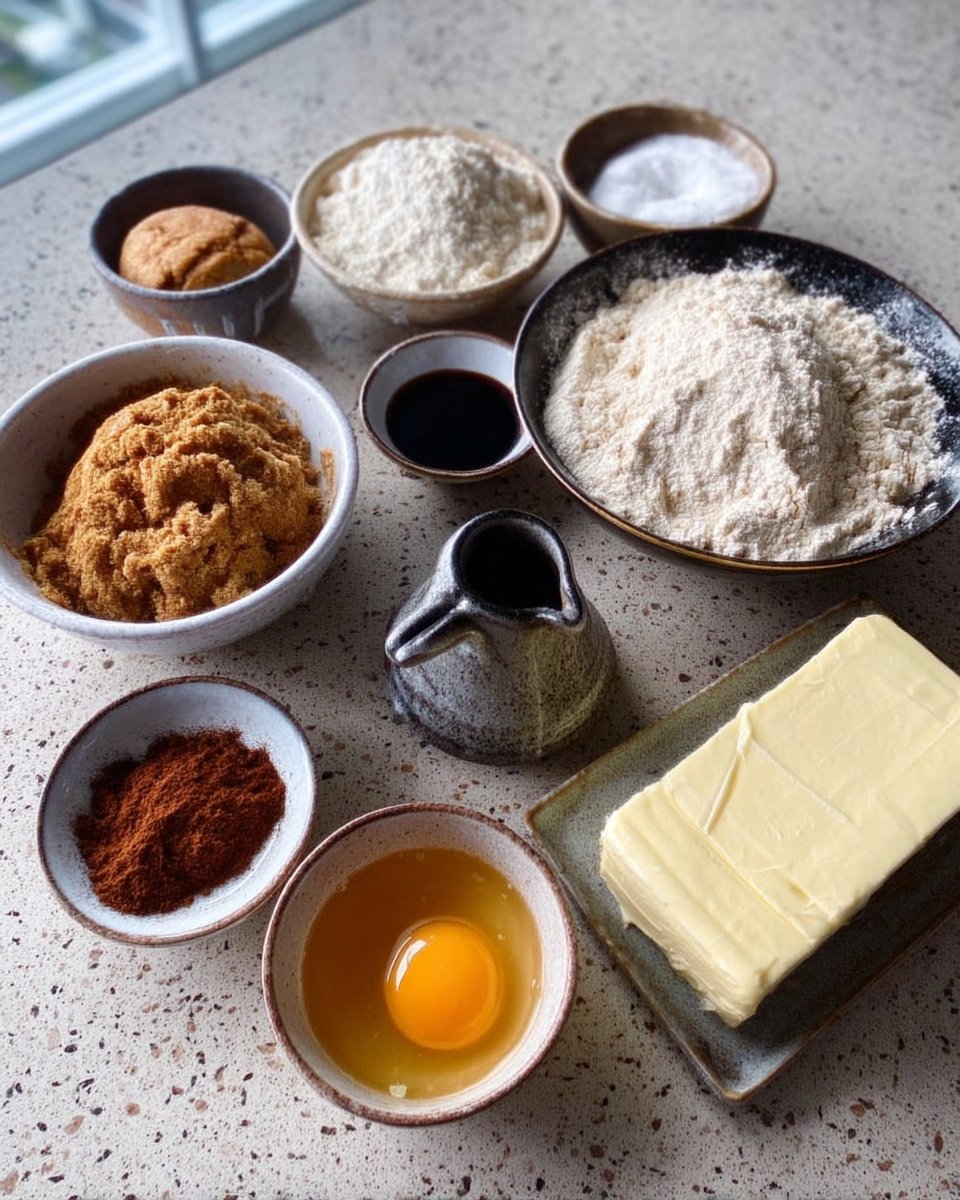
Each ingredient in this formula serves a specific functional purpose in the flavor and structural matrix. Choosing high-quality sources for these compounds will significantly impact the final analytical result of your bake.
- Browned Butter (Lipid/Aroma Source): We brown the butter to create toasted flavor compounds that provide a deep base note for the cinnamon.
- Vegetable Shortening (Structural Fat): This provides the necessary solid fat content to maintain height and texture.
- Granulated and Brown Sugars (Sweetness/Caramelization): The brown sugar adds moisture and molasses notes, while granulated sugar aids in the crispness of the edges.
- Gluten-Free Measure-for-Measure Flour (Starch Matrix): This provides the bulk of the structure; make certain it contains xanthan gum to mimic gluten’s elasticity.
- Almond Flour (Protein/Fat Booster): This adds necessary fat content and a subtle nutty aroma that complements the browned butter.
- Cream of Tartar (Acidic Catalyst): This provides the signature tang and prevents sugar from crystallizing too quickly.
- Baking Soda (Leavening Base): Reacts with the tartaric acid to create lift.
- Cinnamon and Sugar (Aromatic Coating): The final layer of flavor that provides the primary aromatic punch.
The Layering Process
Step 1: Execute the Maillard Reaction
Begin by melting the butter in a saucepan over medium heat. Watch for the butter to foam as the water evaporates, then whisk constantly as the milk solids begin to brown. You are looking for a deep amber color and a nutty aroma, which signifies the development of pyrazines. Immediately transfer to a heat-safe bowl to stop the thermal process.
Step 2: Form the Lipid Emulsion
Add the shortening and both sugars to the warm butter. Mix thoroughly to create a stable emulsion where the fat and sugar are evenly distributed. Add the eggs and vanilla, mixing until the batter is smooth and the lecithin in the eggs has helped unify the fats and liquids.
Step 3: Integrate the Dry Matrix
Whisk together the gluten-free flour, almond flour, cream of tartar, baking soda, and salt. Gradually add this to the wet ingredients. The xanthan gum in the flour will begin to hydrate, creating the necessary viscosity for the dough to hold its shape. Do not overmix, though gluten-free dough is more forgiving than wheat-based dough in this regard.
Step 4: Kinetic Stabilization
Cover the dough and refrigerate for at least one hour. This period is vital for hydration; it allows the starches to absorb the moisture from the eggs and butter, which prevents a gritty texture. It also solidifies the fats, making certain the cookies puff before they spread in the high-heat environment of the oven.
Step 5: Surface Aromatic Application
Preheat your oven to 400°F (204°C). This high temperature is necessary for rapid leavening. Mix the cinnamon and sugar in a small vessel. Shape the chilled dough into 1-inch spheres and roll them thoroughly in the cinnamon mixture. The sugar crystals on the outside will help create the classic “crackle” appearance by drying out the surface of the cookie faster than the interior.
Step 6: Thermal Set and Caramelization
Place the spheres on a lined baking sheet and bake for 9-11 minutes. The high heat will cause a quick release of carbon dioxide. Remove them when the edges are set but the centers still look slightly underdone. The carryover cooking during the cooling phase will finish the internal structure while maintaining a soft center.
Jasmine’s Flavor Secrets
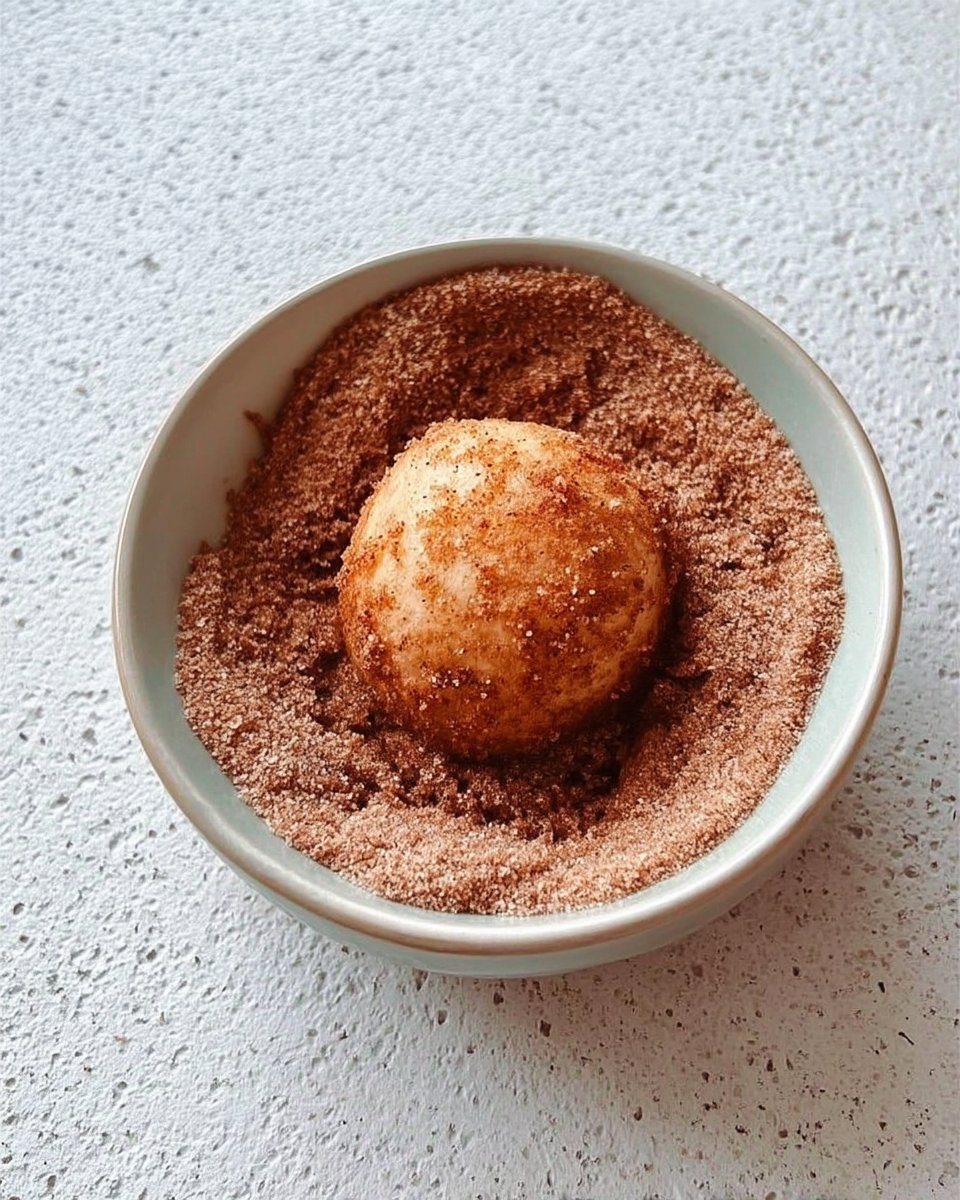
To achieve the best results with Gluten Free Snickerdoodles, I recommend using room temperature eggs to maintain the stability of your fat emulsion. Cold eggs can cause the butter to seize, resulting in an uneven crumb. Additionally, the placement of salt is a strategic choice; we use kosher salt within the dough to suppress bitterness and highlight the vanilla. For more information on foundational techniques, see our Foundation Cookie Recipes to master the basics of dough science. Using a digital scale for your measurements is also a scientific necessity, as volume can vary wildly with gluten-free flours.
Scientific Flavor Swaps
You can modify the aromatic profile of these cookies by adjusting the spice blend. Replacing half of the cinnamon with ground cardamom introduces cineole and limonene compounds, which provide a bright, citrusy top note. If you are looking for more technical variations, visit our Holiday Cookie Science section. For those who enjoy different textures, adding a teaspoon of orange zest to the sugar coating creates a beautiful pairing with the cinnamon. For another excellent perspective on this classic, check out this detailed guide for further inspiration.
Optimal Tasting Parameters
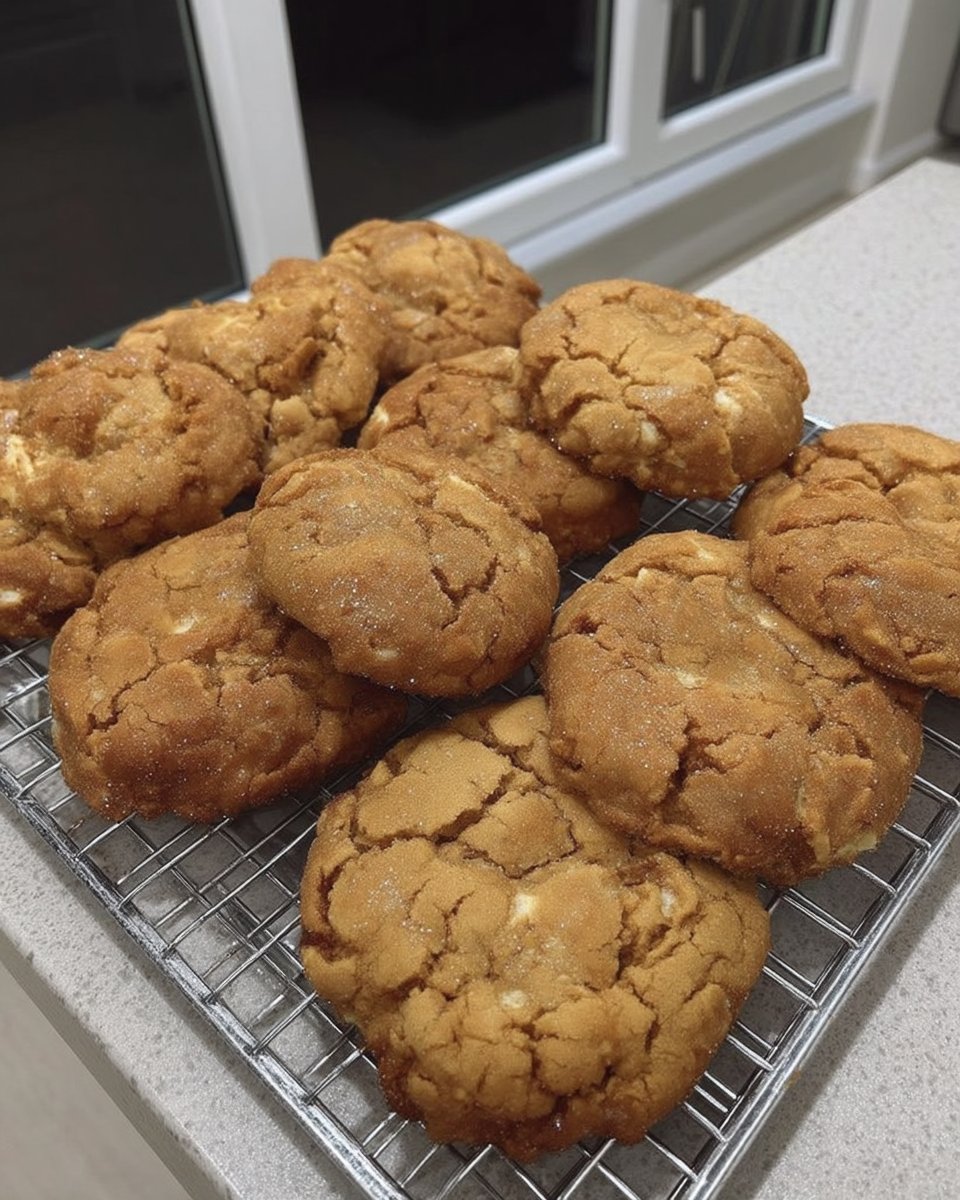
To fully appreciate the flavor complexity of these cookies, serve them slightly warm, around 85°F (29°C), which is the ideal temperature for aromatic release. Pairing these with a light-roast coffee can be fascinating, as the chlorogenic acids in the coffee complement the tartness of the cream of tartar. You might also find our Viral Cookie Analysis helpful when deciding on the best presentation for your scientific bakes. For a dairy-free pairing, a vanilla-infused almond milk provides a matching lipid profile that highlights the nuttiness of the browned butter.
The Final Flavor Equation
Mastering the Gluten Free Snickerdoodles is a rewarding lesson in how acidity and lipids interact to create a beloved classic. By focusing on the chemistry of browning butter and the leavening power of tartaric acid, you have created a cookie that is both technically sound and delicious. For more ways to refine your baking speed and accuracy, view our Efficient Cookie Methods. We invite you to share your results with our community of flavor scientists on Pinterest, Instagram, and Facebook. Happy baking, and keep questioning the science of taste!