In the world of flavor science, few things are as fascinating as the aromatic chemistry of high-quality butter. When we combine lipids with flour, we aren’t just making a snack; we are manipulating protein structures and lactone compounds to create a specific sensory experience. I first realized the power of this ratio when studying how fat inhibits gluten development, resulting in that iconic, crumbly texture we crave.

These Shortbread Cookies 3 represent a precise formula for achieving the perfect balance of snap and melt-in-the-mouth tenderness. By using a simple six-ingredient base and a controlled baking environment, we can focus on the pure, unadulterated taste of toasted dairy and sweet vanillin. This recipe bypasses the need for chilling, allowing the molecular structure to set perfectly within the confines of a round pan.
The Molecular Harmony of Fat and Sugar
Shortbread Cookies 3 succeed because they respect the fundamental physics of baking. The term ‘short’ in shortbread refers to the shortening of gluten strands; by coating the flour particles in fat, we prevent the long protein chains that make bread chewy. This results in a delicate, friable crumb that shatters upon the first bite, releasing a concentrated burst of buttery flavor.
We also use a specific ratio that balances the hygroscopic nature of sugar with the structural integrity of all-purpose flour. Unlike cookies that rely on leavening agents like baking soda or powder, these wedges rely on the expansion of air cells trapped during the creaming process. This produces a dense yet tender bite that serves as the perfect canvas for flavor layering and scientific experimentation.
Print
Shortbread Cookies 3
- Total Time: 45 mins
- Yield: 16 cookies
- Diet: Vegetarian
Description
These buttery, melt-in-your-mouth shortbread wedges are engineered for the perfect balance of snap and tenderness. By utilizing a specific ratio of fat and starch, this recipe creates a professional-grade crumb that celebrates pure vanilla and toasted dairy flavors.
Ingredients
- 1 cup (226g) unsalted butter, softened
- 2/3 cup (135g) granulated sugar
- 1.5 teaspoons pure vanilla extract
- 1/2 teaspoon salt
- 2 cups (250g) all-purpose flour
- 1/4 cup (28g) cornstarch
- Coarse granulated sugar for topping
Instructions
- Preheat your oven to 325°F (163°C) and line two 8-inch cake pans with parchment paper.
- Using a stand mixer with a paddle attachment, cream the softened butter and granulated sugar on medium-high speed for 3 minutes until light and fluffy.
- Beat in the vanilla extract and salt for an additional minute until evenly distributed.
- Add the flour and cornstarch on low speed, mixing for 1 to 3 minutes until the dough transitions from sandy to clumping together.
- Divide the dough between the two pans and press firmly into a flat, even layer.
- Sprinkle the surface with coarse sugar and dock the dough all over with a fork to allow steam to escape.
- Bake for 28-30 minutes until the edges are just barely beginning to turn a light golden hue.
- Cool in the pans for 10-15 minutes, then slice into wedges while still warm before letting them cool completely to set.
Notes
For the most precise results, measure your ingredients by weight using a kitchen scale. If you find your dough is too crumbly to press into the pan, continue mixing for an extra minute until the warmth of the mixer helps the butter bind the flour more effectively. Ensure your butter is at room temperature but not greasy for the best aeration during the creaming stage.
- Prep Time: 15 mins
- Cook Time: 30 mins
- Category: Dessert
- Method: Baking
- Cuisine: Scottish
The Chemical Building Blocks of Shortbread
To achieve the specific texture of Shortbread Cookies 3, every component must be chosen for its chemical properties and contribution to the final flavor profile. We are building a foundation of taste starting with the lipids and ending with the starch matrix.
- Unsalted Butter (1 cup; 226g): This is our primary fat source and the carrier for most of our aroma compounds. We use unsalted butter to maintain total control over the sodium levels, which is vital because salt acts as a flavor modifier that can suppress bitterness and highlight sweetness.
- Granulated Sugar (2/3 cup; 135g): Sugar does more than provide sweetness; it interferes with gluten formation and aids in the Maillard reaction, giving the edges a slight toasted note. Its crystalline structure also helps create air pockets during creaming.
- Pure Vanilla Extract (1.5 teaspoons): We add this for its vanillin content, which creates a complex retronasal aroma that convinces the brain the cookie is sweeter than it actually is.
- Salt (1/2 teaspoon): Salt is a biological necessity in baking; it reduces the perception of metallic notes and heightens the creamy perception of the butter fats.
- All-Purpose Flour (2 cups; 250g): This provides the scaffolding. By spooning and leveling, we keep the protein-to-fat ratio precise, preventing a dry or tough finish.
- Cornstarch (1/4 cup; 28g): Also known as cornflour, this is our secret for tenderness. Cornstarch lacks the protein needed for gluten, effectively lowering the overall protein percentage of our flour blend for a softer result.
The Flavor Engineering Process
Step 1: Prepare the Thermal Environment
Preheat your oven to 325°F (163°C). This lower temperature allows the heat to penetrate the thick dough evenly without burning the exterior sugars before the center is set. Line two 8-inch cake pans with parchment paper, leaving an overhang for easy removal. Using parchment prevents the mechanical stress of cutting the cookies inside the pan, which can damage the delicate crumb.
Step 2: Emulsify the Fat and Sugar
Using a stand mixer with a paddle attachment, cream the softened butter and granulated sugar on medium-high speed for 3 minutes. This mechanical action forces air into the fat, creating a stable emulsion. Scrape the bowl to keep the mixture uniform. Add the vanilla and salt, beating for another minute to distribute the flavor molecules evenly throughout the lipid matrix.
Step 3: Integrate the Dry Matrix
Add the flour and cornstarch on low speed. At first, the mixture will look sandy, but continue mixing for 1 to 3 minutes until the dough begins to clump. This signifies that the fat has successfully coated the flour particles, reaching the point of saturation. If you are adding botanicals or nuts, fold them in now to preserve their physical integrity.
Step 4: Compression and Docking
Divide the dough into two equal portions. Press each half into the prepared pans with firm pressure. This compression is vital for the ‘short’ texture, as it removes large air gaps and creates a dense, uniform structure. Sprinkle with coarse sugar for textural contrast. Use a fork to ‘dock’ or pierce the surface; this allows steam to escape during baking, preventing the dough from puffing up and distorting the flat surface.
Step 5: The Maillard Phase
Bake for 28-30 minutes. You are looking for a very light golden hue on the edges, which indicates that caramelization and the Maillard reaction have begun. This creates pyrazines and other savory-sweet compounds that add depth to the butter profile.
Step 6: Thermal Set and Slicing
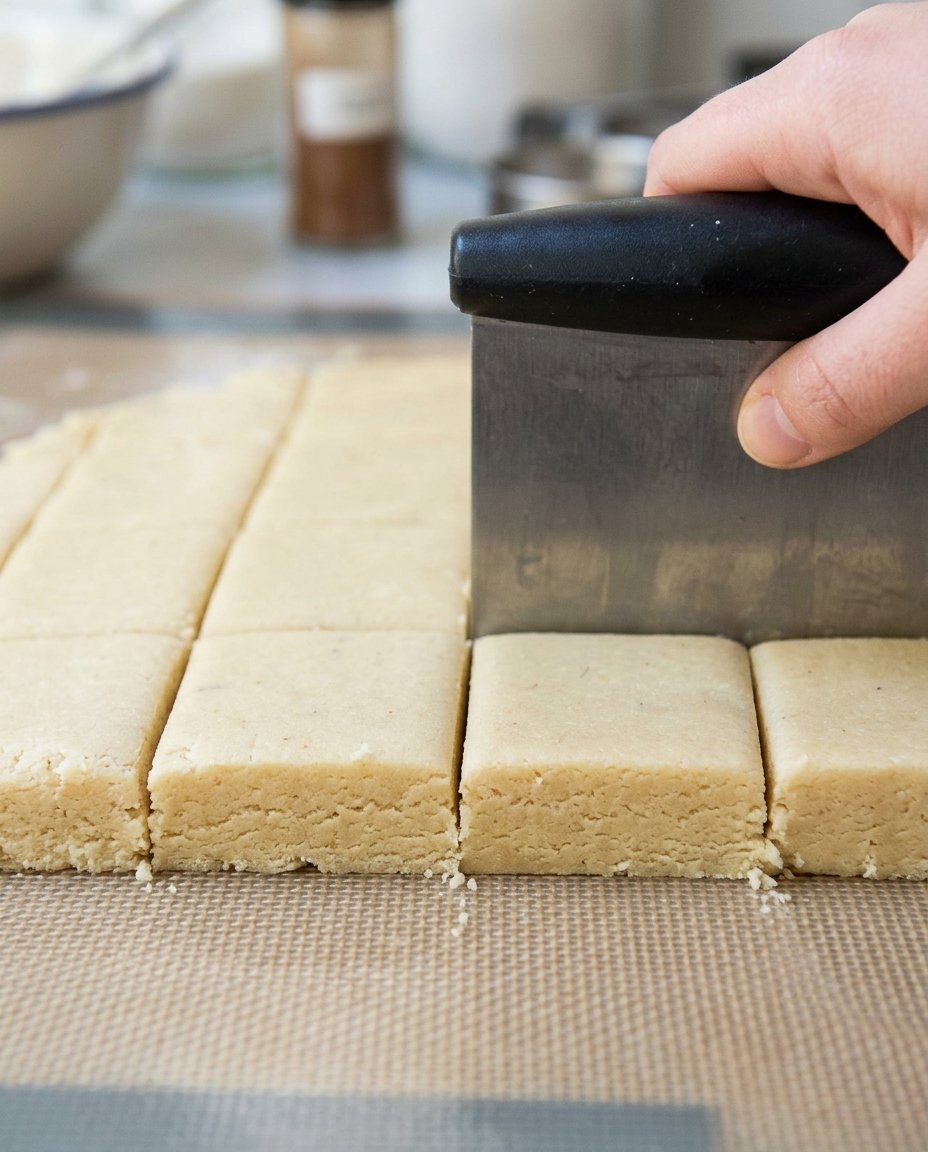
Cool the pans on a wire rack for 10-15 minutes. It is critical to cut the shortbread into wedges while it is still warm. As the cookies cool, the fats solidify and the starches undergo retrogradation, making the cookies brittle. Cutting while warm allows the knife to pass through the soft structure without shattering it. Once cut, let them cool completely to reach their final crispy state.
Jasmine’s Flavor Science Secrets
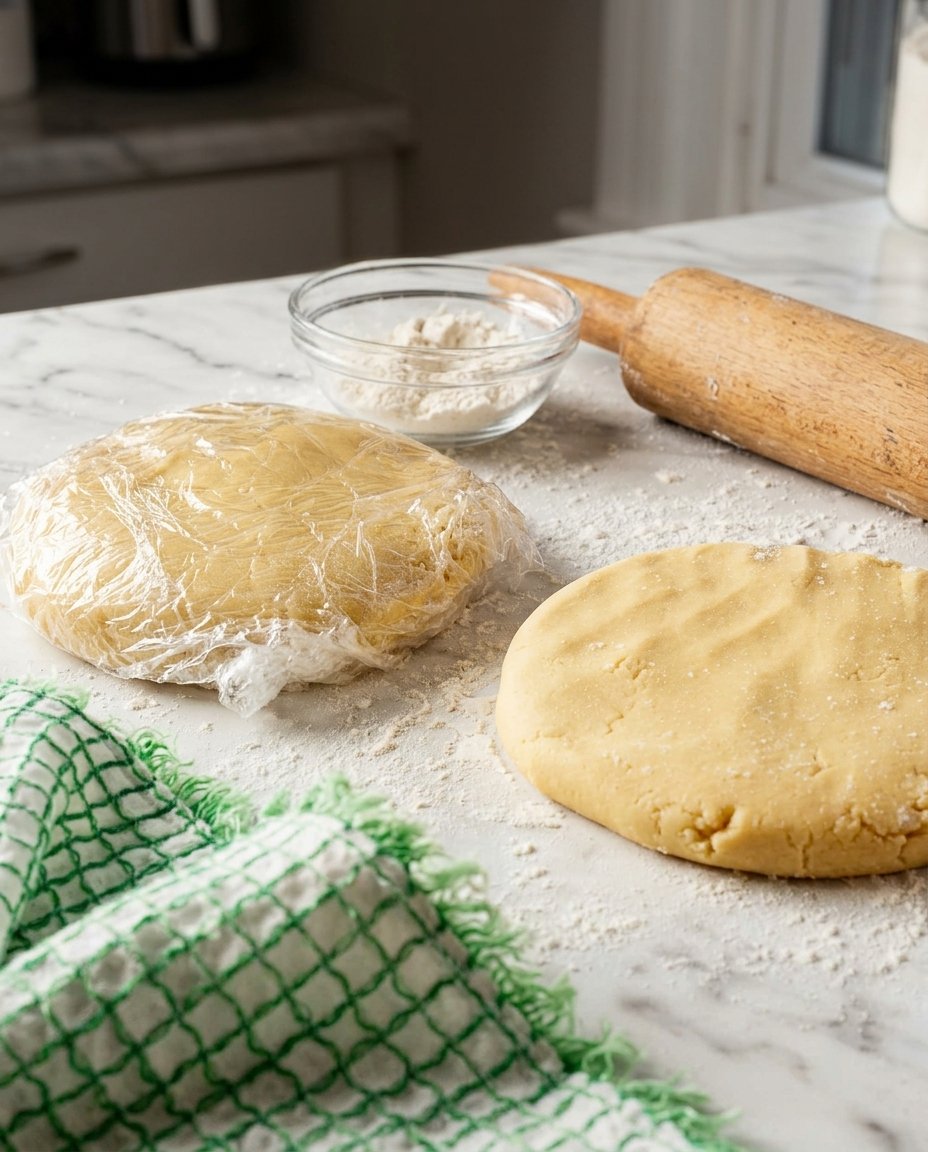
To maximize the aromatic potential of your Shortbread Cookies 3, try toasting your flour in a dry pan for 5 minutes before mixing. This creates a nutty depth by pre-caramelizing some of the starches. Additionally, the temperature of your butter is paramount; it should be exactly 65°F to 68°F to hold the air cells created during creaming. For more foundational techniques on managing fat temperatures, refer to our Foundation Cookie Recipes guide. Always use high-fat European-style butter if possible, as the lower water content leads to a more pronounced melt-away sensation on the tongue.
Scientific Flavor Swaps
If you want to experiment with aroma chemistry, try adding one tablespoon of lemon or orange zest to the sugar before creaming. The citrus oils contain limonene, which shares a chemical affinity with the fatty acids in butter, creating a bright, rounded flavor profile. For those looking for a seasonal twist, you can find more inspiration in our Holiday Cookie Science section. You might also consider replacing the vanilla with almond extract, which contains benzaldehyde, providing a distinct cherry-like aromatic that pairs beautifully with the toasted notes of the shortbread.
Pairing via Shared Volatiles
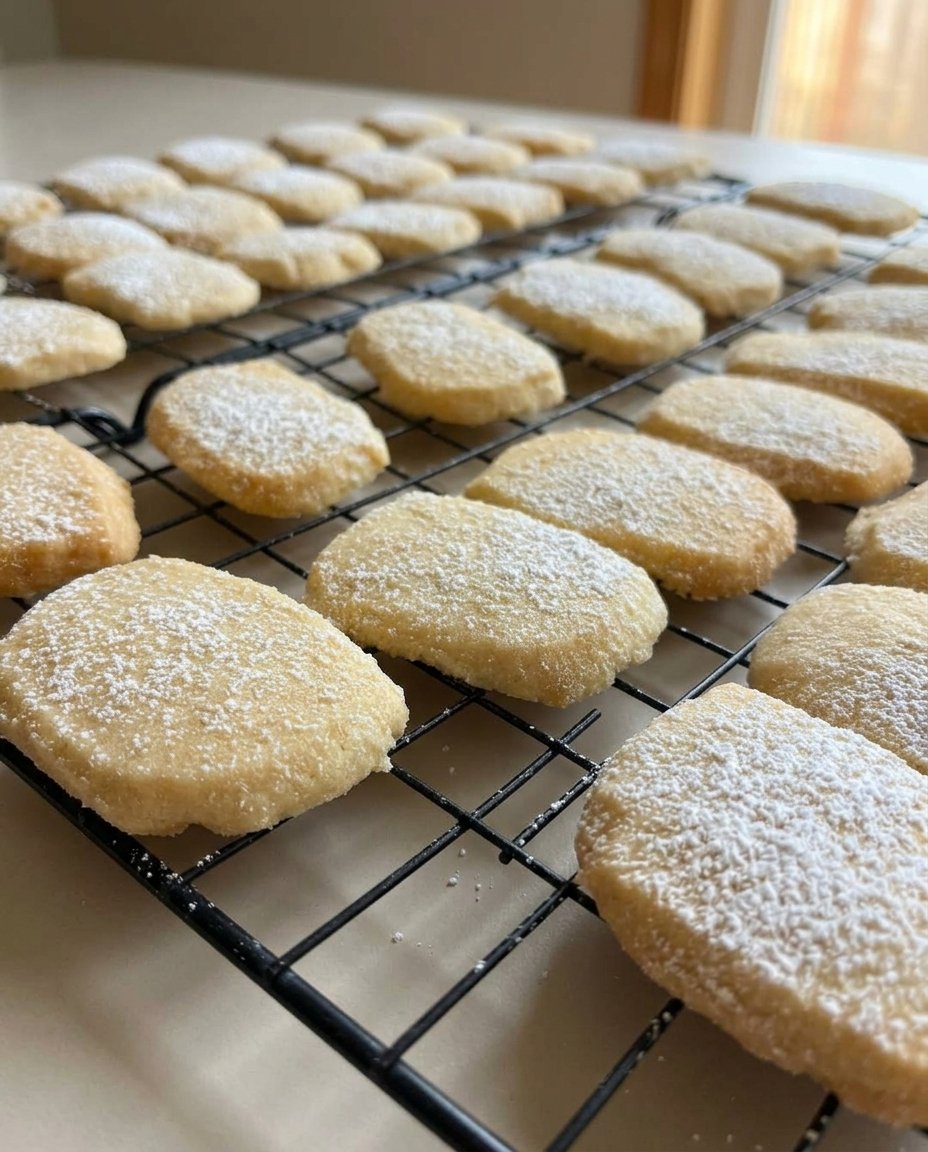
Serving these cookies with a high-quality coffee or black tea is a lesson in flavor pairing. Coffee contains roasted compounds that mirror the Maillard notes in the baked shortbread, while the tannins in tea help cleanse the palate of the rich butter fats. For a more modern presentation, check out our tips on Efficient Cookie Methods to see how to prep large batches for gatherings. I also recommend serving them at room temperature, as cold temperatures can mute the delicate lactones in the butter.
The Final Flavor Truth
Mastering Shortbread Cookies 3 is a rewarding journey into the physics of baking and the chemistry of fat. By understanding how these simple ingredients interact at a molecular level, you can produce a cookie that is consistently perfect and deeply satisfying. If you are interested in the aesthetic side of baking, look at our Precision Cookie Decorating guide for ideas on how to finish these wedges. For more scientific baking insights and flavor discoveries, follow us on Pinterest and Instagram. Stay curious and keep experimenting with your flavor layers!