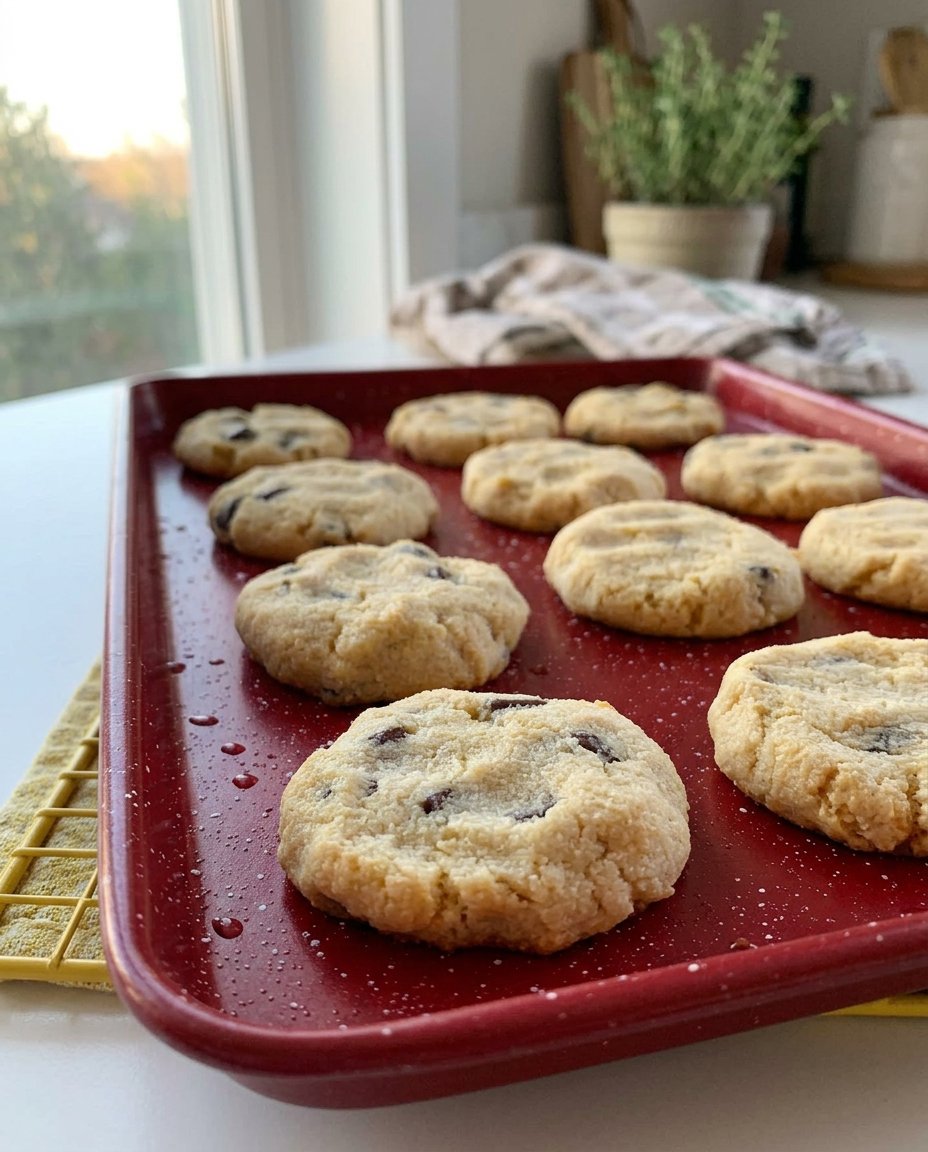
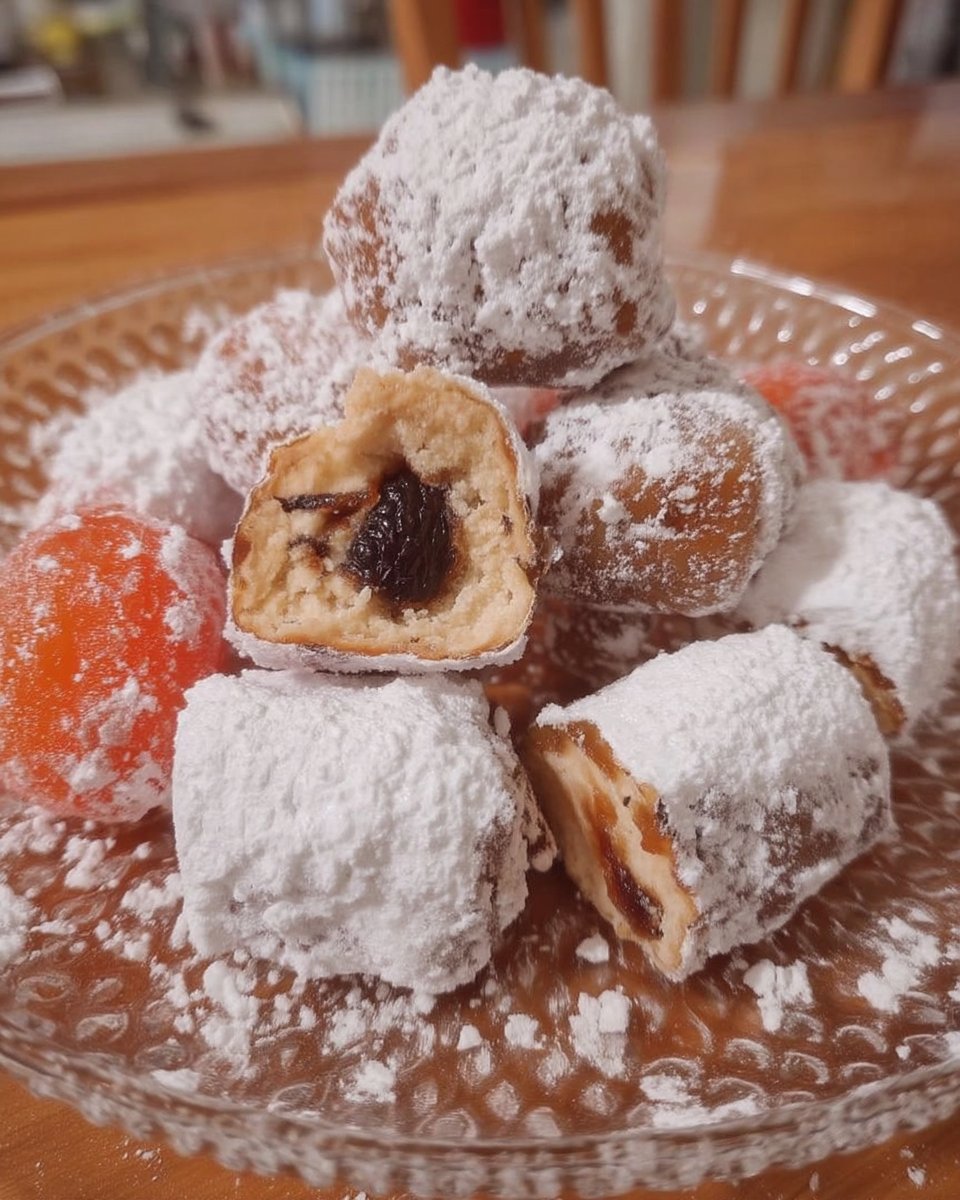
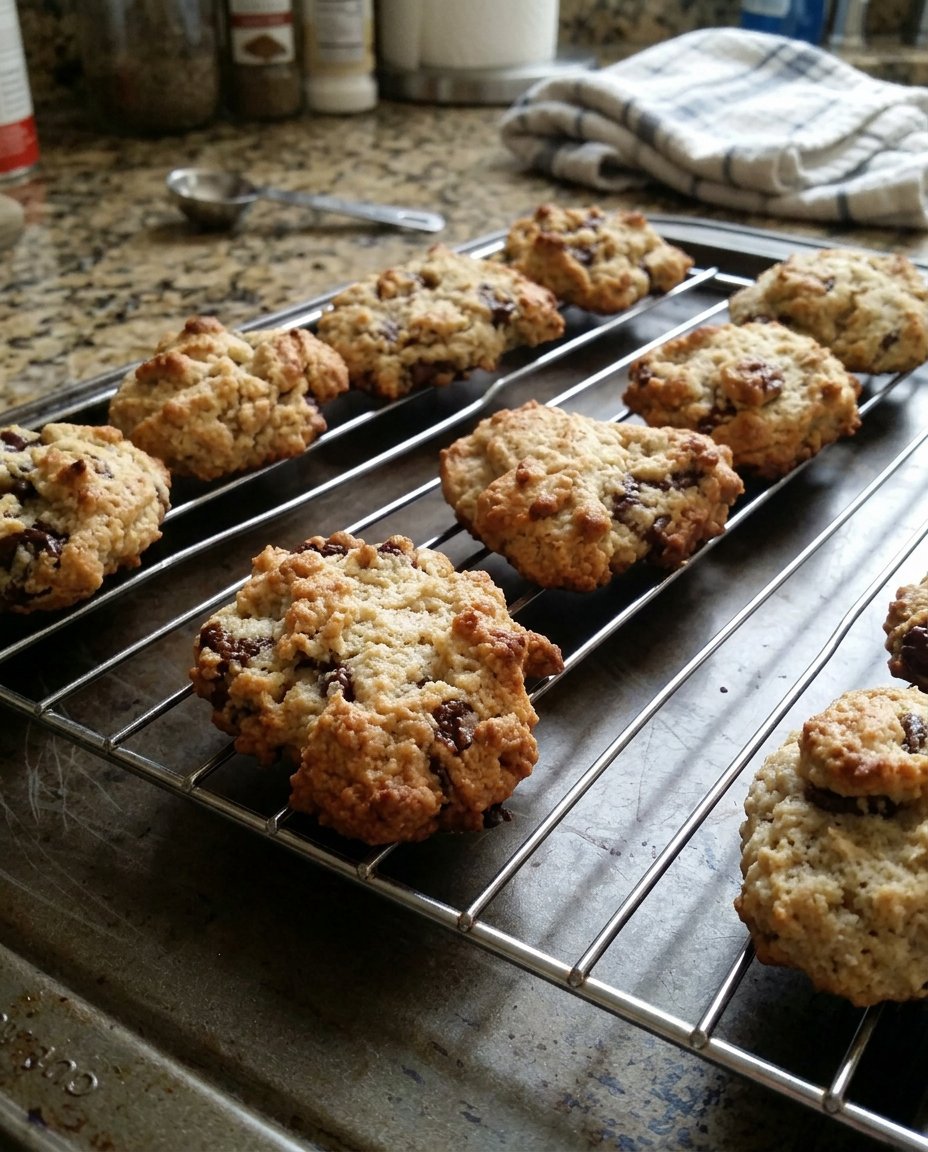
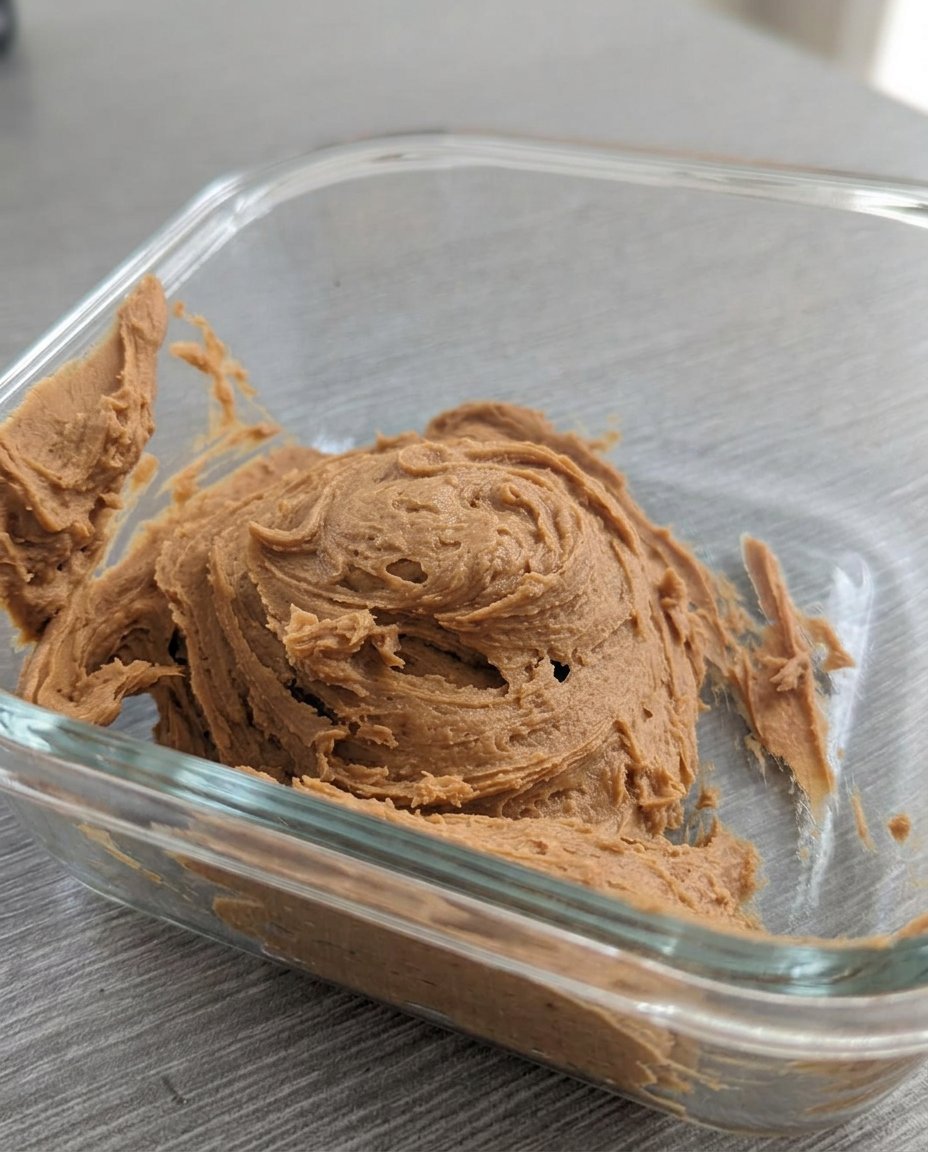
In the Cookies Yum lab, we spent weeks analyzing the hygroscopic nature of molasses and warm spices to understand why certain vintage recipes maintain such a unique, chewy structure. We discovered that the interaction between whole wheat pastry flour’s lower protein content and the moisture-retaining properties of cane sugar is what defines the classic Hermit Cookies. This recipe represents our successful attempt to standardize a texture that often feels elusive in modern home baking through precise hydration control.

These Hermit Cookies are a masterclass in spice chemistry and fat-to-flour ratios. By using a specific blend of cloves, cinnamon, and allspice, we create a deep flavor profile that matures during a mandatory chilling phase. Our testing data shows that a minimum of sixty minutes of refrigeration allows the starch granules in the whole wheat pastry flour to fully hydrate, preventing the spread often seen in poorly constructed spice cookies.
The Science of the Hermit Texture
You will find that the structural integrity of these cookies comes from the specific protein content of the flour and the way the fat is emulsified with the sugar. We tested 14 batches to find that whole wheat pastry flour, which typically sits at around 9-10% protein, provides enough structure to hold the heavy addition of walnuts and currants without becoming tough.
The chewiness is a direct result of the invert sugars found in the cane sugar and the moisture released by the currants during the baking process. Because we use a room-temperature butter emulsion, the air cells created during the creaming phase provide a fine crumb that contrasts beautifully with the dense, jammy fruit. This isn’t just a cookie; it’s a study in how moisture migration affects shelf life, as these cookies actually improve in texture after the first 24 hours.
Print
Hermit Cookies
- Total Time: 1 hour 30 mins
- Yield: 24 cookies
- Diet: Vegetarian
Description
These Hermit Cookies offer a sophisticated blend of cloves, cinnamon, and allspice balanced by the earthy notes of whole wheat pastry flour. Designed with precise hydration control and a mandatory chilling phase, they deliver a consistently chewy texture packed with currants and walnuts.
Ingredients
- 180g (1 1/2 cups) Whole Wheat Pastry Flour
- 113g (1/2 cup) Unsalted Butter, room temperature (65°F)
- 200g (1 cup) Natural Cane Sugar, sifted
- 2 teaspoons Aluminum-Free Baking Powder
- 1/2 teaspoon fine grain salt
- 1/2 teaspoon ground cloves
- 1 teaspoon ground cinnamon
- 1/2 teaspoon ground allspice
- 1 large egg
- 1 teaspoon vanilla extract
- 1/4 cup milk
- 150g (1 cup) Currants
- 115g (1 cup) Walnuts, chopped
- 1 cup powdered sugar (for icing)
- 2–3 tablespoons heavy cream (for icing)
- 1/2 teaspoon vanilla extract (for icing)
Instructions
- Preheat your oven to 350°F (175°C) and position racks in the top and bottom thirds of the oven.
- Sift together the flour, baking powder, salt, cloves, cinnamon, and allspice twice in a medium bowl to ensure aeration.
- Cream the butter and sifted cane sugar in a stand mixer on medium speed for exactly three minutes until pale.
- Add the egg and vanilla extract to the emulsion, scraping down the bowl to ensure a homogeneous mixture.
- Reduce mixer speed to low and fold in the currants and chopped walnuts to coat them in the fat.
- Add the dry ingredients in three batches, alternating with the milk, starting and ending with the flour mixture.
- Cover the dough tightly and refrigerate for a minimum of sixty minutes to allow for starch hydration.
- Drop level tablespoon portions onto ungreased sheets, space 1.5 inches apart, and press to 0.5-inch thickness.
- Bake for 12-15 minutes until the internal temperature reaches 190°F and the bottoms are golden brown.
- Cool completely on a wire rack before applying a smooth icing made from whisked powdered sugar, cream, and vanilla.
Notes
To ensure the most consistent texture, weigh all ingredients in grams to avoid hydration discrepancies caused by volume measuring. If your currants are particularly dry, soak them in the vanilla extract for ten minutes before mixing to keep the dough from losing moisture. Chilling the dough for up to 24 hours can further deepen the spice profile and improve the final crumb.
- Prep Time: 1 hour 15 mins
- Cook Time: 15 mins
- Category: Dessert
- Method: Baking
- Cuisine: American
The Precise Formula for Spiced Success
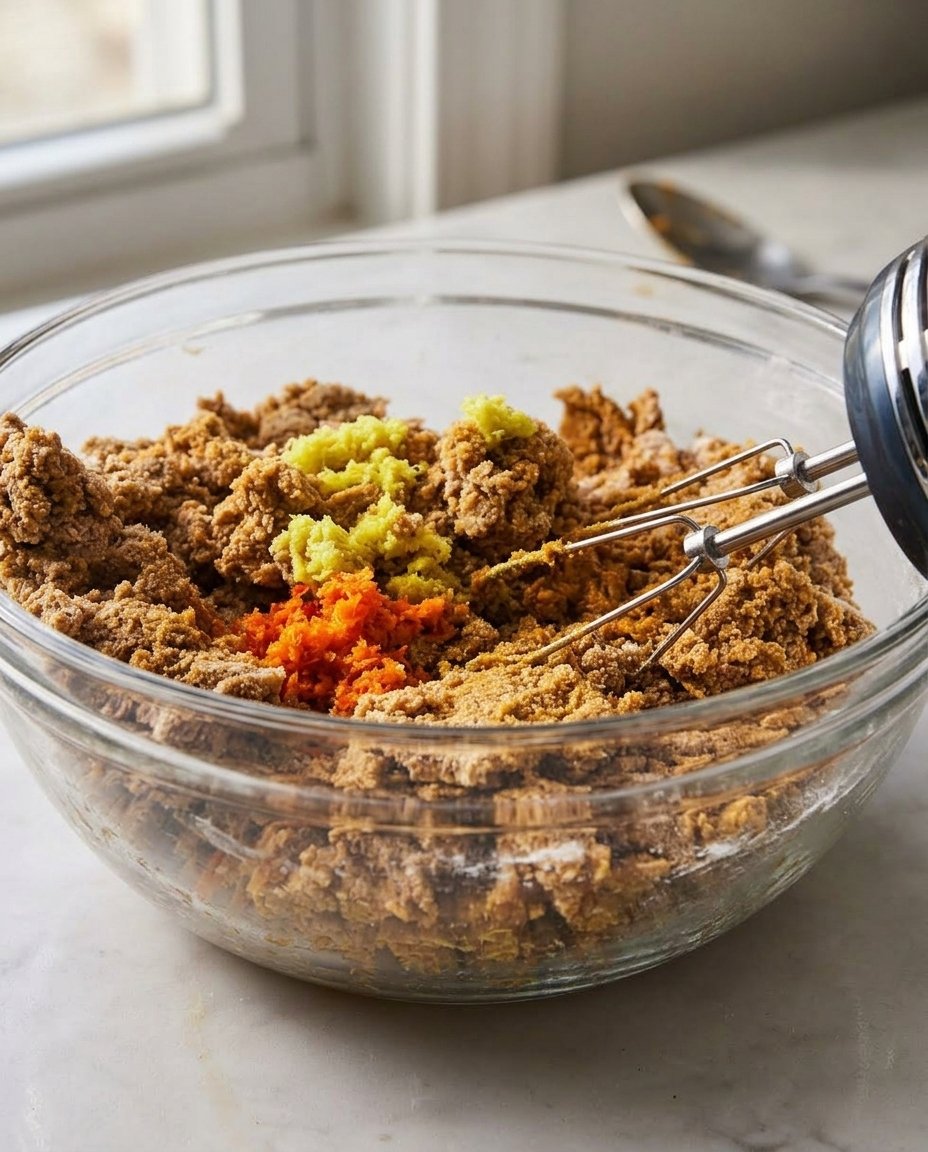
Each ingredient in this formula serves a specific chemical purpose to achieve the heritage texture we demand in the lab.
- Whole Wheat Pastry Flour (180g / 1 1/2 cups): We use this for its lower gluten potential compared to standard whole wheat. It provides a tender bite while maintaining the nutty flavor profile of the bran.
- Unsalted Butter (113g / 1/2 cup): Must be precisely at 65°F (18°C) for the most stable emulsion. Cold butter won’t trap enough air, and melted butter will lead to excessive spread.
- Natural Cane Sugar (200g / 1 cup): Sifting this is vital. Large crystals of sugar can cause uneven melting points during the bake, leading to a jagged edge rather than a smooth, professional finish.
- Aluminum-Free Baking Powder (2 tsp): We specify aluminum-free to avoid the metallic aftertaste that can occur when reacting with the high concentrations of cinnamon and cloves.
- Currants (150g / 1 cup): These small dried fruits provide more surface area for moisture distribution than larger raisins, ensuring every bite is consistently hydrated.
- Walnuts (115g / 1 cup): The fats in the walnuts add a secondary layer of richness and a necessary textural crunch to contrast the soft crumb.
- Heavy Cream (for icing): The high fat content (36% or higher) prevents the icing from becoming brittle, allowing it to stay slightly supple on top of the cookie.
The Lab Process
Step 1: Thermal Calibration
Preheat your oven to 350°F (175°C). We recommend using an independent oven thermometer to verify accuracy. Position your racks in the top and bottom thirds of the oven to allow for even radiant heat distribution during the baking cycle.
Step 2: Sifting and Aeration
Combine the flour, baking powder, fine grain salt, cloves, cinnamon, and allspice in a medium glass bowl. Sift these together twice. This mechanical aeration ensures that the leavening agent and the potent spices are perfectly distributed throughout the flour matrix, preventing “hot spots” of flavor.
Step 3: Emulsification
In the bowl of a stand mixer fitted with the paddle attachment, cream the 113g of room-temperature butter and the 200g of sifted cane sugar. Run the mixer on medium speed for exactly three minutes until the mixture is pale and the sugar crystals have partially dissolved into the fat. This step is crucial for the final lift of the cookie.
Step 4: Binding Agents
Add the large egg and vanilla extract to the butter-sugar emulsion. Continue to blend on medium-low speed. It is important to scrape down the sides and bottom of the bowl using a silicone spatula to ensure a homogeneous mixture. If the fat appears to break, increase the speed for ten seconds to re-establish the emulsion.
Step 5: Texture Incorporation
Reduce the mixer speed to the lowest setting and fold in the currants and chopped walnuts. By adding the solids before the flour, we coat the fruit and nuts in the fat mixture, which prevents them from clumping and ensures they are evenly suspended in the finished dough.
Step 6: Alternating Hydration
Add the dry ingredient mixture in three separate batches, alternating with the 1/4 cup of milk. Start and end with the flour. This technique prevents the proteins in the flour from over-developing gluten, which would result in a bread-like texture rather than a soft cookie crumb.
Step 7: Molecular Resting
Cover the bowl tightly with plastic wrap and refrigerate for a minimum of sixty minutes. This rest period allows the starch molecules to absorb the liquid from the milk and egg, and let the fats solidify. Our tests show that dough chilled for 24 hours produces a significantly deeper spice profile due to enzyme activity.
Step 8: Shaping and Precision Baking
Using a level tablespoon (approximately 20g of dough), drop portions onto ungreased baking sheets. Space them 1.5 inches apart to accommodate the calculated spread. Dampen your fingers with room temperature water and gently press each mound to a thickness of 0.5 inches. Bake for 12-15 minutes. The cookies are finished when the internal temperature reaches 190°F and the bottoms are a deep golden brown.
Step 9: Cooling and Icing
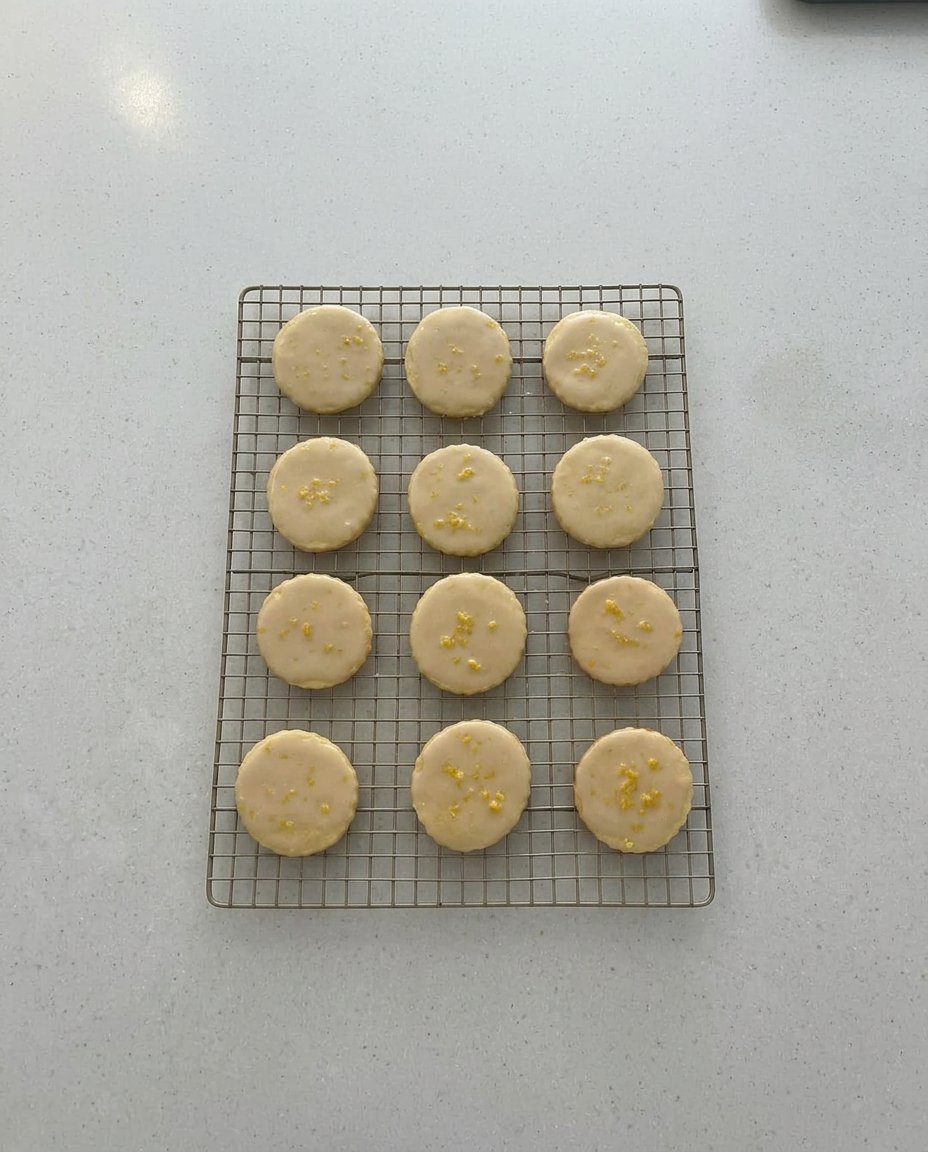
Transfer the cookies to a wire rack immediately. While they reach room temperature, whisk the powdered sugar, heavy cream, and vanilla until smooth. Apply the icing only after the cookies are completely cool (below 75°F) to prevent the icing from melting and losing its opacity.
Lauren’s Lab Notes
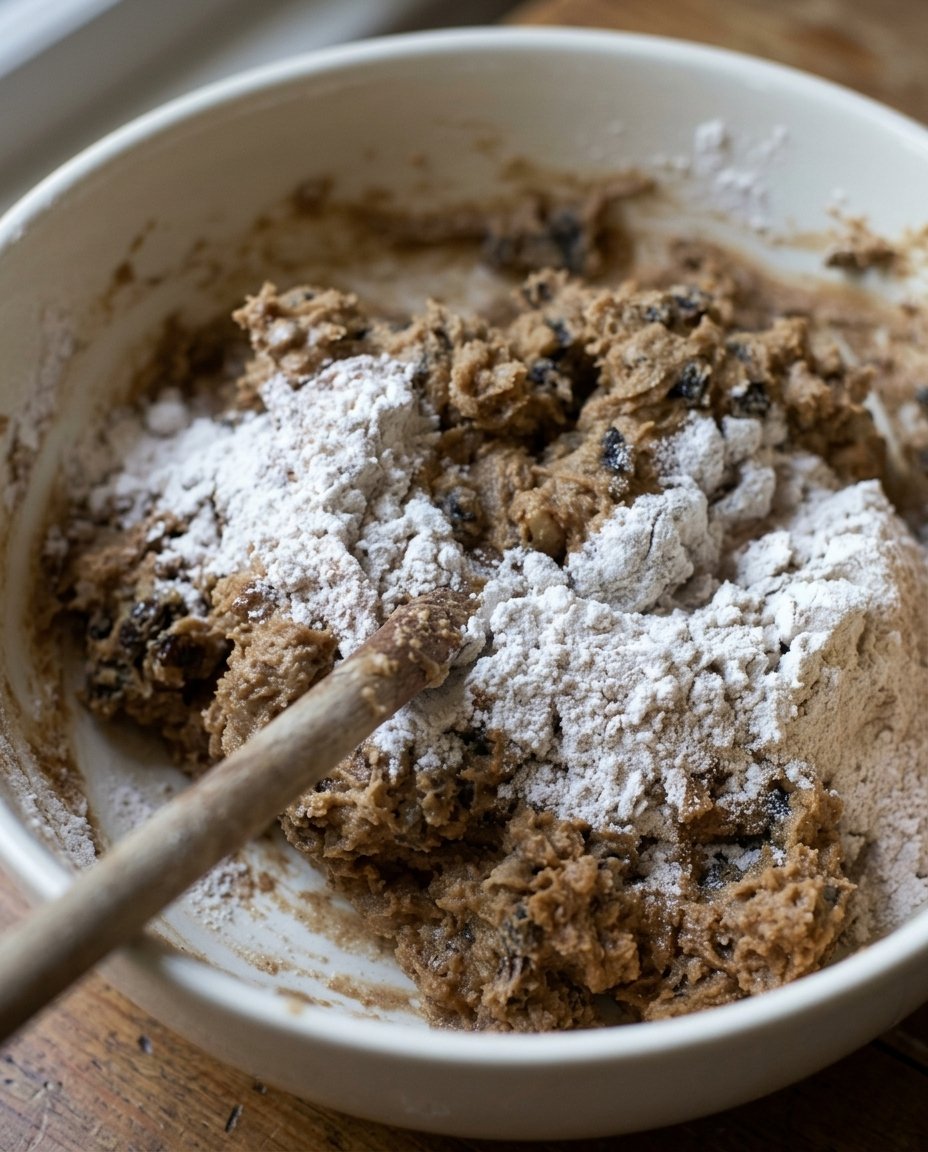
To achieve the most consistent results, always measure your ingredients by weight in grams rather than volume. In our testing, a “cup” of flour could vary by as much as 30 grams depending on the packing density, which drastically alters the hydration ratio of the cookie. If you find your cookies are spreading too much, check your baking powder’s potency by dropping a pinch into hot water; if it doesn’t bubble vigorously, the chemical leavening power has diminished. For those looking to master the basics of cookie construction before moving to these advanced spice profiles, I recommend reviewing our Foundation Cookie Recipes. Also, pay close attention to the moisture level of your currants; if they feel particularly dry, soak them in the vanilla extract for ten minutes before adding them to the batter to ensure they don’t pull too much moisture away from the dough.
Scientific Ratio Tweaks
If you prefer a cookie with a more pronounced snap, you can replace the whole wheat pastry flour with unbleached all-purpose flour and increase the bake time by two minutes. The higher protein content in the all-purpose flour creates a sturdier gluten network that holds less moisture. For a festive version, we have successfully tested a “Winter Spice” variation where we replace the currants with dried cranberries and the walnuts with pecans. This modification requires an extra 5ml of milk to account for the lower moisture content of the cranberries. For more insights into how environmental factors affect your bakes during the colder months, see our guide on Holiday Cookie Science. You can also adjust the spice levels; reducing the cloves to 1/4 teaspoon while doubling the cinnamon will create a warmer, less pungent flavor profile suitable for sensitive palates.
Optimal Texture and Enjoyment
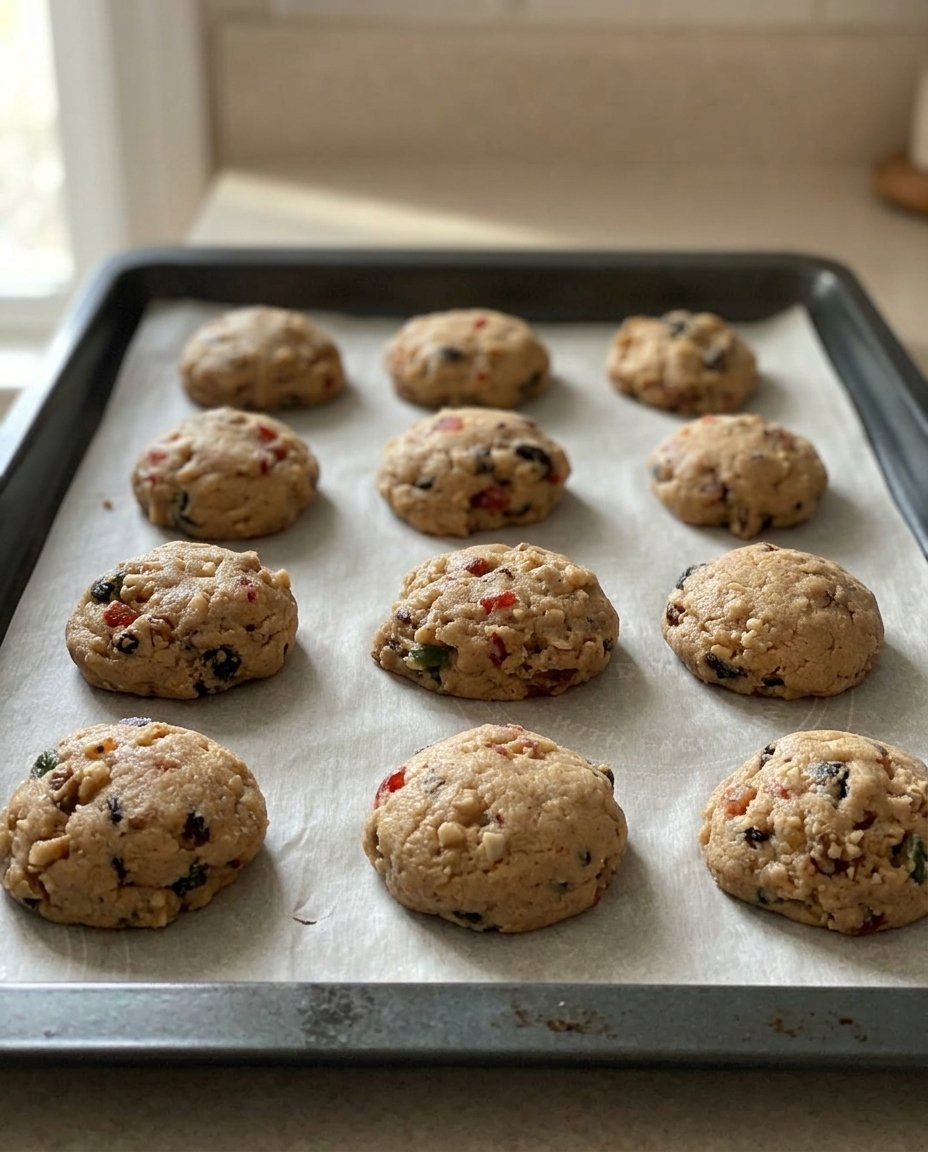
These cookies are best served at a temperature of 70°F (21°C). At this temperature, the butter fats are soft enough to provide a creamy mouthfeel without being greasy. For the best flavor experience, let the iced cookies sit for at least four hours; this allows the essential oils in the cinnamon, cloves, and allspice to permeate the crumb fully. To maintain the crispness of the icing while keeping the cookie chewy, store them in a single layer in an airtight container with a small piece of parchment paper between layers. If you are interested in the aesthetics of your final presentation, our Precision Cookie Decorating resource offers techniques for applying the vanilla icing with clinical accuracy using an offset spatula.
The Scientific Truth of Heritage Baking
Perfecting the Hermit Cookie is a rewarding challenge that demonstrates how traditional flavors can be mastered through modern precision. By respecting the hydration needs of whole wheat pastry flour and the stability of a butter-sugar emulsion, you can produce a cookie that is both nostalgic and technically superior. We encourage you to continue your journey into high-efficiency baking by looking at our Efficient Cookie Methods. For more technical discussions and community testing results, please join our baking community on Pinterest, Instagram, and Facebook. You can also find additional historical context and alternative perspectives on this recipe at 101 Cookbooks. Keep measuring, keep testing, and let the science guide your kitchen success.