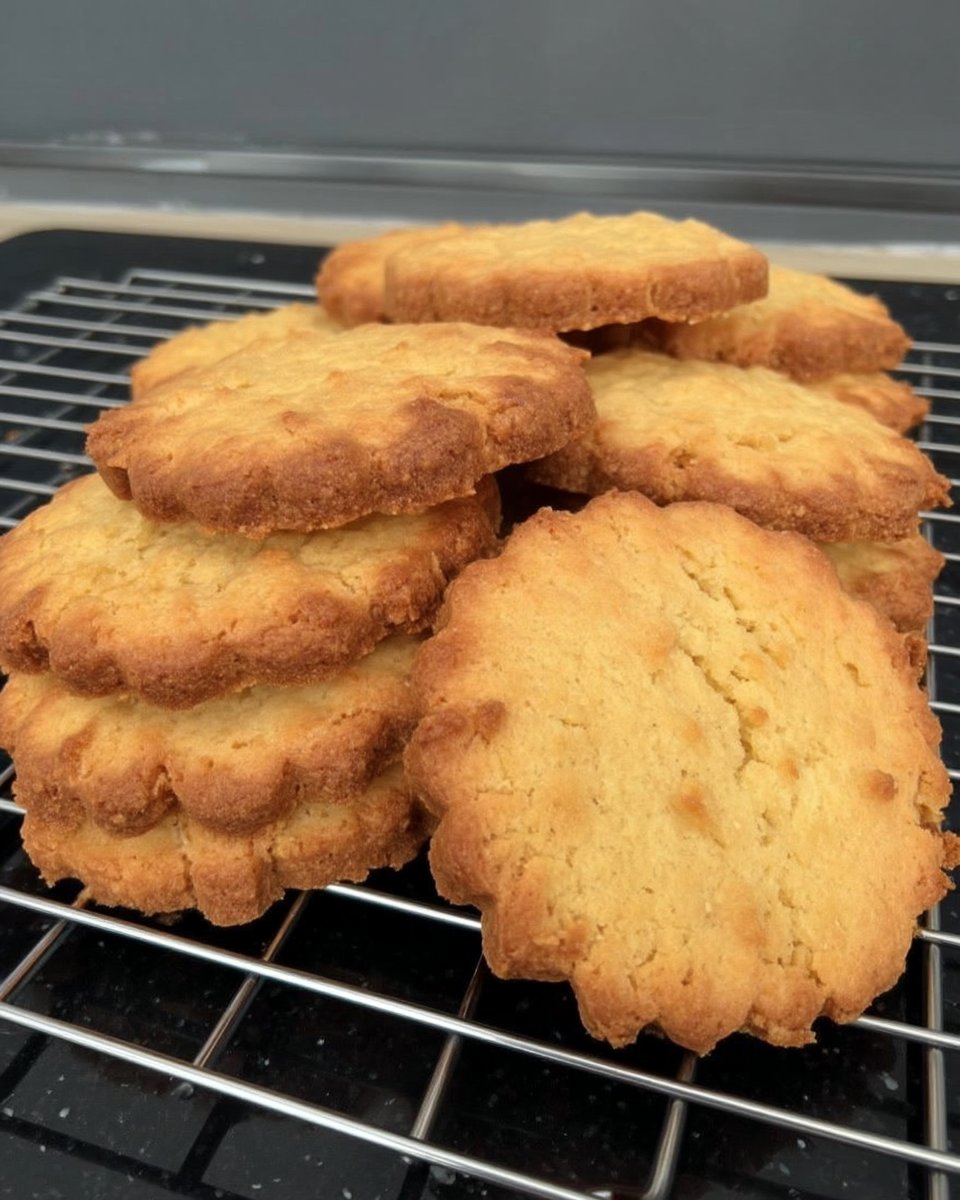
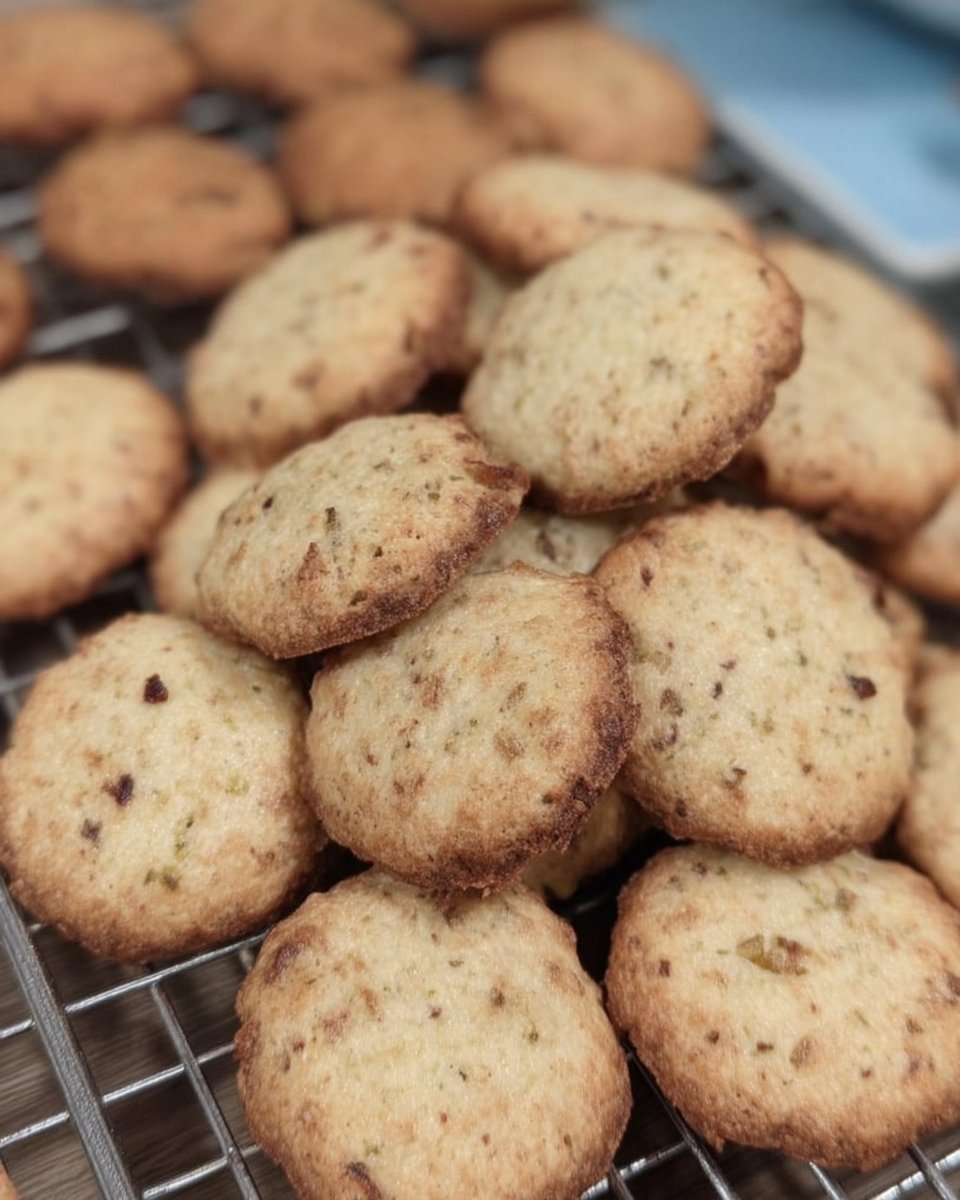
The origin of the aerated sugar biscuit traces back to the 19th-century British kitchen, where bakers moved away from the dense, hard ‘jumbals’ of the medieval era. This specific Crumbl Copycat Sugar reflects a technical shift toward mechanical leavening, a method that Victorian cooks perfected once they understood the chemistry of creaming fats with crystalline sugars. By incorporating air through vigorous beating, they transformed a simple dough into a lofty, tender crumb that modern science now confirms as a masterpiece of structural engineering.

This recipe recreates the iconic, oversized soft cookie that has defined modern bakery culture while adhering to rigorous technical standards. We use a precise ratio of fats and proteins to achieve a texture that is substantial enough to hold a thick almond glaze yet delicate enough to dissolve on the palate. Every step in this process is calculated to replicate the specific density and temperature-controlled finish that makes these cookies a benchmark in contemporary baking.
The Scientific Heritage of the Soft Sugar Biscuit
You will find that this Crumbl Copycat Sugar is far more than a simple sweet; it is an exercise in the physics of moisture retention and the chemistry of emulsion. In the traditional British baking world, the ‘biscuit’ often served as a rigid vessel for tea, but the American evolution of the sugar cookie prioritized a soft, cake-like interior that relies on restricted gluten development. This recipe respects that evolution by using a specific balance of granulated sugar and salted butter to inhibit the formation of long gluten chains, resulting in a remarkably tender texture.
The inclusion of almond extract is a nod to the historical preference for stone-fruit essences in high-tea confections, a flavor profile that adds a sophisticated depth often missing from modern recipes. Modern testing has shown that the combination of vanilla and almond creates a synergistic aromatic effect, where the floral notes of the almond brighten the heavy, creamy notes of the vanilla. This creates a sensory experience that feels both nostalgic and professionally refined.
Furthermore, the structural integrity of these cookies is designed for the modern palate—thick, heavy, and served at a precise temperature. Historically, cooling dough was a necessity for handling, but we now know that chilling these specific cookies after frosting stabilizes the fats in the icing, creating a crisp contrast between the cold glaze and the soft, room-temperature-adjacent crumb. It is a triumph of temperature control that ensures every bite is consistent.
Print
Crumbl Copycat Sugar
- Total Time: 1 hour 2 mins
- Yield: 12 cookies
- Diet: Vegetarian
Description
This recipe provides a technical blueprint for recreating the famous oversized, chilled sugar cookies known for their soft, cake-like texture and sweet almond-flavored frosting. By following traditional creaming methods and precise measurements, you can achieve a professional bakery-quality result at home.
Ingredients
- 222g salted butter, room temperature
- 230g granulated sugar
- 2 large eggs
- 1 tsp vanilla extract
- 1/2 tsp almond extract
- 456g all-purpose flour
- 2 tsp baking powder
- 1/2 cup salted butter, softened
- 321g powdered sugar
- 1 tsp almond extract (for icing)
- 1–2 tbsp milk
- Neon pink food coloring
Instructions
- Preheat your oven to 350°F (175°C) and cream the 222g of room-temperature salted butter and granulated sugar together in a stand mixer for 3 to 5 minutes until pale and fluffy.
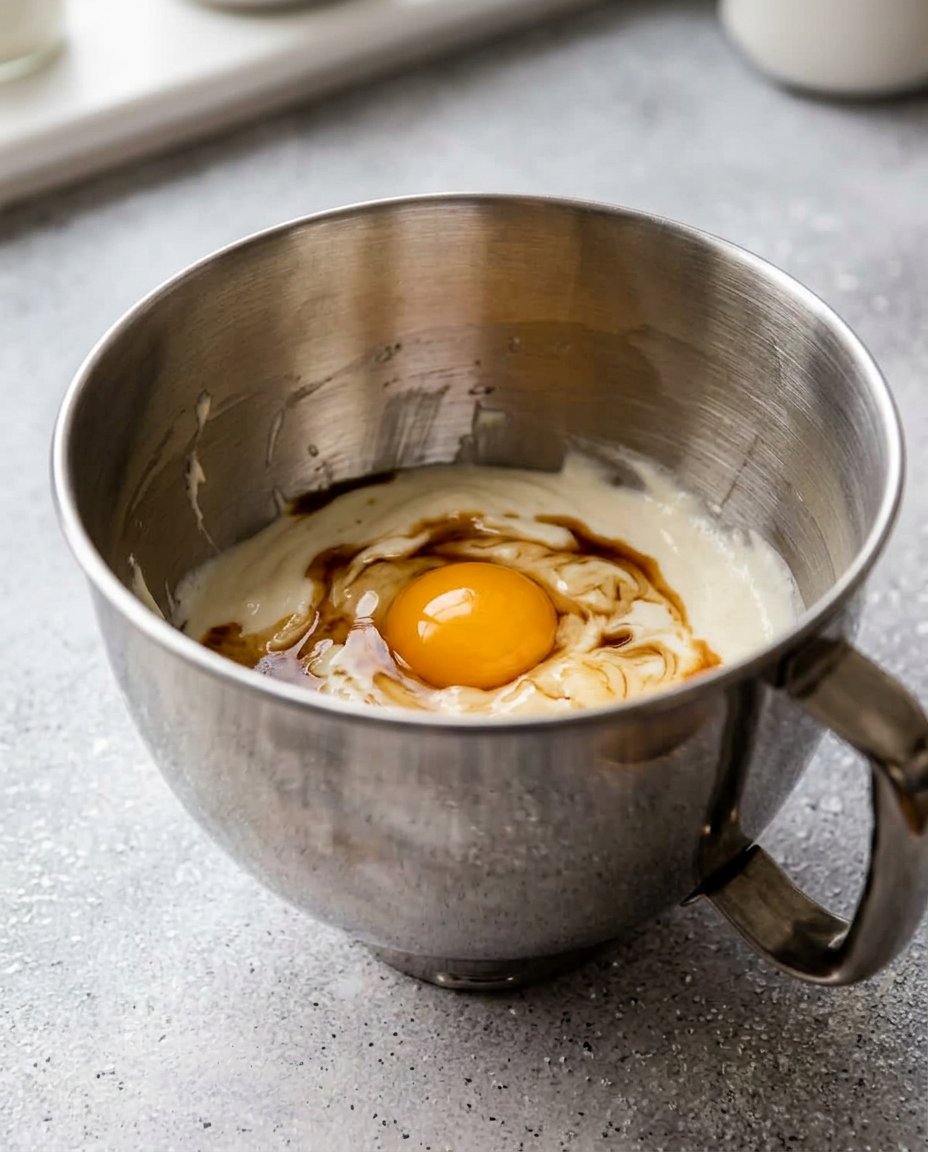
- Incorporate the eggs one at a time, followed by the vanilla and almond extracts, beating until the mixture is a smooth emulsion.
- Mix in the all-purpose flour and baking powder on the lowest speed just until the dry ingredients are combined to ensure a tender crumb.
- Portion the dough into 12 large spheres using a #12 scoop, place on a lined cookie sheet, and gently press down to form discs approximately 3/4-inch thick.
- Bake for 11 to 13 minutes until the centers are set and no longer glossy; allow the cookies to cool completely on the sheet to firm up.
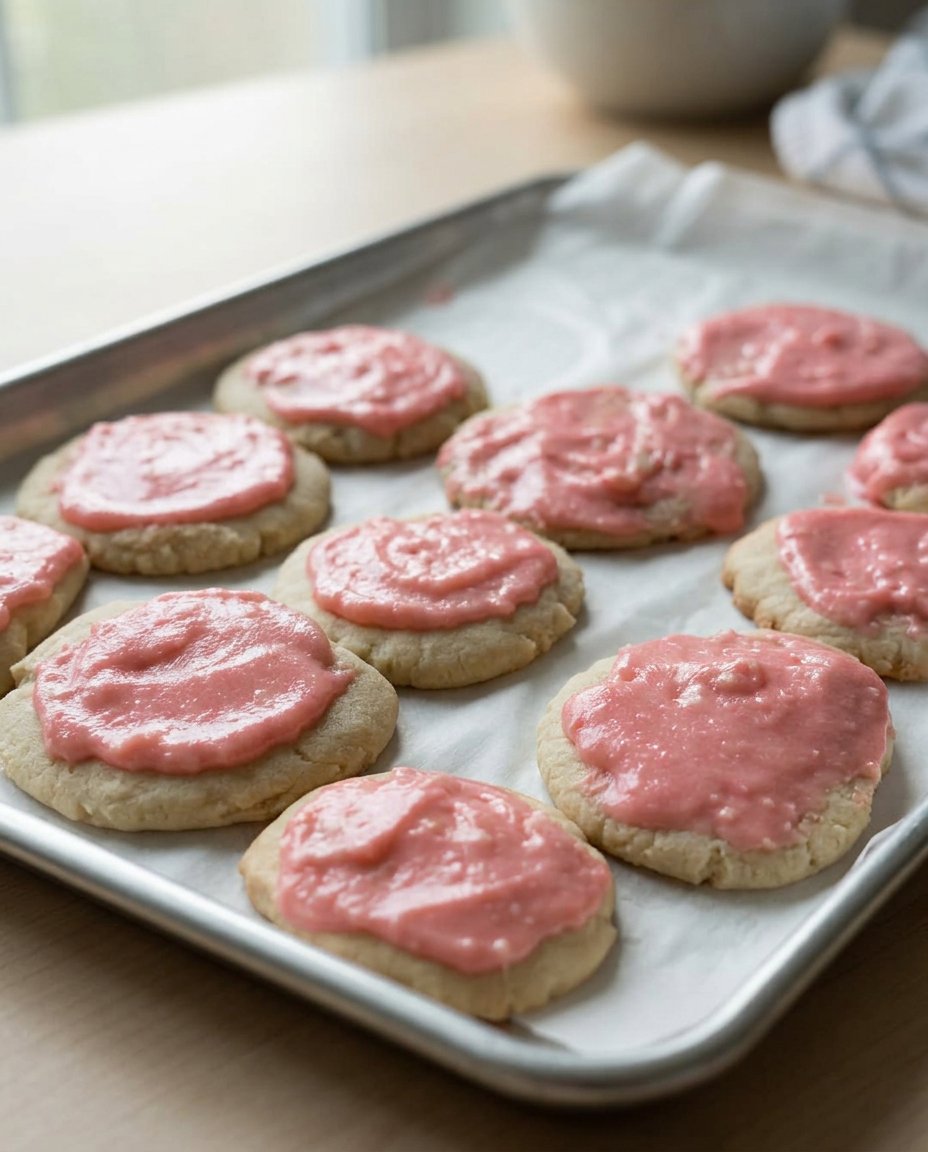
- Whisk together the frosting ingredients (softened butter, powdered sugar, almond extract, milk, and food coloring) and spread a thick layer over each cooled cookie, then chill for 30 minutes before serving.
Notes
Always use a digital kitchen scale to measure your flour and sugar, as volume-based measurements can lead to inconsistent results. For the ideal frosting consistency, add the milk half a tablespoon at a time until it is thick enough to hold its shape but smooth enough to spread easily with a spatula.
- Prep Time: 20 mins
- Cook Time: 12 mins
- Category: Dessert
- Method: Baking
- Cuisine: American
Proper Components for a Crumbl Copycat Sugar
To achieve the specific structural density required for this bake, we must be methodical about our ingredient selection and their physical states during integration. Each component serves a technical purpose that goes beyond mere flavor.
- Salted Butter (222g): The lipid content here provides the essential ‘shortness’ of the dough. Using salted butter is a traditional technique that helps to stabilize the sugar bonds during the creaming process, preventing a greasy finish.
- Granulated Sugar (230g): Unlike brown sugar, granulated sugar does not contain molasses, which would introduce unwanted acidity and moisture. This keeps the cookie pale and allows the leavening agent to work without interference.
- All-Purpose Flour (456g): We use a flour with a protein content between 10-12%. This provides enough structure to support the weight of the frosting without making the cookie tough or bread-like.
- Baking Powder (2 tsp): This provides a purely chemical lift. In this Crumbl Copycat Sugar, we avoid baking soda to prevent the Maillard reaction from over-browning the edges, keeping that classic pale aesthetic.
- Almond and Vanilla Extracts: The use of dual extracts is a heritage technique used to round out the flavor profile. The almond provides a sharp, clean top note while the vanilla offers a grounding sweetness.
- Powdered Sugar (321g): For the icing, the fineness of the sugar is paramount. It creates a stable, non-gritty suspension in the butter that sets into a smooth, matte finish when chilled.
- Neon Pink Food Coloring: While purely aesthetic, the tradition of pink icing on sugar biscuits has deep roots in British confectionery, historically achieved with cochineal to signify a ‘special occasion’ treat.
The Proper Method for Technical Success
Step 1: Mechanical Aeration of Fats and Sugars
Begin by preheating your oven to 350°F (175°C). In the bowl of your stand mixer, combine the room-temperature salted butter and granulated sugar. Use the paddle attachment to cream these ingredients for at least 3 to 5 minutes on medium-high speed. This process, which Victorian bakers did by hand with a wooden spoon, creates thousands of microscopic air pockets that the baking powder will later expand. The mixture should appear pale and significantly lighter in volume before you proceed.
Step 2: Emulsifying the Liquid Ingredients
Scrape the sides of the bowl to make sure all fat is integrated. Add the two eggs one at a time, followed by the vanilla and almond extracts. Beat the mixture until it is fully emulsified. If the batter appears curdled, the eggs may have been too cold; simply continue beating until the mixture smooths out. This step is vital for a consistent crumb and prevents the cookies from spreading too thin during the bake.
Step 3: Integrating the Dry Substrates
Add the all-purpose flour and baking powder to the bowl. Mix on the lowest speed possible just until the flour disappears. Over-mixing at this stage will activate the gluten, leading to a tough, rubbery cookie rather than a tender one. The dough should be soft but not excessively sticky to the touch. This balance of hydration and protein is what gives the Crumbl Copycat Sugar its signature weight.
Step 4: Portioning for Thermal Consistency
Use a #12 cookie scoop (roughly 1/3 cup) to portion the dough into twelve equal spheres. Place them on a lined cookie sheet with ample space between them—no more than six per sheet. Use the palm of your hand to gently flatten each ball into a thick disc about 3/4 of an inch high. This ensures the heat penetrates the center of the cookie at the same rate the edges set, preventing a raw middle.
Step 5: The Precise Bake and Carry-Over Heat
Bake at 350°F for 11 to 13 minutes. It is essential to remove the cookies when the centers have puffed and are no longer glossy, even if they appear slightly underdone. The cookies will finish cooking on the hot sheet through carry-over heat. This preserves the moisture content. Let them cool completely on the tray before attempting to handle them; the structure is fragile until the fats have re-solidified.
Step 6: The Sweet Almond Glaze Application
While the cookies cool, prepare the icing by creaming the softened butter until smooth, then slowly incorporating the powdered sugar, almond extract, and milk. If using, add the pink coloring. The consistency should be thick but spreadable. Apply a generous layer to each cooled cookie using an icing spatula. For the final technical touch, chill the cookies in the refrigerator for at least 30 minutes to set the icing and firm the dough’s crumb before serving.
Precision Methods for the Home Baker
To achieve a professional result, pay close attention to the temperature of your ingredients. Butter should be around 65°F (18°C) to properly hold air during the creaming stage. If the butter is too soft, the air bubbles will collapse, resulting in a greasy, flat cookie. For those looking to master the basics of cookie chemistry, our guide on Foundation Cookie Recipes provides deeper insight into how fat temperatures affect the final bake.
Another precision technique is to weigh your ingredients using a digital scale. Volume measurements for flour can vary by as much as 20% depending on how the flour is packed, which can ruin the delicate balance of this dough. Modern testing shows that 456 grams of flour is the exact threshold for maintaining the ‘no-spread’ shape that these cookies are famous for. This methodical approach ensures that your copycat efforts are indistinguishable from the original bakery product.
Historical and Regional Adaptations
While the neon pink icing is the modern standard, historical variations of this biscuit often featured a ‘Shrewsbury’ style finish, which involved a simple dusting of superfine sugar and a hint of nutmeg in the dough. For a more holiday-centric approach, you might consider swapping the almond extract for peppermint or lemon zest, techniques we explore further in our article on Holiday Cookie Science. These adaptations allow you to use the same stable base dough for various seasonal needs.
If you require a gluten-free version, a high-quality 1-to-1 flour blend with xanthan gum can be substituted. However, you must reduce the milk in the frosting slightly, as gluten-free flours tend to release moisture differently. For more modern inspirations on viral cookie trends, you can see how other bakers handle these ratios at Cooking with Karli, which offers an excellent contemporary perspective on the sugar cookie phenomenon.
Traditional Service and Modern Occasions
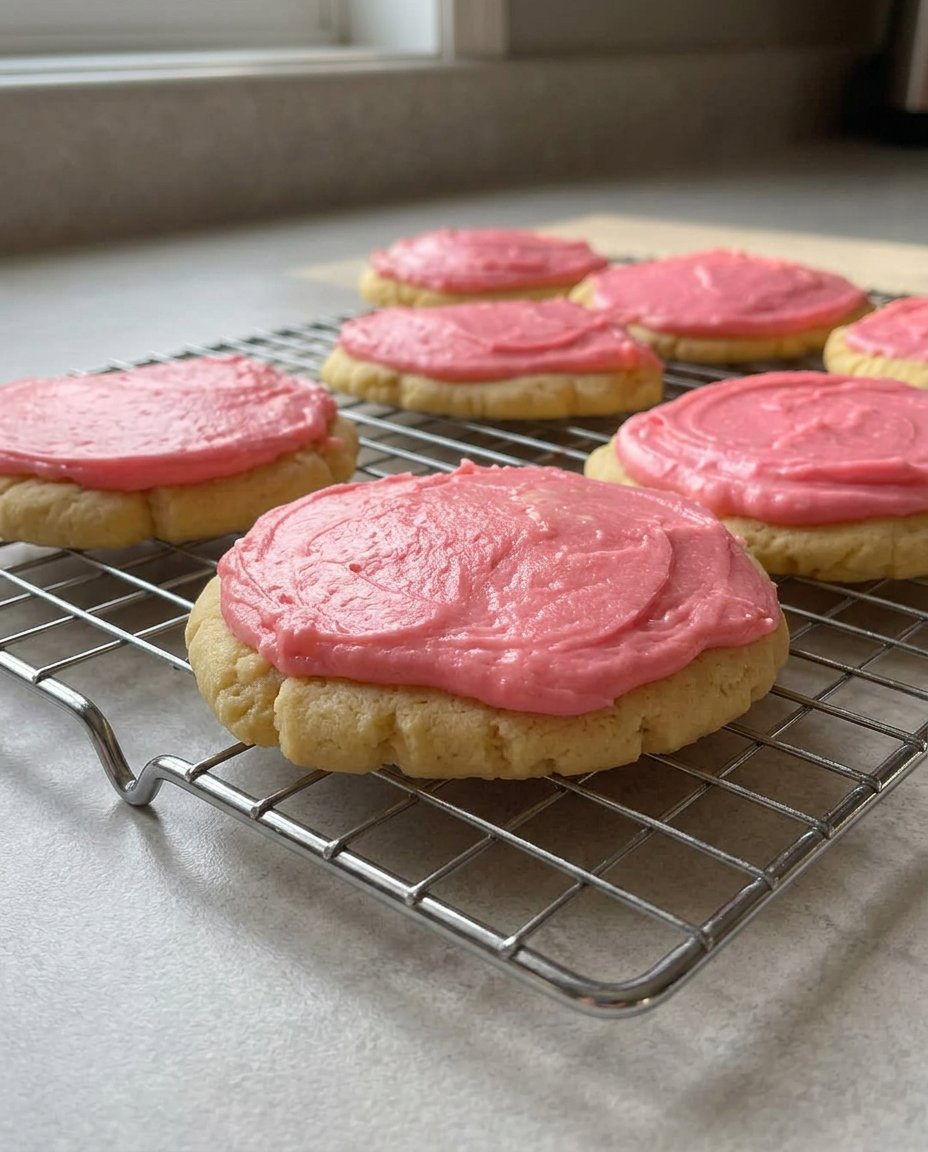
In keeping with British biscuit traditions, these cookies are exceptionally well-suited for an afternoon tea service. Serve them on a chilled marble platter to maintain the frosting’s integrity, accompanied by a strong Earl Grey or a malty Assam tea. The bitterness of the tea provides a perfect structural counterpoint to the high sugar content of the almond glaze. For more advice on high-volume baking and service, see our tips on Efficient Cookie Methods.
For modern social gatherings, these cookies are often served as ‘shareables’ due to their immense size. Cutting them into quarters using a warm, sharp knife allows guests to enjoy the technical precision of the bake without the commitment of a full 500-calorie portion. This method also showcases the beautiful, uniform cross-section of the aerated dough and the thick layer of icing.
The Technical Truth of the Sugar Cookie
Mastering the Crumbl Copycat Sugar is a journey through both history and science. By respecting the Victorian creaming method and understanding the role of temperature control, you can produce a bakery-quality biscuit in your own kitchen. This recipe proves that traditional techniques remain the most reliable way to achieve perfection in the modern world. For those interested in the chemistry behind other trending bakes, our Viral Cookie Analysis provides a deeper look at the physics of the perfect crumb. Join our community of technical bakers and share your results with us on Facebook, Instagram, or Pinterest.