I’ve always been fascinated by how citral in lemon zest interacts with the pungent gingerol found in fresh ginger roots. During my early days in the lab, I discovered that this specific pairing isn’t just about brightness; it’s about a chemical synergy where the sharp acidity of lemon suppresses the bitter notes often associated with ground ginger. This recipe for Lemon Ginger Snaps captures that discovery, creating a cookie that is as much a scientific triumph as it is a nostalgic treat.

These cookies are a sophisticated study in moisture-to-crunch ratios and textural harmony. By sandwiching a high-fat lemon cream between two low-hydration ginger wafers, we create a sensory experience that progresses from a crisp snap to a velvety melt. It is the ultimate example of how understanding the chemistry of your ingredients can lead to a perfectly balanced bite.
The Molecular Science of the Snap
The allure of these Lemon Ginger Snaps lies in the transformation of gingerol into shogaol during the baking process. As the cookies heat, the moisture leaves the dough, concentrating the ginger flavor and increasing its characteristic heat. This chemical shift provides a deep, warming sensation that lingers on the palate, perfectly countered by the cool, creamy lemon filling.
We use unsulfured molasses here because it provides the essential sugars for the Maillard reaction without the overwhelming mineral bitterness of blackstrap varieties. This results in a complex, honey-toned sweetness that allows the lemon zest to shine. The addition of Diamond Crystal kosher salt is intentional; salt suppresses our perception of bitterness while heightening the floral notes of the lemon, a concept known in flavor science as cross-modal sensory enhancement.
Furthermore, the use of cold butter and a long creaming time is a deliberate choice. By incorporating tiny air pockets into the fat, we provide the physical structure needed for the cookies to expand and then collapse into their signature thin, crisp shape. It is a precise dance between leavening and hydration that results in a cookie with a remarkable shelf life and a consistently satisfying snap.
Print
Lemon Ginger Snaps
- Total Time: 45 mins
- Yield: 24 cookies
- Diet: Vegetarian
Description
These sophisticated sandwich cookies feature crisp, molasses-rich ginger wafers paired with a silky, aerated lemon cream. The science-backed combination of pungent gingerol and bright citrus creates a perfectly balanced treat with a signature snap.
Ingredients
- 1 cup unsalted butter, softened
- 1 cup granulated sugar
- 1/4 cup unsulfured molasses
- 2 tsp ground ginger
- 1 tsp baking soda
- 1/2 tsp Ceylon cinnamon
- 1/4 tsp ground nutmeg
- 1/2 tsp Diamond Crystal kosher salt
- Grated zest of 1 lemon
- 2 cups all-purpose flour
- 2 tbsp heavy cream
- 1 1/2 cups powdered sugar
- 1/2 cup refined coconut oil, solid but soft
- 1 tbsp fresh lemon juice
- 1/4 tsp lemon oil
- Pinch of salt
Instructions
- In a stand mixer, combine the sugar, butter, molasses, ginger, baking soda, cinnamon, nutmeg, salt, and lemon zest, creaming on medium speed for five minutes to incorporate air for mechanical leavening.
- Reduce the mixer speed to low and add the all-purpose flour followed by the heavy cream, mixing just until the white streaks of flour vanish to avoid gluten development.
- Portion the dough into 3/8-ounce portions, roll into smooth spheres between your palms, and place on a baking sheet with at least 1.25 inches of space between them.
- Bake at 350°F (180°C) for 10 minutes until the edges firm and the cookies lose their puffiness, then let them cool completely on the pan to crystallize the sugars.
- Prepare the filling by beating the powdered sugar, coconut oil, lemon juice, lemon oil, and a pinch of salt for five minutes until the mixture is light, fluffy, and aerated.
- Pipe the lemon cream onto the flat side of one cooled cookie, sandwich with a second cookie, and refrigerate for 15 minutes to allow the coconut oil to stabilize.
Notes
To ensure the perfect snap, avoid baking in high humidity and allow the cookies to cool entirely on the baking sheet before handling. If your kitchen temperature is above 76°F, you may need to chill the filling briefly to prevent the sandwiches from sliding. For an extra layer of flavor, try toasting your ground spices in a dry pan for 30 seconds before adding them to the dough.
- Prep Time: 20 mins
- Cook Time: 10 mins
- Category: Dessert
- Method: Baking
- Cuisine: American
Analyzing the Flavor Components
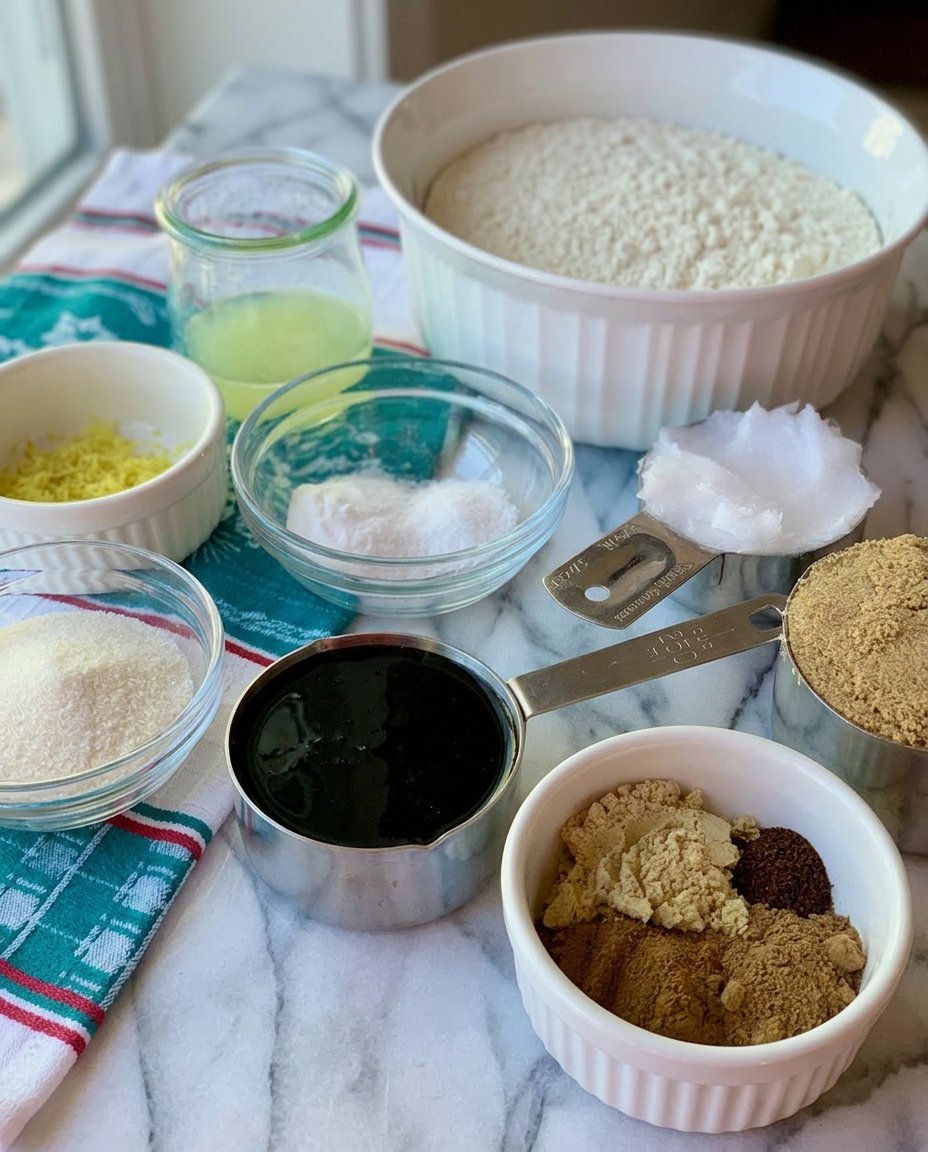
To achieve the perfect Lemon Ginger Snaps, every ingredient must be selected for its specific chemical contribution to the final flavor profile. We aren’t just mixing dough; we are building a complex matrix of tastes and aromas.
- Unsalted Butter: This provides the primary lipid base. We use unsalted to have total control over the sodium levels, which is vital for balancing the ginger’s heat.
- Unsulfured Molasses: Beyond sweetness, molasses provides acidity that reacts with the baking soda to create carbon dioxide, contributing to the cookie’s spread.
- Ground Ginger: The source of gingerol. We use a generous amount to ensure the heat is perceptible even after the flavor compounds are diluted by the flour.
- Ceylon Cinnamon and Nutmeg: These spices share terpene compounds with ginger, creating a layered, multidimensional warmth rather than a one-note spice profile.
- Lemon Zest: The primary source of limonene, an aroma compound that provides the “high notes” in our flavor chord.
- Refined Coconut Oil: Used in the filling for its unique physical properties. Coconut oil has a very narrow melting window, remaining solid at room temperature but melting instantly at body temperature, which creates a luxurious mouthfeel.
The Flavor Layering Process
Step 1: Creaming the Fat and Spices
Begin by combining the sugar, butter, molasses, ginger, baking soda, cinnamon, nutmeg, salt, and lemon zest in a stand mixer. Mix on low initially to prevent sugar dust, then increase to medium for five minutes. This long creaming period is essential for mechanical leavening, trapping air that will later help the cookies spread and thin out in the oven.
Step 2: Incorporating the Solids and Hydration
Reduce the mixer speed to its lowest setting and add the all-purpose flour all at once. As the flour mixes, drizzle in the heavy cream. The cream provides just enough hydration to bind the dough without developing excessive gluten, which would result in a tough cookie rather than a crisp one. Stop as soon as the white streaks of flour vanish.
Step 3: Precision Portioning and Shaping
Use a small scoop to divide the dough into 3/8-ounce portions. It is vital to roll these into perfectly smooth spheres between your palms. The smooth surface allows for even heat distribution and a more uniform spread. Because these cookies contain molasses and a high sugar-to-flour ratio, they will spread significantly, so space them at least 1.25 inches apart.
Step 4: The Thermal Transformation
Bake at 350°F (180°C) for approximately 10 minutes. Watch for the moment the cookies lose their puffiness and the edges begin to firm. This indicates that the moisture has sufficiently evaporated to allow the sugar to crystallize upon cooling. Let them cool completely on the pan; the “snap” only develops once the temperature drops below the sugar’s glass transition point.
Step 5: Emulsifying the Lemon Filling
While the wafers cool, combine the powdered sugar, coconut oil, lemon juice, lemon oil, and salt. Cream these for five minutes until the mixture is light and aerated. The acidity of the fresh lemon juice helps to stabilize the emulsion of the coconut oil and sugar, preventing the filling from feeling overly greasy on the tongue.
Step 6: Final Assembly and Stabilization
Match the cooled cookies in pairs of similar sizes. Pipe a small amount of the lemon cream onto the flat side of one cookie and press the second cookie on top. Refrigerate the assembled sandwiches for 15 minutes. This step is non-negotiable, as it allows the coconut oil to transition back into a solid state, locking the two halves together for a clean bite.
Jasmine’s Precision Secrets
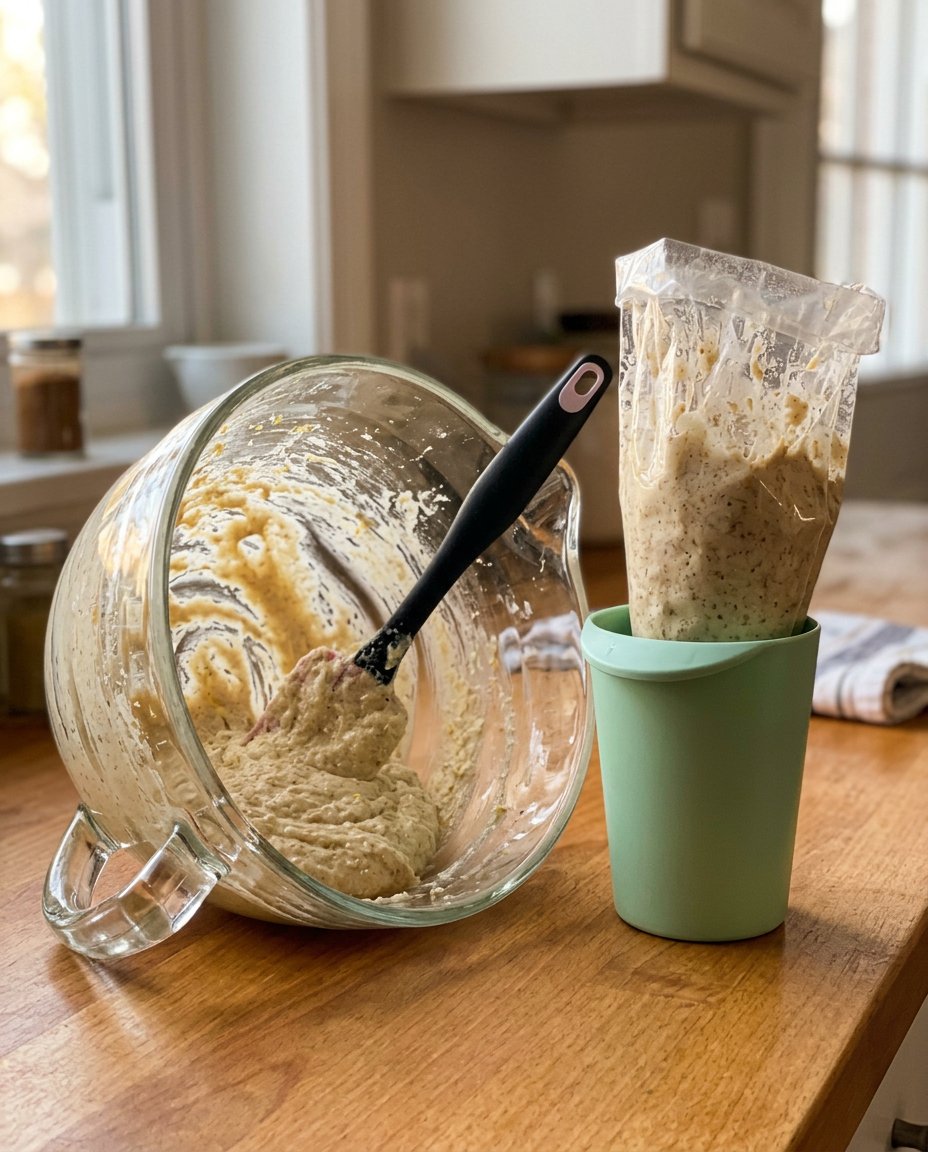
Understanding the behavior of fats is crucial for a successful filling. If your kitchen is warmer than 76°F, the coconut oil in the filling will likely liquify, causing your sandwich to slide apart. Always monitor your ambient temperature to maintain the integrity of the emulsion. If you find your dough is too soft to roll, a brief 10-minute chill will stabilize the butter fats without making the dough brittle. For those looking to build their repertoire of reliable bakes, checking out our Foundation Cookie Recipes provides a great technical base. For a deep dive into the specific proportions used in similar citrus-spiced treats, you might also find the technical notes on these homemade ginger lemon cremes quite enlightening. Remember that toasting your spices for 30 seconds in a dry pan before adding them can release even more aromatic pyrazines, adding a roasted depth to the heat.
Scientific Flavor Swaps
While the lemon and ginger combination is a classic, you can manipulate the terpene profiles for different results. Replacing the lemon zest with lime zest introduces more floral, pine-like notes that pair beautifully with the earthiness of the ginger. If you prefer a more intense heat, adding a quarter teaspoon of finely ground white pepper will introduce piperine, which works synergistically with gingerol to create a more profound spice sensation. For those interested in how these flavors change during the winter months, see our guide on Holiday Cookie Science. You can also experiment with the fat in the filling; using virgin coconut oil instead of refined will add a tropical lauric acid aroma that complements the citrus perfectly.
Taste Enjoyment and Pairing
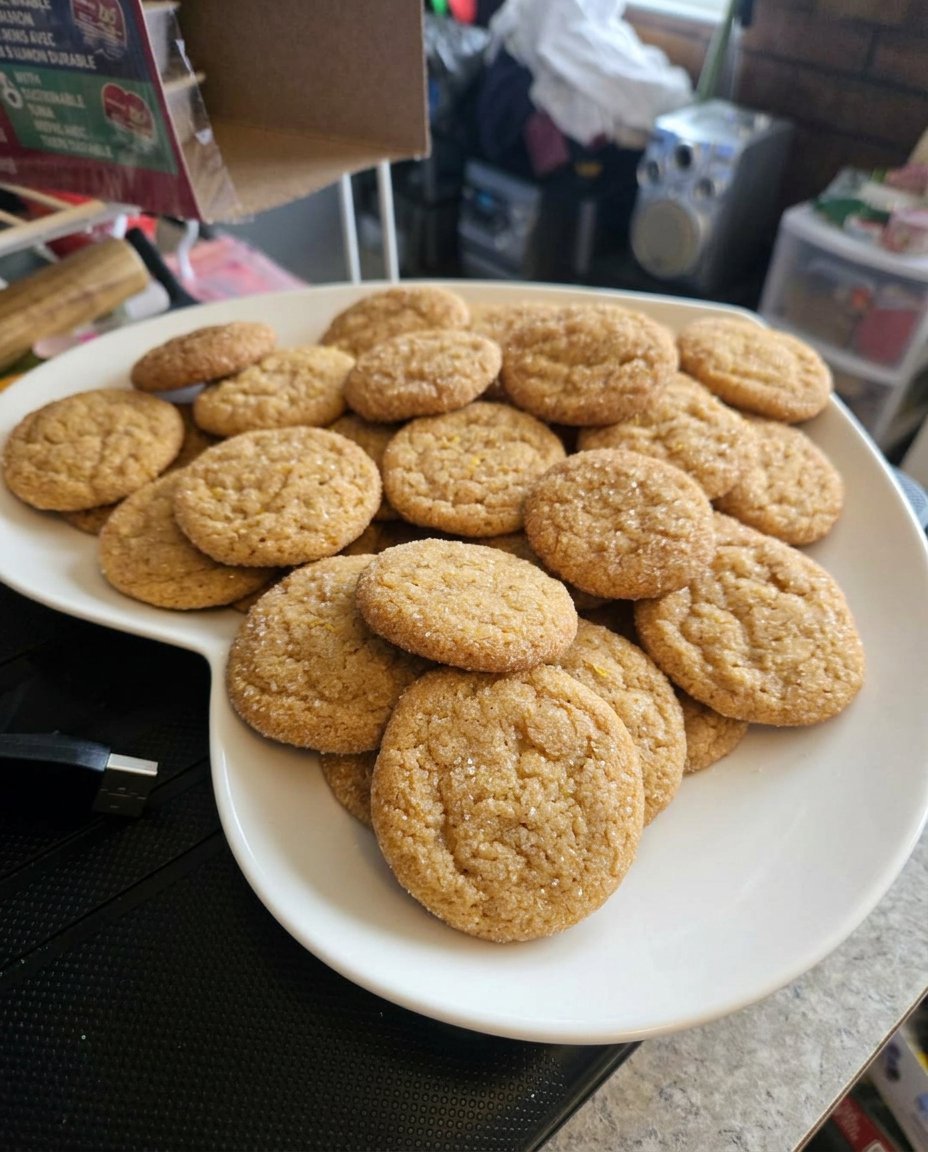
The serving temperature of these Lemon Ginger Snaps is critical for the best flavor release. Serving them at a cool room temperature (around 70°F) ensures the filling is firm yet ready to melt on the tongue. Pair these with a hot cup of Earl Grey tea; the bergamot in the tea shares limonene compounds with the lemon in the cookie, creating a harmonious aromatic bridge. For a more detailed look at how certain cookies become social media favorites through visual and flavor appeal, visit our Viral Cookie Analysis. If serving as a dessert course, a small glass of chilled late-harvest Riesling provides the necessary acidity and sweetness to match the ginger’s intensity.
The Flavor Truth
Mastering the Lemon Ginger Snaps is a lesson in how physical chemistry dictates culinary success. From the creaming of the fats to the crystallization of the sugars, every step is a move toward a more balanced and flavorful result. I hope this recipe encourages you to think about the “why” behind your baking as much as the “how.” For more ways to optimize your time in the kitchen without sacrificing scientific accuracy, check out our Efficient Cookie Methods. Please share your results and your own flavor discoveries with our community on Instagram, Pinterest, and Facebook. Happy baking, and keep questioning the science of taste.