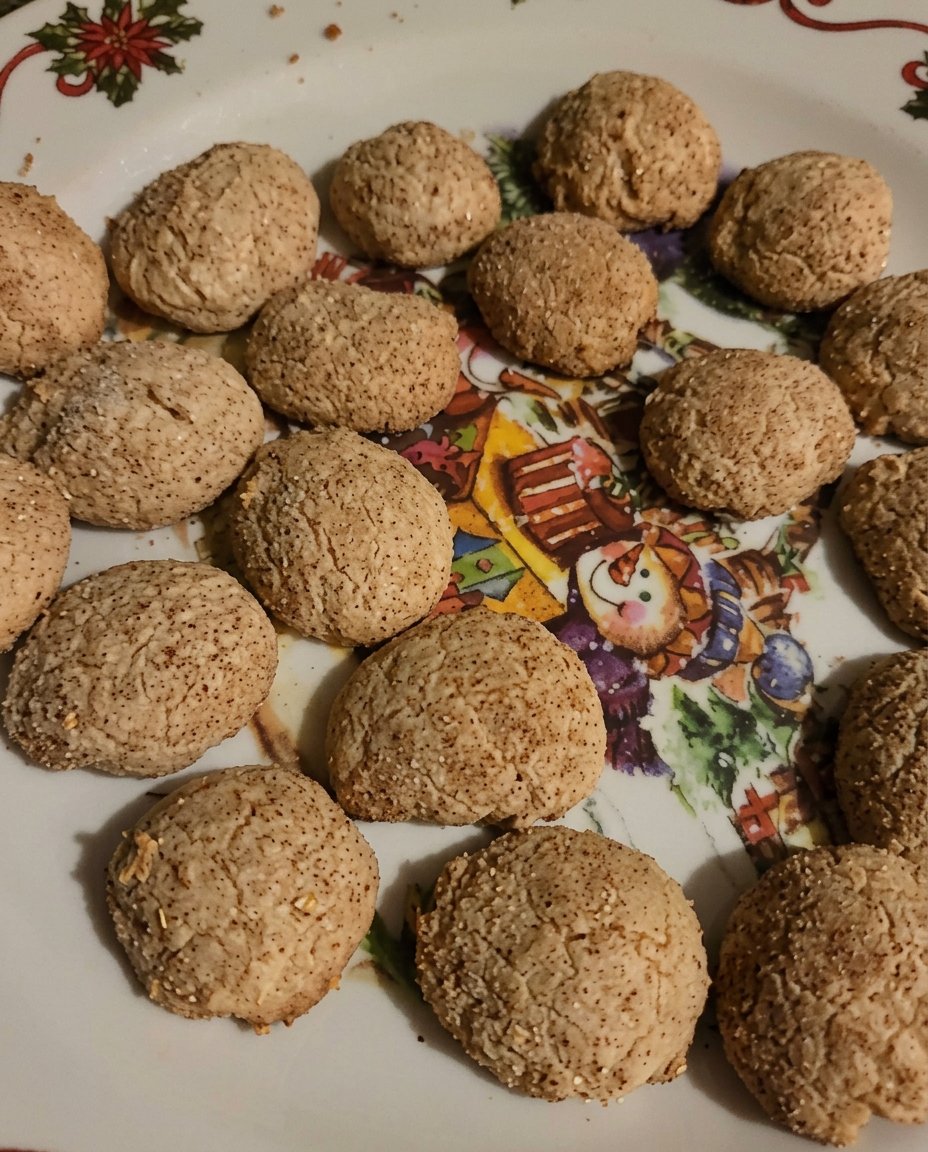
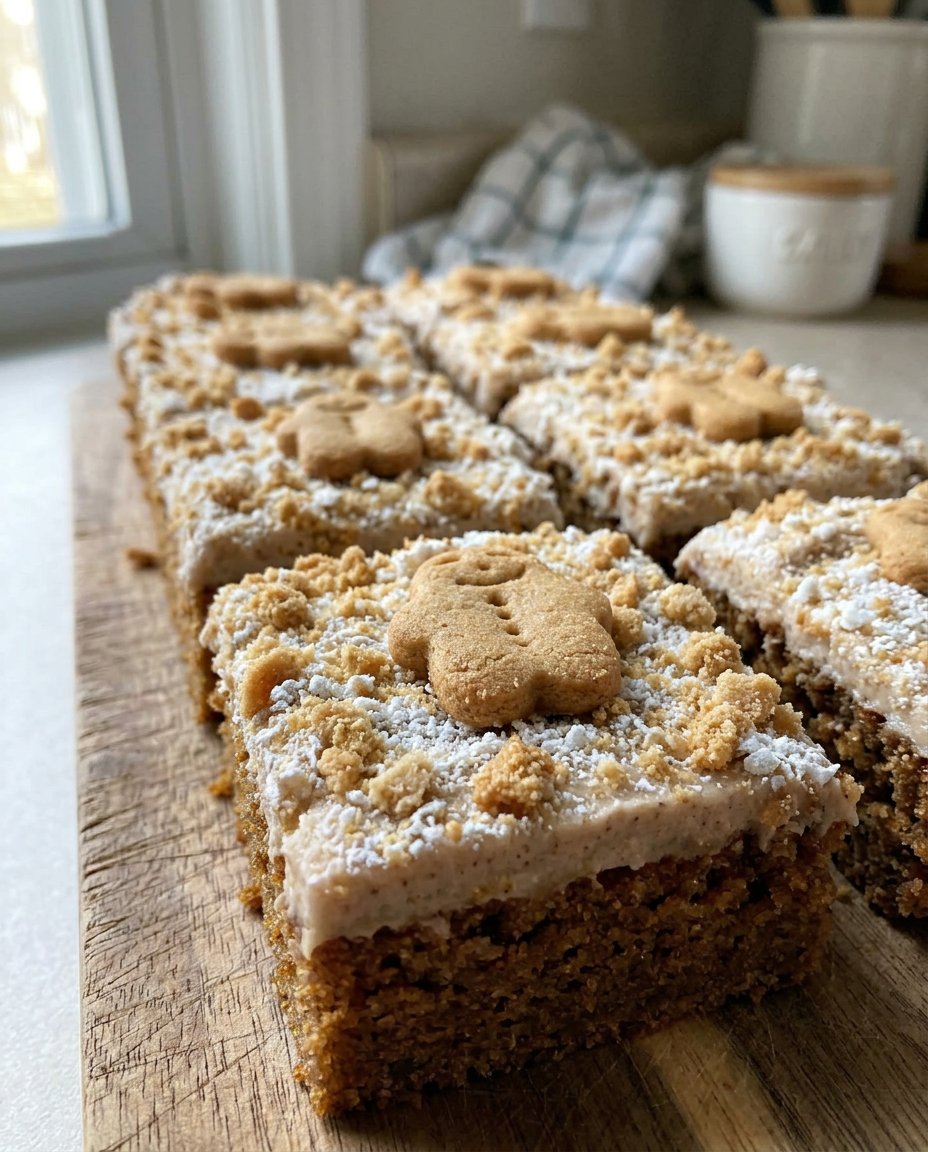
The sharp heat of white pepper contains piperine, a compound that triggers different thermal receptors than the cinnamaldehyde found in traditional holiday spices. When these molecules collide with the floral notes of honey, they create a sensory profile that is deeply warming rather than simply sweet. This chemical synergy defines the classic Pfeffernusse experience, turning a simple dough into a complex study of aromatic balance.

These tiny ‘pepper nuts’ rely on a high-hydration dough that matures in the refrigerator to allow for complete starch saturation. This resting period permits the honey and spices to meld, resulting in a soft, spice-forward cookie encased in a shattering sugar glaze that balances the intense aromatic profile.
The Flavor Science of Aromatic Spice Pairing
You will love this recipe because it treats flavor as a layered architectural project. We use a specific ratio of honey and brown sugar to achieve a chewy texture through hygroscopic action, meaning the sugars pull moisture from the air to keep the cookie soft. The addition of white pepper provides a clean, biting finish that prevents the warm spices from becoming cloying or one-dimensional.
Furthermore, the inclusion of almond meal adds a subtle fatty richness that carries the fat-soluble flavor compounds from the Lebkuchengewürz across your palate more effectively. This creates a lingering aftertaste that evolves from sweet honey to warm cinnamon and finally to that iconic peppery kick. It is a brilliant example of how contrasting flavors can work together to create a harmonious whole.
Print
Pfeffernusse
- Total Time: 12 hours 35 mins
- Yield: 48 cookies
- Diet: Vegetarian
Description
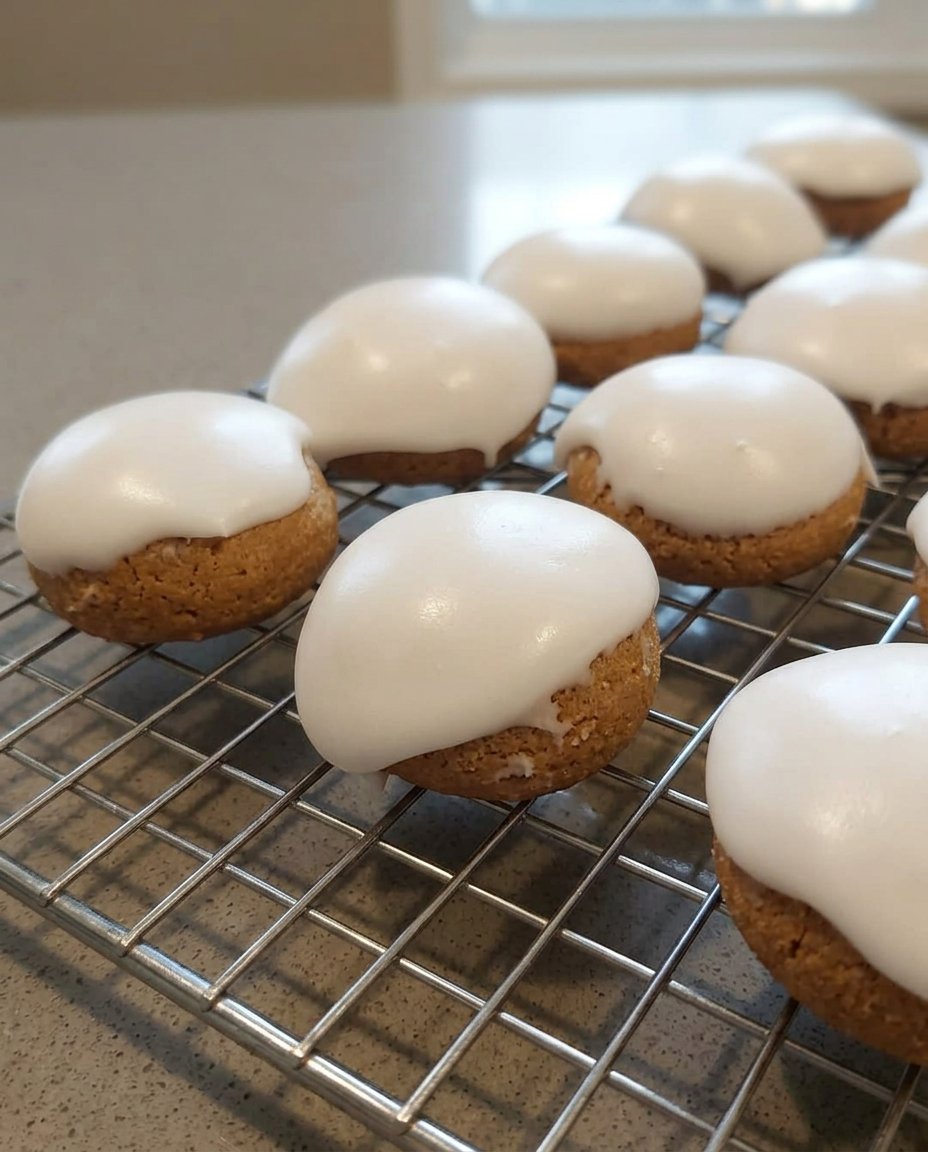
These traditional German “pepper nuts” offer a sophisticated balance of floral honey and sharp white pepper encased in a crisp sugar glaze. Perfect for holiday gifting, the dough matures overnight to create a soft, aromatic spice cookie with a signature warming finish.
Ingredients
- 2 1/4 cups all-purpose flour
- 1/2 teaspoon baking soda
- 1/4 teaspoon salt
- 2 teaspoons Lebkuchengew rz
- 1/2 teaspoon finely ground white pepper
- 1/4 cup almond meal
- 1/2 cup pure honey
- 1/4 cup unsalted butter
- 2 tablespoons heavy cream
- 1/2 cup brown sugar
- 1 large egg
- 1 1/2 cups powdered sugar
- 3 tablespoons hot water
Instructions
- In a medium bowl, whisk together the flour, baking soda, salt, Lebkuchengew rz, white pepper, and almond meal until the spices are evenly distributed.
- Combine the brown sugar, honey, unsalted butter, and heavy cream in a medium saucepan over medium heat, stirring until melted and the sugar has dissolved.
- Remove the saucepan from the heat and let rest for five minutes before stirring in the flour mixture and the egg until the dough is glossy and sticky.
- Seal the dough tightly in plastic wrap and refrigerate overnight or for up to two days to allow for complete starch saturation.
- Preheat your oven to 350 degrees and roll the cold dough into small balls; place them on a lined cookie sheet and bake for 15 minutes.
- Whisk the powdered sugar and hot water together, then dip each cookie into the glaze and allow them to set on a wire rack until the white shell is crisp.
Notes
To ensure the most accurate texture, always use a kitchen scale to weigh your flour rather than a measuring cup, as this prevents the cookies from becoming dry and crumbly. If the dough feels too sticky to roll after its overnight rest, lightly dampen your hands with water or oil rather than adding more flour, which would dilute the intense spice profile.
- Prep Time: 20 mins
- Cook Time: 15 mins
- Category: Dessert
- Method: Baking
- Cuisine: German
The Building Blocks of Spicy Complexity
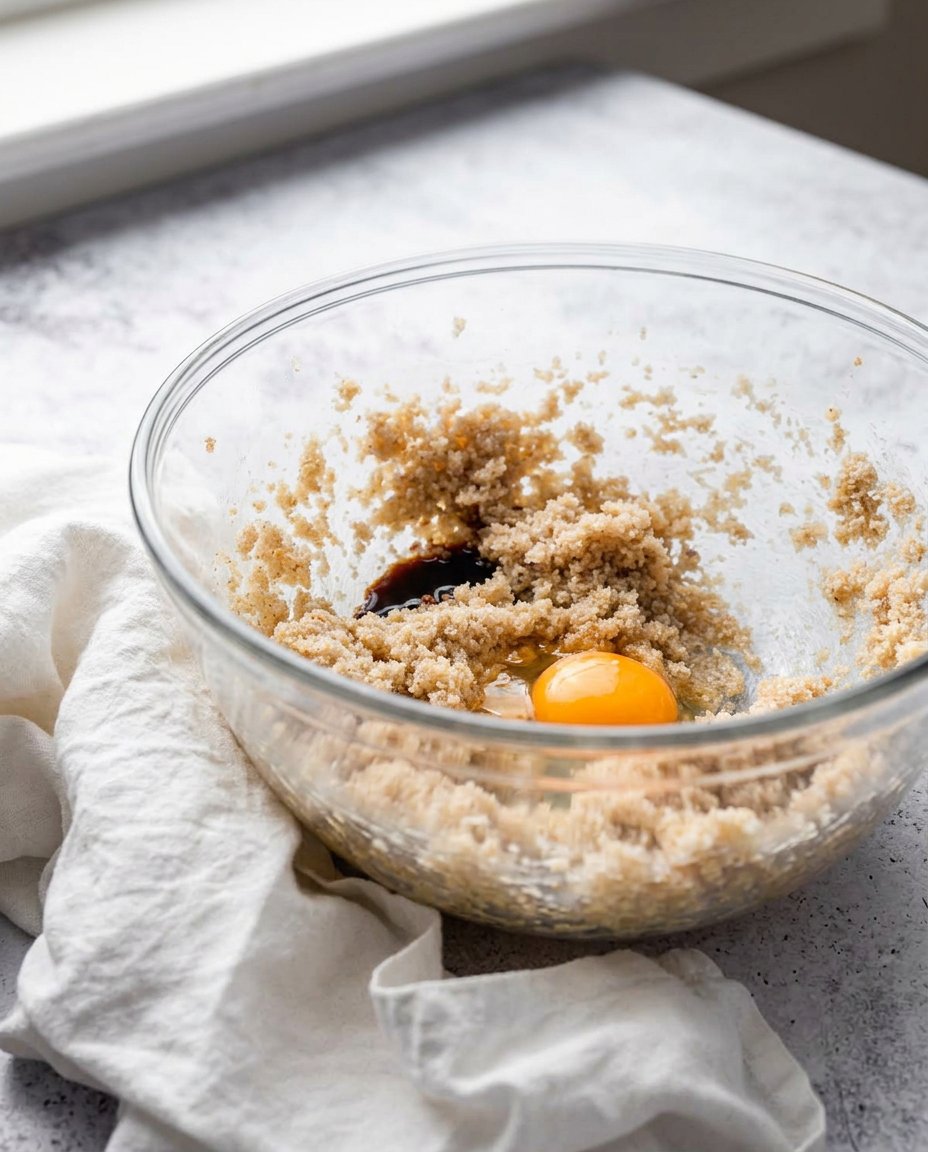
Selecting high-quality components is vital for this recipe as the flavors are concentrated into such small, potent bites. Each ingredient serves a specific functional and aromatic purpose in the final bake.
- Lebkuchengewürz: This traditional German spice blend is the heart of the cookie, providing a spectrum of aromatic compounds like eugenol and gingerol.
- Pure Honey: Beyond sweetness, honey acts as a humectant to keep the cookies tender and provides floral acidity.
- White Pepper: We use finely ground white pepper for its direct heat and because it blends visually into the light interior of the cookie.
- Almond Meal: This adds structure and essential oils which magnify the perception of spice flavors.
- Heavy Cream: The fats in the cream help emulsify the honey and butter, creating a smooth, glossy dough.
- Brown Sugar: Its molasses content contributes to the Maillard reaction, giving the cookies their signature golden-brown hue and deep caramel notes.
The Flavor Layering Process
Step 1: Combine the Dry Aromatics
In a medium bowl, whisk together the flour, baking soda, salt, Lebkuchengewürz, white pepper, and almond meal. Whisking these together early guarantees that the potent spices are evenly distributed throughout the starch molecules before the wet ingredients are introduced.
Step 2: Melt and Emulsify
Combine the brown sugar, honey, unsalted butter, and heavy cream in a medium saucepan. Heat the mixture over medium heat, stirring frequently until the butter is melted and the sugar crystals have completely dissolved. This step creates a stable syrup that will coat the flour particles evenly.
Step 3: Integrate the Base
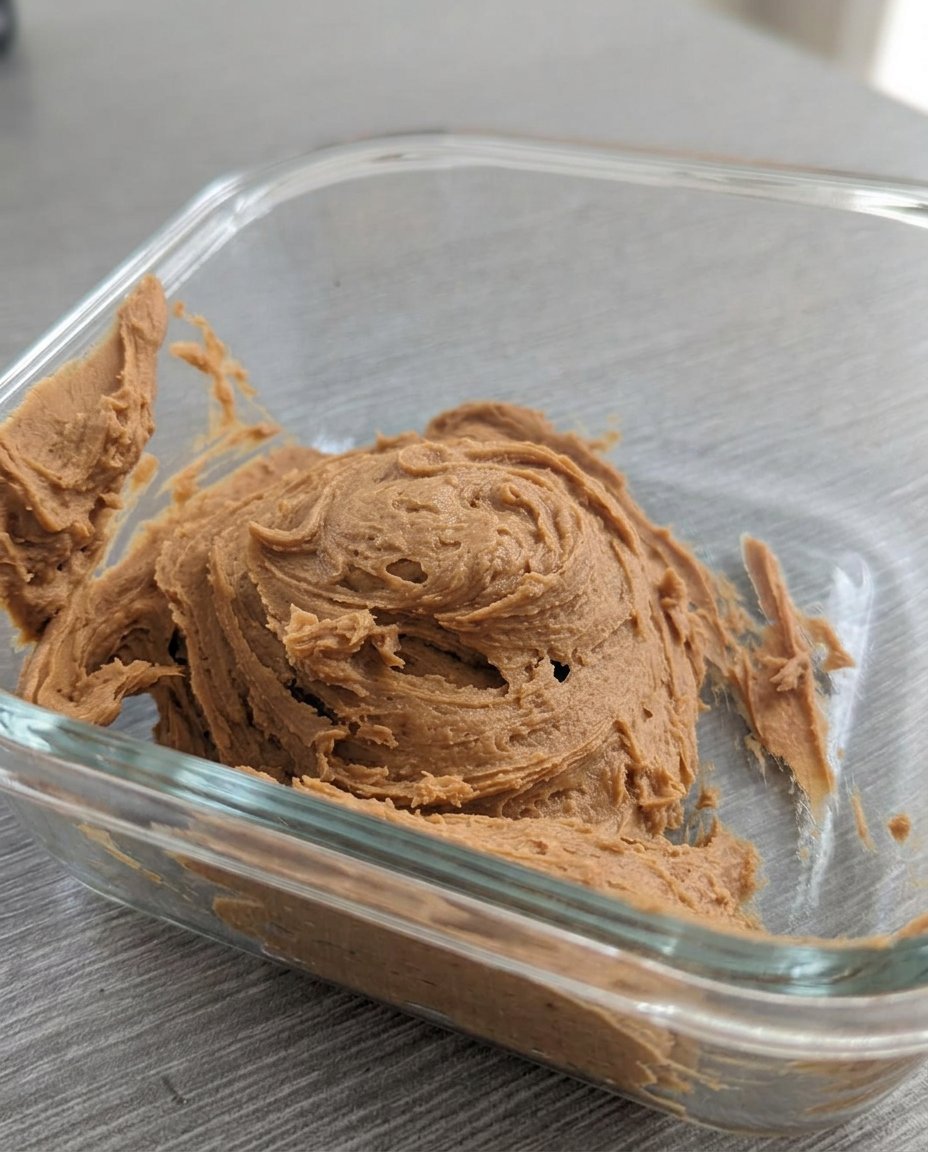
Remove the saucepan from the heat and let it rest for five minutes to lower the temperature slightly. Stir in the flour mixture until no dry streaks remain, then add the egg. Stir vigorously until the dough has a glossy sheen and a very sticky consistency; this indicates the fats and sugars have successfully emulsified.
Step 4: The Cold Hydration Cure
Transfer the sticky dough to plastic wrap and seal it tightly. Refrigerate the dough overnight or for up to two days. This resting phase is non-negotiable as it allows the flour to fully hydrate and the spice flavors to penetrate the entire dough structure.
Step 5: Shape and Bake for Maillard Reaction
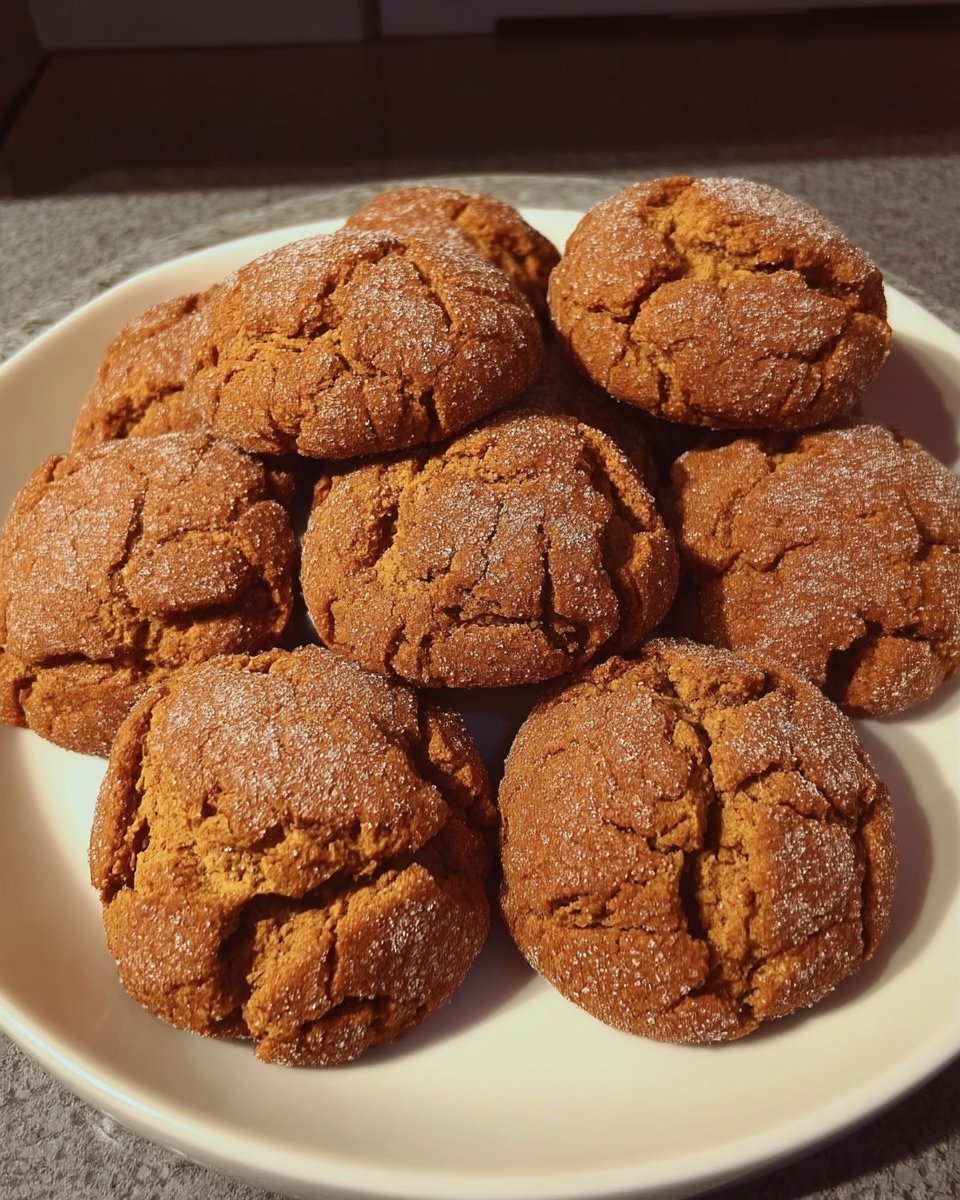
Preheat your oven to 350 degrees. Working quickly while the dough is cold, roll it into 3/4 inch thick strands and slice them into small rounds. Roll each piece into a ball and place them on a lined cookie sheet. Bake for approximately 15 minutes until the edges are golden brown and the centers are set.
Step 6: Engineering the Glaze Shell
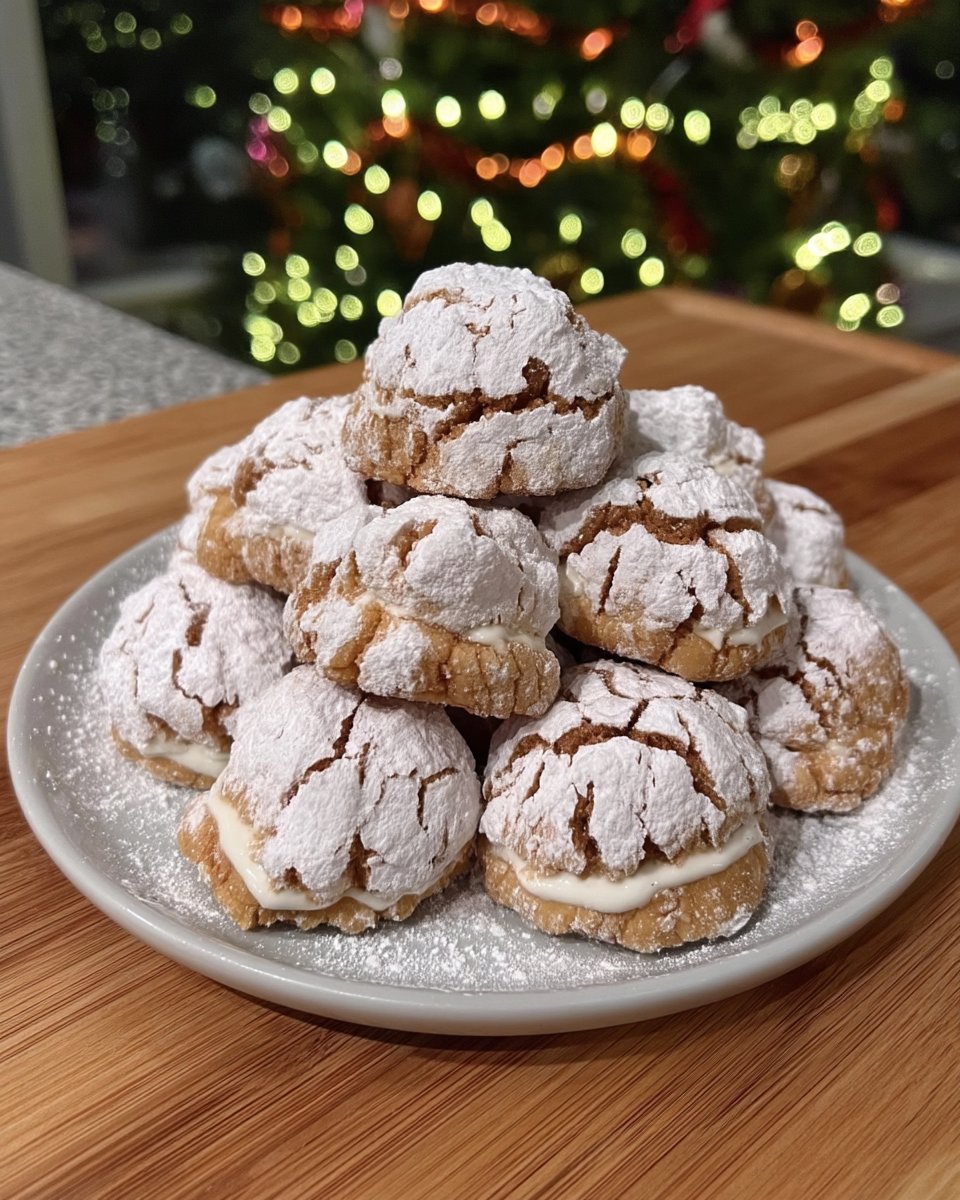
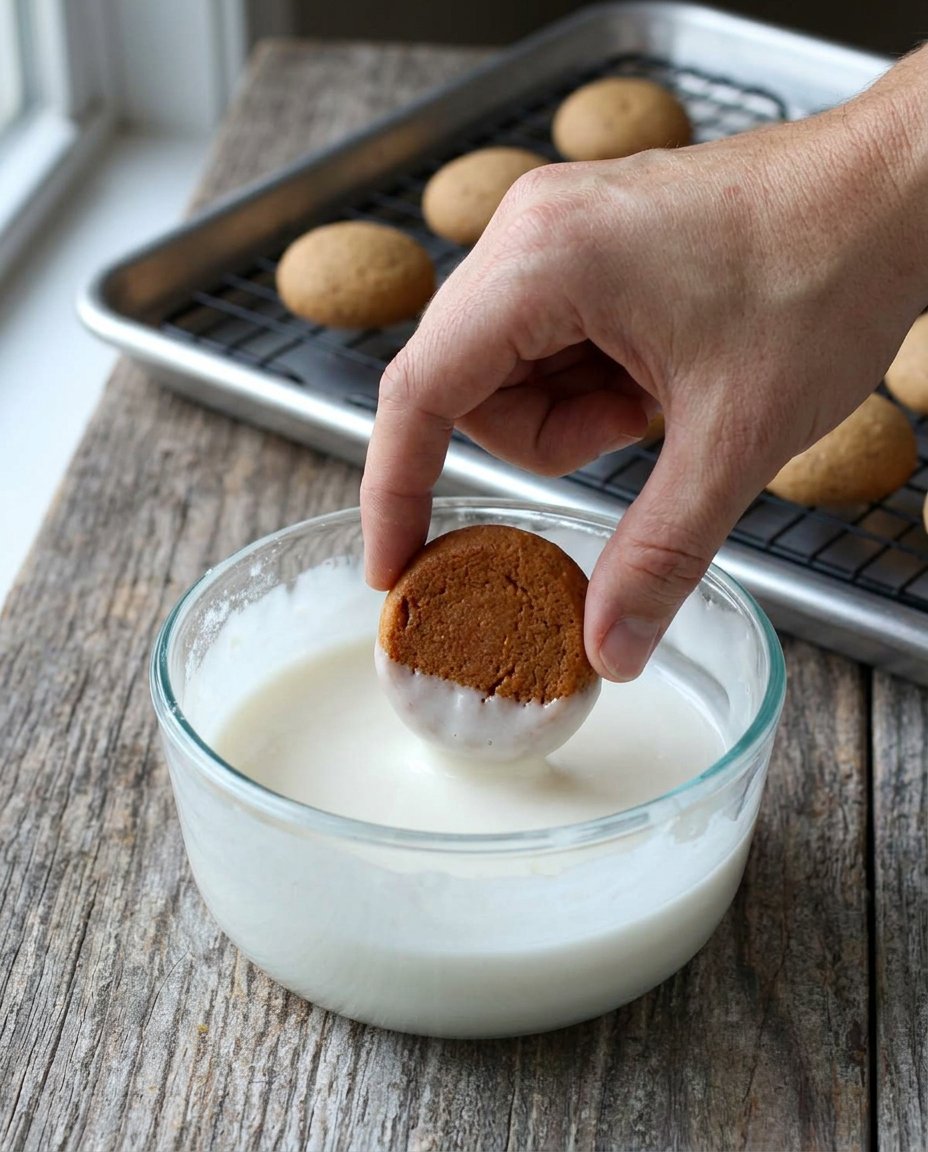
Whisk the powdered sugar and hot water together until smooth. While the cookies are cool but fresh, dip each one into the glaze, allowing the excess to drip off. The heat from the water helps create a thin, even coat that crystallizes into a crisp white shell as it sets on a wire rack.
Jasmine’s Flavor Secrets
To achieve the most potent aromatic profile, I recommend using freshly ground white pepper. The volatile oils in pepper dissipate quickly once ground, so fresh grinding keeps the piperine levels high. For those interested in more seasonal science, check out our guide on Holiday Cookie Science to see how temperature affects spice perception.
Also, pay close attention to the honey you choose. A dark, robust honey like buckwheat will provide a much more aggressive flavor that stands up well to the white pepper, whereas a clover honey will keep the profile lighter and more floral. Always weigh your flour to prevent a dry, crumbly cookie; the sticky nature of this dough is exactly what produces the desired soft texture.
Scientific Flavor Swaps
If you want to experiment with the terpene profile of these cookies, try adding a teaspoon of fresh orange zest to the sugar and honey mixture. The limonene in the orange zest shares aromatic similarities with the cloves in the spice blend, creating a bright citrus bridge between the sugar and the heat. For a different textural experience, you can find more base techniques in our Foundation Cookie Recipes section.
You might also consider replacing the almond meal with hazelnut meal. Hazelnuts contain higher levels of pyrazines when baked, which provides a roasted, savory undertone that complements the dark honey and molasses notes in the brown sugar. For a traditional look, some bakers prefer a thicker glaze—simply reduce the water by half a tablespoon to create a more opaque, snowy finish.
Optimal Pairings for Flavor Release
To maximize the flavor release of the spices, serve these cookies with a warm beverage. The heat from a cup of coffee or tea helps to melt the fats on the tongue, allowing the aromatic spice compounds to reach your olfactory receptors more efficiently. You can read more about how beverage pairings affect taste in our Viral Cookie Analysis.
These cookies also pair beautifully with a sharp blue cheese or a piece of aged gouda. The salt and fat in the cheese provide a savory contrast to the sweet, spicy glaze, much like the logic behind a well-constructed charcuterie board. For a festive presentation, arrange them in a glass jar where the white glaze can catch the light, highlighting the beautiful geometry of these traditional treats.
The Final Taste Discovery
Baking these cookies is a lesson in how patience and chemistry come together to create something timeless. By understanding the interaction between honey as a humectant and white pepper as a sensory sharpener, you can master one of the most unique treats in the holiday repertoire. For more tips on finishing your bakes with scientific accuracy, see our guide on Precision Cookie Decorating. For more inspiration, visit the Daring Gourmet version of this classic. Happy baking, and don’t forget to share your results with me on Pinterest, Instagram, or Facebook.