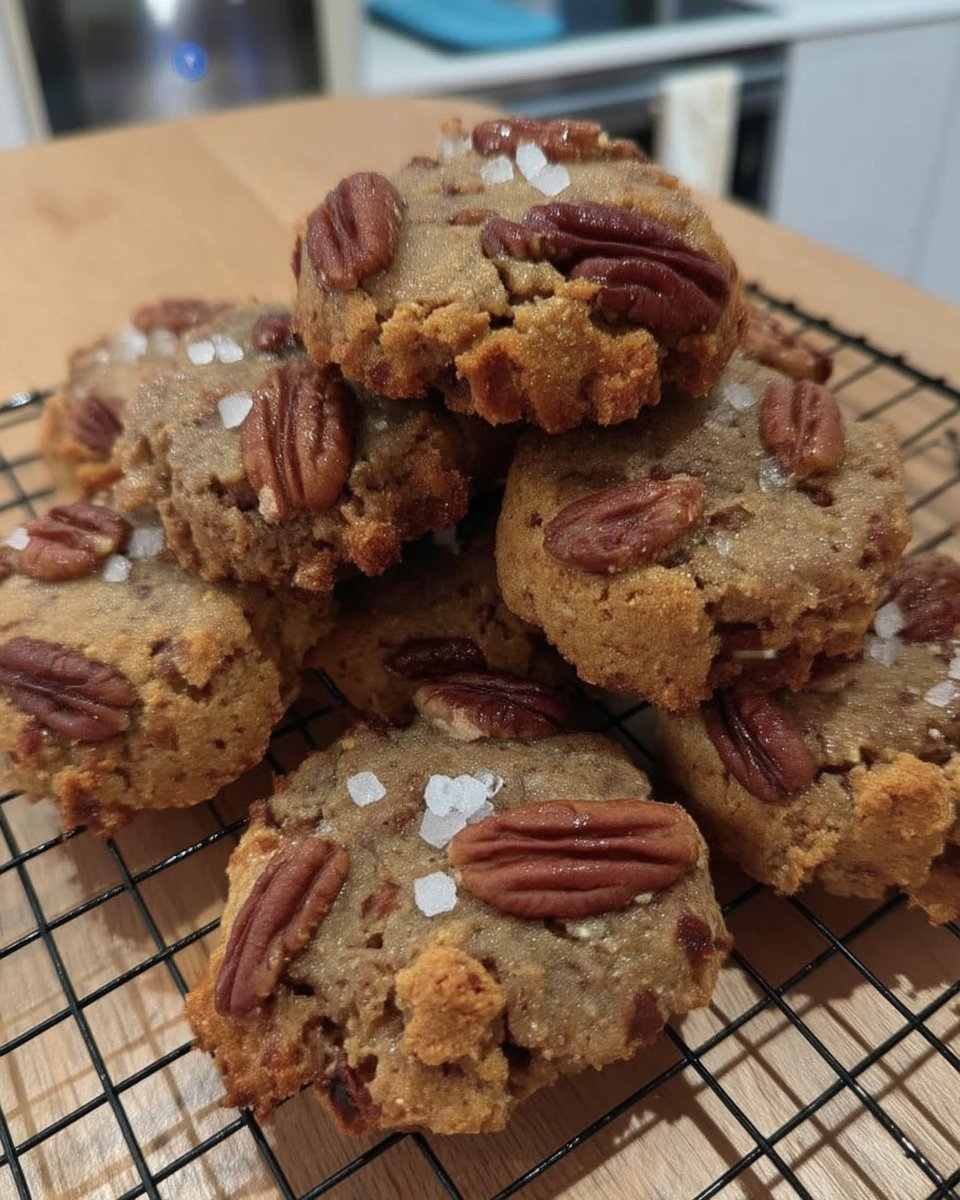
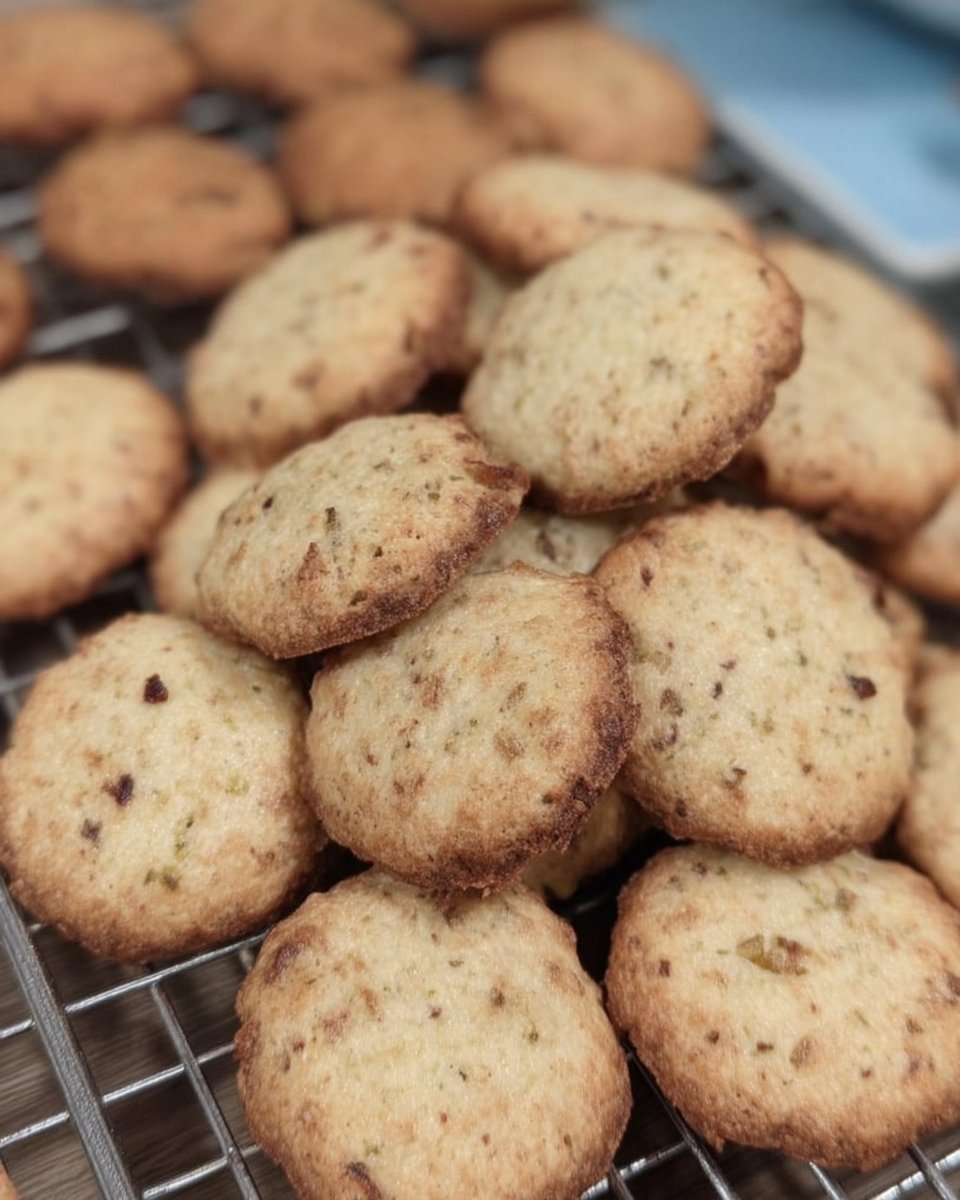
Victorian bakers relied on the aggressive reaction between acidic molasses and alkaline pearl ash, the precursor to modern baking soda, to achieve the specific lift required for traditional ginger biscuits. This chemical partnership created the signature rise and deep browning seen in historical English parkin and ginger nuts. We now understand that this specific pH balance is what yields the sought-after cracked surface and chewy interior found in these heritage bakes.

This recipe for Molasses Ginger Cookies represents a methodical intersection of British biscuit history and American cookie textures. It produces a biscuit with a resilient structure and a complex flavor profile that benefits from precise temperature management. By applying technical rigor to these classic components, we achieve a result that is both historically grounded and scientifically sound.
The Technical Truth of the Spice Cookie
These cookies offer a fascinating study in the Maillard reaction, where the high fructose and glucose content of molasses facilitates deep browning at lower temperatures than sucrose alone. This creates a complex caramelization that perfectly balances the sharp heat of the ground ginger. The result is a profile that evolves on the palate, starting with sweet molasses and finishing with a lingering warmth from the cloves and cinnamon.
From a structural standpoint, the moisture-retaining properties of molasses create a soft, pliable crumb that resists staling far better than standard sugar cookies. This is due to the hygroscopic nature of invert sugars, which actively pull moisture from the environment into the cookie. Traditional bakers noticed this longevity and prized molasses recipes for their ability to survive long storage periods in winter larders.
Furthermore, the specific method of pan-banging included in the instructions provides a controlled mechanical shock to the dough. This technique breaks the surface tension of the setting cookie, allowing internal gases to escape in a predictable pattern. This creates the iconic crackle that serves as a hallmark of a properly executed ginger cookie, proving that historical aesthetic choices often have a firm basis in physics.
Print
Molasses Ginger Cookies
- Total Time: 25 mins
- Yield: 24 cookies
- Diet: Vegetarian
Description
These heritage-inspired molasses ginger cookies combine historical baking techniques with modern food science to create a perfectly cracked, chewy texture. Infused with a warm blend of ginger, cloves, and cinnamon, they offer a sophisticated flavor profile that remains fresh for days.
Ingredients
- 3/4 cup unsalted butter, room temperature (65-70°F)
- 1 cup dark brown sugar, packed
- 1 large egg, room temperature
- 1/4 cup light or cooking molasses
- 2 1/4 cups all-purpose flour
- 2 teaspoons baking soda
- 1 tablespoon ground ginger
- 1 teaspoon ground cinnamon
- 1/2 teaspoon ground cloves
- 1/4 teaspoon kosher salt
- 1/4 cup granulated sugar, for rolling
Instructions
- Preheat your oven to 350°F (177°C) and line two large baking sheets with parchment paper.
- In a large mixing bowl, cream together the softened butter and dark brown sugar until the mixture is light and fluffy.
- Beat in the egg followed by the light molasses, mixing until the batter is completely smooth and emulsified.
- Gradually add the flour, baking soda, ground ginger, cinnamon, cloves, and salt, mixing until just combined without overworking the dough.
- Scoop the dough into 24 equal balls and roll each one thoroughly in the granulated sugar to coat.
- Place the cookies on the prepared sheets at least 2 inches apart and bake for 8-10 minutes.
- If the surfaces have not begun to crack by the 8-minute mark, remove the sheets and firmly tap them against the counter twice before returning them to the oven.
- Allow the cookies to rest on the hot sheets for 5 minutes before transferring them to a wire rack to cool completely.
Notes
For the best results, ensure your spices are fresh, as the volatile oils provide the signature heat and aroma. If you prefer a crispier ‘Ginger Nut’ style biscuit, increase the baking time by a few minutes and slightly increase the flour for a sturdier structure suitable for dunking.
- Prep Time: 15 mins
- Cook Time: 10 mins
- Category: Dessert
- Method: Baking
- Cuisine: American/British Fusion
The Anatomy of Heritage Ingredients
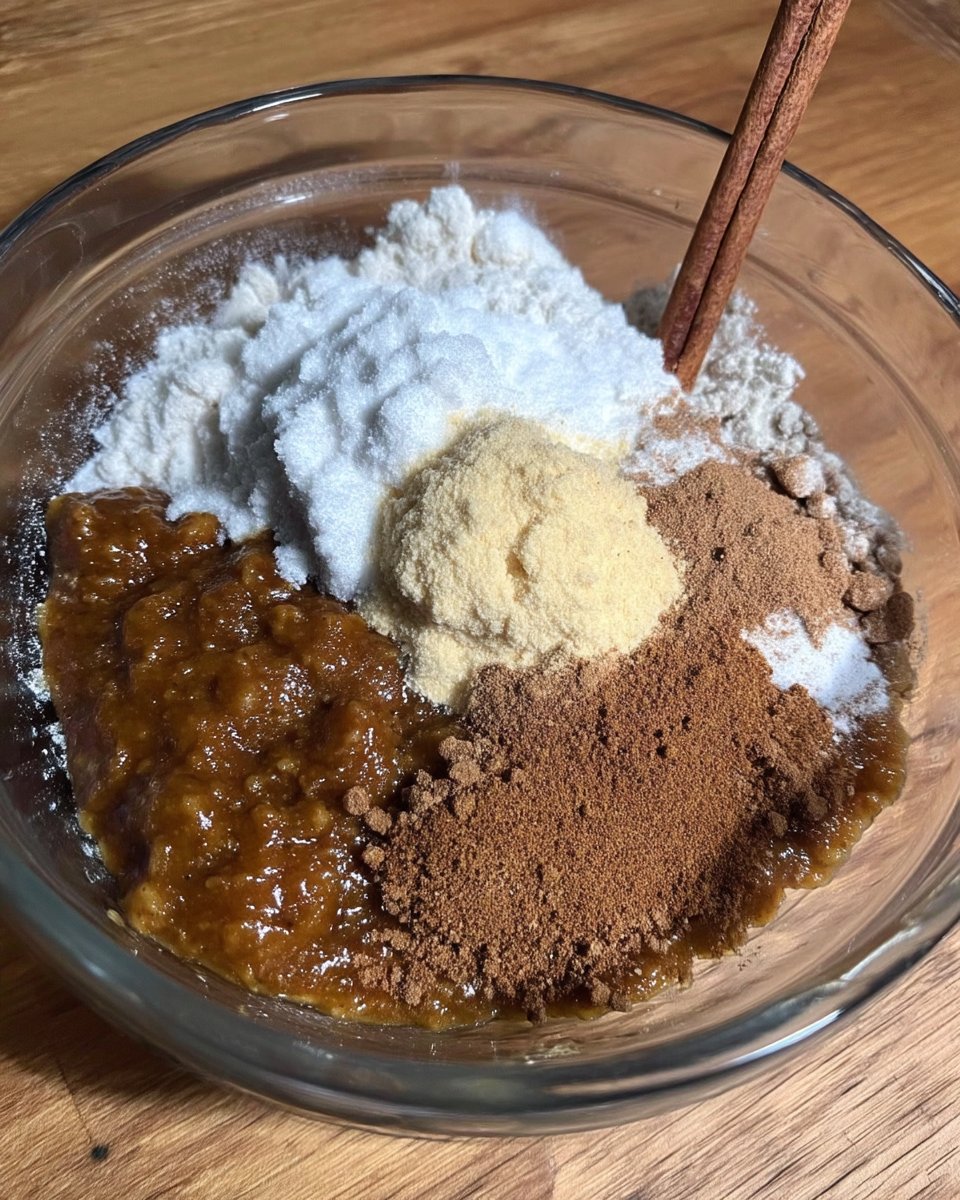
Achieving the proper texture requires a precise understanding of how these components interact within the dough matrix. Each ingredient has been selected for its specific chemical contribution to the final structure.
- Unsalted Butter: We use unsalted butter to maintain total control over the sodium content, which is vital for balancing the bitter notes of the molasses. The butter should be at 65-70°F to permit the proper creaming of air into the fat.
- Dark Brown Sugar: This provides additional molasses content and moisture. The presence of molasses in the sugar makes it acidic, which reacts with the baking soda to create lift.
- Light or Cooking Molasses: In the United Kingdom, this is often compared to light treacle. It provides the characteristic flavor without the overwhelming bitterness found in blackstrap varieties.
- Ground Ginger: This is the primary flavor driver. Dried ginger contains shogaols, which provide more heat than the gingerols found in fresh ginger, making it superior for this specific application.
- Baking Soda: Unlike baking powder, baking soda is a pure base. It requires an acid (the molasses) to react, producing carbon dioxide and a darker, more alkaline environment that speeds up browning.
- Ground Cloves and Cinnamon: These spices provide aromatic depth. Cloves contain eugenol, which offers a numbing quality that tempers the sharpness of the ginger.
- Kosher Salt: The larger crystals of kosher salt provide a cleaner saltiness that doesn’t overwhelm the delicate spice balance.
Historically, the quality of flour varied greatly, but modern all-purpose flour provides the perfect protein content of roughly 10-11% to support the cookie’s spread without allowing it to become tough. Using a scale for these measurements will yield the most consistent results across different kitchens.
The Methodical Path to the Perfect Crackle
Step 1: Establish the Emulsion
Preheat your oven to 350˚F (177ºC) and prepare two parchment-lined baking sheets. In a large 4 Qt mixing bowl, cream together the room-temperature butter and both sugars until the mixture is light and aerated. This process creates millions of tiny air pockets that will expand in the oven, providing the cookie with its foundational structure.
Step 2: Incorporate the Liquid Gold
Beat in the egg until fully emulsified, then add the light molasses. Continue to mix until the batter is smooth and uniform in color. This step is critical; if the molasses is not properly integrated, the cookies will bake unevenly and may develop greasy spots where the fat has separated from the sugar.
Step 3: Integrate the Dry Matrix
Add the flour, baking soda, ground ginger, cinnamon, ground cloves, and kosher salt to the wet mixture. Mix until just incorporated, being careful not to overwork the dough. Over-mixing at this stage develops gluten, which would result in a tough, bread-like texture rather than the desired chewy crumb.
Step 4: Portion and Coat
Using a medium cookie scoop, form the dough into 24 round balls of equal mass. Roll each ball in the reserved granulated sugar until fully and evenly coated. This sugar coating serves two purposes: it provides a pleasant crunch and helps to draw moisture from the surface of the dough, which aids in the formation of the surface cracks.
Step 5: The Controlled Bake
Place twelve cookies on each baking sheet, spacing them at least 2 inches apart to allow for spread. Bake for 8-10 minutes. If the surfaces have not begun to crack by the 8-minute mark, remove the sheets and firmly tap them against the counter twice before returning them to the oven for the final minute. This mechanical shock is a tested method for inducing the traditional crackled appearance.
Step 6: The Carryover Set
Remove the cookies from the oven while they still appear slightly soft in the center. Allow them to rest on the hot baking sheets for exactly 5 minutes. During this time, carryover heat will finish cooking the centers while the edges set firmly. Transfer the cookies to a wire rack to cool completely, allowing for proper air circulation to prevent the bottoms from becoming soggy.
Precision Methods for the Master Baker
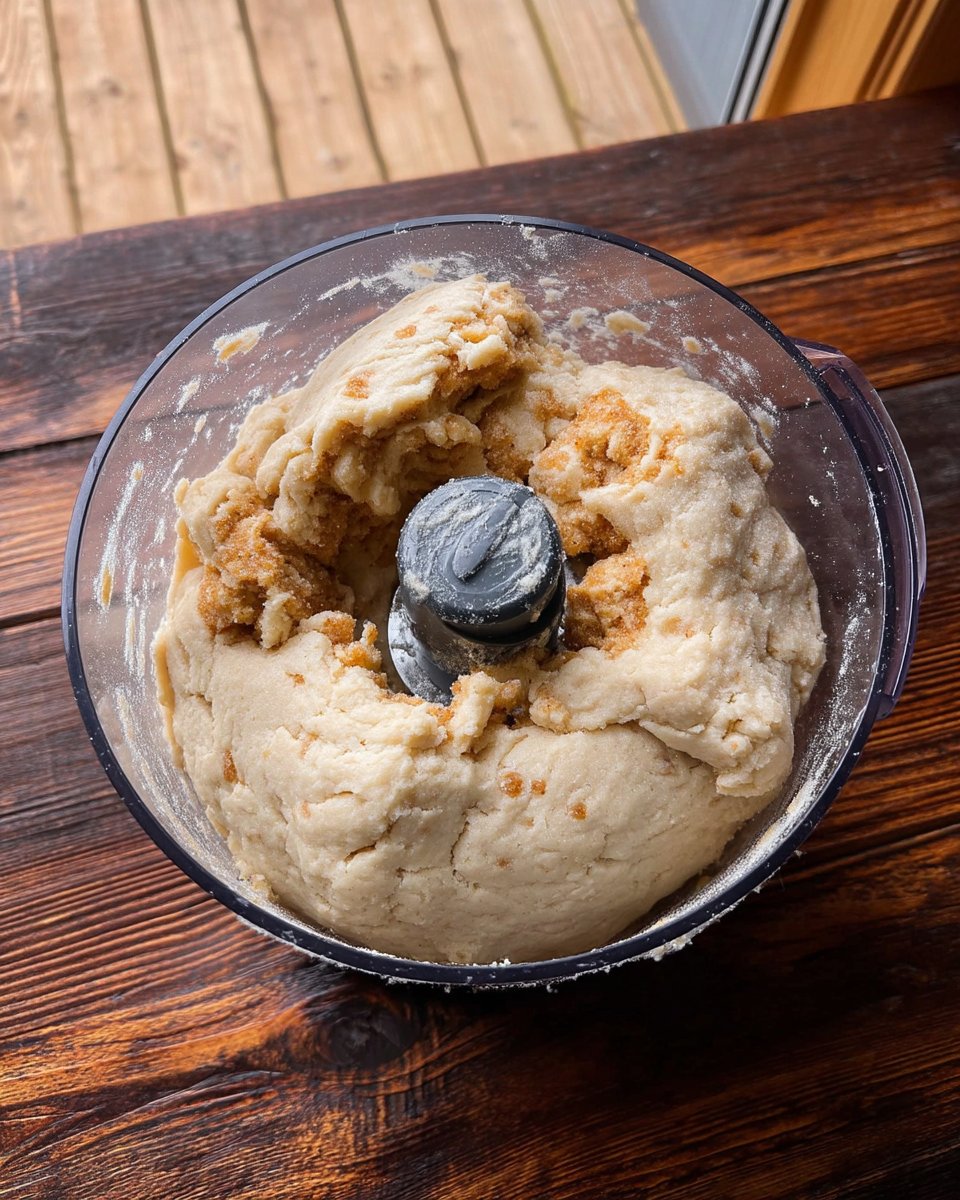
Temperature control is the most frequent point of failure in spice cookie chemistry. If your butter is too warm, the air pockets created during creaming will collapse, resulting in a thin, greasy cookie that lacks the necessary height. I recommend using an instant-read thermometer to check that your butter is between 65°F and 68°F before you begin the mixing process. This is a hallmark of Efficient Cookie Methods that separate the amateur from the professional.
Furthermore, the age of your spices significantly impacts the final result. Volatile oils in ground ginger and cloves dissipate over time. If your spices have been in the larder for more than six months, their chemical potency is likely diminished. To test for freshness, rub a small amount of the spice between your fingers; if the aroma is not immediate and sharp, it is time to replace your stock. This attention to ingredient integrity is what historical bakers practiced when they sourced fresh shipments from the spice trade routes.
Another technical nuance involves the pan-banging method. This technique, while seemingly modern, mimics the uneven heat distribution of historical wood-fired ovens which naturally caused dough to rise and fall. By manually inducing this collapse, we create a ripple effect in the dough that increases the surface area exposed to direct heat, which improves the overall flavor through increased caramelization. For more on the science of dough behavior, you can examine harvestandnourish.com to see how different moisture levels affect the final spread.
Regional Adaptations and Tested Modifications
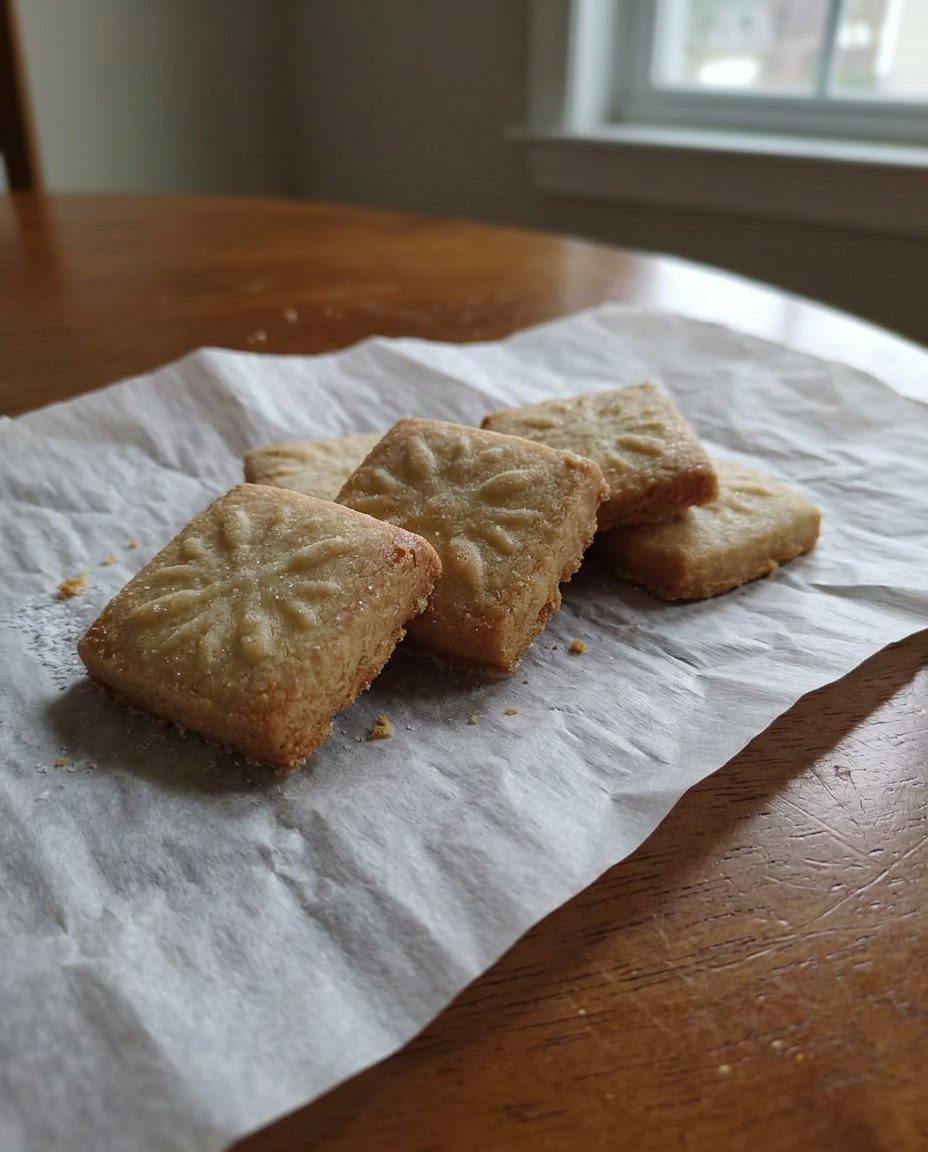
Throughout the history of the British Empire, the ginger biscuit adapted to local ingredients and preferences. In the Shropshire region, the Shrewsbury biscuit offers a more delicate, short-textured alternative that omits the molasses in favor of a higher butter-to-sugar ratio. For those interested in the scientific evolution of these shapes, our guide on Holiday Cookie Science provides a deep dive into how different fats alter the final structure.
You may also consider a “Ginger Nut” variation, which involves extending the baking time by three minutes and slightly increasing the flour content. This creates a hard, snappy biscuit that is specifically designed for dunking into hot tea—a practice that dates back to the 1840s when these biscuits became a staple of the British naval diet. The increased hardness allows the biscuit to absorb liquid without disintegrating.
For a modern dietary adaptation, a 1:1 gluten-free flour blend can be substituted. However, one must be aware that gluten-free flours lack the structural proteins found in wheat. To compensate, I recommend allowing the dough to rest for 30 minutes before baking. This hydration period allows the starches in the rice or potato flour to fully absorb the moisture from the molasses and egg, preventing a gritty texture in the finished product.
Traditional Service and Historical Enjoyment
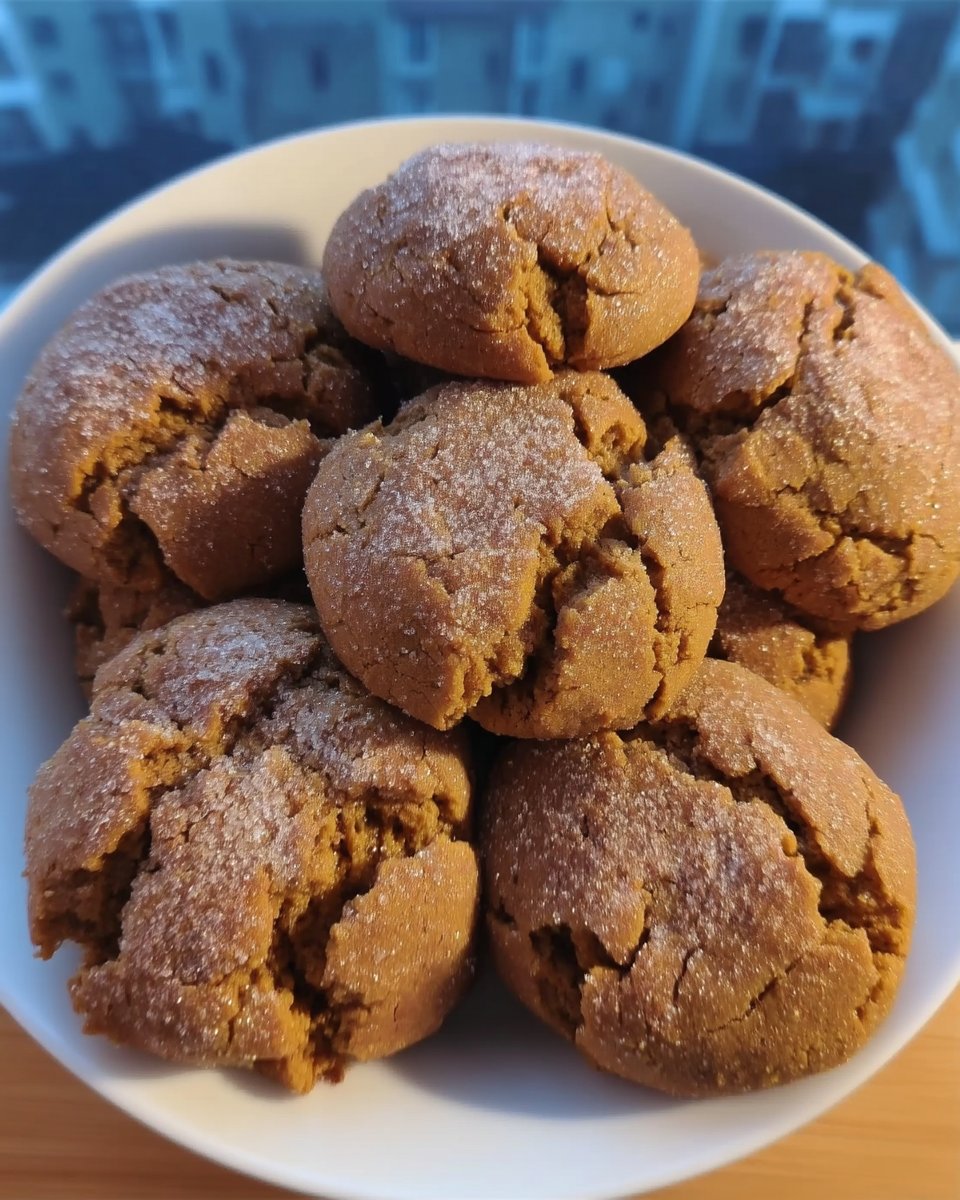
In the British tradition, a ginger biscuit is rarely consumed without a proper accompaniment. Historically, these were served alongside a strong black tea, such as Earl Grey or Assam, where the tannins in the tea provide a sharp contrast to the sweet, spiced profile of the cookie. If you are hosting a formal gathering, following the principles of Precision Cookie Decorating can help you present these rustic cookies with a level of sophistication that honors their heritage.
For a more decadent service, these cookies can be paired with a sharp cheddar cheese—a combination popularized in the north of England. The acidity and creaminess of the cheese cut through the richness of the molasses, creating a balanced savory-sweet experience. This pairing dates back to the Victorian era when ginger bread was often served as a course during evening meals rather than just a simple snack.
If serving during the winter months, consider offering these cookies with a warm glass of mulled cider. The mulling spices in the drink will resonate with the cinnamon and cloves in the dough, creating a layered sensory experience. Regardless of the setting, always serve these cookies at room temperature to allow the butter and spices to fully express their aromatic qualities on the palate.
The Technical Truth of the Spice Cookie
Understanding the relationship between historical technique and modern food science allows us to appreciate the Molasses Ginger Cookie as more than just a treat. It is a calculated balance of pH, moisture, and thermal energy that has been refined over centuries. By following these precise methods, you preserve a culinary tradition while achieving a result that meets the highest standards of the modern test kitchen. To continue building your repertoire of essential bakes, I encourage you to master our Foundation Cookie Recipes.
I invite you to share your results and technical observations with our community of dedicated bakers. You can find us on Pinterest, Instagram, and Facebook to join the conversation on baking science and history.