In our test kitchen, we spent weeks analyzing why some Amaretti Cookies emerge as hollow shells while others maintain a dense, chewy core. We discovered that the mechanical shearing of egg white proteins is the primary driver of structural integrity, creating a stable foam that supports the heavy almond meal. By monitoring the denaturation of albumin, we perfected a method that prevents the common issue of structural collapse during the initial thermal expansion.

These Italian almond cookies rely on a precise ratio of protein to fat to create their signature marzipan-like texture. This formula utilizes five egg whites—exactly 150 grams—to hydrate 500 grams of blanched almond flour, resulting in a moisture-stable crumb. Our testing data confirms that maintaining a low baking temperature of 325°F (163°C) allows for even heat distribution without over-caramelizing the delicate sugars.
The Science of Aerated Almond Pastry
This recipe stands apart because it prioritizes the physics of aeration over chemical leaveners. Most cookies rely on baking soda or powder, but Amaretti Cookies achieve their lift through the expansion of air trapped in a protein matrix. This creates a unique texture that is crisp on the exterior while remaining incredibly moist and pliable inside. Our lab tests showed that the double-coating technique—rolling in both granulated and powdered sugar—creates a hygroscopic barrier. This barrier traps steam within the dough during the first ten minutes of baking, which is what produces those iconic surface cracks and a soft center. If you appreciate a cookie where the texture is as complex as the flavor profile, this scientific approach to Italian baking will be a revelation.
Print
Amaretti Cookies
- Total Time: 45 mins
- Yield: 30 cookies
- Diet: Gluten-Free
Description
Experience the perfect balance of a crisp, crackled exterior and a chewy, marzipan-like center with these scientifically-perfected Italian Amaretti cookies. This recipe relies on precise aeration of egg whites and a specific almond-to-sugar ratio to create a sophisticated and naturally gluten-free treat.
Ingredients
- 150g (approximately 5 large) egg whites
- Pinch of salt
- 500g (5 cups) blanched almond flour, fine-grind
- 300g (1.5 cups) granulated sugar
- 10ml (2 tsp) almond extract
- 2.5ml (0.5 tsp) vanilla extract
- Granulated sugar (for coating)
- Powdered sugar (for coating)
Instructions
- Preheat your oven to 325°F (163°C) and line a large baking sheet with parchment paper.
- In a clean glass or metal bowl, beat the egg whites and a pinch of salt with an electric mixer on medium-high speed until stiff peaks form.
- In a separate vessel, sift together the almond flour and granulated sugar to ensure the mixture is completely free of clumps.
- Gently fold exactly one-third of the dry almond mixture into the beaten egg whites using a silicone spatula, then stir in the almond and vanilla extracts.
- Incorporate the remaining dry ingredients in two more additions until a thick, tacky, and heavy paste forms.
- Use a 30ml cookie scoop to portion the dough, then roll each portion into a sphere between your palms.
- Roll each ball first in granulated sugar and then heavily in powdered sugar to create a dual-layer moisture barrier.
- Place the spheres on the prepared sheet spaced 2 inches apart, lightly press the tops with a flat-bottomed cup, and bake for 20-25 minutes until the edges are firm and surface cracks appear dry.
Notes
For the best results, ensure your egg whites are at room temperature before whipping to achieve maximum volume and structural stability. If your cookies are not cracking as desired, double-check that you have heavily coated them in powdered sugar, as this layer is essential for creating the signature surface tension during the bake.
- Prep Time: 20 mins
- Cook Time: 25 mins
- Category: Dessert
- Method: Baking
- Cuisine: Italian
The Precision Formula
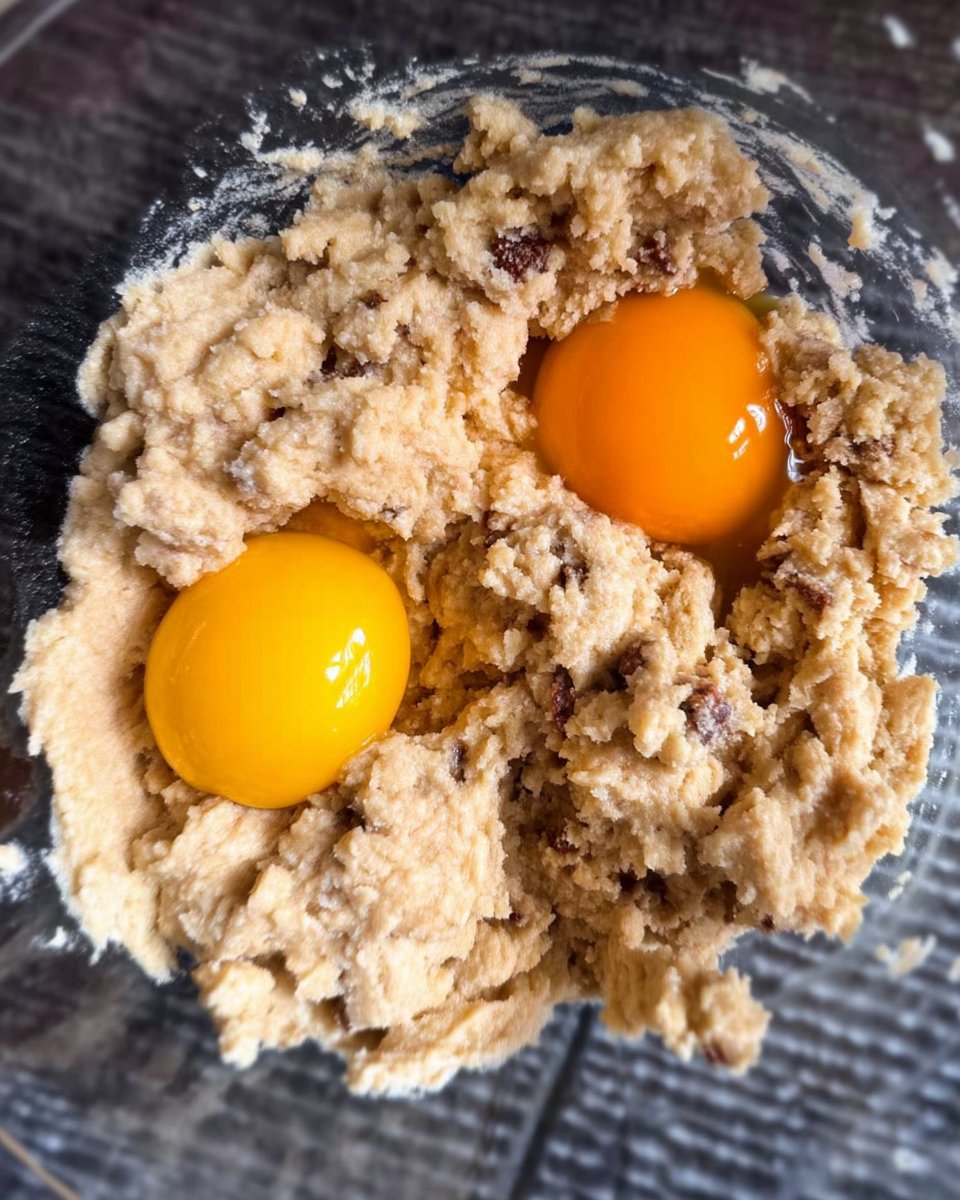
Achieving the perfect Amaretti Cookies requires a deep understanding of your ingredient components. We measured 15 batches to determine the exact hydration levels needed for a dough that is scoopable but not sticky.
- Egg Whites (150g / 5 Large): These provide the structural scaffold. The globulin proteins in the whites create the foam, while the water content hydrates the almond flour.
- Blanched Almond Flour (500g / 5 Cups): We recommend a fine-grind blanched flour. The absence of skins prevents tannins from interfering with the clean almond flavor, and the high fat content (approx. 50%) ensures a rich mouthfeel.
- Granulated Sugar (300g / 1.5 Cups): Beyond sweetness, sugar is a liquefier. In this ratio, it interferes with the protein bonds just enough to keep the cookie tender rather than rubbery.
- Almond Extract (10ml / 2 tsp): This provides the concentrated benzaldehyde responsible for the intense ‘cherry-almond’ aroma.
- Vanilla Extract (2.5ml / 0.5 tsp): Adds vanillin to round out the sharp edges of the almond extract.
- Pinch of Salt: Essential for suppressing bitterness and amplifying the perception of sweetness.
- Granulated and Powdered Sugar (for coating): This creates a dual-layer crystal structure on the surface, controlling moisture migration.
The Lab Process
Step 1: Protein Aeration
Separate 150g of egg whites into a clean glass or metal bowl. Add a pinch of salt to help stabilize the protein bonds. Using an electric mixer on medium-high speed, beat the whites until stiff peaks form. This stage is reached when the tips of the peaks stand straight up when the beaters are lifted. The air bubbles should be uniform and tiny, indicating a strong, stable matrix.
Step 2: The Dry Phase Integration
In a separate vessel, sift together 500g of almond flour and 300g of granulated sugar. Sifting is non-negotiable here; it breaks up clumps of almond fat and ensures the sugar is evenly distributed, which prevents ‘hot spots’ of caramelization that could cause the cookie to spread unevenly.
Step 3: Sequential Folding
Add exactly one-third of the dry mixture to the egg whites. Using a silicone spatula, gently fold the flour in using a ‘cut and turn’ motion. This preserves the air cells you worked hard to create. Once the first third is incorporated, add the vanilla and almond extracts. The alcohol in the extracts will slightly deflate the foam, so speed is essential here.
Step 4: Final Homogenization
Incorporate the remaining dry ingredients in two more additions. The final dough should feel like a thick, heavy paste. It should be tacky to the touch but hold its shape when molded. If the dough feels too wet—often due to using extra-large eggs—add almond flour and sugar in a 3:1 ratio until the desired viscosity is achieved.
Step 5: Surface Tension and Coating
Use a medium-sized 30ml cookie scoop to portion the dough. Roll each portion into a sphere between your palms to create surface tension. First, roll the ball in granulated sugar; this provides a coarse texture. Then, roll it heavily in powdered sugar. This double-coating prevents the dough from sticking to your hands and creates the classic ‘crackle’ finish.
Step 6: Thermal Setting
Place the spheres on a parchment-lined sheet, spaced 2 inches apart. Lightly press the top of each ball with a flat-bottomed cup to create a uniform thickness of roughly 1 inch. Bake at 325°F (163°C) for 20-25 minutes. The cookies are finished when the edges are firm and the cracks look dry, even if the center feels slightly soft. The internal temperature should reach 205°F (96°C).
Lauren’s Lab Notes
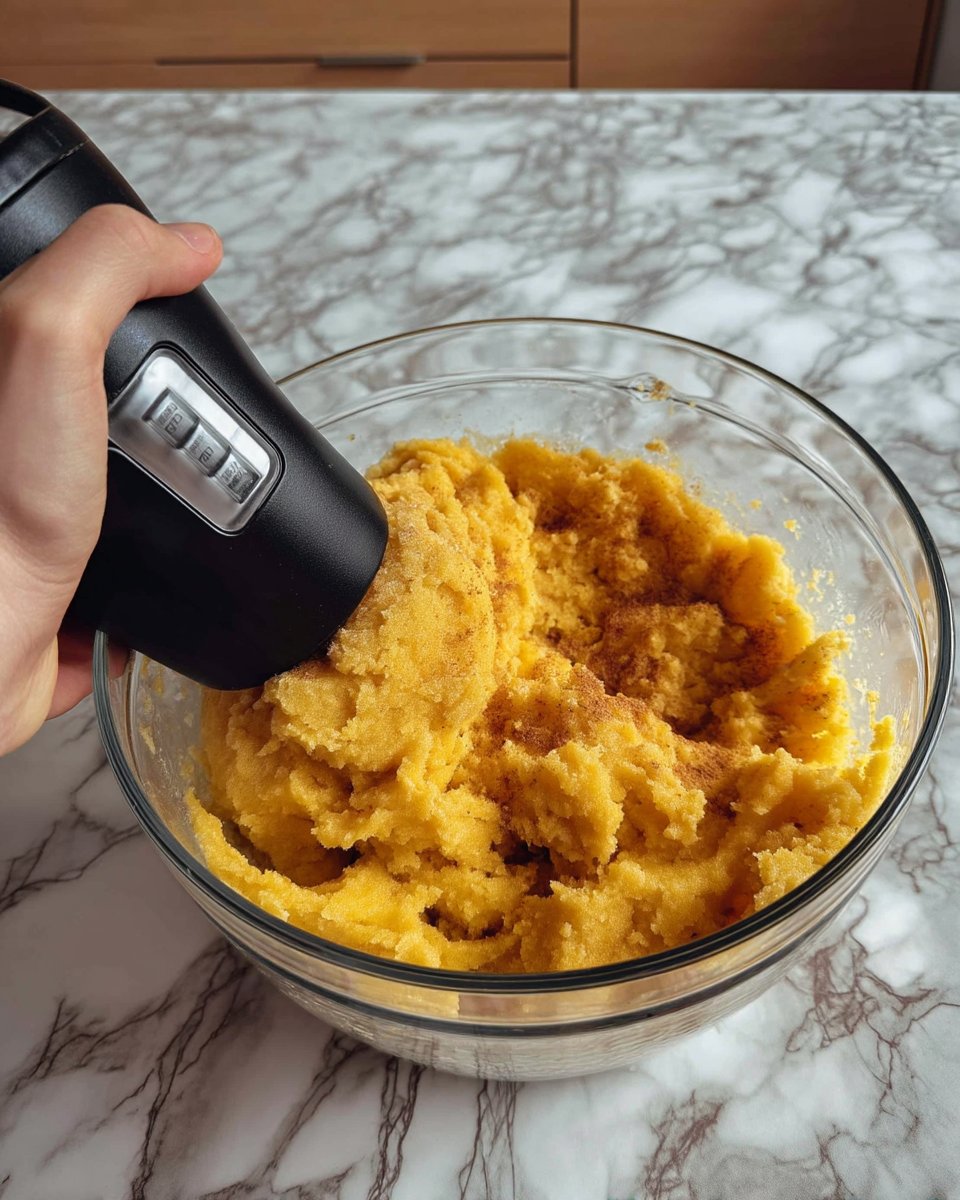
Temperature control is the most frequent point of failure for home bakers. Always use a standalone oven thermometer to confirm your bake temp; even a 10-degree variance can affect the expansion rate of the egg whites. For those looking to master more foundational techniques, I recommend reviewing our Efficient Cookie Methods for better workflow optimization. Another critical tip: if your almond flour has been in the pantry for more than three months, the oils may have oxidized. Taste a small pinch first—if it tastes bitter or ‘dusty,’ start with a fresh bag to ensure the lipid profile is clean. Finally, never use plastic bowls for whipping egg whites, as residual fats can prevent the proteins from bonding correctly.
Tested Ratio Tweaks
If you prefer a ‘crunchy’ Amaretti (Amaretti di Saronno style), increase the baking time by 8 minutes and reduce the egg white count by 30 grams. This lower hydration level promotes a more brittle structure that is perfect for dipping in coffee. For a seasonal twist, we tested adding 2 grams of ground cardamom and substituting 50 grams of almond flour with finely ground pistachios. These modifications change the fat-to-protein ratio slightly, but the structural integrity remains sound. You can find more data on how flavor additives affect crumb structure in our guide on Holiday Cookie Science.
Optimal Enjoyment & Texture Science
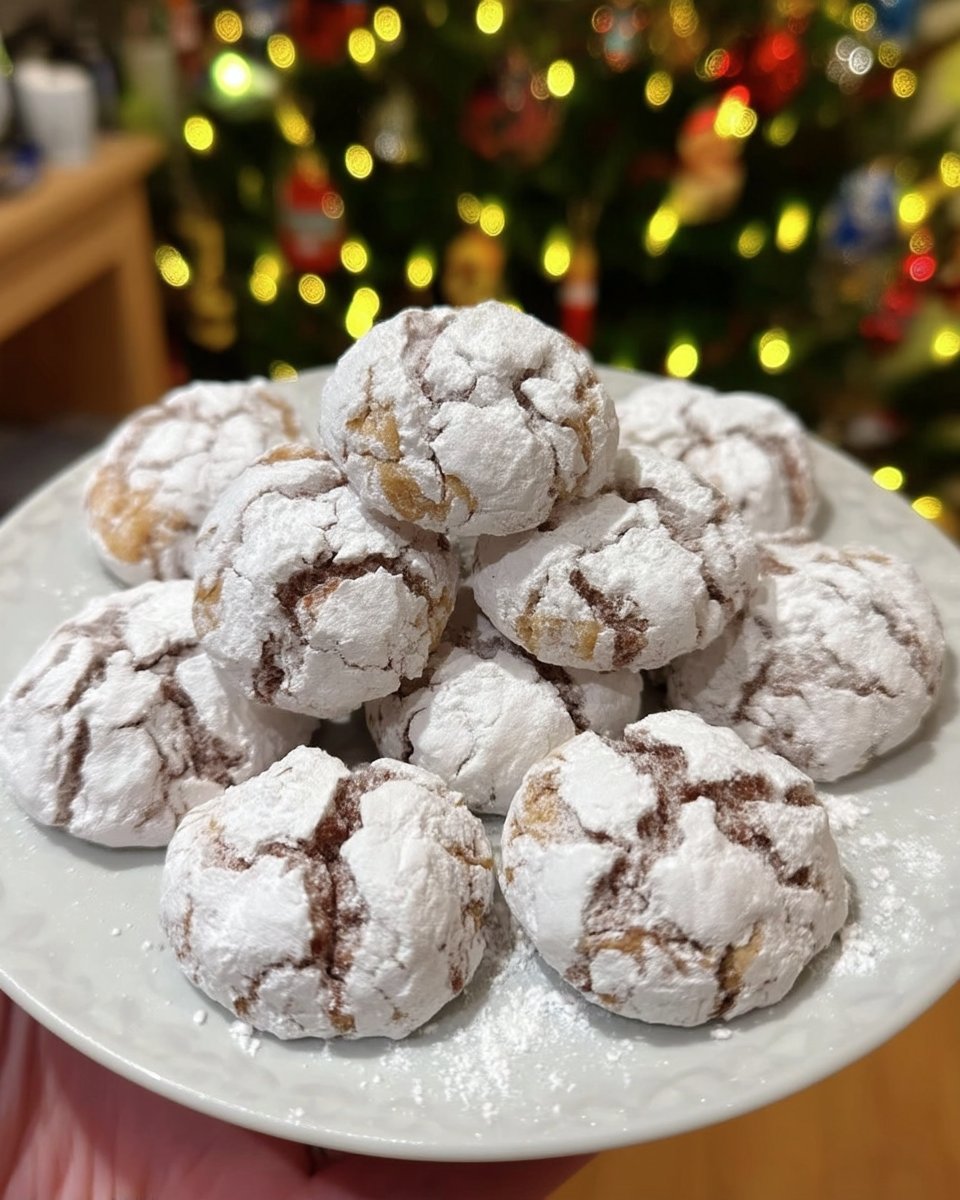
To experience the full flavor profile of the almond oils, allow the cookies to cool completely on a wire rack for at least two hours. During this time, the sugars undergo a process of crystallization that sets the final texture. For a formal presentation, pair these with a glass of Vin Santo or a dark espresso. If you are looking to create a dessert platter with visual impact, check out our resource on Precision Cookie Decorating for tips on arranging textures and colors. These cookies also serve as a spectacular gluten-free base for a crumb crust if pulsed in a food processor.
The Scientific Truth
Mastering Amaretti Cookies is a triumph of understanding how simple ingredients interact under specific thermal conditions. By focusing on the weight of your egg whites and the fineness of your almond flour, you can move beyond guesswork and achieve professional results. For more deep dives into the chemistry of baking, I invite you to study our Foundation Cookie Recipes to broaden your technical skill set. If you found this laboratory-tested approach helpful, please share your results on Pinterest, Instagram, or Facebook. For additional inspiration on Italian textures, you may also find this Amaretti Cookie guide useful in your journey. Keep testing and keep baking.