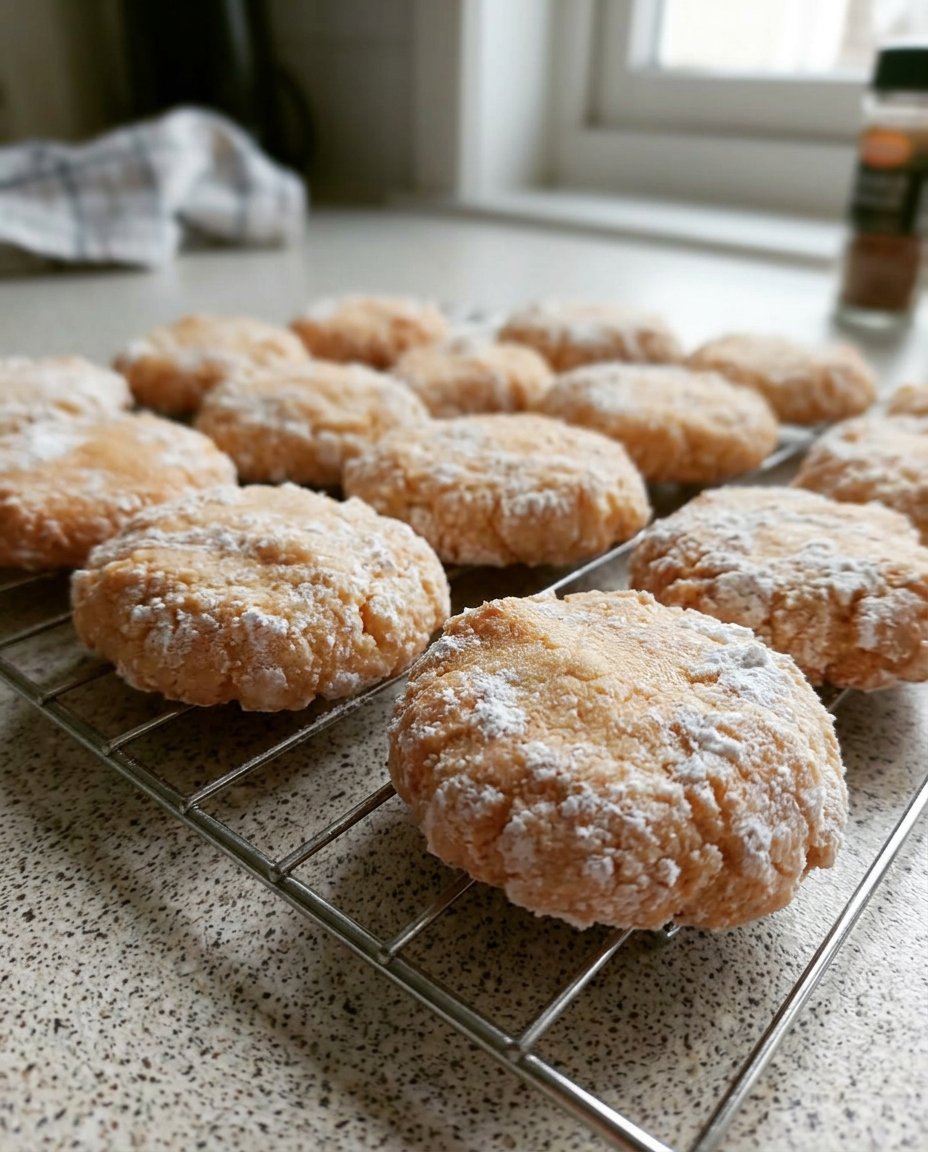
Lavender contains linalool and linalyl acetate, two volatile aromatic compounds that create its distinctive floral scent. When these molecules meet the high fat concentration of a traditional shortbread, the butter acts as a lipid carrier, trapping the aroma and extending the flavor release on the palate. I first understood this chemical interaction during a sensory analysis session where the heat of the mouth triggered a secondary release of floral notes that transformed a simple butter biscuit into a complex botanical experience.

These Lavender Shortbread cookies focus on the structural integrity of the shortbread ratio while introducing a controlled botanical profile. By grinding the lavender into a fine powder, we increase the surface area for flavor extraction, allowing the essential oils to distribute evenly through the dough. The result is a crisp, crumbly texture that shatters perfectly, releasing a balanced sweetness that avoids the soapy taste often associated with over-using floral ingredients.
The Flavor Science of Botanical Baking
This recipe works because it respects the delicate balance between fat, sugar, and aromatics. Shortbread is essentially a high-fat emulsion where the flour is coated in butter, preventing excessive gluten development and creating that signature melt-in-the-mouth sensation. By using salted butter, we introduce sodium ions that work to suppress the perception of bitterness in the lavender while simultaneously amplifying the sweetness of the sugar and the creaminess of the dairy.
The absence of eggs in this formula is a scientific choice. Eggs introduce protein and water, which lead to a more cake-like structure and can introduce sulfurous notes that clash with the floral linalool. Without eggs, the purity of the butter and the lavender remains the focal point, allowing for a cleaner finish on the tongue. You will appreciate how the cooling period in the refrigerator stabilizes the butter fats, which prevents the cookies from losing their geometric precision during the baking process.
Furthermore, the use of granulated sugar over powdered sugar provides a specific crystalline structure. As the cookies bake, these crystals create tiny air pockets that contribute to a light, sandy texture rather than a dense, pasty one. This specific textural profile is what makes the botanical infusion feel sophisticated rather than overwhelming. Every bite is a lesson in how simple ingredients, when treated with technical respect, produce a remarkable sensory outcome.
Print
Lavender Shortbread Cookies
- Total Time: 1 hour 40 mins
- Yield: 24 cookies
- Diet: Vegetarian
Description
Discover the precise chemistry of botanical baking with these scientifically balanced lavender shortbread cookies. By utilizing a specific lipid-to-starch ratio and pulverized lavender buds, this recipe achieves a brittle, melt-in-the-mouth texture with a clean, floral finish.
Ingredients
- 2 teaspoons culinary-grade dried lavender
- 3/4 pound salted butter, room temperature
- 1 cup granulated sugar
- 1 teaspoon vanilla extract
- 17.5 ounces all-purpose flour
Instructions
- Process the dried lavender with a mortar and pestle until it reaches a fine powder consistency to release essential oils.
- Cream the room temperature butter, sugar, and lavender powder in a stand mixer with a paddle attachment until the mixture forms a smooth paste.
- Mix in the vanilla extract until just incorporated into the butter emulsion.
- Add the weighed all-purpose flour on the lowest speed, mixing only until a cohesive dough forms without dry streaks.
- Roll the dough between parchment paper to a 1/2-inch thickness and cut into your desired shapes.
- Refrigerate the cut cookie dough for at least one hour to stabilize the fats and prevent spreading.
- Preheat oven to 350°F and bake for 20-25 minutes until the edges are very lightly golden.
Notes
For the most precise results, always measure your flour by weight rather than volume to maintain the critical fat-to-starch ratio. If you prefer a more pronounced floral note without bitterness, toast the dried lavender in a dry pan for 60 seconds before grinding it to awaken the volatile aromatic compounds.
- Prep Time: 1 hour 15 mins
- Cook Time: 25 mins
- Category: Dessert
- Method: Baking
- Cuisine: European
The Building Blocks of Flavor Chemistry
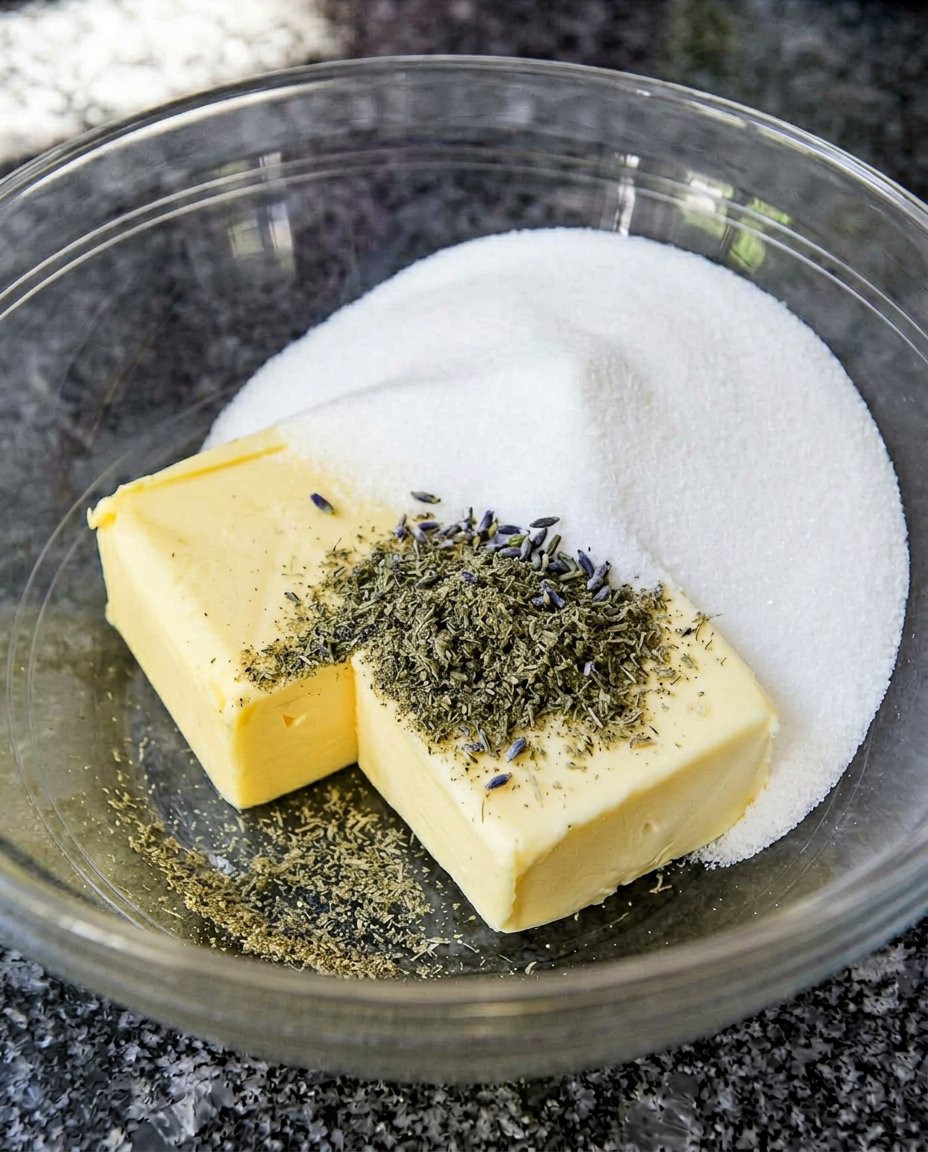
To achieve the perfect botanical shortbread, we must examine the specific role of each component in the laboratory of your kitchen. Each ingredient is selected for its chemical contribution to the final crumb and flavor profile.
- Dried Lavender (2 tsp): We use culinary-grade lavender for its high concentration of aromatic terpenes. Grinding it into a powder is vital for maximizing the contact points between the botanical oils and the butter fat.
- Salted Butter (3/4 pound): The butter provides the lipid matrix that carries the flavor. At room temperature, the emulsion is pliable enough to incorporate air, which aids in the final lift of the cookie.
- Granulated Sugar (1 cup): Sugar acts as a tenderizer by competing with the flour for moisture, which further inhibits gluten formation and keeps the cookie crisp.
- Vanilla Extract (1 tsp): Vanillin compounds act as a flavor bridge, connecting the creamy dairy notes with the bright floral lavender.
- All-Purpose Flour (17.5 ounces): This provides the starch and protein framework. Weighing the flour is essential because volume measurements can vary by up to 20%, which would disrupt the fat-to-starch ratio required for a no-spread result.
Choosing high-quality butter is particularly important here. Since butter is nearly 80% fat, the quality of the milk solids and the lack of excess water will determine if your shortbread is sturdy or greasy. In botanical baking, the fat is the canvas upon which we paint the flavor of the lavender.
The Layering Process
Step 1: Pulverize the Botanicals
Begin by processing the dried lavender using a mortar and pestle. You are looking to break down the tough cellulose of the dried flower to release the essential oils trapped within. If the lavender pieces are too large, they will create bitter pockets in the cookie; a fine powder allows for a homogenous flavor distribution.
Step 2: Create the Lipid Emulsion
In a stand mixer, combine the room temperature butter, sugar, and lavender powder. Use the paddle attachment to cream these together. You are not looking for a light and fluffy cake texture, but rather a smooth, uniform paste where the sugar is evenly dispersed through the butter fat.
Step 3: Incorporate Aromatics
Add the vanilla extract to the mixture. Vanilla contains hundreds of flavor compounds that serve to round out the sharp edges of the floral lavender. Mix only until the liquid is fully incorporated into the fat to maintain the stability of the emulsion.
Step 4: Fold in the Structural Framework
Add the weighed all-purpose flour. Turn the mixer to the lowest setting. You want to coat the flour particles in fat as quickly as possible to minimize the hydration of the proteins. Stop mixing as soon as a cohesive dough ball forms and no dry streaks remain.
Step 5: Geometric Shaping
Roll the dough between two baking mats or pieces of parchment paper to a precise 1/2-inch thickness. This height is calculated to allow the exterior to crisp via the Maillard reaction while the center remains tender. Cut into your preferred shapes, ensuring clean edges for even heat distribution.
Step 6: Thermal Stabilization
Refrigerate the cut dough for at least one hour. This step is non-negotiable in flavor science. It allows the gluten to relax and the butter fats to solidify. Cold fat takes longer to melt in the oven, which gives the flour structure time to set before the cookie can spread.
Step 7: The Maillard Phase
Preheat your oven to 350F and bake for 20-25 minutes. Watch for the edges to turn a very light golden brown. This color change indicates that the sugars and proteins have begun the Maillard reaction, which adds a nutty, toasted complexity that pairs beautifully with the lavender.
Jasmine’s Flavor Secrets
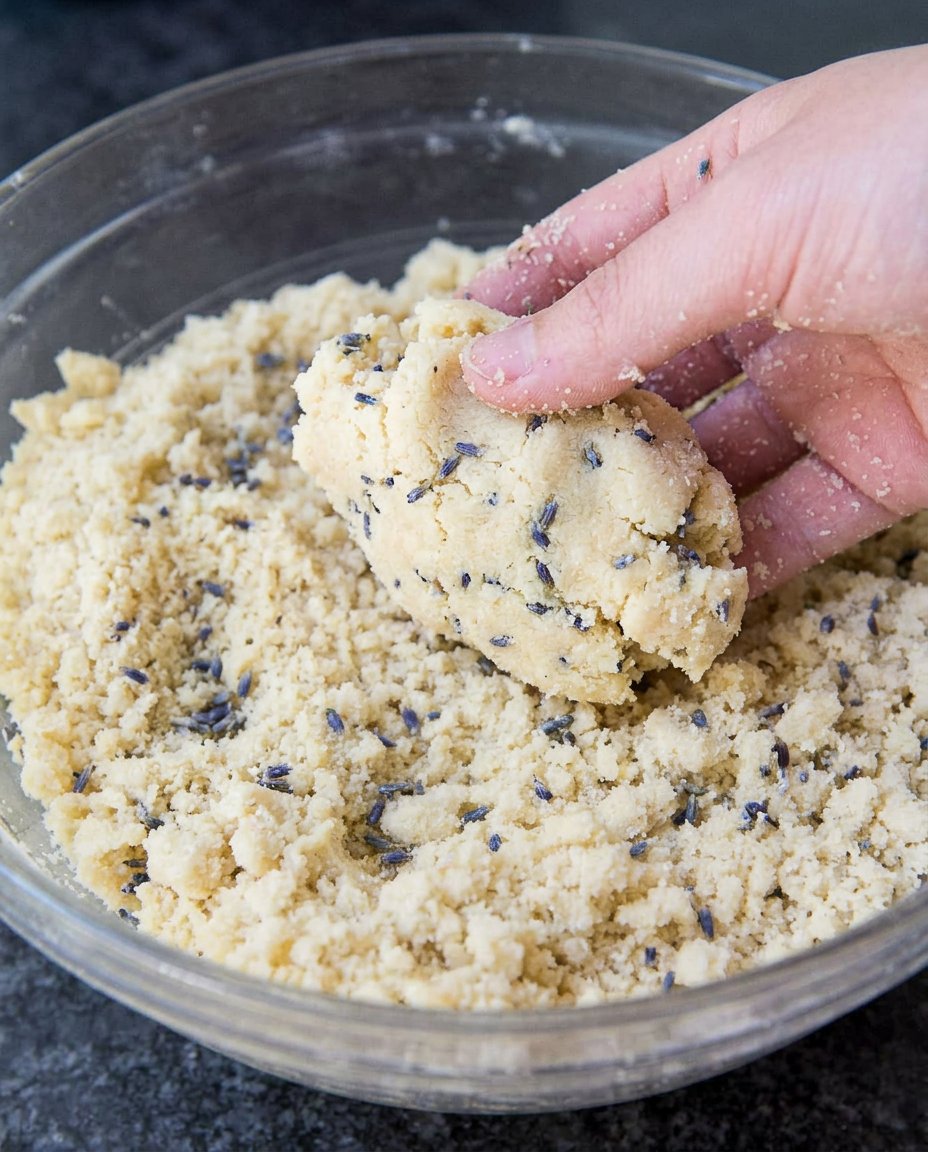
To achieve the most intense aromatic profile, consider toasting your dried lavender for 60 seconds in a dry pan before grinding it. This brief application of heat excites the volatile molecules, making them more reactive when they hit the butter. Additionally, the placement of salt is a key layering strategy. I prefer using salted butter because the salt is already micro-dispersed within the fat, providing a more consistent suppression of floral bitterness than adding coarse salt later. For those looking to master the basics of the craft, you can find more technical guidance in our Foundation Cookie Recipes section. Also, make sure your butter is truly at room temperature—around 65°F—to facilitate a perfect emulsion without melting the fat crystals prematurely.
Scientific Flavor Swaps
If you wish to examine different aromatic profiles, consider adding lemon zest to the dough. Lemon contains limonene, which shares a molecular similarity with the linalool in lavender, creating a synergistic citrus-floral pairing. Alternatively, replacing a tablespoon of sugar with dried honey powder can introduce complex floral sugars that amplify the botanical notes of the lavender. For those who enjoy exploring seasonal adjustments to their bakes, our guide on Holiday Cookie Science offers excellent insights into how temperature and humidity affect botanical infusions. You can also experiment with different lavender varieties; English lavender (Lavandula angustifolia) is generally preferred for its sweeter, less camphor-like profile compared to French varieties. For a great base comparison, look at this lavender shortbread method to see how different ratios impact the final crumb.
Optimal Taste Enjoyment
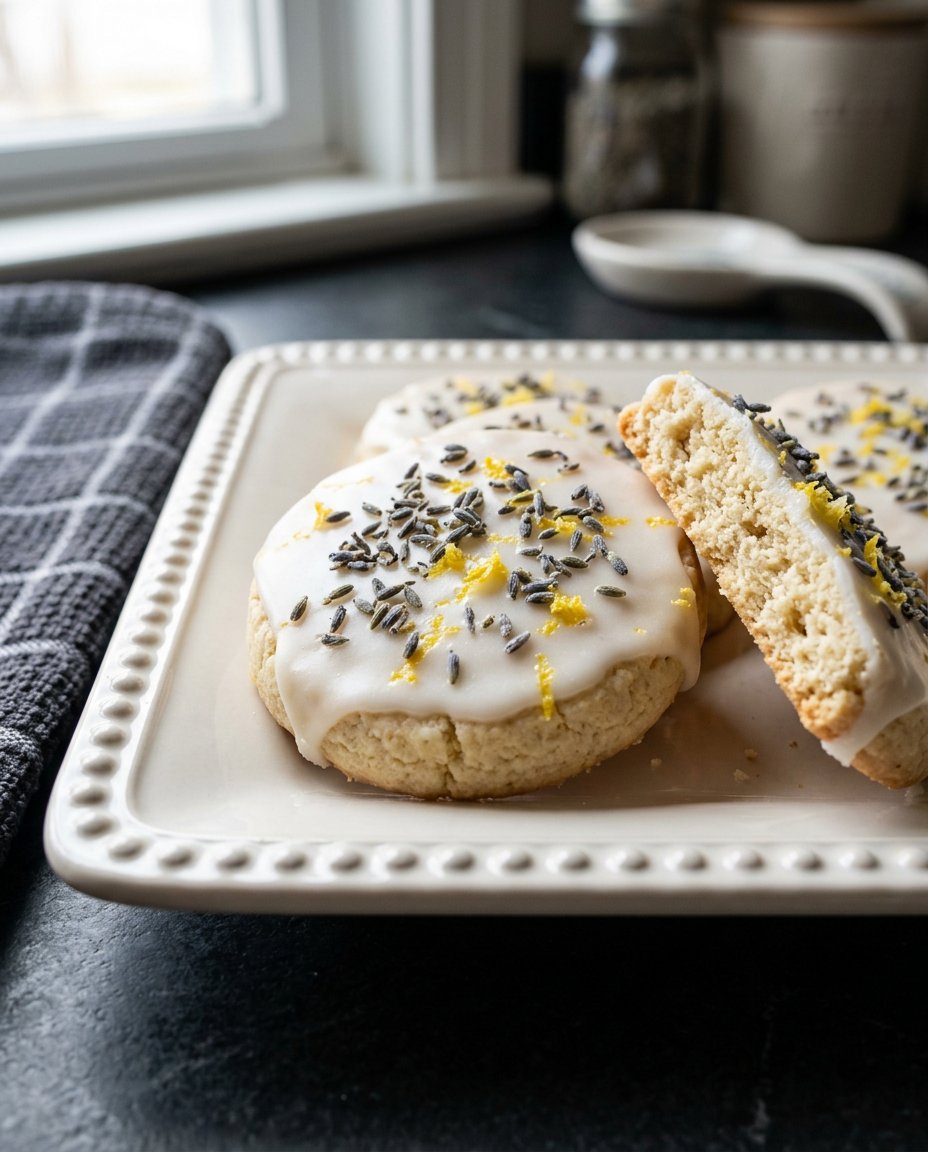
To fully appreciate the flavor complexity of these cookies, serve them with a hot beverage. The steam from a cup of Earl Grey tea helps to volatilize the lavender aromatics, while the tannins in the tea provide a structural contrast to the rich butter fats. This interaction between temperature and aroma is a fundamental principle of sensory analysis. If you are interested in how flavor trends evolve in the digital space, you might find our Viral Cookie Analysis quite fascinating. For a more decadent pairing, serve these alongside a honey-infused panna cotta, where the creamy texture of the dessert mirrors the fatty mouthfeel of the shortbread.
The Flavor Truth
Mastering the lavender shortbread is an exercise in understanding how aromatics interact with lipid-heavy doughs. By respecting the 3:2:1 ratio and focusing on the pulverization of your botanicals, you create a cookie that is both scientifically sound and sensorially stunning. Understanding these molecular interactions is part of the Efficient Cookie Methods we teach to help home bakers achieve professional precision. I invite you to share your results and join our community of flavor-focused bakers. You can follow my latest flavor experiments on Instagram, Pinterest, and Facebook.