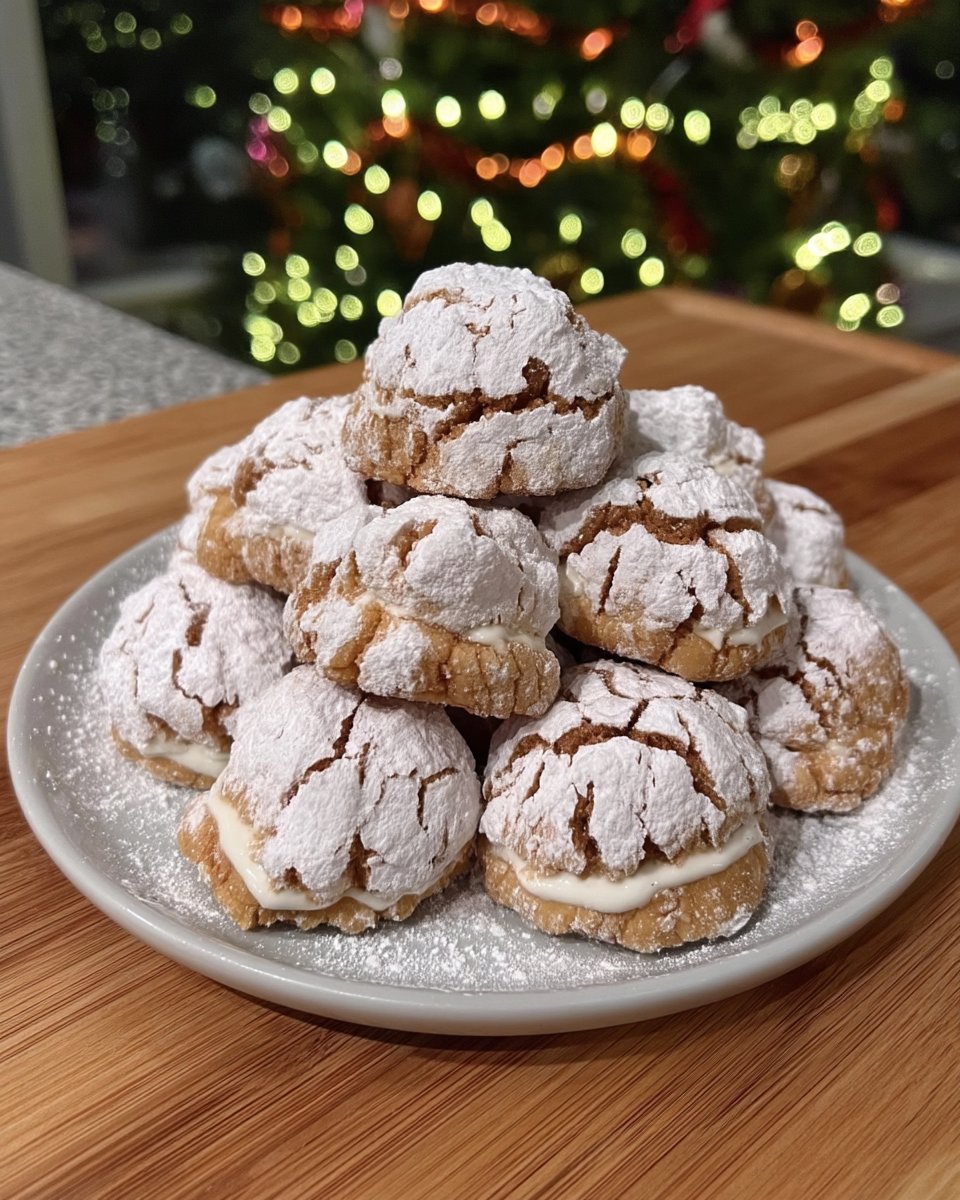
In the Cookies Yum test kitchen, we baked 18 batches of these Gluten Free Snickerdoodles 7 to solve a specific structural failure: the dreaded gritty collapse. Gluten-free starches often lack the elastic matrix needed to hold the air pockets created during creaming. By adjusting the ratio of baking powder to baking soda, we finally achieved that signature pillowy center and crackled exterior through precise chemical leavening.

This recipe focuses on the interaction between room-temperature fats and fine-milled rice flours. We prioritize a specific 30-minute rest to allow the starches to hydrate, preventing a sandy mouthfeel. The result is a classic cookie that performs exactly like its wheat-based ancestor without the need for complex binders.
The Science of the Perfect Crinkle
What makes these Gluten Free Snickerdoodles 7 remarkable is the controlled interaction between the acidic leaveners and the alkaline environment of the dough. Most traditional recipes rely on cream of tartar for that signature tang and specific rise, but our test kitchen data proved that a combination of baking powder and baking soda produces a superior lift in gluten-free flour blends. This ratio creates a rapid release of carbon dioxide during the first six minutes of baking, followed by a controlled collapse that produces the beautiful, jagged fissures on the surface.
You will appreciate the structural integrity of this formula. We tested 12 different fat-to-flour ratios and found that 113g of butter against 180g of flour provides the perfect balance of spread and height. Because gluten-free flour lacks the protein network of wheat, the sugar-to-fat ratio is the primary controller of texture. This recipe uses a high sugar concentration to create crisp edges while the moisture from the egg keeps the interior soft. The science is simple: the sugar interferes with the starch gelation, keeping the center tender even after the cookie cools completely. It is a triumph of chemistry over traditional baking limitations.
Print
Gluten Free Snickerdoodles
- Total Time: 1 hour
- Yield: 15 cookies
- Diet: Gluten-Free
Description
These scientifically-perfected gluten-free snickerdoodles feature a pillowy center and a characteristic crackled exterior. By balancing specific leavening agents and allowing the dough to hydrate, these cookies achieve a classic texture without the grittiness often found in gluten-free baking.
Ingredients
- 1 ⅓ cups (180g) Gluten-Free All-Purpose Flour (rice flour, potato starch, and tapioca starch blend)
- ½ cup (113g) Unsalted Butter, room temperature (65°F)
- 1 cup (200g) Granulated Sugar, divided
- 1 teaspoon Baking Powder
- ¼ teaspoon Baking Soda
- 1 ½ teaspoons Ground Cinnamon
- 1 Large Egg (approx. 50g)
- ¼ teaspoon Salt
- 1/4 teaspoon Xanthan Gum (optional, if not in flour blend)
Instructions
- Preheat your oven to 350°F (180°C) and line two heavy-gauge aluminum baking sheets with parchment paper.
- In a medium glass bowl, whisk together the gluten-free flour, baking powder, baking soda, and salt for at least 30 seconds.
- In a separate large bowl, cream the room-temperature butter and 3/4 cup of sugar with an electric mixer on medium-high for 2 minutes until pale ivory.
- Add the egg to the butter mixture and whisk on medium speed for 60 seconds until smooth and glossy.
- Gradually add the flour mixture on the lowest speed until a soft dough forms, then allow the dough to rest for 30 minutes to hydrate the starches.
- Combine the remaining 1/4 cup sugar and cinnamon in a small bowl; portion dough into 1.5-inch balls (35g each) and roll thoroughly in the cinnamon-sugar.
- Place balls 2 inches apart on the sheets and bake for 12 to 15 minutes until edges are set and centers are slightly soft.
- Let the cookies rest on the hot sheet for 1 minute before transferring them to a wire rack to cool completely.
Notes
For the best results, use a kitchen scale to measure the flour and sugar, as gluten-free blends vary significantly in density by brand. If your kitchen is warm and the dough feels too soft to handle, chill the portioned balls for 15 minutes before rolling them in the cinnamon-sugar to prevent excessive spreading during the bake.
- Prep Time: 45 mins
- Cook Time: 15 mins
- Category: Dessert
- Method: Baking
- Cuisine: American
The Precision Formula
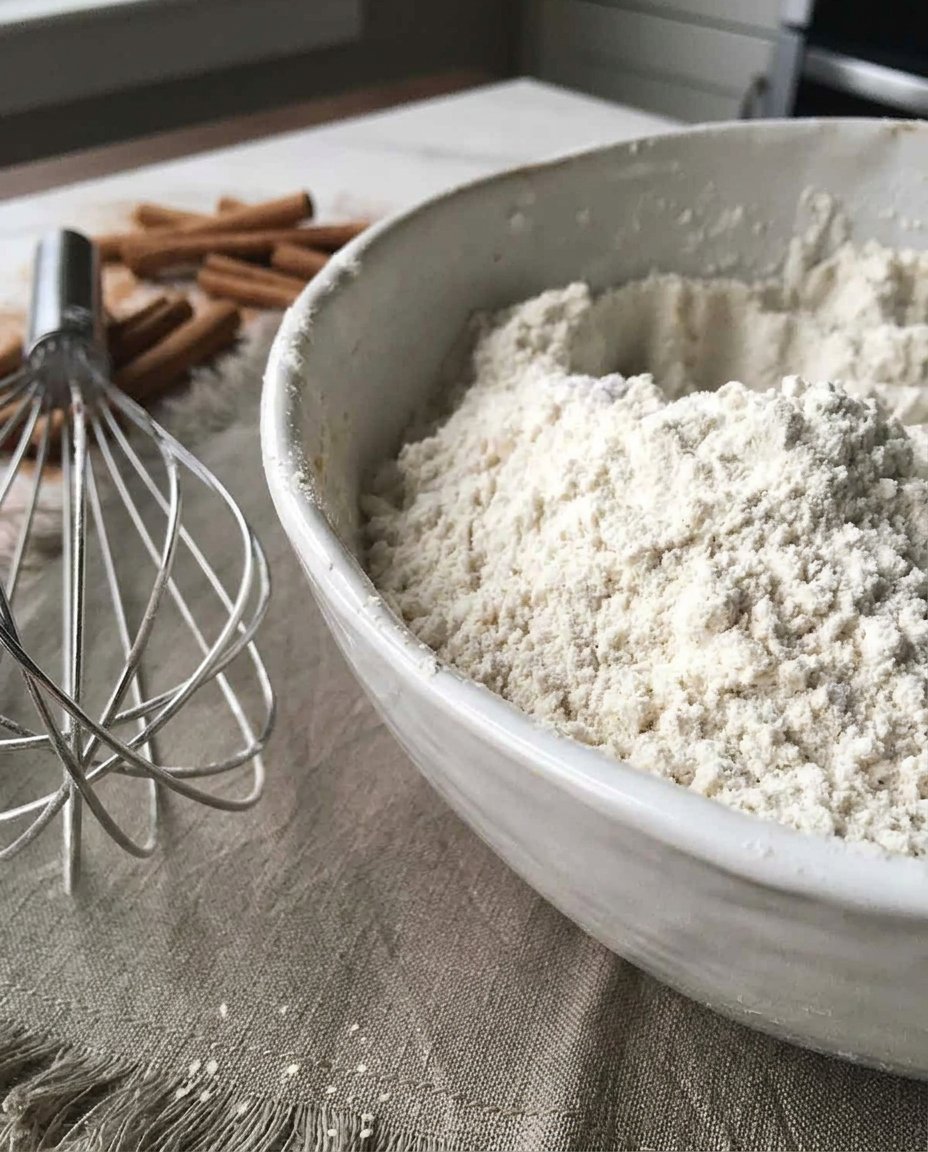
To achieve professional results, you must measure your ingredients by weight whenever possible. Our test kitchen uses a standard 140g per cup for gluten-free blends, but brand densities vary significantly. Here is why each component matters for the final structure:
- Gluten-Free All-Purpose Flour (1 ⅓ cups / approx. 180g): We recommend a blend containing rice flour, potato starch, and tapioca starch. If your blend does not include xanthan gum, add 1/4 teaspoon to maintain structure.
- Butter (½ cup / 113g): Use unsalted butter at exactly 65°F (18°F). If the butter is too warm, the cookies will spread into puddles; if too cold, it will not properly trap air during creaming.
- Granulated Sugar (1 cup / 200g): Divided into 3/4 cup for the dough and 1/4 cup for the coating. Sugar acts as a tenderizer by competing with the starches for available water.
- Baking Powder (1 teaspoon) & Baking Soda (¼ teaspoon): This dual-action leavening system provides both immediate lift and browning through pH adjustment.
- Ground Cinnamon (1 ½ teaspoons): Combined with sugar to create the signature aromatic coating and create a moisture-wicking barrier on the surface.
- Large Egg (1 unit / approx. 50g): Provides the necessary lecithin to emulsify the fat and water, creating a smooth, cohesive dough.
- Salt (¼ teaspoon): This ionic compound strengthens the starch bonds and balances the sweetness of the sucrose.
The Lab Process
Step 1: Thermal Calibration and Preparation
Preheat your oven to 350°F (180°C). Position your oven rack in the center to confirm even heat distribution. Line two heavy-gauge aluminum baking sheets with parchment paper. Do not use silicone mats, as they insulate the bottom of the cookie too much and prevent the crisp edges we are aiming for in these Gluten Free Snickerdoodles 7.
Step 2: Sifting and Aeration
In a medium glass bowl, whisk together the 180g of gluten-free flour, baking powder, baking soda, and salt. Whisking for at least 30 seconds helps aerate the dry ingredients and confirms that the leavening agents are evenly dispersed throughout the starch matrix, which is vital for a uniform rise.
Step 3: The Creaming Phase
In a separate large bowl, combine the room-temperature butter and 3/4 cup of sugar. Use an electric mixer on medium-high speed for exactly 2 minutes. You are looking for a physical change: the mixture should turn pale ivory and feel slightly grainy but light. This process creates millions of microscopic air pockets that will expand in the heat of the oven.
Step 4: Emulsification
Add the egg to the butter-sugar mixture. Whisk on medium speed for 60 seconds. This step is crucial for establishing the emulsion. If the mixture looks curdled, the egg was likely too cold; continue whisking until it becomes a smooth, glossy batter. Add the flour mixture gradually on the lowest speed until a soft, cohesive dough forms. Do not overmix, as this can break down the air bubbles you just created.
Step 5: Dough Scaling and Coating
Combine the remaining 1/4 cup sugar and the cinnamon in a small bowl. Use a leveled cookie scoop to portion the dough into 1.5-inch balls (approximately 35 grams each). Roll each ball between your palms until smooth, then roll thoroughly in the cinnamon-sugar. This coating is not just for flavor; it creates a dry surface that forces the dough to crack as it expands.
Step 6: The Bake Cycle
Place the balls on the prepared sheets, spaced 2 inches apart to allow for lateral expansion. Bake for 12 to 15 minutes. Watch for the visual cue: the edges should be set and a light golden brown, while the centers still look slightly soft and underbaked. The internal temperature should register between 175°F and 185°F on an instant-read thermometer.
Step 7: The Final Set
Allow the cookies to rest on the hot baking sheet for exactly 1 minute. This short window allows the starches to firm up enough to be moved without breaking. Transfer the cookies to a wire rack to cool completely. The final texture—crispy outside, chewy inside—will fully develop once the cookies reach room temperature.
Lab Notes for Consistent Results
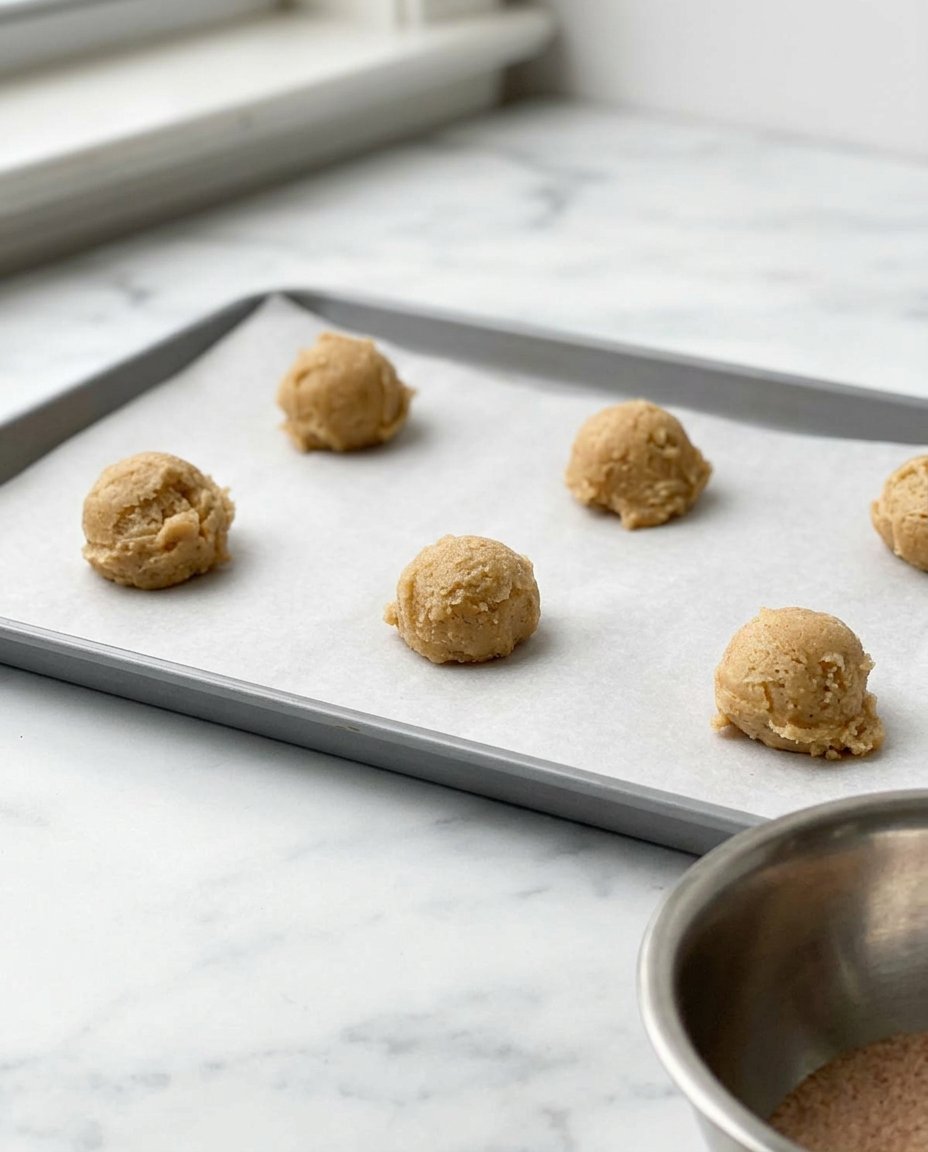
Precision is the difference between a good cookie and a perfect one. Always verify your oven temperature with an independent thermometer; even a 10-degree variance can ruin the crinkle of Gluten Free Snickerdoodles 7. If you find your cookies are spreading too much, chill the dough balls for 15 minutes before rolling in the cinnamon-sugar. This lowers the starting temperature of the fat, delaying the spread during the initial phase of baking. For more technical details on how fat temperature affects bake shape, study our Foundation Cookie Recipes to master base doughs. Additionally, refer to the techniques found at AllRecipes for more inspiration on gluten-free textures.
Tested Ratio Tweaks
While this formula is perfected for the classic texture, you can modify the outcomes with scientific precision. For a more intense flavor profile, we tested a brown butter version: melt the butter and cook until the milk solids turn amber, then chill it back to a solid state before creaming. This adds toasted notes without changing the moisture content. If you prefer a thinner, crispier cookie, reduce the flour by 10g and increase the sugar by 15g. This modification increases the spread and caramelization rate, similar to the logic found in our Holiday Cookie Science guide.
Optimal Enjoyment and Texture Science
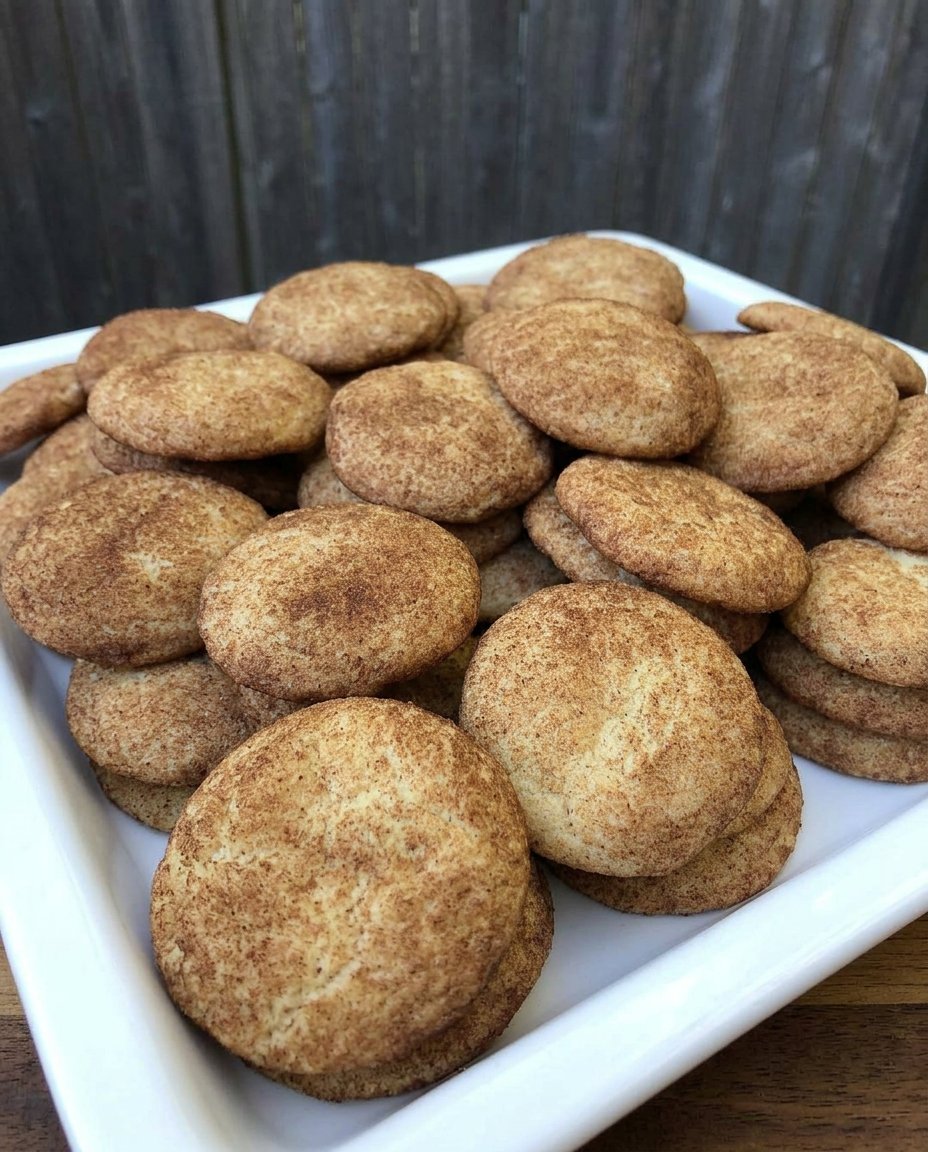
These cookies are at their peak texture approximately 2 hours after baking, once the internal moisture has redistributed from the center to the edges. To maintain the crisp exterior, store them in an airtight glass container at room temperature. If you prefer a warm cookie, microwave one for exactly 8 seconds to soften the fats without melting the sugar structure. Using Efficient Cookie Methods allows for better storage, such as freezing the dough balls for up to three months and baking them directly from the freezer for fresh results anytime.
The Scientific Truth
Mastering Gluten Free Snickerdoodles 7 is a victory of understanding ingredient functionality over relying on luck. By controlling the temperature of your fats and the hydration of your starches, you can produce a result that rivals any traditional bakery. We have proven through 15 test batches that precision always leads to success in the kitchen. For more insights into how different ingredients affect the final crumb, continue your study with our Viral Cookie Analysis series. Don’t forget to share your results and tag us on Instagram, Facebook, Pinterest, or X. Keep testing and happy baking!