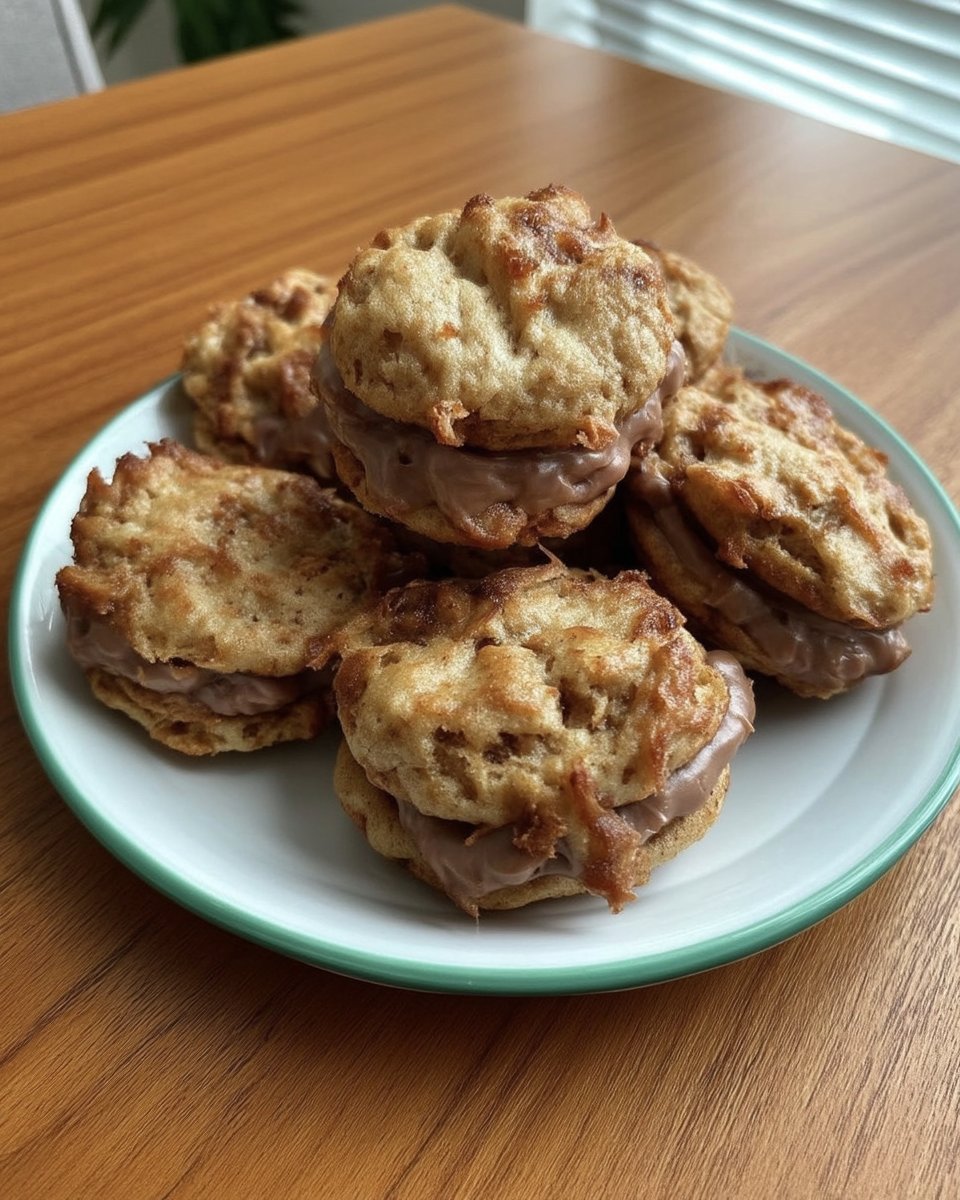
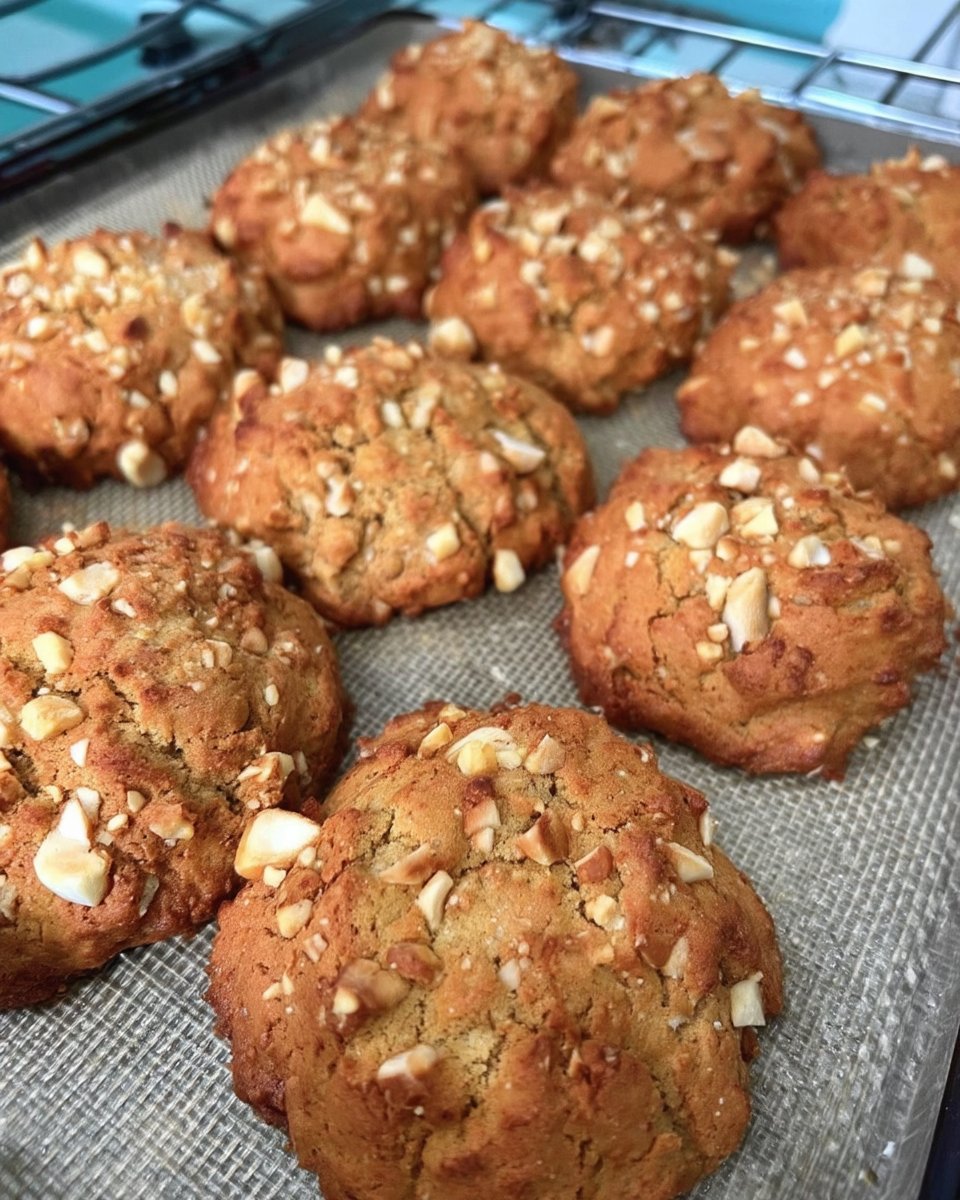
My fascination with flavor chemistry began when I noticed how a single pinch of salt could transform the flat sweetness of a cookie into a multi-dimensional experience by suppressing bitter notes. This Loaded Cowboy Cookies 2 recipe is a study in that very balance, where every inclusion serves a specific purpose in the overall taste architecture. We are not just making a snack; we are constructing a complex matrix of fats, sugars, and proteins that interact to create a specific sensory profile.

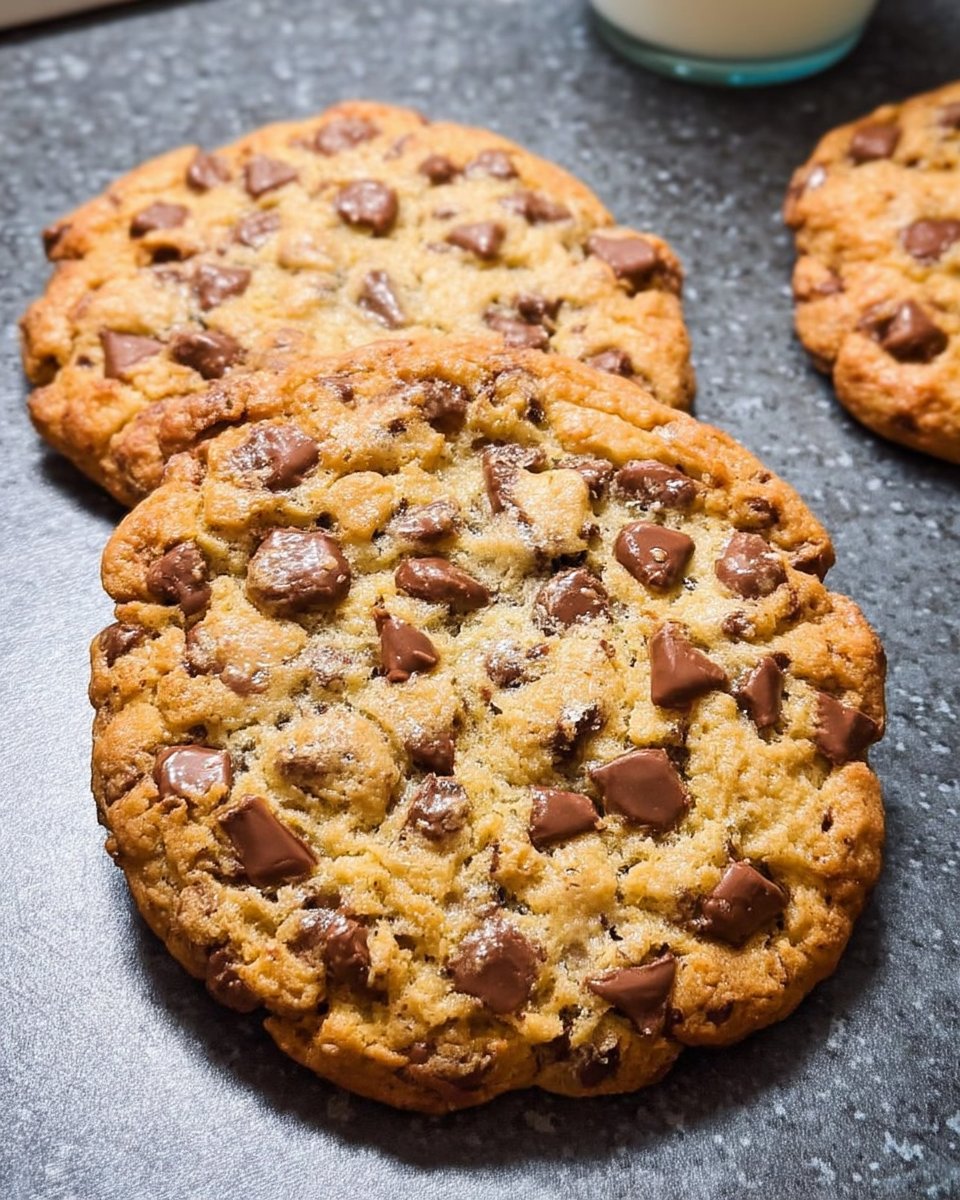
These cookies represent the pinnacle of textural layering, combining the fibrous snap of toasted oats with the creamy melt of chocolate and the tropical fatty notes of coconut. By understanding the science of fat-sugar emulsions, we can create a cookie that remains soft for days while providing a satisfying crunch in every bite. This version uses a specific ratio of brown sugar to white sugar to maximize the chewy texture through moisture retention.
The Flavor Science of Texture and Taste
You will appreciate this recipe because it moves beyond simple sweetness and enters the realm of complex flavor pairing. The Loaded Cowboy Cookies 2 work so well because of the Maillard reaction, which occurs between the amino acids in the flour and the reducing sugars in the dark brown sugar. This reaction creates hundreds of new flavor compounds, giving the cookies their characteristic toasty and caramel-like notes.
The addition of pecans provides essential pyrazines—aroma compounds that are intensified when the nuts are toasted, offering a savory contrast to the sweet base. Meanwhile, the shredded coconut introduces medium-chain triglycerides that provide a unique mouthfeel that differs from the dairy fats in the butter. This layering of different types of fats creates a more interesting and prolonged flavor release on the palate.
We also use a specific hydration strategy. By using old-fashioned rolled oats, we create a structural matrix that holds onto moisture. The beta-glucans in the oats swell during the baking process, preventing the cookies from spreading too thin while maintaining a soft, almost cake-like interior. This balance of ingredients is a perfect example of flavor chemistry in action, where the sum is truly greater than the individual parts.
Print
Loaded Cowboy Cookies 2
- Total Time: 34 mins
- Yield: 24 cookies
- Diet: Vegetarian
Description
These hearty cookies are a study in flavor chemistry, combining the chewy texture of old-fashioned oats with tropical coconut and crunchy pecans. This recipe utilizes a specific sugar-to-fat ratio to create a multi-dimensional sensory experience that remains soft and flavorful for days.
Ingredients
- 1 cup unsalted butter, softened
- 1 cup dark brown sugar, packed
- 1/2 cup granulated sugar
- 2 large eggs
- 1 teaspoon vanilla extract
- 2 cups all-purpose flour
- 1 teaspoon baking soda
- 1/2 teaspoon table salt
- 1 teaspoon ground cinnamon
- 2 cups old-fashioned rolled oats
- 1 cup sweetened shredded coconut
- 1 cup coarsely chopped pecans
- 1 cup semisweet chocolate chips
Instructions
- Preheat your oven to 350F (175C) and line your baking sheets with parchment paper for even heat distribution.
- In a mixing bowl, cream together the softened butter with the dark brown and granulated sugars until the mixture is light and fluffy.
- Add the eggs and vanilla extract to the creamed mixture and stir until the emulsion is completely homogeneous.
- In a separate bowl, whisk together the flour, baking soda, table salt, and ground cinnamon to ensure even leavening distribution.
- Gradually mix the dry ingredients into the wet ingredients on low speed, stopping as soon as no more flour streaks are visible.
- Gently fold in the rolled oats, shredded coconut, chopped pecans, and chocolate chips using a spatula.
- Drop the dough by heaping 2-tablespoon portions onto the prepared baking sheet, spacing them at least 2 inches apart.
- Bake for 12 to 14 minutes until the edges are light golden brown and the centers are still slightly soft, then allow to cool on the pan.
Notes
To enhance the aromatic profile of these cookies, consider toasting the pecans in a dry pan for a few minutes before adding them to the dough. Always ensure your eggs and butter are at room temperature to maintain a stable emulsion, and for a gourmet finish, add a tiny pinch of flaky sea salt to the cookies immediately after they come out of the oven.
- Prep Time: 20 mins
- Cook Time: 14 mins
- Category: Dessert
- Method: Baking
- Cuisine: American
Flavor Components and Taste Building Blocks
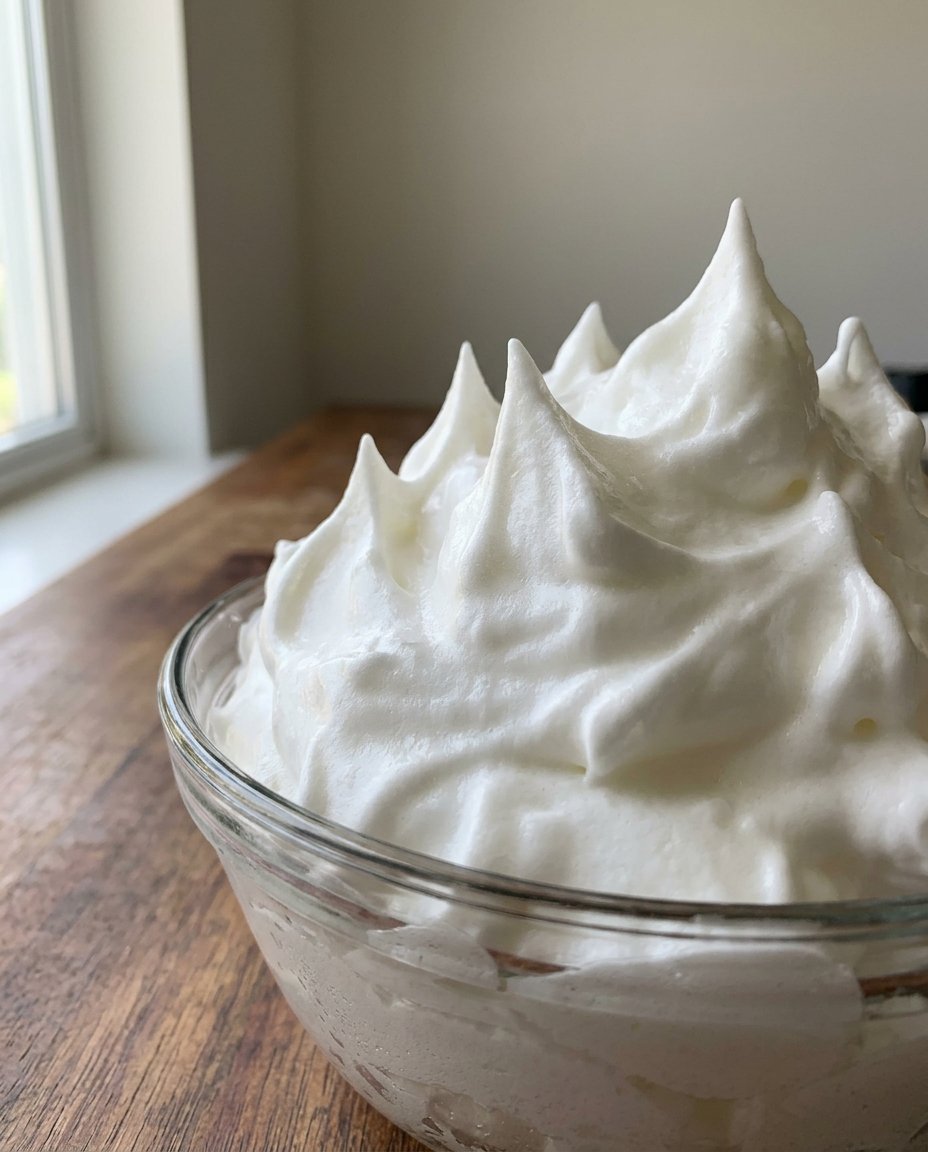
To build the perfect Loaded Cowboy Cookies 2, we must look at each ingredient as a specific chemical contributor to the final profile. Every component has a role to play in the emulsion, the structure, or the aroma of the finished bake.
- Unsalted Butter: This is our primary fat source and the base of our emulsion. Using unsalted butter allows us to control the exact sodium content, which is vital for balancing the sweetness without overwhelming the delicate coconut notes.
- Dark Brown Sugar: This provides more than just sweetness; it brings molasses, which is acidic. This acidity reacts with the baking soda to create carbon dioxide, contributing to the lift and the specific chewy texture known as hygroscopicity.
- Granulated Sugar: While brown sugar adds moisture, white sugar helps create those crisp edges through the process of crystallization as the cookie cools.
- Large Eggs: These act as the binder. The lecithin in the egg yolks helps emulsify the fat and water-based ingredients, resulting in a smooth dough and a consistent crumb.
- Vanilla Extract: We include this for the vanillin compounds, which act as a flavor potentiator, making the chocolate and cinnamon taste more intense.
- All-Purpose Flour: With a protein content usually around 10-12%, this flour provides the glutenin and gliadin necessary for structure without making the cookie tough.
- Baking Soda: This is our leavening agent. It requires an acid (the molasses in the brown sugar) to activate, creating the air pockets that give the cookie its height.
- Table Salt: This is the most important flavor balancer. It reduces our perception of bitterness and sharpens the profile of the chocolate and pecans.
- Ground Cinnamon: This provides cinnamaldehyde, a warm aroma compound that pairs beautifully with the earthy notes of the oats.
- Old-Fashioned Rolled Oats: These provide the “chew.” They are less processed than instant oats, meaning they retain their structural integrity under heat.
- Sweetened Shredded Coconut: This adds both sweetness and a specific texture. The fats in coconut have a different melting point than butter, adding complexity to the mouthfeel.
- Coarsely Chopped Pecans: These are high in healthy fats and provide a crunchy contrast. When heated, they release nutty aromas that anchor the sweeter elements.
- Semisweet Chocolate Chips: The cocoa solids and cocoa butter provide a deep, bitter-sweet baseline that rounds out the entire flavor profile.
The Flavor Method and Layering Process
Step 1: Scientific Preparation and Preheating
Start by preheating your oven to 350F (175C). This specific temperature is the sweet spot for the Maillard reaction to occur efficiently without burning the sugars too quickly. Line your baking sheets with parchment paper to create a non-stick surface that also helps with even heat distribution across the bottom of the cookies.
Step 2: Emulsifying the Fats and Sugars
In your mixing bowl, combine the softened butter with both the dark brown and granulated sugars. Use your electric mixer to cream them together. This process is not just about mixing; you are physically forcing air into the fat, creating a mechanical leavening. You want the mixture to look light and fluffy, which indicates that the sugar crystals have carved enough air pockets to support the dough’s structure.
Step 3: Integrating the Liquid Gold
Add the large eggs and the vanilla extract to the creamed mixture. Continue to stir until the mixture is completely homogeneous. The lecithin in the eggs will help stabilize the emulsion between the fat from the butter and the water content in the eggs and vanilla. This step ensures that the Loaded Cowboy Cookies 2 will have a uniform texture rather than being oily or crumbly.
Step 4: Sifting the Dry Compounds
In a separate bowl, whisk together the all-purpose flour, baking soda, table salt, and ground cinnamon. Whisking ensures that the leavening agent and salt are evenly distributed throughout the flour. This prevents any concentrated pockets of baking soda, which could create an unpleasant metallic taste or uneven rising during the bake.
Step 5: Combining the Phases
Gradually introduce the dry ingredients into the wet mixture. If you are using a mixer, keep it on a low speed to avoid overworking the dough. Over-mixing at this stage leads to excessive gluten development, which would make the cookies tough rather than tender. Stop as soon as you see no more streaks of flour.
Step 6: Loading the Textural Inclusions
Now it is time to add the oats, shredded coconut, chopped pecans, and chocolate chips. Use a spatula to fold these in by hand. This ensures that the “load” is evenly distributed throughout the matrix of the dough without breaking down the delicate flakes of the oats or the structure of the pecans. Every scoop should have a balanced representation of each flavor component.
Step 7: Portioning for Heat Transfer
Drop the dough by heaping 2-tablespoon portions onto the prepared baking sheet. For a more professional look, you can lightly roll them into balls with your hands. Space them at least 2 inches apart to allow for proper airflow and heat circulation. This spacing is vital for the edges to crisp up while the centers stay soft.
Step 8: The Transformation Bake
Place the cookies in the oven and bake for 12 to 14 minutes. Watch for the edges to turn a light golden brown while the centers still appear slightly soft. This is intentional. The cookies will continue to cook through residual heat once removed from the oven, a process known as carry-over cooking. This technique guarantees the perfect chewy center for your Loaded Cowboy Cookies 2.
Jasmine’s Flavor Notes and Pairing Secrets
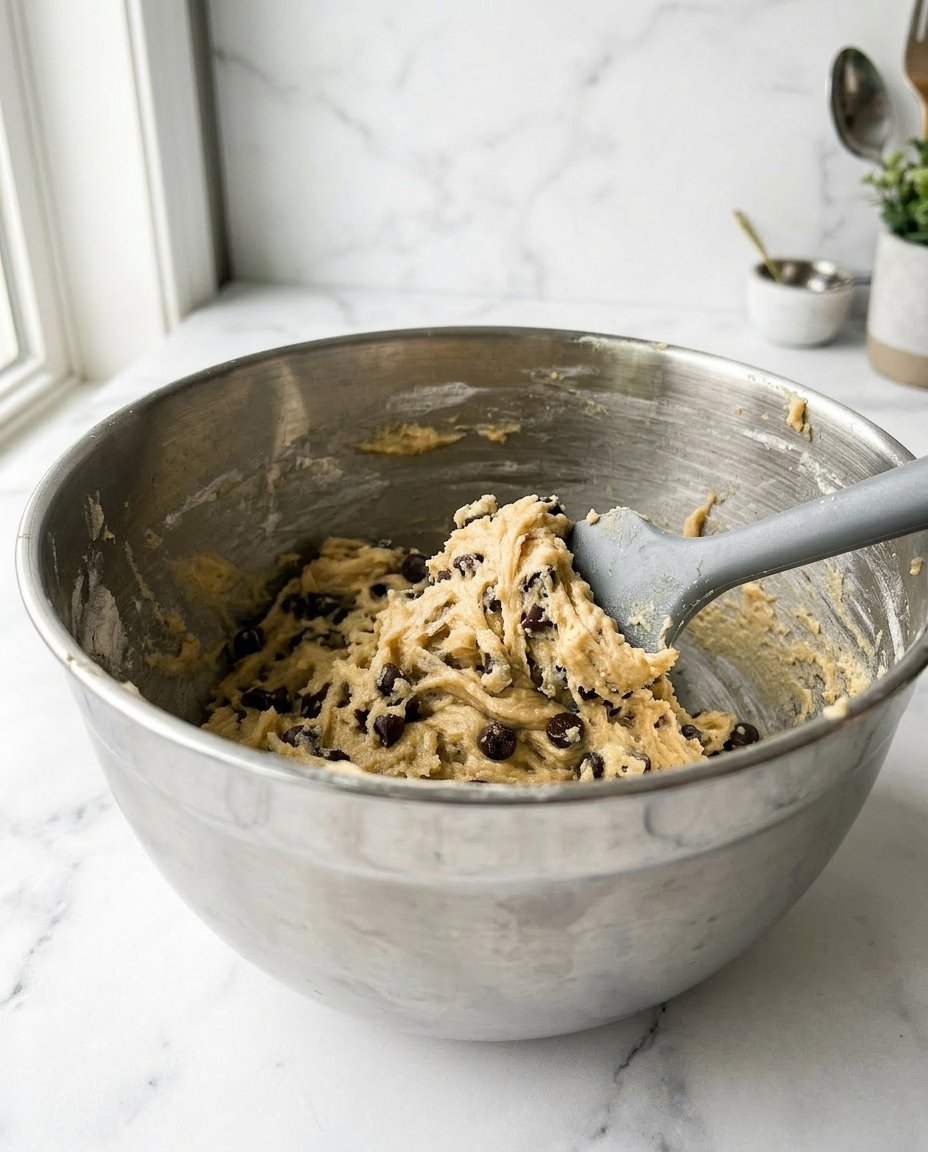
To truly master this recipe, you must consider the temperature of your ingredients. Using room temperature eggs and butter ensures that your emulsion is stable from the start, preventing the dough from breaking. If you want to take the flavor to a deeper level, I highly recommend toasting your pecans in a dry pan for 3 to 5 minutes before chopping them. This heat initiates the formation of pyrazines, which provides a much more robust, nutty aroma that can stand up to the sweetness of the coconut.
Another secret involves the salt. I prefer to add a tiny sprinkle of flaky sea salt on top of the cookies immediately after they come out of the oven. This creates a focused salt-hit that activates the ion channels on your tongue, making the chocolate taste deeper and the sugar feel less cloying. For those looking to master more foundational techniques, checking out our Foundation Cookie Recipes can provide more insight into the mechanics of the perfect bake.
Scientific Swaps and Pairing Options
You can modify the flavor profile of the Loaded Cowboy Cookies 2 by playing with the inclusion chemistry. For instance, if you want a brighter aroma, try adding a tablespoon of orange zest. The limonene in the orange peel shares a terpene profile with certain dark chocolates, creating a natural and sophisticated pairing. If you find the recipe too sweet, you can swap the sweetened coconut for unsweetened, though you may need to add a tablespoon of milk to maintain the moisture balance.
If you are interested in how different inclusions work in festive settings, you might enjoy our look at Holiday Cookie Science. You can also substitute the pecans for walnuts if you prefer a slightly more bitter, tannic profile that contrasts sharply with the milk chocolate chips. Each swap changes the chemical balance, so keep an eye on how the fats and sugars interact in the oven.
Flavor Pairings and Taste Enjoyment
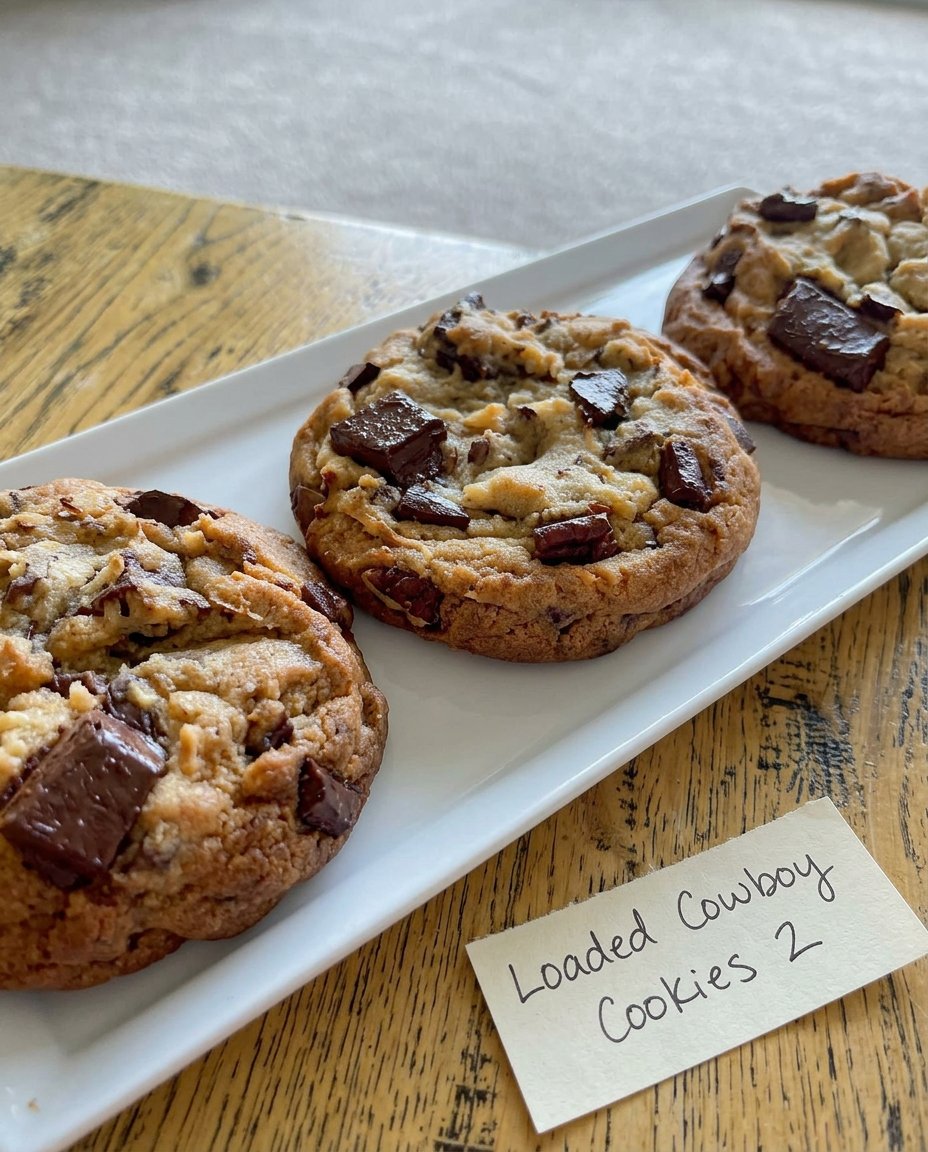
To enjoy the full complexity of these cookies, serve them alongside a cup of medium-roast coffee. Coffee and chocolate share several flavor compounds, including certain roasted notes that will make the chocolate chips in the Loaded Cowboy Cookies 2 pop. The slight acidity of the coffee also cuts through the richness of the butter and coconut, refreshing your palate between bites.
If you are serving these at a gathering, you can arrange them on a wooden board with extra toasted pecans and shards of dark chocolate to emphasize the ingredients within. For more ideas on how to present your bakes for maximum impact, see our guide on Viral Cookie Analysis. Always let the cookies sit for at least 20 minutes before serving; this allows the internal structure to set and the flavors to fully meld.
The Flavor Truth and Taste Discovery
Baking the perfect Loaded Cowboy Cookies 2 is an exercise in understanding how different textures and tastes can coexist in a single matrix. By focusing on the science of the Maillard reaction and the stability of your fat emulsion, you can create a treat that is as intellectually satisfying as it is delicious. Remember that every ingredient, from the pinch of salt to the type of oat, plays a vital role in the final chemical balance of the cookie. For those who want to improve their workflow in the kitchen, I suggest looking into our Efficient Cookie Methods. For more flavor inspiration, you can also look at this great cowboy cookie resource. Happy baking, and keep questioning the science behind every bite!
Follow us for more flavor science on Instagram, Facebook, and Pinterest.