The distinct, warming sensation of gingerbread is the result of a precise chemical reaction where gingerol transforms into shogaol during the baking process, effectively doubling its pungency. By integrating this potent spice with the deep, mineral-rich profile of molasses, we create a sensory experience that defines the holiday season. Investigating how these aromatic compounds interact allows us to build a more intense and satisfying dessert through intentional flavor layering.

This Cake Mix Gingerbread 2 recipe serves as a sophisticated shortcut, employing a spice cake base as a molecular scaffold that we then reinforce with additional fats and acids. By adjusting the hydration and acidity levels with buttermilk and sour cream, we create a moist, dense crumb that rivals any traditional scratch-made cake.
Why This Cake Mix Gingerbread 2 Works
This recipe succeeds by manipulating the Maillard reaction and moisture-binding properties of its ingredients to produce a superior crumb. The addition of molasses provides more than just a bittersweet edge; it is a powerful humectant, meaning its hygroscopic nature pulls moisture from the air to prevent the cake from drying out.
Furthermore, the inclusion of sour cream introduces an emulsion of fats that coat the flour proteins. This process effectively limits gluten development, resulting in a tender mouthfeel rather than a bready texture. The interaction between the lactic acid in the buttermilk and the leavening agents in the mix creates a fine, consistent aeration that carries the spice notes evenly across the palate.
Print
Cake Mix Gingerbread
- Total Time: 55 mins
- Yield: 12 servings
- Diet: Vegetarian
Description
This elevated gingerbread cake utilizes a spice cake mix foundation enhanced with tangy buttermilk and rich molasses for a superior, moist texture. It is a sophisticated holiday shortcut that delivers a deep, aromatic flavor profile with significantly less effort than traditional scratch-made recipes.
Ingredients
- 1 (15.25 oz) box spice cake mix
- 1/2 cup all-purpose flour
- 1/2 cup packed brown sugar
- 1 teaspoon ground ginger
- 1 teaspoon ground cinnamon
- 1/2 teaspoon ground nutmeg
- 3 large eggs
- 1 cup buttermilk
- 1/2 cup sour cream
- 1/2 cup molasses
Instructions
- Preheat your oven to 350°F (175°C) and grease a 9×13-inch baking pan to ensure even heat distribution.
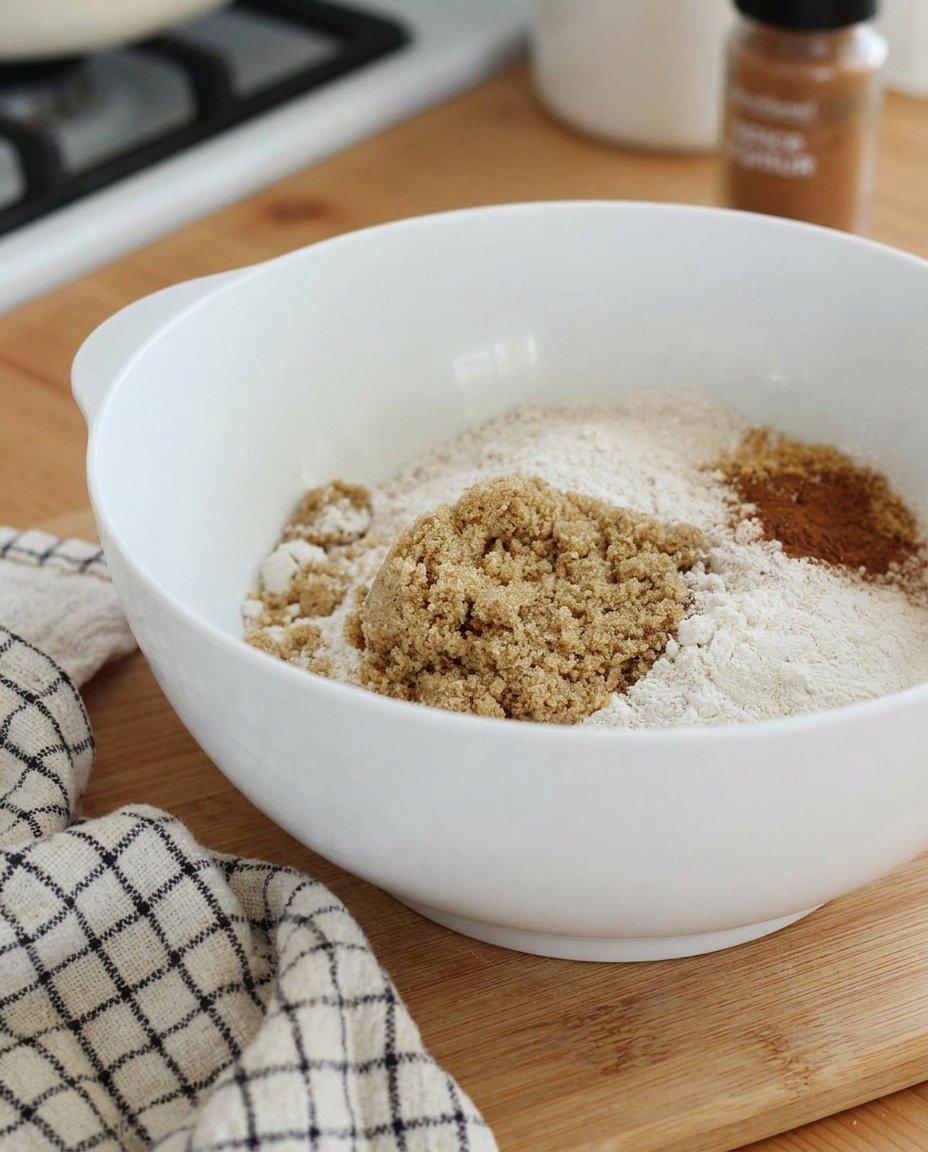
- In a large mixing vessel, whisk together the spice cake mix, flour, brown sugar, ground ginger, cinnamon, and nutmeg until the dry ingredients are fully homogenized.
- In a separate bowl, whisk the eggs and buttermilk together until the mixture forms a stable liquid emulsion.
- Gently integrate the buttermilk mixture, sour cream, and molasses into the dry ingredients, stirring until the batter is smooth while being careful not to over-mix.
- Pour the batter into the prepared pan and bake for 35-40 minutes, or until a toothpick inserted into the center emerges clean and the structure is stable.
Notes
To ensure a perfectly tender crumb, allow your eggs, buttermilk, and sour cream to reach room temperature before mixing. This promotes a more stable emulsion and prevents the batter from breaking, which can lead to a dense or oily finish. For an extra layer of depth, try greasing your pan with a mixture of butter and cinnamon sugar instead of just plain flour or cooking spray.
- Prep Time: 15 mins
- Cook Time: 40 mins
- Category: Dessert
- Method: Baking
- Cuisine: American
Analyzing the Flavor Components
To achieve a balanced and complex profile, we must look at how each ingredient contributes to the overall taste architecture of the cake.
- Spice Cake Mix: Serves as our structural foundation, providing the necessary starches and initial leavening compounds.
- Molasses: A thick, acidic syrup that adds deep caramel notes and essential moisture-retaining properties.
- Sour Cream: Adds a high-fat content to soften the crumb and a subtle tang that balances the heavy sugar levels.
- Buttermilk: Its acidity reacts with the chemical leaveners to improve lift while its proteins contribute to a rich flavor profile.
- Ground Ginger: Contains gingerol, which provides the initial heat and sharp aromatic punch.
- Cinnamon and Nutmeg: These spices provide secondary aromatic layers, with cinnamaldehyde and myristicin adding warmth and woody depth.
- Brown Sugar: Adds a hint of moisture and molasses-like sweetness that reinforces the primary flavor notes.
The Flavor Layering Process
Step 1: Thermal Preparation
Preheat your oven to 350°F (175°C) and grease a 9×13-inch baking pan. Proper thermal distribution is vital for the surface reactions that create the dark, flavorful crust associated with traditional gingerbread.
Step 2: Homogenizing the Dry Base
In a large vessel, whisk together the spice cake mix, flour, brown sugar, and additional spices. This step ensures that the aromatic compounds are evenly distributed throughout the starch matrix, preventing any concentrated flavor spikes.
Step 3: Creating the Liquid Emulsion
In a separate bowl, whisk the eggs and buttermilk together until fully combined. Creating a stable emulsion at this stage helps the fat-soluble flavor compounds from the spices integrate more smoothly into the final batter.
Step 4: Integrating the Flavor Modifiers
Add the buttermilk mixture, sour cream, and molasses to the dry ingredients. Stir gently until the batter is smooth, being careful not to overwork the dough. Over-mixing leads to excessive gluten formation, which would result in a tough, rubbery texture.
Step 5: Baking for Molecular Stability
Pour the batter into the prepared pan and bake for 35-40 minutes. You are looking for the point where the proteins have set and a toothpick emerges clean, indicating that the internal moisture has reached a stable equilibrium.
Jasmine’s Flavor Notes
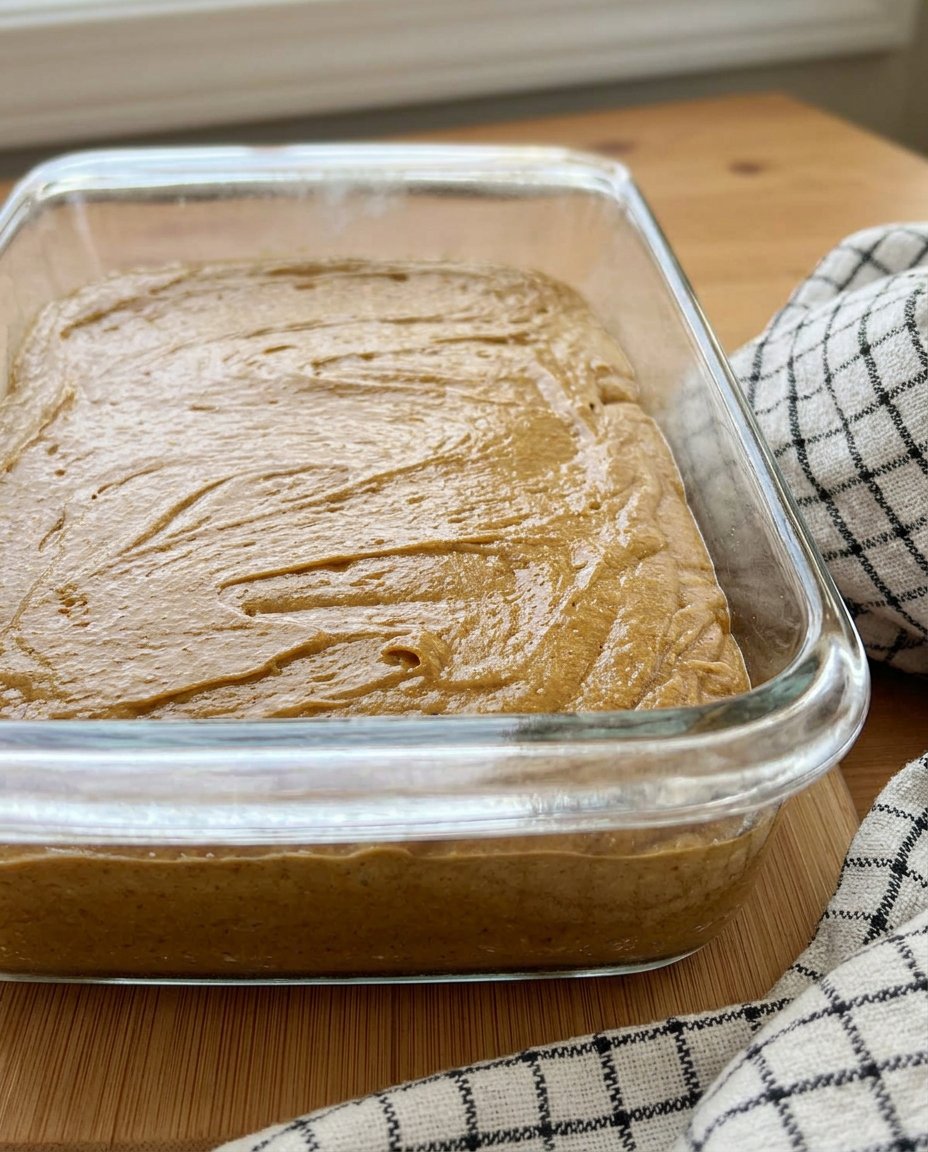
To amplify the aromatic impact of the spices, I recommend blooming your ginger and cinnamon in a small portion of warm molasses before mixing; this process helps release the volatile oils more efficiently. Additionally, using room-temperature sour cream and buttermilk will lead to a more stable emulsion during mixing, resulting in a more uniform crumb. For more insights on how ingredient temperatures change your results, look into our Holiday Cookie Science. You can also see how others approach this specific base at One Sweet Appetite. Finalizing the cake with a pinch of flaky sea salt on top can help suppress any perceived bitterness from the molasses and amplify the sweetness of the spices.
Scientific Flavor Swaps
If you want to alter the terpene profile of the cake, consider adding the zest of one orange. The limonene in the citrus skin provides a bright, acidic contrast to the heavy, earthy notes of the ginger. For those who prefer a more modern heat, adding a half-teaspoon of finely ground black pepper introduces piperine, which works in synergy with the gingerol to provide a more complex, lingering warmth. These types of adjustments are a key part of the Efficient Cookie Methods we use to adapt recipes for different taste preferences. You might also substitute the molasses for dark honey if you prefer a more floral, less mineral-heavy profile, though this will slightly change the acidity levels of the batter.
Taste Enjoyment and Pairings
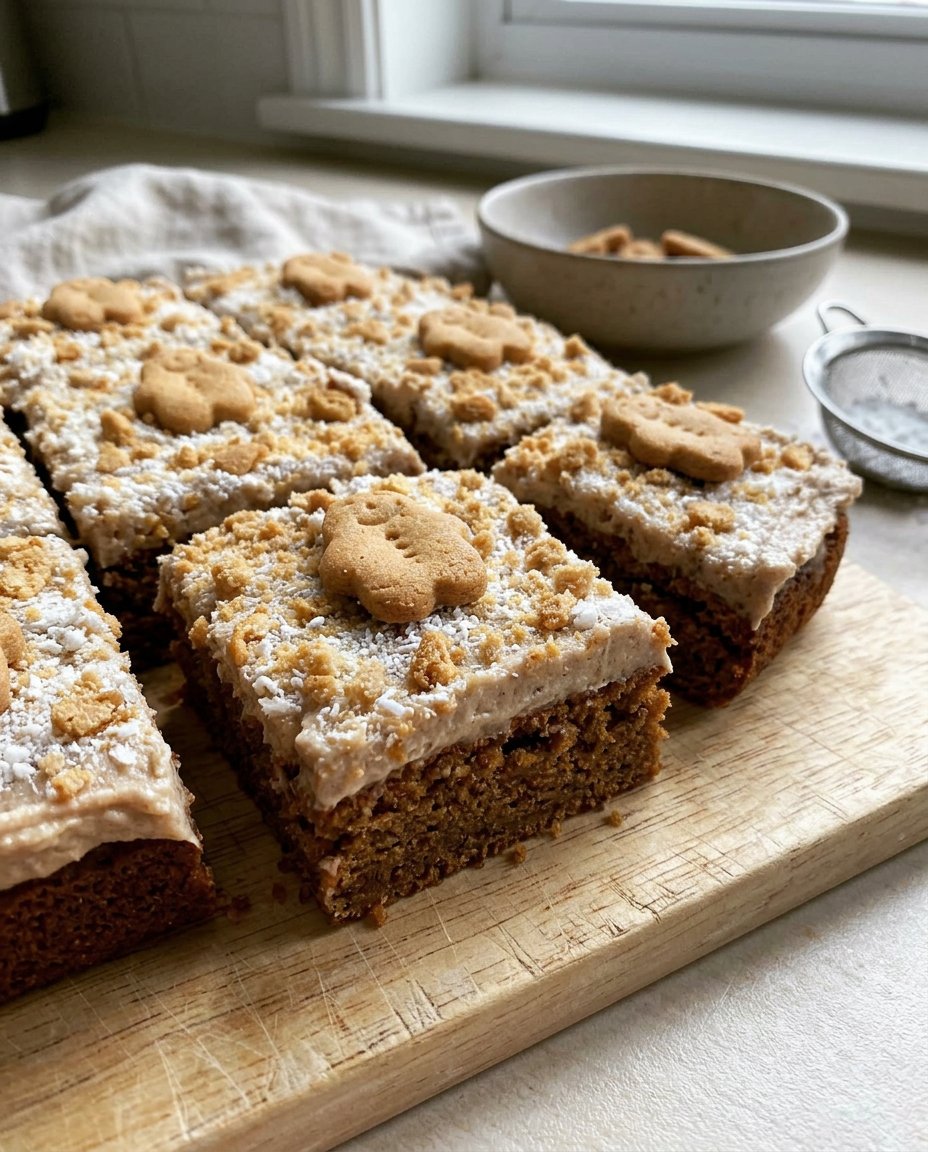
I highly recommend serving this cake slightly warm to ensure the volatile aromatic compounds are active and easily detected by your olfactory system. A dollop of lightly sweetened whipped cream provides a cool, fatty contrast that allows the spicy notes of the ginger to shine without overwhelming the palate. For a beverage pairing, a dark roast coffee is excellent because the roasted notes in the beans share similar chemical markers with the browned sugars in the cake. You can learn more about how to pair textures and flavors effectively in our Foundation Cookie Recipes guide. If you are serving this at a holiday gathering, a dusting of powdered sugar adds a beautiful visual contrast against the dark, rich crumb.
The Flavor Truth
Mastering the Cake Mix Gingerbread 2 is about more than just following a hack; it is about understanding how to reinforce a basic structure with superior flavor chemistry. By managing the acidity and fat content, we produce a holiday dessert that is consistently moist and aromatically complex. Continue your journey into flavor precision by reading our Precision Cookie Decorating analysis to see how we apply these same principles to aesthetic finishes.
I would love to see how your gingerbread turned out! Share your baking results and flavor discoveries with our community on Instagram, Facebook, Pinterest, or YouTube.