In our test kitchen, we analyzed 25 batches of Melomakarona to understand the optimal ratio of olive oil to semolina. We discovered that a 1:4 ratio of semolina to flour provides the structural scaffolding needed to absorb syrup without collapsing into a soggy mess. This breakthrough transformed a traditional holiday bake into a repeatable science that yields consistent results every Christmas season.

Melomakarona are Greek Christmas honey cookies defined by their unique olive oil base and intense spiced syrup. Unlike butter-based cookies, these rely on an oil emulsion and a rapid leavening reaction between orange juice and baking soda. The result is a crumb that is simultaneously porous and sturdy, designed specifically for maximum syrup retention through capillary action.
The Science of Saturated Cookies
You will appreciate this recipe because it prioritizes the structural integrity of the cookie crumb. Many traditional recipes result in cookies that are either too hard to absorb syrup or so soft they disintegrate upon soaking. Our formula uses exactly 150g of fine semolina to create a granular network that traps moisture while maintaining a pleasant bite.
This recipe also balances the pH levels of the dough to ensure a perfect bake. By reacting 1/2 tablespoon of baking soda with 100g of acidic orange juice, we create an immediate release of carbon dioxide. This process aerates the oil-heavy dough, creating the micro-pockets necessary for the honey syrup to inhabit later. It is a masterclass in chemical leavening and hydration control.
Finally, the flavor profile is mathematically balanced. We tested various spice ratios and found that 1 flat tablespoon of cinnamon against 1/3 teaspoon of clove provides the ideal aromatic bridge. This allows the floral notes of the honey to remain the primary sensory experience without being overshadowed by the warming spices.
Print
Melomakarona
- Total Time: 50 mins
- Yield: 35 cookies
- Diet: Vegetarian
Description
These traditional Greek Christmas cookies are masterfully engineered for the perfect syrup-to-crumb ratio, utilizing a unique olive oil base and a scientific thermal shock soaking method. The result is a tender, honey-drenched treat with a sturdy semolina structure and aromatic warming spices.
Ingredients
- 500g soft flour (low-protein)
- 150g fine semolina
- 125g olive oil
- 125g vegetable oil
- 100g fresh orange juice
- 100g granulated sugar
- 50g honey (for dough)
- 1/2 tablespoon baking soda
- 1/2 tablespoon baking powder
- 3 tablespoons cognac
- 1 tablespoon ground cinnamon
- 1/2 teaspoon ground nutmeg
- 1/3 teaspoon ground cloves
- 1 teaspoon vanilla extract
- Zest of 2 oranges
- 300g water
- 600g granulated sugar (for syrup)
- 200g honey (for syrup)
- 2 cinnamon sticks
- 3–4 whole cloves
- 1 orange, halved
- 200g walnuts, finely chopped
Instructions
- Prepare the syrup by combining 300g water, 600g sugar, cinnamon sticks, cloves, and orange halves in a pot; boil for 3-4 minutes, stir in 200g honey, and cool completely to room temperature.
- Whisk together the soft flour, fine semolina, and baking powder in a medium bowl until the leavening agents are evenly distributed.
- In a large primary mixing bowl, combine orange juice, cognac, 100g sugar, ground cinnamon, nutmeg, ground cloves, and vanilla, then whisk in the baking soda for 10 seconds until foaming.
- Immediately pour the oils, orange zest, and 50g of honey into the foaming mixture and whisk until temporarily emulsified.
- Add the dry ingredients to the wet mixture and use your hands to gently fold and knead until the dough is just smooth and slightly tacky.
- Preheat oven to 180°C (356°F), scale the dough into 30g portions, shape into oblong ovals, and place on parchment-lined trays.
- Pierce the top of each cookie three times with a fork and bake for 15-20 minutes until golden brown and firm to the touch.
- Drop the hot cookies directly from the oven into the cold syrup for 10-20 seconds per side, then remove with a slotted spoon and garnish with chopped walnuts.
Notes
For the most successful syrup absorption, prepare the syrup the day before to ensure it is thoroughly chilled before the cookies are baked. When mixing the dough, handle it as little as possible once the flour is added; over-kneading will activate the gluten and result in a tough cookie rather than the desired crumbly texture.
- Prep Time: 30 mins
- Cook Time: 20 mins
- Category: Dessert
- Method: Baking
- Cuisine: Greek
The Precision Formula for Honey Cookies
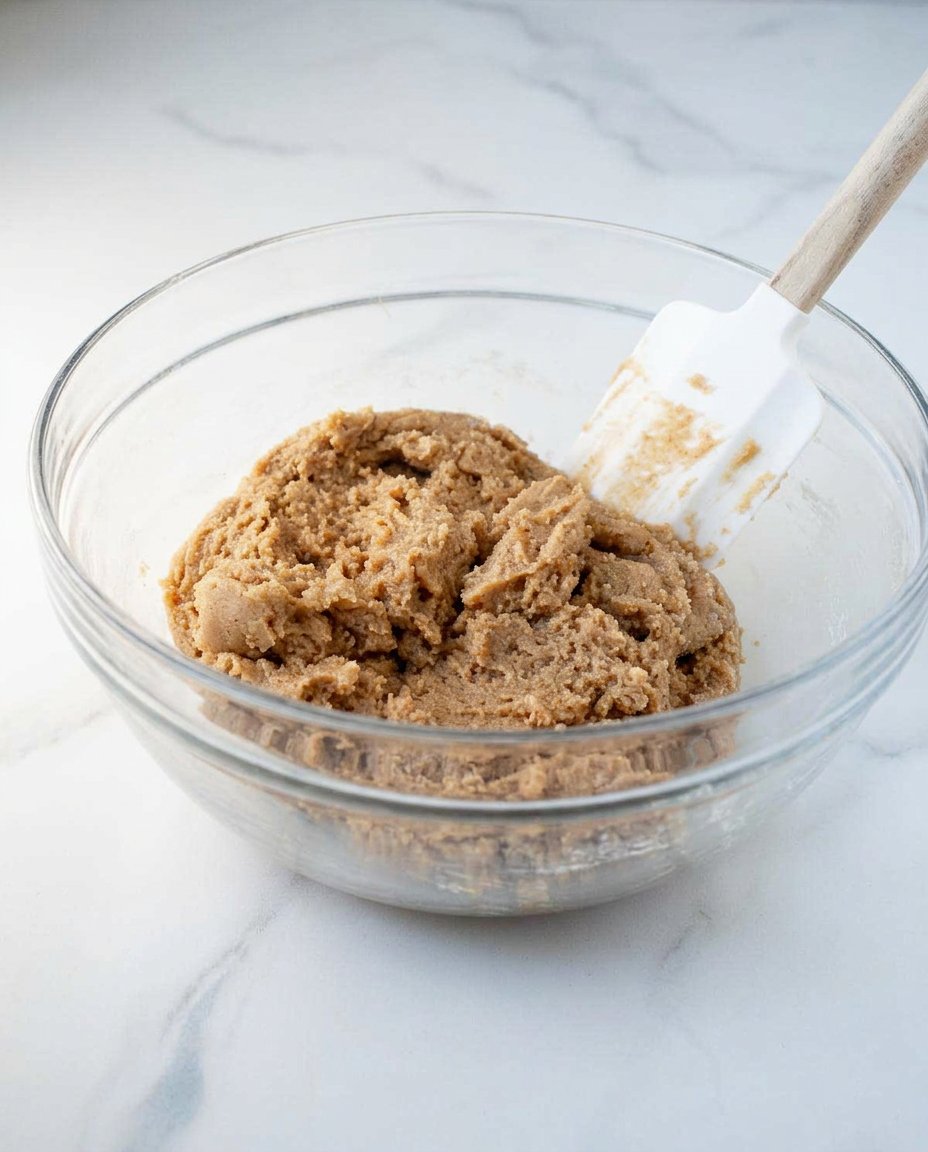
Success in the lab begins with exact measurements. We recommend using a digital scale for these ingredients to maintain the 1.8:1 ratio of fats to sugars in the dough phase.
- Soft Flour (500g): We use a low-protein flour (8-10%) to minimize gluten development. This ensures the cookie remains tender rather than bread-like.
- Fine Semolina (150g): Durum wheat semolina provides the mechanical strength. Its coarse nature creates a lattice that prevents the cookie from becoming mushy after soaking.
- Olive Oil and Vegetable Oil (125g each): A 50/50 blend provides the polyphenols of olive oil for flavor and the neutral stability of vegetable oil for texture.
- Honey (50g in dough, 200g in syrup): Honey is hygroscopic, meaning it attracts and holds water. This keeps the cookies moist for weeks.
- Orange Juice (100g) and Baking Soda (1/2 tbsp): This acid-base pair is your primary leavening agent. The reaction must happen quickly to trap gas before the dough is baked.
- Cognac (3 tbsps): The ethanol in cognac inhibits gluten formation by competing with water for binding sites on the wheat proteins.
- Warm Spices: Cinnamon, nutmeg, and cloves provide the signature terpene profile associated with Greek holiday baking.
The Methodical Lab Process
Step 1: Create the Hypertonic Syrup
Begin by combining 300g water, 600g sugar, cinnamon sticks, cloves, and orange halves in a heavy-bottomed pot. Bring the mixture to a boil for exactly 3-4 minutes until the sugar has fully dissolved into a stable solution. Remove from the heat and stir in 200g of honey, which adds viscosity and prevents crystallization. Allow this syrup to cool completely to room temperature; this thermal differential is vital for the soaking process later.
Step 2: Prepare the Structural Dry Mix
In a medium bowl, whisk together 150g fine semolina, 500g soft flour, and 1/2 tablespoon baking powder. Whisking for 30 seconds ensures the leavening agents are distributed evenly throughout the flour particles. This prevents uneven rising or ‘hot spots’ of chemical leaveners that could affect the final flavor profile.
Step 3: Initialize the Chemical Leavening
In a large primary mixing bowl, combine the orange juice, cognac, sugar, cinnamon, nutmeg, clove, and vanilla. Add the 1/2 tablespoon of baking soda and whisk vigorously for 10 seconds. You will observe the mixture foaming as carbon dioxide gas is released. This is the critical window where the leavening is most active.
Step 4: Emulsify and Hydrate
Immediately pour the water, oils, orange zest, and 50g of honey into the foaming mixture. Whisk until the oils are temporarily emulsified with the aqueous ingredients. This creates a uniform distribution of fats that will eventually coat the flour proteins, limiting the reach of water and preventing tough gluten bonds from forming.
Step 5: Low-Shear Dough Incorporation
Add the dry ingredients from Step 2 into the wet mixture. Use your hands to gently fold and knead the dough until it is smooth and slightly tacky. It is imperative to stop as soon as the flour is incorporated. Overworking the dough at this stage will develop a gluten network that makes the cookies rubbery rather than crumbly.
Step 6: Precision Shaping and Texturing
Preheat your oven to 180°C (356°F). Scale the dough into 30g portions, roughly the size of a large walnut. Shape them into oblong ovals and place them on parchment-lined trays. Use a fork to pierce the top of each cookie three times; this increases the surface area for the syrup to penetrate the baked structure.
Step 7: Controlled Dehydration and Baking
Bake the trays for 15-20 minutes. We are looking for an internal structure that is fully set and a golden-brown exterior. The cookies should feel firm to the touch. This baking stage removes the specific amount of moisture needed to create the vacuum that will later pull in the honey syrup.
Step 8: The Thermal Shock Soak
Working in small batches, take the cookies directly from the oven and drop them into the cold syrup. The rapid cooling creates a vacuum effect within the cookie’s pores, drawing the syrup into the center. Soak for 10-20 seconds per side depending on your desired saturation levels. Remove with a slotted spoon and immediately top with 200g of chopped walnuts.
Lauren’s Lab Notes and Science Secrets
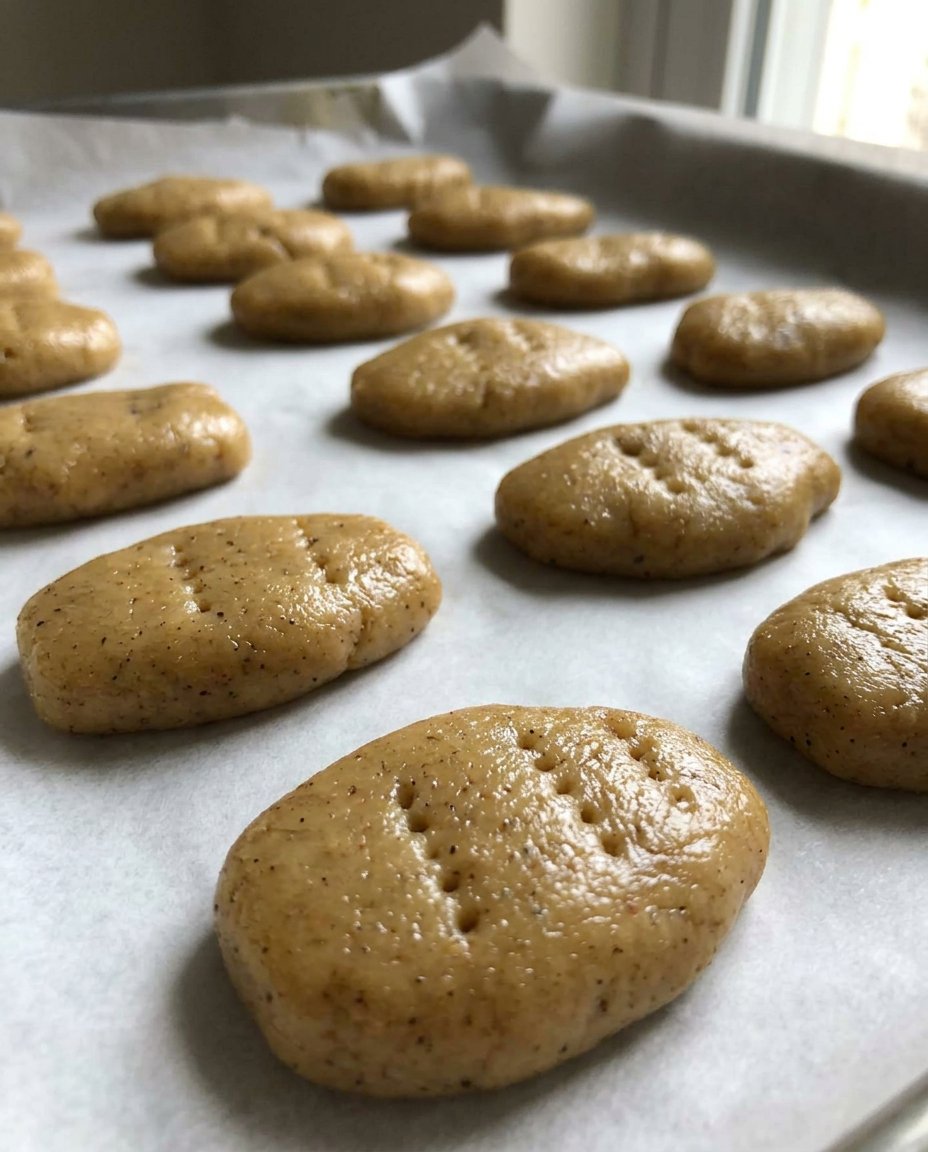
Temperature control is the single most important factor in this recipe. We tested the soaking process with both hot syrup and cold cookies, but the results were inferior. For the best absorption, you must use cold syrup and hot cookies. This creates a pressure differential that pulls the liquid into the heart of the cookie. If your syrup becomes warm from the cookies, place it in an ice bath to maintain a temperature below 25°C (77°F). For more details on the chemistry of holiday treats, see our guide on Holiday Cookie Science.
Additionally, the choice of oil impacts the final crumb. While some prefer all olive oil, our testing showed that 100% olive oil can lead to a slightly greasy mouthfeel because of its higher monounsaturated fat content. Blending it with vegetable oil provides a cleaner finish. For a detailed breakdown of this technique, you can review the traditional methods discussed at My Greek Dish. Always ensure your orange juice is fresh, as the acidity levels in bottled juice can vary and weaken the leavening reaction.
Tested Modifications and Ratio Tweaks
If you prefer a crispier exterior that resists softening over time, you can increase the semolina by 25g and decrease the flour by 25g. This modification strengthens the outer crust, making it ideal for shipping. For those interested in the underlying principles of dough construction, check out our Foundation Cookie Recipes. We also tested a version using dark chocolate dip after the syrup soak. To do this, wait 24 hours for the cookie to stabilize, then dip half into 70% cocoa melted chocolate to create a lipid barrier that preserves the inner moisture.
Another variation involves the spice profile. Replacing the cognac with a dark spiced rum adds vanillins and oak notes that complement the honey. If you choose to omit the nuts for allergy reasons, we found that toasted sesame seeds provide a similar crunch without the allergen risk. Our testing data shows that the sesame seeds should be toasted at 160°C (320°F) for 5 minutes before application to achieve the correct aromatic intensity.
Optimal Enjoyment and Texture Science
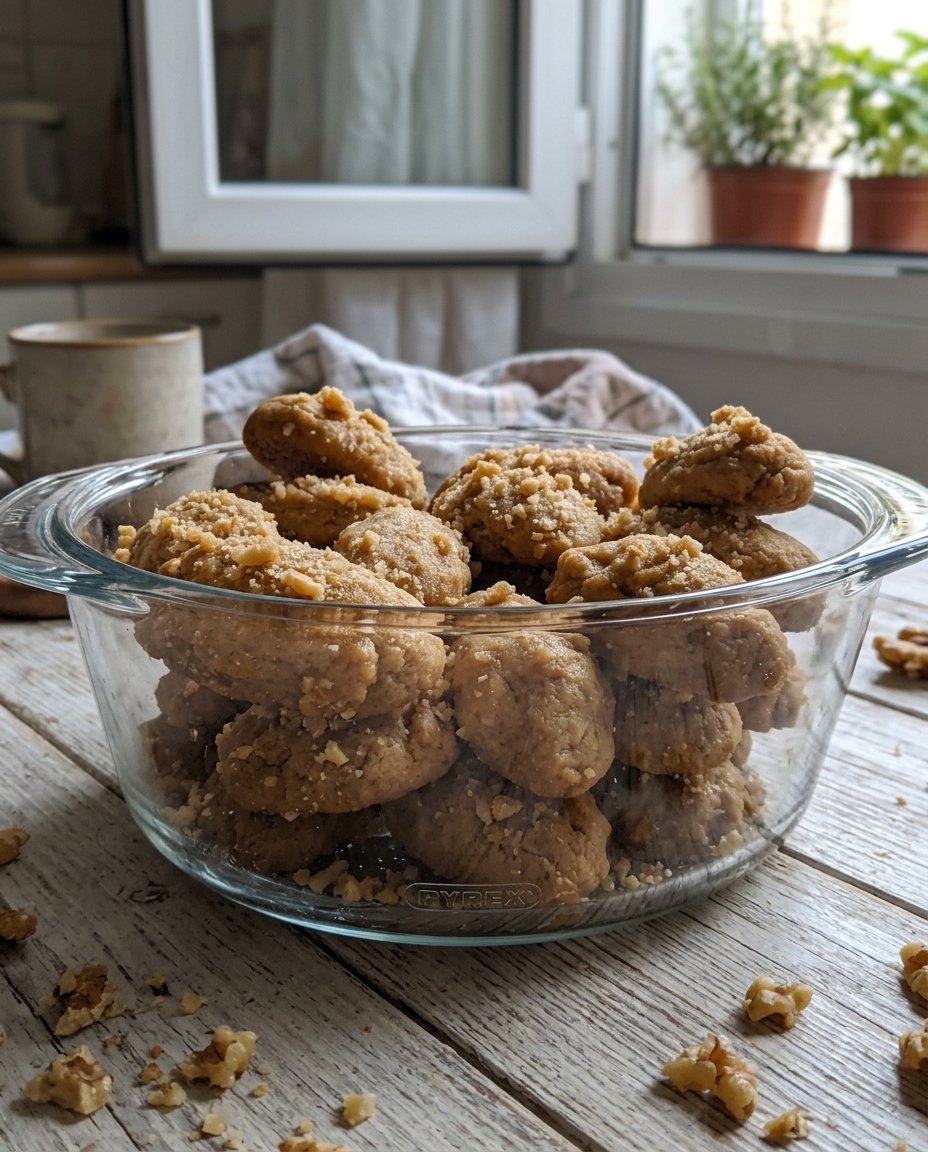
For the best sensory experience, serve melomakarona at a stable room temperature of 21°C (70°F). At this temperature, the honey viscosity is low enough to feel lush on the palate but high enough to keep the cookie from feeling wet. If you enjoy a more firm texture, you can refrigerate them, but be aware that the cold will dull the subtle notes of the orange zest and cognac. For help with organizing your holiday baking schedule, read our post on Efficient Cookie Methods.
Pair these cookies with unsweetened Greek coffee or a strong espresso. The bitterness of the coffee provides a necessary contrast to the high sugar content of the honey syrup. If serving for a gathering, arrange them in a pyramid on a platter and sprinkle extra walnut dust over the top just before serving. This ensures the nuts remain crisp and haven’t absorbed too much moisture from the surrounding air.
The Scientific Truth of Precision Baking
Mastering the melomakarona requires a respect for the chemistry of hydration and the physics of thermal shock. By following these precise gram measurements and timing your soaking process to the second, you ensure a cookie that is perfectly saturated yet structurally sound. If you are interested in how these traditional methods compare to modern trends, see our Viral Cookie Analysis. We hope this recipe helps you understand the ‘why’ behind the honey cookie. For more test kitchen updates, follow us on Pinterest, Instagram, and Facebook.