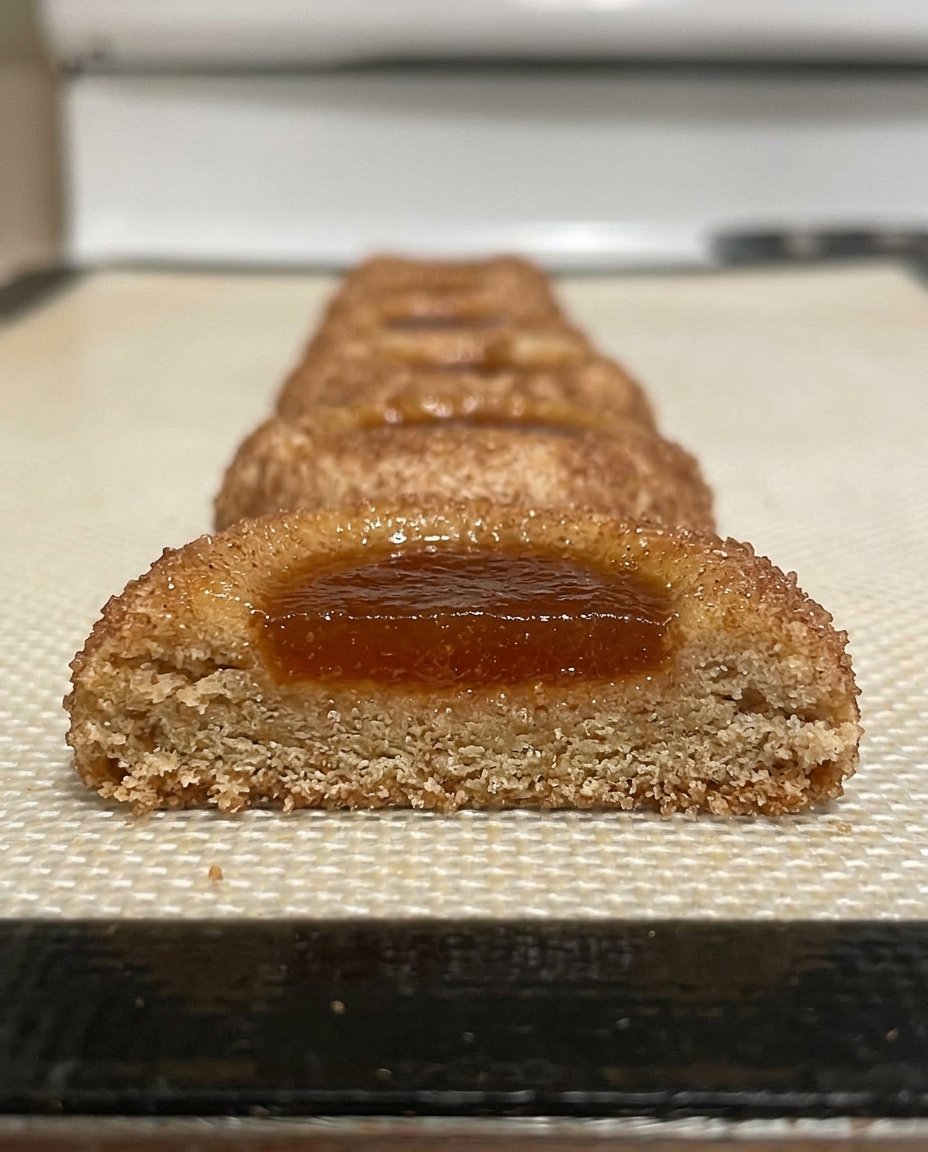
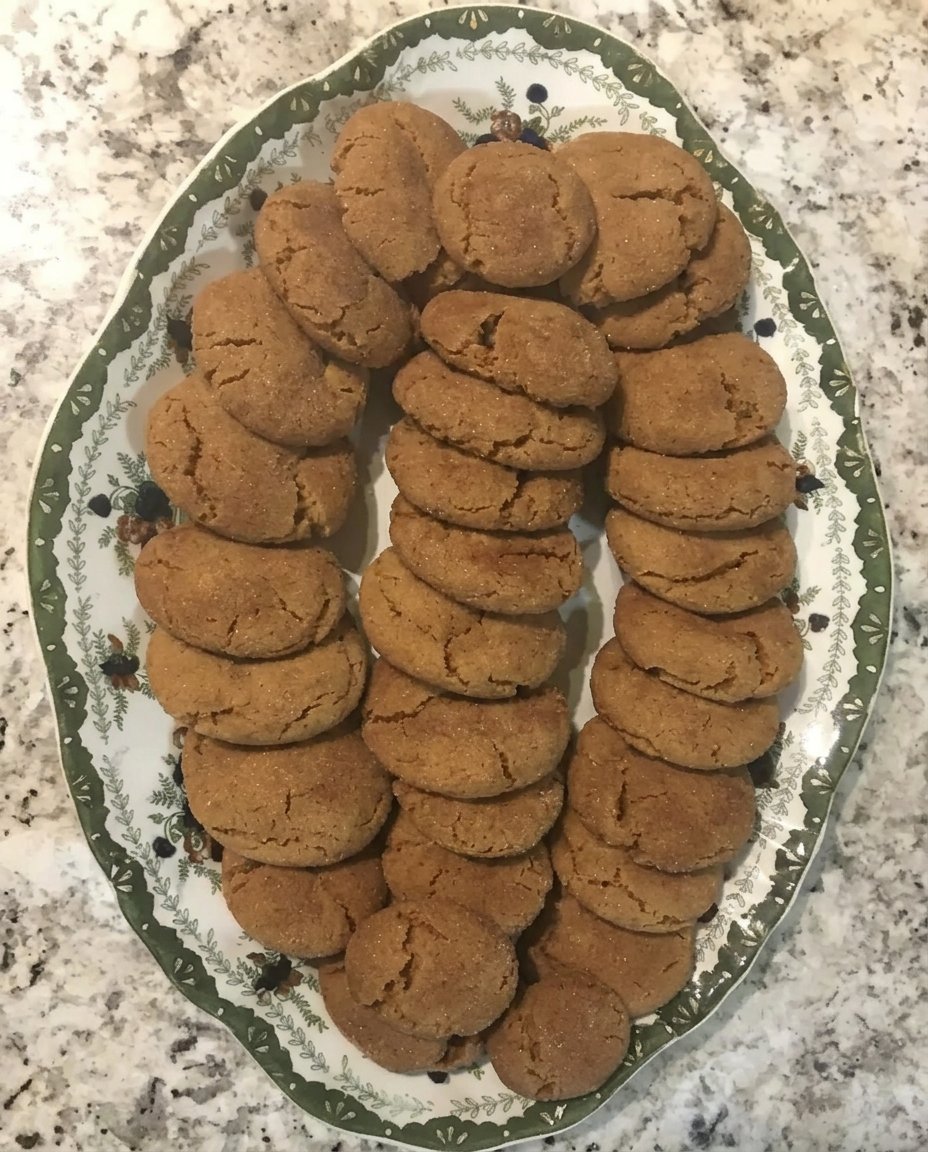
Victorian bakers recognized that browning butter was not merely a step in cooking, but a fundamental chemical transformation that developed deep, nutty complexities. This Cashew Shortbread utilizes the Maillard reaction to create a flavor profile that echoes the historic ‘biscuit breads’ of the 18th century. By combining this ancient understanding of fat transformation with the buttery richness of cashews, we achieve a texture that is both crisp and tender.

This specific method focuses on the precision of the butter-to-flour ratio, a cornerstone of traditional British shortbread science. The addition of finely ground cashews introduces a unique lipid structure that inhibits excessive gluten development, resulting in a superior melt-away crumb. We will carefully manage temperatures and aeration to recreate a heritage treat with modern technical accuracy.
A Masterclass in Maillard and Texture
The primary reason this Cashew Shortbread stands apart is the depth of flavor achieved through the controlled browning of the butter. When we heat butter, we evaporate the water content and toast the milk solids, creating a concentrated aromatic profile that plain butter cannot match. Historically, shortbread was a luxury reserved for Christmas and Hogmanay, and this recipe honors that prestige through high-quality ingredients.
You will appreciate the structural integrity of these biscuits, which maintain a sharp edge while remaining fragile upon the first bite. This balance is achieved by using two types of sugar—brown and powdered—to manage moisture and grain size simultaneously. The cashews provide a subtle earthiness that cuts through the sweetness, proving that traditional methods still offer the most sophisticated results. Our testing shows that the inclusion of cashews adds a specific fat profile that interacts with the flour to create a remarkably short crumb.
Print
Cashew Shortbread
- Total Time: 1 hour 45 mins
- Yield: 24 cookies
- Diet: Vegetarian
Description
Experience the sophisticated depth of browned butter combined with the rich, nutty crunch of cashews in these exquisite shortbread cookies. Topped with a velvety browned butter glaze, they offer a perfect balance of crisp texture and melt-away tenderness.
Ingredients
- 1 1/2 cups unsalted butter
- 1/2 cup packed brown sugar
- 2 cups powdered sugar, divided
- 1 3/4 cups all-purpose flour
- 1/2 cup finely chopped cashews
- 1 1/2 teaspoons vanilla extract, divided
- 1–3 tablespoons half & half
- 24–30 cashew halves, for garnish
Instructions
- Melt the butter in a heavy saucepan over medium heat, stirring constantly for 7-11 minutes until deep amber and nutty; measure 1 1/4 cups for the dough and reserve the rest for frosting, then refrigerate both for 1 hour.
- Preheat your oven to 350°F (175°C) and position the rack in the center.
- Beat the 1 1/4 cups of chilled browned butter with brown sugar, 1/2 cup powdered sugar, and 1 teaspoon vanilla until pale and creamy.
- Gradually mix in the flour on low speed until just combined, then gently fold in the finely chopped cashews by hand.
- Roll the dough into 1-inch spheres, place on an ungreased baking sheet 1 inch apart, and bake for 10-13 minutes until the bottoms are light golden.
- Whisk the reserved browned butter with 1 1/2 cups powdered sugar, 1/2 teaspoon vanilla, and enough half & half to reach a spreadable consistency; frost cooled cookies and top each with a cashew half.
Notes
For the best results, do not rush the cooling process of the browned butter; it must be solid enough to hold air when creamed with the sugar. If the dough feels too soft to roll, chill it for 15 minutes before shaping to prevent excessive spreading in the oven.
- Prep Time: 1 hour 20 mins
- Cook Time: 25 mins
- Category: Dessert
- Method: Baking
- Cuisine: British
The Chemistry of Quality Components
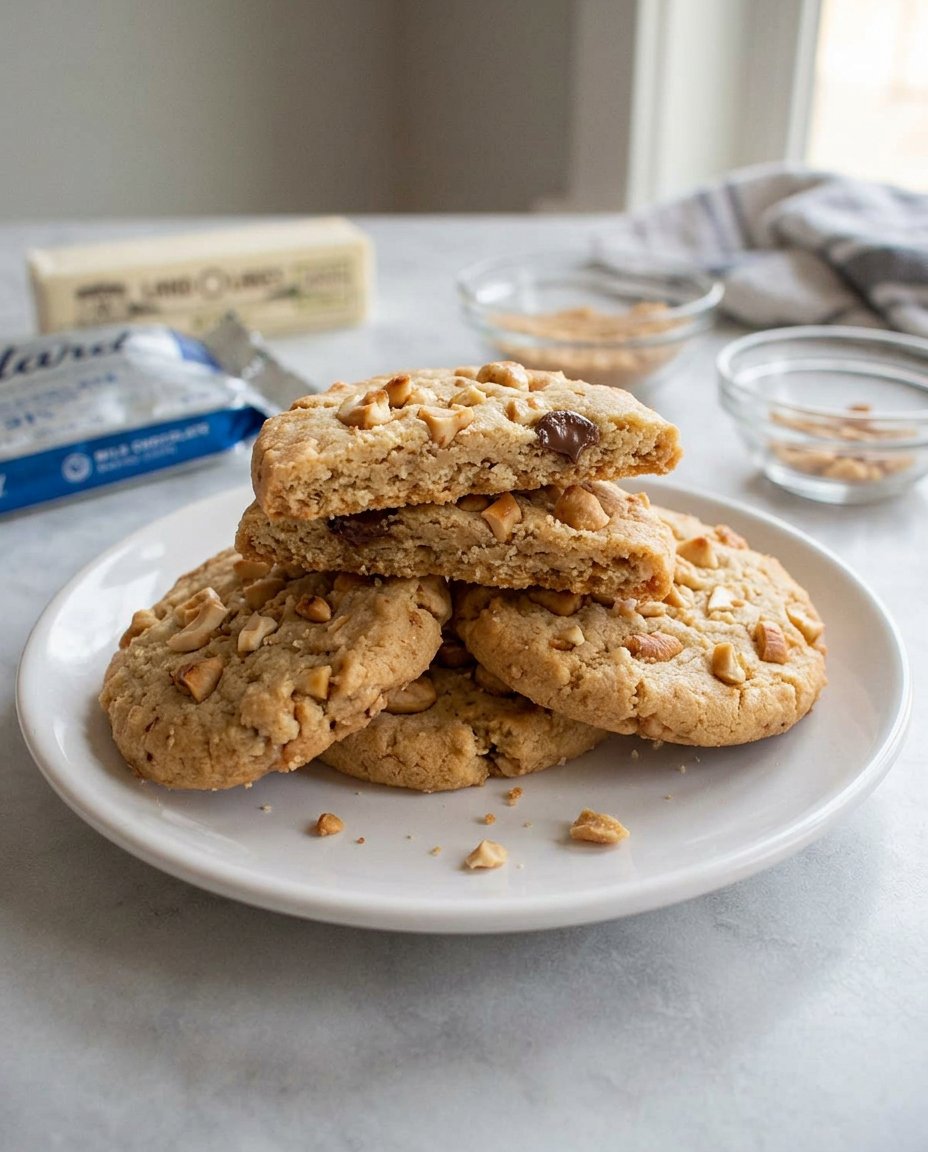
To achieve the perfect Cashew Shortbread, one must understand how each ingredient functions within the dough’s matrix. We use a precise blend of fats and sugars to control the final hydration levels.
- Unsalted Butter: We begin with 1 1/2 cups of high-quality butter. The browning process removes roughly 15-20% of the volume as water evaporates, so starting with a premium brand like Land O Lakes guarantees consistent fat solids.
- Brown Sugar and Powdered Sugar: We utilize a 1/2 cup of each. The brown sugar provides a hint of molasses for color and moisture, while the powdered sugar contains cornstarch, which interferes with gluten formation for a tenderer bite.
- All-Purpose Flour: At 1 3/4 cups, the flour acts as our structural scaffolding. We look for a protein content around 10-11% to provide enough strength to hold the shape without becoming tough.
- Cashews: These are not merely for flavor; the 1/2 cup of finely chopped nuts provides additional plant-based fats. When ground finely, they integrate into the flour, physically blocking some of the long-chain gluten bonds.
- Vanilla Extract: This classic aromatic reinforces the sweet notes of the browned butter milk solids.
The Proper Method for Technical Excellence
Step 1: Execute the Beurre Noisette
Melt the butter in a 2-quart heavy saucepan over medium heat. You must stir constantly to prevent the milk solids from scorching at the bottom. As the water evaporates, the butter will foam and bubble; watch for the moment the solids turn a deep amber and emit a nutty aroma, typically between 7 to 11 minutes. Remove from heat immediately to halt the carryover cooking. Measure out 1 1/4 cups for the dough and set the remainder aside for the frosting. Refrigerate both portions for one hour until they reach a plastic, spreadable state.
Step 2: Thermal Preparation
Preheat your oven to 350°F (175°C). Verify that your oven rack is in the center position to guarantee even heat distribution. Preparing the oven early allows the stone or metal of the interior to stabilize, preventing temperature fluctuations when the dough is introduced.
Step 3: Emulsification and Aeration
In a large bowl, combine the 1 1/4 cups of cooled, solidified browned butter with the brown sugar, 1/2 cup of powdered sugar, and vanilla. Beat at medium speed, scraping the sides frequently. We are looking for a pale, creamy consistency which indicates that air has been successfully trapped within the fat. This aeration is vital because shortbread lacks chemical leavening like baking powder.
Step 4: Integrating the Dry Matrix
Reduce the mixer speed to low and gradually add the flour. Mix only until the white streaks disappear to prevent overworking the dough. Gently fold in the finely chopped cashews by hand. The goal is to distribute the nuts evenly without developing the gluten further, preserving the ‘short’ nature of the biscuit.
Step 5: Shaping and Thermal Application
Roll the dough into 1-inch spheres, roughly the size of a large marble. Arrange them on an ungreased baking sheet, leaving at least 1 inch of space between each to allow for minor expansion. Bake for 10 to 13 minutes. The cookies are finished when they are set but not necessarily browned on top; the bottoms should be a light golden hue. Allow them to cool completely on a wire rack to set the structure.
Step 6: The Finishing Glaze
Combine the reserved browned butter with 1 1/2 cups of powdered sugar and 1/2 teaspoon of vanilla. Add half & half one tablespoon at a time while beating until you reach a thick, spreadable consistency. Frost the cooled cookies and top each with a cashew half for a visual indicator of the internal flavor.
Jordan’s Technique Notes for Precision
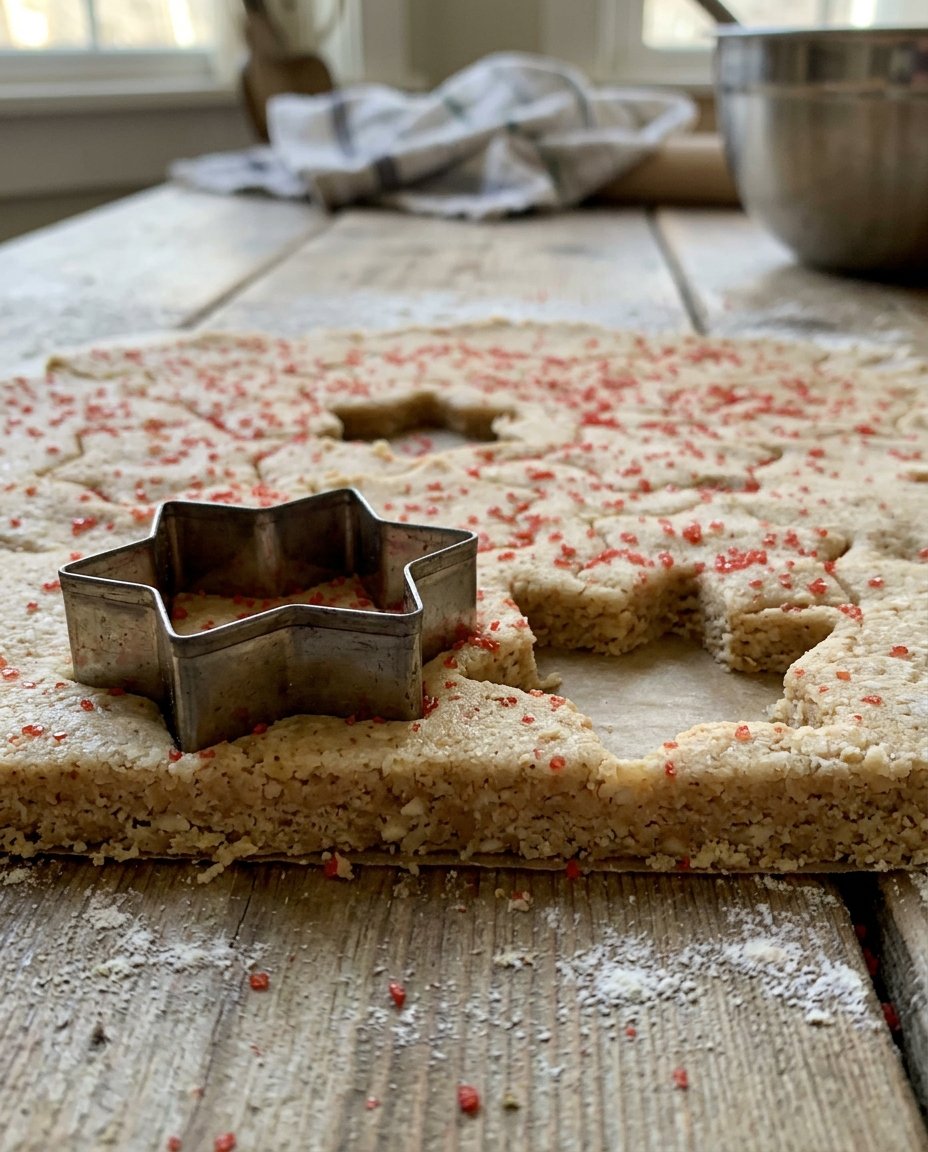
The temperature of your browned butter during the mixing phase is the most critical variable. If the butter is too soft or liquid, it will not hold the air bubbles necessary for a light texture; if it is too hard, it will clump and fail to emulsify with the sugars. For those looking to expand their repertoire, mastering the Foundation Cookie Recipes will help you understand how different fat temperatures affect spread.
Always use a heavy-bottomed saucepan for browning the butter. Thin pans have hot spots that can burn the milk solids before the water has fully evaporated. If you find your cookies are spreading too much, verify your measurements using a digital scale; 1 3/4 cups of flour should weigh approximately 210 grams. According to historical Land O Lakes techniques, the cooling of the butter is non-negotiable for the proper structural integrity of the final biscuit.
Historical and Tested Adaptations
While the cashew is our focus, the 19th-century variation of this recipe often used walnuts or hazelnuts, which provide a more tannic, robust flavor profile. For those interested in the seasonal chemistry of baking, our Holiday Cookie Science guide covers how to swap inclusions without ruining the dough’s balance.
You might consider a ‘shrewsbury’ style variation by adding a pinch of caraway seeds or lemon zest to the dough, a common practice in English manor houses. Another tested adaptation is to replace the frosting with a simple dusting of superfine sugar while the cookies are still warm, which mimics the traditional Scottish finish. If you prefer a darker profile, replace the vanilla in the frosting with a high-quality maple syrup to complement the toasted cashew notes.
Traditional Service and Classic Enjoyment
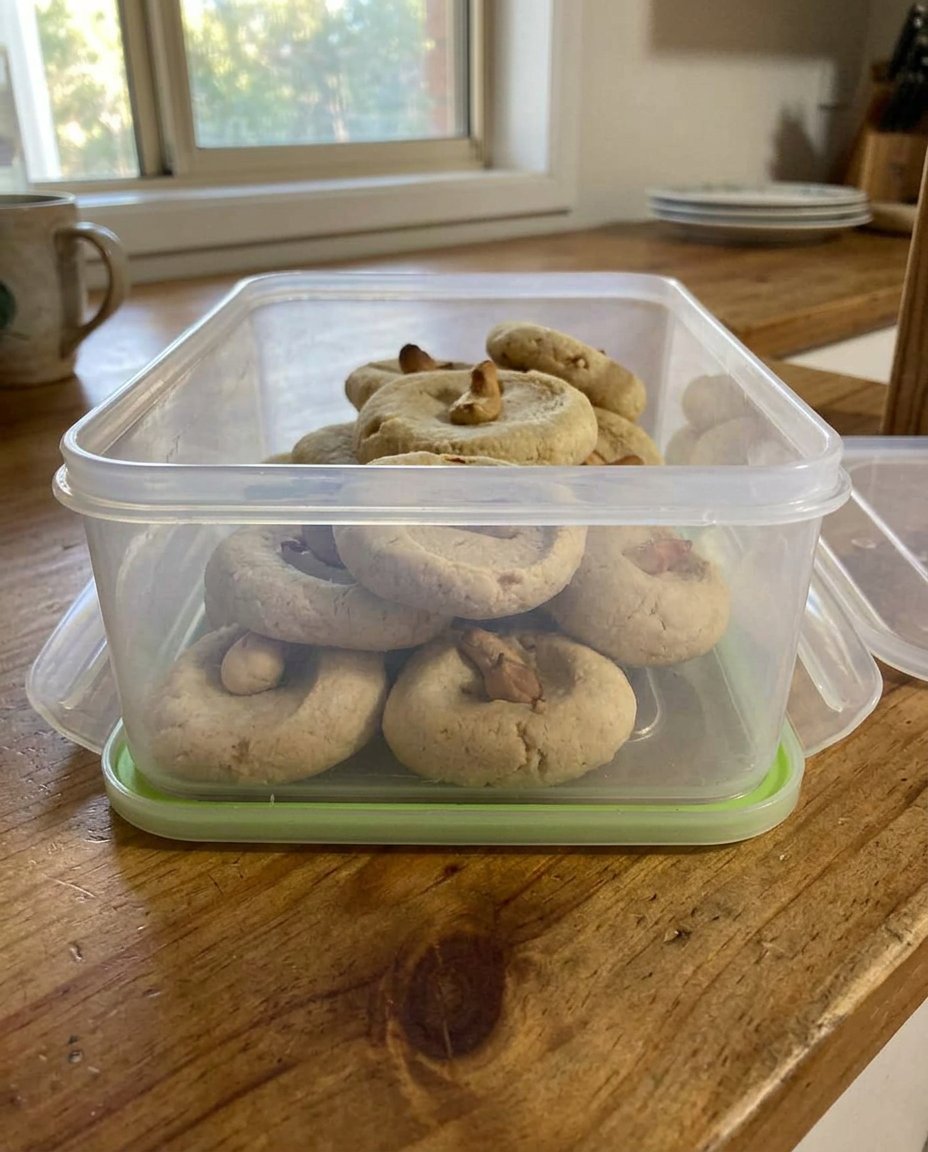
To honor the British heritage of this biscuit, serve them alongside a strong black tea, such as an Assam or a second-flush Darjeeling. The tannins in the tea provide a sharp contrast to the rich, fatty profile of the cashews. For a more formal presentation, you might consult our guide on Precision Cookie Decorating to learn how to pipe the frosting in traditional patterns.
Historically, shortbread was served in ‘petticoat tail’ wedges or small rounds. When serving at a gathering, place them on a raised porcelain cake stand to highlight their delicate texture. These cookies also pair exceptionally well with a glass of dry sherry, a classic Victorian combination that emphasizes the nutty notes of the browned butter.
The Technical Truth of Heritage Baking
Success in baking Cashew Shortbread is a triumph of patience over speed. By respecting the time required to brown and cool the butter, you are participating in a culinary tradition that spans centuries. This method proves that while modern tools are helpful, the fundamental science of fat, sugar, and flour remains unchanged. For a deeper look at why certain recipes become timeless, examine our Viral Cookie Analysis to see how historical techniques compare to modern trends. We invite you to share your results and join our community of technical bakers on Pinterest, Instagram, and Facebook.