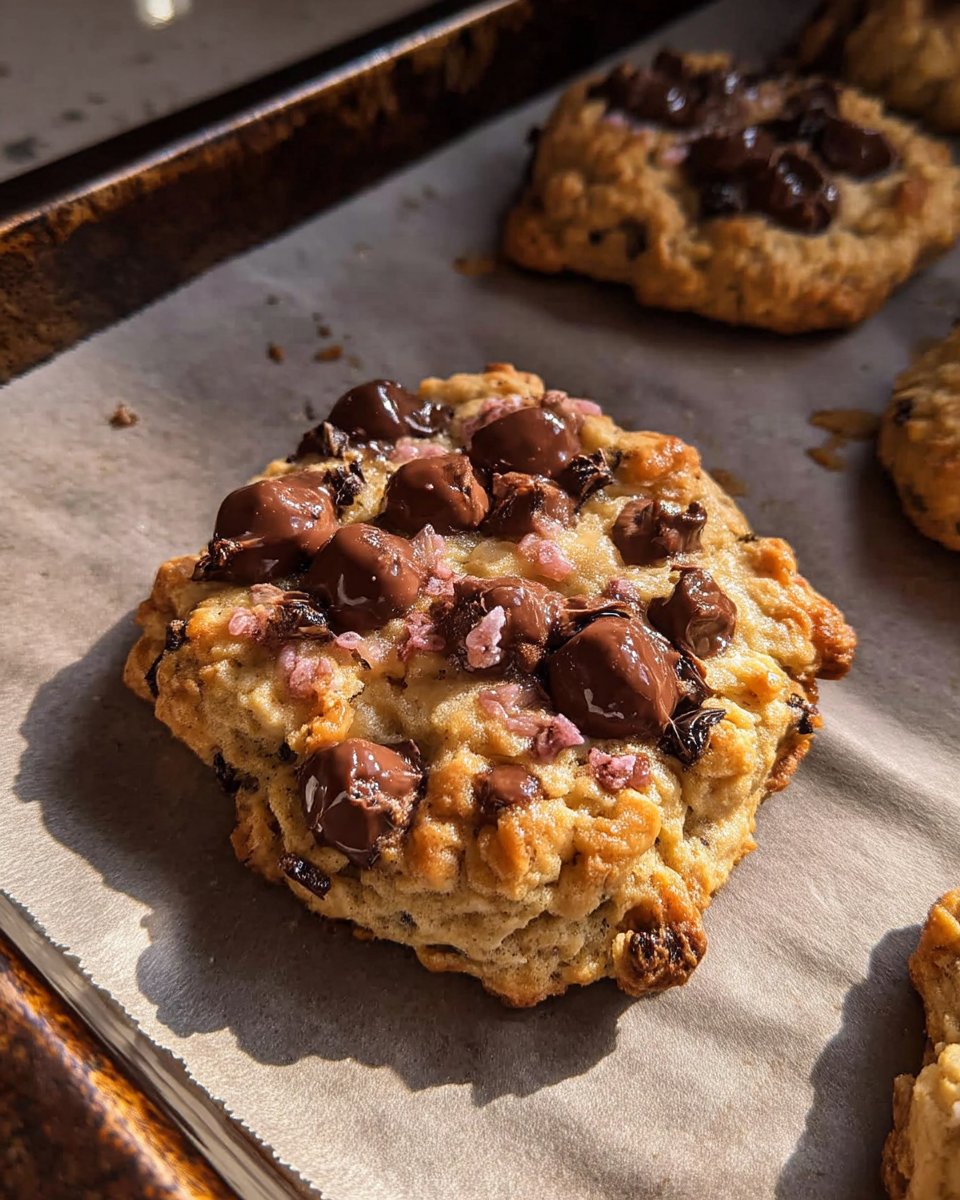
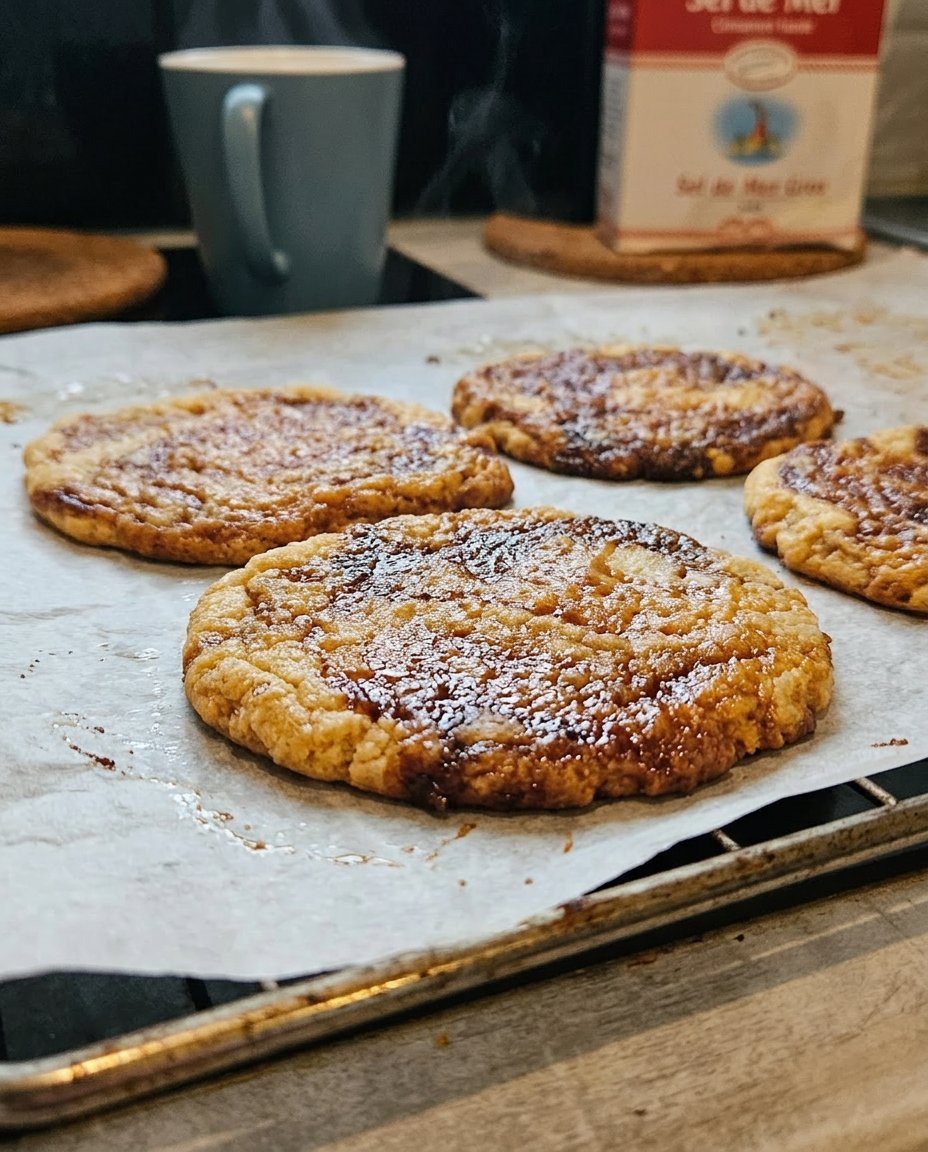
My laboratory experiments with plant-based lipids recently led me to a fascinating discovery regarding the aromatic aldehydes found in almond extract and how they interact with the sucrose structure in Vegan Sugar Cookies 2. During a standard titration of flavor compounds, I realized that the presence of benzaldehyde significantly improves the perception of sweetness without requiring additional caloric density. This realization transformed my approach to this classic bake, turning it into a study of aromatic synergy and texture management.

This specific formula for Vegan Sugar Cookies 2 focuses on the interaction between starch granules and vegan fats to create a structure that resists spreading while maintaining a tender crumb. By carefully controlling the hydration of the flour and the temperature of the dough, we produce a cookie that serves as a perfect canvas for precision decorating and flavor layering.
The Flavor Science of Sugar and Fat
Understanding why these cookies work requires a look at the chemistry of emulsions and the role of sugar as a humectant. In a traditional cookie, eggs provide the lecithin needed to emulsify the fats and liquids, but in Vegan Sugar Cookies 2, we rely on the mechanical aeration of vegan butter and the stabilizing properties of cornstarch. This combination creates a stable network of tiny air pockets that expand during the baking process, resulting in that signature soft texture.
Furthermore, the use of both vanilla and almond extracts creates a complex flavor profile based on chemical pairing. Vanillin and benzaldehyde share similar molecular pathways in our olfactory system, meaning they amplify each other’s presence. This creates a more robust sensory experience than vanilla could achieve alone. The salt in the dough is not just for seasoning; it works as a bitterness suppressor, allowing the delicate floral notes of the almond and the creamy notes of the fat to take center stage. When you bite into these, you are experiencing a perfectly balanced chemical reaction designed for maximum hedonic response.
Print
Vegan Sugar Cookies 2
- Total Time: 1 hour 30 mins
- Yield: 24 cookies
- Diet: Vegan
Description
A scientifically crafted vegan cookie that uses almond extract and cornstarch to achieve a perfectly tender, no-spread texture. These professional-grade sugar cookies are ideal for precision decorating and boast a sophisticated flavor profile.
Ingredients
- 1 cup vegan butter sticks, softened
- 1 cup granulated sugar
- 2 tablespoons plant milk
- 1 tablespoon cornstarch
- 1 teaspoon vanilla extract
- 1/2 teaspoon almond extract
- 2 1/4 to 2 1/2 cups all-purpose flour
- 1 teaspoon baking powder
- 1/2 teaspoon fine sea salt
- 1 cup powdered sugar
- 1/2 teaspoon vanilla extract
- 1/4 teaspoon almond extract
- 1 tablespoon light corn syrup
- 1–2 tablespoons plant milk
Instructions
- Cream the softened vegan butter for 60 seconds, then add granulated sugar and beat on high for 3 minutes until light and fluffy.
- Mix in the plant milk, cornstarch, vanilla, and almond extract for one minute, scraping down the sides of the bowl.
- On low speed, gradually add the flour, baking powder, and salt until a pliable, clay-like dough forms.
- Roll the dough between two sheets of parchment paper to 1/4 inch thickness and chill in the refrigerator for at least 60 minutes.
- Preheat oven to 350°F, cut shapes from the chilled dough, and bake on a parchment-lined sheet for 8 to 10 minutes until matte on top.
- Cool cookies on the tray for 5 minutes before whisking together powdered sugar, vanilla, almond extract, corn syrup, and plant milk to create a glossy icing for decorating.
Notes
For the best results, ensure your vegan butter is in stick form rather than a tub to maintain the proper fat-to-water ratio for a crisp edge. Always allow the decorated cookies to air dry for several hours to let the icing set into a beautiful, hard glaze.
- Prep Time: 20 mins
- Cook Time: 10 mins
- Category: Dessert
- Method: Baking
- Cuisine: American
Chemical Components of a Perfect Bake
Every ingredient in this recipe serves a specific functional purpose beyond simple nutrition. To achieve the perfect result, we must look at the molecular role of each building block.
- Vegan Butter Sticks: These are the primary lipid source. Using sticks instead of tub margarine is vital because they have a lower water content and a higher melting point, which prevents the cookies from collapsing in the oven.
- Granulated Sugar: Beyond sweetness, sugar acts as a physical interferent to gluten development. By attracting water molecules, it prevents the flour proteins from forming long, tough chains.
- Cornstarch: This is our secret structural tool. Cornstarch is a pure starch that softens the protein in the all-purpose flour, creating a more delicate ‘short’ texture.
- Plant Milk: This provides the minimal hydration needed to bind the dough. The proteins in soy or oat milk also contribute to the Maillard reaction, which gives the cookies a subtle golden hue.
- Pure Vanilla and Almond Extracts: These provide the volatile organic compounds responsible for the cookie’s aroma. The alcohol base of the extracts evaporates during baking, leaving the flavor molecules embedded in the sugar matrix.
- All-Purpose Flour: This provides the starch and protein framework. We measure it specifically by weight or the spoon-and-level method to maintain the correct ratio of solids to liquids.
- Baking Powder: Our chemical leavener. It releases carbon dioxide gas when it hits the heat of the oven, lifting the dough slightly to prevent a dense, leaden result.
- Fine Sea Salt: This mineral improves the overall flavor by managing the sensitivity of our taste buds to sweetness.
The Flavor Method
Step 1: Creaming the Lipids and Sugars
Begin by placing your slightly softened vegan butter in the bowl of a stand mixer. Use the paddle attachment to beat the butter for 60 seconds. This process is about more than mixing; it is about creating a stable fat-and-air emulsion. Add the granulated sugar and continue beating on high for 3 minutes. You are looking for a light, fluffy texture which indicates that thousands of microscopic air bubbles have been trapped within the fat. This aeration is the foundation of the cookie’s final crumb structure.
Step 2: Incorporating Aromatic Liquids
Add the plant milk, cornstarch, vanilla, and almond extract to the bowl. Beat the mixture for another minute. The cornstarch will begin to interact with the liquids here, forming a slurry that will later help to tenderize the flour. Scrape down the sides of the bowl to make certain every molecule of fat is properly incorporated into the liquid phase. This step integrates the flavor compounds thoroughly before the dry structure is added.
Step 3: Integrating the Structural Framework
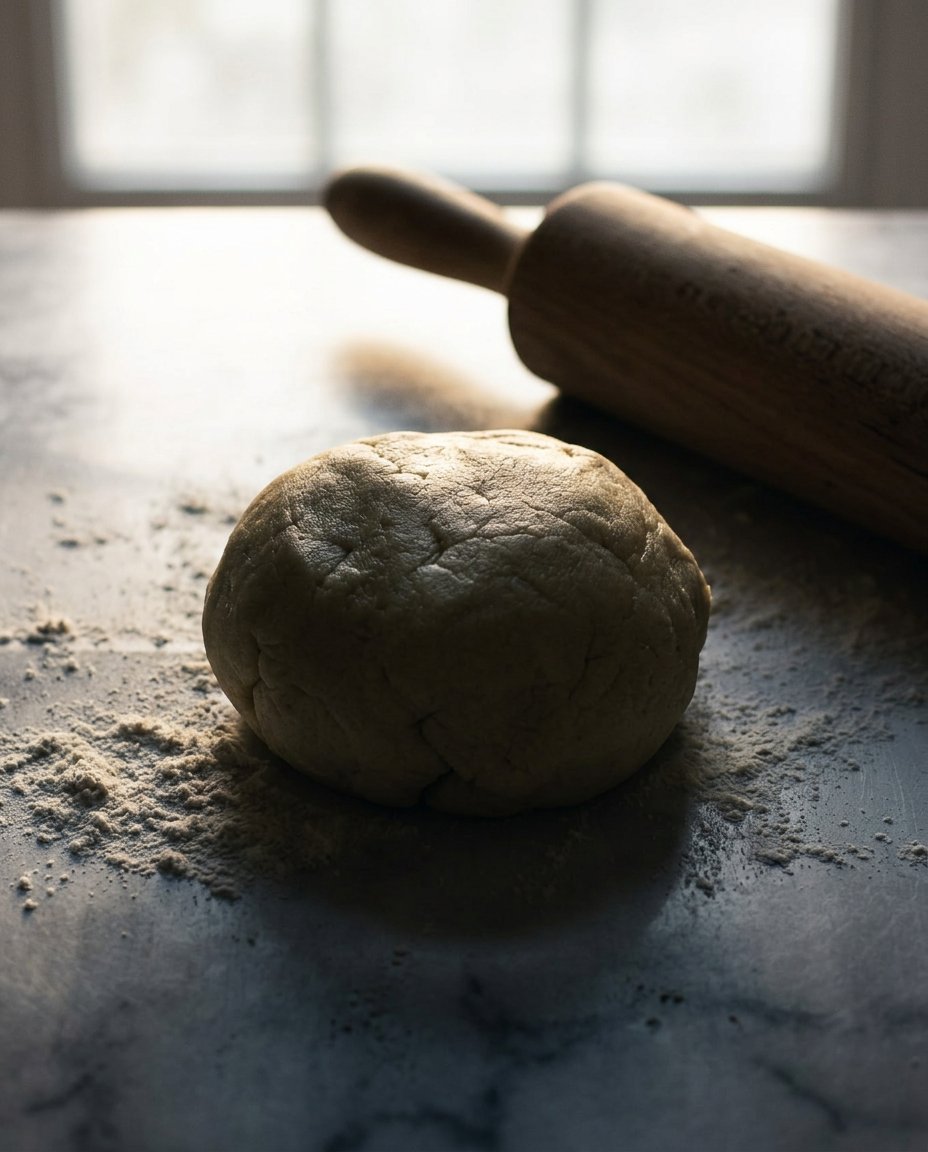
Add one cup of flour along with the baking powder and salt. Set the mixer to the lowest speed. Mixing at low speed is critical to prevent over-developing the gluten. Once the first cup is barely incorporated, add the second cup. The dough should look crumbly in the bowl but feel like pliable clay when pressed between your fingers. If the dough feels tacky, add the final quarter cup of flour. The goal is a high-viscosity dough that will hold its shape during the rolling process.
Step 4: The Hydration and Chilling Phase
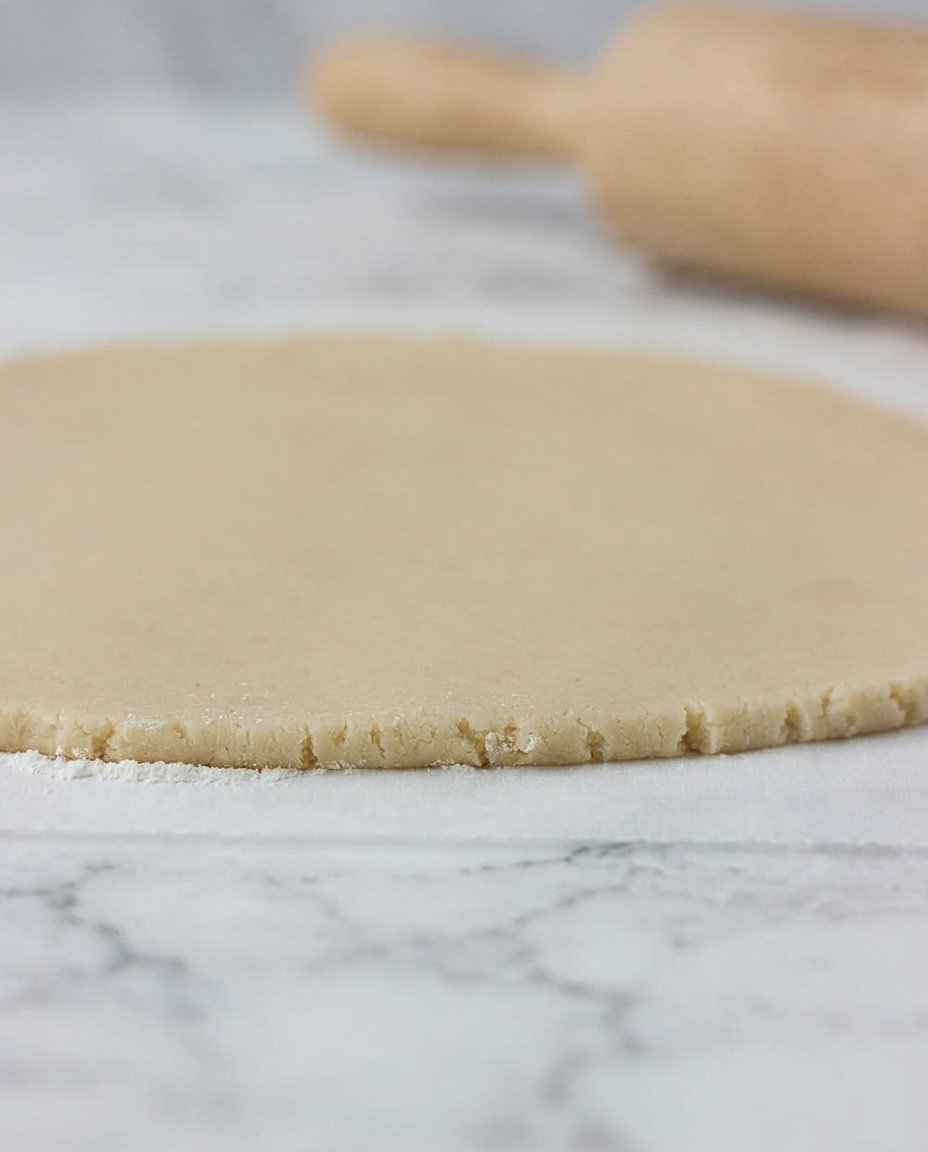
Divide the dough into two equal portions. Roll each portion out between two sheets of parchment paper until it reaches a thickness of roughly 1/4 inch. This method is superior to rolling later because it prevents the dough from getting warm and greasy. Stack the sheets and place them in the refrigerator for at least 60 minutes. This rest period allows the starch granules in the flour to fully hydrate and the fats to solidify, which prevents the cookies from spreading too much when they hit the hot oven.
Step 5: Precision Cutting and Baking
Preheat your oven to 350 degrees F. Remove the chilled dough and let it sit for a few minutes so it doesn’t crack. Cut your desired shapes and place them on a parchment-lined sheet. Bake for 8 to 10 minutes. The cookies should look matte on top and just barely set. Do not wait for them to brown significantly; the residual heat will continue to cook them once they are removed from the oven. Allow them to cool on the tray for 5 minutes before moving them to a wire rack.
Step 6: Developing the Glossy Icing
Whisk the powdered sugar, vanilla, almond extract, and corn syrup with a small amount of plant milk. The corn syrup is an invert sugar that prevents the formation of large sugar crystals, resulting in a shiny, smooth finish. If you want to use the ‘flood’ technique, make a thicker batch to outline the edges and a thinner batch to fill the center. This creates a professional, clean look with a beautiful surface tension.
Jasmine’s Flavor Secrets
To achieve the most scientific and consistent results, I recommend weighing your flour in grams. Volume measurements can vary by as much as 20% depending on how the flour is packed, which drastically changes the hydration level of your Vegan Sugar Cookies 2. Another tip for deeper flavor is to use a high-quality vegan butter with a high fat-to-water ratio; this produces a much richer mouthfeel and a better snap. If you want to understand more about how different doughs react to temperature, you should study our Efficient Cookie Methods to see how chilling affects the final spread. Finally, always let your icing dry for at least four hours; the water needs time to evaporate so the sugar can crystallize into a hard, protective shell that preserves the cookie’s moisture.
Scientific Flavor Swaps
You can modify the flavor profile of these cookies by looking at shared chemical compounds. For a citrus variation, replace the almond extract with lemon or orange zest. Citrus oils contain limonene, which shares a bright, clean profile that complements the vanillin in the dough perfectly. If you are interested in how seasonal flavors can be integrated into your baking, check out our guide on Holiday Cookie Science. You might also try replacing the plant milk with a strong brew of Earl Grey tea; the bergamot oil in the tea provides a sophisticated floral note that pairs beautifully with the sugar base. For those who need a gluten-free option, a high-quality 1:1 gluten-free flour blend works well here because the cornstarch already provides extra structural support.
Optimizing the Tasting Experience
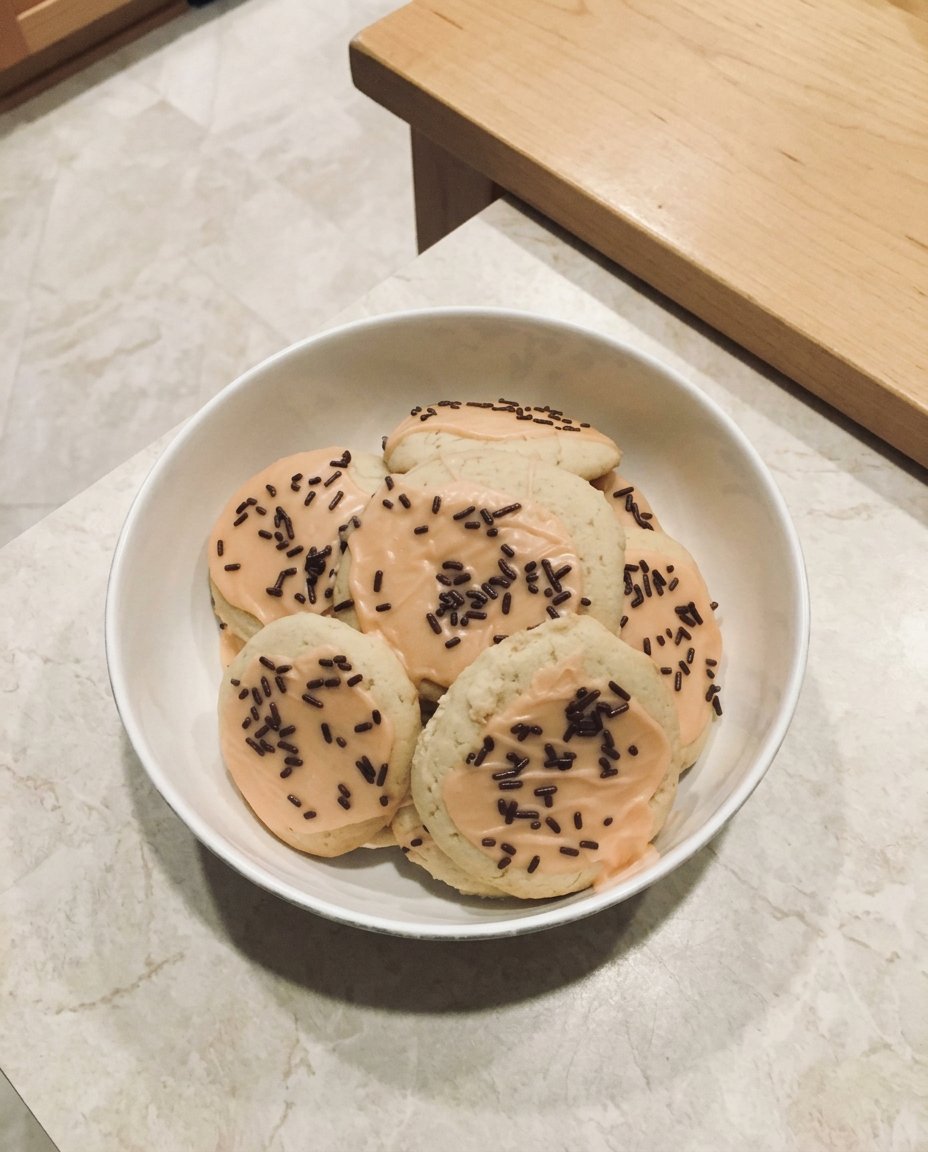
When serving these cookies, consider the beverage pairing to improve the sensory experience. A hot cup of coffee is an excellent choice because the chlorogenic acids in the coffee provide a pleasant contrast to the high sugar content of the icing. For more tips on creating a beautiful presentation for your guests, take a look at our article on Precision Cookie Decorating. If you prefer a cold pairing, a glass of cold oat milk provides a creamy, malty background that mirrors the grain notes in the flour. Serve these at room temperature to make certain the fats have a soft, pleasant mouthfeel; cold cookies can sometimes feel too waxy.
The Flavor Truth
Mastering the Vegan Sugar Cookies 2 formula is a rewarding journey into the world of plant-based chemistry. By understanding how fat, sugar, and starch interact, you can produce a treat that rivals any traditional bakery offering. If you are ready to build a solid library of reliable bakes, I invite you to study our Foundation Cookie Recipes for more scientific insights. For another detailed look at this specific method, you can also view the original inspiration at Nora Cooks. I would love to see your creations and hear about your flavor discoveries, so please share your results with our community on Instagram, Pinterest, and Facebook. Keep experimenting with the science of taste!