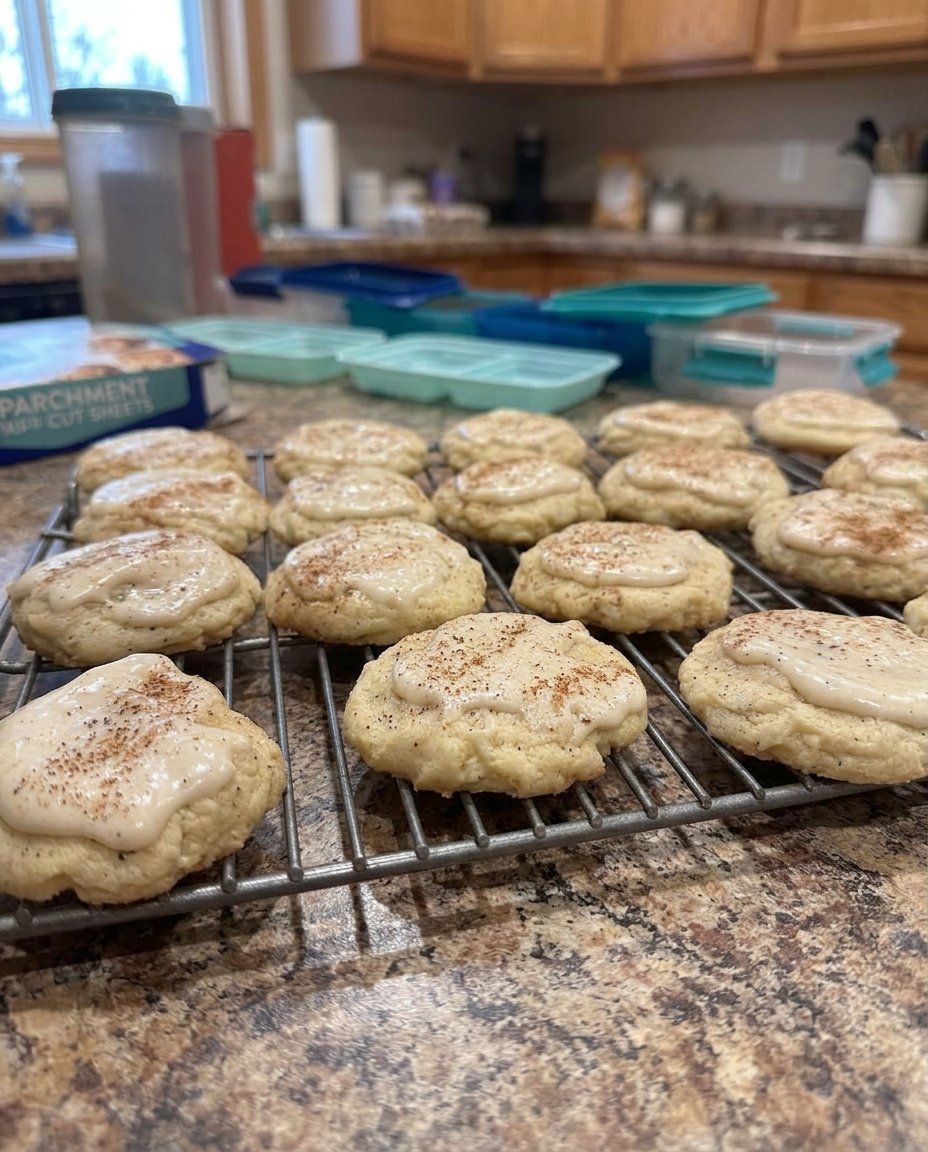
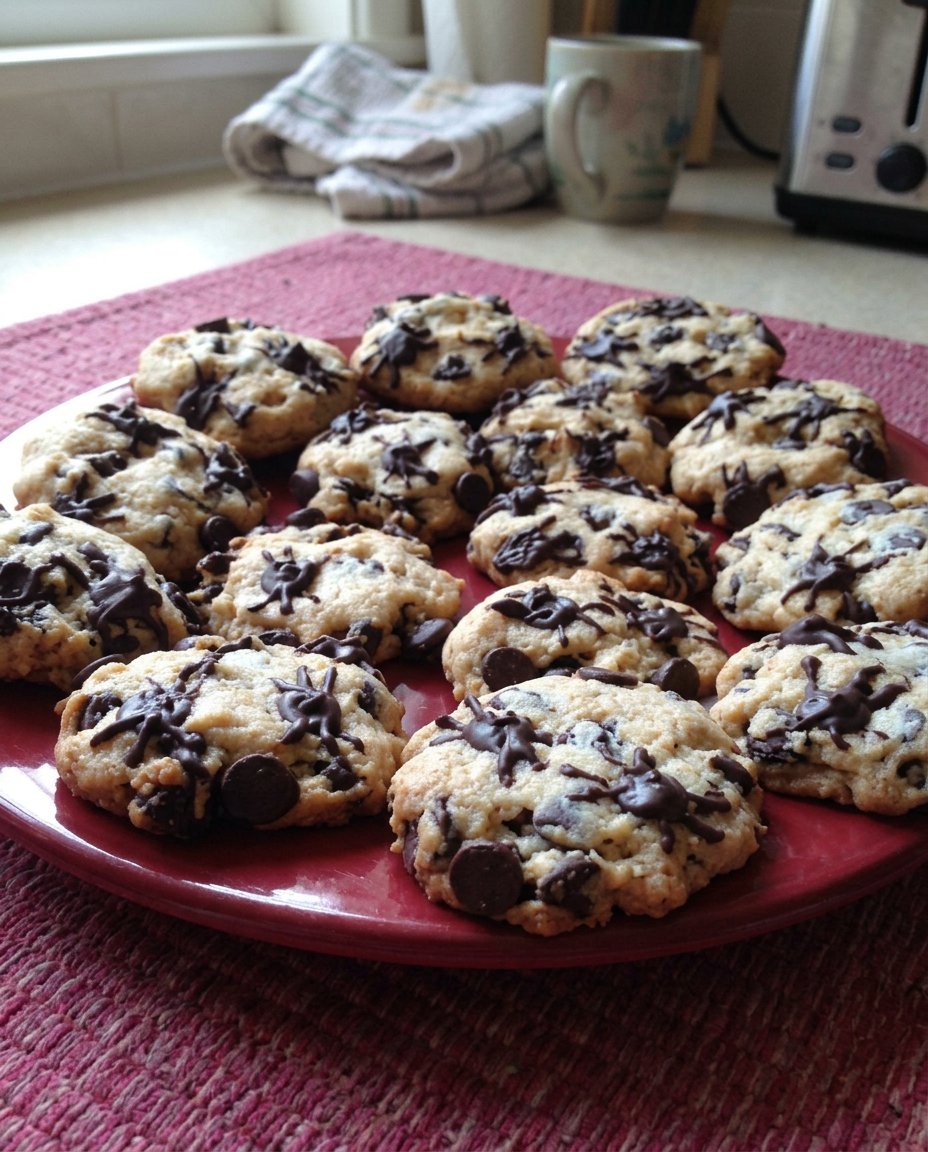
My recent investigation into the lactone compounds found in stone fruits led to the discovery of Peach Thumbprint 2, a recipe that perfectly demonstrates flavor synergy. Peaches contain gamma-undecalactone, a fatty, creamy aroma molecule that shares a molecular profile with high-quality dairy fats. By pairing a peach-based filling with a dual-fat cookie base, we create a sensory bridge that makes the fruit taste richer and the pastry taste more vibrant.

These cookies rely on a specific ratio of fats and starches to maintain their structural integrity during the baking process. Using a lower oven temperature of 325 degrees Fahrenheit allows the internal moisture to evaporate slowly without causing the delicate peach center to boil over. The result is a scientifically balanced treat that offers a soft, tender crumb and a concentrated burst of summery flavor in every bite.
The Molecular Appeal of Peach Thumbprint 2
You will find this recipe remarkable because it solves the common technical failure of fruit-filled cookies: the structural collapse. By employing a 50/50 split of butter and margarine, we create a more stable emulsion that holds its shape under thermal stress. The inclusion of powdered sugar instead of granulated sugar is a deliberate choice to limit gluten development, resulting in a melt-in-your-mouth texture that is mathematically superior to traditional doughs.
Furthermore, the addition of cinnamon in the glaze isn’t just for warmth; it contains cinnamaldehyde, which acts as a flavor fixative for the lighter, more volatile esters in the peach filling. This chemical interaction lengthens the ‘flavor finish’ on the palate, making each cookie feel more substantial and complex. It is a fascinating study in how simple ingredients, when balanced with intention, create a professional-grade outcome.
Print
Peach Thumbprint 2
- Total Time: 35 mins
- Yield: 24 cookies
- Diet: Vegetarian
Description
These Peach Thumbprint cookies utilize a scientifically balanced fat emulsion to produce a tender, melt-in-your-mouth pastry base. Topped with a concentrated peach filling and a fragrant cinnamon-vanilla glaze, they represent the perfect intersection of structural integrity and summer fruit flavor.
Ingredients
- 1/2 cup butter, softened
- 1/2 cup margarine, softened
- 1/2 cup powdered sugar
- 2 cups all-purpose flour
- 1 teaspoon vanilla extract
- 1 cup peach pie filling, fruit pieces finely chopped
- 1 cup powdered sugar (for glaze)
- 2 tablespoons milk
- 1/2 teaspoon ground cinnamon
- 1/2 teaspoon vanilla extract (for glaze)
Instructions
- Preheat your oven to 325°F and prepare your cookie sheets with a light coating of cooking spray.
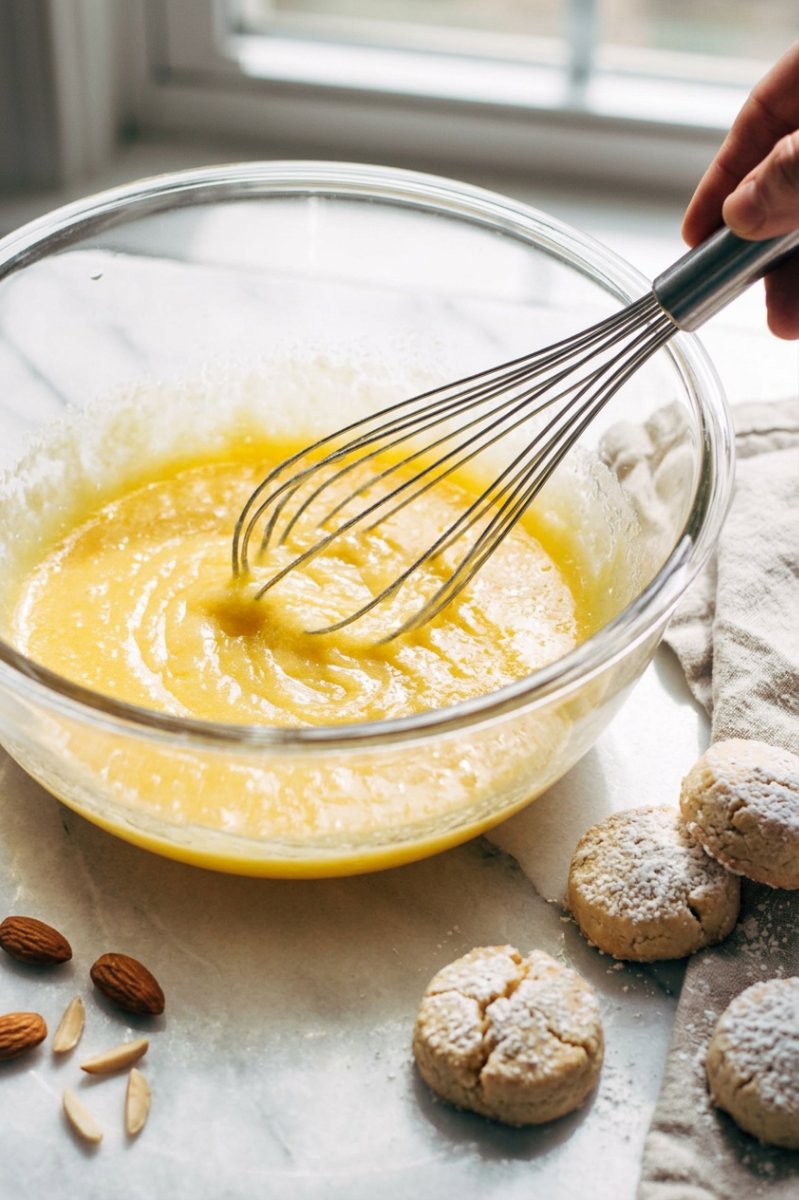
- In a large mixing bowl, use a hand-held electric mixer to cream the butter and margarine until the texture is light and fluffy.
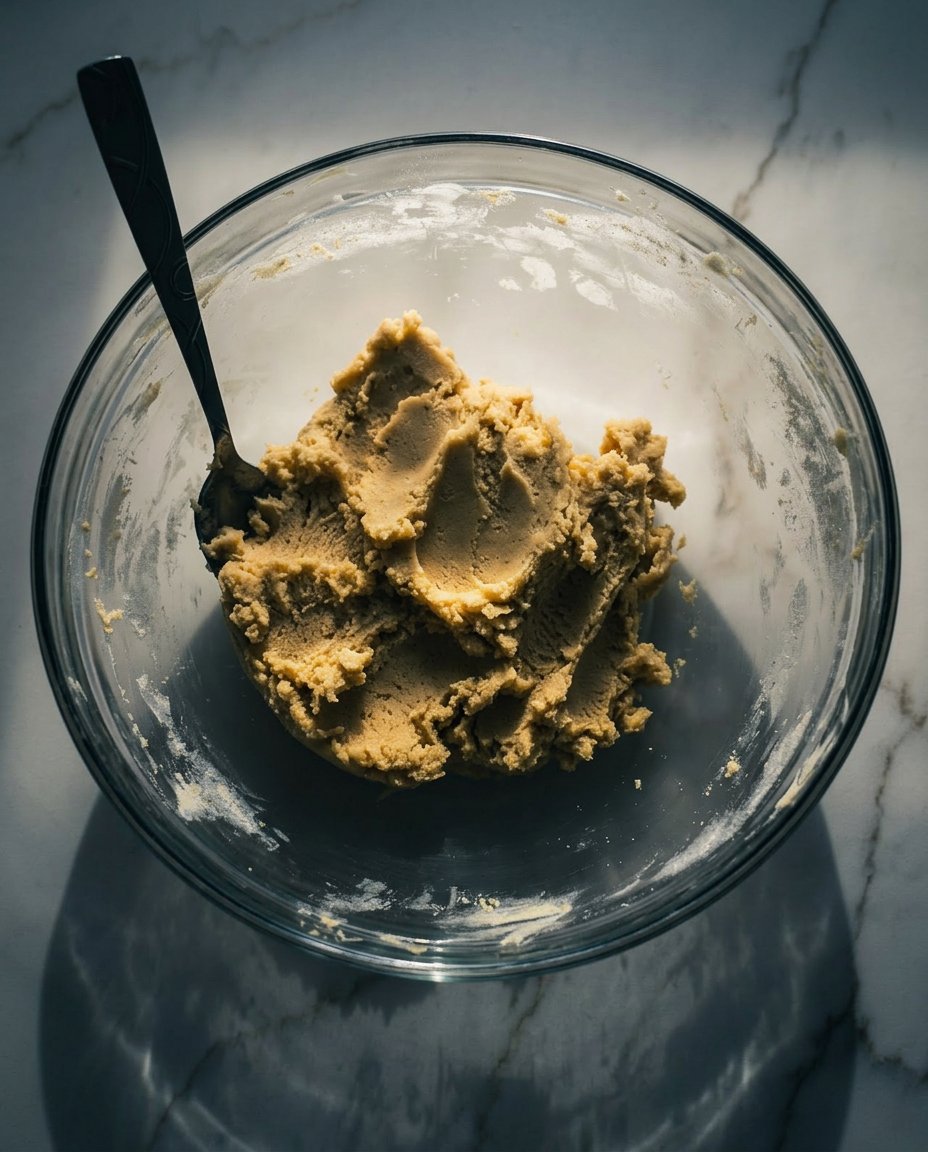
- Switch to a spoon to stir in the powdered sugar, flour, and vanilla extract until a cohesive dough forms.
- Roll the dough into 2-inch balls and place them on the prepared cookie sheets with adequate spacing.
- Press a deep indentation into the center of each dough ball using a thumb or a rounded measuring spoon.
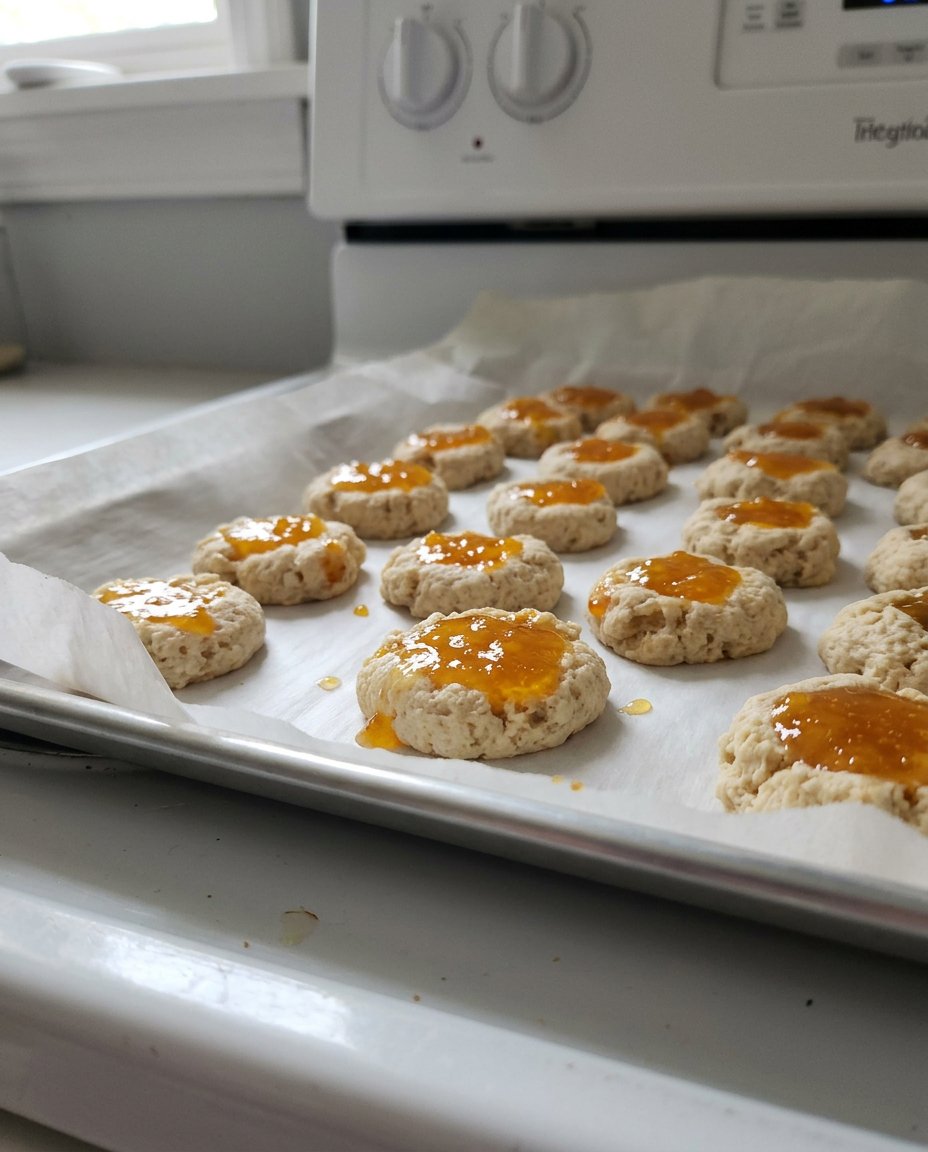
- Fill each indentation with the chopped peach pie filling and bake for 12 to 15 minutes until edges are set.
- Transfer the cookies to a wire rack to cool completely to ensure the proper final texture.
- Whisk together the glaze ingredients (powdered sugar, milk, cinnamon, and vanilla) and drizzle over the cooled cookies.
Notes
To ensure the most stable emulsion, let your butter and margarine sit at room temperature for about an hour before starting. If your dough appears crumbly initially, the friction from rolling the balls between your palms will help the fats bind the flour into a smooth consistency. Using a plastic bag with a small corner snipped off is the most efficient way to apply the glaze in a clean, professional pattern.
- Prep Time: 20 mins
- Cook Time: 15 mins
- Category: Dessert
- Method: Baking
- Cuisine: American
Molecular Components of the Peach Thumbprint
Understanding your ingredients is the first step toward successful flavor layering. Each component in this Peach Thumbprint 2 formula serves a specific biochemical purpose to achieve the final texture and taste profile.
- Butter and Margarine: This dual-fat system is essential for the ideal melting point. Butter provides diacetyl for that signature flavor, while margarine contributes structural stability through its specific lipid chain composition.
- Powdered Sugar: Also known as confectioners’ sugar, this contains a small percentage of cornstarch. This starch acts as a moisture-absorber, helping the cookie remain tender while preventing excessive spread in the oven.
- Peach Pie Filling: The fruit is the primary source of acidity and fruit esters. The thickeners used in commercial pie fillings are thermally stable, which prevents the thumbprint center from thinning out during the 325-degree bake.
- Cinnamon and Vanillin: These aromatic compounds work together to mimic the complexity of a slow-cooked peach cobbler. Vanillin, in particular, amplifies our perception of sweetness without requiring additional glucose.
- Milk: Used in the glaze, the proteins in milk help to emulsify the fat and sugar, creating a smooth, opaque finish that clings to the cooled surface of the cookie.
The Sequential Layering Process
Step 1: Establish the Fat Emulsion
Preheat your oven to 325°F and prepare your cookie sheets with a light coating of cooking spray. In a large mixing bowl, use a hand-held electric mixer to cream the butter and margarine. You are looking for a fluffy texture, which indicates that you have successfully incorporated micro-bubbles of air into the fat matrix, providing a mechanical leavening effect.
Step 2: Integrate Dry Components
Switch to a spoon to stir in the powdered sugar, flour, and vanilla. It is vital to mix until just combined to prevent the over-development of gluten. If the dough seems crumbly initially, continue stirring; the friction will eventually cause the fats to coat the flour particles, reaching a cohesive consistency perfect for manual shaping.
Step 3: Calibrate the Dough Spheres
Roll the dough into 2-inch balls. This specific volume ensures that the heat penetrates to the center of the cookie at the same rate the exterior sets. Place them on your prepared sheets with adequate spacing to allow for minimal thermal expansion.
Step 4: Create the Reservoirs
Using a rounded measuring spoon or your thumb, press an indentation into the center of each sphere. This physical displacement creates a vessel for the fruit. Chop the larger pieces of fruit in your peach pie filling to increase surface area and ensure an even distribution within the thumbprint.
Step 5: Thermal Processing and Cooling
Fill each indentation with the prepared peach filling. Bake for 12-15 minutes, or until the edges are just set but not browned. Transfer the cookies to a wire rack. Cooling is a critical step for retrogradation, where the starches reorganize to create the final tender texture.
Step 6: Formulate and Apply Glaze
Sift the powdered sugar into a bowl to remove any lumps that could disrupt the glaze’s viscosity. Whisk in the milk, cinnamon, and vanilla until smooth. Transfer the mixture to a plastic bag, snip the corner, and drizzle over the cooled cookies to add a final layer of sweetness and aromatic complexity.
Scientific Methods for Structural Integrity
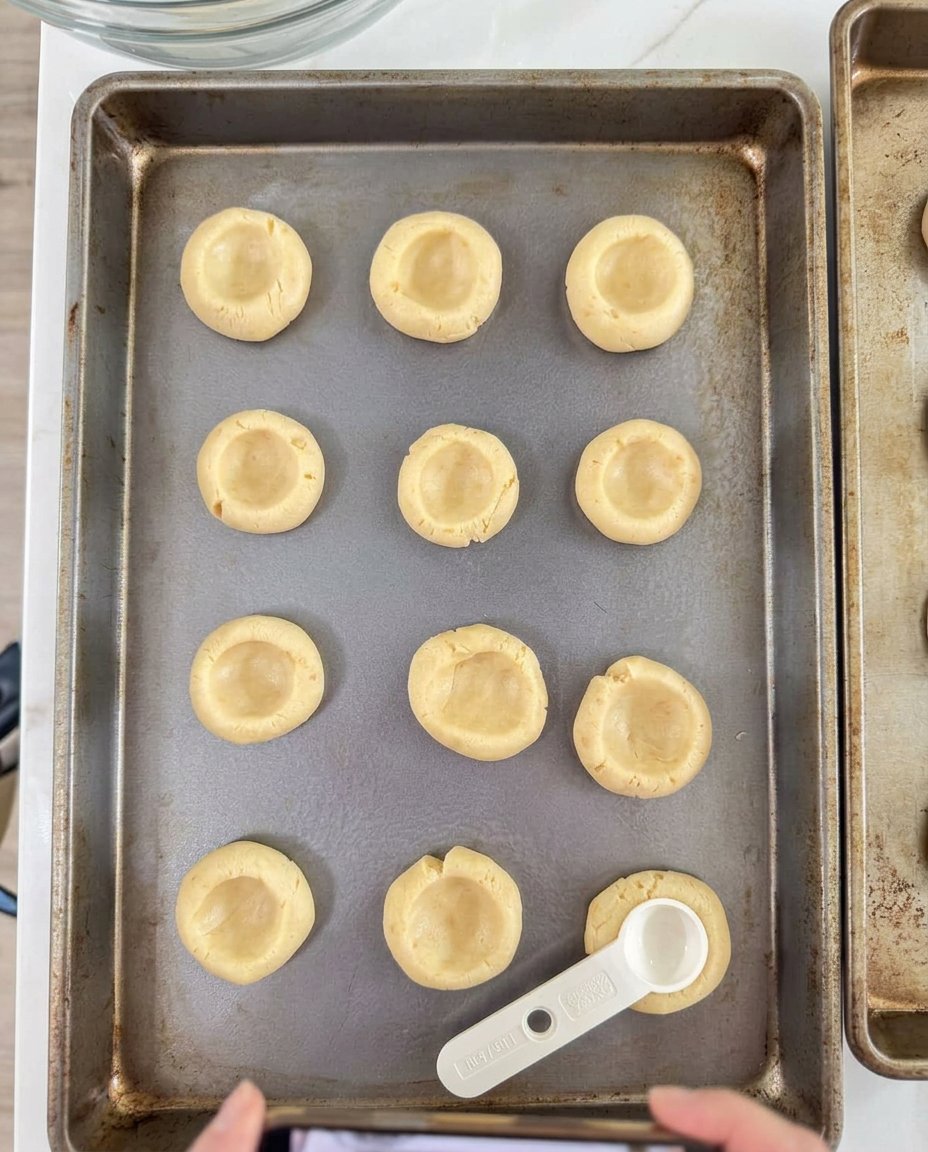
To achieve a professional result, pay close attention to the temperature of your fats. I recommend letting the butter and margarine sit at room temperature for approximately sixty minutes. This allows the lipids to reach a state where they can easily trap air during the creaming process, which is a fundamental concept in our Foundation Cookie Recipes. If the fats are too cold, the emulsion will be broken; if they are too warm, the cookies will spread excessively.
Another technical secret is to chop the peach slices from the pie filling into uniform, small pieces. This increases the viscosity of the filling relative to its weight, preventing it from sinking through the dough or overflowing during the bake. For further analysis on fruit moisture management, you can refer to the techniques used by Mindy at Mindy’s Cooking Obsession. Proper moisture control is the difference between a soggy center and a perfect fruit-to-dough ratio.
Alternative Aromatic Pairings
While peach is the primary focus, the flavor chemistry of this dough allows for several scientific swaps. You can replace the vanilla in the dough with almond extract; the benzaldehyde in the almond pairs naturally with the stone fruit esters, creating a flavor profile reminiscent of a classic Frangipane. This method of layering similar aromatic compounds is a frequent topic in our Holiday Cookie Science modules.
If you prefer a more acidic profile, try adding a half-teaspoon of lemon zest to the dough. The citric acid and limonene in the zest will cut through the richness of the margarine and butter, brightening the overall taste. Another interesting variation involves replacing the cinnamon in the glaze with ground ginger. The gingerol provides a mild heat that contrasts beautifully with the cooling sensation of the peach lactones.
Optimizing Temperature and Pairing
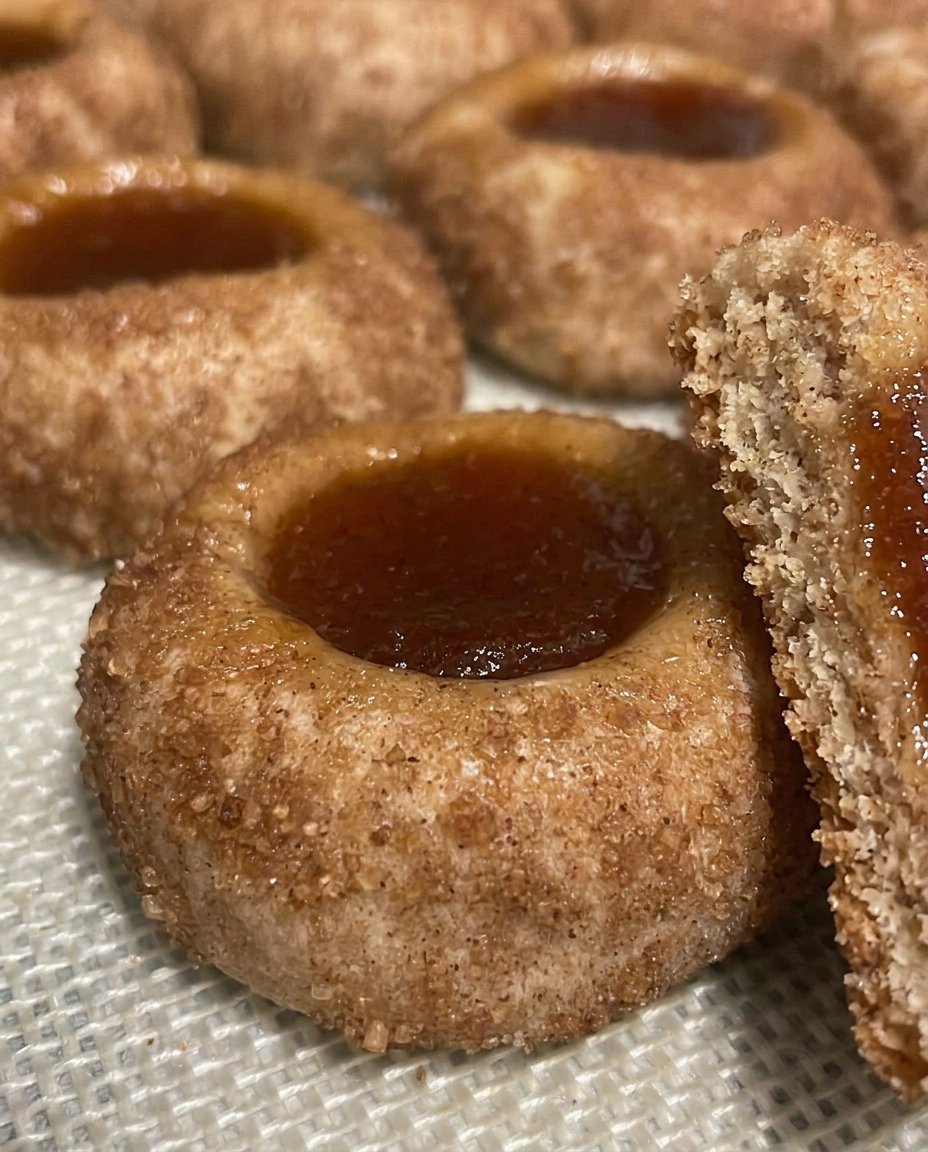
To fully appreciate the flavor complexity of Peach Thumbprint 2, serve them at a slightly warm room temperature. This allows the fats to remain soft on the palate and encourages the release of the volatile peach aromas. For an analytical beverage pairing, try a light roast coffee or a white tea; the tannins in these drinks help cleanse the palate of the rich fat emulsion, making every bite feel fresh.
If you are preparing these for a formal event, you can apply the principles found in our guide on Precision Cookie Decorating to ensure the glaze is perfectly symmetrical. A well-placed glaze not only adds visual appeal but also ensures an even distribution of the cinnamon-vanilla aromatics across the entire surface area of the cookie.
The Flavor Truth
Mastering the Peach Thumbprint 2 is a rewarding exercise in understanding how fat composition and fruit chemistry interact to create a balanced dessert. By respecting the 325-degree thermal limit and using a dual-fat system, you guarantee a cookie that is both structurally sound and exceptionally tender. For more data on how small changes in ingredients can yield vastly different results, analyze our latest Viral Cookie Analysis. If you found this scientific approach helpful, please share your results with our community on Instagram, Pinterest, or Facebook.