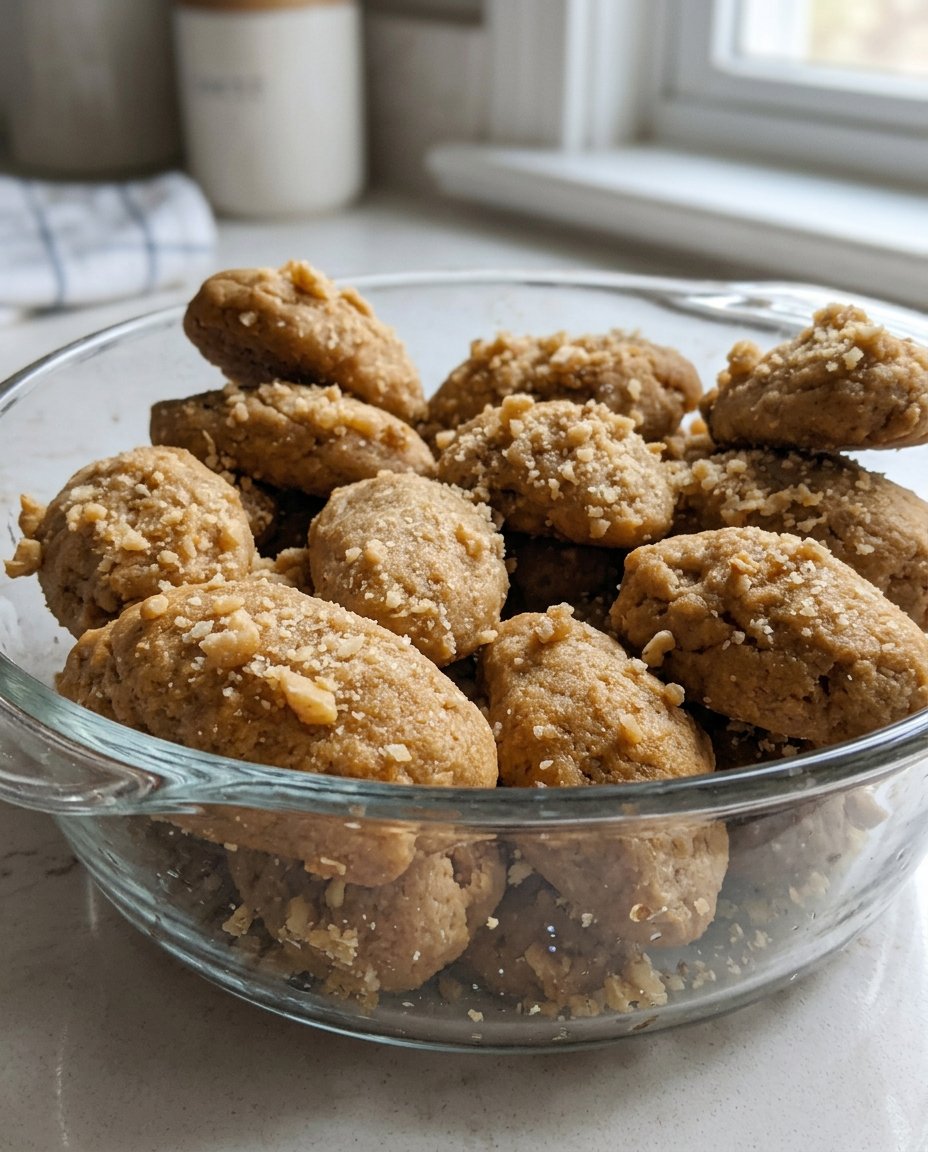
Banana ripening is a fascinating chemical transformation where amylase enzymes convert complex starches into simple sugars like glucose and fructose. This enzymatic breakdown creates a natural liquid sweetener that serves as the primary binder for our Oatmeal Banana Cookies. By understanding this fruit chemistry, we can bypass traditional binders like eggs and butter to create a remarkably clean flavor profile.

The success of these cookies relies on the structural integrity of the oat matrix. We utilize a dual-processing technique, milling half of the oats into a fine powder to create a flour-like base while leaving the remaining half whole for textural diversity. This scientific approach ensures a soft, cohesive bite that celebrates the aromatic esters of the fruit.
The Scientific Harmony of Banana and Grain
You will appreciate this recipe because it relies on the molecular synergy between the banana’s pectin and the oat’s beta-glucan fibers. These two components work together to form a stable gel-like structure during the baking process, preventing the cookies from crumbling without the need for gluten-heavy wheat flours. The natural moisture within the banana hydrate the starches in the oats, leading to a tender crumb that mimics the mouthfeel of more complex emulsions.
From a flavor science perspective, these cookies are a study in aromatic simplicity. The primary aroma compound in bananas is isoamyl acetate, which provides that classic fruity scent. When combined with the warm, spicy notes of cinnamaldehyde found in cinnamon, the resulting flavor profile is both comforting and scientifically balanced. This recipe is a perfect example of how minimal ingredients can achieve maximum taste through thoughtful pairing and structural understanding.
Print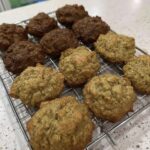
Oatmeal Banana Cookies
- Total Time: 27 mins
- Yield: 12 cookies
- Diet: Vegan, Gluten-Free, Dairy-Free
Description
These wholesome cookies harness the natural binding power of ripe bananas and the structural versatility of oats to create a soft, nutrient-dense snack. Free from traditional fats and refined sugars, they offer a clean flavor profile enhanced by warm cinnamon and customizable add-ins.
Ingredients
- 2 cups rolled oats (divided)
- 2–3 large very ripe bananas, heavily spotted
- 1 teaspoon ground cinnamon
- 1 tablespoon peanut butter (optional)
- 1/2 teaspoon vanilla extract (optional)
- 1/4 cup chopped walnuts or grated carrots (optional add-ins)
Instructions
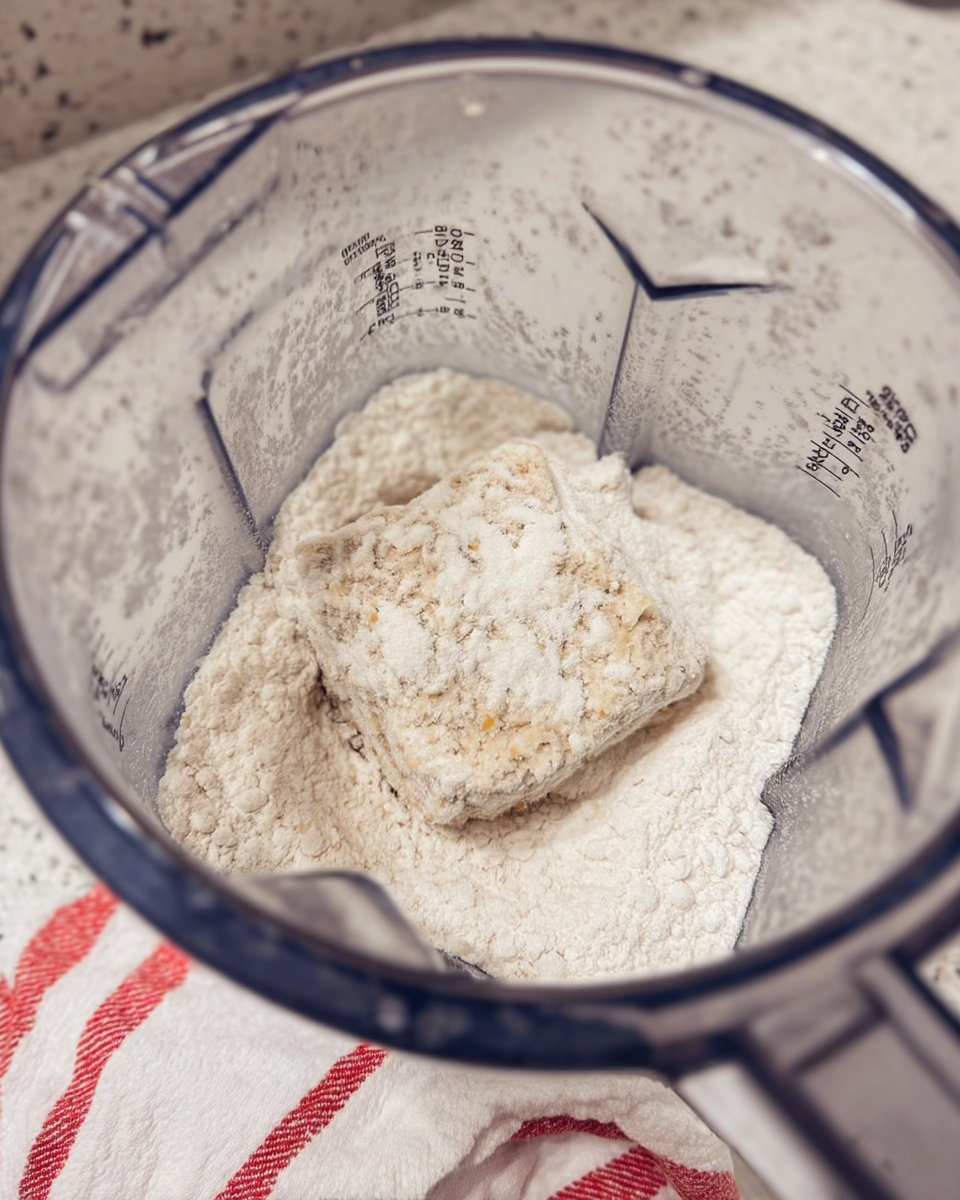
- Process half of the rolled oats in a high-speed blender or food processor until they reach a fine, flour-like consistency.
- In a large mixing bowl, thoroughly mash the ripe bananas until they are liquid and smooth, releasing the natural pectins.
- Stir the oat flour, whole oats, and cinnamon into the mashed bananas, adding optional peanut butter or vanilla if desired, until a thick, tacky paste forms.
- Allow the mixture to sit undisturbed for five minutes to ensure the oats are fully hydrated and the starches have swelled.
- Scoop the dough into rounded portions on a prepared baking sheet and bake at 350°F for 10-12 minutes until the edges are set.
Notes
For the best structural results, prioritize using bananas that are soft and heavily spotted, as the higher sugar and pectin content acts as a superior binder. If your dough appears too wet after the five-minute resting period, incorporate an additional tablespoon of whole oats to achieve a stable, scoopable consistency.
- Prep Time: 10 mins
- Cook Time: 12 mins
- Category: Snack
- Method: Baking
- Cuisine: Healthy American
Identifying the Taste Building Blocks
To achieve the perfect balance of hydration and chew, every component in this recipe must be selected with intention. We are looking for specific chemical properties in our ingredients to ensure the final product is neither too wet nor too dry.
- Ripe Bananas: Look for fruit with heavy spotting, which indicates a high concentration of aromatic esters and simple sugars. The softer texture means easier integration into the oat flour matrix.
- Rolled Oats: We use whole rolled oats rather than quick oats to preserve the integrity of the grain’s outer hull. This provides the necessary fiber for a satisfying chew.
- Ground Cinnamon: This spice acts as a flavor catalyst, suppressing the perception of bitterness and highlighting the banana’s natural sweetness through retronasal olfaction.
- Optional Peanut Butter: The addition of peanut butter introduces lipids that create a smoother emulsion and provide a rich, fatty mouthfeel that complements the lean oats.
- Walnuts or Carrots: These add-ins introduce cellulose and tannins, providing structural contrast and a more complex sensory experience.
The Flavor Layering Process
Step 1: Mill the Grain Matrix
Begin by processing half of your rolled oats in a high-speed blender or food processor. We are aiming to create a fine particulate size that increases the surface area of the grain, allowing for faster moisture absorption. This oat flour will serve as the cement that holds the whole flakes together.
Step 2: Activate the Fruit Binder
In a large glass bowl, break down the ripe bananas. While the recipe suggests you can leave some chunks, mashing them thoroughly releases more liquid pectin, which acts as the adhesive for the dough. This step is where the primary hydration of the flour begins.
Step 3: Integrate the Phases
Combine the oat flour, whole oats, and cinnamon with the mashed banana. If you are adding peanut butter or vanilla extract, incorporate them now. Stir until a thick, tacky suspension forms. This is not a traditional dough but rather a high-fiber fruit paste.
Step 4: The Hydration Rest
Allow the mixture to sit undisturbed for five minutes. This period is crucial for starch swelling. The oats need time to pull the water from the banana into their cellular structure, which prevents the cookies from being overly wet after they are baked.
Step 5: Thermal Transformation
Scoop the dough into rounded portions on your prepared baking sheet. Because these cookies lack chemical leaveners like baking powder, they will not expand or change shape in the oven. Bake at 350 degrees Fahrenheit for 10-12 minutes until the edges are set and the starches have gelatinized into a firm, soft cookie.
Jasmine’s Scientific Secrets for Better Baking
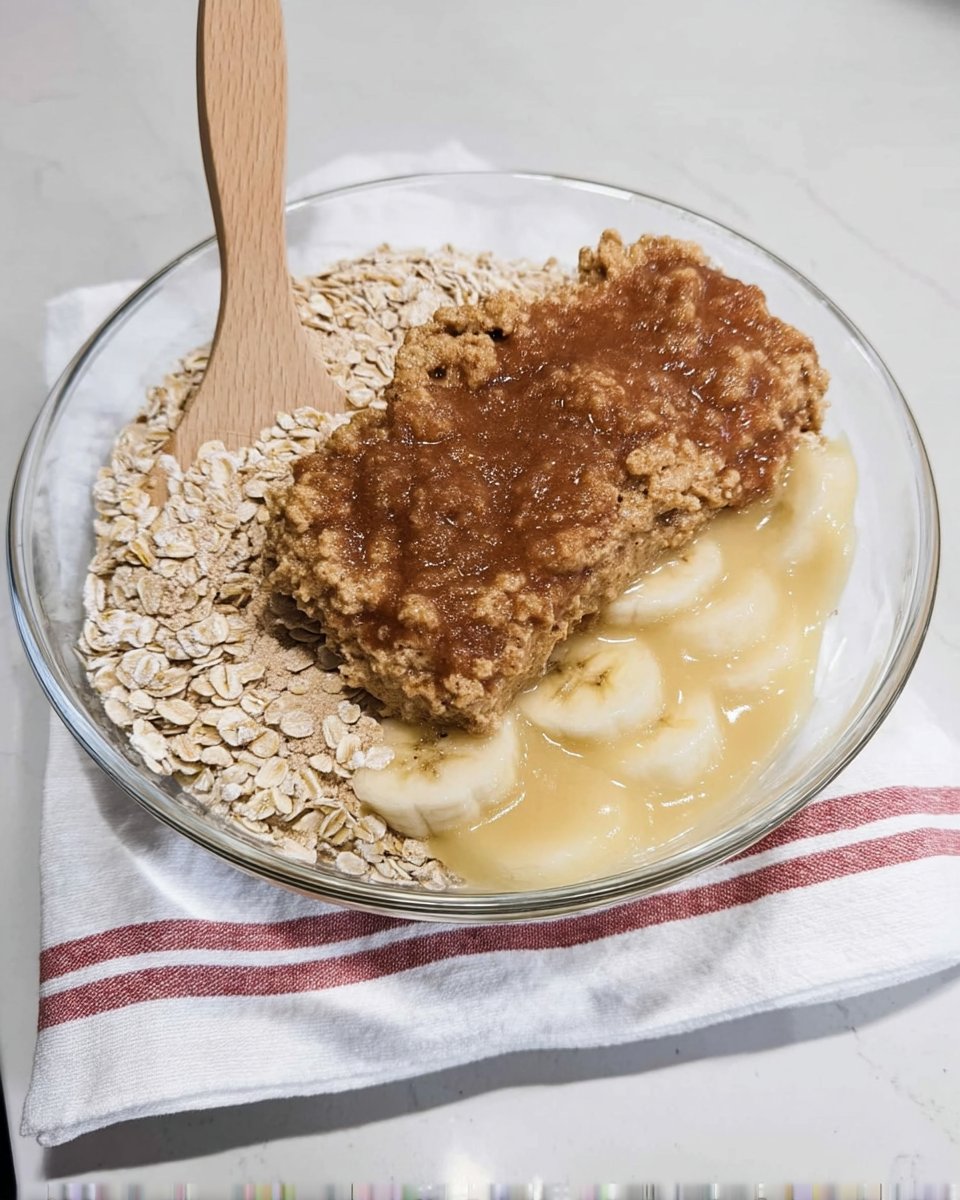
To achieve the highest quality result, consider the moisture content of your fruit. If your bananas are extremely liquid, you may need to increase the whole oat count by ten percent to maintain the proper ratio of liquid to solid. For a deeper flavor profile, try lightly toasting your whole oats in a dry pan for three minutes before mixing. This heat triggers the Maillard reaction, producing pyrazines—the roasted, nutty aroma compounds that add complexity to the grain. If you want to understand more about how these baseline ratios work, I recommend studying our Foundation Cookie Recipes to see how different binders affect the final crumb.
Always use a scale when measuring your oats and bananas. In flavor science, precision is everything. One hundred grams of oats and 240 grams of banana is the golden ratio for a soft, stable cookie. If you find the cookies are too soft for your preference, increasing the bake time by two minutes will allow for more evaporation, resulting in a firmer, more concentrated flavor.
Structural and Aromatic Swaps
Variation is the laboratory of the kitchen, and you can modify this formula by considering the chemistry of your add-ins. For instance, adding grated carrots introduces cellulose, which provides a crisp texture that contrasts with the soft banana base. If you choose to add walnuts, you are introducing healthy fats and tannins that cut through the sugar concentration of the fruit. For those looking for festive profiles, our guide on Holiday Cookie Science offers insights on how to balance spices like nutmeg and cloves within fruit-based doughs.
You can also experiment with different fruit binders. While banana is the most common, unsweetened applesauce can work if you increase the oat flour ratio to account for the higher water content in apples. Just remember that apples contain different aromatic compounds, so the cinnamon becomes even more vital to bridge the flavor gap between the fruit and the oats.
Optimizing the Sensory Experience
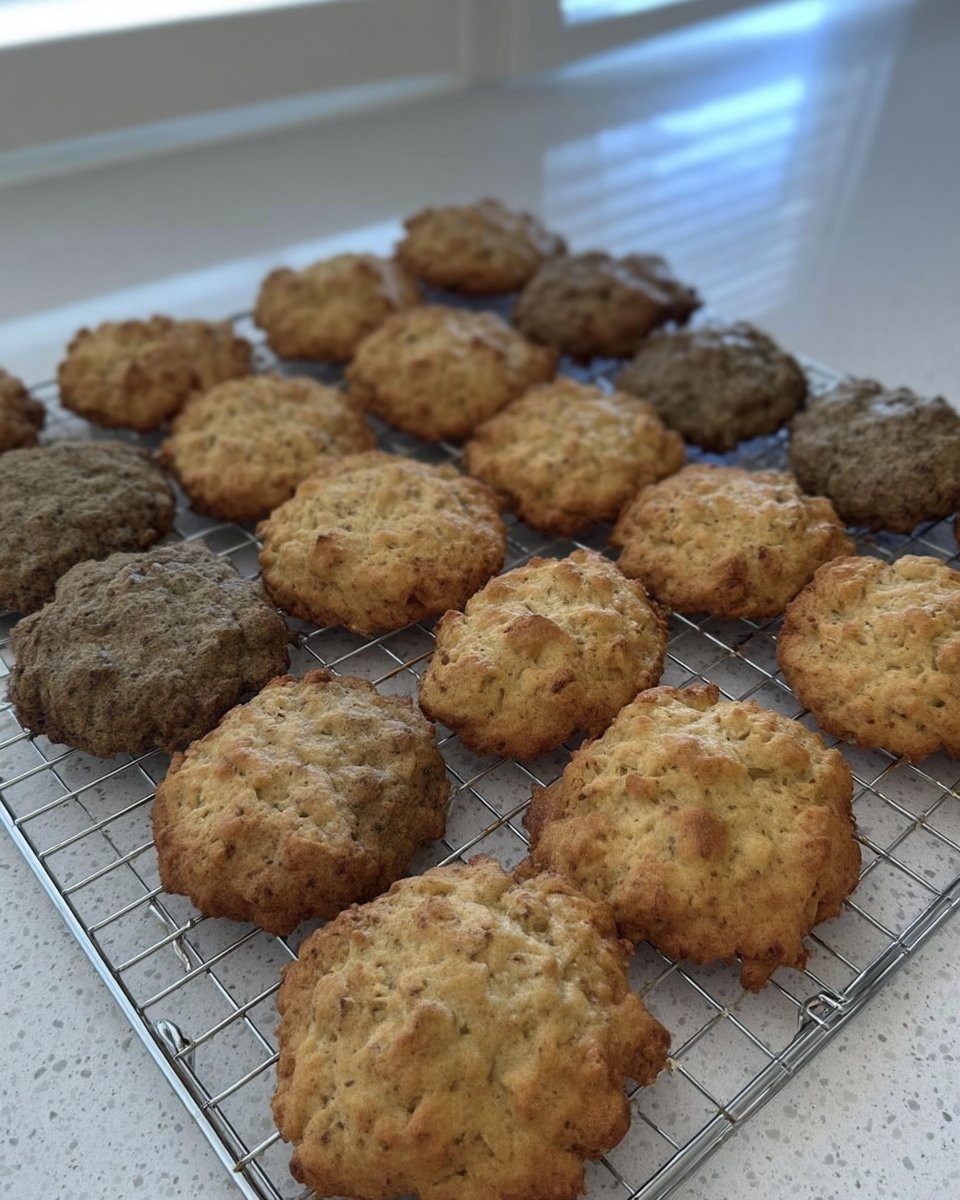
To enjoy the full spectrum of flavors, serve these cookies slightly warm. Heat increases the volatility of the aroma compounds, making the banana and cinnamon scents more pronounced. They pair exceptionally well with a hot cup of coffee, as the chlorogenic acids in the coffee provide a bitter counterpoint to the natural sweetness of the cookies. For more on how to streamline your baking and serving process, check out our tips on Efficient Cookie Methods.
For a protein-rich snack, try spreading a thin layer of almond butter over the top of a cooled cookie. The lipids in the nut butter will slow down the digestion of the sugars in the banana, providing a more sustained energy release. If serving to toddlers or babies, ensure the cookies are completely cooled to room temperature to allow the structure to fully set, making them easier for small hands to hold without breaking.
The Final Analysis
Understanding the science behind simple ingredients allows us to create snacks that are both nutritious and structurally sound. These Oatmeal Banana Cookies prove that when you respect the chemistry of your ingredients—specifically the binding power of fruit pectins and the absorbency of whole grains—you can achieve a perfect texture without unnecessary additives. If you are interested in the more decorative side of baking after mastering these basics, see our guide on Precision Cookie Decorating. For more great ideas on healthy baking for the whole family, you can also look at this additional resource. Don’t forget to share your baking results with us on Pinterest and Instagram so we can see your flavor experiments in action!