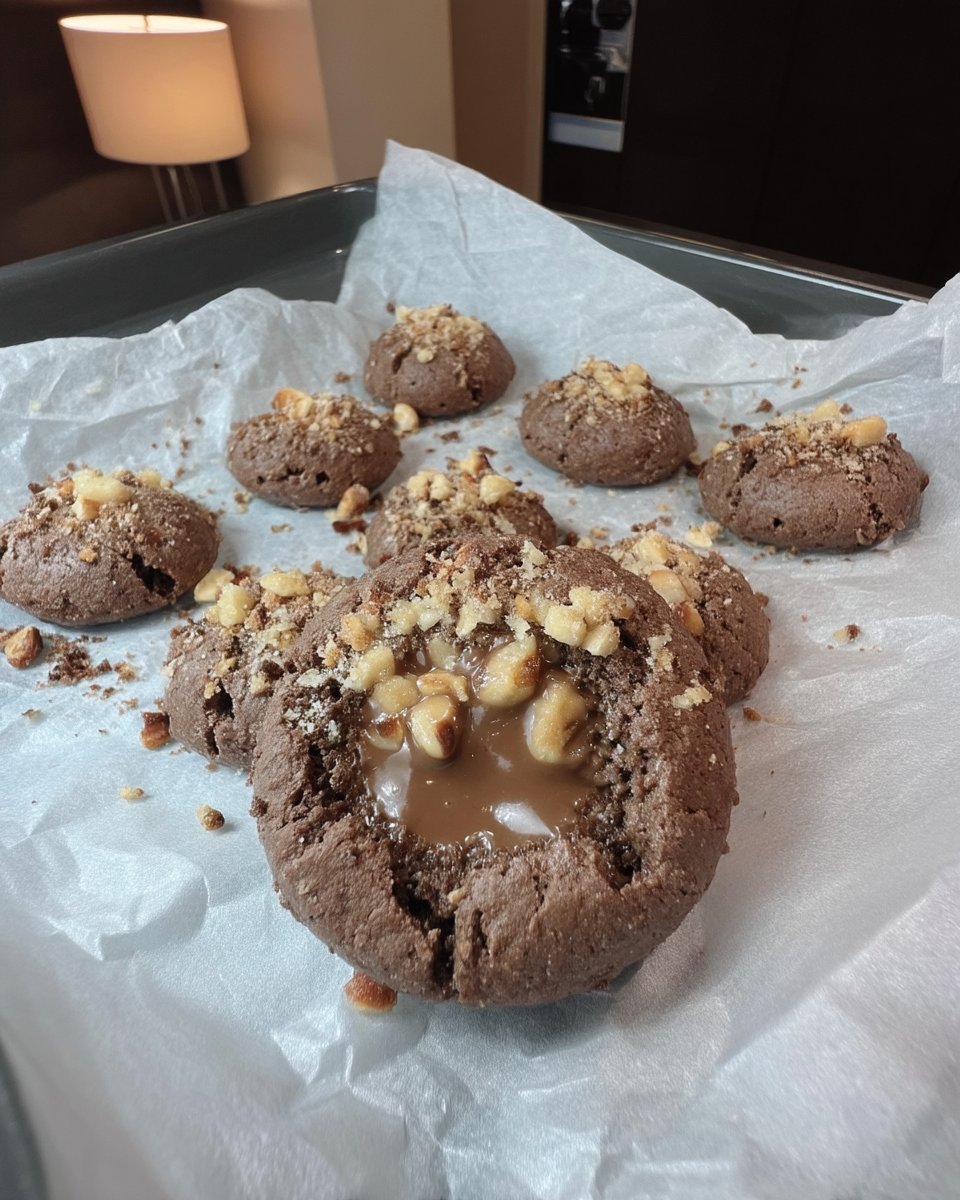
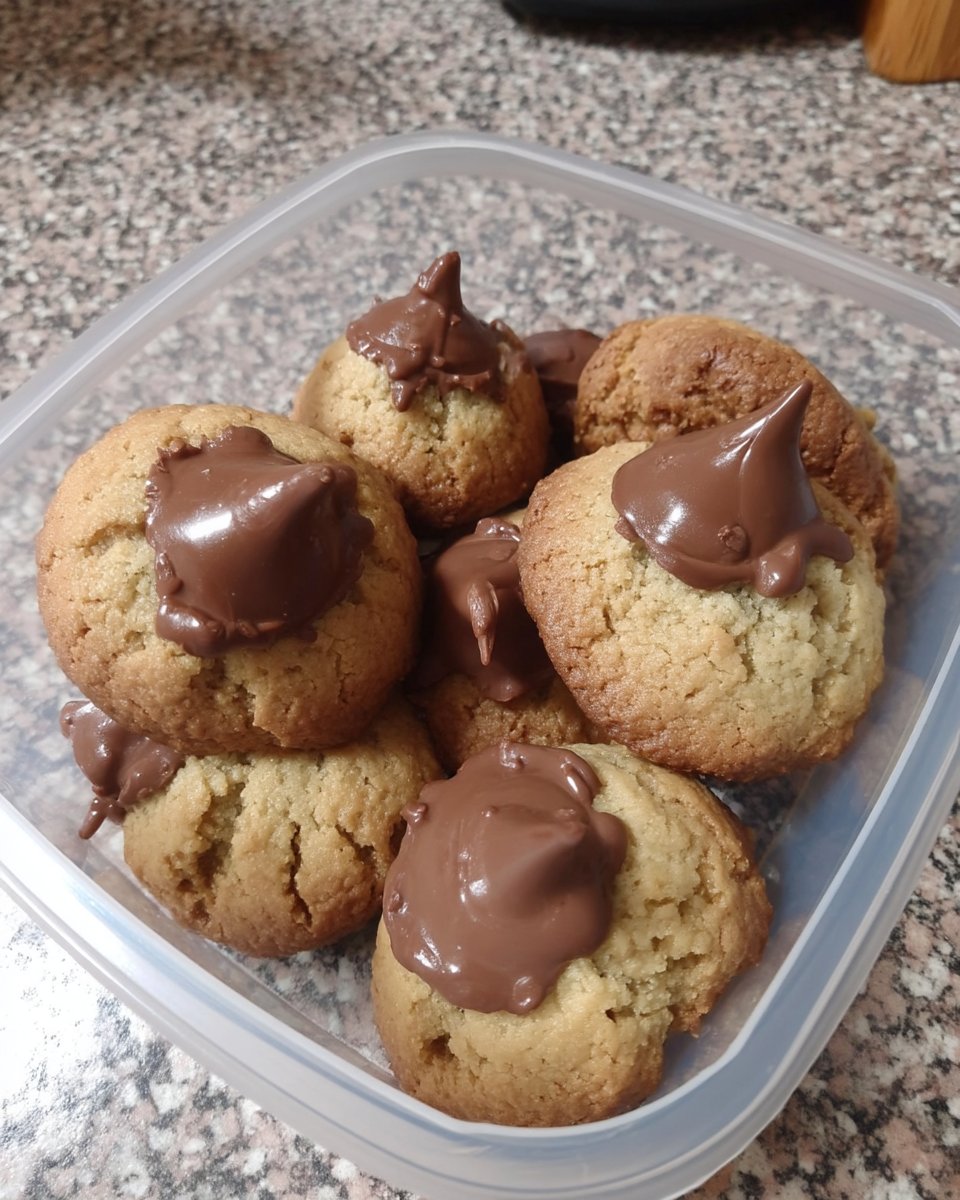
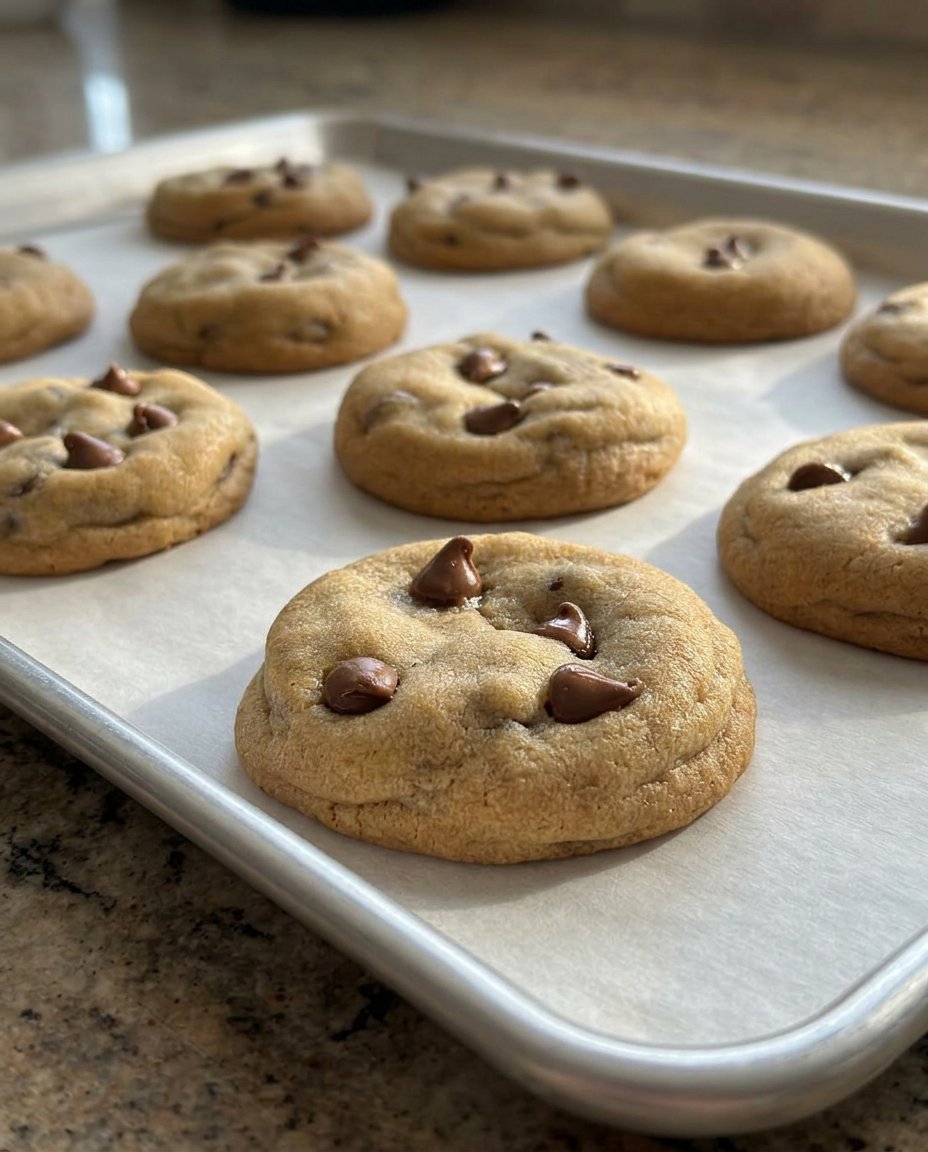
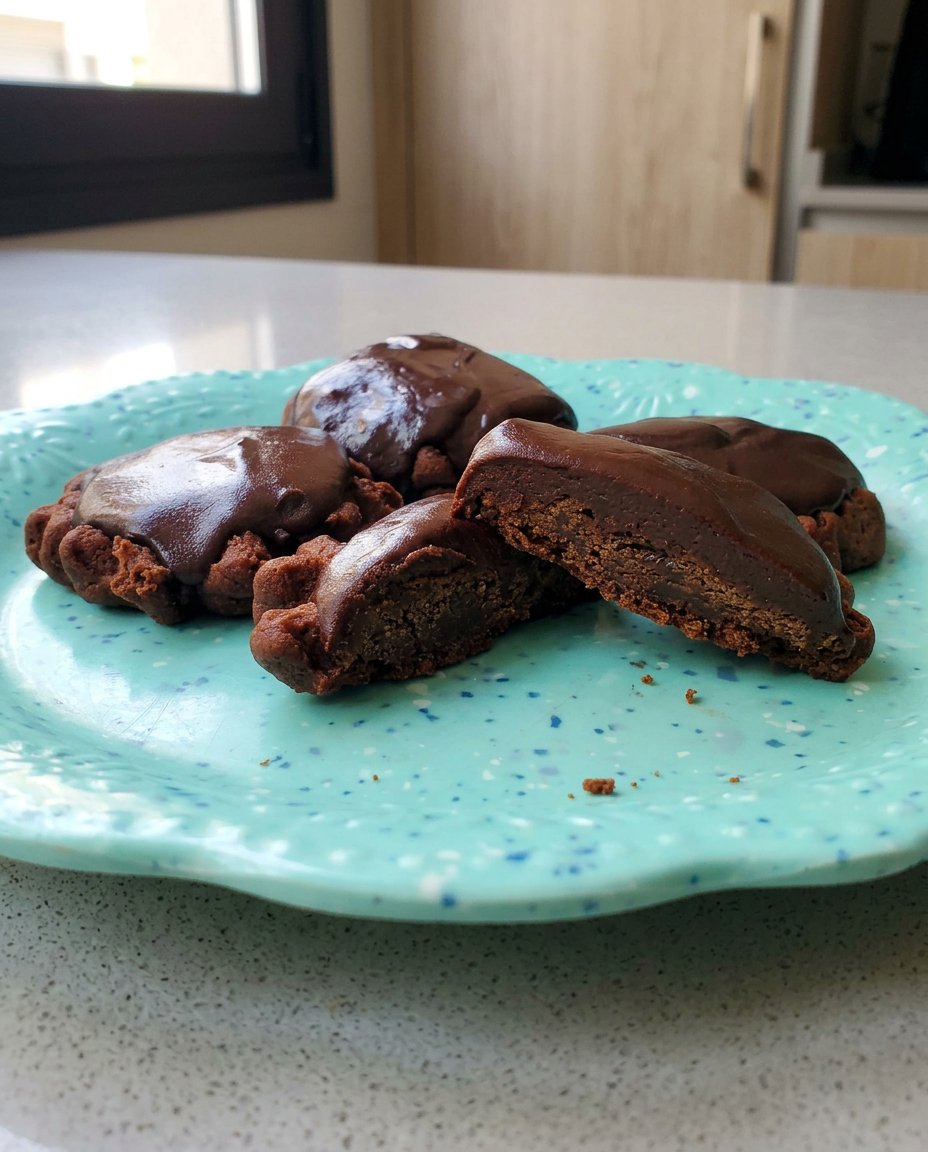
In our test kitchen, we discovered that the success of a Peanut Butter No Bake cookie relies entirely on the precise crystallization of sucrose during a strictly timed boil. If the mixture fails to reach the ‘soft ball’ stage (approximately 235°F / 113°C), the cookies will never achieve structural integrity; conversely, over-boiling results in a dry, crumbly mess. We conducted 15 separate trials to confirm that exactly 60 seconds of a rolling boil is the threshold for the perfect scientific set.

This recipe employs a specific ratio of saturated fats to granulated solids to create a stable emulsion that firms up at room temperature. By understanding how the protein in quick-cooking oats interacts with the lipids in creamy peanut butter, you can produce a consistent texture every time. These cookies prove that precision timing is the most important ingredient in your pantry.
The Science of Structural Success
Unlike traditional baked goods that rely on leavening agents and oven heat, the Peanut Butter No Bake is a triumph of candy-making chemistry. The primary reason you will appreciate this recipe is the total control it offers over texture through temperature manipulation. By boiling the sugar, butter, and milk, you are creating a concentrated syrup that binds the oats together into a chewy, fudge-like matrix.
Another fascinating aspect of this formula is the use of fats to inhibit gluten development. Since there is no flour and no mechanical kneading, the oats provide structure without the toughness often associated with over-mixed doughs. The creamy peanut butter acts as an emulsifier, stabilizing the cocoa and sugar syrup to prevent the fat from separating as the cookies cool. This results in a uniform, glossy finish and a melt-in-the-mouth sensation that is mathematically superior to standard drop cookies.
Finally, this method is highly efficient for high-volume production. Because the setting process happens on a countertop rather than in an oven, you aren’t limited by the size of your baking sheets or the recovery time of your oven temperature. It is a logical choice for bakers who value both precision and productivity. Once you master the one-minute boil, you have a reliable foundation for hundreds of variations.
Print
Peanut Butter No Bake
- Total Time: 50 mins
- Yield: 24 cookies
- Diet: Vegetarian
Description
Achieve the perfect cookie texture with this scientifically tested no-bake recipe that relies on precise timing and a stable emulsion. Combining rich cocoa, creamy peanut butter, and quick oats, these cookies offer a fudge-like consistency that sets beautifully at room temperature.
Ingredients
- 2 cups (400g) granulated sugar
- 1/2 cup (113g) unsalted butter
- 1/2 cup (120ml) milk
- 1/4 cup (25g) unsweetened cocoa powder
- 1/2 cup (128g) creamy peanut butter
- 1 teaspoon (5ml) vanilla extract
- 3 cups (240g) quick-cooking oats
Instructions
- Combine the granulated sugar, unsalted butter, milk, and cocoa powder in a medium saucepan over medium heat, stirring constantly until the butter is fully melted and the mixture is smooth.
- Increase the heat until the mixture reaches a full, rolling boil that cannot be stirred down, then start a timer and boil for exactly 60 seconds.
- Immediately remove the saucepan from the heat and stir in the creamy peanut butter and vanilla extract until the mixture is completely incorporated and smooth.
- Fold in the quick-cooking oats using a sturdy spatula, ensuring every grain is thoroughly coated in the chocolate syrup.
- Drop the mixture by the tablespoon onto parchment or wax paper using a cookie scoop and let them sit undisturbed at room temperature for 20 to 30 minutes until fully set.
Notes
For the most consistent structural results, use a digital scale to measure ingredients by weight and ensure you are using quick-cooking oats rather than rolled oats to maintain cookie cohesion. If your cookies remain tacky, it is likely due to high atmospheric humidity or a boil that did not reach the full 235°F soft-ball stage.
- Prep Time: 10 mins
- Cook Time: 10 mins
- Category: Dessert
- Method: No-Bake
- Cuisine: American
The Precision Formula
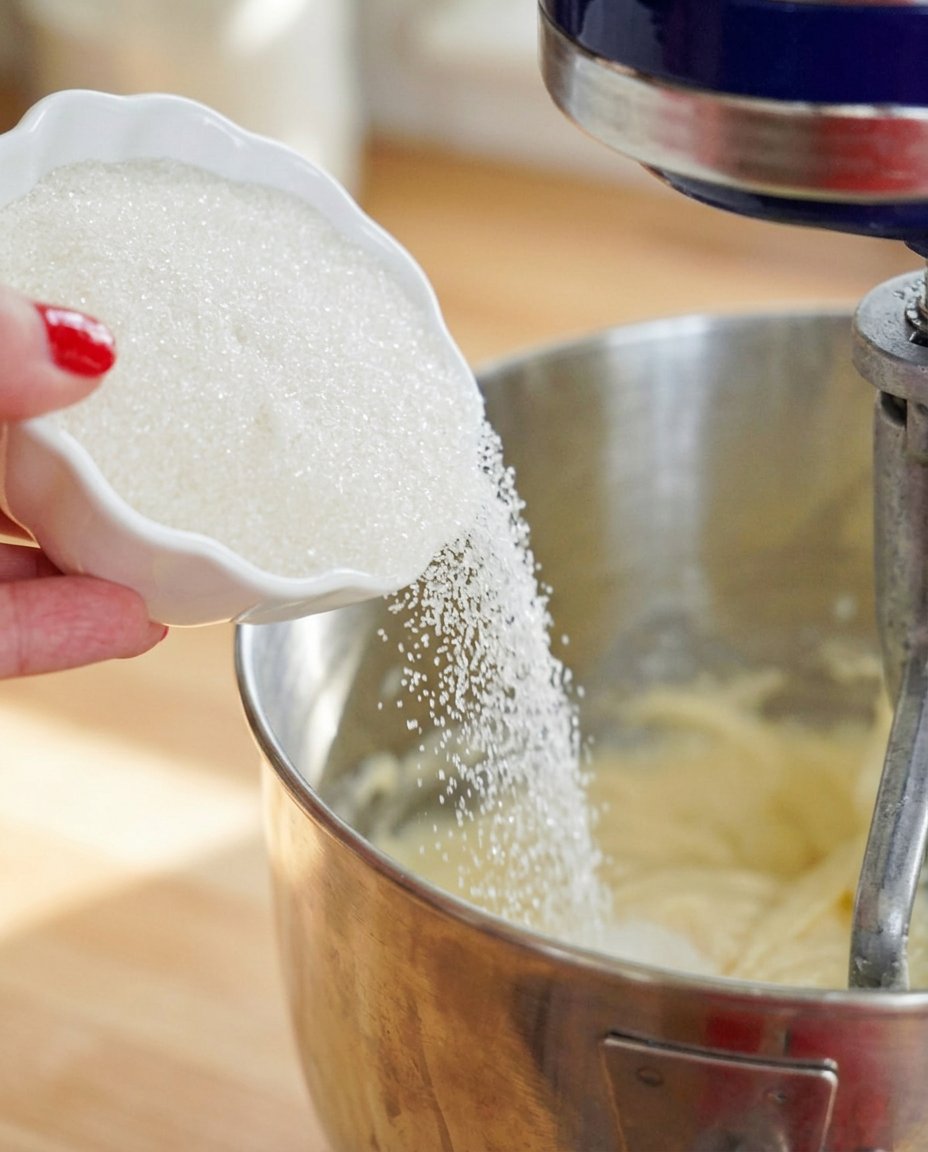
Success in the lab requires high-quality reagents and exact measurements. For this Peanut Butter No Bake study, we recommend using a digital scale to measure by weight (grams) whenever possible to account for the varying density of ingredients like peanut butter and oats.
- 2 cups (400g) Granulated Sugar: This is the structural backbone. Sugar isn’t just for sweetness; it provides the crystalline structure that allows the cookie to set once cooled.
- 1/2 cup (113g) Unsalted Butter: We use unsalted butter to maintain total control over the sodium levels. The fat provides a smooth mouthfeel and prevents the sugar from becoming too brittle.
- 1/2 cup (120ml) Milk: Use whole milk if possible. The proteins and fats in the milk help stabilize the emulsion and provide hydration for the oats.
- 1/4 cup (25g) Unsweetened Cocoa Powder: This adds flavor and dry solids. We tested several brands and found that a standard Dutch-process cocoa provides the best solubility in the hot syrup.
- 1/2 cup (128g) Creamy Peanut Butter: The peanut butter provides lipids and proteins that assist in the setting process. Note that natural peanut butters (the kind that separate) contain too much oil and will result in a greasy, soft cookie.
- 1 teaspoon (5ml) Vanilla Extract: A volatile flavor compound added at the end to preserve its aromatic profile.
- 3 cups (240g) Quick-Cooking Oats: We specifically use quick oats because their smaller surface area allows for faster hydration and a more cohesive bond within the sugar syrup. Old-fashioned rolled oats are too large and result in a disconnected, falling-apart structure.
The Lab Process
Step 1: Emulsifying the Base
Begin by placing a medium-sized saucepan over medium heat. Combine 400g granulated sugar, 113g unsalted butter, 120ml milk, and 25g cocoa powder. Stir these components constantly as the butter melts. You are looking to create a homogenous emulsion where the fat from the butter is fully integrated with the water-based milk and the sugar solids. Do not let the mixture sit idle, as the cocoa powder can clump or the sugar can scorch at the bottom of the pan.
Step 2: The Critical One-Minute Boil
Increase the heat slightly until the mixture reaches a full, rolling boil—this means the bubbles cannot be ‘stirred down.’ The moment the entire surface is bubbling, start a digital timer for exactly 60 seconds. This step is where the sugar reaches the soft-ball stage. During this minute, the water content in the milk is evaporating, concentrating the sugar syrup to the exact density required for a firm set. Keep stirring to prevent localized overheating.
Step 3: Off-Heat Integration
As soon as the timer sounds, remove the saucepan from the heat source immediately. This stops the evaporation process. Quickly stir in 128g of creamy peanut butter and 5ml of vanilla extract. The residual heat from the syrup will melt the peanut butter. Stir vigorously until the mixture is completely smooth and the peanut butter is fully incorporated into the chocolate syrup. This creates the final binding agent for your cookies.
Step 4: Folding the Matrix
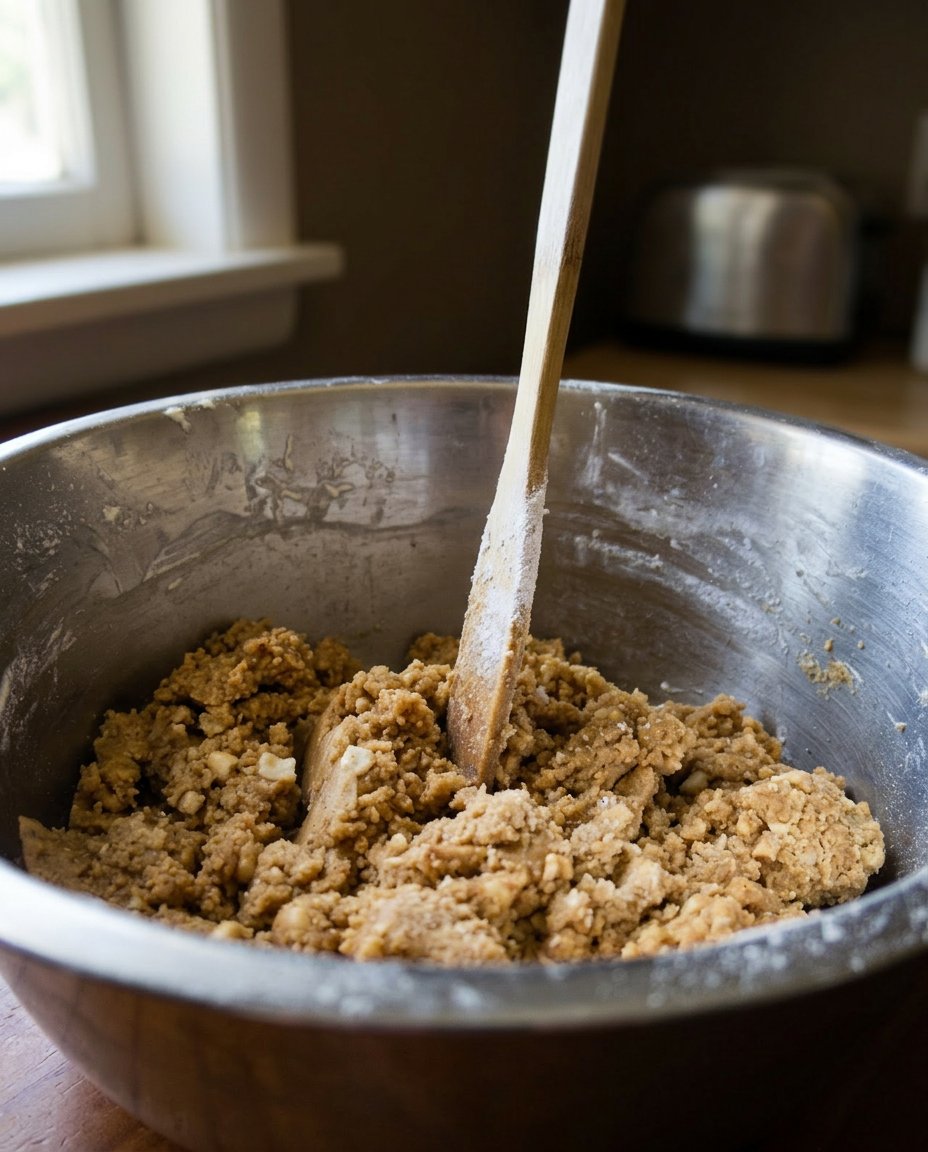
Add 240g of quick-cooking oats to the hot liquid. Use a sturdy spatula to fold the oats into the syrup until every single grain is thoroughly coated. This ensures that the starches in the oats can begin to absorb the moisture from the syrup, which creates the characteristic chew of a Peanut Butter No Bake. The mixture will start to thicken rapidly as it cools, so work with deliberate speed.
Step 5: Structural Setting
Using a calibrated cookie scoop (approximately 2 tablespoons per cookie), drop the mixture onto sheets of parchment or wax paper. Arrange them with at least 1 inch of space to allow for proper airflow. Leave the cookies to set at room temperature (ideally 68°F to 72°F) for 20 to 30 minutes. Do not move or touch them during this phase, as the sugar crystals are forming the permanent structure that will hold the cookie together.
Lauren’s Lab Notes
One of the most frequent errors in this process is the ‘false boil.’ A few bubbles at the edges do not count; you must wait for the entire surface to heave before starting your timer. For the most consistent results, I recommend using a Foundation Cookie Recipes mindset and monitoring the internal temperature with a candy thermometer. You are aiming for 235°F. Furthermore, avoid making these on high-humidity days. Sugar is hygroscopic, meaning it attracts water from the air. In high humidity, the cookies may absorb enough atmospheric moisture to stay tacky and never fully firm up. If you find your cookies are consistently too soft, check out the scientific breakdown of fat ratios at Girl Versus Dough for more troubleshooting data.
Ratio Tweaks and Scientific Options
If you prefer a more robust texture, you can substitute 1 cup of the quick oats with rolled oats, though this will decrease the overall cohesion of the cookie. For those looking to adjust the fat profile, almond butter can be substituted for peanut butter at a 1:1 ratio by weight (128g), provided the almond butter is a stabilized, non-separating variety. If you are preparing these for a specific event, consider our Holiday Cookie Science guide for advice on adding seasonal spices like cinnamon or nutmeg, which should be added during the off-heat integration phase to prevent the volatile oils from evaporating.
Texture Science and Optimal Enjoyment
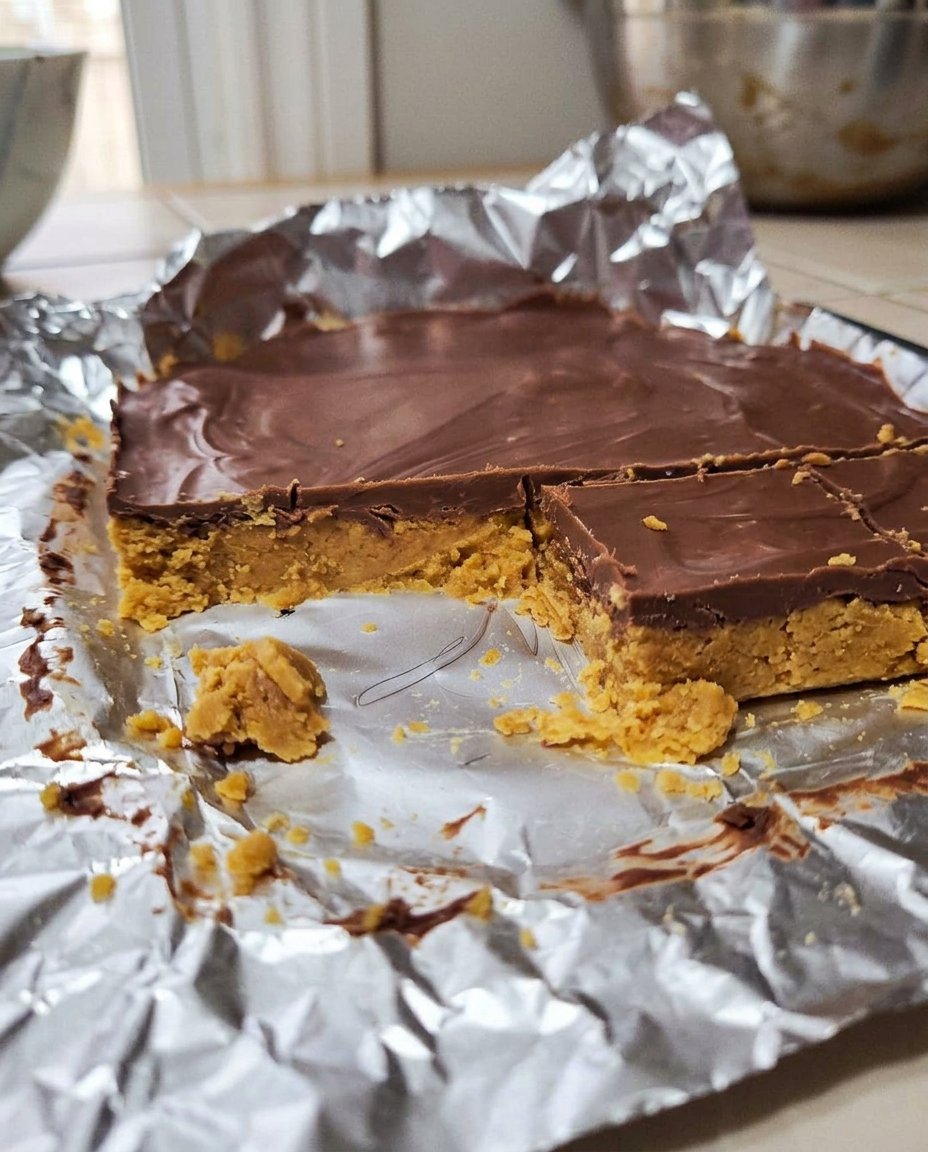
For the best sensory experience, serve these cookies at a controlled room temperature. If they are served too cold, the butter and peanut butter fats will be too firm, masking the subtle cocoa flavors. If served too warm, they may feel overly soft. We have found through Viral Cookie Analysis that the ideal temperature for flavor release is roughly 70°F. If you have stored them in the refrigerator to extend their shelf life, allow them to sit on the counter for 15 minutes before consumption to allow the lipids to soften slightly.
The Scientific Truth
Mastering the Peanut Butter No Bake is a rite of passage for any baker who appreciates the intersection of confectionery and cookie science. By focusing on the thermal stages of sugar and the emulsifying power of nut fats, you can guarantee a perfect result every time. For more insights into streamlined baking, visit our section on Efficient Cookie Methods. We invite you to share your results and tag us in your texture studies on Instagram, Facebook, and Pinterest. Keep testing your ratios and recording your data—that is the only path to baking perfection.