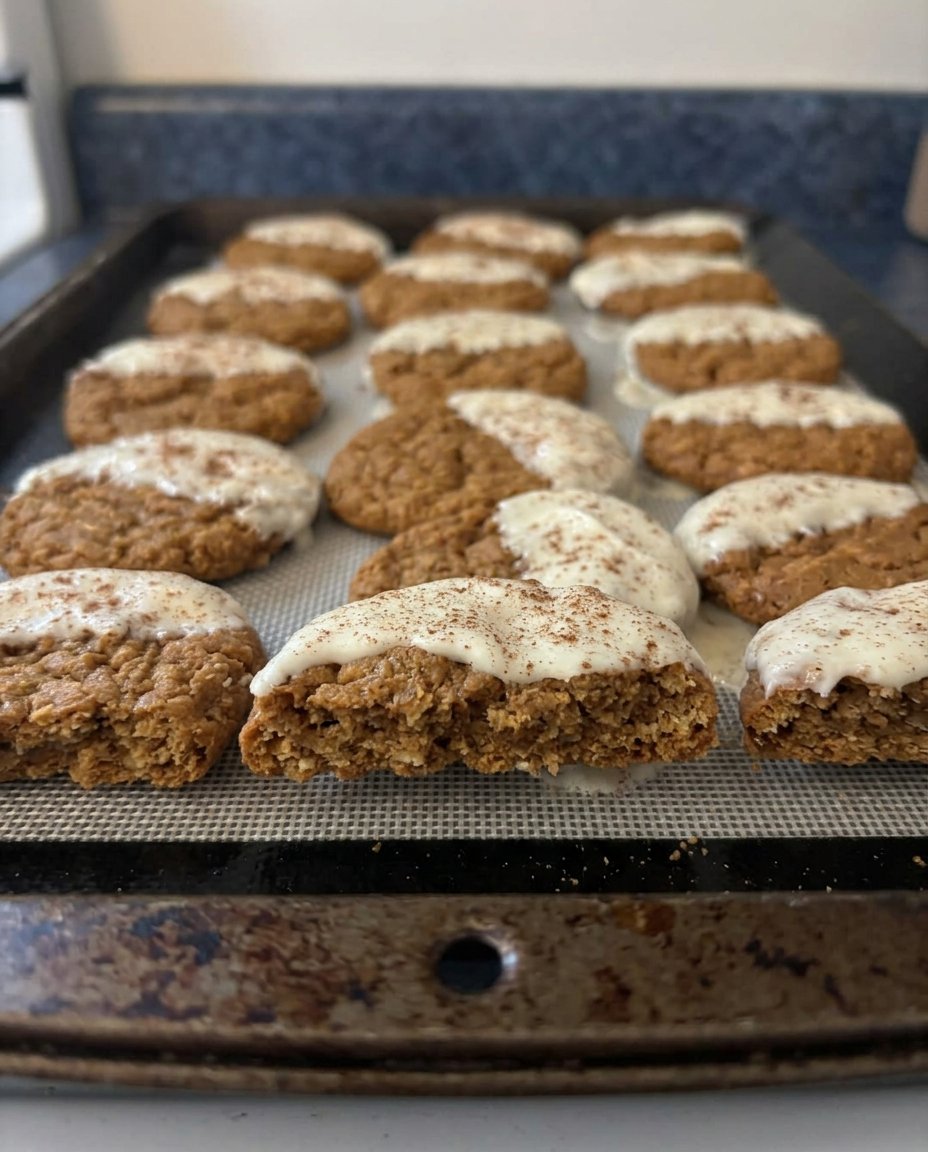
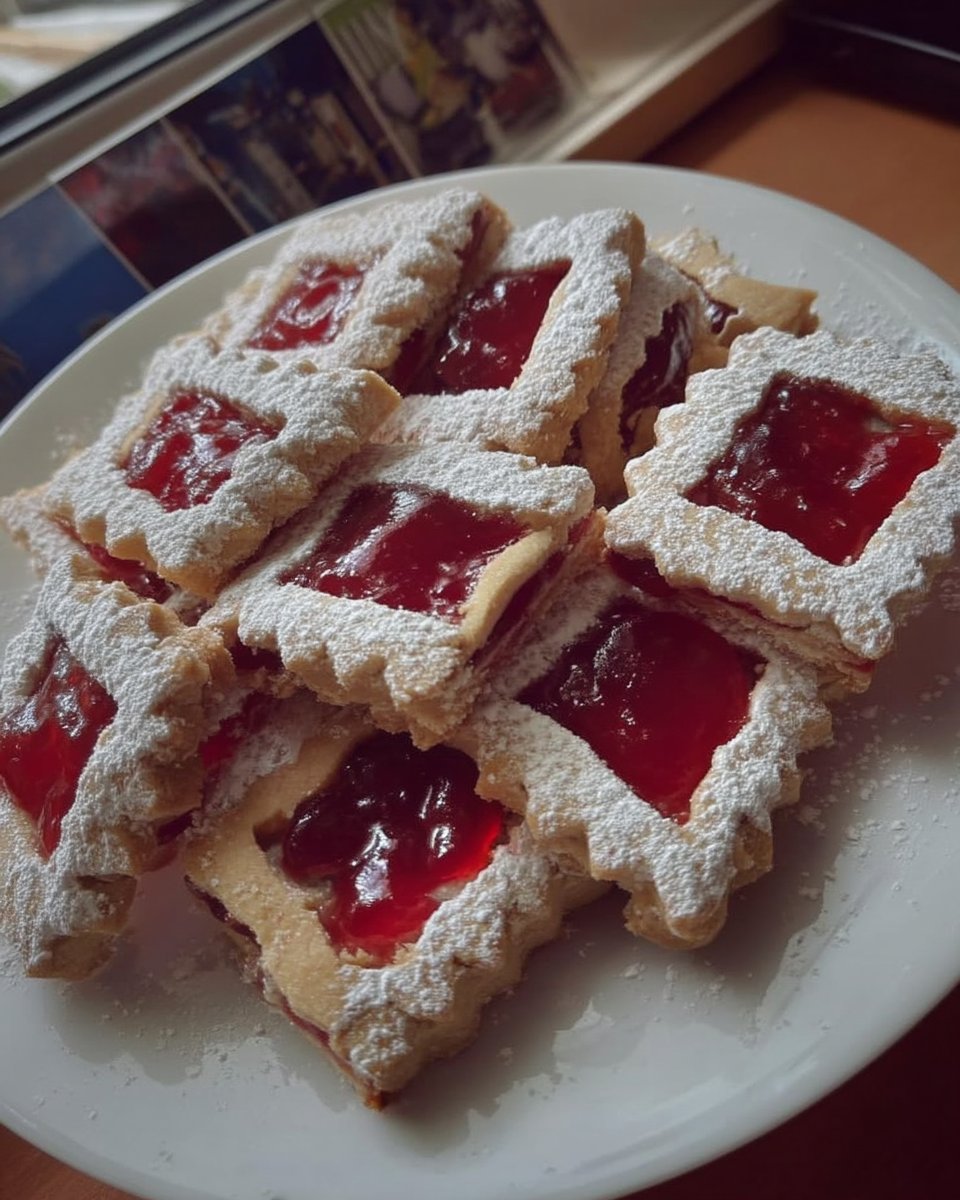
The aroma of a Dutch street market is dominated by the scent of browning butter and toasted cinnamon, a sensory experience driven by the Maillard reaction and the release of cinnamaldehyde. When I first studied the chemistry of stroop, I discovered that the specific ratio of invert sugar to brown sugar is what prevents the filling from crystallizing, maintaining that iconic pull. These Stroopwafel Cookies 2 represent a perfect study in texture, balancing a crisp, yeast-leavened waffle with a viscous, spiced caramel core.

Creating these at home allows us to witness the fascinating interaction between lipid-rich dough and heat distribution. Unlike standard drop cookies, this recipe relies on a precise fermentation period to develop complex flavor compounds before the dough hits the iron. The result is a layered taste profile where the salt suppresses bitterness and allows the toasted sugar notes to resonate on the palate.
The Flavor Science of the Dutch Classic
You will find that these Stroopwafel Cookies 2 are far more than just a sweet treat; they are a masterclass in flavor layering and thermodynamic application. The use of yeast in the dough isn’t just for lift, but for the enzymatic breakdown of starches into simpler sugars that caramelize more efficiently. This creates a higher concentration of pyrazines—those roasted, nutty flavor molecules—during the brief bake time on the waffle iron.
Furthermore, the filling utilizes a specific blend of Dutch stroop and butter to create a stable emulsion that remains pliable even after the cookie cools. By adding a precise amount of table salt, we effectively block bitter receptors on the tongue, which makes the perception of the cinnamon and caramel much more intense. This scientific approach to sweetness prevents the cookie from feeling cloying while highlighting the aromatic depth of the spices.
Print
Stroopwafel Cookies
- Total Time: 2 hours 5 mins
- Yield: 18 cookies
- Diet: Vegetarian
Description
Master the art of the Dutch street market classic with these authentic Stroopwafel Cookies. Featuring a yeast-leavened waffle shell and a decadent spiced caramel filling, this recipe balances precise thermal techniques with rich, toasted flavors.
Ingredients
- 1 cup Dutch stroop (syrup)
- 1 cup brown sugar
- 9 oz unsalted butter, divided
- 2 tsp ground cinnamon, divided
- 1/2 tsp salt, divided
- 1/2 cup whole milk
- 2 tsp active dry yeast
- 2 large eggs, room temperature
- 1/2 cup granulated sugar
- 4 cups all-purpose flour
Instructions
- In a small saucepan, combine Dutch stroop, brown sugar, 3 oz unsalted butter, 1 teaspoon cinnamon, and a pinch of salt. Heat over medium until the mixture reaches a boil, then transfer to a bowl to cool and thicken.
- Warm the milk to 105°F and whisk in the active dry yeast until fully dissolved.
- Incorporate 2 room-temperature eggs, 6 oz melted butter, and granulated sugar into the yeast mixture, whisking until a homogeneous emulsion is formed.
- Add the remaining cinnamon, salt, and all-purpose flour. Mix on low speed, then knead on a floured surface into a smooth, soft ball. Divide into 18 pieces (approx. 50g each).
- Place dough spheres on a sheet pan, cover with plastic wrap, and let rest for one hour to allow for hydration and gluten relaxation.
- Preheat a waffle iron. Flatten a dough ball into a disc and bake for 2-3 minutes until deep golden brown. Immediately remove and split horizontally with a thin blade; spread one tablespoon of stroop filling inside and press the halves back together.
Notes
For the most consistent results, ensure your filling is slightly warm during assembly to maintain a smooth spreadable viscosity. If you find the waffles are cooling too quickly to split, work in small batches and keep the remaining dough spheres covered to prevent them from drying out.
- Prep Time: 1 hour 20 mins
- Cook Time: 45 mins
- Category: Dessert
- Method: Waffle Iron
- Cuisine: Dutch
The Building Blocks of Dutch Taste
Every component in this recipe serves a specific chemical purpose to achieve the authentic Dutch profile. We select ingredients that provide both structural integrity and a rich aromatic profile.
- Dutch Stroop (Syrup): This is the backbone of the filling. As an invert sugar, it inhibits the formation of large sugar crystals, ensuring the caramel stays smooth and stretchy.
- Active Dry Yeast: This biological leavener introduces fermentation byproducts that contribute to the ‘bread-like’ aroma of the waffle.
- Unsalted Butter: With a high milk fat content, butter provides the lipids necessary for a melt-in-the-mouth texture and carries the fat-soluble cinnamon flavors.
- Brown Sugar: The molasses content in brown sugar adds acidity and moisture, which aids in the soft-chew of the interior filling.
- Cinnamon: Rich in cinnamaldehyde, this spice provides a warming sensation that pairs naturally with the toasted notes of the waffle.
- Whole Milk: The lactose and proteins in milk contribute to the browning of the waffle through the Maillard reaction.
- All-Purpose Flour: We look for a protein content around 10-11% to provide enough gluten for the ‘split’ without making the cookie tough.
Using room temperature eggs is vital for maintaining a stable emulsion when mixing the dough, as cold eggs could cause the melted butter to seize, resulting in an uneven crumb structure.
The Precision Layering Process
Step 1: Synthesize the Stroop Filling
In a small saucepan, combine the Dutch stroop, brown sugar, 3 oz of unsalted butter, one teaspoon of cinnamon, and a pinch of salt. Heat this over a medium flame, stirring constantly to facilitate the dissolution of sugar crystals into the lipid phase. Once the mixture reaches a boil, the sugars have fully inverted; immediately transfer it to a bowl to cool, which allows the viscosity to increase for easier spreading.
Step 2: Activate the Biological Leaveners
Warm your milk to approximately 105°F—this is the thermal sweet spot for yeast activation without denaturing the proteins. Combine the warm milk and active dry yeast in your mixing bowl, whisking gently until the yeast is fully dissolved. This hydration step is critical for waking up the dormant yeast cells so they can begin fermenting the dough’s sugars.
Step 3: Emulsify the Dough Base
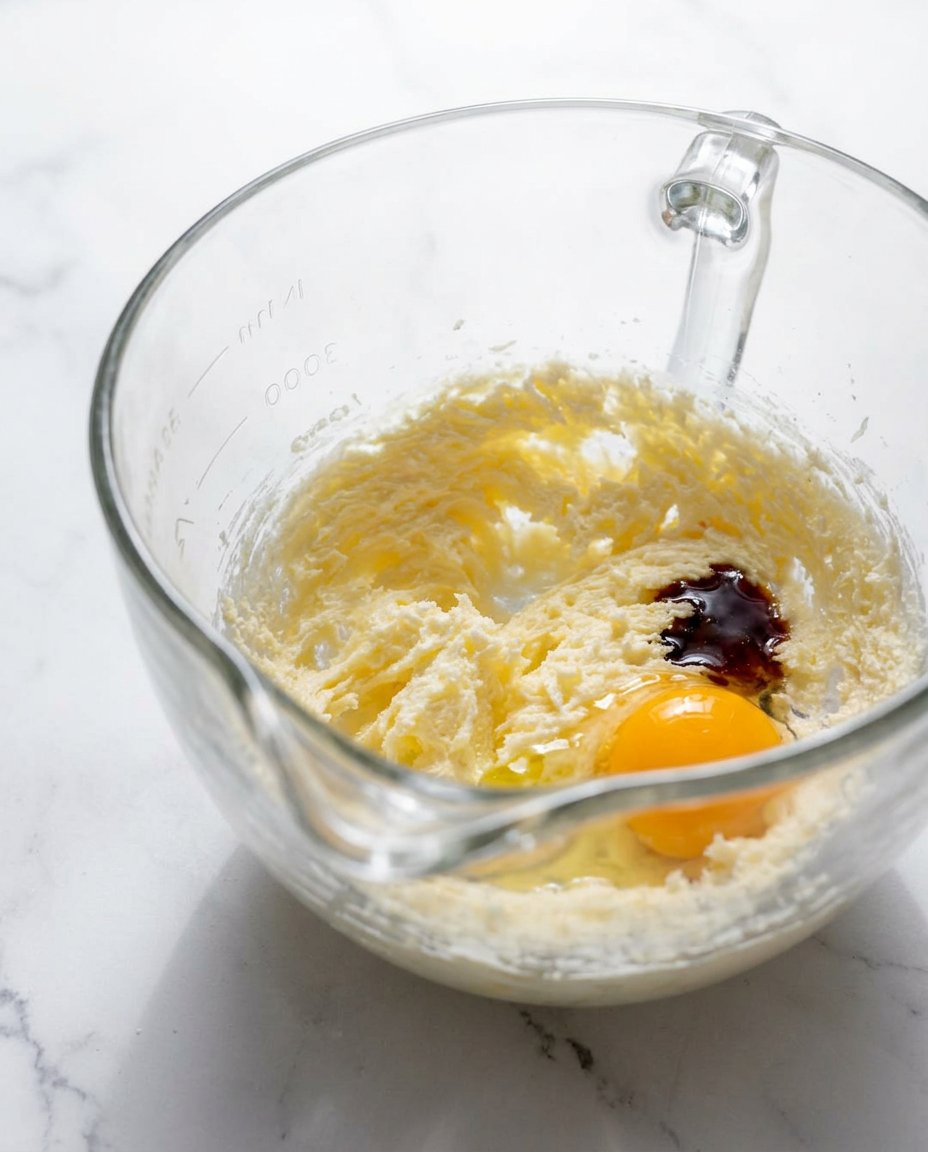
Incorporate the two room-temperature eggs, the 6 oz of melted butter, and the granulated sugar into the yeast mixture. The goal here is to create a homogeneous emulsion where the fats are evenly dispersed throughout the liquid phase. Using a beater attachment helps to mechanically break down the egg proteins, allowing them to better coat the fat globules.
Step 4: Develop the Gluten Matrix
Add the remaining cinnamon, salt, and all-purpose flour to the bowl. Mix on low speed until the flour is just incorporated, then move the dough to a floured surface. Knead the dough gently until it forms a smooth, soft ball; this develops just enough gluten to allow the waffle to be split later without crumbling. Divide the dough into 18 equal pieces (roughly 50g each) to ensure consistent heat penetration during baking.
Step 5: The Fermentation Rest
Place your dough spheres on a sheet pan and cover them with plastic wrap. This one-hour rest is not just for rising; it allows the starch molecules to fully hydrate and the gluten to relax. This relaxation is essential for the dough to expand evenly in the waffle iron without resisting the plates.
Step 6: Thermal Transformation and The Split
Preheat your waffle iron and flatten a dough ball into a disc. Bake for 2 to 3 minutes until the exterior reaches a deep golden brown, indicating significant Maillard browning. Working quickly, remove the waffle and use a thin, sharp blade to split it horizontally. The steam trapped inside the waffle helps separate the layers. Spread a generous tablespoon of the prepared stroop on one half and press them back together, allowing the residual heat to fuse the layers.
Jasmine’s Secrets for Flavor Success
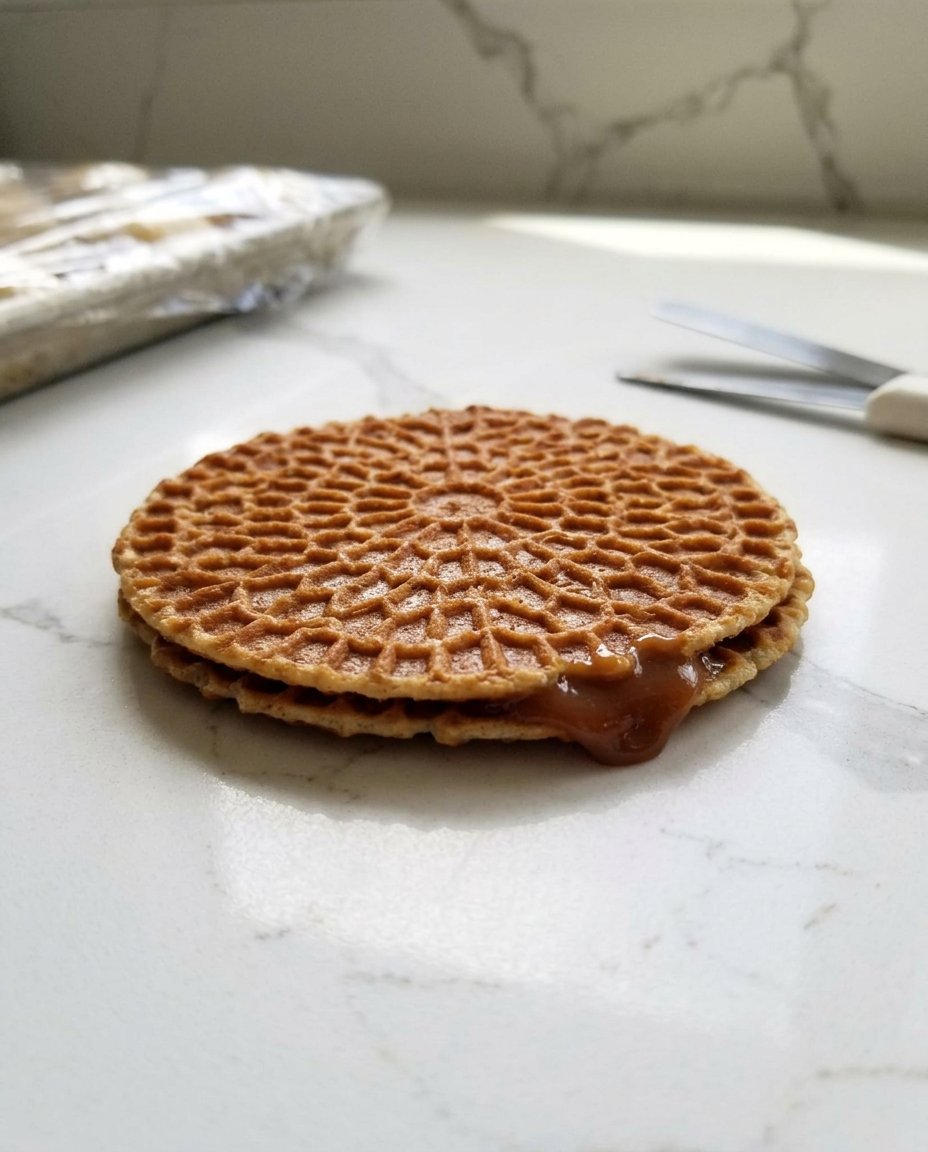
One of the most important factors in a successful stroopwafel is the ‘thermal window’ for splitting the cookie. You must cut the waffle within seconds of it leaving the iron; as the internal steam escapes and the temperature drops, the starches begin to set, making a clean split nearly impossible. If you are struggling with the texture of your dough, reviewing Foundation Cookie Recipes can help you understand the relationship between hydration and gluten. Additionally, for more technical guidance on traditional methods, the King Arthur Stroopwafel guide offers excellent insights into waffle iron calibration. Always keep your stroop filling slightly warm during the assembly process to maintain the correct flow rate when spreading.
Scientific Flavor Swaps
While the traditional cinnamon profile is iconic, you can experiment with the aromatic compounds to create new sensory experiences. Replacing cinnamon with ground cardamom introduces cineole, which provides a bright, herbal contrast to the heavy caramel notes. For those looking to study different fat interactions, substituting a portion of the butter with browned butter (beurre noisette) increases the concentration of toasted milk solids. You might find inspiration for seasonal adjustments in our guide to Holiday Cookie Science. Another fascinating swap is adding a hint of orange zest to the dough; the limonene in the zest shares molecular similarities with the spices, creating a cohesive and refreshing flavor bridge.
Thermodynamics of the Perfect Tea Pairing
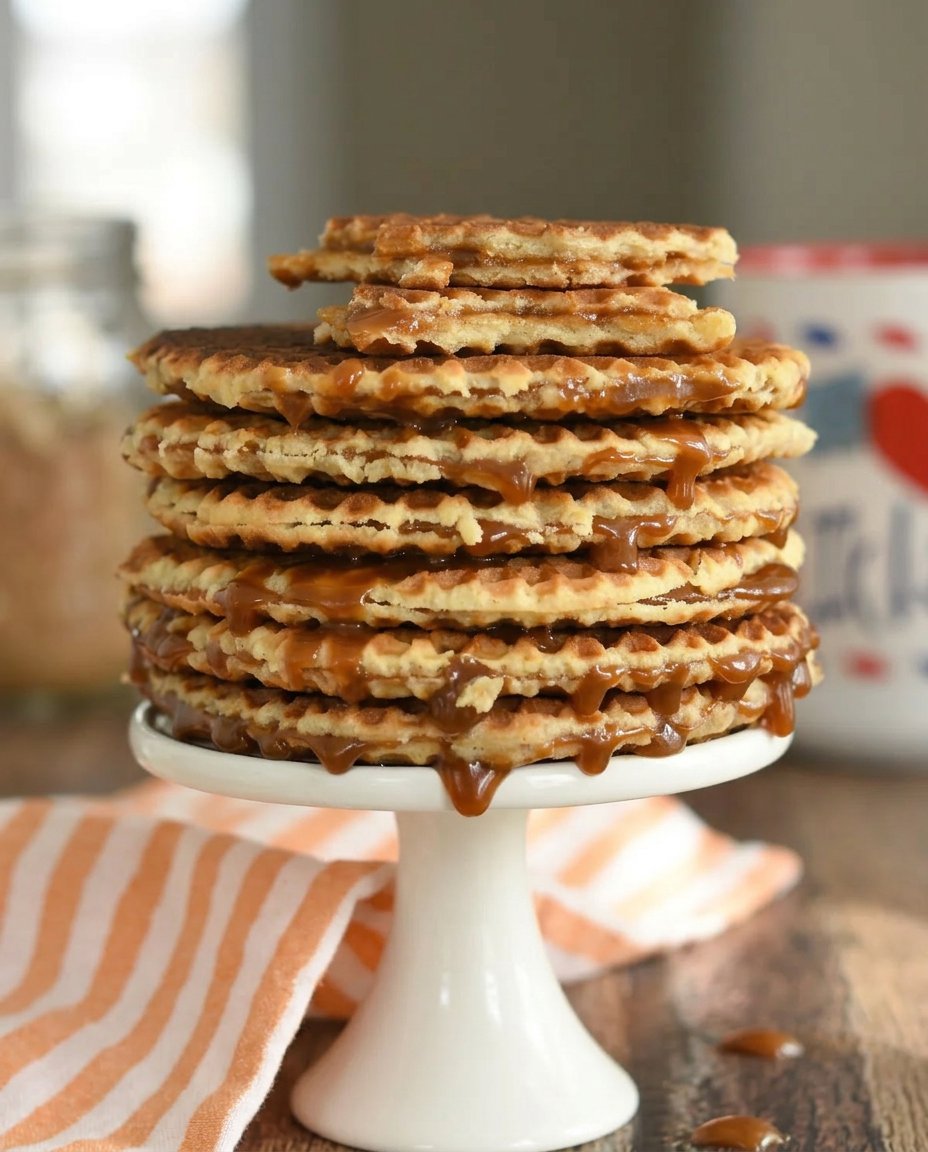
To maximize the flavor release of these Stroopwafel Cookies 2, serve them over a hot beverage. The heat from the drink increases the molecular motion of the fats in the filling, which in turn releases more volatile aroma compounds for you to perceive. This is a great example of Efficient Cookie Methods where the serving temperature actually improves the product’s quality. For a sophisticated pairing, try a dark roast coffee; the bitterness of the coffee provides a structural contrast to the high sugar content of the stroop, creating a balanced taste equilibrium.
The Final Flavor Thesis
Mastering the stroopwafel is a journey through the science of fermentation, caramelization, and thermal physics. Once you understand how the yeast interacts with the flour and how the temperature of the iron dictates the Maillard reaction, you can produce cookies that far surpass any packaged version. For more help with the fine details of cookie aesthetics, check out our tips on Precision Cookie Decorating. I would love to see your results and hear about your flavor discoveries! Please share your bakes with the community on Instagram, Facebook, or Pinterest. Happy baking, and keep questioning the science behind every bite!