Victorian bakers understood that the secret to a successful fruit-filled biscuit lay in the structural integrity of the base dough. This Peach Thumbprint 2 recipe revives that historical precision by employing a specific fat ratio that prevents the dreaded collapse often seen in modern thumbprint attempts. By looking back at 19th-century shortbread techniques, we can achieve a crumb that is both tender and robust enough to support a generous portion of fruit.

The methodical nature of this bake rewards the patient practitioner with a biscuit that balances the sweetness of summer peaches with a buttery, scientific crumb. While simple in its composition, the Peach Thumbprint 2 relies on the physics of fat emulsification to reach its final form. It represents a bridge between mid-century American convenience and classical European technique, resulting in a treat that is as structurally sound as it is flavorful.
The Heritage of the Peach Thumbprint 2
The success of this particular biscuit comes from the specific chemistry of its dough, which creates a stable vessel for the peach filling. Unlike standard sugar cookies, the Peach Thumbprint 2 utilizes a high-fat-to-flour ratio that limits gluten development, resulting in a melt-in-the-mouth sensation that historical bakers called ‘shortness.’ This texture is not an accident; it is the result of proper creaming and the inclusion of both butter and margarine to manage melting points.
Historically, thumbprint cookies allowed home cooks to preserve the bounty of the harvest in a portable format. By using a peach pie filling, we simulate the traditional method of using concentrated fruit preserves that have a lower water activity than fresh fruit. This is a critical technical choice, as excessive moisture from fresh fruit would compromise the structural integrity of the dough during the thermal expansion process. You will appreciate how the cinnamon-infused glaze interacts with the pectin in the filling to create a complex flavor profile that feels timeless yet scientifically precise.
Print
Peach Thumbprint 2
- Total Time: 1 hour 5 mins
- Yield: 12 cookies
- Diet: Vegetarian
Description
These elegant Peach Thumbprint cookies feature a scientifically balanced crumb that combines butter and margarine for the perfect texture. Filled with sweet peach pie filling and finished with a spiced cinnamon glaze, they offer a sophisticated take on a classic Victorian-inspired treat.
Ingredients
- 1/2 cup unsalted butter, softened
- 1/2 cup margarine, softened
- 1/2 cup powdered sugar
- 2 cups all-purpose flour
- 1 teaspoon vanilla extract
- 1/2 cup peach pie filling, finely chopped
- 1 cup additional powdered sugar (for glaze)
- 2 tablespoons milk
- 1/4 teaspoon ground cinnamon
- 1/4 teaspoon vanilla extract (for glaze)
Instructions
- Preheat the oven to 325°F (163°C) and prepare your baking sheets with a light coating of cooking spray.
- In a large glass bowl, cream the softened butter and margarine with a hand-held mixer until the mixture is pale and fluffy.
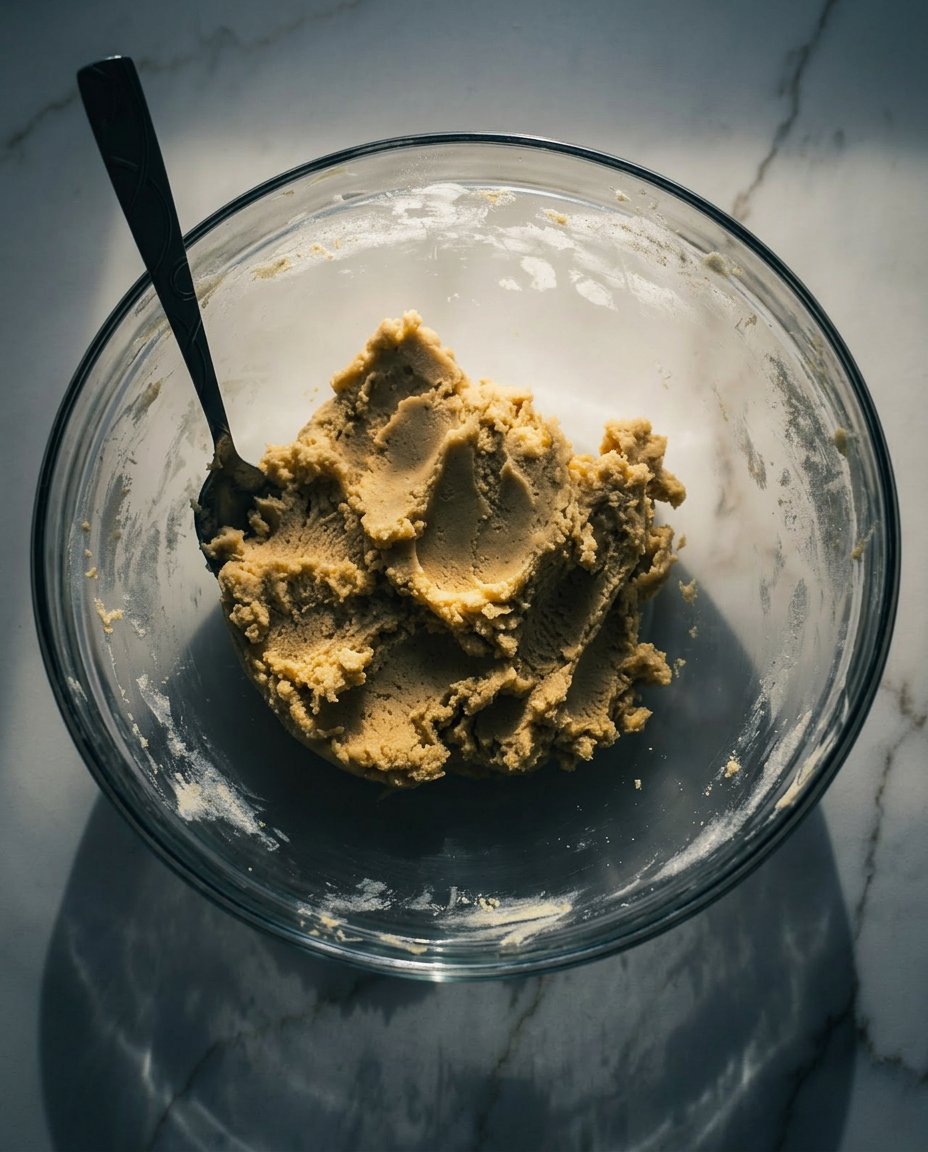
- Using a wooden spoon, gradually stir in the powdered sugar, flour, and vanilla extract until just combined into a pliable dough.
- Shape the dough into two-inch spheres and place them on the prepared baking sheets.
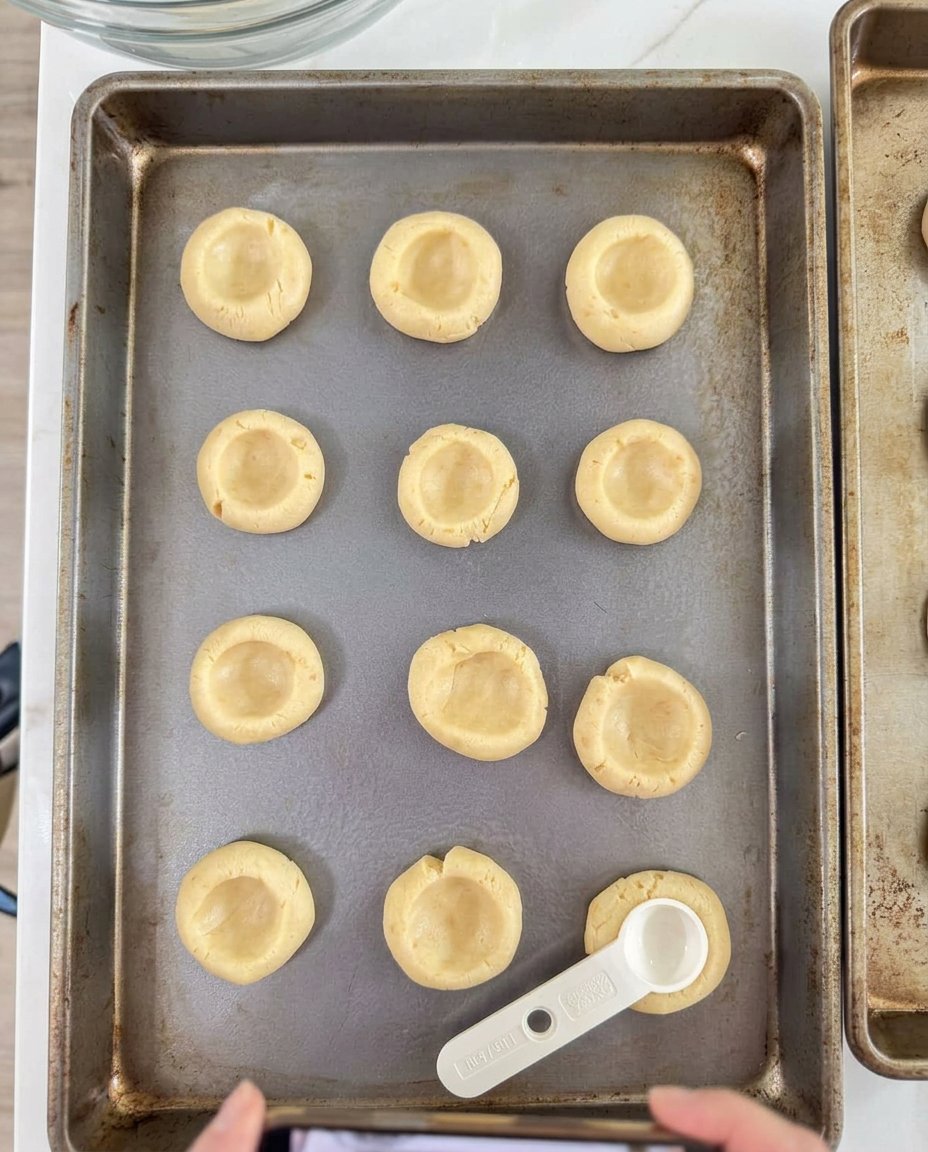
- Use your thumb or a measuring spoon to press a deep, even well into the center of each sphere.
- Fill each well with finely chopped peach pie filling and bake for 12 to 15 minutes until the edges are set.
- Cool on the pan for five minutes before moving to a wire rack; once fully cooled, drizzle with a glaze made of powdered sugar, milk, cinnamon, and vanilla.
Notes
For the cleanest appearance, finely chop the fruit in the pie filling before measuring so it fits neatly into the dough wells. Ensuring your fats are at a consistent room temperature before mixing prevents the dough from spreading too much during baking.
- Prep Time: 20 mins
- Cook Time: 15 mins
- Category: Cookies
- Method: Baking
- Cuisine: American
Components for Technical Precision
To achieve the specific results required for a successful Peach Thumbprint 2, one must pay close attention to the physical properties of the chosen ingredients. The following components are selected for their specific roles in cookie architecture:
- Unsalted Butter and Margarine: The combination of these two fats is a deliberate technical choice. Butter provides the traditional dairy flavor and a low melting point for superior mouthfeel, while margarine offers a higher melting point and specific emulsifiers that help the cookie maintain its shape at 325°F. This blend ensures the indentation does not disappear in the oven.
- Powdered Sugar (Confectioners’ Sugar): Using powdered sugar instead of granulated sugar is a Victorian-era secret for achieving a finer crumb. The cornstarch present in commercial powdered sugar acts as a tenderizer, interfering with gluten strands to create a delicate, sandy texture.
- All-Purpose Flour: A mid-range protein content is essential. Too much protein would make the biscuit tough, while too little would cause it to crumble before it reaches the plate. We want a protein level around 10-11% for the best balance.
- Peach Pie Filling: The pre-cooked nature of pie filling means the fruit pieces have already been stabilized with thickeners. This prevents the juices from leaching into the dough and making it soggy, a common failure in modern fruit bakes.
- Cinnamon and Vanilla: These act as the aromatic backbone, providing a bridge between the creamy fat in the dough and the bright acidity of the peach.
The Methodical Process
Step 1: Thermal Preparation and Pan Coating
Preheat your oven to 325°F (163°C). This lower-than-average temperature is a classic technique used to allow the heat to penetrate the thick center of the thumbprint without over-browning the edges. Prepare your baking sheets with a light coating of cooking spray to allow for the high fat content to release cleanly after the cooling phase.
Step 2: Fat Emulsification and Aeration
In a large glass bowl, combine the softened butter and margarine. Using a hand-held electric mixer on a medium setting, cream the fats until they are pale and fluffy. This process is not merely about mixing; it is about trapping tiny air bubbles within the fat matrix, which will later expand in the oven to provide lift without the need for chemical leavening agents.
Step 3: Incorporating Solids and Aromatics
Transition to a sturdy wooden spoon for this phase. Gradually stir in the powdered sugar, flour, and vanilla extract. It is vital to mix until just combined. Over-mixing at this stage would develop the gluten in the flour, turning a tender biscuit into a chewy bread-like texture. The dough should feel heavy and slightly pliable, much like modeling clay.
Step 4: Geometric Shaping and Indentation
Divide the dough into two-inch spheres. Each sphere should be rolled between the palms until the surface is smooth and free of cracks. Place them on the prepared sheets with sufficient spacing. Using a rounded measuring spoon or a clean thumb, press a deep, even well into the center of each ball. This creates the architectural cradle for our fruit filling.
Step 5: The Filling and Thermal Application
Finely chop the peach pieces from the pie filling to ensure they fit within the indentation. Spoon a measured amount into each well. Transfer the sheets to the oven and bake for 12 to 15 minutes. The biscuits are done when the edges are set but not significantly browned, preserving the pale aesthetic of traditional shortbread. Let them rest on the sheet for five minutes before moving to a wire rack.
Step 6: Glaze Application and Final Setting
Sift the powdered sugar into a small bowl to remove any lumps that would clog your piping bag. Whisk in the milk, cinnamon, and vanilla until the viscosity resembles heavy cream. Transfer the mixture to a plastic bag, snip a minuscule corner, and apply a precise drizzle over the fully cooled cookies. Allow the glaze to set for 30 minutes to form a dry, crisp shell.
Historical Wisdom and Precision Methods
For the best results, always temper your fats by letting them sit at room temperature for precisely one hour. If the butter is too cold, the emulsion will be broken; if too warm, the dough will lose its structural memory and spread too thin. Victorian kitchens were often cooler than modern ones, so aim for a room temperature of approximately 68°F. If your dough feels too soft after shaping, a fifteen-minute rest in the refrigerator can help stabilize the fats before they hit the heat. This is a common practice in our Efficient Cookie Methods that guarantees a consistent height across the entire batch. Finally, always sift your dry ingredients to ensure even distribution and to avoid the structural weaknesses caused by sugar clumps.
Regional Differences and Tested Adaptations
While the Peach Thumbprint 2 is a classic, you can adapt the filling based on historical regional preferences. In the American South, a dollop of peach preserves is often used instead of pie filling for a more intense sweetness. If you prefer a more British approach, similar to a Shrewsbury biscuit, you might replace the peach with a sharp lemon curd or a raspberry jam. For those investigating different textures, our Foundation Cookie Recipes provide a baseline for adjusting the flour-to-fat ratio to create a crunchier or softer base. You can also substitute the cinnamon in the glaze with nutmeg or mace for a deeper, more historical spice profile that was popular in early 20th-century baking.
Traditional Service and Classic Enjoyment
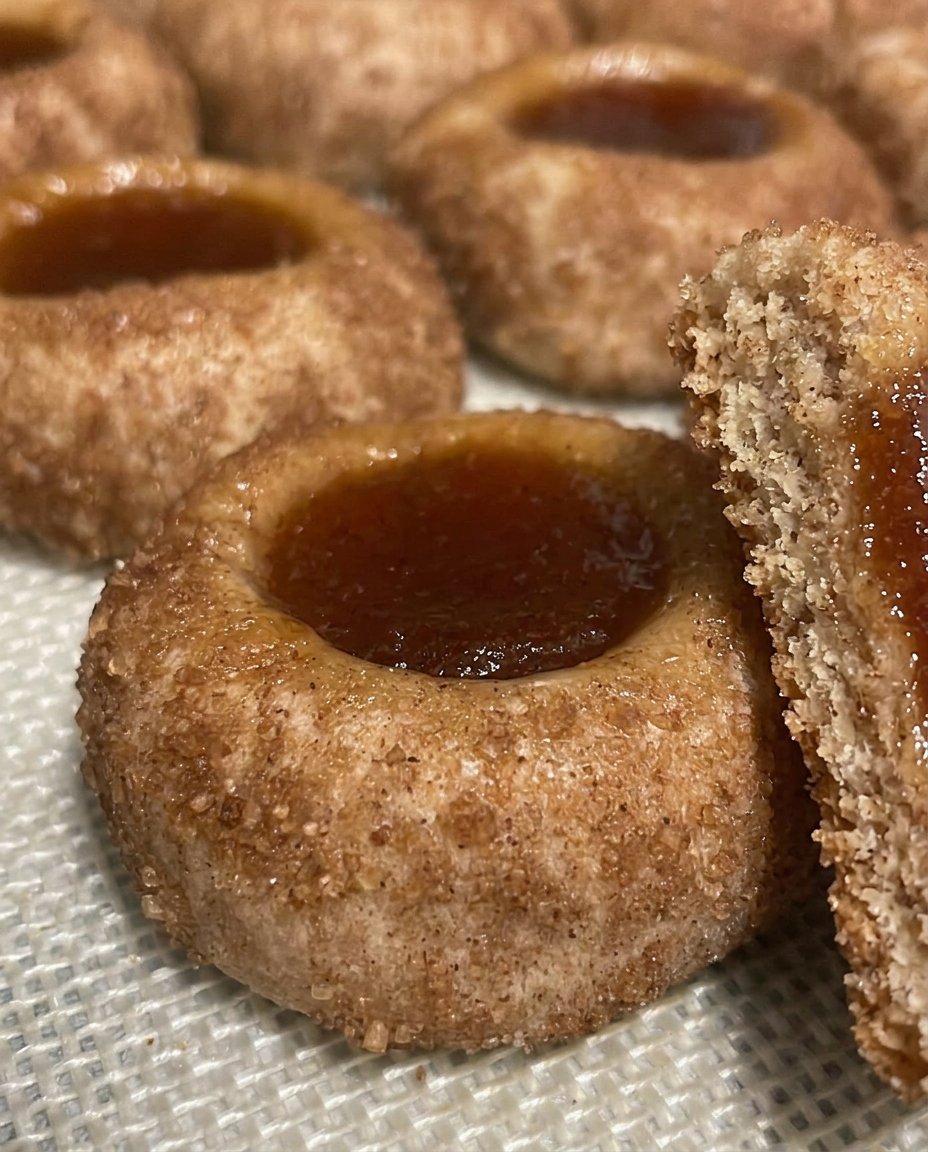
The Peach Thumbprint 2 is best served in the traditional British style alongside a pot of Earl Grey or Darjeeling tea. The tannins in the tea provide a sophisticated counterpoint to the buttery richness of the biscuit and the sweetness of the glaze. For a more formal presentation, place the cookies on a tiered bone china stand, which honors the heritage of the afternoon tea service. If you are preparing these for a gathering, you can find more presentation ideas in our guide to Precision Cookie Decorating. Always allow the cookies to reach room temperature before serving to ensure the fat has the correct mouthfeel and the peach flavor is fully expressed.
The Technical Truth
Mastering the Peach Thumbprint 2 is a rewarding exercise in understanding how historical techniques and modern ingredients can work in harmony. By respecting the creaming process and maintaining temperature control, you produce a biscuit that is a testament to the precision of the craft. These cookies are more than just a sweet treat; they are a piece of culinary history that continues to delight generations. For more insights into the chemistry of baking, explore our Holiday Cookie Science to refine your skills. Join our community of dedicated bakers on Facebook, Instagram, and Pinterest to share your results and discuss the science of the perfect bake.