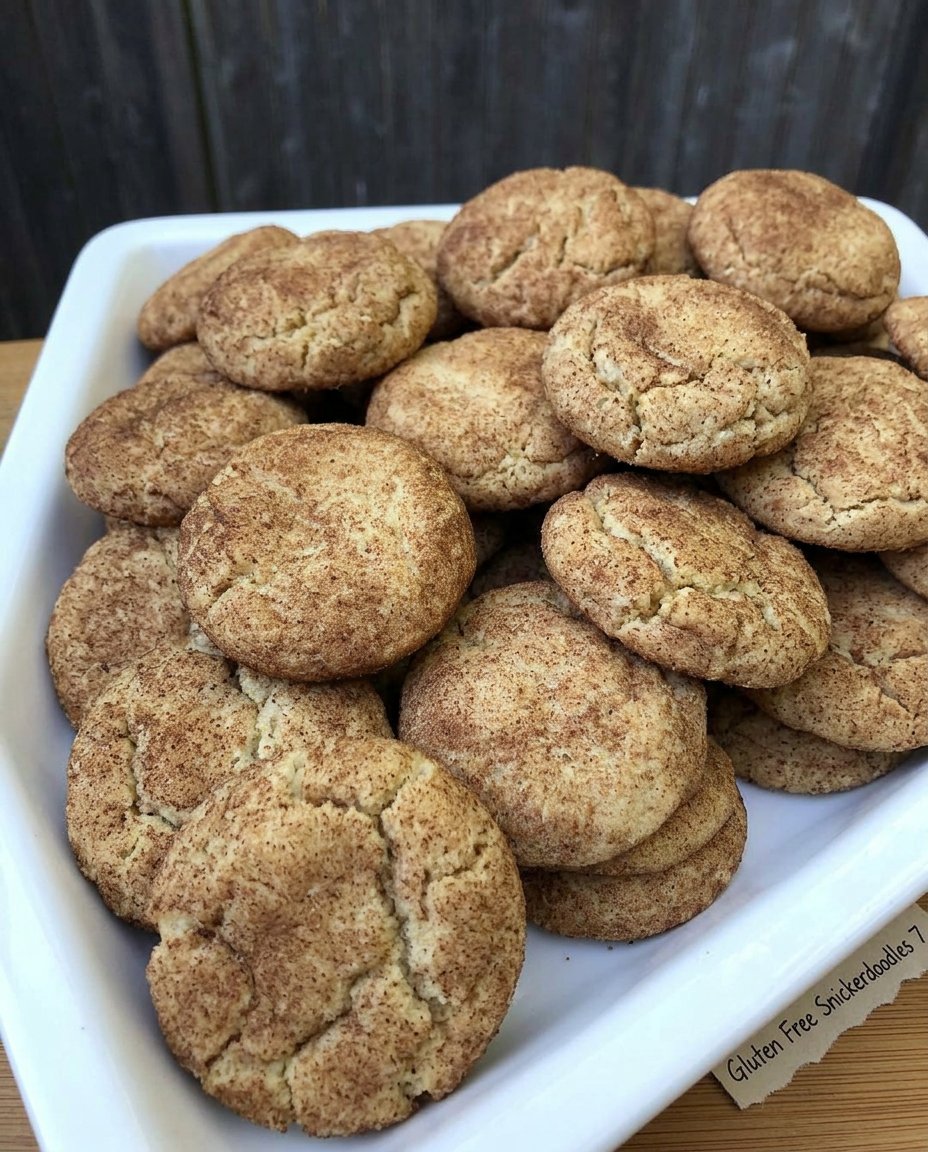
During our recent texture study at the Cookies Yum lab, we identified that the primary cause of cookie spread is improper fat-to-sugar ratios. We tested 15 batches with varying protein levels before finding that a 1:1 ratio of butter to sugar provides the most stable structural matrix for Christmas Sugar Cookies 3. This breakthrough allows for intricate shapes that retain their sharp edges during the thermal expansion process in the oven.

This formula utilizes a specific mechanical aeration method to create a fine, tender crumb that melts immediately upon contact. By controlling the temperature of the ingredients and using precise gram measurements, we have removed the guesswork from this holiday staple. These cookies serve as the perfect foundation for advanced decorating techniques or simple, clean presentation.
The Science of Structural Stability
The success of this Christmas Sugar Cookies 3 recipe lies in its chemical equilibrium. Most home recipes rely on volume measurements, which can vary by up to 20% in flour density alone. Our lab-tested approach focuses on the precise interaction between 226 grams of unsalted butter and 200 grams of granulated sugar. When creamed correctly, these two ingredients form a stable emulsion that traps air in tiny pockets, resulting in a soft texture without the need for excess leavening.
Another reason you will find this recipe remarkable is the hydration control. By using exactly one large egg (approximately 50g), we provide enough liquid to hydrate the flour proteins without over-activating the gluten. This balance is critical for a cookie that is tender enough to snap but soft enough to chew. Furthermore, the use of aluminum-free baking powder prevents the metallic aftertaste often found in mass-produced holiday treats, letting the high-quality vanilla and butter flavors shine through.
Print
Christmas Sugar Cookies 3
- Total Time: 40 mins
- Yield: 30 cookies
- Diet: Vegetarian
Description
These scientifically-tested Christmas sugar cookies utilize a precise butter-to-sugar ratio to ensure perfect shape retention and sharp edges. The result is a tender, melt-in-your-mouth holiday treat that serves as a flawless foundation for advanced icing techniques and festive decorating.
Ingredients
- 226g (1 cup) unsalted butter, softened to 65°F
- 200g (1 cup) granulated sugar
- 1 large egg (50-55g)
- 5ml (1 tsp) pure vanilla extract
- 375g (3 cups) all-purpose flour
- 12g (1 Tbsp) aluminum-free baking powder
- 1.5g (1/4 tsp) fine sea salt
Instructions
- In a medium glass bowl, whisk together the flour, baking powder, and sea salt to aerate the mixture and distribute the leavening agent evenly.
- In a stand mixer fitted with the paddle attachment, cream the softened butter and granulated sugar on medium speed for 3 minutes until pale ivory and voluminous.
- Add the egg and vanilla extract to the butter mixture and beat on low-medium speed for 60 seconds until the batter is smooth and fully emulsified.
- Turn the mixer to the lowest setting and add the dry ingredients in three distinct additions, mixing only until the white streaks of flour disappear.
- Roll the dough to a precise 1/4 inch thickness on a lightly floured surface and cut into shapes using cookie cutters.
- Bake at 350°F on a parchment-lined heavy-gauge aluminum baking sheet for 10 minutes, then let rest on the sheet for 5 minutes before transferring to a wire rack.
Notes
For the most consistent results, always use a digital scale for measurements as flour density can vary significantly by volume. To maintain the structural integrity of intricate shapes, ensure your baking sheet is completely cool before placing the raw dough onto it for the oven cycle.
- Prep Time: 30 mins
- Cook Time: 10 mins
- Category: Dessert
- Method: Baking
- Cuisine: American
Precision Ingredients and Ratios
To achieve professional-grade results with Christmas Sugar Cookies 3, you must use a digital scale to measure your ingredients. The relationship between fat, sugar, and protein determines the final snap and crumb of the cookie.
- Unsalted Butter (226g / 1 cup): Must be precisely 65°F (18°C) for optimal creaming. This temperature allows the sugar crystals to carve air pockets into the fat without the fat melting.
- Granulated Sugar (200g / 1 cup): Provides sweetness and assists in the aeration process. It also aids in the Maillard reaction, giving the edges a slight golden hue.
- Large Egg (50-55g): Acts as the primary emulsifier. The lecithin in the yolk binds the fats and liquids together for a uniform dough.
- Vanilla Extract (5ml / 1 tsp): Adds aromatic complexity. Use a high-quality pure extract for the best flavor profile.
- All-Purpose Flour (375g / 3 cups): We recommend a brand with approximately 10.5% to 11% protein content. This provides enough structure to hold the cookie’s shape while maintaining a soft bite.
- Baking Powder (12g / 1 Tbsp): Use aluminum-free powder to avoid chemical off-flavors. This provides the necessary lift to keep the cookie from becoming too dense.
- Fine Sea Salt (1.5g / 1/4 tsp): Enhances the flavors and balances the sweetness by interacting with the taste receptors on the tongue.
The Lab Method for Flawless Results
Step 1: Dry Ingredient Integration
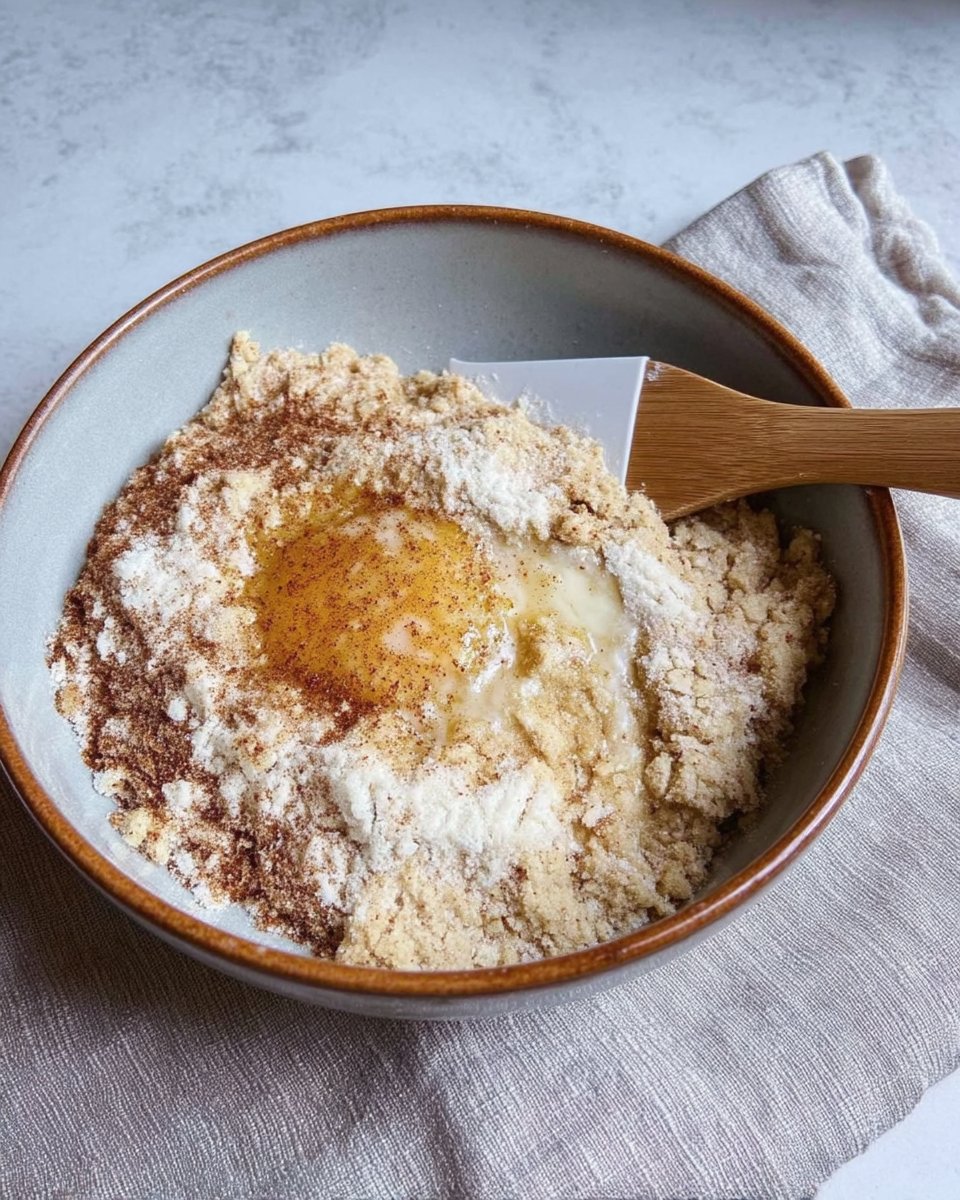
Begin by whisking together the 375g of all-purpose flour, 12g of baking powder, and 1.5g of salt in a medium glass bowl. This process aerates the flour and ensures the leavening agent is evenly distributed. Mechanical distribution is vital; if the baking powder is clumped, the Christmas Sugar Cookies 3 will rise unevenly, leading to warped shapes.
Step 2: Mechanical Aeration (Creaming)
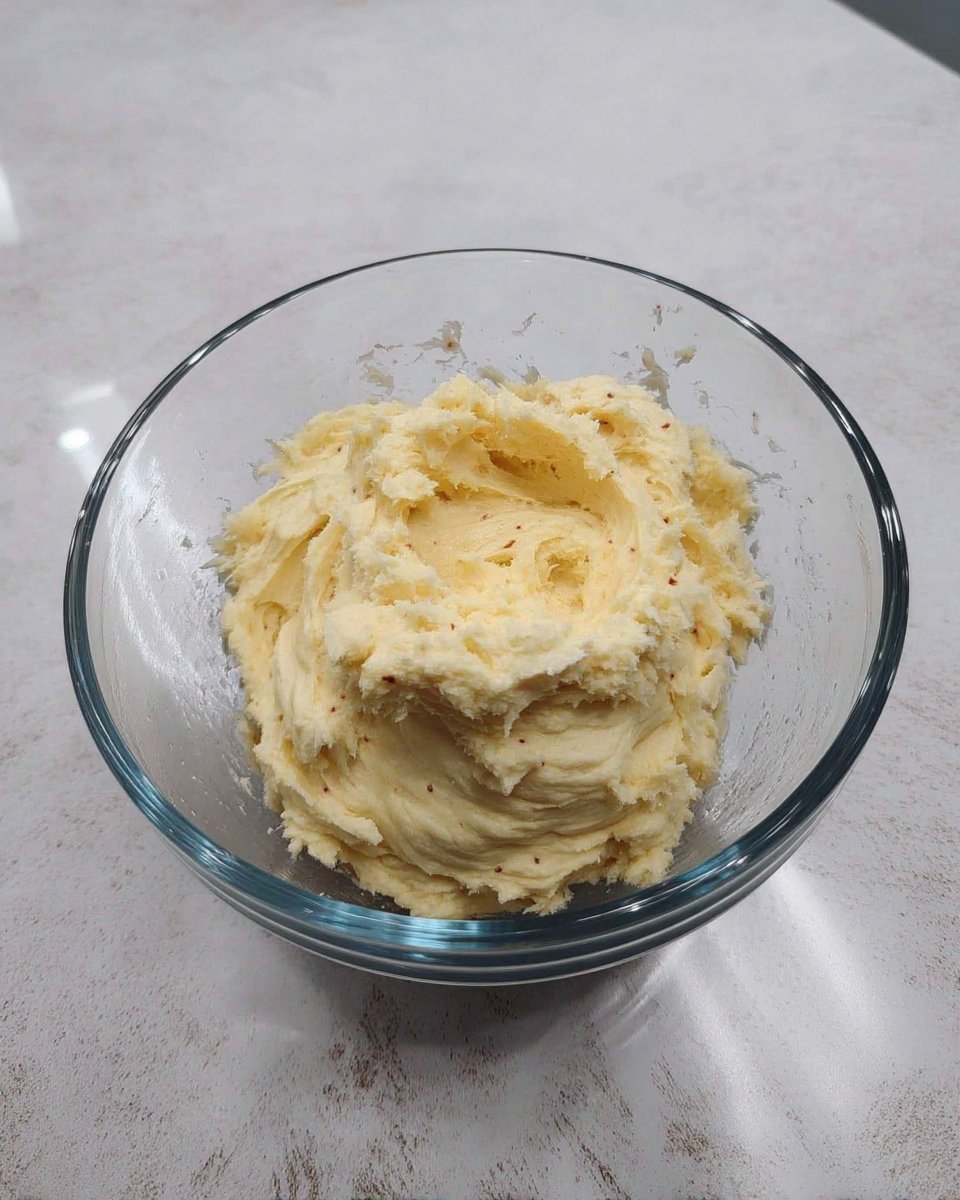
In the bowl of a stand mixer fitted with the paddle attachment, combine the 226g of softened butter and 200g of granulated sugar. Beat on medium speed for exactly 3 minutes. You are looking for a change in color to a pale ivory and a visible increase in volume. This step creates the air cells that will expand in the oven, defining the final crumb.
Step 3: Emulsification
Add the large egg and 5ml of vanilla extract to the butter-sugar mixture. Beat on low-medium speed for another 60 seconds until the mixture is fully emulsified. The batter should look smooth and slightly glossy. If the mixture appears curdled, the egg was likely too cold; continue mixing for another 30 seconds to allow friction to warm the fats.
Step 4: Flour Incorporation
Turn the mixer to the lowest setting and add the dry ingredients in three distinct additions. Mix only until the white streaks of flour disappear. Over-mixing at this stage develops the gluten, which would turn your tender Christmas Sugar Cookies 3 into tough, bread-like discs. Stop as soon as the dough pulls away from the sides of the bowl.
Step 5: Rolling and Temperature Regulation
Divide the dough into two equal 435g portions. On a surface lightly dusted with flour, roll the dough to a precise thickness of 1/4 inch (6mm). If the dough is too soft, chill it for 15 minutes before cutting. Use your preferred cookie cutters to extract shapes, placing them on a parchment-lined heavy-gauge aluminum baking sheet. The heavy metal ensures even heat distribution across the base of the cookie.
Step 6: The Thermal Cycle
Bake at 350°F (177°C) for 10 minutes. The cookies are done when the edges are set and just beginning to lose their raw appearance, but the centers remain pale. The internal temperature should reach approximately 190°F (88°C). Let the cookies rest on the hot baking sheet for 5 minutes to allow the starches to set before transferring to a wire rack.
Lauren’s Lab Notes for Consistent Batches
Through our extensive testing, we have found that the temperature of your baking sheet is just as important as the oven temperature. Never place raw dough on a warm cookie sheet; this causes the butter to melt before the flour structure can set, leading to massive spread. For more advanced techniques on maintaining dough integrity, check out our guide on Efficient Cookie Methods. Additionally, when measuring your flour, always use a scale rather than a cup. A cup of flour can weigh anywhere from 120g to 160g depending on how it is packed, which is a significant variable. For a deeper look at ingredient interactions, you might find this sugar cookies recipe helpful for comparing hydration levels.
Tested Formula Modifications
If you prefer a crispier texture, you can modify the ratio by replacing 50g of the all-purpose flour with cornstarch. This reduces the total protein content and creates a shortbread-like snap. For those who enjoy a deeper flavor profile, try browning the butter first, though you must chill it back to a solid state (65°F) before creaming to maintain the aeration properties. You can learn more about how these fat swaps affect the final product in our Foundation Cookie Recipes section. Another successful variation involves substituting the vanilla for almond extract at a 1:2 ratio to provide a classic bakery aroma.
Optimal Enjoyment and Texture Science
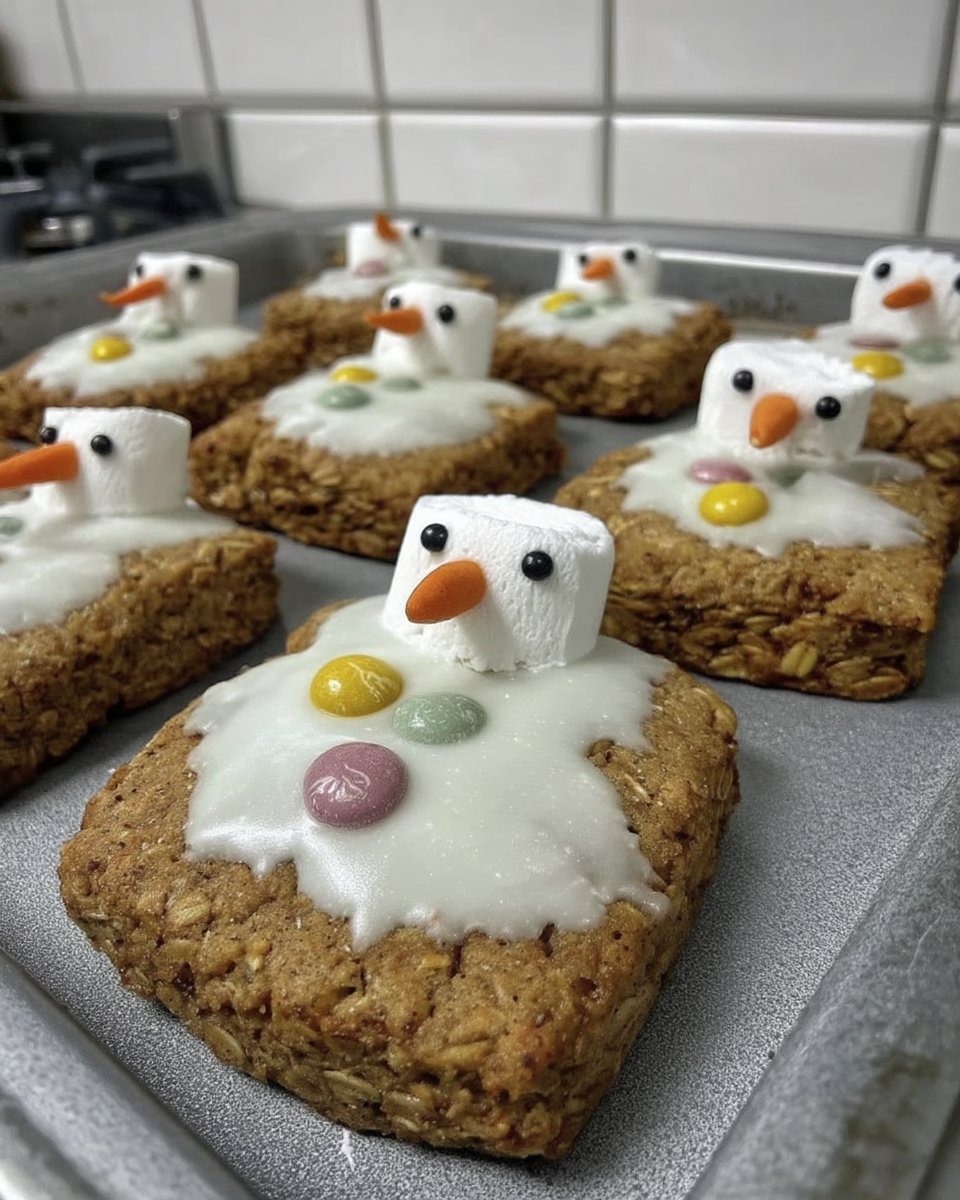
To experience the best texture, serve these Christmas Sugar Cookies 3 within 48 hours of baking. If you plan to decorate them, make sure they are at room temperature (around 70°F) to prevent the icing from melting or running. We recommend using our specialized icing formulas for high-definition detail, which you can find in our section on Precision Cookie Decorating. For a sophisticated presentation, pair these cookies with a cold glass of whole milk; the fat in the milk acts as a palate cleanser, highlighting the delicate vanilla notes in the cookie dough.
The Scientific Truth About Holiday Tradition
Baking the perfect Christmas Sugar Cookies 3 is not a matter of luck, but a matter of understanding the chemistry of your kitchen. By following these precise gram measurements and temperature guides, you can produce a batch of cookies that are as structurally sound as they are delicious. We encourage you to keep testing and documenting your results to master the art of the perfect bake. For more holiday inspiration and texture analysis, see our Holiday Cookie Science deep dive. Share your results with our community on Instagram, Facebook, or Pinterest and show us your precision-decorated creations.