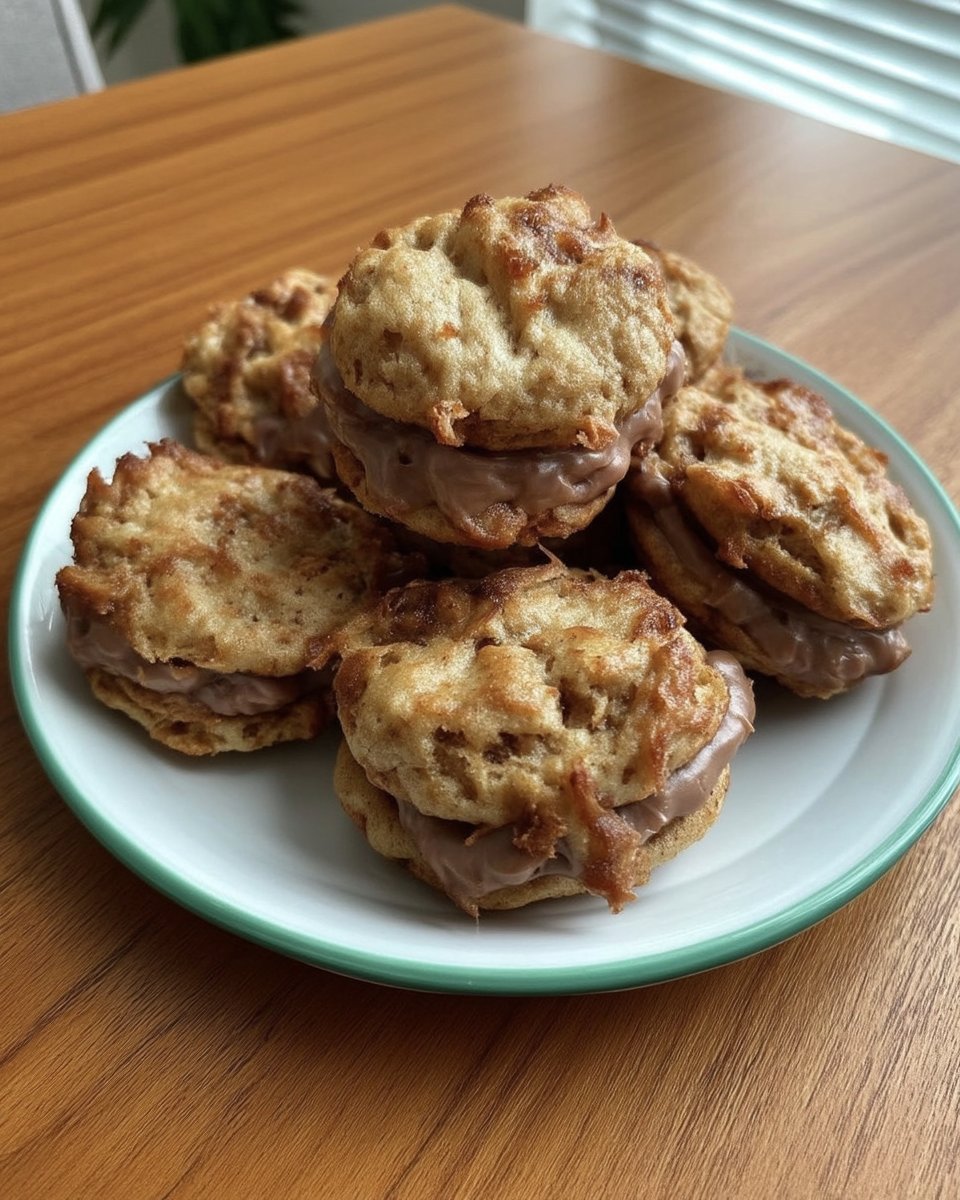
The concept of starch-based biscuitry without wheat proteins dates back to Victorian experiments with potato and corn flours, where bakers sought specific textures for tea-time treats. While the modern Gluten Free Chocolate Chip cookie is a contemporary necessity, the underlying chemistry relies on the same principles of moisture retention and protein balance that 19th-century pastry chefs mastered. This recipe bridges the gap between historical wisdom and modern gluten chemistry to produce a cookie that rivals its wheat-based predecessors.

Achieving a soft, chewy texture without the structural support of gluten requires a methodical approach to fat distribution and dough hydration. By incorporating brown butter and a mandatory rest period, we allow the rice-based starches to fully absorb the liquid, eliminating the gritty mouthfeel often found in substandard bakes. This method ensures a robust structure and a complex flavor profile that honors the traditions of high-quality British baking.
The Tradition of Technical Precision
This recipe is a masterclass in how fat and sugar interact in the absence of a traditional gluten network. Most gluten-free recipes fail because they treat the ingredients as simple substitutions, but this method respects the science of starch gelatinization. By browning the butter, you create a rich, nutty foundation that masks the neutral profile of many flour blends.
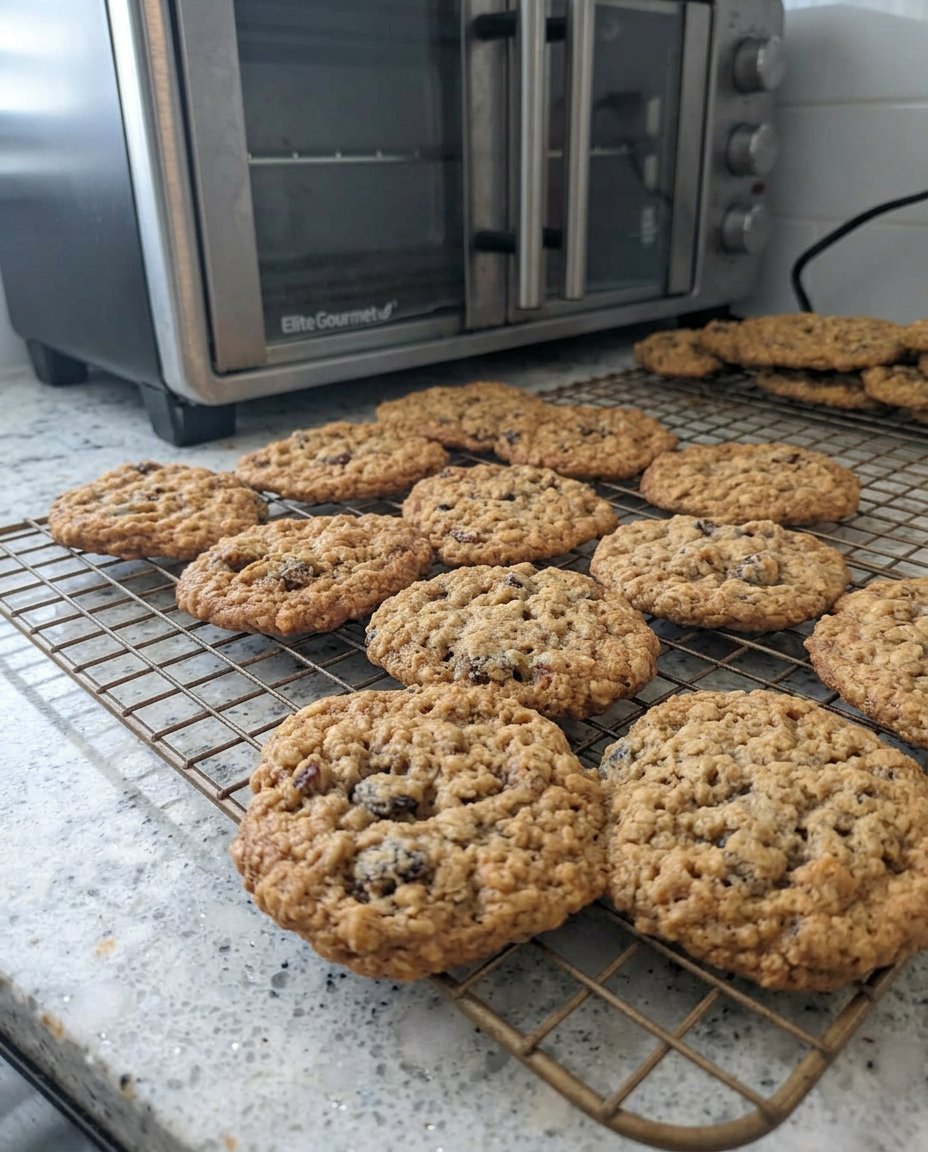
The inclusion of almond flour provides the necessary protein and healthy fats to create a tender, soft crumb that stays moist for days. Historically, bakers used ground nuts to add weight and richness to gluten-light sponges, and that same principle applies here. You will appreciate the remarkable balance of the Gluten Free Chocolate Chip texture—crispy on the edges with a center that remains perfectly pliable.
Print
Gluten Free Chocolate Chip
- Total Time: 57 mins
- Yield: 20 cookies
- Diet: Gluten-Free
Description
These sophisticated gluten-free cookies utilize the nutty depth of browned butter and the protein-rich structure of almond flour to create a chewy, professional-grade texture. A mandatory 30-minute rest period ensures perfect hydration, resulting in a treat that rivals any traditional wheat-based biscuit.
Ingredients
- 1 ½ cups Gluten-Free Measure-for-Measure Flour (containing xanthan gum)
- ½ cup Almond Flour
- ½ teaspoon Baking Soda
- ½ teaspoon Kosher Salt
- ½ cup Unsalted Butter
- 1 tablespoon Milk
- ½ cup Light Brown Sugar, packed
- ¼ cup Granulated Sugar
- 1 Large Egg, room temperature
- 1 teaspoon Vanilla Extract
- 1 cup Semi-sweet Chocolate Chips
Instructions
- In a medium bowl, whisk together the gluten-free flour, almond flour, baking soda, and salt until well aerated.
- Melt the butter in a medium skillet over medium-low heat; stir continuously once foaming until it turns deep golden brown and smells nutty, then transfer to a bowl immediately.
- Whisk the milk, brown sugar, and granulated sugar into the warm brown butter, then add the egg and vanilla extract, whisking until the mixture is smooth and creamy.
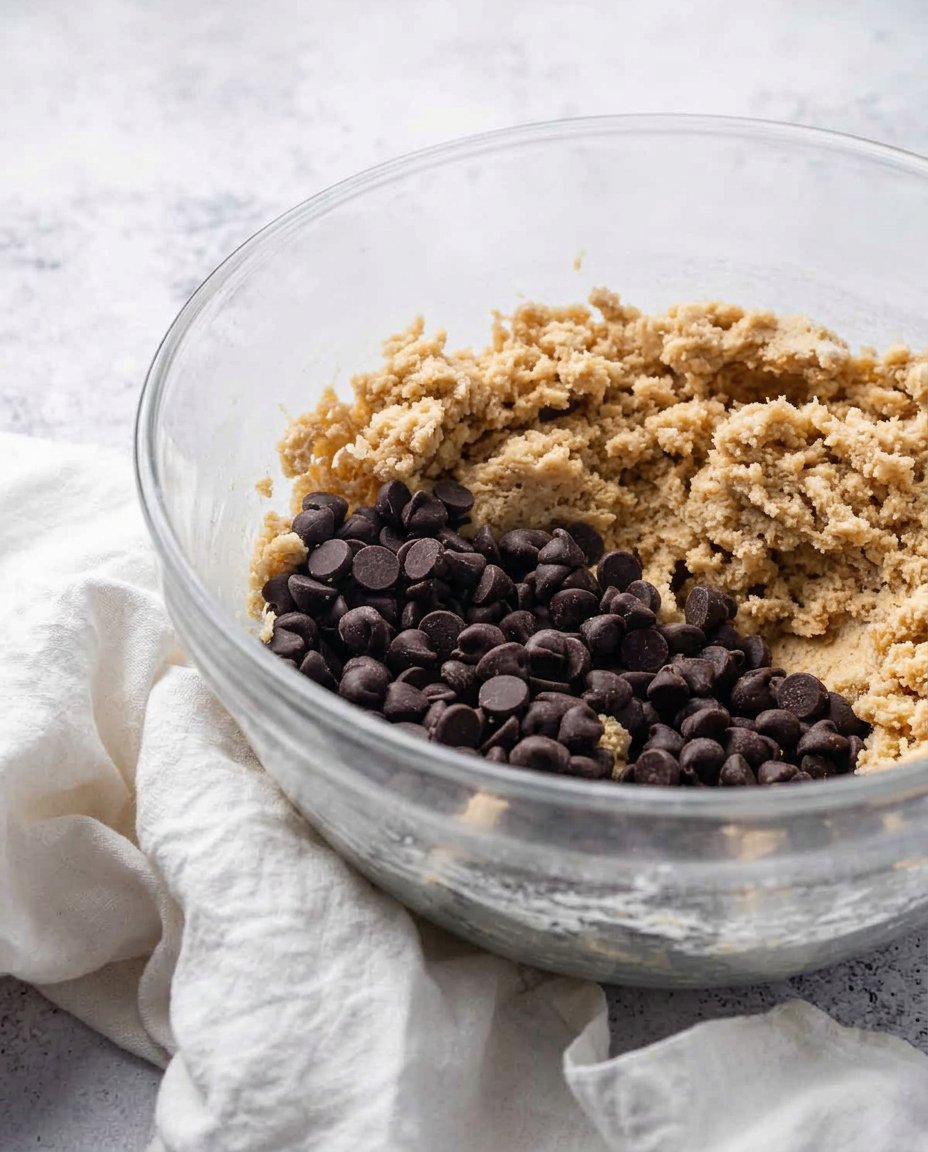
- Using a rubber spatula, fold the dry ingredients into the wet mixture until no streaks of flour remain, then fold in the chocolate chips.
- Cover the dough and let it rest at room temperature for at least 30 minutes to allow the starches to hydrate.
- Preheat your oven to 350°F (175°C) and line baking sheets with parchment paper.
- Scoop the dough into 2-tablespoon balls and place them 2 inches apart on the prepared sheets.
- Bake for 10-12 minutes until the edges are golden brown and the center is set but soft.
- Allow the cookies to cool on the sheet for 5 minutes before transferring to a wire rack.
Notes
To ensure a perfectly cohesive emulsion, always use a room-temperature egg so the warm browned butter does not seize upon contact. If your specific gluten-free flour blend does not already include xanthan gum, add half a teaspoon to the dry ingredients to provide the necessary structural binding for a chewy crumb.
- Prep Time: 45 mins
- Cook Time: 12 mins
- Category: Dessert
- Method: Baking
- Cuisine: American
Proper Components for a Successful Bake
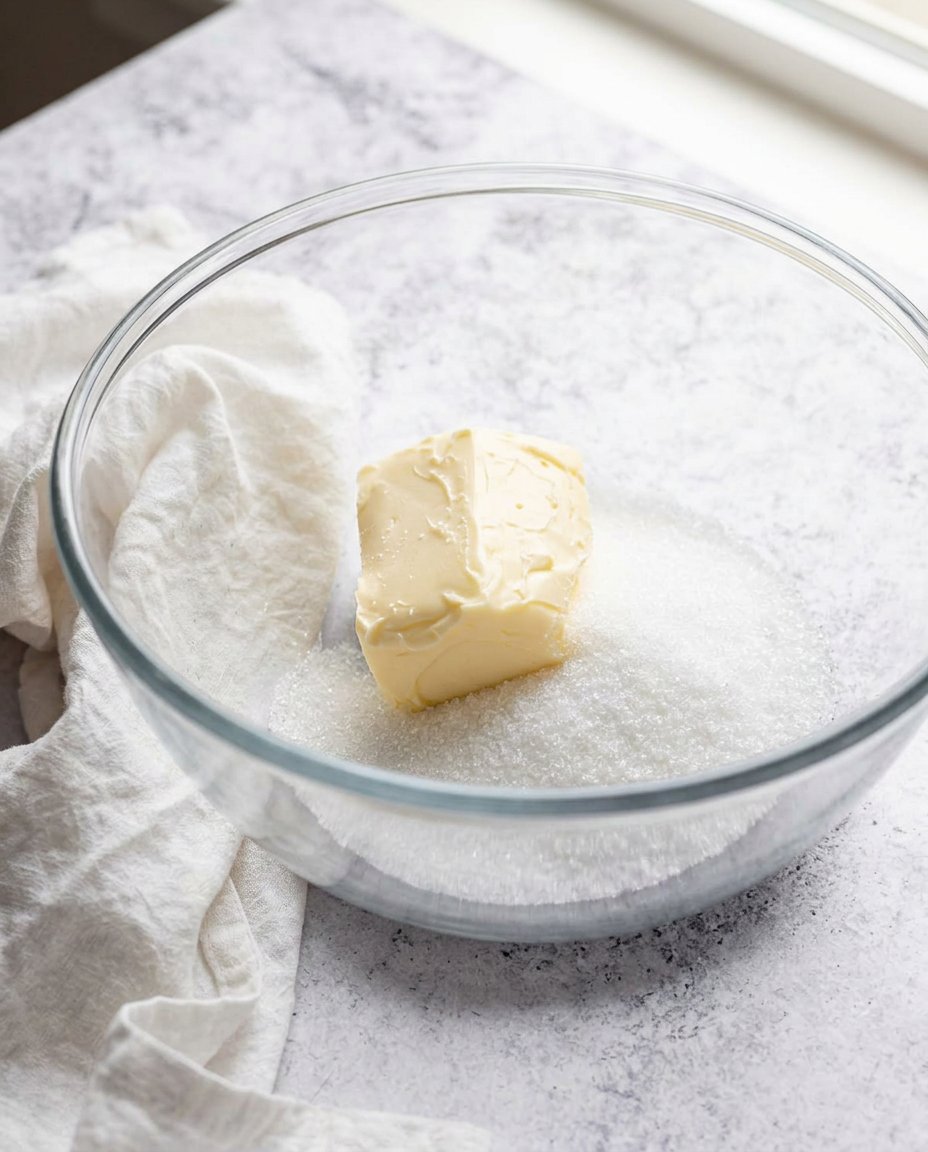
Success in a gluten-free kitchen is dependent on the quality and ratio of your components. We do not simply replace wheat; we re-engineer the dough structure to support the weight of the chocolate and sugar.
- Gluten-Free Measure-for-Measure Flour: Choose a blend containing xanthan gum, which acts as the binder that gluten normally provides. The starch-to-protein ratio in brands like King Arthur or Bob’s Red Mill is calculated for optimal hydration.
- Almond Flour: This adds essential lipids and protein, which prevents the cookie from becoming overly brittle or crumbly after cooling.
- Brown Butter (Beurre Noisette): Browning the butter removes water and toasts the milk solids, creating a concentrated flavor that is a hallmark of classic French and British pastry.
- Brown and Granulated Sugars: The ratio here is deliberate. Brown sugar provides the hygroscopic properties needed for chewiness, while granulated sugar aids in the Maillard reaction for golden edges.
- Kosher Salt and Leavening: Baking soda reacts with the acidic components of the brown sugar to provide lift, while kosher salt provides the necessary contrast to the richness of the fats.
The Proper Method for Technical Success
Step 1: Prepare the Dry Foundation
In a medium bowl, whisk together the gluten-free flour, almond flour, baking soda, and salt. It is vital to aerate these ingredients to ensure even distribution of the leavening agent. Victorian bakers often sifted their dry goods multiple times to ensure the finest possible texture, a practice that remains valid when working with fine-milled rice flours.
Step 2: Develop the Brown Butter
Melt the butter in a medium skillet over medium-low heat, stirring occasionally. Once the butter begins to foam, stir continuously to prevent the milk solids from sticking to the skillet. Watch for the transition from yellow to a deep golden brown. This process, known as the Maillard reaction, creates the aromatic compounds that define a professional-grade cookie. Remove from heat and transfer to a bowl immediately to stop the cooking.
Step 3: Emulsify the Sugars and Fats
Add the milk, brown sugar, and granulated sugar to the warm brown butter. Whisk vigorously to combine. The heat from the butter will partially dissolve the sugar crystals, which leads to a smoother surface on the finished cookie. Add the egg and vanilla extract, whisking until the mixture is smooth and creamy. This emulsion is the key to a cohesive dough.
Step 4: Integrate and Hydrate
Using a rubber spatula, fold the dry ingredients into the wet mixture until no streaks of flour remain. Fold in the chocolate chips with care to avoid breaking them. At this stage, the dough will appear soft. This leads to the most critical technical step: the rest. Cover and let the dough sit at room temperature for at least 30 minutes. This allows the starches in the gluten-free blend to hydrate, preventing a gritty texture.
Step 5: Portion and Bake
Preheat your oven to 350°F (175°C). Line your baking sheets with parchment paper to prevent sticking and ensure even heat distribution. Scoop the dough into 2-tablespoon balls and place them 2 inches apart. Bake for 10-12 minutes. The edges should be golden brown, while the center appears slightly set but soft. Allow them to cool on the sheet for 5 minutes before transferring to a wire rack. This carry-over cooking time is essential for the structure to firm up.
Jordan’s Technique Notes for Perfection
Precision is the difference between a good cookie and a professional bake. Always weigh your flour in grams if possible; volume measurements are notoriously inaccurate in gluten-free baking due to how different starches settle. If your dough feels too greasy, your butter might have been too hot when you added the sugars. Let the butter cool for five minutes before mixing.
Temperature control is paramount. If your kitchen is particularly warm, the dough may spread too much. In such cases, a brief chill in the refrigerator can help maintain the cookie’s height. For those looking to master more fundamental skills, visit our guide on Foundation Cookie Recipes to understand the base ratios that govern all successful doughs. Always ensure your egg is at room temperature to prevent the melted butter from seizing during the emulsification process.
Tested Adaptations and Regional Differences
While the classic Gluten Free Chocolate Chip cookie is a standard, variations can be made with the same scientific rigor. For a dairy-free version, use a high-quality vegan butter stick, though you must skip the browning step as plant-based fats do not contain the milk solids necessary for Beurre Noisette. If you require a nut-free option, replace the almond flour with an equal weight of your gluten-free flour blend.
In some British traditions, a hint of nutmeg or cinnamon is added to provide a warm, spiced undertone reminiscent of a digestive biscuit. You might also consider using chopped dark chocolate bars instead of chips for a more sophisticated melt. For more ideas on how to adapt your bakes for specific times of the year, see our section on Holiday Cookie Science. Regardless of the variation, maintain the 30-minute rest period to ensure the structural integrity of the bake.
Traditional Service and Classic Enjoyment
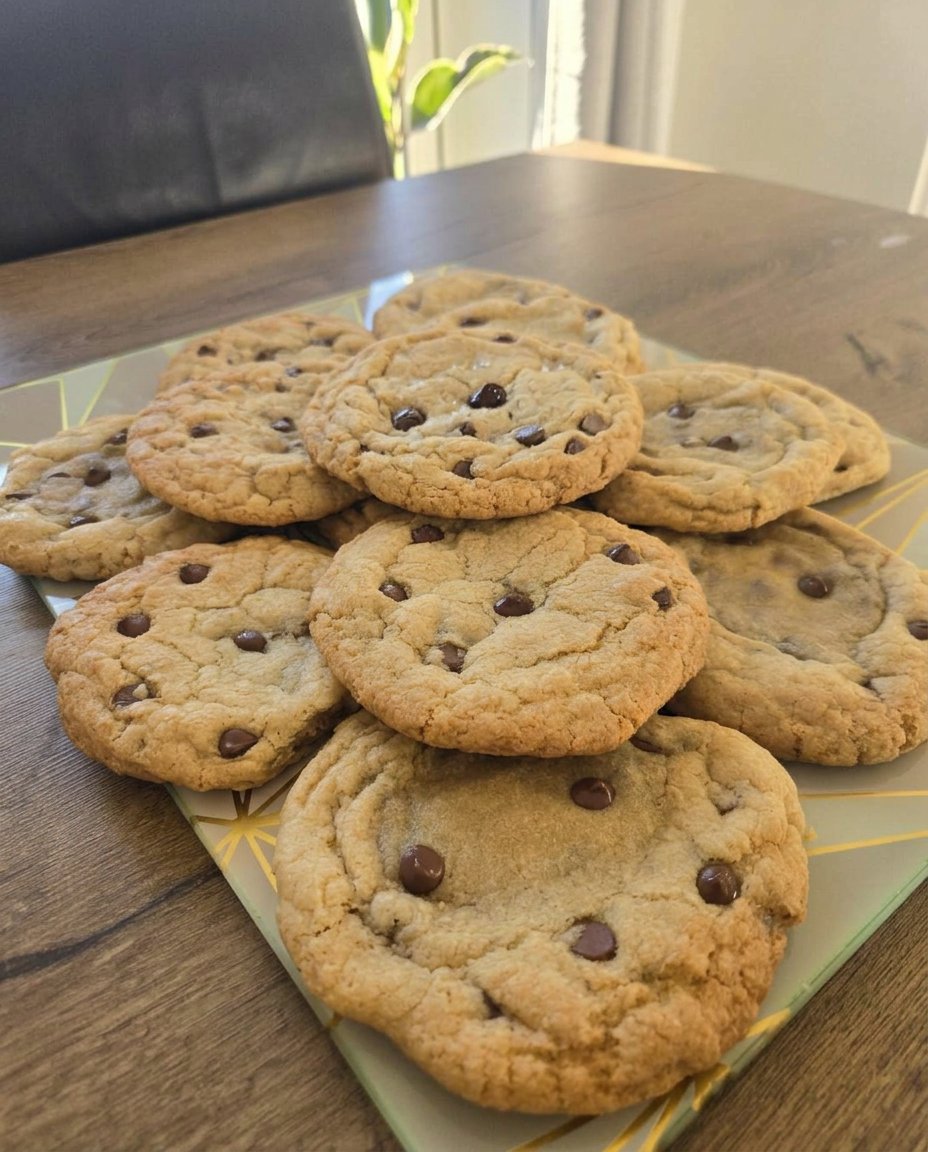
In the British tradition, a cookie of this quality is best served with a properly brewed cup of Earl Grey or a strong breakfast tea. The tannins in the tea provide a sophisticated counterpoint to the sweetness of the chocolate. For a more formal presentation, serve these on a pre-warmed ceramic plate to maintain the softness of the chocolate chips.
If you are serving these at a gathering, they pair beautifully with a glass of cold milk or even a small glass of sherry, which was a common Victorian accompaniment for rich biscuits. To learn more about organizing your baking schedule for events, look into our Efficient Cookie Methods. Always store leftovers in an airtight container with a small piece of bread; the moisture from the bread will keep the gluten-free cookies from drying out over time.
The Technical Truth of Heritage Baking
Baking a Gluten Free Chocolate Chip cookie that stands the test of time requires more than just a recipe; it requires an understanding of how ingredients function together. By respecting the need for starch hydration and the depth provided by browned butter, you create a treat that is both a scientific triumph and a nod to our culinary ancestors. This recipe proves that dietary restrictions do not necessitate a compromise in quality or tradition. For more deep dives into the mechanics of popular recipes, visit our Viral Cookie Analysis.
I invite you to share your results with our community of methodical bakers. Follow us on Pinterest, Instagram, Facebook, and X to stay updated on our latest technical tests and historical discoveries. Happy baking, and may your kitchen always be filled with the scent of toasted butter.