The origin of hazelnut-based confectionery dates back to the Napoleonic era in Piedmont, Italy, where cocoa shortages led bakers to combine chocolate with local hazelnuts. This creation, known as Gianduja, represents a triumph of necessity over scarcity, proving that traditional methods often yield the most resilient results. Modern science confirms that the high fat content and natural lecithin in hazelnuts provide a structural foundation that mimics the role of traditional flour and butter pairings.

These Flourless Nutella Cookies utilize the same historical principles of Gianduja to create a biscuit with remarkable structural integrity and a rich, fudgy interior. By focusing on the scientific interaction between egg proteins and sugar, we achieve a texture that is both crisp on the edges and tender in the center. This recipe celebrates the precision of 3-ingredient baking, a method that demands high-quality components and controlled heat distribution for a professional finish.
The Triumph of Minimalist Baking Science
One might assume that a recipe with so few components lacks the complexity of a traditional bake, but the technical truth is quite the opposite. This method relies on the fundamental chemistry of emulsions and protein coagulation to create a stable structure without the need for gluten. Victorian bakers understood that the sugar-to-fat ratio was the primary determinant of a biscuit’s snap, and this formula respects that ancient wisdom by balancing the oils of the hazelnut spread with the binding power of a single egg.
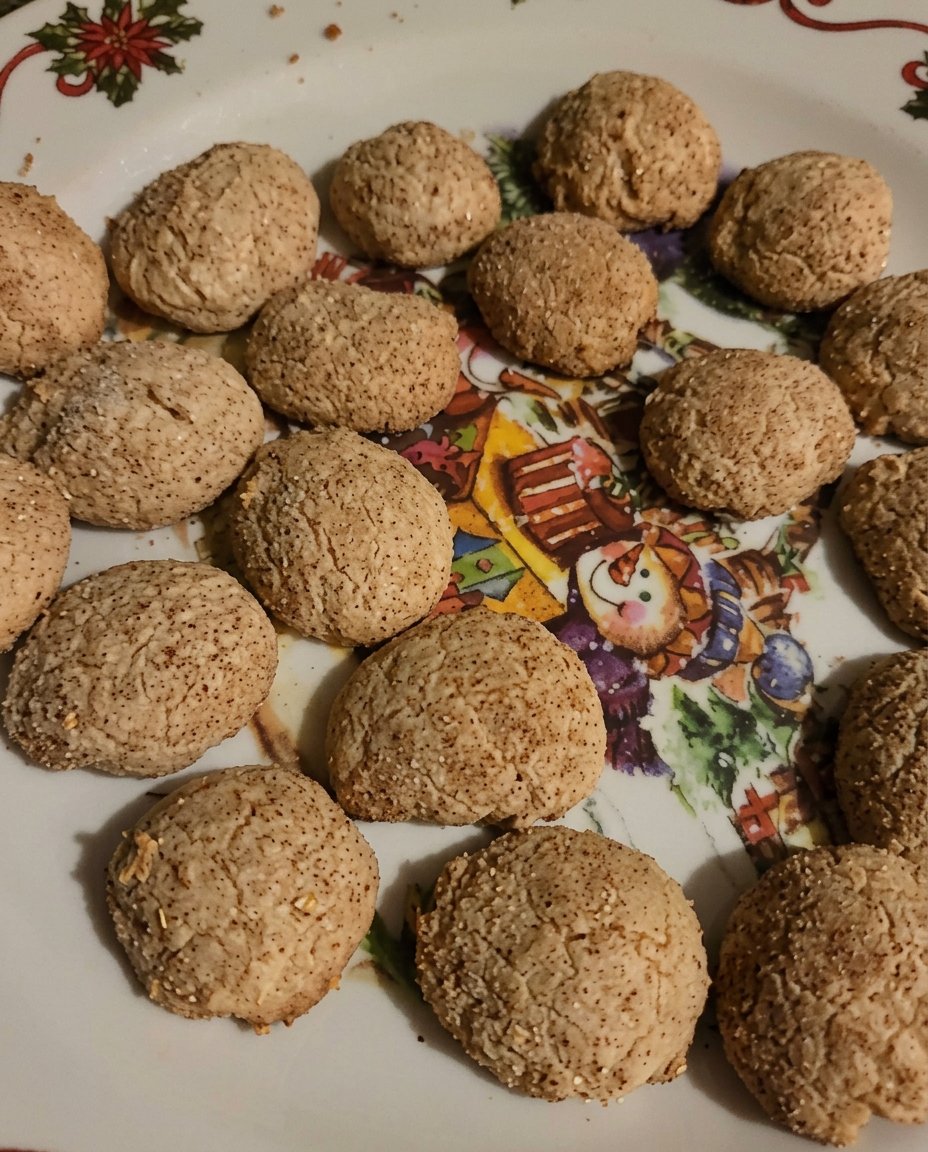
You will appreciate the methodical nature of this bake because it offers a pure expression of flavor. Without flour to mask the cocoa and toasted nut notes, the ingredient profile is clear and resonant. The addition of a resting period allows the sugar to fully dissolve into the egg white, creating a glossy, crackled surface that is the hallmark of a perfectly executed flourless bake. It is a reliable technique for any baker who values efficiency and scientific precision over unnecessary additives.
Furthermore, this recipe is a testament to the power of heat distribution. When baked at a precise 350 degrees Fahrenheit, the moisture in the egg evaporates quickly, leaving behind a reinforced matrix of sugar and fats. This results in a cookie that does not spread uncontrollably, a common frustration in modern kitchens that we solve here through ratio control. It is a heritage-inspired solution for the contemporary pantry.
Print
Flourless Nutella Cookies
- Total Time: 22 mins
- Yield: 12 cookies
- Diet: Gluten-Free
Description
These rich and fudgy flourless Nutella cookies offer a decadent hazelnut flavor with a delicate, crackled exterior. By utilizing just three core ingredients, this recipe relies on simple baking science to create a professional-quality treat that is naturally gluten-free.
Ingredients
- 1 cup Hazelnut chocolate spread (Nutella)
- 1 cup Granulated white sugar
- 1 Large egg, room temperature
- Chocolate sprinkles (optional, for coating)
Instructions
- Preheat oven to 350°F (175°C) and line a heavy-gauge baking sheet with parchment paper.
- In a sturdy mixing bowl, combine the hazelnut spread, granulated sugar, and egg using a stiff spatula or wooden spoon.
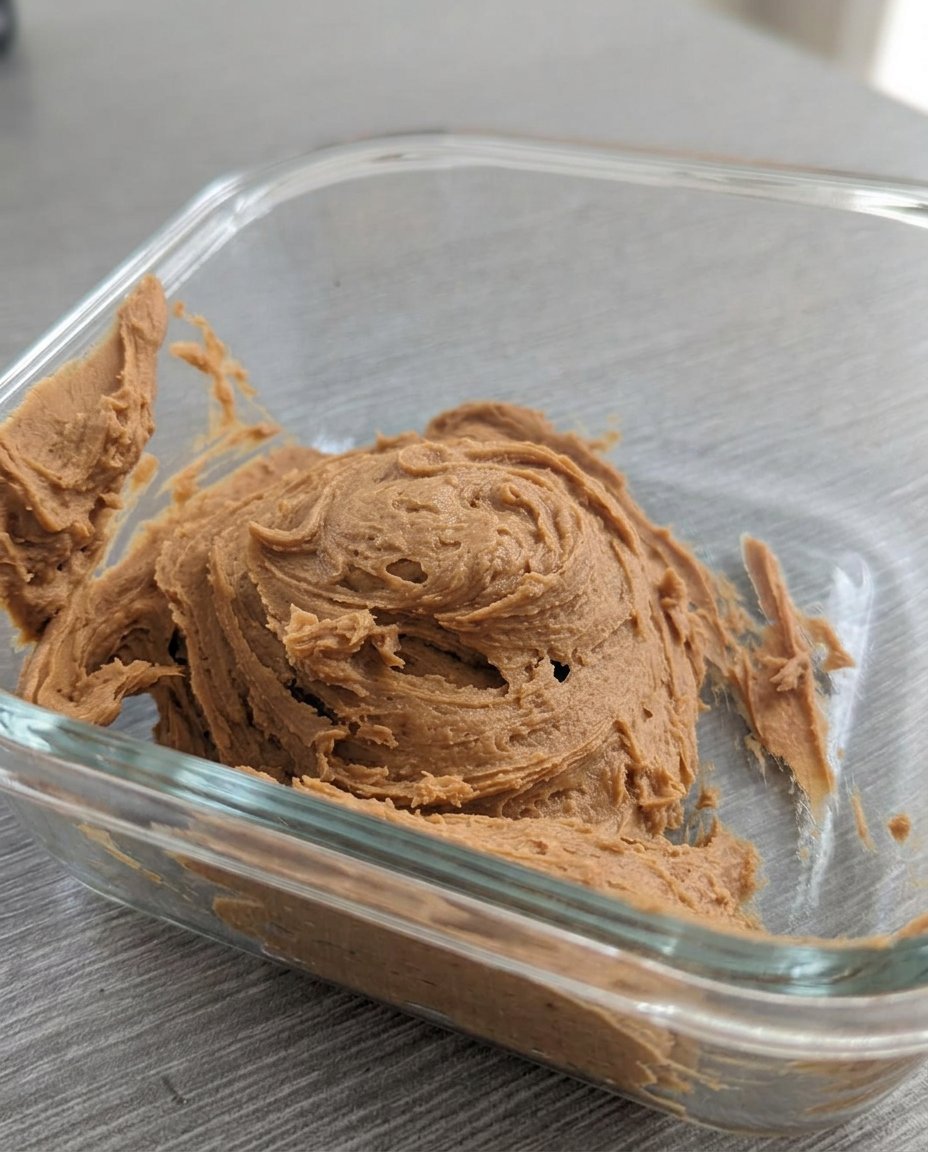
- Mix with a deliberate folding motion until the glossy sheen becomes matte and the mixture thickens into a cohesive dough.
- Divide the dough into one-tablespoon portions and roll them into smooth spheres between your palms.
- If using sprinkles, press the top three-quarters of each sphere into the coating, leaving the base clear.
- Space the spheres two inches apart on the prepared sheet and bake for 10 to 12 minutes.
- Allow the cookies to rest on the hot pan for five minutes before transferring to a wire rack to cool completely.
Notes
To achieve the signature glossy, crackled surface, ensure your egg is at room temperature to allow the sugar to dissolve properly into the proteins. If the dough feels too soft to roll, a brief ten-minute rest before shaping will help the structure stabilize for even baking.
- Prep Time: 10 mins
- Cook Time: 12 mins
- Category: Dessert
- Method: Baking
- Cuisine: Italian-American
Proper Components for Structural Success
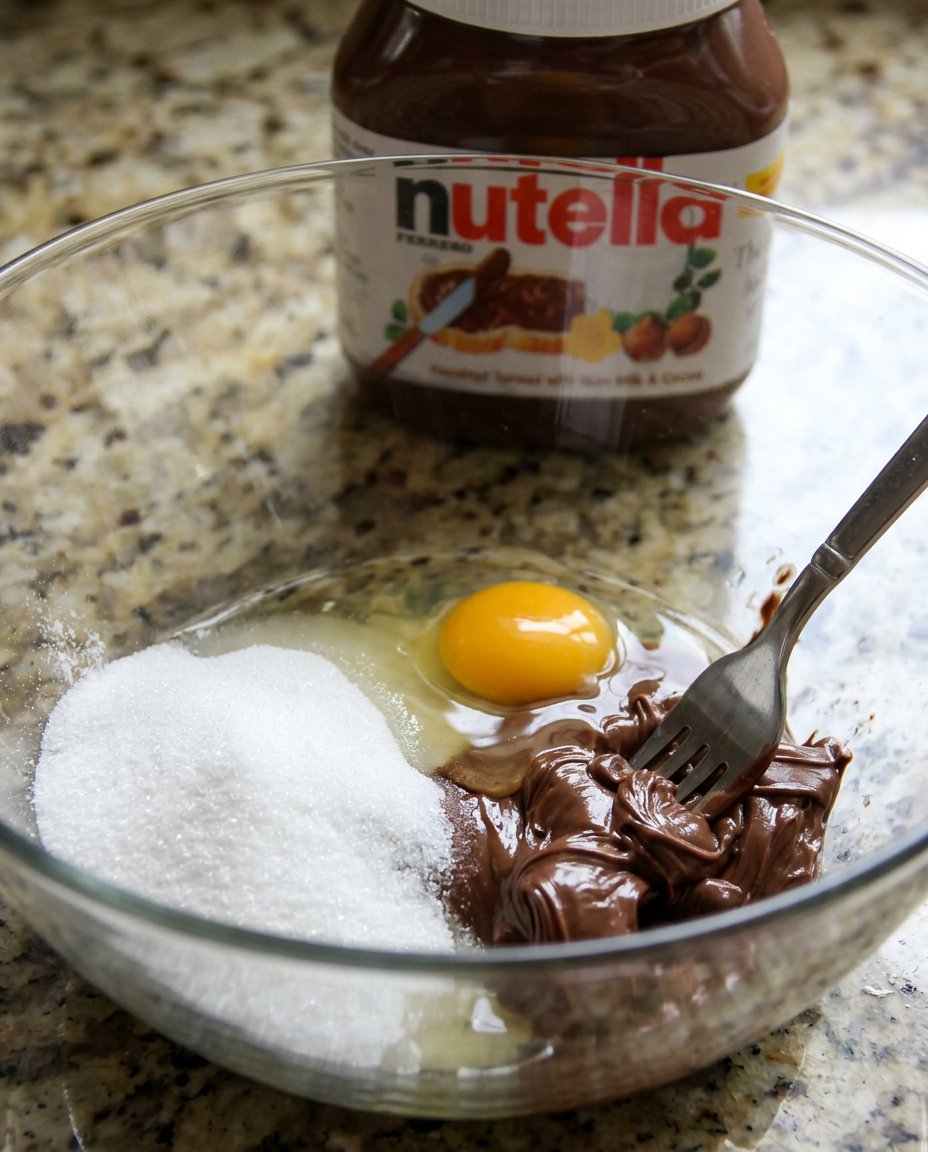
To achieve the best results, one must understand the specific role each ingredient plays in this technical formula. Selecting high-quality components is not merely a preference; it is a requirement for the chemical reactions to proceed correctly. Here are the historical and scientific contexts for each part of the recipe:
- Hazelnut Chocolate Spread (Nutella): This is your primary source of fat, sugar, and solids. The commercial formulation of Nutella includes palm oil and lecithin, which act as emulsifiers. In a flourless environment, these fats must be held in suspension by the egg proteins to prevent the cookies from becoming greasy.
- Granulated White Sugar: Beyond sweetness, sugar is a structural agent. During the bake, it liquefies and then recrystallizes, providing the ‘snap’ and the characteristic shiny crust. Historical baking texts often referred to this as the ‘sugar-glass’ effect, a concept we still use to describe the brittle texture of fine biscuits.
- Large Egg: The egg is the only source of moisture and leavening in this recipe. The albumen (white) provides the protein lattice that traps air, while the yolk provides lecithin and additional fats to keep the crumb tender. Using a room-temperature egg is a traditional technique that allows for better incorporation into the dense hazelnut base.
- Chocolate Sprinkles (Optional): While primarily aesthetic, the sprinkles provide a tactile contrast. In the context of British biscuit traditions, adding a textured coating serves to protect the delicate edges of the cookie from mechanical damage during cooling.
Historically, bakers in the late 19th century would have used a stone-ground hazelnut paste, but modern spreads offer a consistent viscosity that makes this recipe remarkably predictable. The precision of the 1:1:1 ratio (by volume) is a classic example of a ‘ratio bake,’ where the success of the outcome is guaranteed by the mathematical balance of the parts.
The Proper Process
Step 1: Thermal Calibration and Preparation
Begin by preheating your oven to 350 degrees F (175 degrees C). Use an independent oven thermometer to confirm accuracy, as modern digital displays can often be misleading. Prepare a heavy-gauge baking sheet with a non-stick coating or parchment paper. This step is a direct descendant of the ‘steady oven’ instructions found in Victorian manuscripts, which emphasized that a consistent starting temperature is vital for immediate protein setting.
Step 2: Emulsifying the Base
In a sturdy mixing bowl, combine the hazelnut spread, sugar, and egg. Use a stiff spatula or a wooden spoon to blend the ingredients. You must mix with a deliberate, folding motion until the glossy sheen of the spread becomes matte and the mixture thickens into a cohesive dough. This transition indicates that the egg has fully emulsified with the fats. Avoid over-aerating the dough, as excess air can cause the cookies to puff and then collapse, a failure of structural integrity.
Step 3: Shaping and Texturing
Divide the dough into portions of approximately one tablespoon each. Roll these between your palms to form smooth spheres. If using sprinkles, place them in a shallow vessel and press only the top three-quarters of each sphere into the coating. This technique leaves the base of the cookie clear, allowing it to make direct contact with the baking sheet for even browning and a stable footing.
Step 4: Controlled Thermal Exposure
Space the dough spheres approximately two inches apart on the prepared sheet. Bake for exactly 10 to 12 minutes. The cookies will appear soft and slightly underbaked when the timer expires; this is intentional. The residual heat from the baking sheet will complete the setting process. Historical bakers called this ‘tempering,’ where the final texture is achieved through gradual cooling rather than aggressive heating.
Step 5: Stabilization and Cooling
Allow the cookies to rest on the hot pan for five minutes before transferring them to a wire rack. This period is critical for the sugar to recrystallize and the proteins to firm up. Moving them too early will cause the structure to fail. Once transferred, allow them to reach room temperature completely, as the flavor profile of the hazelnut and cocoa deepens as the fats solidify.
Jordan’s Technique Notes for Precision
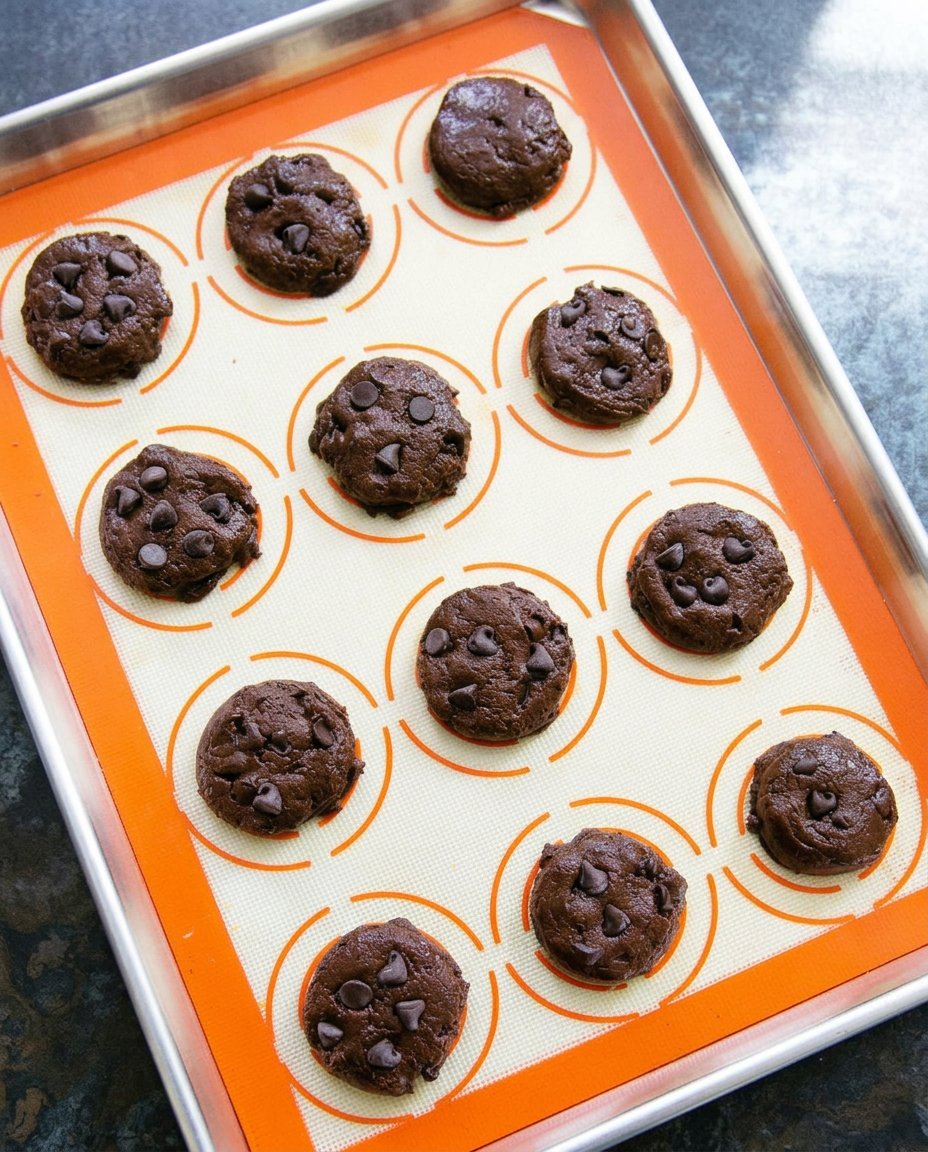
To achieve a professional finish, the temperature of your ingredients is paramount. Always ensure your egg is at room temperature before mixing; a cold egg will cause the fats in the hazelnut spread to seize, resulting in a lumpy dough that lacks the necessary smoothness. If you find yourself in a hurry, place the whole egg in a bowl of warm water for five minutes to reach the correct thermal state. This small adjustment is a hallmark of Holiday Cookie Science, where we account for the physical state of every molecule.
Another technical secret involves the resting of the dough. While not strictly required by the original recipe, allowing the mixed dough to sit for ten minutes before rolling gives the sugar crystals time to begin dissolving into the moisture of the egg. This results in a smoother surface and a more uniform bake. This practice mirrors the ‘resting the batter’ technique used in traditional French patisserie to ensure a consistent crumb. For a more detailed look at how these chemical bonds form, you can study our notes on the science of flourless textures.
Tested Adaptations and Regional Differences
While the 3-ingredient base is historically sound, there are several ways to adapt this recipe while maintaining its scientific foundations. One popular variation involves adding a pinch of Maldon sea salt to the top of each cookie before baking. This contrast heightens the perception of the cocoa notes and balances the high sugar content. For those interested in a more textured experience, replacing the sprinkles with finely crushed toasted hazelnuts provides a nod to the original Gianduja traditions of the 1800s. Our Viral Cookie Analysis suggests that these small modifications can significantly alter the sensory profile without compromising the bake.
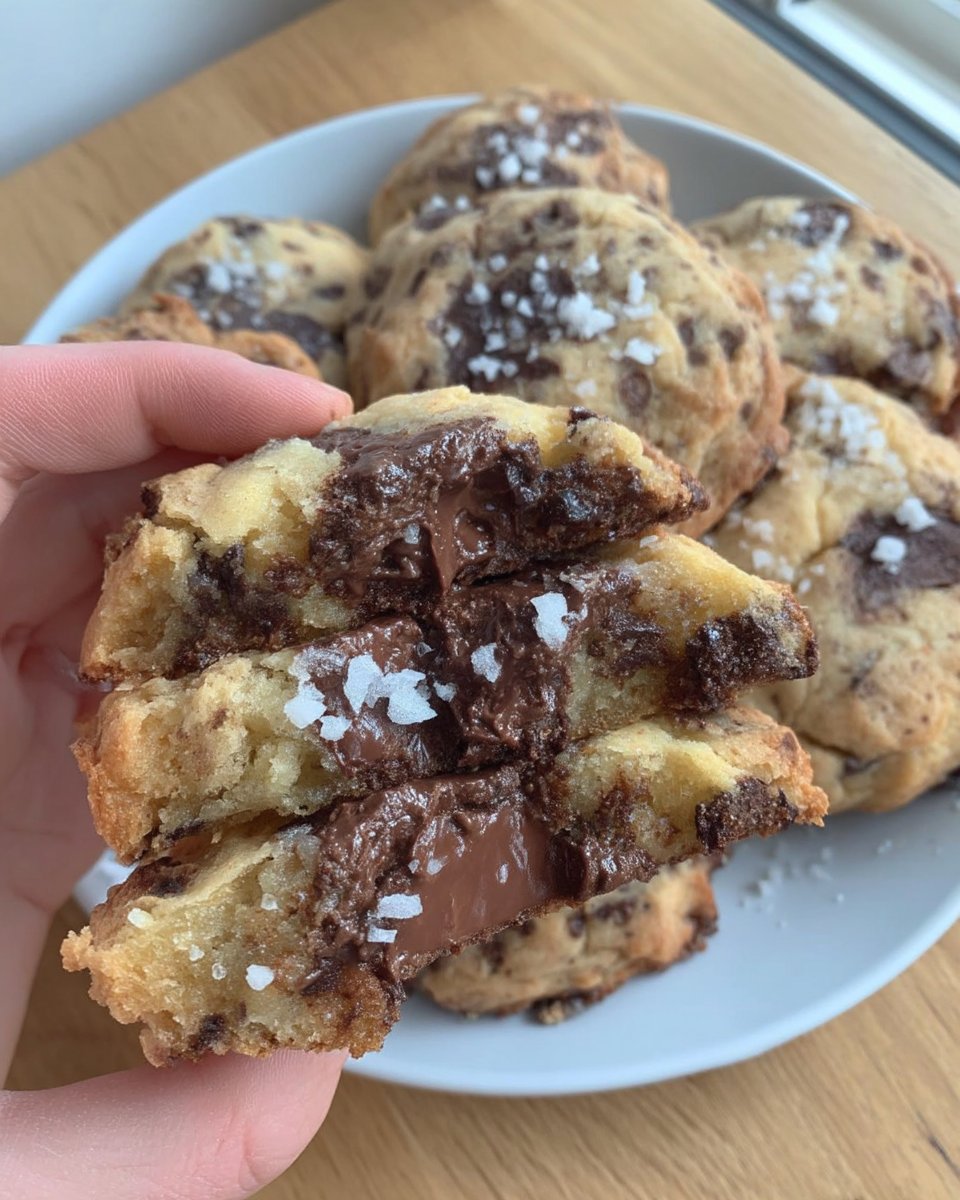
For a more decadent version, some bakers prefer the ‘stuffed’ method. By chilling the hazelnut spread into small frozen discs before wrapping the dough around them, you create a liquid-center cookie. This technique requires precise timing to ensure the outer shell cooks fully before the center becomes too fluid. If you choose this path, increase the baking time by two minutes and use a slightly lower oven temperature to manage the heat transfer. This method is often explored in more advanced technical bakes, but it remains accessible to the methodical home baker.
Traditional Service and Classic Enjoyment
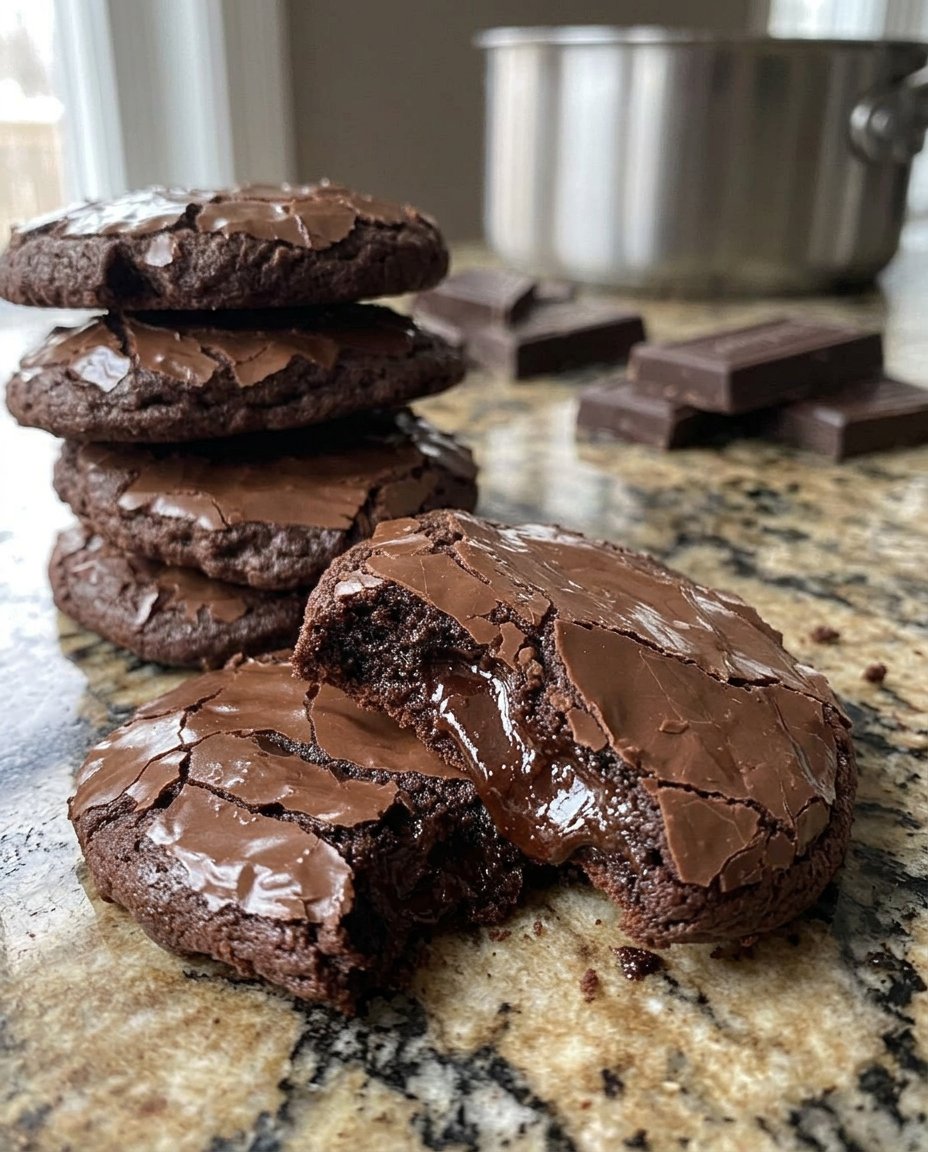
These rich, chocolatey biscuits are best served alongside a strong, tannic tea such as an Earl Grey or a traditional English Breakfast. The acidity and astringency of the tea cut through the dense fats of the hazelnut, cleansing the palate between bites. In a formal setting, serve these on a warmed ceramic plate to maintain the subtle softness of the cookie’s interior. For a modern presentation, you might consult our guide on Precision Cookie Decorating to learn how to plate these with a simple dusting of Dutch-process cocoa powder.
Historically, flourless treats like these were often reserved for the end of a meal or as part of a high tea service. Because they are naturally rich, a serving size of one or two cookies is usually sufficient. If serving at a gathering, consider pairing them with a small glass of chilled milk or a dry sherry, which provides a sophisticated contrast to the sweetness of the Nutella. Always store leftovers in an airtight container at room temperature to prevent the sugar from absorbing atmospheric moisture and becoming tacky.
The Technical Truth and Classic Precision
Mastering the flourless Nutella cookie is a lesson in the power of simplicity backed by scientific understanding. By respecting the ratios and the temperature requirements, you can produce a professional-grade biscuit that honors the heritage of Gianduja while meeting modern expectations for flavor and texture. For more insights into the chemistry of baking, explore our Foundation Cookie Recipes. If you found this methodical approach helpful, please share your results with us on Pinterest, Instagram, or Facebook. You can also view the original inspiration for this technique at Around My Family Table. Happy baking with precision.