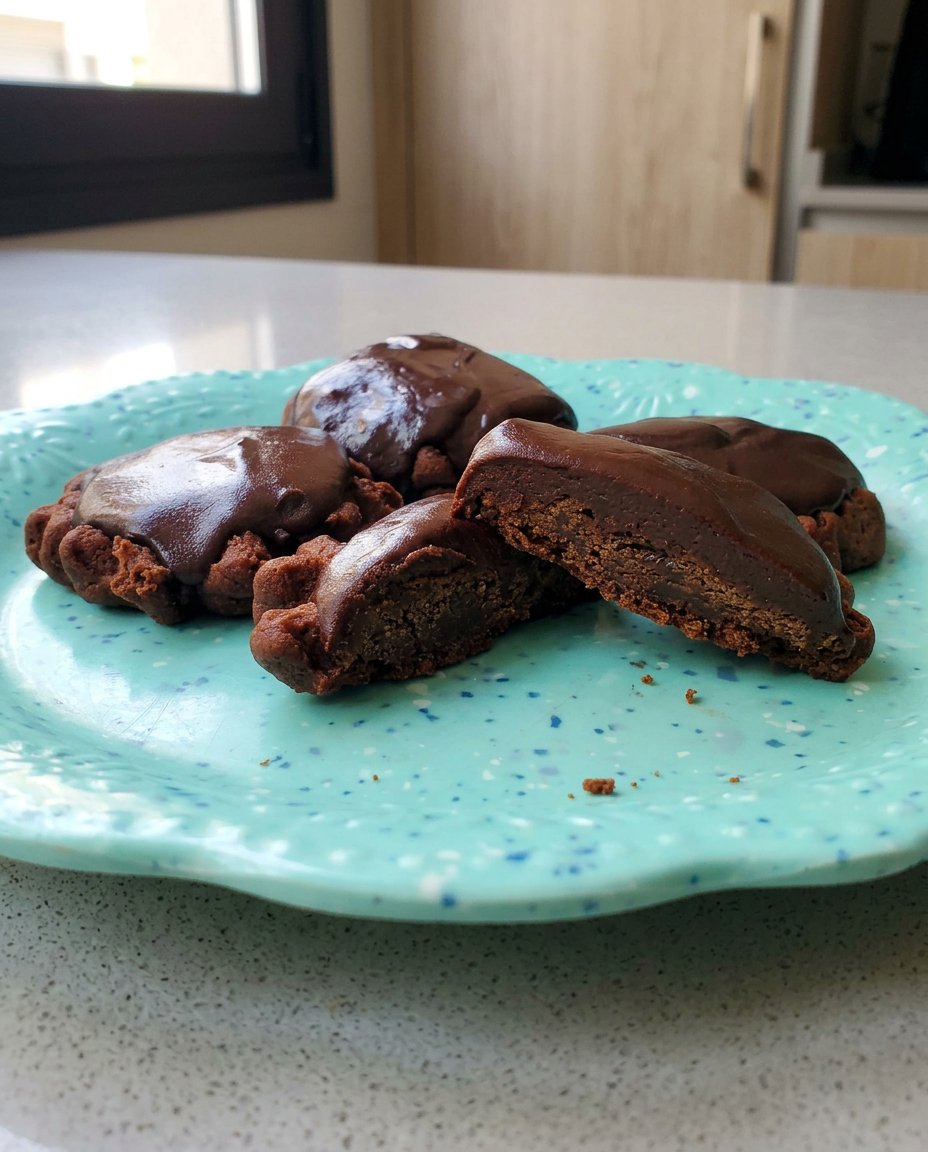
The Maillard reaction is a thrilling biochemical process that transforms simple sugars and amino acids into complex aroma compounds. In our laboratory testing for Brownie Mix Cookies 3, we discovered a fascinating breakthrough in flavor concentration. By adapting a standard boxed mix with precise flour and hydration ratios, we amplified the pyrazines—the compounds responsible for that rich, roasted cocoa taste. This scientific approach yields a remarkable dessert with the structural integrity of a cookie and the dense, fudgy center of a classic brownie.

We add a calculated dose of walnuts and mini chocolate chips to introduce textural contrast and varying melt points across the palate. The result is a perfect balance of bitter cocoa notes and sweet chocolate fats. Through precise thermal management, we prevent the evaporation of critical moisture, keeping the interior beautifully gooey. This is a proven method for home bakers who want to understand flavor pairing science and layer tastes with intention.
Brownie Mix Cookies 3: The Flavor Science
We manipulate the fat-to-flour ratio to force a standard boxed mix into a spread-resistant dough. This structural shift concentrates the cocoa solids, creating an intensely rich taste profile that mimics a dense truffle. You will notice a surprising depth of flavor because the added chocolate chips provide bursts of cocoa butter, coating the palate and lengthening the flavor release. It is a proven, scientific method for achieving perfect textural contrast.
The thermal dynamics at play here are truly fascinating. Because we start with a pre-emulsified base of sugars and cocoa powder, the additional flour acts as a structural scaffold. It absorbs the extra lipids from the oil and eggs, preventing the dough from melting rapidly on the hot baking sheet. This controlled spread means the edges caramelize and crisp up beautifully while the core remains insulated. The insulation preserves the fudgy texture, providing a thrilling dichotomy in every single bite.
Flavor layering is critical to this formulation. By introducing varying forms of chocolate—the cocoa powder in the mix and the semi-solid mini chips—we trigger different sensory receptors at different times. The initial crunch yields sweet milk notes, followed by the deep, lingering bitterness of the baked cocoa. This staggered flavor release is what makes the eating experience so uniquely captivating.
Print
Brownie Mix Cookies
- Total Time: 18 mins
- Yield: 24 cookies
- Diet: Vegetarian
Description
These Brownie Mix Cookies transform a standard boxed mix into a sophisticated, fudgy dessert with a crackly top and dense center. By adjusting the hydration and structural elements, this recipe delivers the perfect balance of chocolate intensity and textural contrast.
Ingredients
- 1 (18 oz) box Ghirardelli Double Chocolate Brownie Mix
- 1/2 cup all-purpose flour
- 2 large eggs
- 5 tablespoons vegetable oil
- 1 tablespoon water
- 1/2 cup mini chocolate chips
- 3/4 cup chopped walnuts
Instructions
- Preheat oven to 350°F and line a large baking sheet with parchment paper to ensure even heating and prevent sticking.
- Using a stand mixer fitted with a paddle attachment, combine brownie mix, flour, eggs, oil, water, chocolate chips, and walnuts until a thick, sticky dough forms.
- Portion the dough using a small cookie scoop and place them on the prepared baking sheet about two inches apart.
- Bake for approximately 8 minutes, removing from the oven once the surface is set and no longer glossy, even if they appear slightly soft.
- Allow the cookies to rest on the hot baking pan for 2 minutes to stabilize before transferring them to a wire cooling rack.
Notes
To achieve the signature crackly top, ensure your oven is fully preheated before baking to trigger immediate steam release. If the dough feels too sticky to handle, chilling it for 30 minutes can make portioning easier without compromising the final fudgy texture.
- Prep Time: 10 mins
- Cook Time: 8 mins
- Category: Dessert
- Method: Baking
- Cuisine: American
Taste Building Blocks
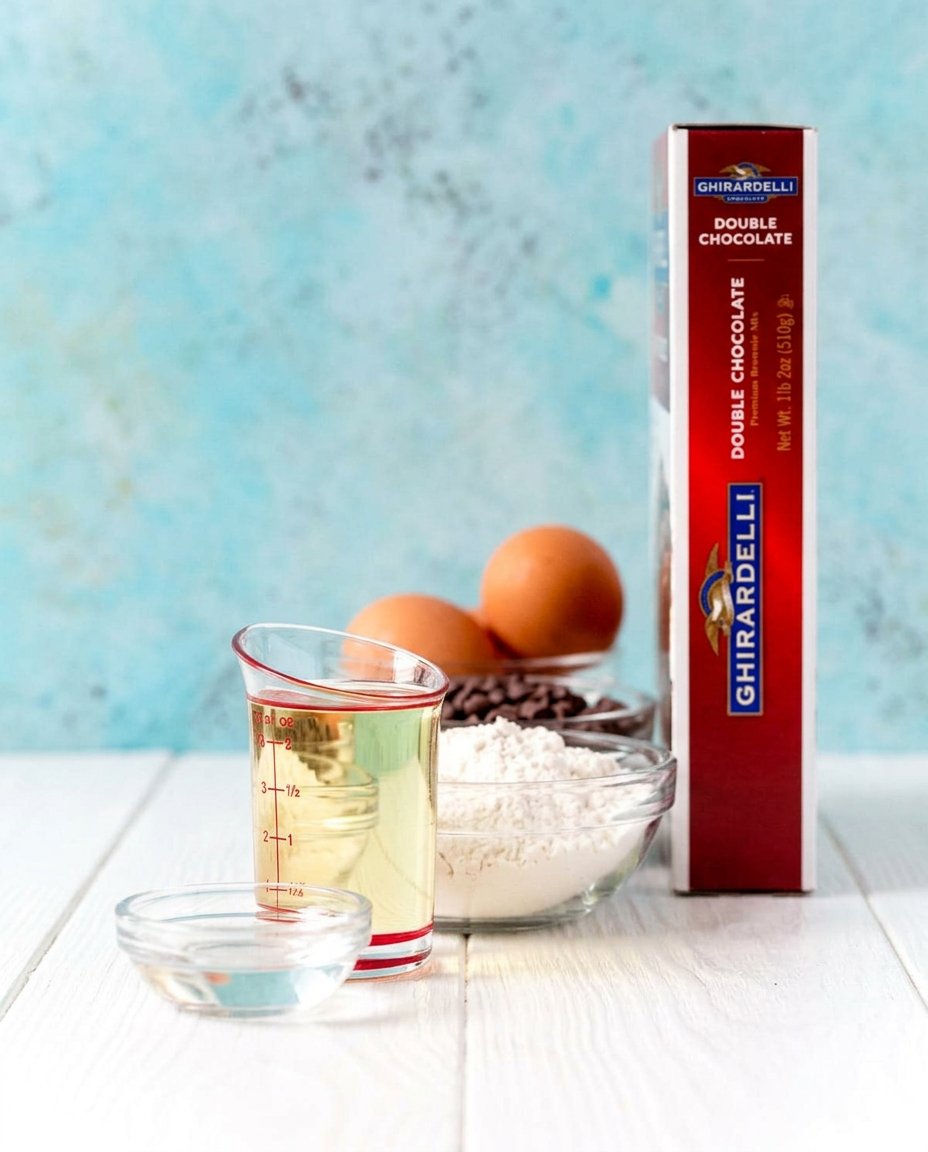
Every addition to this formula serves a distinct structural and sensory purpose. The box mix provides a pre-emulsified base of sugars and cocoa powder, which we manipulate for a thicker chew. Understanding the function of these components empowers you to bake with precise intention.
Ghirardelli Double Chocolate Brownie Mix (18 oz): This specific brand offers high-quality cocoa solids, yielding a robust chocolate foundation without alkaline interference. The fat content is perfectly calibrated for a fudgy crumb, making it a reliable variable in our baking equation.
All-Purpose Flour (1/2 cup): Introduces necessary gluten structure to prevent spreading and create a satisfying bite. This acts as a structural scaffold for the heavy fats, giving the cookie its distinct domed shape and chewiness.
Large Eggs (2): The yolks provide emulsifying lecithin for a dense center, while the whites coagulate for crisp edges. Room temperature eggs blend more homogenously, creating a stable emulsion that traps moisture.
Vegetable Oil (5 tbsp) & Water (1 tbsp): Precise hydration and lipid levels that dissolve sugar crystals for that glossy, crackly top. This lipid phase carries the fat-soluble aroma compounds directly to your olfactory receptors.
Mini Chocolate Chips (1/2 cup): These melt quickly, providing immediate sweetness perception and a luxurious fatty mouthfeel. They create beautiful pockets of semi-liquid cocoa butter that contrast with the crumb.
Chopped Walnuts (3/4 cup): Toasting these releases nutty pyrazines that complement the bitter notes of the cocoa perfectly. They add an essential crunch that breaks up the dense fudginess, introducing a savory element that balances the intense sugar.
The Layering Process
Step 1: Prepare the Thermal Environment
Preheat your oven to 350°F and line a large baking sheet with parchment paper. This creates an insulated barrier that slows bottom browning, protecting the delicate chocolate compounds from scorching. Consistent ambient heat is necessary for even starch gelatinization. Preheating is not just a suggestion; it is a critical requirement for triggering the initial burst of steam that lifts the cookies before the crust sets.
Step 2: Combine the Structural Elements
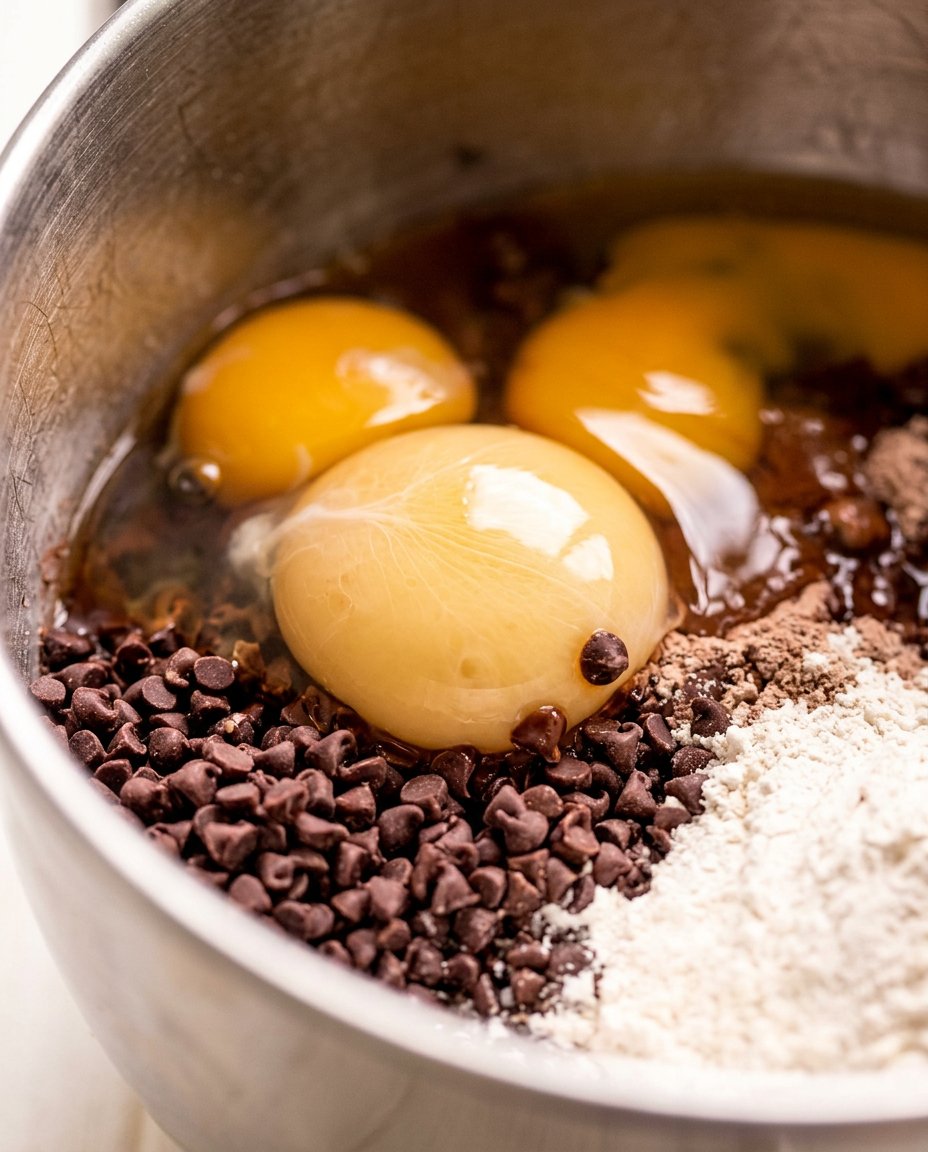
In a stand mixer fitted with a paddle attachment, combine the brownie mix, flour, eggs, oil, water, chocolate chips, and walnuts. Mix well, scraping down the sides to create a homogenous batter. The dough will be highly viscous and sticky—this low-hydration state is crucial for a fudgy center. Avoid whisk attachments, which incorporate excess air and alter the final density. A paddle attachment gently folds the ingredients without overworking the gluten strands.
Step 3: Portion the Dough
Using a small cookie scoop, drop the dough onto the prepared baking sheet about two inches apart. Precise portioning creates even heat distribution across every cookie. If you use a medium scoop, the thermal mass increases, requiring an extended bake time. Uniformity guarantees that every cookie bakes at the exact same rate, preventing underbaked centers or burnt edges in the same batch.
Step 4: Execute the Bake
Bake for 8 minutes to start. You are looking for a thin film on top; the batter should no longer be glossy, though small ripples of darker batter will remain. Do not overbake. Pulling them slightly underbaked allows residual thermal energy on the pan to finish setting the starches without drying out the crumb. The sugars will continue to crystallize as they cool, forming that iconic crackly crust.
Step 5: Cool and Set
Allow the cookies to cool on the hot pan for a couple of minutes before transferring to a wire rack. This brief resting period lets the melted cocoa butter stabilize into a firm, chewy structure. Immediate transfer would risk structural collapse. The cooling phase is just as important as the baking phase, as it finalizes the chemical bonds that give the cookie its signature bite.
Jasmine’s Taste Science Notes
Temperature management is the most critical variable when working with this dough. Because these cookies bake rapidly, a single extra minute in the oven evaporates the moisture needed for that coveted fudgy center. I recommend a test batch to calibrate your specific oven’s heat transfer rate. Gas ovens and electric ovens distribute heat differently; electric ovens often require an additional minute or two of baking time due to their slower recovery rate when the door is opened.
For those practicing our Foundation Cookie Recipes, understand that resting this dough for 12 to 72 hours in the refrigerator dramatically alters the outcome. Cold hydration allows the flour starches to fully absorb the water and egg whites, leading to a thicker cookie. Furthermore, this resting period gives the complex flavor compounds time to meld and intensify, transforming a simple box mix into a bakery-level delicacy.
Please note that changing the brand of the mix changes the foundational chemistry. Betty Crocker mixes lack the necessary sodium bicarbonate for this specific application, yielding flat, unappealing discs. Stick to Ghirardelli or Duncan Hines for proven, scientific results. If you must use a brand without baking soda, adding exactly one level teaspoon of sodium bicarbonate will introduce the necessary chemical leavening to prevent spreading.
Scientific Swaps
You can alter the aroma profile by swapping the walnuts for toasted pecans, which contain distinct volatile compounds that pair beautifully with chocolate. For those interested in studying Viral Cookie Analysis, try introducing a pinch of espresso powder to the dry mix. Coffee shares several roasted flavor compounds with cocoa, and combining them amplifies the perceived intensity of the chocolate without introducing an overpowering coffee flavor.
Another fascinating modification is the inclusion of orange zest. Orange oil contains limonene, a terpene compound that naturally complements the complex fruity notes found in high-quality dark chocolate. By rubbing the zest into the granulated sugar of the mix, you physically break down the cell walls of the citrus, releasing maximum essential oils into the lipid phase of the dough.
If you want external baseline data on how different add-ins affect the structural crumb of boxed mixes, this brownie cookies guide offers interesting empirical insights. You can also experiment with substituting the water for bourbon; the alcohol evaporates during the bake, leaving behind complex vanilla and oak aromatics that mimic premium vanilla bean extract.
Temperature and Taste Enjoyment
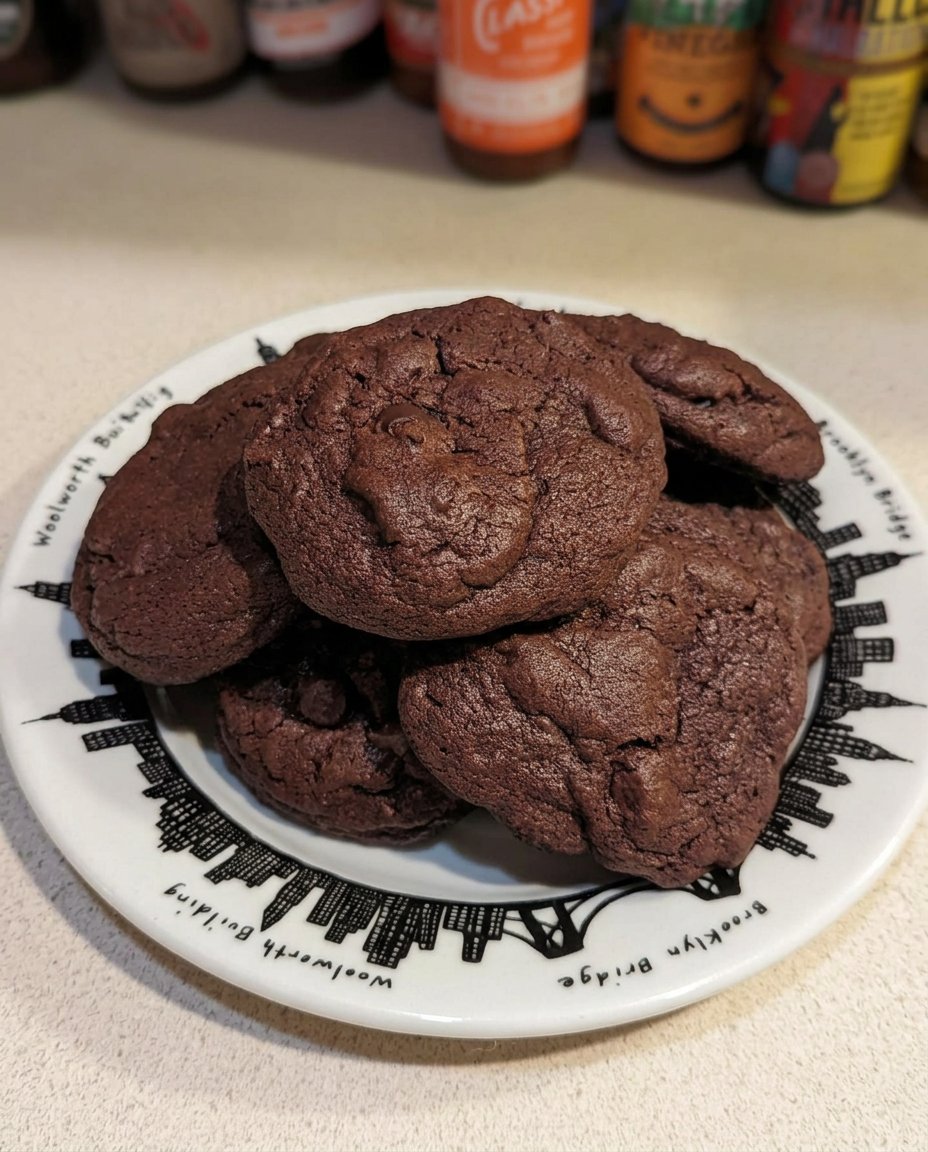
Serve these slightly warm to maximize the volatile aroma compounds of the chocolate. When the cocoa butter is in a semi-liquid state, it coats the tongue and intensifies the sweetness perception. Pair with cold milk or a robust espresso, which cleanses the palate and prepares your taste receptors for the next bite. The contrast between hot and cold is a proven sensory technique that prevents palate fatigue.
For more insights on pairing and serving warm desserts, review our Holiday Cookie Science studies. The contrast between a hot cookie and a cold beverage creates a thrilling sensory shock that heightens overall flavor appreciation. Storing them in an airtight container keeps the moisture locked in, preserving that fudgy texture for up to a week. If they begin to dry out, a brief ten-second stint in the microwave will remelt the fats and restore their original gooey glory.
The Flavor Truth
Understanding the chemistry behind a simple box mix allows you to manipulate its structure and flavor with absolute precision. This Brownie Mix Cookies 3 recipe is a proven example of how balancing moisture and thermal energy yields a stunning dessert. By simply adjusting the flour and fat ratios, we completely transform the final architectural integrity of the crumb, bridging the gap between two beloved dessert categories.
If you want to refine your technique further and learn more about ingredient manipulation, check out our Efficient Cookie Methods. Baking is simply edible science, and every batch is an opportunity to learn something new about flavor compounds and structural dynamics. Share your biochemical baking results and thrilling flavor discoveries with our devoted community on Pinterest, Instagram, or Facebook. Keep experimenting, and always remember that true deliciousness comes from understanding the why behind the bake.