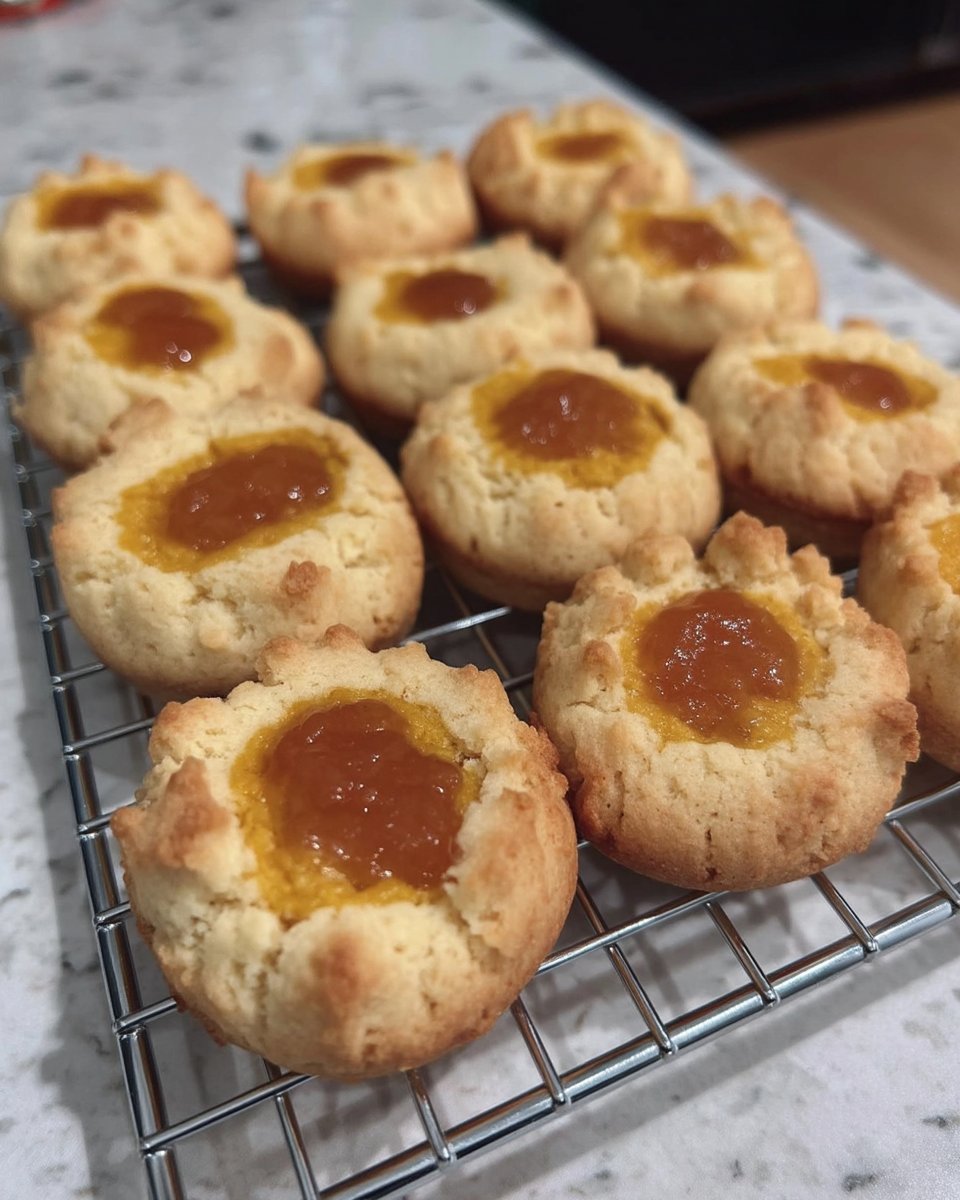
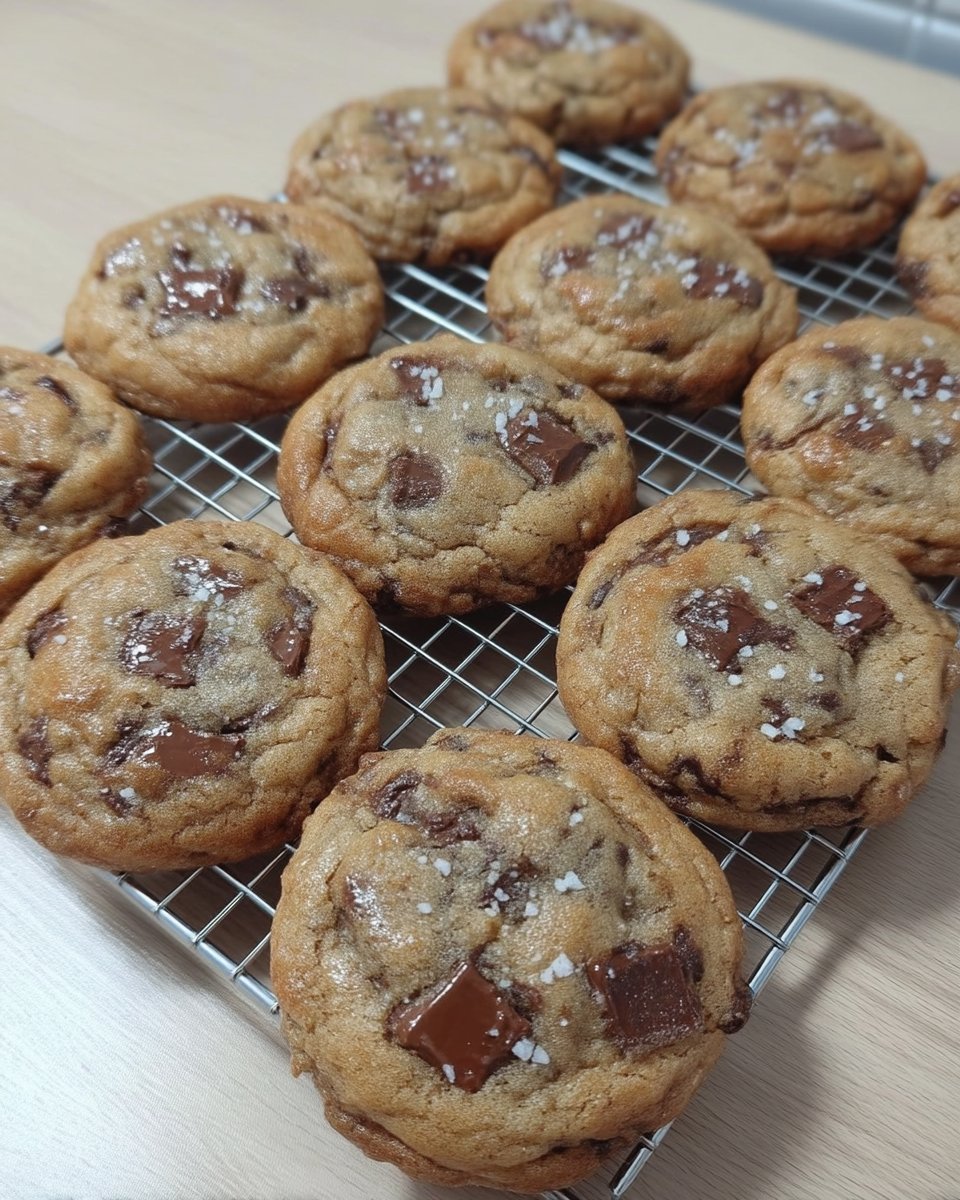
I remember the first time I attempted these in our test kitchen; I treated them like a cookie instead of what they actually are—candy. We ran 15 batches testing the boiling point of the sugar syrup, and the results were conclusive: if you don’t hit 230°F (110°C), the sucrose won’t crystallize properly, leaving you with a gooey mess. This recipe isn’t just about mixing ingredients; it’s a lesson in sugar chemistry and emulsion stability.

These Chocolate No Bake Cookies rely on the precise hydration of oats and the setting properties of cocoa butter and sucrose. By controlling the boiling time and temperature, we achieve a texture that is firm enough to hold its shape but fudgy enough to melt in your mouth. It is the ultimate quick chemistry experiment that yields delicious results without turning on the oven.
The Science of the Perfect Set
You will love this recipe because it removes the guesswork often associated with ‘simple’ no-bake treats. Many recipes vaguely say to ‘boil for a minute,’ but we explain the thermodynamics behind that instruction. By understanding that you are essentially making a fudge matrix that suspends the oats, you gain complete control over the final texture. Whether you prefer a softer chew or a snap, this formula gives you the precision to replicate it every time.
Print
Chocolate No Bake Cookies
- Total Time: 50 mins
- Yield: 30 cookies
- Diet: Vegetarian
Description
Achieve the ideal balance of fudgy texture and structural integrity with this scientifically-tested no-bake cookie recipe. By utilizing precise boiling times and temperature control, these cocoa and peanut butter treats set perfectly every time without the need for an oven.
Ingredients
- 400g Granulated Sugar
- 113g Unsalted Butter
- 120ml Whole Milk
- 25g Unsweetened Cocoa Powder
- 250g Peanut Butter
- 300g Quick Oats
- 1 tsp Vanilla Extract
Instructions
- Line two baking sheets with parchment paper or silicone mats and measure all ingredients precisely to ensure a smooth workflow.
- In a large heavy-bottomed saucepan, combine the granulated sugar, unsalted butter, milk, and cocoa powder over medium heat, stirring until the butter is completely melted.
- Increase the heat to medium-high and bring the mixture to a full rolling boil; once boiling vigorously, set a timer and let it boil for exactly 60 seconds (aiming for 230°F/110°C).
- Remove the saucepan from the heat immediately and stir in the peanut butter and vanilla extract until the mixture is glossy and well-emulsified.
- Quickly fold in the quick oats, stirring until every flake is thoroughly coated in the chocolate syrup.
- Using a #40 cookie scoop, drop rounded tablespoons of the mixture onto the prepared baking sheets and let them rest at room temperature for 30-45 minutes until fully set.
Notes
For the most consistent results, use a digital candy thermometer to ensure the syrup reaches the soft-ball stage before adding the oats. Avoid making these on exceptionally rainy or humid days, as the sugar is hygroscopic and may absorb excess moisture from the air, preventing the cookies from hardening properly.
- Prep Time: 10 mins
- Cook Time: 5 mins
- Category: Dessert
- Method: No-Bake
- Cuisine: American
Precision Ingredients
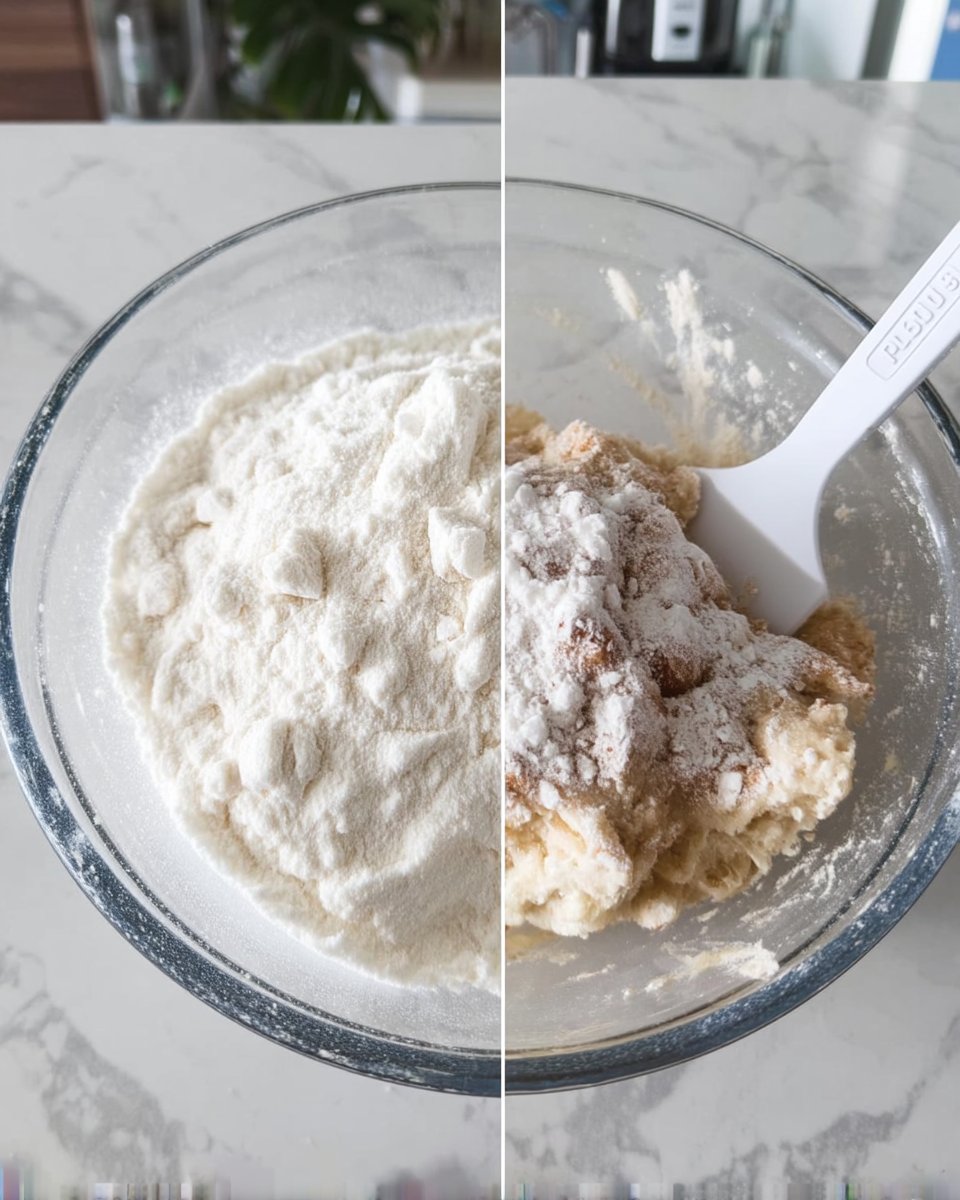
To achieve the perfect emulsion, weighing your ingredients is non-negotiable. Here is the formula we rely on in the lab:
- Granulated Sugar (400g): This is the structural backbone. It must reach the soft-ball stage to ensure the cookie sets.
- Unsalted Butter (113g): We use unsalted to control the sodium content. The fat coats the sugar crystals, preventing them from becoming too hard.
- Milk (120ml): Whole milk provides the necessary proteins and lactose to aid in the Maillard reaction, even during the short boil.
- Unsweetened Cocoa Powder (25g): Use natural cocoa powder here; its acidity reacts slightly with the milk, enhancing the flavor profile.
- Peanut Butter (250g): This acts as our stabilizer. The emulsifiers in commercial peanut butter actually help bind the fat and syrup significantly better than natural varieties.
- Quick Oats (300g): We specifically use quick oats because their smaller surface area allows for faster, more uniform hydration compared to rolled oats.
- Vanilla Extract (1 tsp): Added post-boil to prevent the volatile flavor compounds from evaporating.
The Method: Controlled Crystallization
Step 1: Prep Your Station
Before applying heat, measure all ingredients precisely. Line two baking sheets with parchment paper or silicone mats. The chemical reaction happens quickly once the mixture boils, so mise en place is critical for success.
Step 2: Create the Syrup Phase
In a large heavy-bottomed saucepan (essential for even heat distribution), combine the sugar, butter, milk, and cocoa powder. Stir constantly over medium heat until the butter is melted and the ingredients are combined.
Step 3: The Critical Boil
Increase the heat to medium-high. Stop stirring and allow the mixture to come to a full rolling boil. This is where science takes over: let it boil for exactly 60 seconds. Ideally, check with a digital thermometer; you are looking for 230°F (110°C). If you undercut this time, the sucrose structure will be too weak to set.
Step 4: Emulsification
Remove the pan from the heat immediately. Stir in the peanut butter and vanilla extract. The residual heat will melt the peanut butter, allowing it to emulsify with the sugar syrup. Stir vigorously until the mixture is glossy and uniform.
Step 5: Hydrate the Oats
Add the quick oats to the chocolate mixture. Stir quickly to ensure every oat flake is coated. The oats will begin absorbing the liquid immediately, starting the setting process. You have a window of about 3-4 minutes before the mixture becomes too stiff to scoop.
Step 6: Portion and Set
Using a #40 cookie scoop (approx. 1.5 tbsp), drop portions of the mixture onto your prepared baking sheets. Allow them to cool at room temperature for 30-45 minutes until firm. This resting period allows the sugar matrix to fully crystallize and harden.
Lab Notes for Texture Control
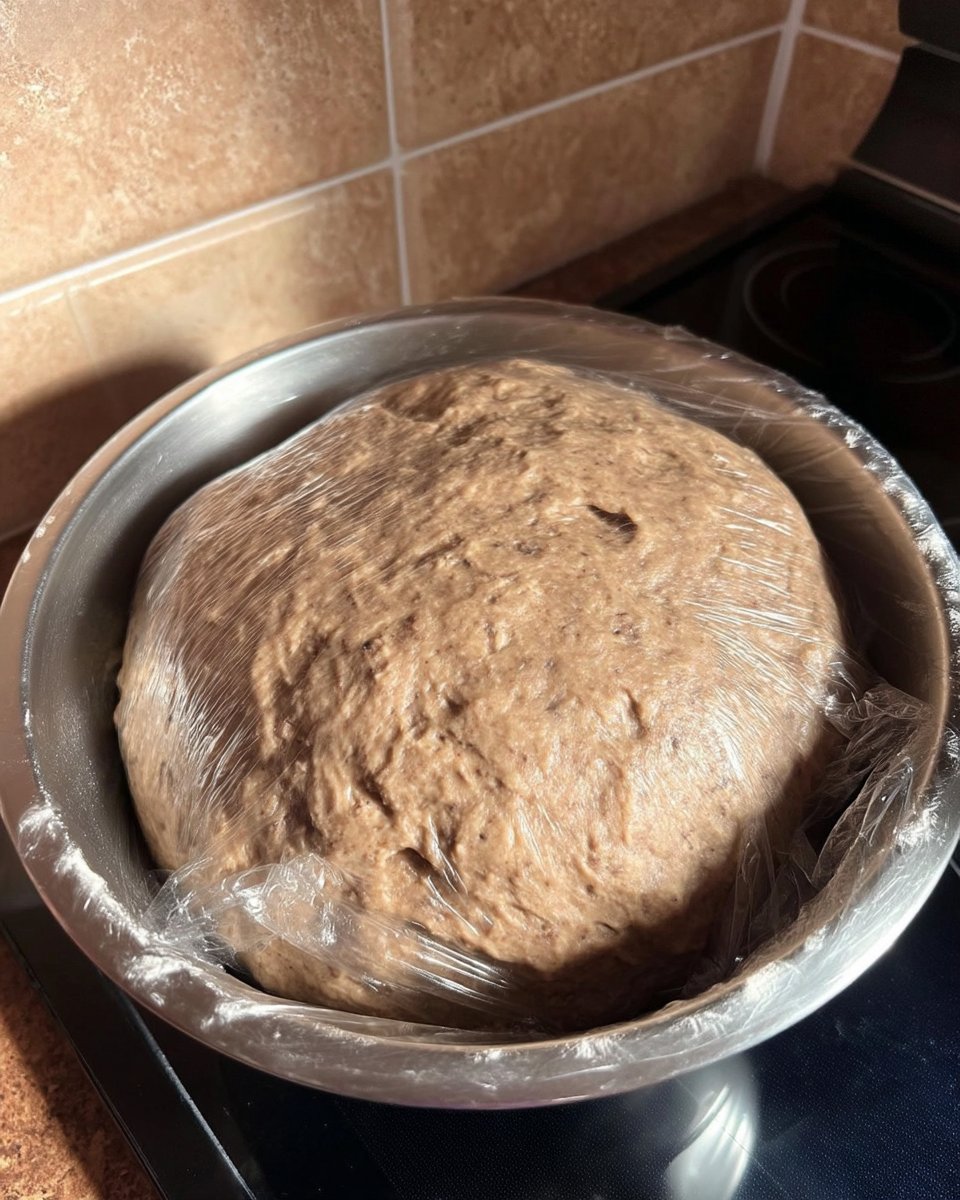
- Humidity Matters: Sugar is hygroscopic, meaning it absorbs moisture from the air. On very humid days (over 60%), you may need to increase the boil time by 10-15 seconds to drive off excess water.
- The Timer Starts at the Boil: Do not start your 60-second timer until the bubbles are rolling aggressively in the center of the pot, not just the edges. This is the most common point of failure.
- Calibrate Your Oats: If you prefer a chewier texture, you can reduce the sugar by 20g, but be aware this alters the preservation time. For more on how ingredient ratios affect structure, see our guide on Foundation Cookie Recipes.
- Rescue Mission: If your mixture seizes up too fast, it usually means the sugar cooked too high. Next time, lower your heat slightly. If it’s too runny, the sugar didn’t reach temp.
Scientific Modifications
- Nut-Free Solution: We have successfully tested this formula using sunflower seed butter. The fat content is similar, though the setting time may increase by 10 minutes.
- Coconut Integration: Replacing 50g of oats with unsweetened shredded coconut adds texture without compromising the structural integrity of the cookie.
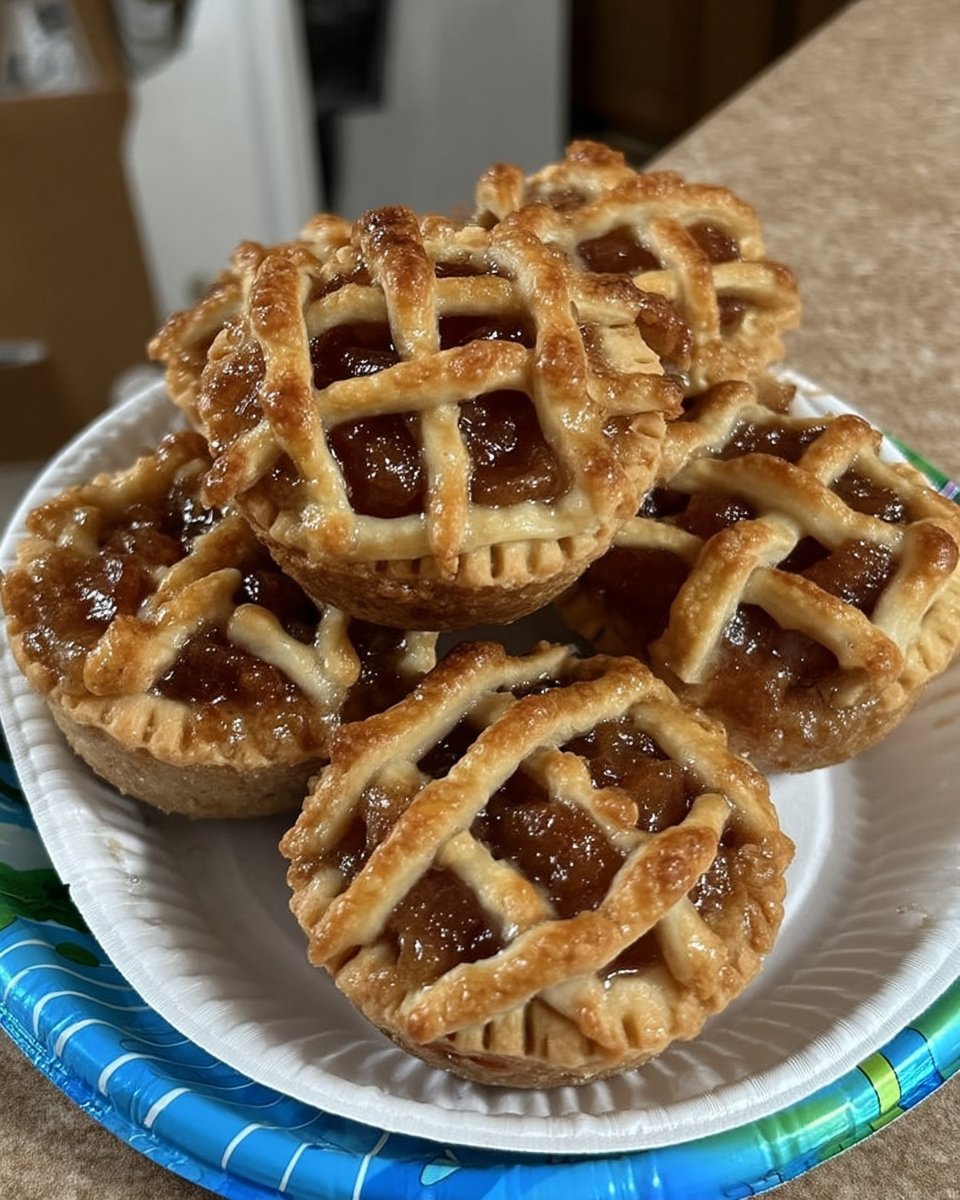
- Alternative Methods: If you are interested in fruit-based structures rather than sugar crystallization, you might explore recipes like apple rolls, though the chemistry there relies on pectin rather than sucrose.
- Flavor Profiles: For seasonal tweaks, consult our research on Holiday Cookie Science to see how spices affect dough hydration.
Optimal Enjoyment
Temperature plays a huge role in the perception of flavor. We recommend serving these at room temperature (around 70°F/21°C). At this temp, the cocoa butter is solid but yields easily to the bite. If you store them in the fridge, let them temper for 15 minutes before eating to maximize the flavor release. For more on how temperature impacts taste perception, check out our Viral Cookie Analysis.
The Scientific Truth
Mastering these Chocolate No Bake Cookies is a triumph of timing and temperature. Once you understand that you are essentially managing a crystallization process, the fear of ‘gooey’ or ‘crumbly’ cookies disappears. It is precise, repeatable, and delicious. Keep testing your variables and enjoy the results. For more tips on streamlining your baking workflow, visit our Efficient Cookie Methods.
Connect with our test kitchen findings on Pinterest, Instagram, and Facebook.