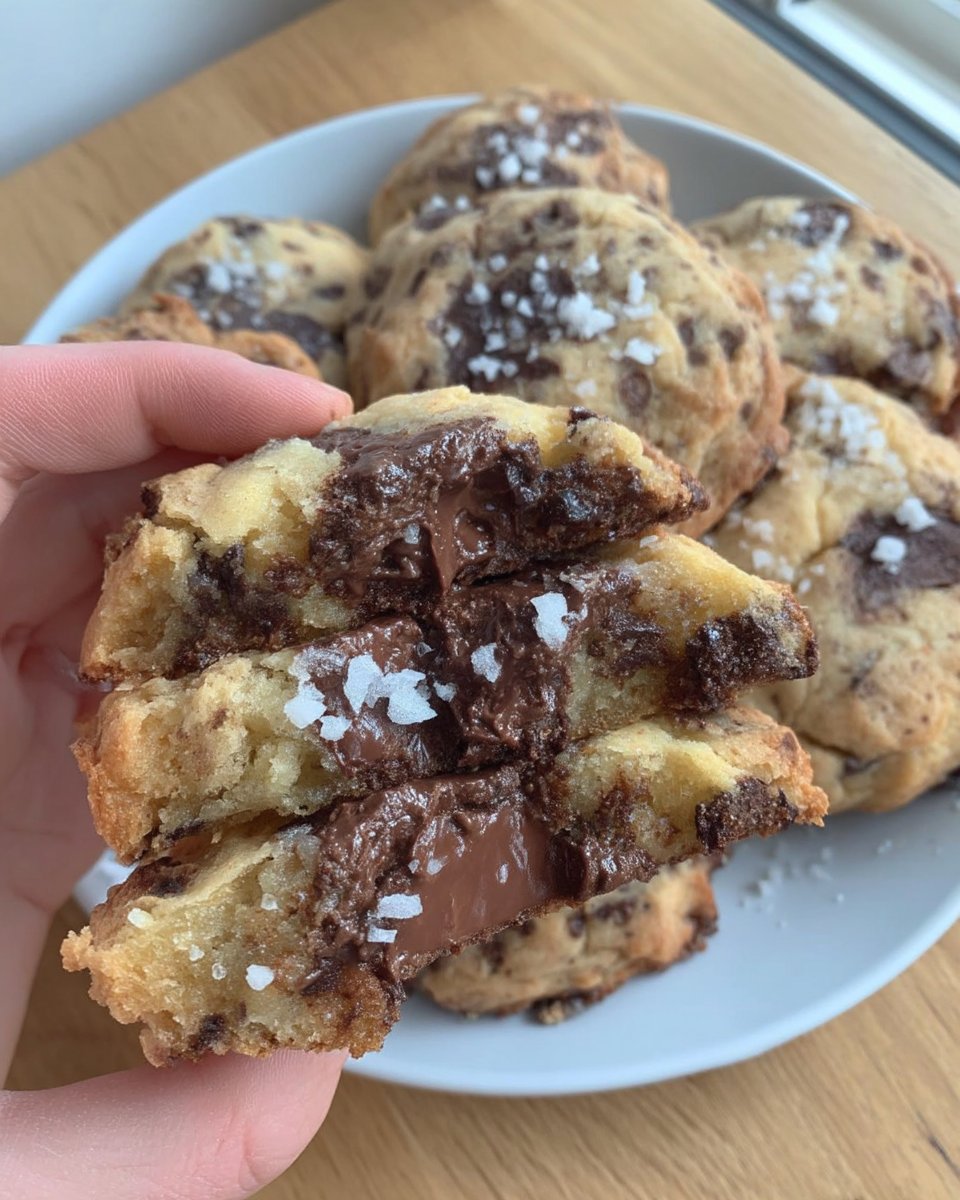
The first time I analyzed the molecular profile of matcha, I noticed its distinct grassy and oceanic notes come from high chlorophyll and L-theanine levels. When we pair this with the high milk solids in white chocolate, we create a chemical bridge that balances bitterness with fatty richness. This matcha white chocolate combination is a masterclass in taste equilibrium, showcasing how opposing flavor profiles can achieve perfect harmony.

By browning our butter, we introduce nutty pyrazines that provide a sophisticated base for the vibrant green tea powder. This recipe focuses on controlling fat temperature and hydration to confirm a chewy center and crisp edges, creating a scientifically balanced cookie that lingers on the palate. Our approach uses specific resting periods to allow the flour to fully hydrate, resulting in a deeper development of the complex aromatic compounds.
The Flavor Science of Umami and Sweetness
This recipe works because it respects the delicate balance of umami and sweetness. Matcha is unique in the baking world because it provides a savory, almost seaweed-like depth that most sugars cannot mask. Instead of fighting that bitterness, we use white chocolate—which is essentially cocoa butter and sugar—to coat the tongue and soften the astringency of the tea.
The addition of browned butter is a strategic choice. Regular butter provides moisture, but browned butter undergoes the Maillard reaction. This chemical transformation creates toasted notes that share aromatic precursors with high-quality matcha. When these two meet, the result is a layered complexity that tastes expensive and intentional. You will love how the salt suppresses the remaining bitterness while highlighting the creamy, floral notes of the white chocolate chips.
Furthermore, the texture is a result of precise fat management. We use a high ratio of brown sugar to granulated sugar to maximize moisture retention through molasses, ensuring the center remains soft while the edges caramelize into a brittle, satisfying snap. This is not just a cookie; it is a study in how temperature and ingredient quality dictate final sensory perception.
Print
Matcha White Chocolate Cookies
- Total Time: 1 hour 42 mins
- Yield: 24 cookies
- Diet: Vegetarian
Description
These vibrant cookies blend the earthy umami of premium matcha with the rich, buttery sweetness of white chocolate. By utilizing browned butter and a dedicated hydration rest, this recipe achieves a superior chewy texture and a complex flavor profile that balances bitterness with creamy indulgence.
Ingredients
- 1 cup unsalted butter
- 2 1/4 cups all-purpose flour, plus 2 tablespoons
- 2 tablespoons culinary grade matcha powder
- 1 teaspoon baking soda
- 1/2 teaspoon salt
- 3/4 cup granulated sugar
- 3/4 cup light brown sugar
- 1 large egg
- 1 egg yolk
- 1 tablespoon vanilla extract
- 1 1/2 cups white chocolate chips
Instructions
- Brown the unsalted butter in a light-colored saucepan over medium heat until golden and nutty, then transfer to a bowl to cool completely.
- Sift the flour, matcha powder, baking soda, and salt into a medium bowl to ensure a uniform texture.
- Whisk the cooled browned butter with granulated and light brown sugar, then incorporate the egg, egg yolk, and vanilla until the mixture is light and creamy.
- Gently fold the dry ingredients into the butter mixture using a spatula until just combined.
- Stir in the white chocolate chips until evenly distributed throughout the green dough.
- Cover and refrigerate the dough for at least 1 hour to allow for proper flour hydration and fat solidification.
- Preheat the oven to 350°F (175°C) and line baking sheets with parchment paper.
- Scoop 3-tablespoon portions of dough onto the prepared sheets, spacing them 2 inches apart.
- Bake for 10-12 minutes until the edges are firm but the centers remain slightly soft.
- Let the cookies rest on the baking sheet for 10 minutes before transferring them to a wire rack to cool completely.
Notes
For the most vibrant green color, store your matcha powder in a cool, dark place as light exposure can cause the chlorophyll to fade. If your kitchen is particularly warm, consider chilling the dough balls for an extra 10 minutes after scooping to prevent excessive spreading during the bake. Using a light-colored baking sheet will help prevent the bottoms of the cookies from browning too quickly before the centers are set.
- Prep Time: 20 mins
- Cook Time: 12 mins
- Category: Cookies
- Method: Baking
- Cuisine: Fusion
Dissecting the Taste Building Blocks
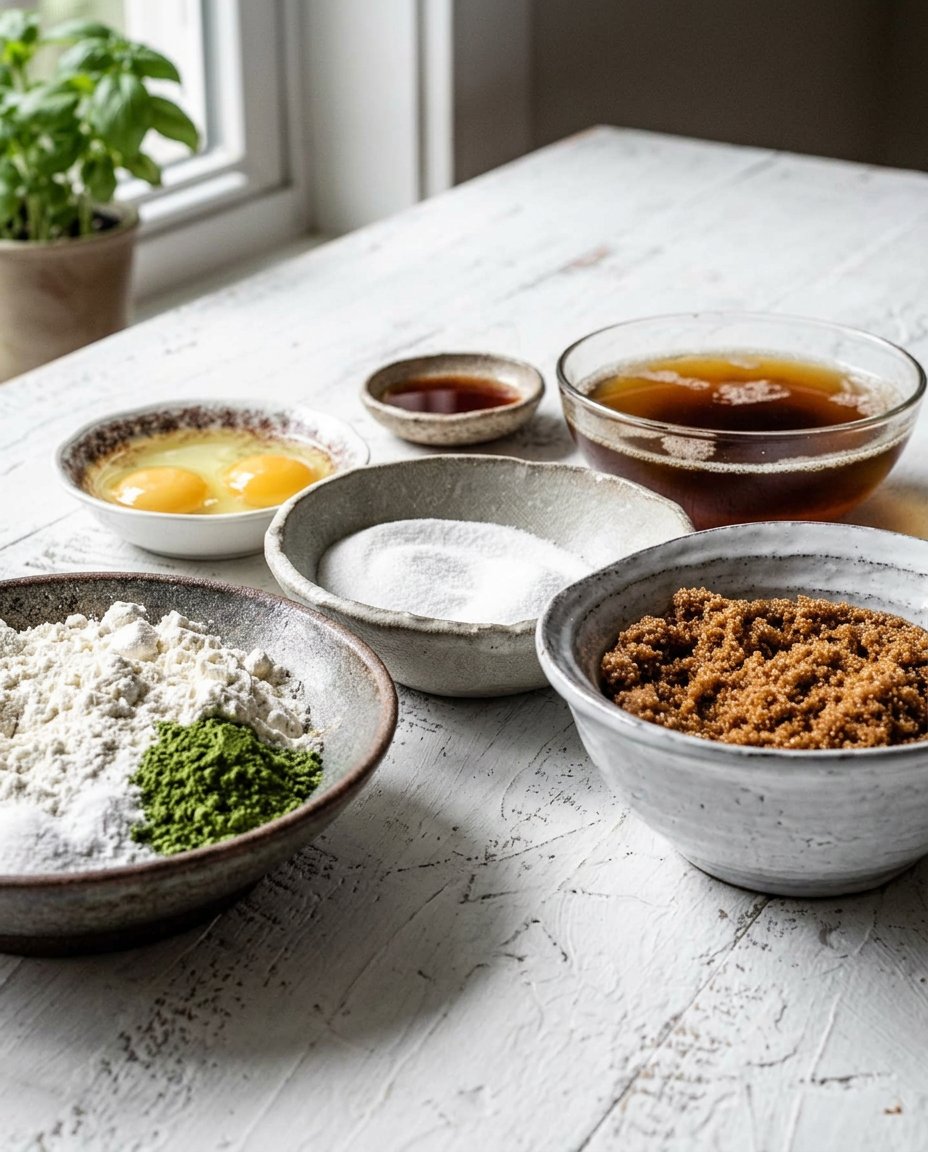
To achieve the perfect matcha white chocolate result, every component must be chosen for its chemical contribution to the whole.
- Culinary Grade Matcha: We use two tablespoons to provide a robust chlorophyll presence. High-quality matcha contains more L-theanine, which provides a sweet-savory finish rather than a harsh, sandy bitterness. Aiya culinary grade is recommended for its stability under heat.
- Unsalted Butter: By starting with unsalted butter, we control the sodium levels exactly. We brown this butter to release pyrazines, which add a layer of toasted aroma that complements the earthiness of the tea.
- White Chocolate Chips: Look for chips with a high percentage of cocoa butter. These provide the necessary fats to carry the matcha flavor across your taste buds. The lecithin in the chips also helps with the final emulsion of the dough.
- Light Brown Sugar: This provides humectants that keep the cookie chewy. The slight acidity in brown sugar also reacts with the baking soda to create a tiny amount of carbon dioxide, contributing to the lift.
- All-Purpose Flour: We use a specific volume to create a sturdy protein network. The additional two tablespoons are vital for preventing excessive spread when the browned butter fats reach their melting point in the oven.
- Vanilla Extract: We add this for vanillin, which acts as a flavor potentiator, making the white chocolate taste creamier and the matcha taste less ‘raw.’
The Layering Process
Step 1: Initiate the Maillard Reaction
Place your unsalted butter in a light-colored saucepan over medium heat. As the water evaporates, the milk solids will begin to toast and turn golden brown. Watch for the foaming to subside and the aroma to shift toward a nutty scent. Immediately pour the liquid into a heat-proof bowl to stop the cooking process and allow it to cool, which concentrates the flavor compounds.
Step 2: Sift the Dry Components
In a medium bowl, whisk together the flour, baking soda, salt, and matcha powder. Sifting is mandatory here because matcha particles are extremely fine and prone to clumping due to static electricity. We want a uniform green hue to confirm that every bite has a consistent chemical balance of tea and grain.
Step 3: Emulsify the Sugars and Fat
Add the granulated and brown sugars to the cooled browned butter. Whisk vigorously to begin the aeration process. Add the eggs and vanilla, then continue whisking for approximately one minute. You are looking for a light, creamy texture which indicates that the sugar has started to dissolve into the egg proteins, creating a stable emulsion for a superior crumb.
Step 4: Fold the Green Dough
Slowly incorporate the dry ingredients into the wet mixture using a spatula. Do not overmix; we want to develop just enough gluten to hold the structure without making the cookies tough. Stop as soon as the last streaks of flour disappear and a uniform forest-green dough forms.
Step 5: Distribute the White Chocolate
Fold in the white chocolate chips. These chips provide pockets of concentrated fat and sweetness that will counteract the tannin-rich dough during the baking process.
Step 6: The Hydration Rest
Cover the dough and place it in the refrigerator for at least one hour. This is a critical scientific step. During this time, the flour proteins fully hydrate and the fats solidify. This prevents the cookies from spreading too thin and allows the flavors to meld and deepen.
Step 7: Calibrate the Heat
Preheat your oven to 350 degrees F. Use an oven thermometer to verify the accuracy of the temperature. Even a five-degree variance can alter the rate at which the butter melts versus the rate the structure sets.
Step 8: Portion and Space
Use a 3-tablespoon scoop to place the dough onto parchment-lined sheets. Space them at least 2 inches apart to allow for proper heat distribution and airflow between each cookie.
Step 9: Monitor the Bake
Bake for 10-12 minutes. The edges should be set, but the centers should still look slightly soft. The residual heat will finish the cooking process once they are removed from the oven.
Step 10: The Cooling Phase
Let the cookies rest on the pan for 10 minutes. This allows the internal starches to set. Move them to a cooling rack for another 15 minutes before serving to reach the ideal temperature for flavor perception.
Jasmine’s Flavor Secrets
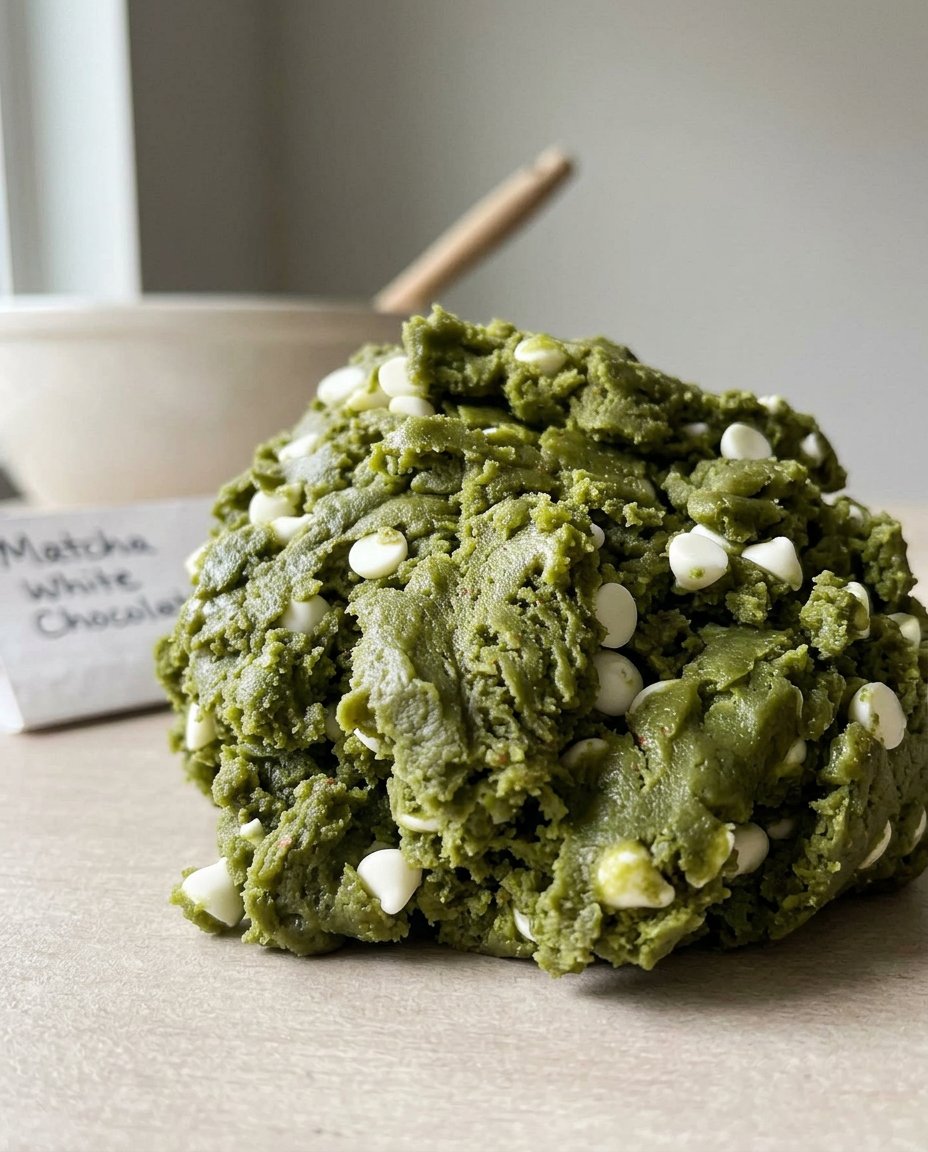
To maximize the vibrancy of your matcha white chocolate cookies, always store your matcha in an airtight, opaque container in the fridge. Light and oxygen degrade chlorophyll, turning your bright green cookies into a dull olive brown. Additionally, adding a tiny pinch of sea salt on top after baking can suppress the perception of bitterness even further while making the white chocolate pop. For more insights on the chemistry of the perfect dough, check out our Foundation Cookie Recipes. If you find your cookies are spreading too much, verify your oven temperature; a cool oven allows the butter to leak out before the flour can set the shape. Always use a high-quality fat source as the vehicle for these delicate tea powders.
Scientific Flavor Swaps
You can modify the aromatic profile of these cookies by adding citrus elements. Lemon zest contains limonene, a terpene that shares a bright, clean profile with many Japanese teas. If you prefer a nuttier texture, toasted macadamia nuts are a perfect pairing because their high fat content mimics the mouthfeel of white chocolate. For a deep dive into how modern trends influence these combinations, see our Viral Cookie Analysis. You might also consider the methods found in this matcha white chocolate chip cookies recipe for different hydration levels. Swapping the white chocolate for dark chocolate is another option, though it shifts the balance toward a more bitter, polyphenolic profile.
Optimizing the Tasting Experience
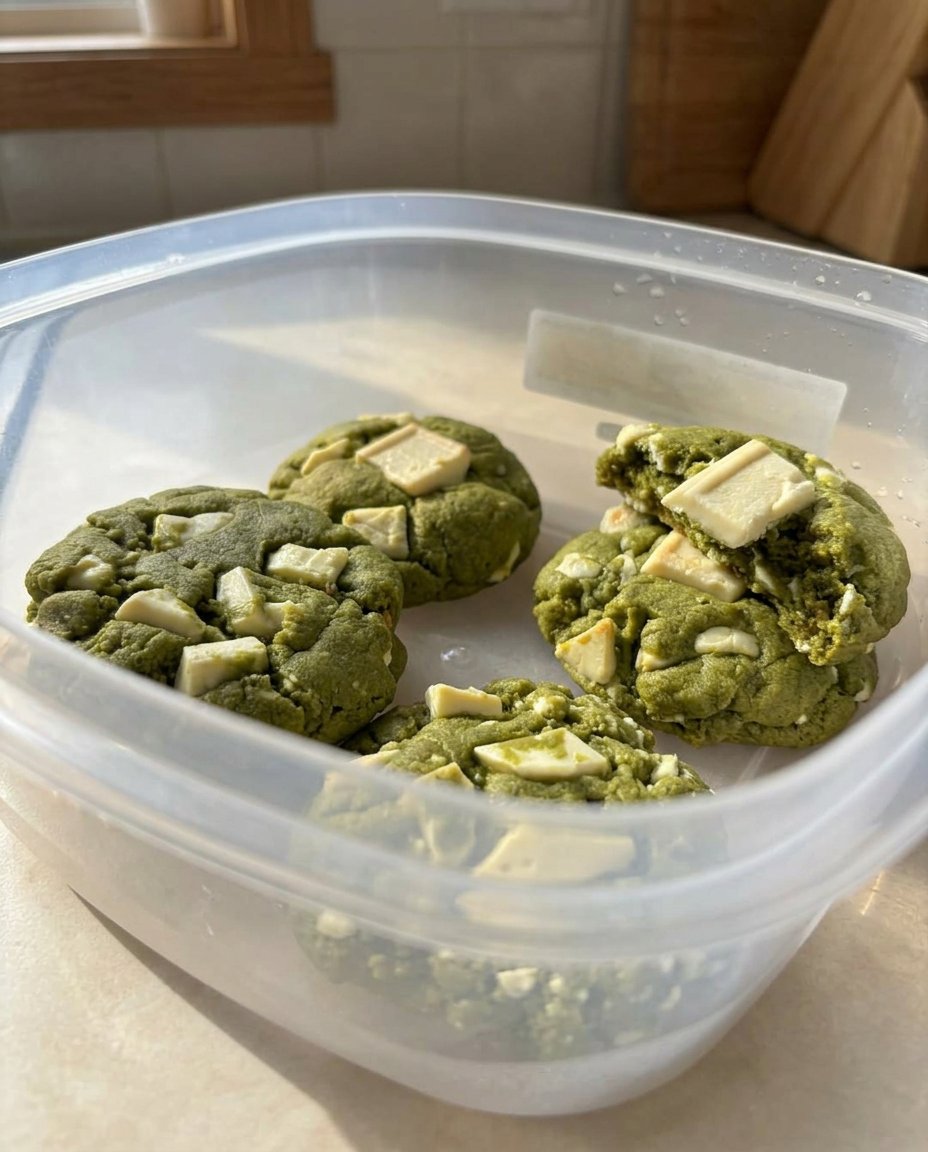
For the best sensory experience, serve these cookies slightly warm. At about 100 degrees F, the white chocolate reaches a semi-liquid state, and the aromatic pyrazines from the browned butter are most volatile. Pair these with a light-roast coffee; the acidity in the coffee cuts through the richness of the white chocolate. Alternatively, a cup of sencha tea provides a complementary green note that reinforces the matcha. If you are looking for more ways to streamline your kitchen workflow while serving guests, visit our section on Efficient Cookie Methods. The contrast of a cold glass of milk against the warm, earthy cookie also highlights the creamy dairy notes in the chocolate chips.
The Final Flavor Truth
Understanding the chemistry between matcha and white chocolate transforms a simple bake into a precise culinary achievement. By controlling the Maillard reaction in your butter and respecting the hydration needs of your flour, you produce a cookie that is as technically sound as it is delicious. We hope this scientific approach to baking brings a new level of discovery to your kitchen. To see how we apply these principles to other seasonal bakes, examine our Holiday Cookie Science. If you enjoyed this flavor study, share your results with us on Instagram, Facebook, Pinterest, or TikTok. Keep pairing with intention and exploring the fascinating world of taste chemistry.