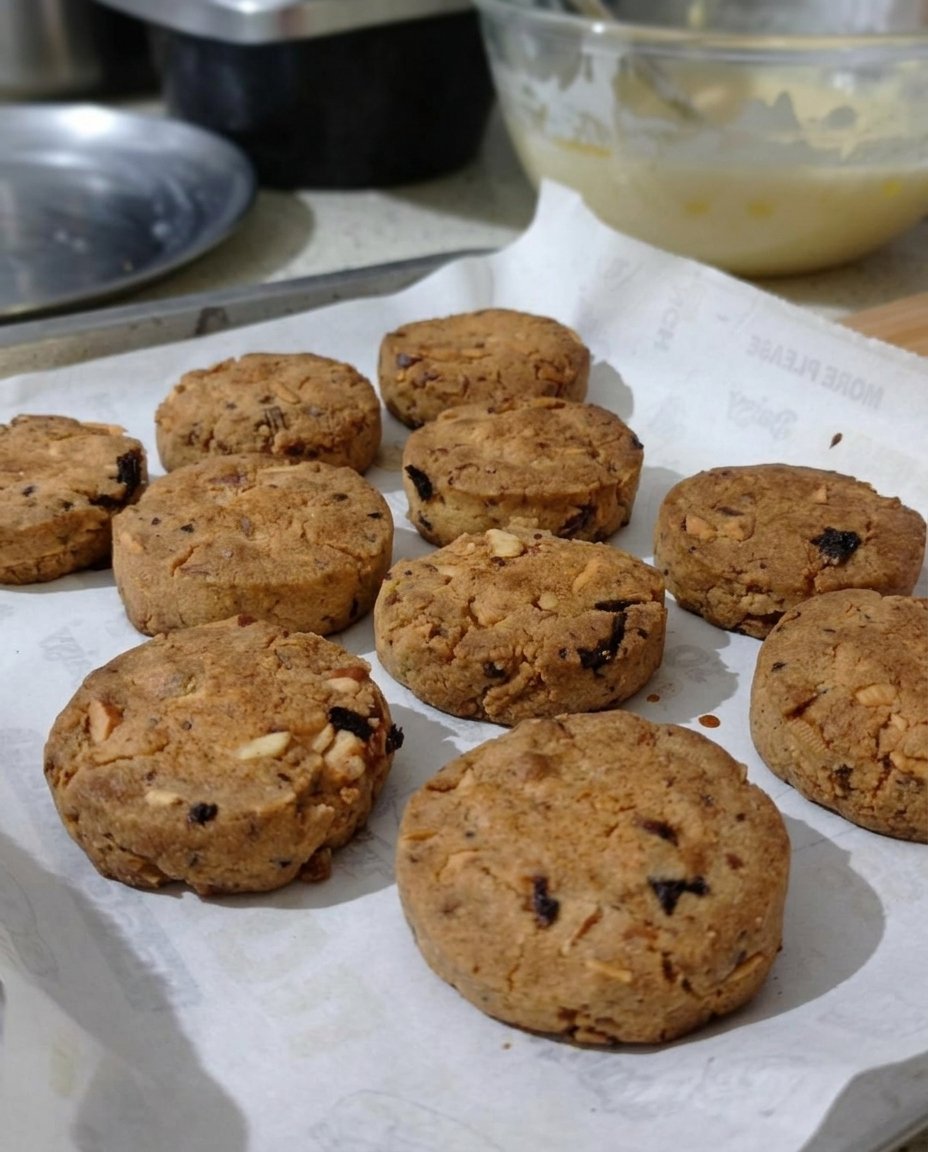
The narrative of Naan Khatai is a fascinating study in culinary evolution, tracing back to a 16th-century Dutch bakery in the port city of Surat. When the Dutch departed, they left their ovens to local Parsi employees who adapted traditional biscuit methods to suit local tastes and storage requirements. This resulted in a unique shortbread that omitted eggs and used local flours, creating a heritage bake that has survived for centuries.

In this technical preparation, we analyze the structural relationship between chickpea flour, semolina, and wheat. This specific trio of flours provides a complex crumb that is both sturdy and melt-in-the-mouth. By using coconut oil as a modern alternative to traditional ghee, we maintain the essential lipid-to-flour ratio required for the perfect short texture.
The Science of the Short Crumb
This recipe is a masterpiece of gluten management and lipid distribution. Victorian-era bakers understood that by coating flour particles in fat before adding any liquid, one could inhibit the formation of long gluten strands. In Naan Khatai, we take this a step further by using no added water or eggs, relying entirely on the fat to hold the structure together.
You will appreciate the historical precision required to balance the nuttiness of the Besan with the crunch of the Sooji. This is not merely a cookie; it is a calculation of texture. The lack of leavening agents like baking powder or soda is a testament to the traditional method, where the air trapped during the creaming and massaging process provides the necessary lift.
Furthermore, the inclusion of semolina creates a physical barrier to moisture absorption once baked. This means the biscuits remain crisp for weeks when stored in an airtight container, a practical necessity born from the humid climates of the Indian subcontinent. It is a triumph of traditional food science that remains relevant in the modern kitchen.
Print
Naan Khatai
- Total Time: 40 mins
- Yield: 20 biscuits
- Diet: Vegan
Description
Experience a centuries-old heritage bake with these aromatic Naan Khatai biscuits. This recipe meticulously balances chickpea flour and semolina to create a uniquely crumbly, egg-free shortbread that pairs perfectly with a robust, spiced Masala Chai.
Ingredients
- 1 cup all-purpose flour
- 1/2 cup chickpea flour (besan)
- 1/2 cup semolina (sooji)
- 1 cup castor sugar
- 2/3 cup coconut oil (soft but not liquid)
- 2 teaspoons cardamom powder
- 1 pinch salt
- Pistachios, dry rose petals, caraway, or sesame seeds for garnish
- 2 cups almond milk
- 1 inch fresh ginger, sliced
- 2 tablespoons sugar
- 4 cardamom pods, crushed
- 1 cinnamon stick
- 3 cloves
- 2 tablespoons loose-leaf Assam tea
Instructions
- Preheat your fan-forced oven to 160°C (320°F) and line a baking tray with parchment paper.
- In a large mixing bowl, sift together the all-purpose flour, chickpea flour, semolina, castor sugar, cardamom powder, and salt.
- Incorporate the coconut oil by massaging it into the dry ingredients using your fingertips until a cohesive dough forms.
- Divide the dough into small portions and roll them into balls of approximately 15 to 20 grams each.
- Create a small indentation in the center of each ball using your thumb or a fork, then apply your chosen garnishes.
- Bake the biscuits for 17 minutes, rotating the tray halfway through to ensure an even, light golden finish.
- While the biscuits cool, combine almond milk, ginger, sugar, cardamom pods, cinnamon, and cloves in a saucepan and simmer over low heat.
- Remove the milk mixture from heat, add the loose-leaf Assam tea, and allow it to steep covered for precisely five minutes.
- Strain the infused tea into cups and serve immediately alongside the cooled Naan Khatai biscuits.
Notes
To achieve the signature domed shape and short texture, ensure your coconut oil is semi-solid; if it is too liquid, the biscuits will spread too much. For the most professional results, use a kitchen scale to ensure each dough ball is exactly the same weight for a perfectly uniform bake.
- Prep Time: 20 mins
- Cook Time: 20 mins
- Category: Dessert
- Method: Baking
- Cuisine: Indian
Historical Components and Structural Integrity
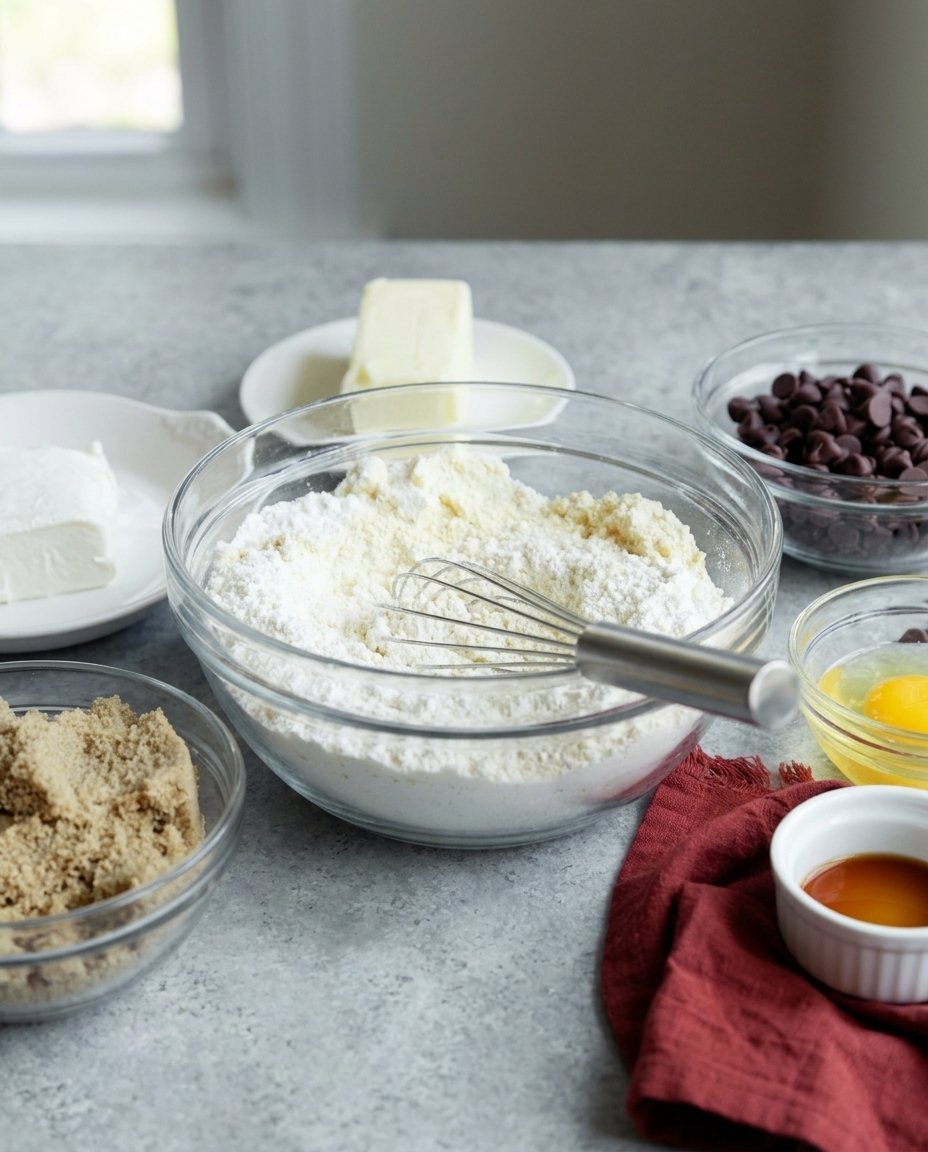
To achieve the authentic texture of these biscuits, the choice of ingredients must be deliberate and precise. Each component serves a technical purpose beyond simple flavor.
- All-Purpose Flour (1 Cup): This provides the primary protein structure. In British tradition, this is equivalent to a plain flour with moderate protein content to ensure the biscuit is not overly tough.
- Chickpea Flour / Besan (1/2 Cup): This adds a dense, nutty flavor and a fine, sandy texture. It has a higher protein content but lacks gluten-forming proteins, contributing to the ‘short’ break of the biscuit.
- Semolina / Sooji (1/2 Cup): The coarse granules of semolina act as structural reinforcements. They provide a distinct crunch that survives the baking process, contrasting with the softer flours.
- Castor Sugar (1 Cup): Fine sugar crystals are essential for even distribution. Larger crystals would create pockets of syrup during baking, compromising the uniform crumb we seek.
- Coconut Oil (2/3 Cup): This serves as our primary fat. In its solid or semi-solid state, it mimics the behavior of traditional ghee, providing the necessary shortening effect.
- Cardamom Powder (2 Teaspoons): A traditional aromatic that historically served both culinary and medicinal purposes. It provides a sharp, herbal top note to the rich base flours.
- Pinch of Salt: Even in sweet historical bakes, a small amount of sodium is required to sharpen the perception of sugar and spices.
- Garnishes: Pistachios, dry rose petals, caraway, and sesame seeds offer a variety of textures and traditional aesthetic finishes.
The Proper Method
Step 1: Thermal Calibration
Preheat your fan-forced oven to 160°C (approximately 320°F). Accurate temperature control is paramount here; a hotter oven will cause the sugar to caramelize too quickly, while a cooler oven will result in a greasy texture as the fat melts before the structure sets.
Step 2: Sifting and Homogenization
Combine the all-purpose flour, chickpea flour, semolina, castor sugar, cardamom, and salt in a large mixing bowl. Sift these ingredients together if possible to break up any clumps in the Besan and to ensure the cardamom is distributed evenly throughout the dry matrix.
Step 3: Lipid Incorporation
Add the coconut oil to the dry mixture. Use your fingertips to massage the oil into the flours, a technique known in British pastry work as the ‘rubbing-in’ method. This process coats the individual flour particles in fat, which is the technical secret to preventing gluten development and achieving a crumbly texture.
Step 4: Geometric Formation
Roll the resulting dough into small balls, approximately 15 to 20 grams each. Precision in weight ensures that every biscuit in the batch will reach the desired internal temperature at exactly the same time, preventing uneven browning.
Step 5: Traditional Shaping and Garnishing
For a sweet aesthetic, use your thumb to create a small indentation in the center of the ball and fill it with crushed pistachios or rose petals. For a more savory visual, press a fork into the top to create ridges and sprinkle with caraway or sesame seeds. These indentations also serve to increase the surface area for heat distribution.
Step 6: The Bake Cycle
Place the biscuits on a lined tray and bake at 160°C for 17 minutes. Halfway through the timer, rotate the tray 180 degrees to account for any hot spots within your oven cavity. The biscuits are finished when they are firm to the touch but have not yet taken on a deep brown color.
Step 7: Spice Infusion for Chai
While the biscuits cool, prepare the Masala Chai by combining almond milk, ginger, sugar, cardamom pods, cinnamon, and cloves in a saucepan. Simmer these aromatics over low heat until the liquid becomes fragrant and slightly reduced, ensuring the oils from the spices are fully extracted.
Step 8: Steeping Technique
Remove the saucepan from the heat before adding the loose-leaf Assam tea. Boiling the tea leaves can lead to the extraction of bitter tannins; instead, allow the tea to steep with the lid on for precisely five minutes. This controlled extraction produces a robust but smooth flavor profile.
Step 9: Service Preparation
Strain the tea into warmed cups through a fine-mesh sieve. Garnish with additional rose petals if desired, and serve alongside the cooled Naan Khatai for a traditional sensory experience.
Precision Methods for Perfect Crumb
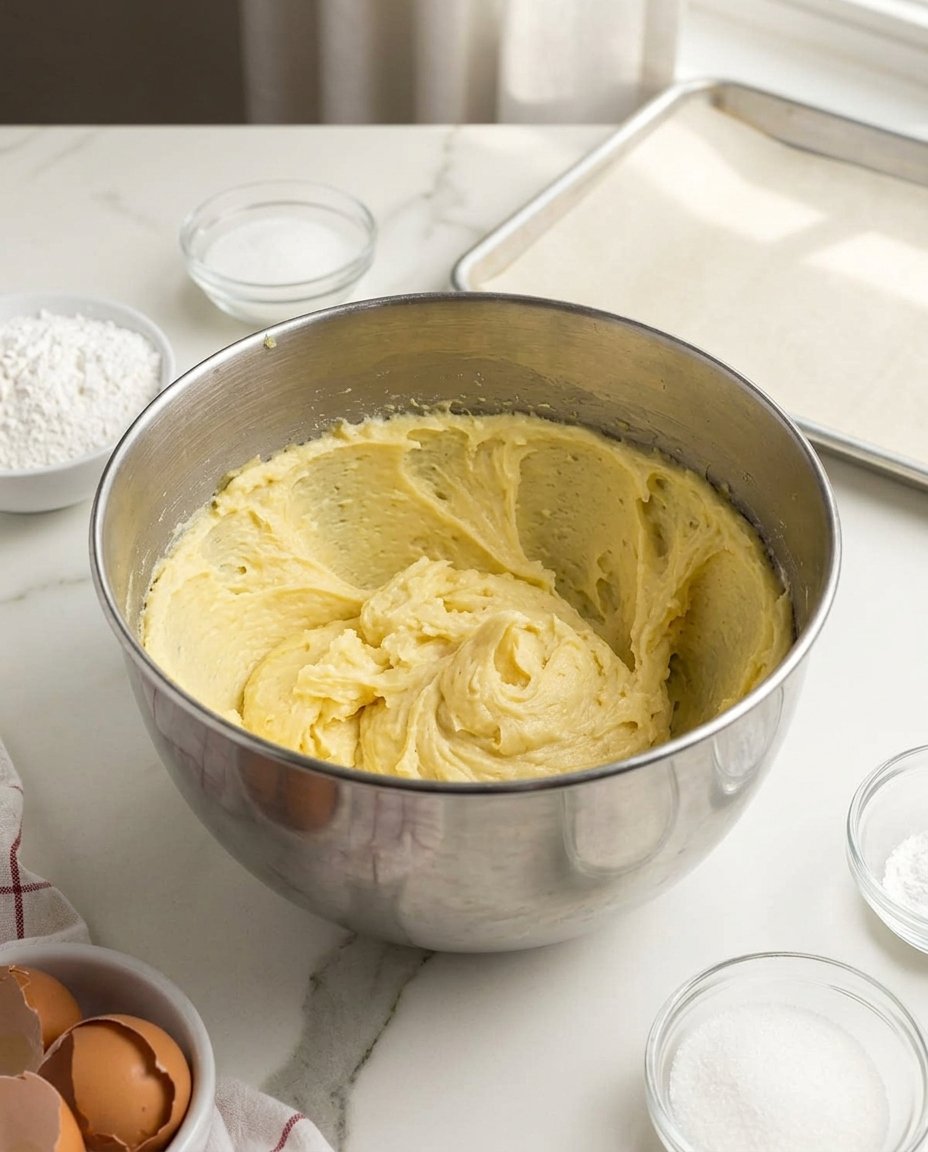
The consistency of your coconut oil is the most significant variable in this recipe. Ideally, the oil should be soft but not liquid; if the oil is too runny, the dough will spread excessively in the oven, losing its traditional domed shape. If you are working in a warm kitchen, chilling the oil slightly before the rubbing-in process will help you maintain better control over the texture. For more insights into how fat stability affects your bakes, you can review our guide on Efficient Cookie Methods.
Historically, bakers would rest this dough in a cool larder for several hours. Modern testing confirms that this resting period allows the starch granules in the semolina to partially hydrate from the small amount of moisture in the oil and aromatics. This results in a more cohesive dough that is easier to roll and a final biscuit that has a more uniform, professional finish.
Regional Variations and Tested Adaptations
Across different regions of India and Pakistan, Naan Khatai varies in its flour ratios. Some versions from the Punjab region utilize a higher percentage of semolina for a harder, more ‘rusk-like’ consistency that is specifically designed for dipping into hot tea. Others might include a small amount of yogurt or soda water to create a lighter, more aerated structure, though this departs from the original shortbread formula. Understanding these differences is part of the Holiday Cookie Science that we value at Cookies Yum.
You might also consider substituting the coconut oil with clarified butter, or ghee, for a more traditional flavor profile. If you require a vegan version but find coconut oil too flavored, a high-quality neutral vegan butter can work, provided it has a high fat-to-water ratio. For further inspiration on vegan adaptations of traditional bakes, you can see this recipe for vegan naan khatai and chai.
Traditional Service and Tea Pairing
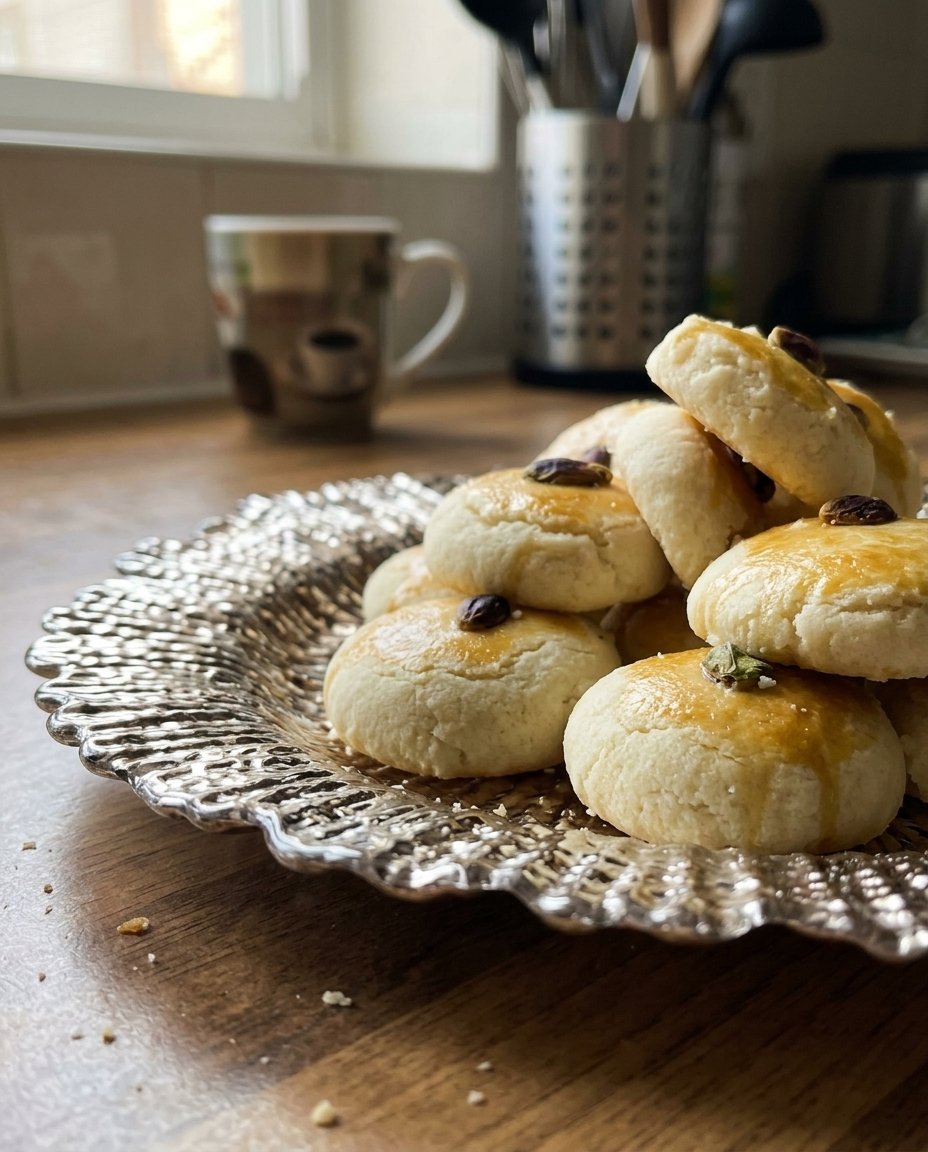
To honor the historical context of these biscuits, they should be served at room temperature on a ceramic or silver platter. In British-Indian tradition, the presentation is as important as the preparation. Pairing these with a properly brewed Masala Chai is non-negotiable for the full experience, as the spices in the tea complement the cardamom in the biscuits. For those interested in the presentation side of baking, our section on Foundation Cookie Recipes covers the basics of classic service.
When serving, ensure the Chai is served at approximately 85°C. This temperature is hot enough to release the aromatics of the ginger and cloves without masking the delicate flavor of the semolina in the biscuit. The contrast between the hot, liquid tea and the dry, crumbly biscuit is a hallmark of this traditional afternoon ritual.
Classic Precision and Culinary Legacy
Mastering the Naan Khatai is a journey through centuries of baking history and the physics of short-crust textures. By respecting the proportions of the flours and the methodical incorporation of fats, you produce a biscuit that is far superior to any mass-produced alternative. This recipe proves that traditional wisdom, such as the use of chickpea flour for texture, is backed by sound scientific principles. To continue your education in methodical baking, explore our Precision Cookie Decorating resources. We invite you to share your results with our community on Facebook, Instagram, and Pinterest. For more technical insights, follow us on YouTube.