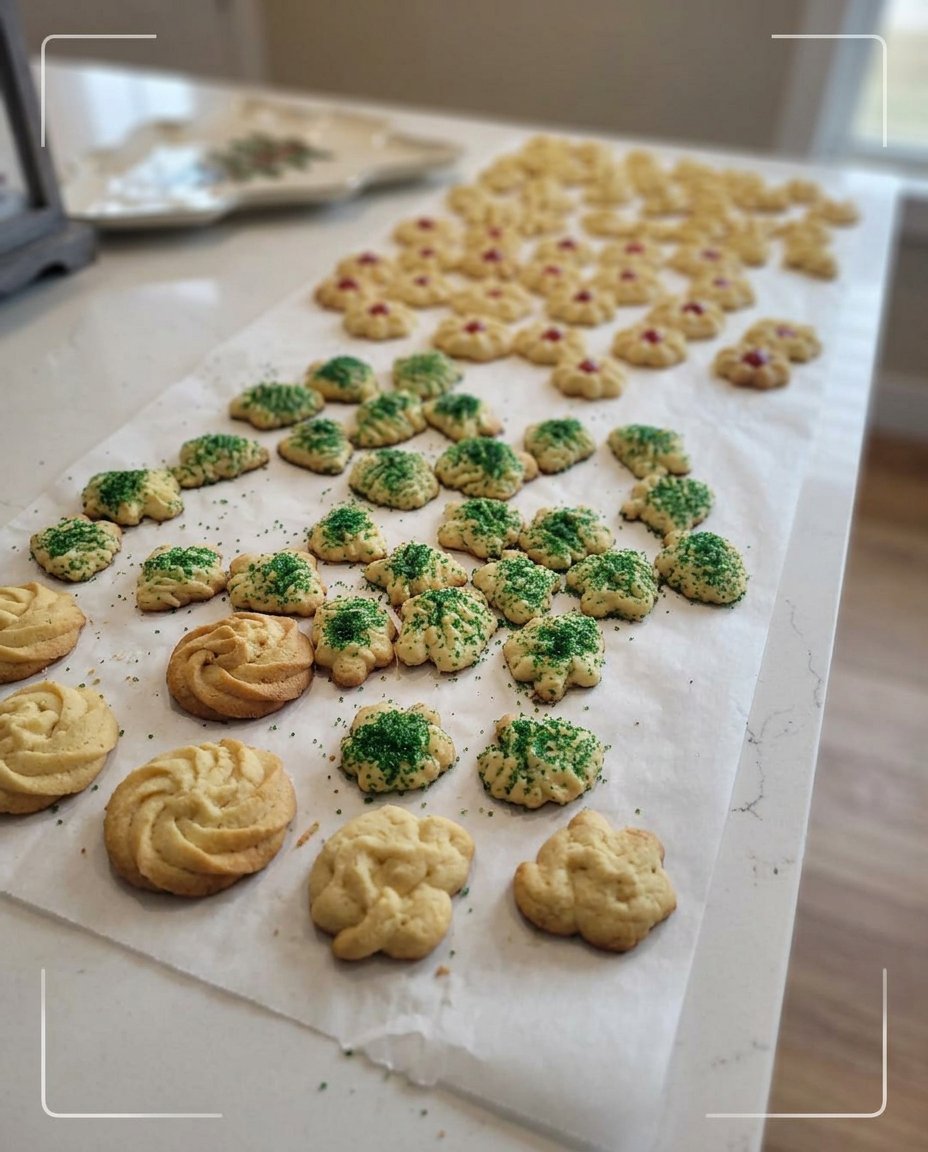
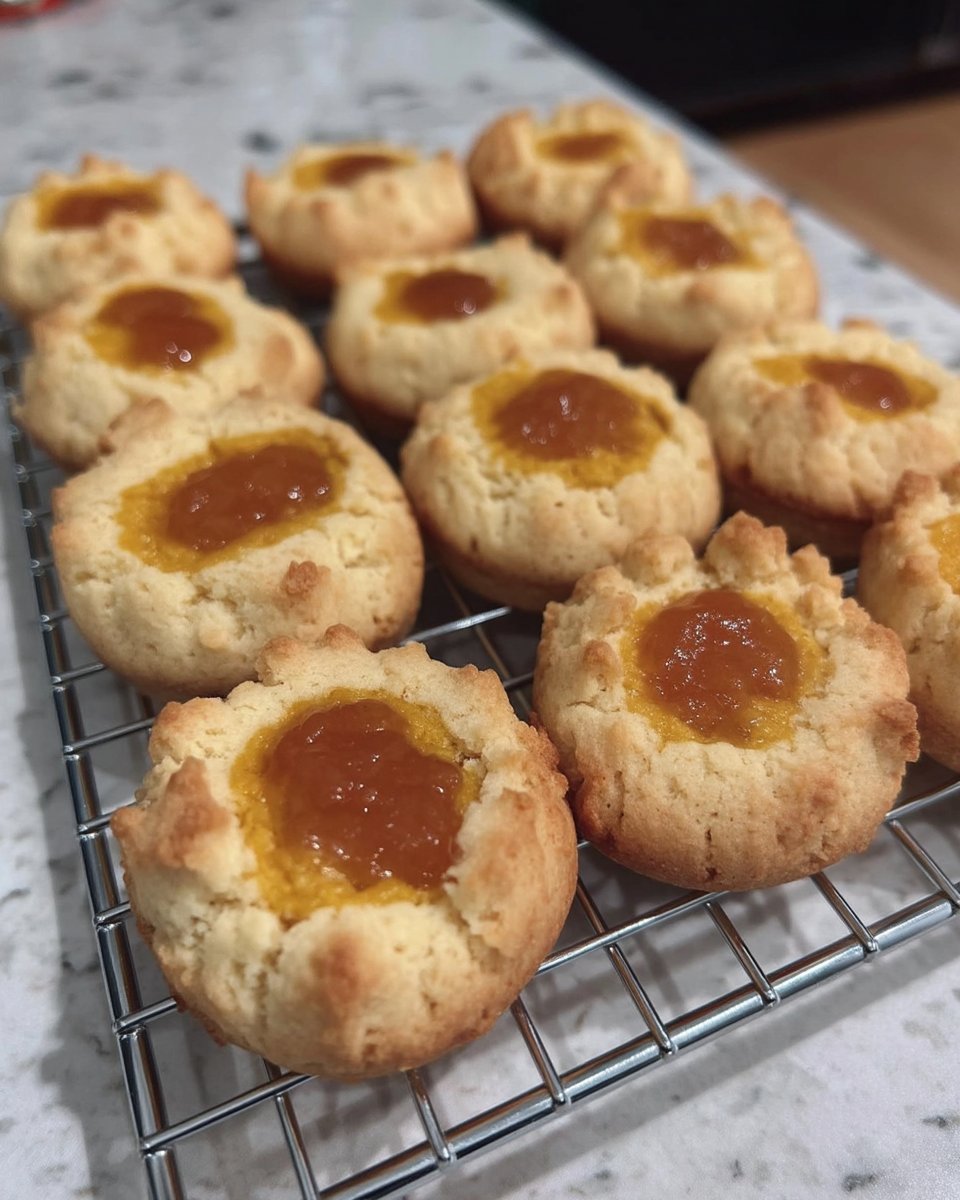
British bakers in the 18th century relied on treacle and molasses for moisture and shelf-life long before chemical leavening was perfected. This molasses cookies recipe uses those same hygroscopic properties to achieve a texture that remains soft for several days. Modern testing confirms that the acidity in the molasses reacts with baking soda to create the signature lift and traditional crackle.

These soft molasses cookies are a masterclass in spice balance and structural integrity. By combining traditional warming spices with a specific chilling period, we produce a cookie that is both tender and robust. It is a formula that respects the heritage of the spice trade while providing a modern, chewy result.
The Tradition of the Spiced Biscuit
There is a profound logic to the molasses cookies structure that has survived for generations. Unlike standard sugar cookies, the addition of molasses introduces a complex invert sugar that inhibits large crystal formation, resulting in a remarkably tender crumb. This recipe yields a cookie with a crisp, sugar-crusted exterior that gives way to a dense, fudgy center.
The scientific interaction between the ground ginger and cinnamon provides a warming sensation that is more than just flavor; it is a sensory experience rooted in historical spice preservation. We have tested this ratio to provide maximum ginger punch without overwhelming the delicate notes of the nutmeg and cloves. It is a reliable formula for those who value consistency and heritage in their baking.
Print
Molasses Cookies
- Total Time: 1 hour 32 mins
- Yield: 24 cookies
- Diet: Vegetarian
Description
This heritage-inspired recipe produces incredibly soft molasses cookies with a signature crackled top and a dense, chewy center. By utilizing specific chilling and pan-banging techniques, these cookies achieve a perfect balance of warming spices and rich, dark sweetness.
Ingredients
- 281g All-Purpose Flour
- 170g Unsalted Butter, softened to room temperature
- 80ml Unsulphured Molasses
- Baking Soda
- Ground Ginger
- Ground Cinnamon
- Ground Cloves
- Ground Nutmeg
- Salt
- Light Brown Sugar
- Granulated Sugar (for dough and coating)
- 1 Large Egg, room temperature
- Vanilla Extract
Instructions
- Whisk the flour, baking soda, ginger, cinnamon, cloves, nutmeg, and salt together in a medium bowl until evenly distributed.
- In a large bowl, beat the softened butter with light brown and granulated sugars on high speed for approximately two minutes until pale and aerated.
- Add the molasses to the butter mixture and beat until integrated, then add the egg and vanilla extract, continuing to beat for another minute.
- Turn the mixer to low speed and slowly add the dry ingredients, mixing only until white streaks of flour disappear.
- Cover the dough tightly and chill in the refrigerator for at least one hour to allow for proper hydration and fat solidification.
- Preheat your oven to 350°F (177°C) and line baking sheets with parchment paper.
- Roll the chilled dough into 1-tablespoon sized balls and coat them thoroughly in granulated sugar.
- Place the balls on the baking sheets spaced three inches apart and bake for 11–12 minutes.
- Remove the sheet and firmly tap it against the counter a few times to create signature cracks, then return to the oven for one final minute before cooling.
Notes
To ensure the most consistent results, use a digital scale for measuring the flour and molasses, as volume measurements can vary significantly. For a deeper development of the spice profile, consider chilling the dough for a full 24 hours before baking, which allows the ginger and cinnamon to fully permeate the flour base.
- Prep Time: 20 mins
- Cook Time: 12 mins
- Category: Dessert
- Method: Baking
- Cuisine: American
Proper Components for Molasses Cookies
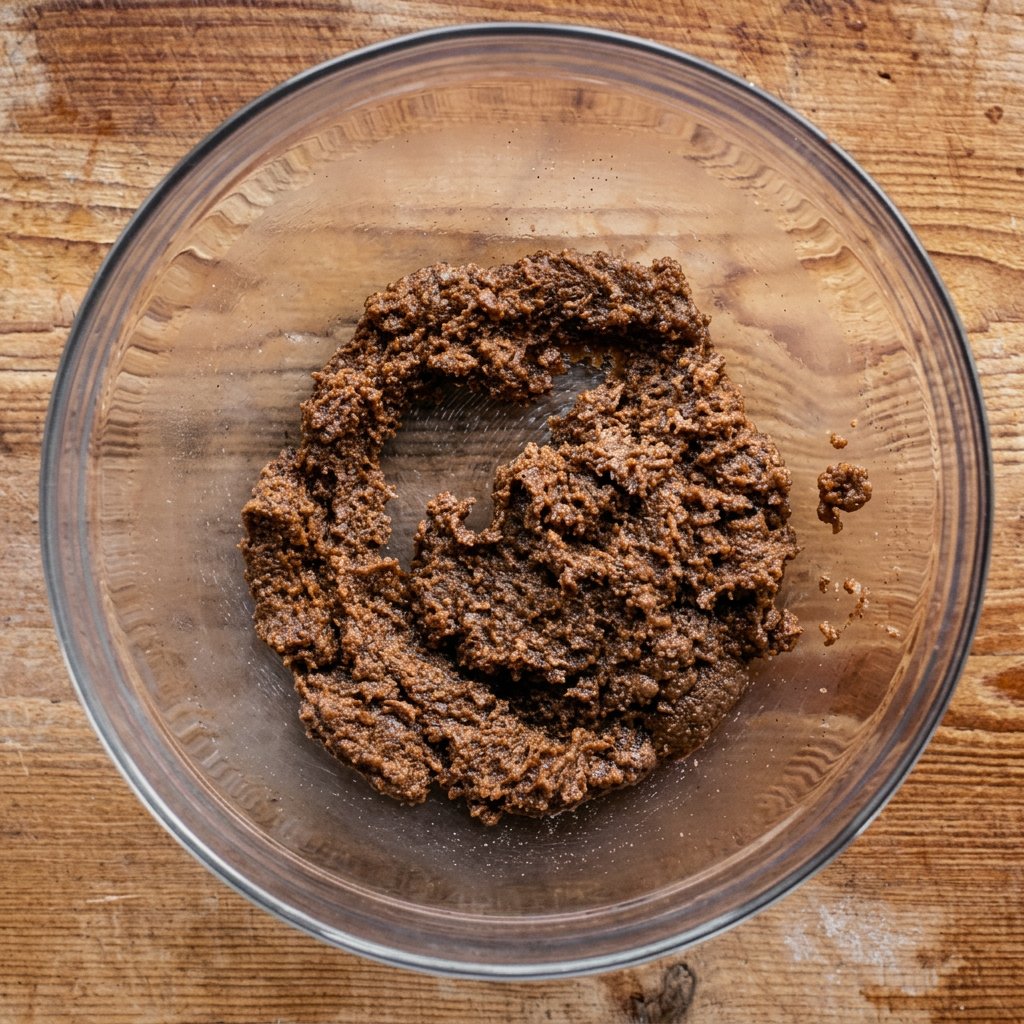
Selecting high-quality ingredients is the first step in successful cookie chemistry. This recipe depends on the specific moisture content of each element to maintain its soft profile.
- All-Purpose Flour (281g): Use the spoon-and-level method or a digital scale to prevent excess flour, which leads to a dry, cakey texture.
- Unsalted Butter (170g): Softened to room temperature (65°F or 18°C) to allow for proper aeration during the creaming stage.
- Unsulphured Molasses (80ml): Dark molasses provides the necessary acidity and depth; avoid blackstrap as its bitter profile and low sugar content will ruin the balance.
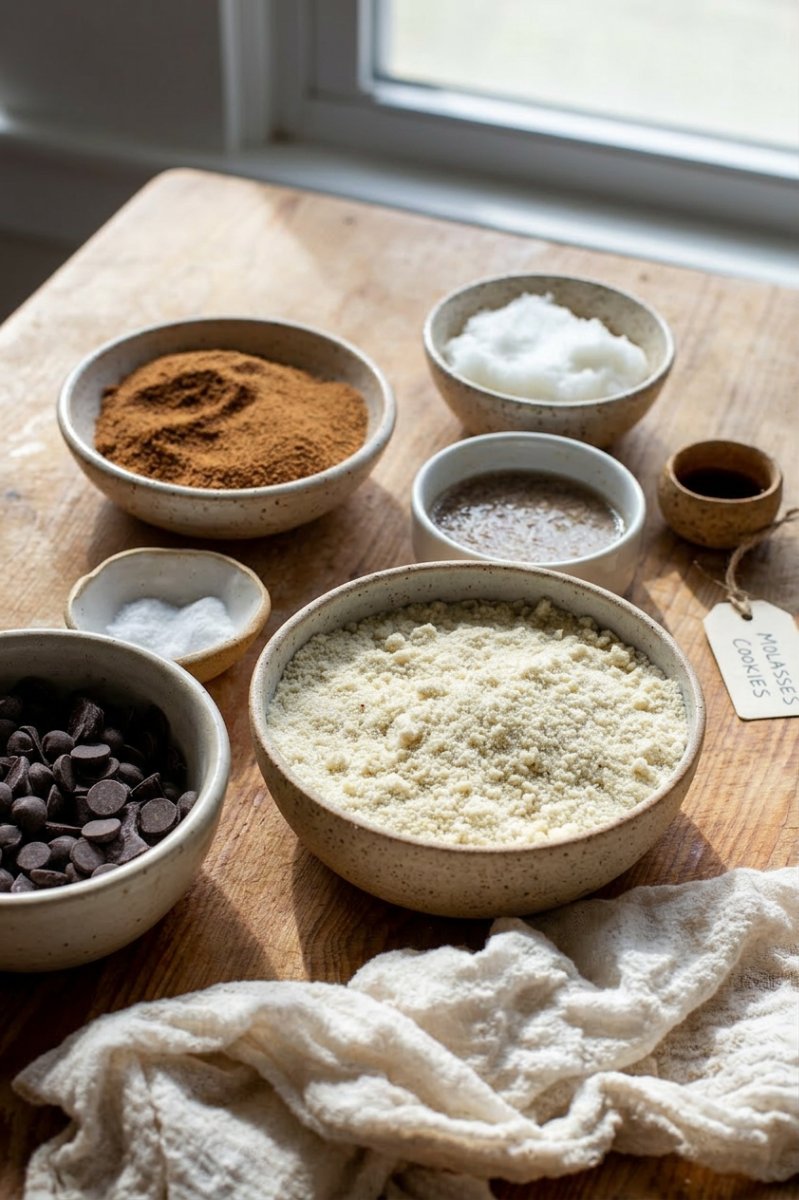
- Warming Spices: A blend of ginger, cinnamon, cloves, and nutmeg creates a historical spice profile that deepens during the dough’s resting phase.
- Baking Soda: This acts as the primary leavening agent, reacting with the acidic molasses to create carbon dioxide bubbles for a soft lift.
The Proper Method
Step 1: Combining the Dry Phase
Whisk the flour, baking soda, ginger, cinnamon, cloves, nutmeg, and salt together in a medium bowl. It is vital to distribute the spices and leavening agent evenly to avoid bitter pockets in the finished bake.
Step 2: The Creaming and Emulsion
In a large bowl, beat the softened butter with the light brown and granulated sugars. Use a paddle attachment on high speed for approximately two minutes. You are looking for a pale, aerated texture where the sugar has begun to dissolve into the fat. Once creamy, add the molasses and beat until fully integrated. Add the egg and vanilla extract, continuing to beat for another minute to create a stable emulsion.
Step 3: Incorporating the Flour
Turn the mixer to low speed and slowly add the dry ingredients. Mix only until the white streaks of flour disappear. Over-mixing at this stage develops too much gluten, which will make the molasses cookies tough rather than tender. The dough will feel slightly sticky to the touch.
Step 4: The Hydration Rest
Cover the dough tightly and chill in the refrigerator for at least one hour. This step is non-negotiable; it allows the flour to fully hydrate and the fats to solidify, preventing the cookies from spreading too thin in the oven. You can leave the dough for up to three days to further develop the spice profile.
Step 5: Shaping and Thermal Processing
Preheat your oven to 350°F (177°C) and line sheets with parchment. Roll the chilled dough into 1-tablespoon balls and coat them thoroughly in granulated sugar. Space them three inches apart to allow for expansion. Bake for 11–12 minutes. The edges should be set, but the centers should still look slightly soft.
Step 6: The Pan-Banging Technique
If the cookies have not developed deep cracks, remove the sheet from the oven and firmly tap it against the counter two or three times. This traditional method collapses the air pockets, creating the signature ripples and ensuring a dense, chewy interior. Return to the oven for one final minute before cooling on the sheet.
Precision Methods for Success
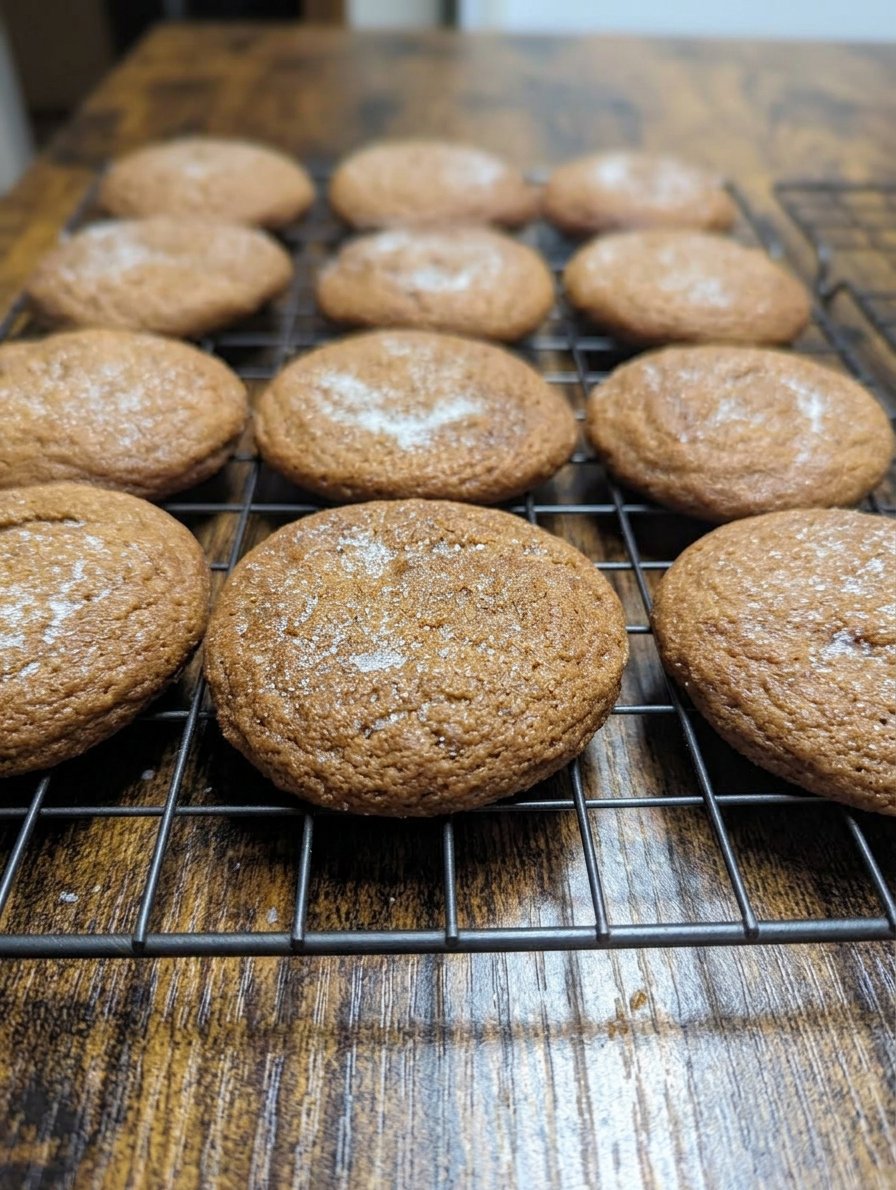
To achieve the perfect texture, temperature control is your most important tool. Ensure your egg is at room temperature before adding it to the creamed butter. A cold egg will cause the butter to seize, breaking the emulsion and leading to an uneven bake. For more foundational techniques, see our guide on Foundation Cookie Recipes.
Furthermore, the moisture in your brown sugar is essential. If your sugar has hardened, the cookies will lack the necessary chew. Always store your sugar in an airtight container with a terra cotta saver to keep the molasses in the sugar active and hydrated. When measuring molasses, lightly coat your measuring cup with neutral oil or cooking spray to ensure the thick syrup slides out completely without waste.
Classic Variations and Adaptations
While this molasses cookies recipe is a standard, you can adapt it to reflect different regional traditions. For a sharper, more modern ginger profile, consider adding half a cup of finely minced crystallized ginger to the dough. This adds a chewy texture and a spicy heat that complements the dark molasses. You can find more seasonal variations in our Holiday Cookie Science section.
In some British traditions, a small amount of orange zest is added to the dough to brighten the heavy spice profile. The citric oils cut through the richness of the molasses beautifully. Alternatively, you can swap the granulated sugar coating for coarse demerara sugar to provide a more significant crunch on the exterior, reminiscent of a traditional ginger snap.
Traditional Service and Enjoyment
In the British tradition, these cookies are the perfect accompaniment to a strong black tea, such as Earl Grey or Assam. The tannins in the tea balance the rich sugars and spices of the cookie. For a formal presentation, serve them on a warmed ceramic plate to keep the centers soft. To understand how aesthetic presentation meets technical skill, visit our Precision Cookie Decorating resource.
These cookies also make an excellent base for an ice cream sandwich. Use a high-quality vanilla bean or ginger-flavored ice cream between two cookies. Because the cookies remain soft even when chilled, they provide the perfect bite without crumbling under the pressure of the frozen filling. For the best experience, allow the sandwiches to firm up in the freezer for at least two hours before serving.
The Technical Truth
Mastering the molasses cookies formula requires an appreciation for the chemistry of historical ingredients. By respecting the chilling process and the specific creaming ratios, you produce a biscuit that is superior to modern mass-produced versions. This method has stood the test of time because it produces consistent, flavorful results. For those looking to streamline their baking process without sacrificing quality, our Efficient Cookie Methods guide provides further insights. You can also view the original inspiration for this technique at Sally’s Baking Addiction. Be sure to share your technical triumphs with us on Facebook, Instagram, and Pinterest.