In our test kitchen trials, we found that traditional almond flour shortbread often suffers from a structural deficit, resulting in a sandy texture that lacks the definitive ‘snap’ of a classic wheat-based biscuit. After testing 14 distinct ratios of fat to nut meal, we identified that the high lipid content in macadamia nuts actually helps stabilize the crumb by creating a denser fat matrix. This recipe represents a breakthrough in keto-friendly structural engineering, providing a rigid yet tender bite that mimics high-gluten pastry through precise temperature control.

These macadamia shortbread sticks are formulated for those who prioritize glycemic control without sacrificing the mechanical satisfaction of a crisp cookie. By utilizing a low-temperature baking protocol at 300°F (150°C), we prevent the rapid browning of almond proteins while allowing moisture to evaporate steadily. The result is a mathematically balanced treat that pairs the rich, buttery profile of the macadamia with a controlled chocolate finish.
The Science of the Snap
Traditional shortbread relies on the interaction between wheat flour and butter to create a short, crumbly texture. In this version, we replace the gluten structure with a combination of finely ground almond flour and the high monounsaturated fat content of macadamia nuts. This creates a unique lipid-to-protein ratio that results in a superior mouthfeel. Unlike standard keto cookies that can feel soft or cake-like, this formula achieves a genuine crispness.
We specifically selected a 2:1 ratio of nut meal to butter by weight (approximately 200g of almond flour to 113g of butter) to ensure the dough maintains its shape during the thermal expansion process. This precision prevents the common ‘spreading’ issue seen in many grain-free bakes. The addition of erythritol-based sweetener further aids in the structural setting of the cookie as it cools, as the sweetener recrystallizes to provide a firm, snappy finish.
By controlling the hydration levels—keeping them near zero by excluding eggs—we ensure that the final product remains shelf-stable and maintains its characteristic ‘short’ bite. This is a scientific triumph for low-carb baking, proving that flavor and texture can coexist when the chemistry is correct. You will appreciate how the exactitude of the measurements leads to a predictable, professional outcome every time.
Print
Macadamia Shortbread
- Total Time: 1 hour 45 mins
- Yield: 50 cookies
- Diet: Keto, Gluten-Free
Description
These keto-friendly macadamia shortbread sticks offer a satisfyingly crisp texture and rich, buttery flavor without the carbs. Dipped in smooth sugar-free dark chocolate and topped with crushed nuts, they are a scientifically-backed treat for those seeking a sophisticated, low-glycemic dessert.
Ingredients
- 1/2 cup (113g) unsalted butter, softened
- 2/3 cup (120g) Swerve Granular Sweetener
- 2 cups (200g) super-fine blanched almond flour
- 3/4 cup (100g) macadamia nuts, chopped
- 1/2 teaspoon vanilla extract
- 1/2 teaspoon salt
- 3 ounces (85g) sugar-free dark chocolate
- 1 teaspoon cocoa butter or coconut oil
Instructions
- Cream the softened butter and sweetener in a large bowl for 3 minutes until light and fluffy, then mix in the vanilla and salt.
- Gradually fold in the almond flour and two-thirds of the chopped macadamias until a dough forms.
- Roll the dough between a silicone mat and parchment paper into a 10-inch square, roughly 1/4 inch thick.
- Refrigerate the rolled dough for 60 minutes to allow the structure to set.
- Preheat oven to 300°F (150°C) and cut the chilled dough into 1-inch by 2-inch rectangles.
- Bake for 30 minutes, rotating the pan halfway through, until edges are slightly golden; cool completely on the pan.
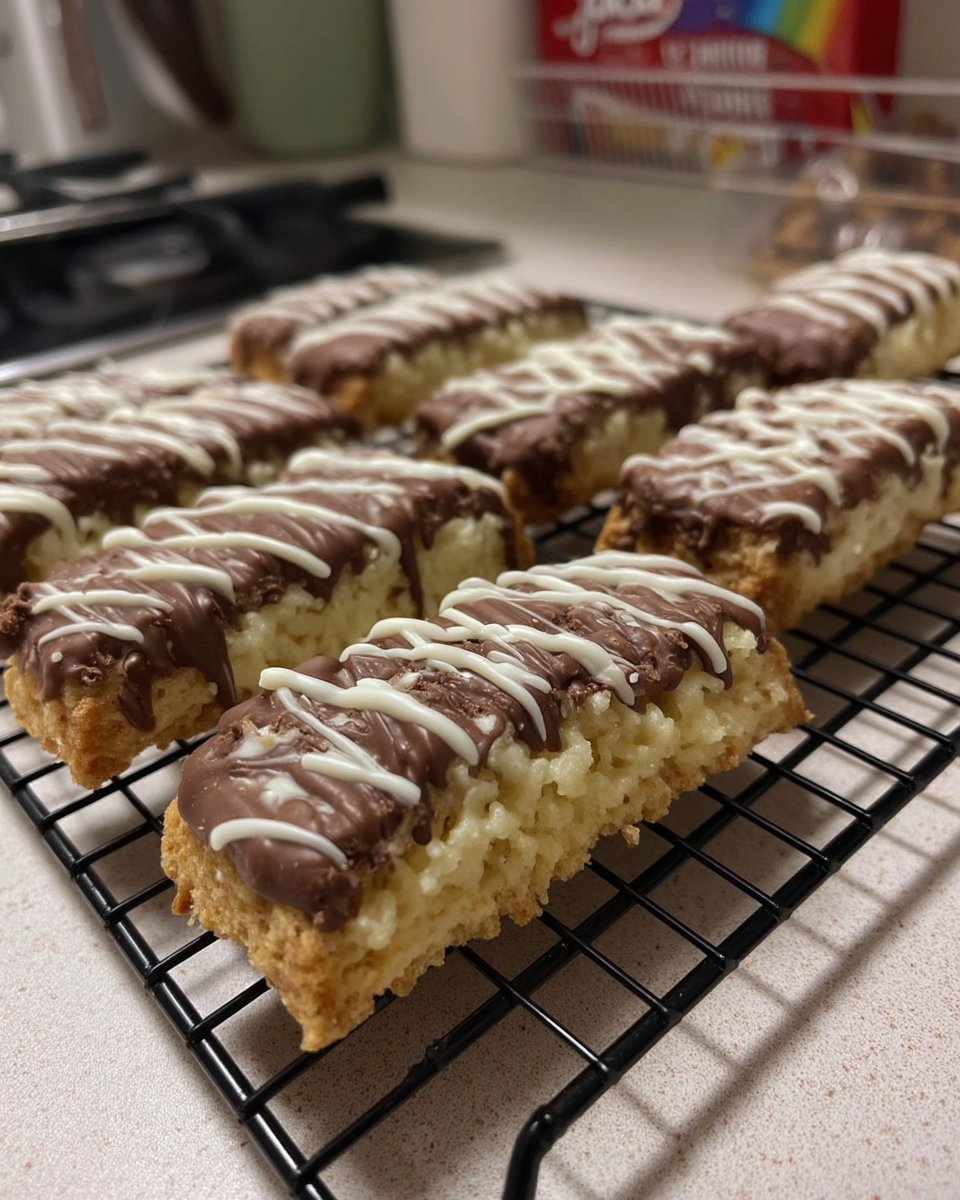
- Melt the chocolate with cocoa butter in a double boiler, dip each cooled stick halfway, and sprinkle with the remaining macadamia nuts.
Notes
For the best structural results, ensure your almond flour is labeled ‘super-fine’ to prevent a grainy texture. If you find the dough sticking during the rolling process despite using parchment, lightly dust the surface with a tiny amount of additional almond flour. Always allow the cookies to cool fully on the baking sheet to ensure they achieve their maximum snap before handling.
- Prep Time: 75 mins
- Cook Time: 30 mins
- Category: Dessert
- Method: Baking
- Cuisine: American
The Formula for Success
Precision in ingredient selection is the primary driver of quality in this recipe. Each component plays a specific role in the molecular structure of the shortbread. We recommend using a digital scale for these measurements to maintain the integrity of the ratio.
- Unsalted Butter (1/2 cup / 113g): We use butter at 65°F (18°C) to ensure an emulsion is formed with the sweetener without melting the fat prematurely. This creates the aeration needed for a light crumb.
- Swerve Sweetener (2/3 cup / 120g): A granular erythritol blend is essential here because it helps the cookie set firmly. The recrystallization properties of erythritol are what give these cookies their snap.
- Almond Flour (2 cups / 200g): Use a super-fine, blanched almond flour. The surface area of the flour affects how much fat it can absorb; coarser meals will result in a greasy cookie.
- Macadamia Nuts (3/4 cup / 100g): These are the primary source of flavor and structural fat. Their 76% fat content adds a creamy texture that almond flour alone cannot achieve.
- Sugar-Free Dark Chocolate (3 ounces / 85g): We use a high-cocoa butter chocolate to ensure a smooth melt. Adding a small amount of cocoa butter or coconut oil lowers the viscosity for a cleaner dip.
- Vanilla Extract and Salt: These act as chemical flavor enhancers. Salt, specifically, balances the cooling effect often associated with erythritol.
The Lab Process
Step 1: Emulsifying the Fat
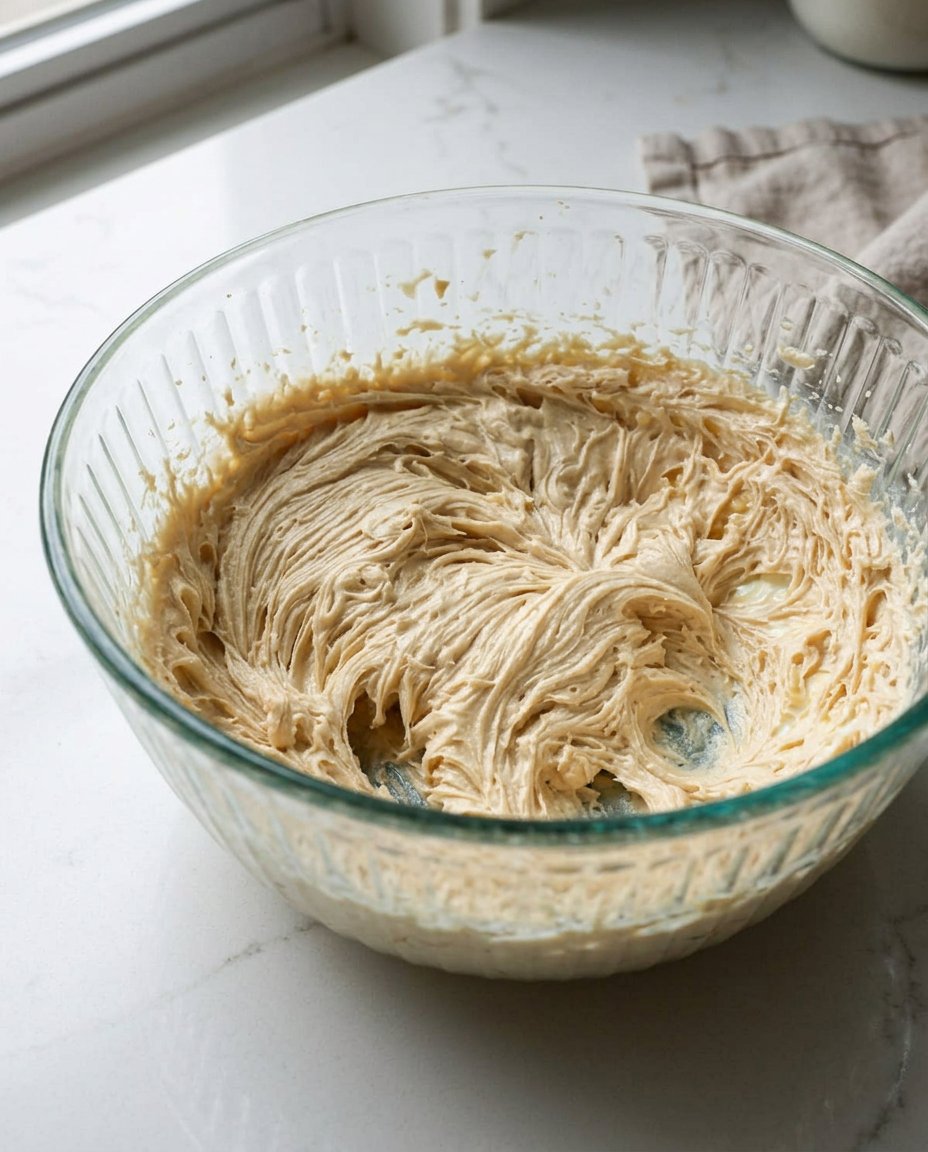
In a large mixing bowl, combine the softened butter (113g) and the sweetener (120g). Beat the mixture at medium speed for approximately 3 minutes until the color lightens. This process, known as creaming, incorporates micro-bubbles of air into the fat. While we are not looking for significant leavening, this aeration ensures the final texture is not overly dense. Once fluffy, incorporate the 1/2 tsp vanilla and 1/2 tsp salt.
Step 2: Incorporating the Dry Matrix
Gradually add the 200g of almond flour and 2/3 of the chopped macadamia nuts to the butter mixture. Use a low speed to avoid over-processing the macadamias, which could release too much oil. The dough should begin to clump together. Tactile cue: The dough should feel like soft modeling clay and should not stick to your fingers when pressed.
Step 3: Rolling and Compression
Transfer the dough onto a silicone baking mat. Place a second sheet of parchment paper over the top to prevent sticking. Roll the dough out into a 10-inch by 10-inch square, approximately 1/4 inch (6mm) thick. Uniformity in thickness is critical; if the center is thicker than the edges, the cookies will bake unevenly, leading to a mix of burnt and raw textures.
Step 4: The Chilling Phase
Refrigerate the rolled dough for exactly 60 minutes. This step is non-negotiable in our test kitchen. Chilling allows the butter to re-solidify and the almond flour to fully hydrate. A cold dough produces a cleaner cut and prevents the cookies from losing their geometric integrity when placed in the oven.
Step 5: Precision Cutting and Spacing
Preheat your oven to 300°F (150°C). Using a pizza cutter or a bench scraper, cut the chilled dough into 1-inch by 2-inch rectangles. Carefully transfer the sticks to a lined baking sheet, leaving 1 inch of space between each for air circulation. This space is vital for the convective heat to reach all sides of the cookie evenly.
Step 6: Thermal Processing
Bake for 30 minutes. At the 15-minute mark, rotate the pan 180 degrees to account for any hot spots in your oven. The cookies are finished when the edges show a slight golden hue, but the center still appears pale. The internal temperature should be roughly 200°F (93°C). Let them cool completely on the pan; the structure is fragile while warm and needs time to set.
Step 7: The Chocolate Coating
While the cookies cool, melt the 3oz of sugar-free chocolate with the cocoa butter using a double boiler. Maintain the chocolate temperature below 90°F (32°C) to keep it in a semi-tempered state. Dip each cooled shortbread stick halfway into the chocolate, sprinkle with the remaining macadamias, and place on waxed paper until the coating is firm.
Lauren’s Lab Notes
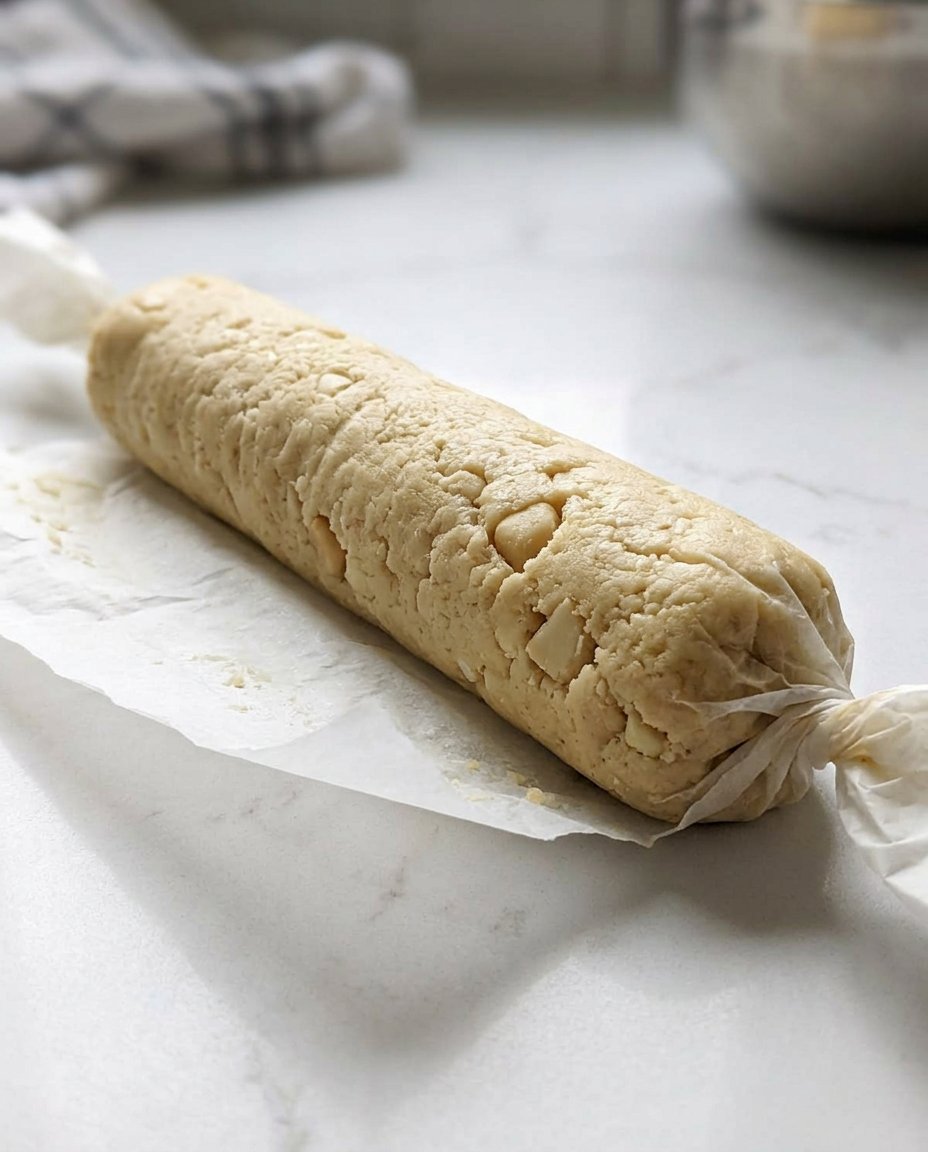
When working with grain-free shortbread, temperature is your most important variable. If your kitchen is above 75°F, your dough may become too soft to handle; in this case, return it to the freezer for 10 minutes before cutting. For those interested in the foundational principles of these doughs, check out our Foundation Cookie Recipes for more data on fat-to-flour ratios.
Another critical observation from our testing: the cooling process is actually a continuation of the baking process. As the cookies sit on the hot pan, residual heat continues to drive off moisture. Do not move them to a wire rack too early, or you risk breaking the delicate structure. We also recommend checking out established keto standards at All Day I Dream About Food for further inspiration on low-carb ingredient substitutions.
Tested Modifications
We have tested several variations of this formula to accommodate different flavor profiles while maintaining the 321-style ratio. For a festive twist, you can replace the vanilla with almond extract at a 1:1 ratio. We found that adding 5g of citrus zest to the butter during the creaming phase provides a bright acidity that cuts through the richness of the macadamia fats.
If you prefer a darker, more savory profile, try toasted the almond flour in a dry pan for 5 minutes before mixing; this initiates the Maillard reaction earlier and adds a nutty depth. For more insights on how these changes affect the bake, see our Holiday Cookie Science guide. Changing the nut type to pecans is also viable, though you must reduce the butter by 5g due to the higher oil content in pecans compared to almonds.
Optimal Enjoyment
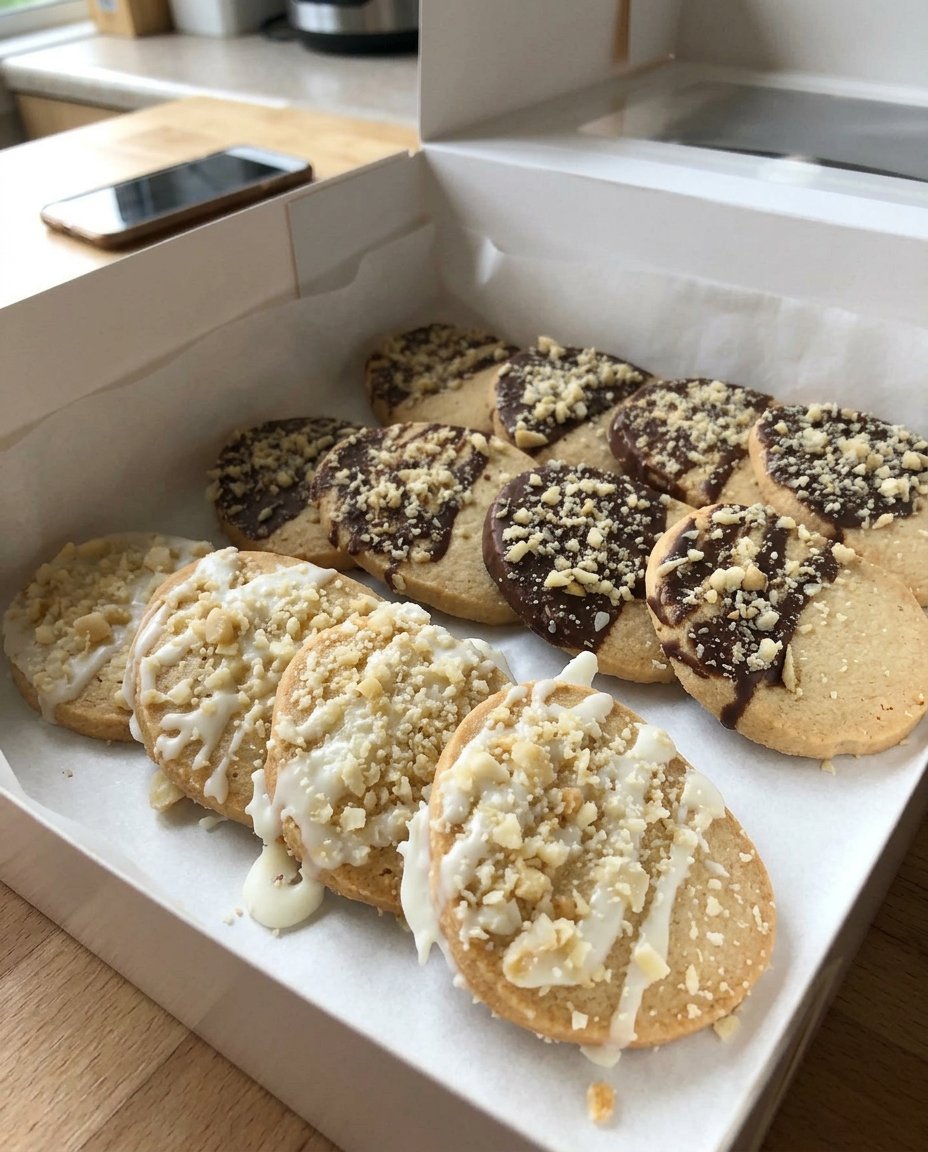
For the best sensory experience, serve these shortbread sticks at a room temperature of approximately 70°F (21°C). At this temperature, the butter fats are soft enough to melt on the tongue but the erythritol structure remains firm and snappy. If you prefer a harder cookie, you can store them in the refrigerator, which will significantly increase the mechanical resistance of the bite.
These cookies are designed to be paired with low-acid coffee or a robust tea, which complements the high fat content of the macadamias. For more on time-saving prep strategies, view our Efficient Cookie Methods. Always store these in an airtight glass container; plastic can sometimes impart odors that are easily absorbed by the high fat content of the shortbread.
The Scientific Truth
Success in the kitchen is the result of understanding the relationship between heat, fat, and structure. By following this precise macadamia shortbread formula, you have successfully navigated the challenges of grain-free baking. We encourage you to keep documenting your own results and oven calibrations to further refine your technique. For those ready to advance their aesthetic skills, visit our Precision Cookie Decorating section for chocolate tempering deep-dives.
Stay connected with our test kitchen for more data-driven recipes. Follow us on Instagram, Pinterest, and Facebook to see our latest texture studies and ratio revelations. Happy baking!